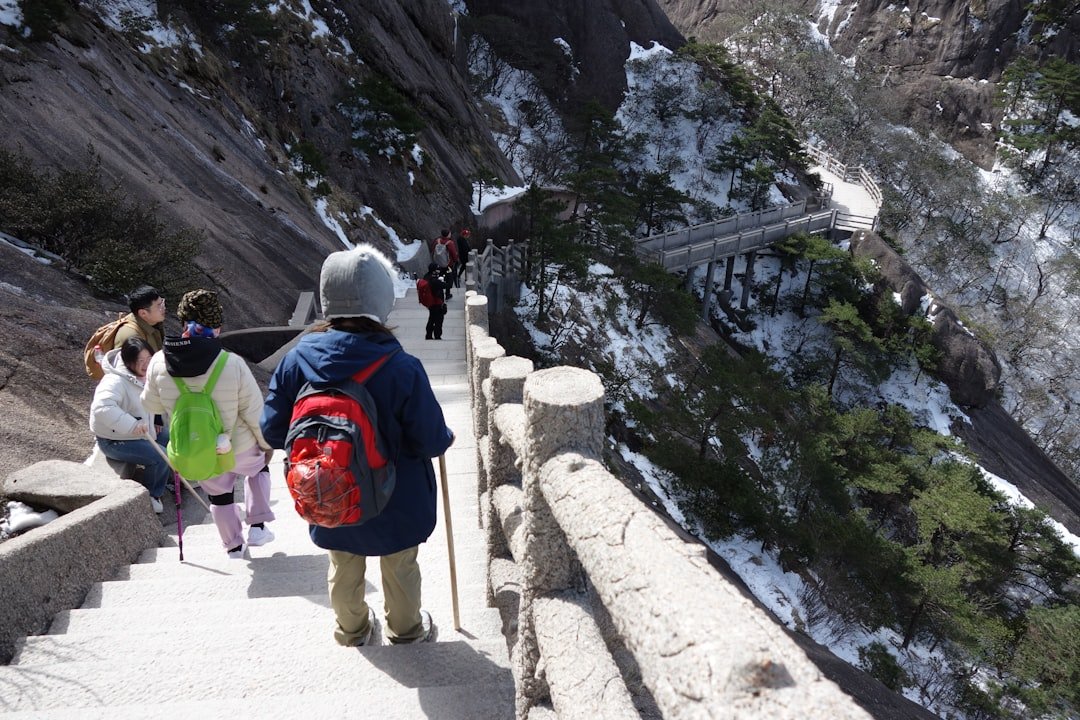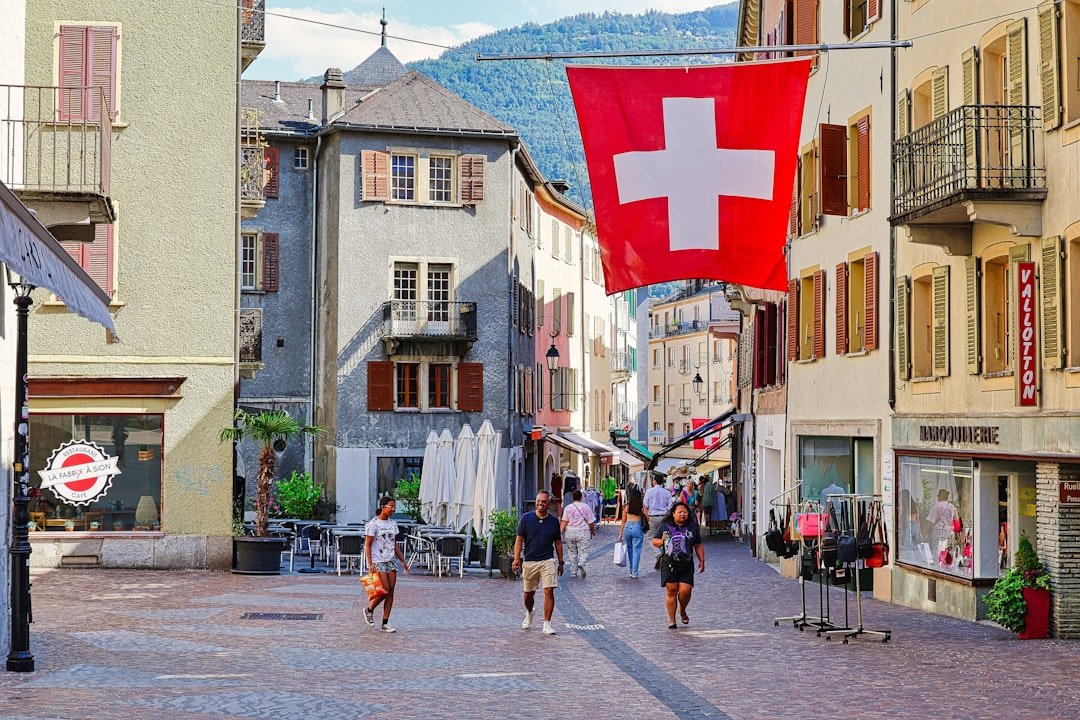
A well-planned Switzerland itinerary for 5 days can combine a city, a lakeside town, the Alps, and French-speaking Switzerland without wasting the trip on constant hotel changes. The most practical version starts in Zurich, moves through Lucerne and Interlaken, and finishes in Geneva only when your flight home leaves from Geneva; otherwise, return to Zurich on Day 5.
Quick Answer
For a first 5-day Switzerland itinerary, use Zurich as your arrival city, spend a day in Lucerne, sleep in Interlaken before your Alps day, and finish in Geneva only if you can fly out there. If you must return to Zurich, skip Geneva rather than turning the final day into a long transit sprint.
Last checked: October 1, 2026. Dates and figures were verified against official sources.
Key Takeaways
- Use Zurich, Lucerne, and Interlaken as the main bases; add Geneva only for an open-jaw trip that ends there.
- Sleep in Interlaken before the Jungfraujoch or Lauterbrunnen day so you are not spending most of your Alps day in transit.
- For 2026, Jungfraujoch seat reservations are mandatory from May 1 through October 31, even though the reservation is separate from the travel ticket.
- There is no 5-day Swiss Travel Pass. Consecutive passes come in 3, 4, 6, 8, or 15 days.
- Keep one mountain day flexible because cloud, wind, snow, and seasonal maintenance can change what is worth doing.
Day 1: Arrive in Zurich and Explore the Old Town
Keep your arrival day simple. After landing at Zurich Airport, take the train into the city, drop your luggage, and spend the rest of the day walking through central Zurich rather than booking a distant excursion.
According to Zurich Airport’s public-transport information, trains to Zurich Main Station leave about every 10 minutes and the journey takes around 15 minutes. That makes the rail transfer easier than arranging a rental car for a city-focused first day.
Walk from Bahnhofstrasse to the Limmat
Start at Bahnhofstrasse, which links Zurich Main Station with the lake. From there, cut into the Old Town and walk through the narrow streets around Lindenhof, Niederdorf, the Limmat River, and Grossmünster.
Lindenhof is a good first viewpoint because you can see the river, the Old Town, and Grossmünster without adding another paid attraction. Continue toward the lake if daylight and energy allow, then have an early dinner and rest after your flight.
Where to stay on the first night
For a short trip, staying near Zurich Main Station or the central Old Town reduces transfer time the next day. You do not need a car in central Zurich, and parking adds cost without helping much on this rail-based itinerary.
Day 2: Explore Zurich, Then Travel to Lucerne
Use Day 2 for one major museum plus more of Zurich’s historic center, then travel to Lucerne in the evening. This keeps the trip moving without forcing you to change hotels immediately after a long international flight.
Choose the Swiss National Museum or Kunsthaus Zurich
The Swiss National Museum beside Zurich Main Station is the better choice if you want Swiss history, archaeology, crafts, and cultural history in one stop. As of October 1, 2026, the National Museum Zurich is open Tuesday through Sunday from 10:00 to 17:00 and is closed on Monday.
If art is your priority, Kunsthaus Zurich has major holdings that include Alberto Giacometti as well as works by Monet and Van Gogh. Do not try to cover both museums thoroughly in the same morning unless museums are the main purpose of your Zurich stay.
Add Lindenhof, Lake Zurich, or a short boat ride
If you skipped Lindenhof on Day 1, visit it before lunch. On a clear day, a walk along Lake Zurich gives you a calmer contrast to the Old Town, while a short seasonal boat trip can replace more walking.
For lunch, try Zürcher Geschnetzeltes, sliced veal in a creamy sauce often served with rösti. In the late afternoon or early evening, take the train to Lucerne and stay there overnight so Day 3 starts at the lake rather than on a long transfer.
Day 3: Discover Lucerne and Choose a Mountain Excursion
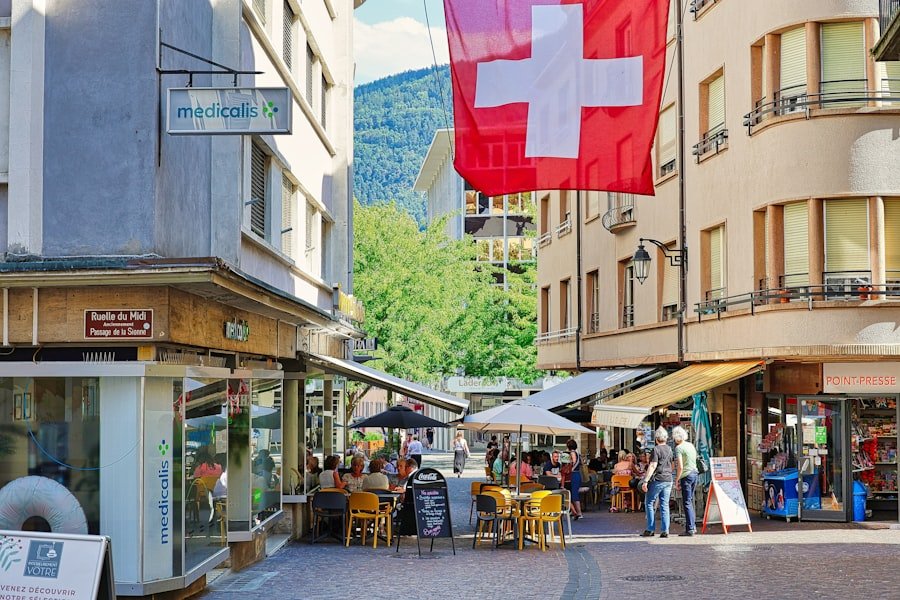
Lucerne works best as a city-and-mountain day, but trying to do every attraction will make it rushed. See the Old Town first, then choose either a mountain excursion or more time on Lake Lucerne before continuing to Interlaken for the night.
See Chapel Bridge and the Lion Monument
Walk across Chapel Bridge, or Kapellbrücke, and look up at the historic painted panels beneath its roof. The official Lucerne Tourism history of Chapel Bridge records the major fire of August 18, 1993, after which much of the bridge was rebuilt and reopened in 1994.
Continue through the Old Town to the Lion Monument. The rock relief commemorates Swiss Guards who died during the storming of the Tuileries in Paris in 1792. The compact city center makes both sights easy to combine on foot.
Choose Pilatus for a bigger mountain day or Rigi for flexibility
Mount Pilatus is the more structured excursion. The Golden Round Trip combines boat, cogwheel railway, cableway, gondolas, and bus, but it is seasonal. The 2026 Pilatus timetable says the cogwheel railway runs May 11 through November 29, while the Lucerne-Alpnachstad boat link runs only through October 18. The Kriens gondola and cableway are suspended October 19 through November 27 for maintenance.
Mount Rigi is a useful alternative when Pilatus connections do not fit your date or you want a simpler rail-and-boat excursion. Whichever mountain you choose, leave enough time to travel to Interlaken in the evening. Sleeping in Interlaken before Day 4 saves several hours of backtracking.
Pro Tip: If the summit is hidden in cloud, keep Lucerne as a city-and-lake day and save your main mountain budget for Jungfraujoch or Lauterbrunnen on Day 4.
Day 4: Adventure in the Swiss Alps
| Option | Best for | Key planning point |
|---|---|---|
| Jungfraujoch | High-alpine views, snow and glacier scenery | Reserve the mountain train time in the 2026 summer season |
| Lauterbrunnen | Waterfalls, valley walks and lower-altitude scenery | A strong alternative when high peaks are cloudy |
| Interlaken adventure day | Paragliding, seasonal hiking or winter sports | Choose activities that match weather, season and your experience |
For a first trip, Jungfraujoch is the headline choice when the forecast is clear. From Interlaken Ost, the fastest route via Grindelwald Terminal and the Eiger Express takes about 1 hour 30 minutes to Jungfraujoch, which sits at 3,454 metres above sea level.
The official Jungfrau travel information states that a CHF 10 seat reservation is mandatory from May 1 through October 31, 2026. The reservation is separate from the travel ticket. At the top, the main experiences include the Sphinx viewing area, Ice Palace, Plateau, and views toward the Aletsch Glacier.
Use Lauterbrunnen as the weather-proof alternative
If high-altitude visibility is poor, spend the day in Lauterbrunnen and the surrounding valley instead of paying for a clouded-out summit. The valley has waterfalls, village walks, and rail or cable-car links toward Wengen and Mürren, so you can scale the day up or down.
Interlaken is also a base for paragliding and other outdoor activities, but weather and operator rules matter. Build one main activity around the conditions rather than stacking several expensive bookings into the same day.
Note: Jungfraujoch is a high-altitude destination. Move slowly, dress for colder conditions than the valley, and descend if you feel significantly unwell.
Day 5: Finish in Geneva or Return to Zurich
Geneva makes sense on Day 5 only when you are departing from Geneva or staying longer in western Switzerland. If your return flight is from Zurich, use this day to travel back east and avoid crossing the country twice.
Walk the lakefront and see the Jet d’Eau
After arriving in Geneva, leave your luggage and walk toward the lake. The official Geneva Tourism page for the Jet d’Eau lists the fountain at 140 metres high, with water projected at up to 200 km/h. Strong wind or cold weather can stop its operation.
From the waterfront, continue toward the Old Town, St. Peter’s Cathedral, or Parc des Bastions. If you prefer a slower finish, choose one museum or a lakeside park instead of racing through every central attraction.
Visit the Palais des Nations only with advance planning
The Palais des Nations is not a casual walk-in attraction. The United Nations Office at Geneva visitor information says individual guided tours are limited, generally last about one hour, and often sell out. For 2026, adult tours cost CHF 25; visitors must register for an access badge, carry accepted identification, and arrive 30 minutes early for security.
If a UN tour does not fit your schedule, Geneva still offers a strong final day through its Old Town, lakeside parks, watchmaking museums, and cafés. The Patek Philippe Museum is a good alternative for travelers interested in Swiss watchmaking.
Getting Around Switzerland
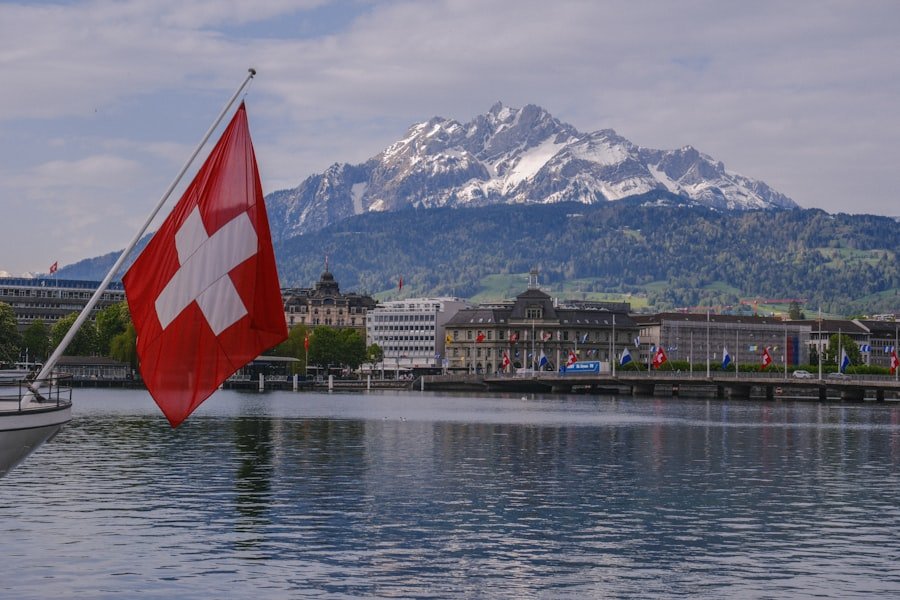
Trains are the easiest way to follow this itinerary. Zurich, Lucerne, Interlaken, and Geneva are connected by the national rail network, and city trams or buses cover the short urban legs.
Swiss Travel Pass or individual tickets?
Do not assume there is a 5-day Swiss Travel Pass. SBB sells the consecutive pass for 3, 4, 6, 8, or 15 days. According to the official 2026 Swiss Travel Pass prices, a 4-day adult 2nd-class pass costs CHF 309 and a 6-day pass costs CHF 399 through December 31, 2026.
For this exact five-day route, compare the 6-day pass with point-to-point tickets and the Swiss Half Fare Card before buying. The Swiss Travel Pass covers a large amount of rail, bus, boat, and local public transport, but mountain railways and cable cars can have separate discounts rather than full coverage.
A rental car is most useful only if you are deliberately visiting rural places that are awkward by public transport. It adds parking and driving logistics in cities, and Zermatt is car-free if you later extend the trip there.
Enjoying Swiss Cuisine
Swiss food changes by region, so a five-day route gives you several different chances to try local specialties. In Zurich, look for Zürcher Geschnetzeltes with rösti. In central Switzerland and alpine areas, fondue and raclette are easy comfort-food choices, especially in colder weather.
Rösti is a crisp potato dish that can appear as a side or a meal base. You can also sample Swiss cheeses, chocolate, bakery items, regional wines, and local beers without turning every meal into a formal restaurant stop.
Leave room in the schedule for simple supermarket lunches or bakery stops. They save time on transfer days and can help balance the cost of mountain tickets and city accommodation.
Must-See Attractions to Swap Into a 5-Day Switzerland Itinerary
The Matterhorn, Lauterbrunnen Valley, and Glacier Express are all major Switzerland highlights, but they do not fit comfortably into the same five-day route as two full Zurich days, Lucerne, Jungfraujoch, and Geneva. Treat them as swaps or extensions rather than extra boxes to tick.
Matterhorn and Zermatt
If the Matterhorn matters more to you than Geneva, travel from Interlaken toward Zermatt after Day 4 and spend Day 5 there. Zermatt gives you mountain viewpoints, a car-free village center, and access to high-alpine cable cars, but it works best when you are not also trying to reach Geneva the same day.
Lauterbrunnen Valley
Lauterbrunnen is the easiest addition because it belongs naturally to the Day 4 Jungfrau Region plan. Choose it instead of Jungfraujoch in poor summit weather, or pair a valley walk with Wengen or Mürren if you prefer scenery at a lower altitude.
Glacier Express
The Glacier Express is better saved for a longer itinerary. The official Glacier Express timetable shows that the full route connects Zermatt and St. Moritz and requires a mandatory seat reservation. It is a major journey in its own right, not a quick side trip from Zurich or Lucerne.
Packing Tips for a Trip to Switzerland
Pack for altitude changes rather than one fixed temperature. Even when the cities feel mild, mountain viewpoints can be cold, windy, wet, or snowy, so layers are more useful than one heavy outfit.
- Waterproof outer layer: useful for rain, lakefront wind, and mountain weather.
- Comfortable walking shoes: choose good grip for cobblestones, wet paths, and easy trails.
- Warm mid-layer: carry one for Jungfraujoch or other high-elevation stops even in summer.
- Sunglasses and sunscreen: high-altitude sun can feel strong even in cool air.
- Reusable water bottle: useful on long sightseeing and rail days.
- Power adapter: bring one compatible with Swiss Type J sockets if your plugs do not fit.
Choosing the Right Accommodation in Switzerland
On a five-day trip, location usually matters more than room size. Staying close to major stations reduces early-morning transfers, luggage hauling, and the risk of missing mountain connections.
For this route, stay near Zurich Main Station or central Old Town on Night 1, Lucerne station or Old Town on Night 2, and Interlaken Ost or a convenient local connection on Nights 3 and 4 if you are prioritizing the Jungfrau Region. If Geneva is your departure city, stay there only when you have a later flight or an extra night.
Book mountain-region accommodation earlier for peak summer and winter periods. If your budget is tight, compare hostels, simple guesthouses, and rooms a few stops outside the most famous resort centers.
Tips for Making the Most of Your 5-Day Switzerland Itinerary
The biggest mistake is adding too many famous places because they look close on a map. Switzerland’s trains are excellent, but repeated two- and three-hour transfers still consume the trip.
- Use an open-jaw flight when possible. Arriving in Zurich and departing Geneva makes this east-to-west route much cleaner.
- Sleep near the next day’s main activity. Interlaken before Jungfraujoch is more useful than starting that day in Zurich or Lucerne.
- Keep the Alps day weather-flexible. Choose Jungfraujoch for clear high-altitude views and Lauterbrunnen for a lower-cost valley day when clouds hide the peaks.
- Check operating seasons before paying. Mountain boats, cogwheel railways, gondolas, and hiking routes do not all operate on the same calendar.
- Do not buy a rail pass automatically. Price the exact itinerary first, especially because the Swiss Travel Pass has no five-day option.
- Start early on mountain days. This gives you more time for connections and a better chance to adjust if weather changes.
For a simple dairy recipe you can make after your trip, see this article on homemade cottage cheese.
Frequently Asked Questions
Is 5 days enough for Switzerland?
Yes, five days is enough for a focused first trip, but not for every famous region. A route built around Zurich, Lucerne, and the Jungfrau Region is realistic. Add Geneva only when it fits your departure airport; otherwise, use the final day to return to Zurich without rushing.
What are the must-visit destinations for a 5-day Switzerland itinerary?
For this route, the core stops are Zurich, Lucerne, Interlaken, and one Jungfrau Region mountain or valley day. Geneva works as a final stop for travelers flying out of Geneva. If the Matterhorn is a priority, replace Geneva with Zermatt rather than trying to add both.
What activities should I do during five days in Switzerland?
Mix city walking, one museum, a lake or boat experience, Lucerne’s historic sights, and one major Alps day. Jungfraujoch suits travelers who want a high-altitude rail experience, while Lauterbrunnen suits those who prefer waterfalls and valley scenery. Keep adventure sports optional and weather-dependent.
What is the best way to travel between Swiss cities?
Train travel is the easiest option for this itinerary because the main stops are well connected and you avoid city parking. Local trams, buses, boats, and mountain railways handle the shorter legs. A rental car is more useful for rural detours than for Zurich, Lucerne, Interlaken, or Geneva.
What Swiss dishes should I try?
Try fondue, raclette, rösti, and Zürcher Geschnetzeltes during a short trip. Swiss chocolate, local cheeses, bakery items, regional wines, and beers are also easy to sample between sightseeing stops. You do not need a formal restaurant for every meal to experience Swiss food.
What is the best time of year for a 5-day Switzerland trip?
June through September is the easiest period for hiking, lake trips, and broad mountain access, while winter is better for skiing and snow-focused travel. Spring and autumn can be quieter, but some mountain transport has maintenance closures or reduced seasonal operation, so the exact route needs more checking.
Which Swiss Travel Pass should I buy for a 5-day trip?
There is no five-day Swiss Travel Pass. The consecutive pass is sold for 3, 4, 6, 8, or 15 days, so a five-day traveler should compare the 6-day pass with point-to-point tickets and the Swiss Half Fare Card. Mountain excursions may still require extra tickets or reservations.
Sources
- Zurich Airport: train frequency and approximate travel time to Zurich Main Station.
- National Museum Zurich: current museum opening hours from October 1, 2026.
- Lucerne Tourism: Chapel Bridge history and the 1993 fire.
- Pilatus-Bahnen: 2026 cogwheel railway, boat connection, and cableway operating dates.
- Jungfrau Railways: Jungfraujoch journey time, altitude, seat-reservation rule, and 2026 reservation period.
- SBB: Swiss Travel Pass durations and 2026 prices.
- Geneva Tourism: Jet d’Eau height, water speed, and operating limitations.
- United Nations Office at Geneva: guided-tour duration, 2026 pricing, identification, booking, and security requirements.
- Glacier Express: route, seasonal timetable, and mandatory seat reservation.