Swiss bakeries turn flour, butter, milk, honey, nuts, and spices into foods with strong regional identities. Three of the best-known examples are Zopf, a soft braided bread; Basler Läckerli, firm honey-and-spice biscuits from Basel; and Biberli, small filled pastries linked to Appenzell. Each has a different texture, history, and place at the Swiss table.
Quick Answer
The Swiss bakery delights to try first are Zopf for a soft, buttery breakfast bread, Basler Läckerli for a firm honey-and-spice biscuit, and Biberli for a dense honey pastry with almond filling. Zopf is best fresh, while Läckerli and Biberli are easier to pack, store, and bring home as gifts.
Key Takeaways
- Zopf, also called Butterzopf, is a braided yeast bread traditionally associated with Sunday breakfast or brunch.
- Basler Läckerli are intentionally firm biscuits made with honey, nuts, candied citrus peel, and warm spices.
- Biberli are palm-sized versions of Biber, made from spiced honey dough with a dense almond filling.
- Early Swiss spice-bread traditions are centuries old, but the modern filled Biber developed later than the earliest written records.
- Traditional recipes commonly contain wheat, dairy, egg glaze, honey, almonds, or hazelnuts, so check the label when you have dietary restrictions.
Swiss bakery delights compared
Zopf, Basler Läckerli, and Biberli are all Swiss classics, but they are not similar pastries. This quick comparison can help you decide which one to try first.
| Treat | Region | Texture | Main flavors | Best for |
|---|---|---|---|---|
| Zopf | Found across Switzerland, with a strong Bernese Sunday-bread tradition | Soft, airy, and tender | Butter, milk, wheat, and mild yeast | Breakfast, brunch, toast, and sandwiches |
| Basler Läckerli | Basel | Firm, chewy, or crisp-edged depending on the baker | Honey, nuts, citrus peel, cinnamon, cloves, and nutmeg | Coffee breaks, gifts, and travel |
| Biberli | Appenzell and eastern Switzerland | Dense honey dough with a compact filling | Honey, almond, and balanced warm spices | Snacks, coffee, hiking food, and gifts |
Zopf: the classic Swiss braided bread
Zopf means “braid” in German and describes the loaf’s woven shape. You may also see the regional name Züpfe, especially around Bern, Tresse in French-speaking Switzerland, or Treccia in Italian-language descriptions.
Switzerland Tourism describes Bernese Züpfe as a traditional Sunday bread made with butter and milk and brushed to create its golden surface. It is closely associated with a generous Sunday brunch and is also traditionally served at New Year.
What Zopf is made from
A classic dough normally contains flour, milk, butter, yeast, and salt. Egg is commonly brushed over the shaped loaf to create its glossy brown crust, but it is not required inside every Zopf dough. For example, the standard Swissmilk Butterzopf recipe uses egg for brushing rather than as a dough ingredient.
The enriched dough gives Zopf a soft crumb and a tender bite. It is usually mild rather than dessert-sweet, which is why it works with both sweet and savory toppings.
How Swiss families serve Zopf
Fresh Zopf is commonly served with butter, jam, honey, or cheese at breakfast and brunch. It also works well as sandwich bread. Once it begins to dry, slices can be toasted or used for French toast.
Pro Tip: Buy Zopf on the morning you plan to eat it. For longer storage, slice it once cool and freeze the slices in a sealed bag so you can toast only what you need.
Basler Läckerli: Basel’s spiced honey biscuit
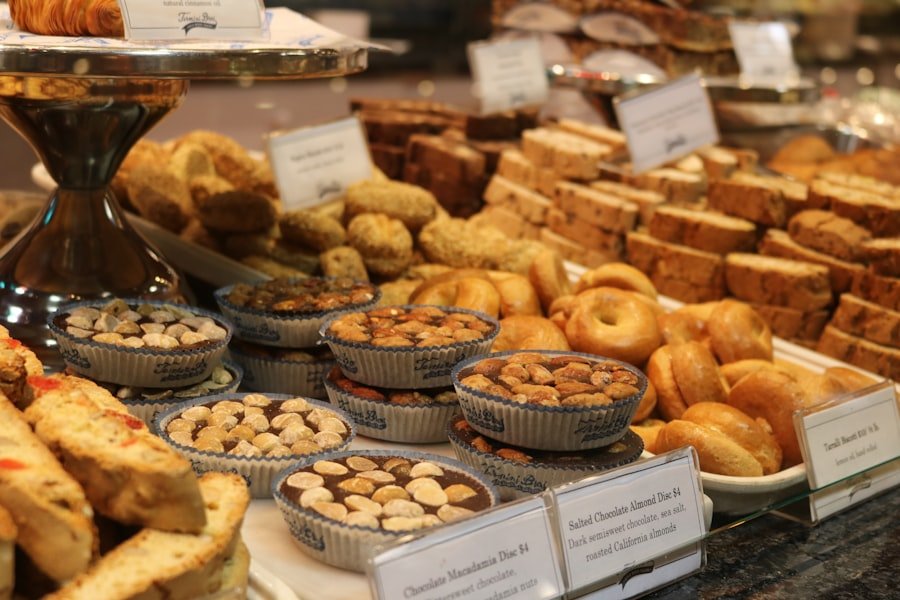
Basler Läckerli are flat, firm spice biscuits associated with Basel. Traditional recipes commonly combine honey and sugar with flour, almonds, hazelnuts, candied orange and lemon peel, and spices such as cinnamon, cloves, and nutmeg. Some versions also use Kirsch in the dough, glaze, or both.
The dough is usually baked as a sheet, glazed, and cut into rectangles. The finished biscuit is firmer than a soft cookie. That firmness is part of its normal character, not necessarily a sign that it is stale. Basel Tourism identifies honey, hazelnuts, almonds, candied citrus peel, and spices as characteristic ingredients.
A careful look at Läckerli history
Läckerli have deep roots in Basel’s gingerbread and confectionery traditions. Historical records summarized by Jakob’s Basler Leckerly place Läckerli production in private Basel households during the 17th century. The name appears above a recipe dated 1741, and commercial production expanded as dedicated manufactories developed during the 18th and 19th centuries.
By 1826, a Basel address book listed five Läckerli manufacturers. During the 19th century, the biscuits also became established as a souvenir that could travel farther than fresh bread or delicate pastries.
Note: Recipes differ among producers. If you avoid alcohol completely, check the ingredient label or ask the bakery whether Kirsch is used and how the finished product is handled.
Biberli: a honey-and-almond pastry from Appenzell
| Aspect | Details |
|---|---|
| Origin | Appenzell region and the wider eastern Swiss spice-bread tradition |
| Main ingredients | Spiced honey dough and almond paste, with formulas varying by bakery |
| Flavor | Honey-sweet, nutty, and gently spiced |
| Texture | Dense honey cake surrounding a compact nut filling; often molded or embossed |
| Popular in | Bakeries, cafés, inns, station shops, and food stores across Switzerland |
Biberli are small versions of Biber. They are made from spiced honey dough wrapped around a dense almond filling, and many have a design pressed into the surface. The Swiss Culinary Heritage inventory describes the Appenzeller Biber as a brown, molded gingerbread pastry filled with almond paste and notes that individual bakeries follow their own house recipes.
In modern standard German, Biber means “beaver,” while the Swiss diminutive ending -li indicates something small. However, the pastry name probably does not have a simple connection to the animal. Culinary historians have proposed links to older terms for pepper, spices, honey bread, or spice cakes, and no single explanation is universally accepted.
How old is the Biberli tradition?
Written evidence shows that spice breads were known in Appenzell by the late 16th century. A 1597 record refers to piperzelten, but it does not describe the modern filled Biberli in enough detail to treat the two as identical.
The surviving evidence for almond-filled Biber recipes is later, appearing around 1800 in eastern Swiss cookbooks. Molded spice breads themselves are older. The safest summary is that Biberli grew from a centuries-old regional spice-bread tradition, while the familiar filled form developed over time.
Biber, Biberli, and Biberfladen
- Biber: A larger, usually decorated spice-bread pastry with almond filling.
- Biberli: A smaller, palm-sized version that is convenient as an individual snack.
- Biberfladen: A related round spice bread that is generally unfilled and softer or airier than a filled Biber.
These names are sometimes used loosely outside their home region, so the ingredient list and visible filling are more reliable than the package name alone.
What makes Swiss baked goods unique?
Swiss baking is regional rather than based on one national flavor. Zopf highlights enriched yeast dough, milk, butter, careful kneading, and braiding. Basler Läckerli combine honey, nuts, citrus peel, and imported warm spices. Biberli pair a dense honey dough with almond filling and molded decoration.
Technique matters as much as the ingredients. Zopf needs enough kneading and rising time to develop a soft crumb. Läckerli depend on the balance between honey, flour, nuts, spice, baking time, and glaze. Biberli require a dough firm enough to hold a design and contain the filling without becoming dry.
The best-known Swiss bakery foods are not one style of pastry: they range from fresh braided bread to firm travel biscuits and filled honey cakes.
Where to find authentic Swiss bakery delights
Zopf is widely available across Switzerland, especially before and during the weekend. Bakeries and supermarkets commonly sell full loaves and smaller braided portions. For the freshest texture, shop early and ask whether the loaf was baked that morning.
In Basel, confectioners and specialty shops sell Basler Läckerli throughout much of the year. You will find traditional rectangles, softer or firmer house styles, chocolate-covered versions, and gift tins. A noticeably firm bite is normal for classic Läckerli.
In Appenzell and nearby eastern Swiss towns, local bakeries sell Biber, Biberli, and Biberfladen in several sizes. The surface may show a bear, landscape, person, building, coat of arms, or decorative pattern pressed with a mold.
What to check before buying
- For Zopf: Look for a glossy, evenly browned crust and a loaf that feels light for its size rather than heavy and compact.
- For Läckerli: Read the label if nuts, gluten, citrus peel, or Kirsch are concerns. Expect a firm texture.
- For Biberli: Check whether it has almond filling, another nut filling, or no filling at all.
- For gifts: Choose sealed biscuits or Biberli instead of fresh Zopf when the food must travel for several days.
How to enjoy them like a local
- Zopf: Eat it fresh with butter and jam for breakfast or brunch. It is also good with honey, cheese, or cold cuts. Toast any slightly dry leftovers.
- Basler Läckerli: Break or cut a firm biscuit into smaller bites and let the honey, citrus, nut, and spice flavors soften as you chew.
- Biberli: Eat one as a coffee or tea snack, or slice a larger Biber into small pieces so the almond filling is spread through every serving.
The perfect drink pairings
Zopf goes well with coffee, black tea, milk, or hot chocolate. Its mild flavor also works with fruit juice at breakfast.
Basler Läckerli match espresso or unsweetened black tea, which balance their honey and spice. For adults who drink alcohol, a small glass of Kirsch can echo an ingredient used in some Läckerli recipes.
Biberli are especially good with coffee, herbal tea, or black tea. During colder months, their honey and spice also suit mulled wine or a nonalcoholic warm spiced drink.
How to store and carry Swiss baked goods
Zopf: Keep it sealed at room temperature and eat it while fresh. For longer storage, slice and freeze it. Refrigeration can make bread seem dry more quickly.
Basler Läckerli: Store them in a sealed tin or package in a cool, dry place. Their exact shelf life depends on the recipe and packaging, so follow the producer’s date and storage instructions.
Biberli: Keep them wrapped or sealed so the honey dough does not dry out. Large decorated Biber should be protected from bending or crushing during travel.
Läckerli and individually wrapped Biberli are usually more practical souvenirs than Zopf because they tolerate travel and room-temperature storage better.
Dietary and allergen notes
Recipes vary, but traditional versions frequently contain several major allergens or restricted ingredients:
- Zopf: Usually contains wheat and milk, and commonly has an egg-based glaze.
- Basler Läckerli: Usually contain wheat, almonds, hazelnuts, or other nuts. Some recipes include Kirsch.
- Biberli: Usually contain wheat, almonds, honey, and sometimes milk or other ingredients that vary by bakery.
Traditional Zopf is not dairy-free, while traditional Läckerli and Biberli use honey and therefore are not considered vegan. Special gluten-free, lactose-free, dairy-free, or vegan-style versions are available from some producers, but they should not be assumed from the product name alone.
Bringing the taste of Switzerland home
You can make all three foods at home, but each needs a different method. For Zopf, prepare an enriched yeast dough, let it rise fully, braid it without pulling the strands too tightly, and brush the surface before baking.
For Läckerli, combine a firm honey-and-spice dough with nuts and candied citrus peel, bake it as a sheet, glaze it while appropriate for the recipe, and cut it into rectangles. Do not expect the finished biscuit to have the softness of an American-style cookie.
For Biberli, enclose portions of almond filling in spiced honey dough, seal the edges, and press or shape the surface before baking. The dough must be firm enough to hold the filling but should not be overbaked.
Pro Tip: Choose one established Swiss recipe and follow it closely the first time. Flour absorption, spice blends, resting periods, and raising agents differ enough that combining parts of several recipes can produce an unreliable result.
Other Swiss treats to explore
Another well-known regional pastry is Engadine nut tart, also called Engadiner Nusstorte or Bündner Nusstorte. It combines short pastry with a rich caramel-and-walnut filling and is associated with Graubünden. Engadin tourism connects the tart’s development with the experience of Engadine confectioners who worked across Europe, while noting that there is no uncontested record of one original inventor.
You can also look for Bündner pear bread, regional fruit breads, nut pastries, seasonal yeast figures, and local cakes. Switzerland is famous for chocolate as well, although chocolate is a confection rather than a baked good.
Rösti is another Swiss classic, but it is a savory potato dish rather than a bakery item. It may appear at breakfast or brunch alongside bread, eggs, cheese, or other substantial foods.
Frequently Asked Questions
What are the most popular Swiss bakery items to try?
Good starting choices include Zopf, Basler Läckerli, Appenzeller Biberli, Engadine nut tart, Bündner pear bread, and regional fruit or nut pastries. Zopf is best for breakfast, while Läckerli and Biberli are easier to carry as snacks or gifts.
Is Zopf sweet?
Zopf is rich because it contains milk and butter, but a classic loaf is normally only mildly sweet or not noticeably sweet at all. It can be served with jam and honey or with cheese, cold cuts, and savory sandwich fillings.
Does traditional Zopf contain egg?
Many Zopf loaves are brushed with egg to create a shiny golden crust. Egg may appear in some dough formulas, but it is not required in every traditional recipe. Check the bakery’s ingredient list when egg is an allergy concern.
What gives Basler Läckerli their flavor?
Their characteristic flavor comes from honey, candied orange and lemon peel, almonds or hazelnuts, and a warm spice mixture that may include cinnamon, cloves, and nutmeg. Some recipes also use Kirsch.
Are Basler Läckerli supposed to be hard?
Classic Läckerli are intentionally firm and may be chewy or crisp around the edges. Their texture varies by recipe and age, but they are normally much firmer than a soft cookie. Break a firm piece into smaller bites rather than assuming it is stale.
What is inside a Biberli?
A traditional Biberli usually contains a dense almond filling enclosed in lightly spiced honey dough. Some bakeries make other nut fillings or special variations, so check the label when the exact filling matters.
What is the difference between Biber, Biberli, and Biberfladen?
Biber is the larger filled and often molded pastry. Biberli is the smaller individual version. Biberfladen is generally an unfilled, round spice bread with a lighter texture, although recipes and regional naming can vary.
Do Basler Läckerli contain alcohol?
Some Läckerli recipes use Kirsch in the dough or glaze, while others do not. The amount remaining in a finished product depends on the recipe and process. Anyone avoiding alcohol strictly should check the package or contact the producer.
Are these Swiss treats seasonal?
Zopf, Läckerli, and Biberli are commonly sold throughout the year. Zopf has a strong weekend tradition, while the honey-and-spice flavors of Läckerli and Biberli receive extra attention during autumn, winter, and the Christmas season.
Sources
- Switzerland Tourism: Zopf, the Sunday tradition — supports the bread’s Bernese roots, milk-and-butter dough, egg glaze, and Sunday custom.
- Swissmilk: Butterzopf recipe — supports the standard dough ingredients, braiding method, rising, and use of egg as a surface coating.
- Basel Tourism: Läckerli Huus — supports the defining Läckerli ingredients and connection to Basel.
- Jakob’s Basler Leckerly: History — supports the development of Läckerli production from the 17th through 19th centuries.
- Swiss Culinary Heritage: Appenzeller Biber and Biberli — supports the filling, molded form, regional variations, terminology, and historical context.
- Engadin Tourism: Engadine confectionery traditions — supports the regional story and uncertain authorship of Engadine nut tart.