Geneva combines a compact historic center, a dramatic lakeside setting, major international institutions, world-class watchmaking, and easy access to the Alps. Three days gives you enough time to see the Old Town, Lake Geneva, several museums and international landmarks without rushing, while still leaving room for Swiss food, parks, and an optional mountain excursion.
Quick Answer
For 3 days in Geneva, spend Day 1 exploring the Old Town and Reformation sites, Day 2 on museums and International Geneva, and Day 3 around Lake Geneva, parks, and Mont Salève. Use Geneva’s excellent public transport, check current museum renovations before visiting, and reserve popular UN tours in advance.
Key Takeaways
- Three days is enough for Geneva’s Old Town, lakefront, major museums, international district, and several local food experiences.
- St. Peter’s Cathedral, Place du Bourg-de-Four, Maison Tavel, the Jet d’Eau, and Parc des Bastions are excellent first-time highlights.
- Eligible overnight visitors can receive a free Geneva Transport Card for public transport in Zone 10.
- Some cultural venues have changed operations in 2026, so check official museum and performance pages before setting out.
- Mont Salève and Chamonix are in France, so carry valid travel identification and any visa documents required for your nationality.
2026 planning note: Geneva has several major renovation projects. MAMCO’s Geneva building is closed during its 2025–2028 renovation, and Grand Théâtre de Genève performances in 2026 are being staged at the Bâtiment des Forces Motrices. Always check the venue shown on your ticket before travelling.
Day 1: Exploring Geneva’s Old Town
Explore the Historic District
Begin your first morning in Geneva in the Vieille Ville, or Old Town. Its cobbled lanes, small squares, historic façades, museums, and hidden passages make it one of the city’s best areas to explore on foot.
The main landmark is St. Peter’s Cathedral, which began taking shape in the 12th century and later became closely associated with Geneva’s Protestant Reformation. Its architecture reflects centuries of alterations rather than one single style.
Panoramic Views and Lively Squares
If you are comfortable with stairs, climb the 157 steps of the cathedral’s north tower. The reward is a broad view across Geneva’s rooftops, Lake Geneva, the Jet d’Eau, and, in clear weather, the surrounding mountains.
From the cathedral, walk to Place du Bourg-de-Four. Geneva Tourism describes it as the city’s oldest square. Its market was already important by the 9th century, and today its terraces and cafés make it an easy place to stop for coffee or lunch.
Uncover Geneva’s History
Continue to Maison Tavel, Geneva’s oldest surviving private residence. The house was rebuilt after a fire in 1334 and now operates as a museum covering the city’s urban development and everyday life through different periods.
From there, walk toward Parc des Bastions and the Reformation Wall. The park is a pleasant transition between the dense Old Town and Geneva’s greener spaces, while the monument introduces the religious and political history that shaped the city during the Reformation.
Pro Tip: Geneva’s central sights are close together. Walking from the lake to the Old Town, St. Peter’s Cathedral, Bourg-de-Four, Maison Tavel, and Parc des Bastions avoids unnecessary transport and works well for your first day.
Day 2: Discovering Geneva’s Cultural Attractions
Use your second day for Geneva’s museums, watchmaking heritage, and international district. Start at the Musée d’Art et d’Histoire, one of the city’s major cultural institutions. Its collections cover paintings, sculpture, archaeology, works on paper, applied arts, arms, musical instruments, textiles, watches, enamel, jewelry, and other historical objects.
The museum is a better introduction to Geneva’s artistic and historical collections than the original claim that Jean-Jacques Rousseau was one of its featured “artists.” Rousseau was a Genevan philosopher and writer, not a visual artist.
Next, consider the Patek Philippe Museum. Its collection covers roughly five centuries of Genevan, Swiss, and European watchmaking and includes around 2,500 watches, automatons, precious objects, and miniature enamel works, along with Patek Philippe creations dating from the company’s founding in 1839.
If you plan to visit on a busy day, buying museum tickets in advance can make the schedule easier. The Patek Philippe Museum is normally closed on Mondays, so place it on whichever itinerary day matches its current opening schedule.
Visit International Geneva
After the museums, travel to the Nations district. The Palais des Nations is the home of the United Nations Office at Geneva and one of the city’s defining international landmarks.
Public access to the Palais des Nations is through an official guided tour rather than casual walk-in sightseeing. Tours can sell out, and visitors must complete the required registration, carry accepted identification, and allow extra time for security screening. Check the current procedure on the official UN Geneva visitor page.
The International Red Cross and Red Crescent Museum is nearby, making the two attractions easy to combine when opening times align.
Warning: Do not arrive at the Palais des Nations assuming you can simply walk inside. Tours require booking and security procedures, and renovation work can change the route or availability at short notice.
Plan an Evening Performance Carefully
Geneva has a strong opera and dance scene, but 2026 visitors should pay attention to the performance venue. Grand Théâtre de Genève states that its performances are being presented at the Bâtiment des Forces Motrices during this period. Check the current Grand Théâtre program and use the location printed on your ticket rather than automatically going to Boulevard du Théâtre.
Day 3: Enjoying Geneva’s Natural Beauty
| Activity | Location | Approximate Time |
| Hiking | Mont Salève | Around 3 hours, depending on route |
| Picnic | Parc La Grange | About 1 hour |
| Cycling | Lake Geneva waterfront | Around 2 hours |
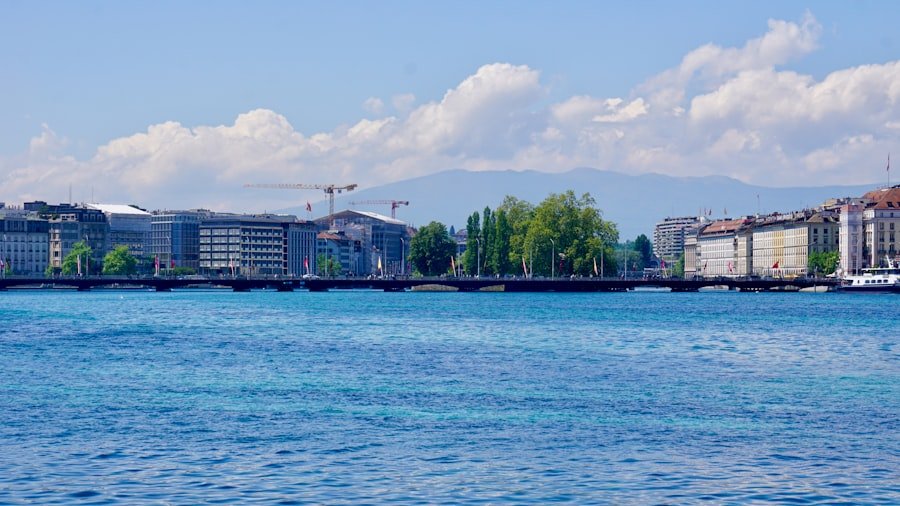
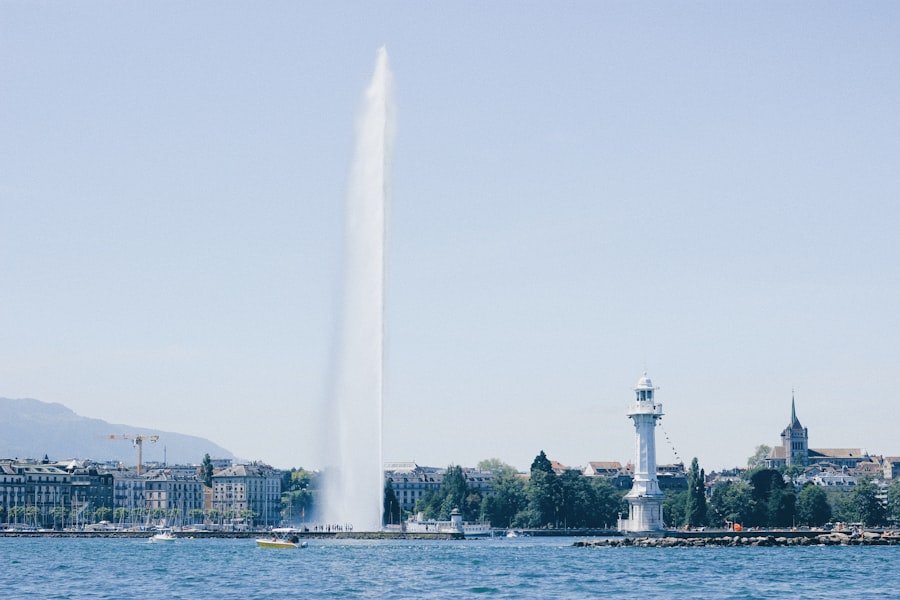
Spend your third morning along Lake Geneva. Walk the quays, visit the Jardin Anglais, and make your way toward the Jet d’Eau. Geneva’s famous fountain sends water about 140 meters into the air and is one of the easiest landmarks to combine with a lakeside walk.
You can also cross the harbor aboard a Mouette water bus. These small yellow boats form part of Geneva’s public transport network, so a valid local ticket or Geneva Transport Card can be used on eligible routes.
If you want more time on the water, choose a lake cruise or seasonal boat activity. Conditions and timetables change throughout the year, so check the operator’s current schedule rather than building the whole day around a fixed departure without confirmation.
For more green space, continue to Parc La Grange or Parc des Bastions. Parc des Bastions contains lawns, shaded paths, giant chessboards, and the Reformation Wall.
Optional Mont Salève Excursion
If the weather is clear, finish the day with Mont Salève. Although closely associated with Geneva, the mountain and its cable car are across the border in France. The cable car offers fast access to panoramic viewpoints and connects visitors with walking, hiking, climbing, mountain-biking, and paragliding areas.
The cable car operates seasonally and can close because of bad weather. In 2026, its published summer season runs from April 1 to November 1. Check current hours before travelling.
Warning: Mont Salève is in France. Carry valid identification and make sure you meet any border or visa requirements that apply to your nationality before leaving Switzerland.
Where to Stay in Geneva
Geneva has accommodation ranging from lakefront luxury hotels to hostels and serviced apartments. The best neighborhood depends less on hotel category than on what you want to reach quickly.
For a first visit, staying around the Old Town, Cornavin station, Pâquis, or the lakefront can reduce travel time. The Ritz-Carlton Hotel de la Paix is one of Geneva’s established luxury properties and offers a central lakeside location.
Budget travelers can consider Geneva Hostel in the Pâquis district. It is about a ten-minute walk from Cornavin station and provides both shared and private accommodation.
Serviced apartments can make sense for longer stays or travelers who want a kitchen. When comparing options, also check whether the property participates in the Geneva Transport Card program.
Pro Tip: Guests staying in approved Geneva accommodation are entitled to a free digital Geneva Transport Card for the duration of their stay. It covers Zone 10 buses, trams, eligible trains, and Mouette harbor boats.
Where to Eat in Geneva
Traditional Swiss Cuisine
A visit to Geneva is a good opportunity to try Swiss fondue. Café du Soleil at Petit-Saconnex is one of the city’s long-established fondue addresses and is regularly highlighted by Geneva Tourism.
Other Swiss dishes worth looking for include rösti, raclette, regional cheeses, and seasonal lake fish. Restaurant menus change, so choose according to location and current opening times rather than trying to force every famous dish into the same day.
Fine Dining
For a more refined meal, Geneva and its surrounding countryside have several acclaimed restaurants. One accurate Philippe Chevrier recommendation is Domaine de Châteauvieux in Satigny, in the Geneva wine region. Chevrier has been associated with the property since the 1980s, and it remains one of the area’s better-known gastronomic destinations.
It should not be confused with Restaurant de l’Hôtel de Ville in Crissier, which is near Lausanne and is a separate restaurant.
Food Markets and Local Delicacies
Food halls and markets such as Les Halles de Rive can be useful when you want a quicker meal, local produce, cheese, pastries, or specialty foods without committing to a long restaurant sitting.
Getting Around Geneva
Geneva is one of the easier European cities to explore without a car. Trams, buses, local trains, and Mouette harbor boats connect the center, railway station, lakefront, international district, and residential neighborhoods.
A standard Tout Genève Zone 10 ticket is valid for 60 minutes across the applicable network. Day passes are also available. Check current fares with Transports publics genevois before buying.
If you are staying in approved accommodation, the Geneva Transport Card is even more useful: it provides unlimited Zone 10 public transport for the duration of your stay.
Central Geneva is also highly walkable. The lakefront, Old Town, Parc des Bastions, shopping streets, and many museums can be combined on foot. Cycling is another option where you are comfortable using urban cycle routes.
Must-See Museums in Geneva
Geneva’s museums cover humanitarian history, art, archaeology, science, watchmaking, and contemporary culture.
The International Red Cross and Red Crescent Museum is one of the strongest choices for visitors interested in humanitarian history and the challenges faced by people affected by war and disaster.
The Musée d’Art et d’Histoire offers a much broader mix of fine art, archaeology, decorative arts, historical objects, horology, and other collections. It works well on Day 2 because of its position near the Old Town.
The Patek Philippe Museum is the standout choice for watchmaking. Its collections span approximately five centuries and give useful context to Geneva’s long relationship with horology.
Check Renovation Status Before Visiting
MAMCO should not currently be treated as a normal walk-in museum stop. Its Geneva building is undergoing a major renovation between 2025 and 2028. During the closure, MAMCO is presenting projects with partner institutions and at other venues. Check the official MAMCO renovation information and current program.
Geneva’s Natural History Museum has also undergone extensive renovation. The City of Geneva announced a progressive reopening beginning in September 2026, so verify which exhibitions and public spaces are accessible on your exact visit date rather than assuming the full museum is open.
Geneva’s Top Historical Sites
Geneva’s history is visible across the Old Town, Reformation sites, and international district.
The Palais des Nations is one of the city’s most important 20th-century landmarks. Originally connected with the League of Nations, it is now home to the United Nations Office at Geneva. Guided tours introduce the building’s history and the UN’s work, although the itinerary can change because the Palais is an active workplace undergoing renovation.
The Reformation Wall in Parc des Bastions commemorates key figures associated with the Protestant Reformation, including John Calvin, William Farel, Théodore de Bèze, and John Knox. It is easy to combine with the Old Town because it sits directly below the historic center.
St. Peter’s Cathedral and Maison Tavel provide a deeper look at Geneva’s religious, architectural, and urban history, while Place du Bourg-de-Four preserves the atmosphere of one of the city’s oldest public spaces.
Geneva’s Arts and Entertainment Scene
Geneva’s cultural calendar includes opera, dance, classical music, contemporary art, theater, festivals, and smaller independent events. Victoria Hall remains one of the city’s best-known classical-music venues, while the Grand Théâtre programs opera and dance throughout its season.
For 2026 visitors, remember that Grand Théâtre performances are being staged at the Bâtiment des Forces Motrices. Always follow the venue listed for the individual performance.
Contemporary-art travelers should also account for MAMCO’s temporary building closure. The museum continues to organize off-site projects during renovation rather than operating its normal Geneva galleries.
Neighborhoods such as Carouge and the wider Quartier des Bains area can still be worthwhile for galleries, architecture, cafés, and independent cultural venues even when one specific museum is closed.
Day Trips from Geneva
If you have more than three days, Geneva is a useful base for several trips into Switzerland and neighboring France. If you have exactly three days and this is your first visit, however, consider keeping the main itinerary inside Geneva and treating these excursions as optional replacements rather than mandatory additions.
Montreux and Lavaux
Montreux sits farther along Lake Geneva and is known for its waterfront, mountain scenery, music history, and access to Château de Chillon. The Lavaux vineyard terraces between Lausanne and Montreux are another popular addition and are especially attractive in good weather.
Chamonix-Mont-Blanc
Chamonix in France is one of the most popular mountain excursions from Geneva, but the travel time needs realistic planning. Direct road excursions typically take about 90 minutes in normal conditions, while the rail journey from Geneva Cornavin is much slower and can take around 2 hours 40 minutes.
Once in Chamonix, visitors can explore the town or, when conditions permit, purchase mountain-lift experiences such as the Aiguille du Midi. Weather can close high-altitude attractions even when the town itself is accessible.
Warning: Chamonix is in France. Bring an accepted passport or identity document and verify visa requirements before travelling. Mountain transport is also weather-dependent, so check operating conditions before paying for a tightly timed itinerary.
Whether you focus on historic Geneva, international institutions, museums, food, or the lakefront, three well-planned days provide a balanced introduction to the city without needing to rush through every attraction.
If you enjoy reading about food while planning your trip, you can also browse this article about Asian melon and this guide to homemade cottage cheese. These are general food articles rather than Geneva-specific itinerary stops, so treat them as optional reading.
Frequently Asked Questions
What is the best time to visit Geneva?
June through August is best for warm weather, lake activities, swimming, terraces, and outdoor events. Late spring and early autumn can be excellent if you prefer milder weather and fewer peak-season crowds. Winter offers a quieter city atmosphere and access to seasonal Alpine activities.
What are the must-see attractions in Geneva?
For a first visit, prioritize the Jet d’Eau, Lake Geneva waterfront, St. Peter’s Cathedral, the Old Town, Place du Bourg-de-Four, Parc des Bastions and the Reformation Wall, plus the international district around the Palais des Nations.
What are some recommended activities for a 3-day itinerary in Geneva?
Spend one day in the Old Town, one day visiting museums and International Geneva, and one day around the lake, parks, and Mont Salève. A lake cruise, Mouette harbor crossing, watchmaking museum, Swiss fondue meal, and UN tour can all fit comfortably when opening times align.
What are some popular day trips from Geneva?
Popular options include Montreux, the Lavaux vineyards, Chillon Castle, Annecy, Gruyères, and Chamonix-Mont-Blanc. Chamonix is in France, so remember your travel documents and allow substantially longer if travelling by train rather than direct road transport.
What currency is used in Geneva?
Geneva uses the Swiss franc, abbreviated CHF. Cards are widely accepted, but carrying a small amount of Swiss-franc cash can still be useful for minor purchases.
What is the official language of Geneva?
French is the official administrative language of the Canton of Geneva. English is also commonly encountered in hotels, tourism businesses, international organizations, and many central restaurants and shops.
Is three days enough for Geneva?
Yes. Three days is enough for a first-time visitor to explore the Old Town, lakefront, international district, several museums, parks, and local food without rushing. Add extra days if you also want full-day trips to places such as Montreux, Gruyères, Annecy, or Chamonix.
Is public transport free for tourists in Geneva?
Visitors staying in approved Geneva accommodation can receive a free Geneva Transport Card for the duration of their stay. It covers public transport in Zone 10, including buses, trams, eligible trains, and Mouette harbor boats.
Sources
- Geneva Tourism — official visitor information for the Old Town and Geneva attractions.
- Transports publics genevois — current Zone 10 ticket validity and public-transport information.
- United Nations Office at Geneva — official Palais des Nations tour, booking, identification, and security information.
- Patek Philippe Museum — official watchmaking collection and museum information.
- Musée d’Art et d’Histoire de Genève — official information about Geneva’s art and history collections.
- MAMCO Genève — official 2025–2028 renovation timeline and closure context.