An Alaska cruise can put glaciers, wildlife, Native culture, Gold Rush history, fishing, and rainforest adventures within a single itinerary. The best shore excursion depends on your port, how many hours you have ashore, your mobility, and what you most want to experience. Juneau is especially strong for glaciers and whale watching, Skagway for Gold Rush history and rail travel, Seward for Kenai Fjords cruises, and Sitka for a mix of culture and wildlife.
Quick Answer
The best Alaska cruise shore excursions include whale watching and Mendenhall Glacier in Juneau, the White Pass railway in Skagway, Native culture and rainforest experiences in Ketchikan and Sitka, Kenai Fjords wildlife cruises from Seward, bear viewing near Wrangell, and whale watching or adventure activities at Icy Strait Point.
Key Takeaways
- Juneau: Choose Mendenhall Glacier, whale watching, or a combination tour if you want classic Alaska scenery and wildlife.
- Ketchikan and Sitka: Strong choices for Alaska Native culture, art, history, rainforest scenery, and wildlife.
- Skagway: The White Pass & Yukon Route is one of the most distinctive history-focused excursions on an Alaska cruise.
- Seward: Boat trips into Kenai Fjords are ideal for travelers prioritizing tidewater glaciers and marine wildlife.
- Glacier Bay: It is normally a scenic-cruising day, not a port where large cruise ships dock.
- Anchorage: Treat it mainly as a pre- or post-cruise destination because most one-way cruises embark or disembark at Seward or Whittier.
Best Alaska Cruise Shore Excursions by Port
If several ports on your itinerary sound similar, use this comparison to decide where to spend your excursion budget and where you may prefer a simpler self-guided day.
| Destination | Best For | Top Experience | Planning Note |
|---|---|---|---|
| Juneau | Glaciers, whales | Mendenhall Glacier + whale watching | Allow transportation time from downtown to Mendenhall or Auke Bay. |
| Ketchikan | Native culture, rainforest | Totem heritage + rainforest exploration | Rain is common, so waterproof layers help. |
| Skagway | Gold Rush history, scenery | White Pass & Yukon Route | Book popular train departures early. |
| Seward | Glaciers, marine wildlife | Kenai Fjords boat tour | Longer trips usually reach farther into the fjords. |
| Homer | Fishing, coastal culture | Fishing charter or Kachemak Bay outing | Only relevant if your itinerary actually calls at Homer. |
| Sitka | Tlingit culture, wildlife | Sitka National Historical Park + wildlife tour | Downtown history and culture can pair well with a shorter boat tour. |
| Wrangell | Bears, Tlingit heritage | Anan bear viewing when in season | Permits and space can be limited. |
| Icy Strait Point | Whales, adventure, Tlingit culture | Whale watching, ZipRider, or cultural tour | Check activity-specific age, height, weight, and mobility rules. |
| Glacier Bay | Scenic cruising | Glacier and wildlife viewing from the ship | Large cruise ships do not dock inside the national park. |
| Anchorage | Pre/post-cruise touring | Native culture, coastal trail, Southcentral day trips | Most cruise passengers travel between Anchorage and Seward or Whittier. |
How to Choose an Alaska Shore Excursion
Start with your port time rather than the attraction name. Check when your ship docks, the excursion meeting point, the scheduled return, and the ship’s all-aboard time. A four-hour tour can consume much more than four hours once transportation, check-in, tendering, and boarding are included.
Next, decide which experiences matter most. If whales are your priority, Juneau or Icy Strait Point may deserve your excursion budget. If you want Gold Rush history, save time for Skagway. If glaciers and marine wildlife are your main goals, Seward and Glacier Bay offer different versions of that experience.
Cruise-line excursions are convenient because meeting information is integrated with the ship’s schedule. Independent tours can offer smaller groups or different itineraries, but you are responsible for understanding the operator’s meeting location and return timing. Whichever option you choose, read the cancellation terms before paying.
Warning: Never assume wildlife sightings, calm seas, glacier access, or a specific route are guaranteed. Weather, wildlife behavior, park rules, and local operating conditions can change an excursion with little notice.
Pro Tip: Pack a waterproof outer layer, insulating layers, comfortable shoes, and binoculars. Alaska’s official travel guidance recommends dressing in layers because coastal conditions can change quickly even during summer.
Juneau: Glacial Adventures and Wildlife Encounters
When you step off your cruise ship in Juneau, two classic Alaska experiences are within reach: glacier viewing and whale watching.
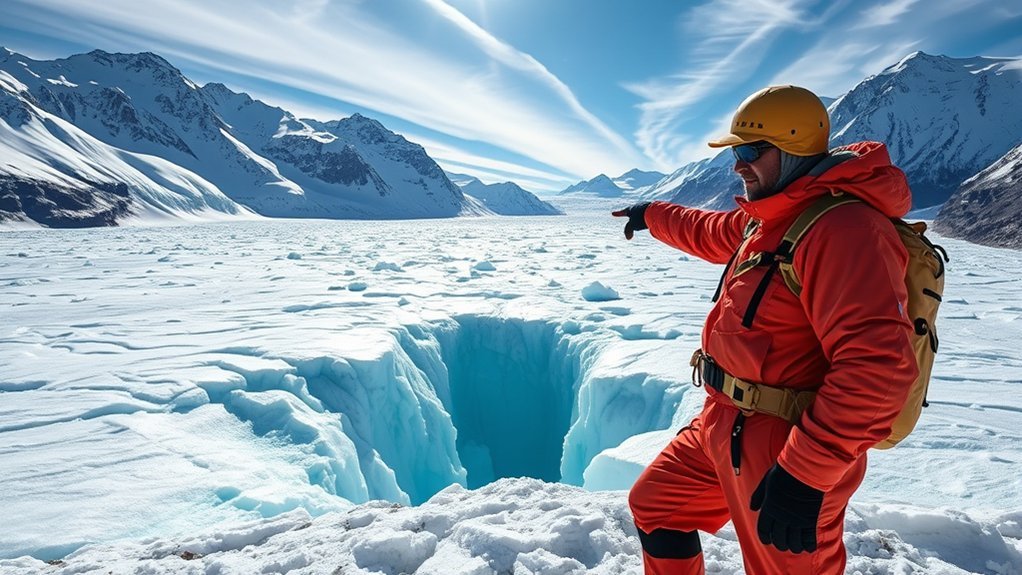
The Mendenhall Glacier Visitor Center is about 12 miles from downtown Juneau. Trails around the recreation area provide views of Mendenhall Lake, the glacier, waterfalls, forest, and wildlife habitat. The normal visitor experience does not involve simply walking onto the glacier, so choose a specialized guided excursion if your goal is ice trekking or another glacier activity.
Black bears may appear in the recreation area, especially around salmon habitat, and bald eagles are common in Southeast Alaska. Give wildlife plenty of space and follow posted Forest Service instructions.
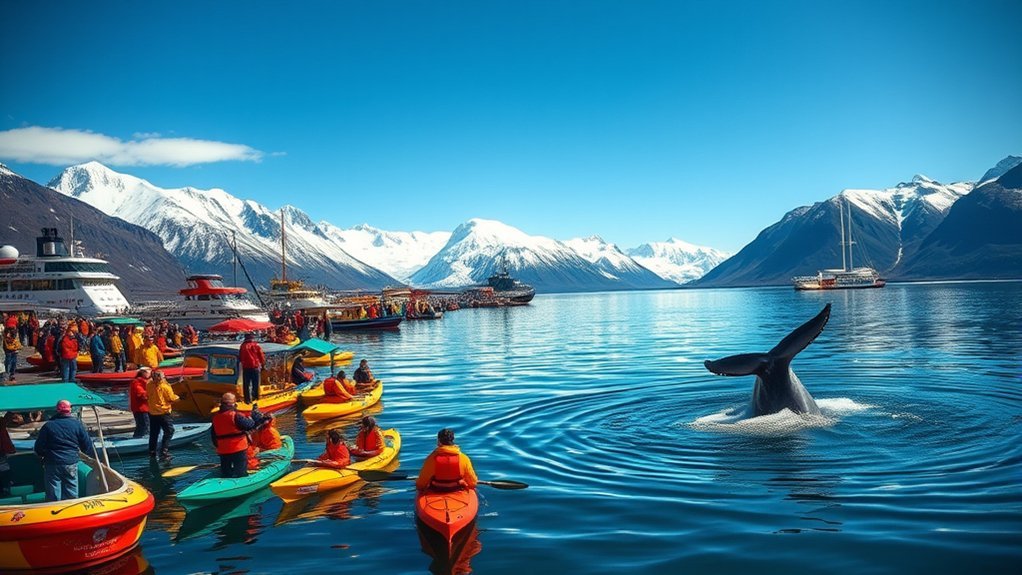
Juneau is also one of Alaska’s best-known whale-watching stops. Many tours depart from the Auke Bay area and search surrounding waters for humpback whales and other marine wildlife. Sightings vary because these are wild animals.
If kayaking appeals to you, choose a guided trip suited to your experience level. Cold water, weather, wind, and boat traffic make guided instruction and proper equipment especially valuable.
For many first-time visitors, a combination excursion that includes both Mendenhall Glacier and whale watching is an efficient way to see two signature Juneau attractions without arranging separate transportation.
Ketchikan: Cultural Heritage and Outdoor Fun
Ketchikan combines living Alaska Native culture with the rainforest landscape of Southeast Alaska.
Start with the Totem Heritage Center. Its collection includes historic poles brought from Tlingit village sites, while the center’s broader mission helps perpetuate knowledge of Tlingit, Haida, and Tsimshian artistic traditions.
Ketchikan is strongest when you combine cultural context with the landscape that has shaped life in Southeast Alaska.
If you want an outdoor excursion, the surrounding Tongass National Forest offers rainforest hiking and wildlife habitat. The Tongass is bear country, so follow local bear-safety guidance and never approach wildlife for a photograph.
A black bear or bald eagle sighting is possible, but no unguided rainforest walk guarantees wildlife. Choose a dedicated wildlife tour if animal viewing is your main reason for going ashore.
With a shorter port call, focus on one cultural attraction plus downtown rather than trying to combine distant activities. With more time, a guided cultural-and-rainforest tour can provide a fuller picture of the area.
Skagway: Gold Rush History and Scenic Train Rides
Skagway is one of the easiest Alaska ports for travelers who want history and scenery in the same day. Much of the historic district is part of Klondike Gold Rush National Historical Park.
As you walk Broadway, preserved and restored buildings help explain the boomtown that developed during the 1897–98 Klondike Gold Rush. The National Park Service visitor center is in the historic White Pass & Yukon Route Broadway Depot and is close to the cruise docks.
The signature excursion is the White Pass & Yukon Route. The railway climbs from Skagway toward White Pass along a route tied directly to Gold Rush transportation history.
The current Summit Excursion is roughly a 2.5- to 2.75-hour round trip, although schedules and products can change by season. Reserve early if the railway is a must-do experience, especially when several ships are scheduled in port.
The train is a strong option for travelers who want mountain scenery without a strenuous hike. History-focused visitors can pair it with time in the Skagway Historic District before returning to the ship.
Seward: Marine Wildlife and Scenic Cruises
Seward sits on Resurrection Bay and serves as the main gateway to boat-based exploration of Kenai Fjords National Park.
The National Park Service notes that much of Kenai Fjords National Park is most easily experienced from the water. Commercial boat tours leave Seward’s small boat harbor during the summer and may provide opportunities to see tidewater glaciers, seabirds, whales, sea otters, seals, and sea lions.
Choose the trip length according to your schedule and priorities. Longer routes generally have more time to travel beyond Resurrection Bay and toward major glacier areas, while shorter trips can work better when transportation or embarkation plans limit your day.
Glacier Viewing Adventures
A boat tour is the most practical glacier-viewing option for many Seward visitors. Depending on route and conditions, you may see tidewater glaciers, mountain scenery, waterfalls, sea stacks, and floating ice.
| Experience Type | Typical Time Commitment | Best For |
|---|---|---|
| Glacier Cruise | Half-day to full-day, depending on route | Tidewater glaciers and broad scenery |
| Kayaking Adventure | Varies by launch point and operator | Active, small-group exploration |
| Scenic Boat Tour | Usually several hours | Coastal scenery and wildlife |
| Photography-Focused Tour | Varies | Smaller groups and more shooting time |
| Seasonal Evening Cruise | Operator dependent | Evening light when a suitable trip is offered |
Check the exact itinerary before booking. “Glacier cruise” can describe very different routes, distances, vessel sizes, and time commitments.
Wildlife Spotting Opportunities
Seward’s coastal waters support a rich marine ecosystem. Depending on season, location, and luck, a boat trip may encounter:
- Humpback whales or other whales
- Sea otters floating or feeding near the surface
- Steller sea lions around rocky haul-outs
- Puffins and other seabirds
- Harbor seals and porpoises
Wildlife behavior changes from day to day. Treat every sighting as a bonus rather than choosing a tour based on a promise that one particular species will appear.
Scenic Photography Tours
Seward can be excellent for photography because glaciers, marine mammals, birds, mountains, and changing weather can all appear on the same outing.
A smaller photography-focused excursion may provide more flexibility than a large sightseeing vessel, while a larger boat can offer more indoor space and stability. Consider your tolerance for cold, spray, and boat motion as well as camera access.
Bring a weather-resistant bag or cover, spare battery power, and a lens cloth. Binoculars also help you spot wildlife before deciding where to aim your camera.
Homer: Fishing Charters and Art Exploration
If your Alaska itinerary actually calls at Homer, you’ll find a different atmosphere from the busier Inside Passage ports. Homer overlooks Kachemak Bay and is known for fishing, marine excursions, coastal scenery, and a strong arts community.
World-Class Fishing Charters
Homer has a long-established charter-fishing industry, with trips targeting species such as halibut and salmon depending on season, regulations, and the operator’s plan for the day.
The experience is as much about being on Kachemak Bay as it is about the catch. Mountain views, seabirds, marine mammals, and changing weather can all become part of the trip.
Before booking, ask whether fishing licenses, tackle, fish cleaning, packaging, and transportation are included. Also check whether the duration fits comfortably inside your ship’s port window.
Local Art Galleries Tour
After time on the water, Homer’s galleries provide a quieter way to experience the community. Local work includes paintings, photography, sculpture, ceramics, jewelry, and other pieces shaped by Alaska’s landscape and coastal culture.
You can also visit the Alaska Islands and Ocean Visitor Center for exhibits related to the region’s marine environment and wildlife.
A gallery-focused day works particularly well for travelers who prefer a flexible schedule or who need an indoor alternative when weather disrupts outdoor plans.
Scenic Coastal Exploration
Kachemak Bay creates opportunities for sightseeing cruises, wildlife trips, kayaking, and transportation to communities across the bay.
- Join a charter fishing trip if catching halibut or salmon is your priority.
- Choose a bay cruise for scenery, seabirds, and possible marine-wildlife encounters.
- Explore local galleries if you want a low-impact cultural day.
- Allow extra time around marine excursions because wind and sea conditions can affect schedules.
The Homer Chamber of Commerce visitor guide is a useful starting point for checking current local options.
Sitka: Native Arts and Wildlife Viewing
Sitka combines Tlingit culture, Russian-American history, forest trails, and marine wildlife in a relatively compact destination.
A strong first stop is Sitka National Historical Park. Its landscape and exhibits interpret Tlingit history, the 1804 battle between the Kiks.ádi and Russian forces, Russian-American history, and a collection of totem poles associated with Tlingit and Haida traditions.
Marine tours in Sitka Sound may encounter sea otters, whales, sea lions, seals, seabirds, and other wildlife. Again, individual species are never certain.
| Activity | Description |
|---|---|
| Native Art and Cultural Experience | Learn about living Tlingit artistic and cultural traditions. |
| Wildlife Boat Tour | Search Sitka Sound for marine mammals and seabirds. |
| Sitka National Historical Park | Walk among totem poles and learn about Tlingit and Russian-American history. |
| Kayaking | Paddle protected waters with an appropriate guide and equipment. |
Anchorage: Pre- and Post-Cruise Experiences
Anchorage offers a mix of city attractions and easy access to Southcentral Alaska, but it needs one important clarification: for most one-way Alaska cruises, the ship begins or ends at Seward or Whittier, not downtown Anchorage.
According to Visit Anchorage, Whittier is about 60 miles from Anchorage while Seward is about 120 miles away. Both are connected to Anchorage by road and rail.
That makes Anchorage better treated as a pre- or post-cruise extension rather than a normal same-day shore excursion.
Urban Exploration Adventures
If you have a full day or overnight stay, Anchorage offers several worthwhile experiences:
- Visit the Alaska Native Heritage Center: Learn about the diverse Alaska Native cultures represented across the state.
- Walk or bike the Tony Knowles Coastal Trail: Enjoy views of Cook Inlet and surrounding mountains.
- Explore downtown museums, galleries, shops, and restaurants: A flexible choice before a flight or train departure.
- Watch for urban wildlife responsibly: Moose can appear around Anchorage, but give them substantial space and never approach them.
Anchorage gives you an opportunity to add cultural context to the glacier and wildlife experiences that dominate many cruise itineraries.
Scenic Outdoor Excursions
If you have additional time, you can explore Chugach State Park, the Girdwood and Turnagain Arm corridor, or arrange a day trip farther into Southcentral Alaska.
Flattop Mountain and other trails near Anchorage can provide broad views, but trail conditions and difficulty vary. Choose a route appropriate for your footwear, fitness, weather, and available daylight.
Glacier and wildlife cruises generally depart from coastal communities such as Whittier or Seward rather than Anchorage itself. Build transportation time into any same-day plan and avoid scheduling an ambitious excursion immediately before a cruise departure or flight.
Wrangell: Authentic Alaskan Experiences
Wrangell offers a quieter Southeast Alaska experience centered on Tlingit heritage, rainforest, the Stikine River region, and wildlife.
- Learn about local Tlingit history at Chief Shakes Tribal House and nearby cultural sites.
- Consider the Anan Bear and Wildlife Observatory when your visit falls within its managed viewing season.
- Explore the coastline or rainforest with a local guide.
- Visit local heritage sites and viewpoints without the crowds found at some larger cruise ports.
Anan is particularly well known because both black and brown bears use the area during the salmon run. Access is controlled during the peak viewing period, and permits or guided-tour space can be limited, so this is one excursion to reserve well ahead.
Note: The Southeast Alaska community of Wrangell should not be confused with Wrangell-St. Elias National Park and Preserve. The national park is not a walkable shore attraction from the cruise port.
Wrangell’s appeal is its connection to the surrounding Tongass landscape and local community. If your ship calls here, use the stop to experience the region rather than trying to reach the distant national park with a similar name.
Glacier Bay: Scenic Cruising, Glaciers, and Marine Life
Glacier Bay National Park is one of the highlights of many Alaska itineraries, but it is not a normal shore-excursion port.
The National Park Service states that cruise ships do not dock anywhere inside Glacier Bay. Large ships typically spend roughly nine to ten hours cruising through the park, including time near a major tidewater glacier.
Your excursion is therefore the sailing itself. Spend time on an open deck or in an observation area watching for glaciers, mountain scenery, sea otters, humpback whales, seabirds, and other wildlife.
Park rangers may board authorized cruise ships to provide interpretation about Glacier Bay’s ecology, glaciers, wildlife, and cultural history. Follow your ship’s daily schedule so you know when ranger programs and major glacier-viewing periods are expected.
Glacier calving can occur, but it is unpredictable. A quiet glacier does not mean the day is unsuccessful; the scale of the landscape and the journey through the park are the main experience.
Kayaking is possible for independent visitors and certain small-vessel or land-based park itineraries, but standard large-ship cruise passengers should not expect to leave the vessel and paddle during a normal Glacier Bay cruise day.
Icy Strait Point: Adventure Sports and Cultural Insights
Icy Strait Point near Hoonah combines adventure activities, whale watching, and Tlingit cultural experiences in a cruise-focused destination.
The site is owned and operated by Huna Totem Corporation, an Alaska Native village corporation, and is closely connected with the Huna Tlingit community.
- Ride the ZipRider if you want a high-adrenaline experience and meet its participation requirements.
- Choose a guided kayak trip for a more active coastal outing.
- Join a cultural experience to learn more about Huna Tlingit history and traditions.
- Take a whale-watching or wildlife tour to explore the waters around Chichagof Island and Icy Strait.
Current excursion information is available from the official Icy Strait Point site. Some excursions have minimum or maximum ages, heights, weights, or mobility requirements, so read the restrictions before booking for a family or group.
Wildlife is abundant in the region, but sightings still depend on nature. Bear, whale, and other animal encounters should be treated as possibilities rather than universal guarantees unless a specific operator publishes its own written sighting policy.
Frequently Asked Questions
What Is the Best Time of Year for Alaska Cruises?
The main Alaska cruise season runs from May through September. July and August generally offer the warmest summer conditions, while May and September can have fewer peak-season crowds on some itineraries. A growing number of cruise lines also offer shoulder-season sailings in April or October. Weather and wildlife patterns vary throughout the season.
How Do I Book Shore Excursions in Advance?
You can book through your cruise line’s website or app, or directly with an independent tour operator when that operator accepts cruise passengers. Compare the itinerary, meeting point, cancellation policy, accessibility requirements, and scheduled return time before paying. Popular rail, flightseeing, bear-viewing, and small-group wildlife trips can sell out well before sailing.
Are There Age Restrictions for Certain Excursions?
Yes. Zip-lines, kayaking, hiking, flightseeing, fishing, ATV trips, and similar excursions may have age, height, weight, fitness, or mobility requirements. Rules vary by operator, so check the exact excursion listing rather than assuming every member of your group can participate.
What Should I Pack for an Alaska Cruise Shore Excursion?
Pack layers, a waterproof outer shell, comfortable walking shoes, and a small day bag. Binoculars are useful for wildlife viewing, while sunscreen and sunglasses remain useful even on cool days. For hiking or active trips, follow the operator’s footwear and clothing recommendations.
Are Excursions Refundable in Case of Cancellation?
Sometimes. Refund rules depend on the cruise line or independent operator, the excursion type, and when you cancel. Many providers allow refunds before a stated deadline but charge partial or full cancellation fees afterward. Operator-cancelled trips may have different rules. Read the written policy for the exact excursion before booking.
Should I Book an Alaska Excursion Through the Cruise Line or Independently?
Both can work. Cruise-line excursions simplify meeting instructions and schedule coordination. Independent operators may offer smaller groups, different routes, or specialized experiences. If you book independently, confirm that the operator works with cruise passengers and that the planned return leaves a comfortable margin before your ship’s all-aboard time.
Can I Take a Shore Excursion in Glacier Bay?
Not during a normal large-ship Glacier Bay port day because there is no cruise-ship dock inside the national park. Glacier Bay is usually a scenic-cruising day, with passengers viewing glaciers and wildlife from the ship while park rangers provide interpretation on authorized vessels.
Conclusion
The best Alaska cruise shore excursion is the one that gives you an experience your other ports cannot easily duplicate. Use Juneau for glaciers and whales, Ketchikan and Sitka for culture and rainforest landscapes, Skagway for Gold Rush history and the White Pass railway, Seward for Kenai Fjords, Wrangell for seasonal bear viewing and local heritage, and Icy Strait Point for wildlife and adventure.
Remember that Glacier Bay is primarily a scenic-cruising experience and Anchorage is usually a pre- or post-cruise destination rather than a normal port call. Check your ship’s schedule, current operating conditions, participation restrictions, and cancellation terms before you book. With those details handled, you’ll be free to spend your time ashore enjoying the part of Alaska that matters most to you.
Sources
- Travel Alaska — How to Plan the Best Alaska Cruise — cruise season, shore experiences, and packing guidance.
- Travel Juneau — Mendenhall Glacier Visitor Center — location, access, and current visitor information.
- Ketchikan Museums — Totem Heritage Center — historic totem collection and cultural context.
- National Park Service — Klondike Gold Rush National Historical Park — Skagway historic district and White Pass context.
- National Park Service — Kenai Fjords Boat Tours — Seward departures, glaciers, and wildlife cruising.
- National Park Service — Cruise Ships in Glacier Bay — scenic-cruising procedures, ranger interpretation, and no-docking clarification.