An Alaska cruise can take you through glacier-carved fjords, forested islands, wildlife-rich waterways, and historic coastal towns in a single trip. The best experience, however, depends on more than choosing a ship. Your route, departure port, glacier day, time of year, cabin, excursions, and land plans can change the trip dramatically. This guide explains how to compare those choices and plan an Alaska cruise with fewer surprises.
Quick Answer
For most travelers, the best Alaska cruise combines an Inside Passage itinerary with several long port calls and a major glacier-viewing day. May through September is the main cruise season, while some ships sail in April or October. Choose the itinerary first, then compare cruise lines, cabins, excursions, and the full trip cost.
Key Takeaways
- Round-trip Inside Passage cruises are convenient; one-way Gulf of Alaska cruises make it easier to add Anchorage, Denali, or Interior Alaska.
- May through September is the main Alaska cruise season, with June through August forming the core summer period.
- Do not assume every Alaska cruise visits Glacier Bay; check the day-by-day itinerary before booking.
- Budget beyond the advertised cruise fare for transportation, hotels, gratuities, excursions, specialty dining, drinks, Wi-Fi, and insurance.
- Pack waterproof layers and comfortable walking shoes. Coastal Alaska can be cool, wet, windy, and sunny on the same trip.
Popular Alaska Cruise Routes
The route matters at least as much as the ship. Alaska cruises generally fall into two useful categories: round-trip Inside Passage cruises and one-way Gulf of Alaska or cross-Gulf cruises.
Round-Trip Inside Passage Cruises
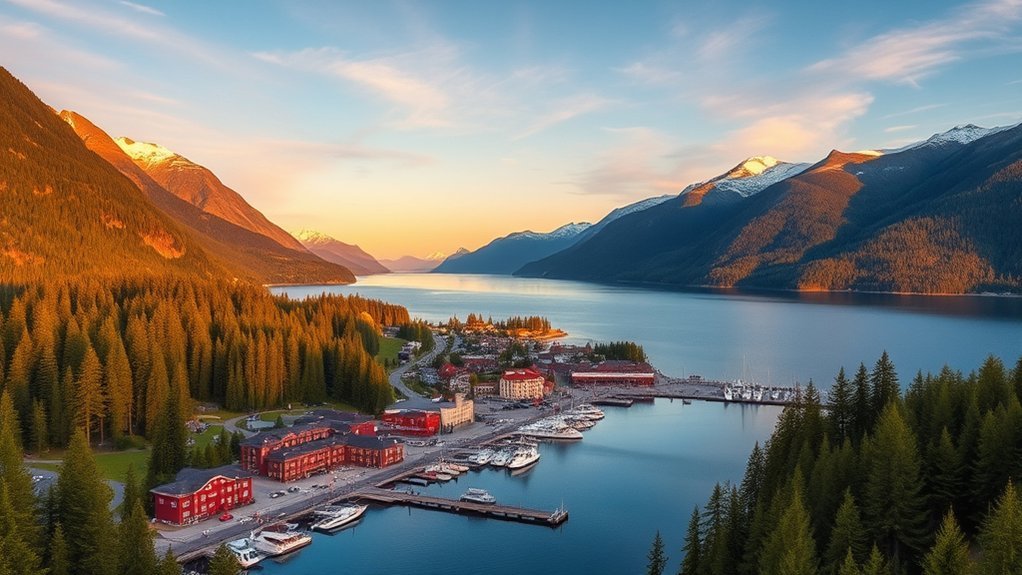
The Inside Passage is the best-known Alaska cruising region. It runs through protected coastal waterways bordered by islands, mountains, temperate rainforest, and glacier-carved fjords.
Round-trip cruises commonly leave from Seattle or Vancouver and visit ports such as Juneau, Ketchikan, Skagway, Sitka, or Icy Strait Point. Depending on the itinerary, you may also have scenic cruising at Glacier Bay, Hubbard Glacier, Endicott Arm, Tracy Arm, or another glacier area.
This style works well if you want a simple flight plan and do not intend to spend much time in Interior Alaska before or after the cruise.
One-Way Gulf of Alaska Cruises
A one-way itinerary generally combines Southeast Alaska with a crossing of the Gulf of Alaska and begins or ends in Whittier or Seward. Anchorage is normally the main transportation hub rather than the ship’s cruise terminal.
Travel Alaska describes this as one of the common ways to combine a Southeast Alaska cruise with Southcentral and Interior Alaska.
This route is especially useful if you want to add Anchorage, Denali National Park, Talkeetna, Fairbanks, or another land destination.
Pro Tip: Compare the actual hours in port, not just the number of ports. A long Juneau or Skagway call can give you far more excursion flexibility than a short visit that looks equally impressive on an itinerary list.
Top Cruise Lines for Alaska Adventures
There is no single best Alaska cruise line for everyone. Choose according to your preferred itinerary, ship size, onboard style, land options, and glacier access.
| Cruise line | Good fit for | What to check |
|---|---|---|
| Holland America Line | Traditional cruising, glacier-focused itineraries, and cruise-plus-land trips | Specific glacier day, ports, and land package |
| Princess Cruises | Cruisetours, rail-and-lodge combinations, and mainstream Alaska cruising | Round-trip versus one-way itinerary and included land components |
| Norwegian Cruise Line | Travelers who like flexible dining and large-ship amenities | Port hours and whether the selected sailing includes Glacier Bay or another glacier area |
| Disney Cruise Line | Families wanting Disney entertainment with an Alaska itinerary | Departure port, glacier-viewing location, and children’s programming for your sailing |
| UnCruise Adventures | Small-ship expedition travel, kayaking, hiking, and remote areas | Higher fare, activity level, cabin style, inclusions, and ship size |
Large ships generally provide more restaurants, entertainment, pools, children’s programs, and cabin categories. Small expedition ships trade many of those features for a closer focus on nature, active excursions, and remote waterways.
Before paying a deposit, compare the exact sailing. Two ships from the same cruise line can have different port times, glacier destinations, and shore opportunities.
Best Time to Cruise Alaska
According to Travel Alaska, the main Alaska cruise season runs from May through September, while some lines also schedule sailings in April and October. Your ideal month depends on daylight, weather, wildlife priorities, crowds, and price rather than one universally “best” date.
Summer Peak Season
June through August gives you long days, the broadest choice of excursions, and the busiest cruise schedules. Coastal Alaska is cooler than many first-time visitors expect, so do not pack for it as you would a typical warm-weather summer vacation.
| Month | Typical Planning Conditions | Why Go |
|---|---|---|
| June | Very long daylight; cool coastal mornings and evenings | Long sightseeing days and strong wildlife opportunities |
| July | Generally mild but still variable, rainy, and windy at times | Maximum excursion choice and core summer season |
| August | Cooling later in the month with increasing darkness and rain possible | Wildlife, late-summer scenery, and slightly shorter days |
For perspective, National Weather Service climate data for Juneau show that normal midsummer daytime highs are generally in the low-to-mid 60s°F rather than consistently in the 70s. Conditions differ by port, elevation, and day, so layers matter more than a single forecast.
Shoulder Season Benefits
April, May, September, and sometimes October can offer lower fares or fewer visitors than the core summer weeks, depending on the sailing.
The tradeoff is greater weather uncertainty, shorter daylight at the edges of the season, and the possibility that some excursions or seasonal businesses operate reduced schedules. Wildlife timing also varies by species, so do not assume the shoulder season is automatically better for all animals.
Winter Adventure Options
Alaska is beautiful in winter, but a winter Alaska cruise is a niche product rather than a normal substitute for the summer cruise season. Published sailing schedules can change from year to year, and mainstream cruise lines concentrate their Alaska programs in spring, summer, and early fall.
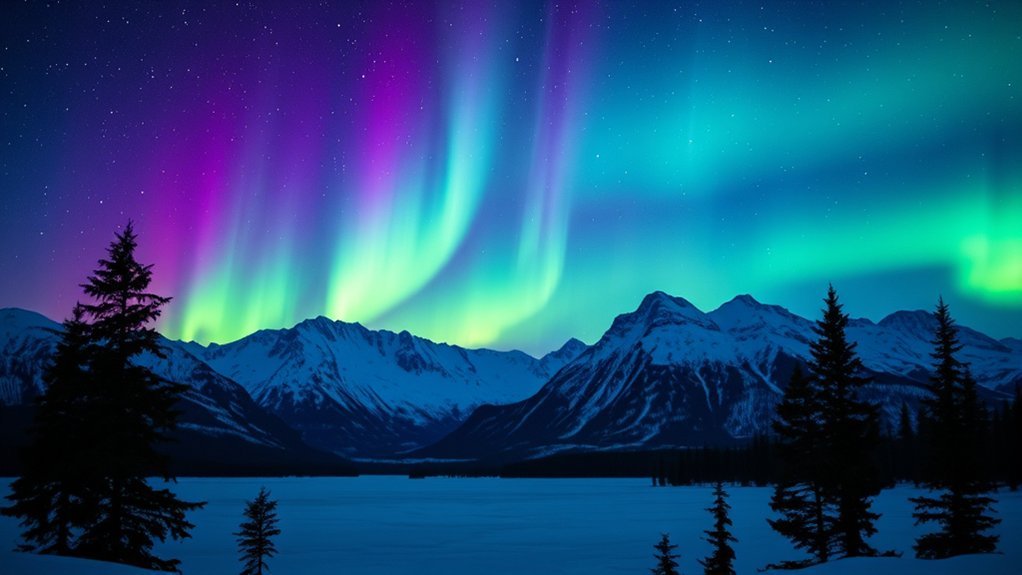
If your priority is dog sledding, snow sports, or the Northern Lights, a land-based Alaska winter trip may give you far more choices than a cruise. If you specifically want a winter sailing, confirm current dates directly with the operator before arranging flights or hotels.
Note: Northern Lights sightings are never guaranteed. You need darkness, clear enough skies, solar activity, and a suitable viewing location, so midsummer cruises are not designed around aurora viewing.
How Much an Alaska Cruise Really Costs
There is no dependable single “average” Alaska cruise price. Advertised fares vary by ship, sailing date, itinerary, cabin, occupancy, and promotion, while expedition cruises occupy a much higher price tier than many mainstream ships.
Instead of budgeting from the headline fare, calculate the complete trip:
- Cruise fare: cabin and basic inclusions.
- Taxes and port fees: verify whether the displayed price already includes them.
- Gratuities: policies differ by cruise line and fare package.
- Shore excursions: helicopter trips, flightseeing, fishing, dog-sled experiences, and remote wilderness tours can substantially increase the total.
- Drinks, specialty dining, and Wi-Fi: check what your fare package includes.
- Flights and transfers: especially important for one-way cruises using Seward or Whittier.
- Pre- or post-cruise hotel: arriving at least a day early is often worth budgeting for.
- Land tour: Denali, Fairbanks, or other Interior Alaska extensions can add several days.
- Travel insurance: compare coverage and exclusions rather than buying solely on price.
Compare the final price for the experience you actually want rather than choosing a sailing because its starting fare looks cheapest.
Must-See Destinations in Alaska
An Alaska cruise can combine glacier scenery, wildlife, Alaska Native cultures, Gold Rush history, and coastal communities. The stops below are among the best-known, but no itinerary includes everything.
Glacier Bay National Park
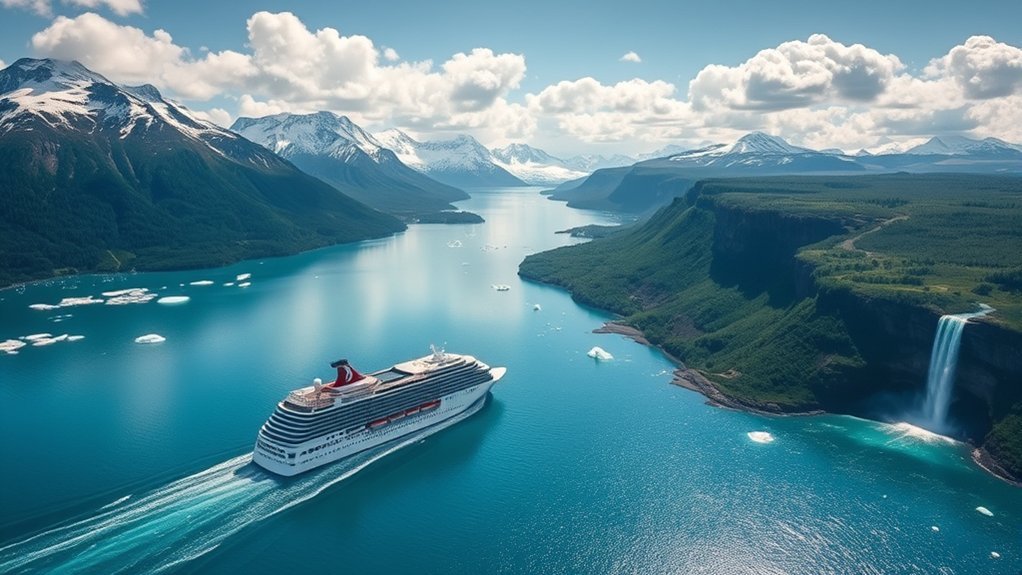
Glacier Bay National Park and Preserve is one of Alaska’s signature scenic-cruising destinations. Cruise ships enter a protected landscape of mountains, tidewater glaciers, marine life, and long fjords.
Margerie Glacier is one of the park’s best-known tidewater glaciers. From a ship, you may see intensely blue ice and occasionally witness calving. Calving activity is natural but unpredictable, so it should never be treated as a guaranteed show.
Wildlife can include humpback whales, sea otters, seals, sea lions, birds, and other species. Some ships also carry National Park Service personnel during their park visit.
Glacier Bay access is controlled, and not every Alaska itinerary goes there. If Glacier Bay is important to you, make sure it appears by name on the day-by-day itinerary before booking.
Denali National Park
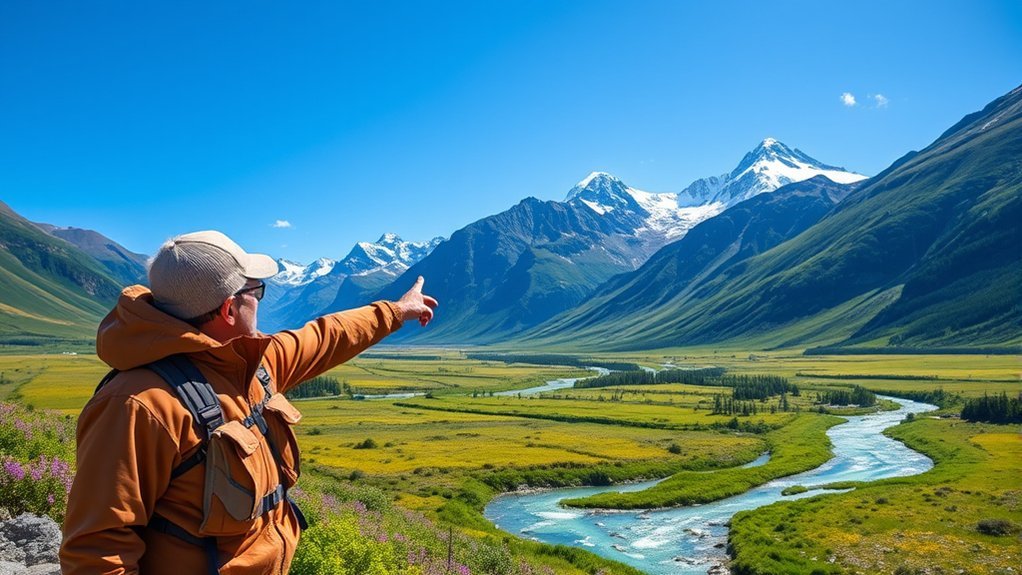
Denali National Park and Preserve is an inland destination, not a normal cruise port. You reach it through a land extension before or after the cruise, often using Anchorage or Fairbanks as part of the transportation plan.
The six-million-acre park protects tundra, taiga, rivers, mountains, and wildlife such as grizzly bears, moose, caribou, wolves, and Dall sheep. North America’s highest peak, officially named Mount McKinley by the U.S. federal government, rises to 20,310 feet within the park.
2026 Access Update: Denali tour and transit buses are traveling no farther than East Fork at Mile 43 for the remainder of the 2026 season. The Pretty Rocks Bridge was completed in September 2026, and the National Park Service expects full public bus service to the west end of Denali Park Road to resume for the 2027 visitor season.
The park is also a place to learn about Alaska Native history and living cultures. Build enough time into a land extension rather than trying to treat Denali as a quick shore excursion.
Inside Passage Highlights
The Inside Passage contains many of Alaska’s most familiar cruise ports:
- Juneau: Alaska’s capital, with access to Mendenhall Glacier, whale-watching trips, hiking, history, and flightseeing.
- Ketchikan: Known for its waterfront, nearby rainforest, fishing, and Tlingit, Haida, and Tsimshian cultural heritage.
- Skagway: Closely associated with Klondike Gold Rush history, historic streets, mountain scenery, and the White Pass route.
- Sitka: Combines coastal scenery, Tlingit culture, Russian-American history, and wildlife opportunities.
- Icy Strait Point/Hoonah: A common base for wildlife outings and experiences connected with the local Tlingit community.
- Glacier Bay National Park: A protected scenic-cruising destination that must be specifically included on your itinerary.
Wildlife Viewing Opportunities
Wildlife is a major reason to cruise Alaska, but sightings are never guaranteed. Depending on location and season, you may encounter humpback whales, orcas, sea otters, seals, sea lions, bald eagles, bears, mountain goats, and other animals.
Humpback whales are common enough in parts of Southeast Alaska that whale-watching trips are popular from ports such as Juneau and Icy Strait Point. Binoculars help both from your ship and on shore.
Federal rules in Alaska prohibit vessels from approaching within 100 yards of a humpback whale, with limited exceptions. Responsible wildlife tours give animals space instead of chasing a closer photograph.
You can review current marine-mammal viewing rules through NOAA Fisheries.
How to Choose Shore Excursions
Alaska excursions range from inexpensive self-guided walks to costly helicopter, floatplane, fishing, and wilderness trips. Start with the experiences you would regret missing, then build the rest of your port day around them.
Popular options include:
- Whale watching
- Glacier walks and glacier-viewing tours
- Hiking
- Kayaking
- Fishing
- Gold Rush history tours
- Scenic rail trips
- Flightseeing
- Alaska Native cultural experiences
- Food and local-history walks
You can book through the cruise line or independently. Independent operators may offer smaller groups or different prices, but you are responsible for understanding cancellation terms, transportation, and the ship’s all-aboard time.
Warning: If an independent excursion returns late, the ship may leave without you. Give yourself a generous buffer and confirm whether the tour operator has a specific return-to-ship policy.
Onboard Amenities and Activities
Your ship is more than transportation, especially on sea days and scenic-cruising days. Amenities vary significantly by cruise line and vessel.
- Spas and wellness areas: Useful for relaxing after long shore days, though treatments normally cost extra.
- Dining: Ships may offer complimentary dining rooms, buffets, casual venues, specialty restaurants, and regional Alaska dishes.
- Entertainment: Depending on the line, this can include theater shows, live music, lectures, children’s programs, and naturalist presentations.
- Fitness and recreation: Large ships may provide gyms, pools, sports areas, and organized activities.
- Observation areas: Enclosed lounges and open decks are especially useful in Alaska, where scenery can appear on either side of the ship.
Do not choose a ship only by its largest attraction. Ask how much time you expect to spend onboard versus exploring ports and whether the ship has comfortable viewing areas for cold or wet days.
Choosing the Right Cabin
Your cabin can significantly affect price. The best category depends on your budget and how much private viewing space you want.
| Cabin type | Best for | Tradeoff |
|---|---|---|
| Inside | Keeping the fare down | No outside view; you will rely on public decks and lounges |
| Oceanview | Natural light without balcony pricing | You cannot step outside directly from the cabin |
| Balcony | Private scenery and wildlife watching | Usually costs more and may be less useful in cold rain |
| Suite | More space and line-specific perks | Highest cost |
A balcony is enjoyable in Alaska, but it is not essential. Good public observation decks can provide wide views and make it easier to move from one side of the ship to the other when wildlife or glaciers appear.
Essential Packing Tips for Your Cruise
Alaska cruise packing is mostly about layers and rain protection. Weather can change quickly between the ship, a coastal town, an exposed boat tour, and a mountain excursion.
- Waterproof outer shell: Choose a jacket that handles rain and wind rather than relying only on a heavy coat.
- Warm mid-layer: Fleece, wool, or another insulating layer works well beneath a rain shell.
- Base layers: Useful for cold glacier-viewing mornings and outdoor excursions.
- Comfortable water-resistant footwear: Prioritize traction and walking comfort.
- Hat and light gloves: Small items that make windy deck time much more comfortable.
- Binoculars: One of the most useful items for spotting whales, birds, and shoreline wildlife.
- Camera or phone: Bring enough storage and a safe way to protect electronics from rain.
- Power bank: Helpful on long excursion days, subject to your transportation provider’s battery rules.
- Small daypack: Useful for layers, water, snacks, and rain gear ashore.
- Reusable water bottle: Convenient for long walking and sightseeing days.
- Sunscreen and sunglasses: Cold or cloudy conditions do not eliminate UV exposure.
- Medication: Carry essential medicine in your hand luggage rather than checked baggage.
Avoid packing only bulky winter clothing. Several thinner layers are usually easier to adjust as temperatures and activity levels change.
Travel Documents and Pre-Cruise Planning
Many Alaska cruises begin, end, or stop in Canada, so travel-document rules depend on your citizenship, itinerary, departure port, and cruise-line policy.
The U.S. Department of State recommends that cruise passengers travel with a passport book even when a passport is not strictly required, because an emergency could force you to return home by air.
Before departure:
- Check your cruise line’s document requirements for every traveler, including children.
- Check entry requirements for every country on the itinerary.
- Make sure names on reservations match your travel documents.
- Keep essential documents and medications in your carry-on bag.
- Review prohibited items and luggage restrictions for your cruise line.
- Consider arriving in your embarkation city at least one day before sailing, especially if flying a long distance.
Pro Tip: A pre-cruise hotel night costs extra, but it creates a buffer against airline cancellations, missed connections, delayed luggage, and same-day transportation problems.
Frequently Asked Questions
What is the average cost of an Alaska cruise?
There is no reliable universal average. Prices vary widely by cruise line, date, itinerary, cabin, and ship. A mainstream cruise may advertise a relatively low base fare, while small-ship expedition cruises can cost several times more. Compare the total including taxes, gratuities, excursions, flights, hotels, transfers, drinks, Wi-Fi, and other extras.
Are there age restrictions for Alaska cruises?
There is no single Alaska-wide passenger age rule. Cruise lines set their own minimum infant ages and requirements for minors traveling with parents, guardians, or other adults. Check the policy for your specific cruise line and itinerary before booking.
How do I choose the right cabin type?
Choose according to your budget and how much private scenery you want. Inside cabins usually cost less, oceanview cabins provide natural light, and balconies give you private outdoor viewing. A balcony is pleasant but not essential if your ship has good public observation decks.
Can I book excursions independently from the cruise line?
Yes. Independent excursions can provide different group sizes, schedules, and prices. Check reviews, cancellation terms, transportation, meeting locations, and the ship’s all-aboard time. Leave a substantial return buffer because the ship may not wait for a late independent tour.
What should I do if I get seasick?
Fresh air, looking toward the horizon, resting, and staying where ship motion feels less pronounced may help. If you are prone to motion sickness, plan before sailing. The CDC recommends discussing suitable medication with a healthcare professional when appropriate because medicines can have side effects and interactions.
Do I need a passport for an Alaska cruise?
It depends on your citizenship, itinerary, cruise line, and whether the sailing begins or ends outside the United States. Many Alaska cruises involve Canada. The U.S. Department of State recommends traveling with a passport book even when it is not strictly required because emergencies can require international air travel.
Is a balcony worth it on an Alaska cruise?
A balcony can be worth the extra cost if private glacier and wildlife viewing is a priority. However, it is not necessary for a great Alaska cruise. Public decks and observation lounges often provide broader views and let you move quickly to whichever side has the best scenery.
Conclusion
A memorable Alaska cruise starts with the itinerary rather than the ship’s advertising. Decide whether you want a round-trip Inside Passage cruise or a one-way Gulf of Alaska trip, confirm your glacier-viewing day and port times, then compare cruise lines, cabins, excursions, and the complete trip cost.
Pack for cool and wet conditions, leave room in your schedule for transportation delays, and treat wildlife and weather as wonderful possibilities rather than guarantees. If you add Denali or another inland destination, check current access conditions shortly before travel. With those decisions handled, you can spend far more of the trip watching Alaska instead of solving avoidable planning problems.
Sources
- Travel Alaska — How to Plan the Best Alaska Cruise — cruise season, itinerary types, and Alaska cruise planning.
- National Park Service — Glacier Bay National Park & Preserve — Glacier Bay planning and park information.
- National Park Service — Denali Current Conditions — current Denali Park Road and bus-access information.
- NOAA Fisheries — Alaska Marine Mammal Viewing Guidelines — responsible wildlife viewing and humpback-whale approach regulations.
- CDC — Cruise Ship Travel — cruise health and seasickness guidance.
- U.S. Department of State — Cruise Ships — passport, document, and cruise-travel guidance.