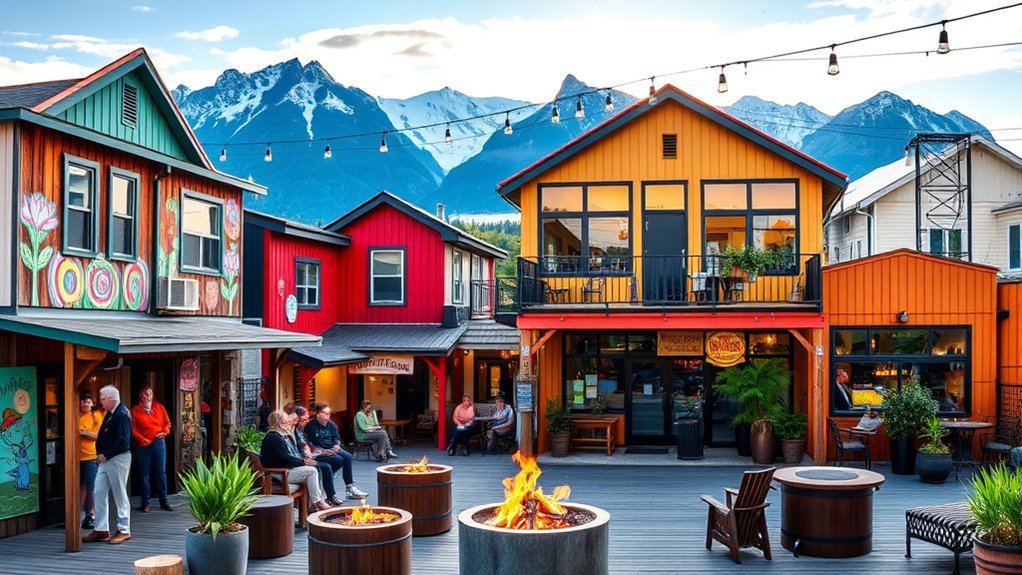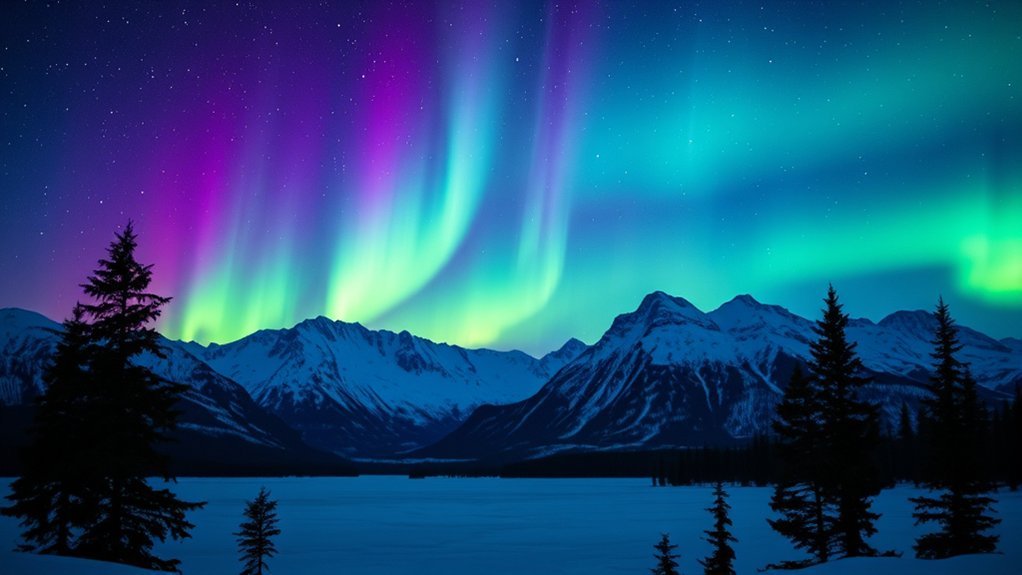
Alaska gives you plenty of ways to see the Northern Lights, but the best destination depends on how much convenience, darkness, scenery, and winter driving you want. Fairbanks remains the strongest all-around base for most travelers, while Chena Hot Springs, Coldfoot, Denali, Anchorage, Nome, Talkeetna, Utqiaġvik, Wrangell-St. Elias, and Eagle River each offer a different kind of aurora trip.
Quick Answer
For most travelers, Fairbanks is the best base for seeing the Northern Lights in Alaska because it sits under the auroral oval, has a long August 21-April 21 viewing season, and offers easy access to darker skies. Chena Hot Springs, Coldfoot, Denali, Anchorage, and remote Arctic communities suit different travel styles.
Key Takeaways
- Fairbanks is the best all-around choice for a first Alaska aurora trip because it combines strong viewing potential with lodging, tours, roads, and nearby dark-sky locations.
- A successful night requires darkness, clear enough skies, auroral activity, and a useful viewing direction; extreme cold itself does not make the aurora stronger.
- Late August through April is the practical viewing season across much of Alaska, although exact darkness and weather vary by latitude.
- Remote places such as Coldfoot and Wrangell-St. Elias can be spectacular, but winter road conditions and limited services make them much more demanding.
- Never count on a single night. Build several evenings into your itinerary and check both an aurora forecast and the local weather forecast before heading out.
Best Places to See the Northern Lights in Alaska at a Glance
| Destination | Best For | Main Tradeoff |
|---|---|---|
| Fairbanks | Best overall balance of aurora potential and services | Very cold winter nights are possible |
| Anchorage | Travelers wanting a large-city base | More light pollution and coastal cloud cover |
| Denali National Park | Mountain scenery and shoulder-season trips | Severely restricted road access in winter |
| Coldfoot | Remote Arctic atmosphere and dark skies | Demanding Dalton Highway travel |
| Nome | Remote western Alaska experience | Flight-dependent access and variable coastal weather |
| Talkeetna | Small-town atmosphere and Alaska Range scenery | Weather can obscure both mountains and aurora |
| Utqiaġvik | Arctic culture and an extremely northern setting | Remote, windy, and not the simplest aurora-only trip |
| Chena Hot Springs | Resort-based viewing near Fairbanks | More expensive than independent viewing |
| Wrangell-St. Elias | Experienced wilderness travelers | Very limited winter access and services |
| Eagle River | Convenient darker skies near Anchorage | Still affected by Southcentral Alaska weather |
When and How to See the Northern Lights in Alaska
The aurora can occur at any time of year, but you need a sufficiently dark sky to see it. In much of Alaska, that makes late August through April the practical viewing period. Fairbanks officially promotes an aurora season of August 21 through April 21.
Do not choose a night based on temperature alone. Aurora activity is controlled by interactions between the solar wind and Earth’s magnetic environment. For viewing, your main concerns are geomagnetic activity, cloud cover, darkness, and light pollution.
Note: A bitterly cold night does not create a stronger aurora. Winter often provides long hours of darkness, and Interior Alaska sometimes gets clear skies during cold weather, but the aurora itself is driven by space weather.
Before heading out, compare the University of Alaska Fairbanks Geophysical Institute Aurora Forecast with the local weather forecast. NOAA’s aurora-viewing guidance is also useful for understanding geomagnetic activity and where displays may be visible.
Pro Tip: Give yourself at least several nights rather than building the trip around one forecast. A strong aurora forecast is useless if thick clouds cover your location, while a modest forecast can still produce a memorable display under clear, dark skies in northern Alaska.
Fairbanks
Fairbanks is the easiest recommendation for travelers whose main goal is seeing the Northern Lights. Its Interior Alaska location places it beneath the auroral oval, while the city provides the hotels, rental cars, restaurants, tours, and winter services that are harder to find farther north.
Explore Fairbanks defines its viewing season as August 21 through April 21 and says the aurora is visible on an average of four out of five nights when the sky is clear and dark enough. That is still not a guarantee: clouds can erase an otherwise excellent aurora forecast.
You do not always have to travel far. Creamer’s Field provides open views close to town, while driving farther from urban lighting can improve contrast. Chena Hot Springs Road and other legal, safely accessible areas outside the city can also put more distance between you and artificial light.
Fairbanks is especially useful for a first aurora trip because you can change plans as the weather changes. If clouds are localized, having a vehicle or joining an experienced tour can sometimes help you reposition rather than waiting in one place all night.
Anchorage
Anchorage makes sense if you want Northern Lights viewing without building your entire Alaska vacation around the aurora. Strong displays can be visible from the city, but darker locations improve your view of fainter activity.
Instead of hiking to the summit of Flattop Mountain after dark, use the Glen Alps trailhead area, which already provides an elevated view above much of the city. Point Woronzof offers a broad northern and northwestern horizon near Cook Inlet, while Kincaid Park can provide darker surroundings than central Anchorage when legally accessible.
| Location | Why Consider It |
|---|---|
| Glen Alps Trailhead | Elevated city and sky views without needing a nighttime summit hike |
| Point Woronzof | Open coastal horizon and easy access from the city |
| Kincaid Park | Large park with darker surroundings than downtown |
| Earthquake Park / Coastal Trail area | Convenient western-side views when conditions and access are suitable |
Anchorage has more artificial light than Fairbanks’ outskirts, and Southcentral Alaska’s coastal weather can complicate viewing. Check the cloud forecast before driving across town simply because an aurora alert has appeared.
Denali National Park
Denali National Park can pair a Northern Lights display with mountains, tundra, and an unusually dark landscape, but access matters more here than the original scenery alone suggests. Winter visitors should never assume that destinations deep along the Park Road are reachable.
Best Viewing Seasons
The practical aurora-viewing period is generally late August through spring, once the sky becomes dark enough again. Summer’s long daylight makes useful Northern Lights viewing unlikely even though auroral activity continues high in the atmosphere.
Late August and September can be attractive because darkness has returned while more seasonal visitor services may still be operating. Deep winter provides long nights but far fewer services and much more restricted road access. Spring can again combine darkness with increasing daylight and somewhat easier travel, depending on snow conditions.
Ideal Locations Within the Park
This is where trip planning needs particular care. The National Park Service says that in winter, only the first three miles of the Denali Park Road are normally open to public vehicles. During fall or spring, the road may temporarily open farther when snow conditions allow.
For summer 2026, the Pretty Rocks landslide project also affects travel. According to the National Park Service current-conditions page, the Park Road closure at Mile 43 remains in effect through the 2026 summer season. Full-length road and normal bus service are expected to return in 2027, subject to project progress and conditions.
Warning: Do not plan a winter aurora outing around Polychrome Pass, Wonder Lake, or another deep-park landmark simply because it looks good on a map. Check current NPS road status first and stay within areas legally and safely accessible that night.
The entrance area and whatever portion of the Park Road is currently open provide more realistic options. If conditions permit shoulder-season travel farther along the road, open vistas around locations such as Teklanika can become possible, but access changes with snow and park operations.
Photography Tips and Techniques
A sturdy tripod, a wide-angle lens, manual focus, and a wide aperture give you a strong starting point for aurora photography. Do not treat one exposure recipe as universally correct: a fast, bright aurora usually needs a shorter shutter speed than a faint, slow display.
| Setting | Useful Starting Point | How to Adjust |
|---|---|---|
| ISO | About ISO 800-3200 | Lower it for a very bright display; raise it if the scene is too dark |
| Aperture | f/1.4-f/2.8 when available | Use the widest practical setting while keeping acceptable sharpness |
| Shutter | About 1-5 seconds for active aurora | Try longer exposures for faint, slower activity, but watch for smeared detail |
| Focus | Manual | Magnify a bright star on the rear screen and focus until it is sharp |
| White Balance | Auto or a manual starting point around 3500-4000K | If shooting RAW, refine color later without permanently baking in the setting |
Keep spare batteries warm inside an inner pocket because cold conditions can shorten battery life. Use a remote release or short self-timer to reduce camera movement, and compose some frames with mountains, trees, cabins, or other foreground elements instead of photographing only empty sky.
Coldfoot
Coldfoot is for travelers who want a much more remote Arctic experience than Fairbanks. The Brooks Range setting, sparse development, and long winter nights can provide exceptionally dark surroundings, but getting there requires far more planning.
Prime Viewing Conditions
Your three main goals are simple:
- Clear enough skies: Thick clouds will block the aurora regardless of geomagnetic activity.
- Dark surroundings: Move away from unnecessary artificial lighting while remaining somewhere legal and safe.
- A useful aurora forecast: Check current UAF or NOAA information rather than assuming every clear winter night will produce a strong display.
Cold temperatures themselves do not increase auroral activity. What Coldfoot gives you is a northern location, long periods of winter darkness, and relatively little local light pollution.
Accessibility and Accommodations
Coldfoot sits along the Dalton Highway, and describing that route as an easy winter drive would be misleading. Alaska DOT warns that winter conditions can persist for much of the year and that snow, drifting, ice, and avalanches can disrupt travel.
If you intend to self-drive, review the Alaska DOT Dalton Highway guidance, check current road reports, carry appropriate emergency supplies, and make sure both your vehicle and your winter-driving experience are suitable for the route. Travelers uncomfortable with remote winter road travel should consider organized transportation instead.
Coldfoot has lodging and basic traveler services, but choices are far more limited than in Fairbanks. Confirm accommodation, food availability, transportation, and tour schedules before leaving the city.
Local Activities and Tours
A guided aurora outing can make Coldfoot easier to experience because local operators understand the area’s roads, weather, and viewing terrain. Depending on the operator and season, winter activities may also include snow-based excursions and other guided outdoor trips.
Wildlife such as caribou and wolves inhabits northern Alaska, but sightings are never guaranteed. Treat wildlife encounters as a possible bonus rather than part of an aurora itinerary you can schedule.
Nome
Nome, on the Bering Sea coast, combines Northern Lights possibilities with a destination that feels very different from Interior Alaska. Once the dark season returns, you can watch for aurora from town or travel onto nearby roads where safe pullouts and darker surroundings provide a cleaner sky.
The main challenge is weather. Nome’s coastal setting can bring wind and cloud that defeat an otherwise promising aurora forecast, so give yourself multiple nights if the lights are an important part of the trip.
Nome is also a worthwhile destination beyond the night sky. Its gold-rush history, Iditarod connection, tundra landscape, and local culture make daytime exploration part of the experience rather than something you simply endure while waiting for darkness.
Talkeetna
Talkeetna offers a small-town alternative to Anchorage with dramatic Alaska Range scenery when skies cooperate. In winter, darker nights create opportunities for Northern Lights viewing, and an active display over a clear mountain horizon can be spectacular.
The Talkeetna Riverfront and other open, legally accessible areas can provide broad sky views, but be cautious around snow-covered riverbanks and ice after dark. Never assume frozen water is safe to walk on.
Talkeetna also has lodging and seasonal tour operators, making it easier to combine aurora watching with dog sledding, winter sightseeing, skiing, or a relaxed small-town stay. As elsewhere in Southcentral Alaska, cloud cover may be the deciding factor, so keep the schedule flexible.
Utqiaġvik (Formerly Barrow)
Utqiaġvik, formerly known as Barrow, sits far north of the Arctic Circle and offers an Arctic setting unlike any other destination in this guide. Long winter darkness creates plenty of hours when aurora can be visible, but latitude alone does not make it the automatic best choice for an aurora-only vacation.
Coastal weather, strong winds, remoteness, and the cost of reaching Alaska’s North Slope all matter. Travelers primarily interested in maximizing easy aurora opportunities will usually find Fairbanks simpler, while Utqiaġvik appeals to those who want the larger Arctic experience as well.
Use daytime hours to learn about local Iñupiat culture through appropriate local museums, cultural organizations, and guides. Respect private property and community rules when looking for nighttime viewing locations rather than driving or walking onto unfamiliar land simply because it appears dark.
Chena Hot Springs
Chena Hot Springs combines aurora watching with a resort stay outside Fairbanks. Its distance from the brighter parts of the city and its location in Interior Alaska make it a convenient option for travelers who would rather have lodging, activities, and viewing opportunities in one place.
Natural Hot Springs
The resort’s natural hot springs provide a warm break from winter temperatures, and some visitors hope to combine a soak with the Northern Lights. Steam can sometimes interfere with a perfectly clear view or photography, so move to a darker open area when you want the sharpest look at the sky.
The hot springs are a relaxation experience rather than a medical treatment. Enjoy the warm water without relying on unsupported claims that the minerals cure or heal health conditions.
Prime Viewing Location
The resort offers on-property aurora viewing and organized aurora experiences. Because no tour or destination can control clouds or geomagnetic activity, allow more than one night whenever possible.
If the sky begins to clear after a cloudy evening, keep checking conditions. Aurora intensity can change during the night, and a weak early display does not tell you what will happen several hours later.
Relaxing Atmosphere and Activities
Chena gives you several ways to fill the hours around aurora viewing:
- Aurora Ice Museum: The resort operates a year-round ice environment with sculptures and an ice bar.
- Aurora viewing experiences: Organized outings can provide a warm base and dedicated viewing locations.
- Hot springs: Warm up before or after spending extended periods outdoors.
- Seasonal outdoor activities: Additional winter and summer activities vary by date and operating conditions.
This combination makes Chena particularly useful for couples, families, or first-time Alaska visitors who want an aurora-focused stay without planning every nighttime detail independently.
Wrangell-St. Elias National Park
Wrangell-St. Elias National Park and Preserve can provide exceptionally dark skies and enormous mountain landscapes. The National Park Service notes that Northern Lights viewing is possible during Alaska’s darker season, generally from late August through April.
The challenge is access. This is not a winter destination where you should casually drive deep into the backcountry after seeing an aurora alert. Roads and visitor services become limited, and some areas that are simple to reach in summer require substantial effort in winter.
For example, winter access toward McCarthy and Kennecott can be difficult, and services may be unavailable. Base your nighttime plans around locations that are currently open and safely reachable rather than assuming the park’s most famous summer destinations remain convenient after snow arrives.
The National Park Service’s Northern Lights information is a good starting point, but check current park conditions before every remote winter outing.
Eagle River
Eagle River, within the Anchorage municipality, gives you another way to move away from downtown lighting without committing to a long-distance Arctic trip. Mountain scenery and darker pockets around the community can make a strong aurora display feel far removed from the city.
The biggest advantage is convenience. You can stay in the Anchorage area, monitor the cloud and aurora forecasts, and head north when conditions look promising rather than changing hotels for an entirely separate trip.
During the day, nearby trails and mountain scenery add plenty to do, but verify trail, road, gate, and parking access before returning to any recreation area late at night. Winter ice and wildlife are additional reasons to choose familiar, legal viewing areas rather than wandering onto an unlit trail.
How to Plan a Successful Aurora Night
- Check the cloud forecast first. A clear sky is essential.
- Check the UAF or NOAA aurora forecast. Use it to understand likely activity, not as a guarantee.
- Choose a safe location before dark. Know where you can legally park and where the road leads.
- Reduce nearby light. Turn off unnecessary vehicle and phone lights once safely parked.
- Dress for standing still. Watching the sky feels much colder than walking or hiking at the same temperature.
- Stay patient. Activity can strengthen, weaken, disappear, and return during one night.
- Give yourself several nights. This protects your trip from one cloudy evening.
Warning: Do not stop in an active traffic lane or an unsafe snowbank because the aurora suddenly appears. Use a legal pullout or parking area, keep emergency winter supplies in the vehicle, and tell someone where you are going when traveling into remote areas.
Frequently Asked Questions
What time of year is best for viewing the Northern Lights in Alaska?
Late August through April is the practical viewing season across much of Alaska because the nights become dark enough. Fairbanks uses August 21-April 21 as its official aurora season. Deep winter gives you the longest nights, while late August, September, March, and early April can offer a useful balance of darkness and somewhat easier travel.
What time of night should I look for the Northern Lights?
There is no guaranteed hour. Aurora can appear whenever skies are dark and geomagnetic conditions are favorable. Plan to watch for several hours rather than stepping outside at one specific time, and check current UAF and NOAA forecasts during the evening.
How many nights should I stay in Alaska for the Northern Lights?
Three or more nights gives you a much better buffer against cloud cover than a single-night trip. Staying longer improves your opportunity because each additional night gives you another combination of weather and aurora activity, but no number of nights can guarantee a sighting.
Do I need to book Northern Lights tours in advance?
You do not need a tour to see the aurora, but advance reservations are sensible for popular guided trips, resort packages, and transportation during busy winter dates. Booking secures your place on the tour; it does not guarantee clear skies or an aurora display.
What should I wear to stay warm while watching the Northern Lights?
Wear a moisture-managing base layer, insulating midlayers, a wind-resistant outer layer, insulated winter boots, warm socks, mittens or insulated gloves, and a hat that covers your ears. Conditions vary dramatically across Alaska, so check the actual forecast for your destination instead of packing for one assumed temperature.
What apps or forecasts should I use to track the Northern Lights?
Start with the University of Alaska Fairbanks Geophysical Institute Aurora Forecast and NOAA Space Weather Prediction Center. Then compare the aurora outlook with the National Weather Service forecast for cloud cover and local weather. Commercial apps can be convenient for alerts, but the underlying weather and space-weather information matters more than the app name.
Can I see the Northern Lights from Alaska’s cities?
Yes. Strong aurora can be visible from Fairbanks and Anchorage, but artificial lighting reduces contrast and can hide weaker displays. If road and weather conditions are safe, moving to an open location away from the brightest urban lighting usually improves the view.
Sources
- Explore Fairbanks — Aurora Season — Fairbanks viewing season, auroral oval context, and clear-dark-night viewing information.
- University of Alaska Fairbanks Geophysical Institute — Aurora Forecast — current Alaska aurora forecasting.
- NOAA Space Weather Prediction Center — Tips on Viewing the Aurora — aurora activity, geomagnetic conditions, and viewing guidance.
- National Park Service — Denali Current Conditions — 2026 Park Road access and Pretty Rocks closure information.
- Alaska Department of Transportation — Dalton Highway — Dalton Highway conditions and winter-travel precautions.
- National Park Service — Wrangell-St. Elias Northern Lights — aurora season and viewing information for Wrangell-St. Elias National Park and Preserve.