Alaska can work very well for older travelers when the trip is built around realistic travel times, reliable transportation, manageable walking, and enough rest between major activities. Cruises, scenic rail journeys, wildlife tours, museums, accessible viewpoints, and glacier experiences can all be part of a comfortable itinerary, but accessibility varies by location and operator, so advance planning matters.
Quick Answer
For a comfortable Alaska trip as a senior, focus on Anchorage, Seward, Juneau, the Inside Passage, and Denali, use trains or organized transportation for long transfers, schedule lighter days between excursions, and confirm accessibility before booking. Summer generally offers the easiest combination of transportation, daylight, and outdoor activities.
Key Takeaways
- Choose a slower itinerary with two or more nights in major stops instead of changing hotels every day.
- Juneau is not connected to the Alaska Railroad; travelers combining Juneau with Anchorage normally need another transportation mode, such as a flight.
- Accessibility varies widely, so confirm steps, lifts, walking distances, restrooms, and mobility-device requirements before paying for tours.
- Denali has accessible facilities and selected trails, but not every trail is suitable for limited mobility.
- Pack layers, waterproof outerwear, supportive footwear, medications, and any mobility equipment you depend on.
Top Destinations in Alaska for Seniors
Alaska offers several destinations where impressive scenery can be enjoyed without building the entire trip around strenuous hiking.
Anchorage
Anchorage is one of the easiest places to use as a base because it combines hotels, restaurants, museums, medical services, road connections, and Alaska Railroad departures. Travelers who want a lower-exertion day can focus on museums, scenic drives, city viewpoints, or short walks rather than backcountry activities.
Seward and Kenai Fjords
Seward combines coastal scenery with wildlife and glacier cruises, making it possible to see a large amount of Alaska while seated for much of the day. The Alaska Railroad’s Coastal Classic links Anchorage and Seward during the summer season. Travelers with mobility concerns should confirm boarding procedures and accessibility directly when reserving tickets and boat excursions.
Juneau and Mendenhall Glacier
Juneau is a practical Inside Passage stop for travelers who prefer sightseeing over long hikes. The U.S. Forest Service states that Mendenhall Glacier Visitor Center can be reached from its parking areas using stairs, elevators, and an easy ramp. Trail conditions around the recreation area vary, so choose routes according to your mobility rather than assuming every trail is accessible.
Denali National Park
Denali National Park offers views of the Alaska Range, wildlife viewing, visitor-center programs, bus tours, and selected accessible trails. However, most visitors do not simply drive the entire park road. Private vehicle access is restricted, and buses are central to summer sightseeing.
For summer 2026, the National Park Service reports that transit and tour buses travel only as far as Mile 43 because of the Pretty Rocks landslide and related construction. Check current conditions again shortly before your trip because park operations can change.
For visitors with limited mobility, the National Park Service accessibility guide identifies specific options. Mountain Vista Loop Trail has a compacted gravel surface and is ADA compliant, while only the first half-mile of Savage Loop Trail is described as wheelchair accessible. Other trails can be considerably steeper.
The Inside Passage
The Inside Passage can be a comfortable way to experience coastal Alaska because much of the scenery is visible from a cruise ship or ferry. Port days can still involve long piers, gangways, buses, stairs, or uneven surfaces, so travelers who use a wheelchair, walker, or cane should ask about the complete route from ship to excursion vehicle, not only whether the ship itself is accessible.
Recommended Comfortable Itineraries
A comfortable Alaska itinerary should leave room for delays, fatigue, weather changes, and recovery time. Avoid trying to see every region in one short trip.
Comfortable 10- to 12-Day Alaska Combination
- Days 1–3 or 1–5: Inside Passage and Juneau. Enjoy a cruise or coastal segment that includes Juneau. Choose one main excursion per day instead of stacking several tours.
- Day 4 or 6: Juneau to Anchorage. Travel by air or another appropriate connection. There is no Alaska Railroad line between Juneau and Anchorage.
- Days 5–6 or 7–8: Anchorage. Use one day for museums, dining, and light sightseeing and another for a scenic excursion if your energy level allows.
- Days 7–8 or 9–10: Seward. Take the Alaska Railroad from Anchorage to Seward and spend at least two nights so a long rail day is not immediately followed by another major transfer.
- Days 9–10 or 11–12: Denali. Return through Anchorage as needed and continue north by rail or motorcoach. Reserve a park bus or narrated tour that matches your tolerance for sitting time and vehicle steps.
Pro Tip: Two nights in the same hotel is often more comfortable than moving every day. It reduces packing, luggage handling, early checkouts, and the risk that one delayed transfer disrupts the entire trip.
Accessible Transportation Options
Transportation can be accessible without being effortless. A vehicle may have a lift while still requiring a long walk to the boarding area, advance notice, or a transfer from your mobility device. Confirm the whole experience before booking.
| Transportation Type | Accessibility Considerations | Useful For |
|---|---|---|
| Alaska Railroad | Passenger trains provide wheelchair access on scheduled routes. Confirm lift availability, mobility-device dimensions, boarding assistance, and station arrangements when reserving. | Anchorage, Seward, Denali, Talkeetna, and Fairbanks |
| Cruise and Ferry Travel | Ask about accessible cabins, elevators, gangways, port transfers, and assistance. Port conditions can be as important as the vessel itself. | Inside Passage and coastal communities |
| Private Shuttles and Tours | Accessibility varies by vehicle. Ask specifically about steps, lifts, wheelchair securement, transfer assistance, walking distance, and restroom availability. | Airport transfers and day excursions |
| Rental Car | Provides flexible rest stops and luggage access, but check vehicle height, seat transfer difficulty, parking, and the driver’s comfort with long distances. | Anchorage and road-connected regions |
The Alaska Railroad’s current schedules show the passenger routes linking Anchorage with Seward, Denali, Fairbanks, Whittier, and other Railbelt stops. Juneau is not on this system.
Accessibility Checklist Before You Book
Do not rely only on the word “accessible.” Tell the operator what you actually need and ask specific questions.
- Walking distance: How far is it from the drop-off point to the attraction, boat, train, or hotel room?
- Steps: Are stairs required to board the vehicle or enter the attraction?
- Mobility devices: Can a wheelchair, power chair, scooter, or walker be accommodated?
- Transfers: Must you transfer from a wheelchair into a standard seat?
- Restrooms: Is an accessible restroom available during the trip?
- Seating time: How long will you remain in a bus, train, boat, or aircraft without a break?
- Terrain: Will you encounter gravel, steep ramps, wet docks, boardwalks, mud, or uneven ground?
- Luggage: Is assistance available with bags?
- Advance notice: Does the operator need mobility information before departure?
Note: Accessibility needs are individual. Someone who can manage a few vehicle steps may need very different arrangements from a traveler who must remain in a power wheelchair.
Tips for Enjoying Alaska’s Natural Wonders
Alaska’s scenery does not require a strenuous itinerary. Glacier cruises, park buses, wildlife tours, scenic rail trips, roadside viewpoints, and visitor centers can provide memorable experiences with less walking.
If you want to hike, choose a trail based on distance, surface, grade, benches, and restroom access rather than its general “easy” rating. Wet wood, gravel, roots, and changing weather can make even a short trail more demanding than expected.
Hot springs and pools can also be relaxing, but ask about handrails, steps, pool-entry methods, slippery surfaces, water temperature, and whether the facility is appropriate for your health needs before visiting.
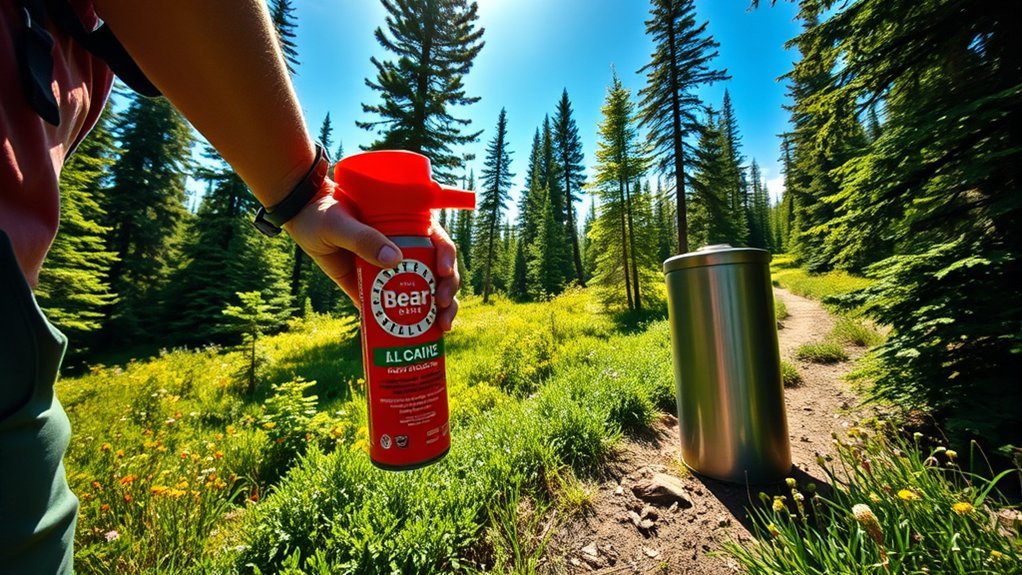
Warning: Never approach or feed Alaska wildlife. Follow the distance rules posted by the park, refuge, or tour operator and give animals additional space whenever their behavior changes. If you plan to carry bear spray while hiking, remember that TSA prohibits bear spray in both carry-on and checked airline baggage, so plan accordingly after arrival.
Pacing, Health, and Medical Planning
Alaska’s long distances can make an itinerary tiring even when individual activities are easy. A six-hour sightseeing tour followed by a late hotel arrival may be more demanding than a short hike.
Build recovery time into the schedule, especially after flights, long rail journeys, cruise embarkation days, or excursions with extended sitting. Keep prescription medications in their original labeled containers when practical, carry enough for the trip plus a reasonable delay, and keep essential medication with you rather than in luggage that could be separated from you.
Before leaving home, identify hospitals, urgent-care facilities, pharmacies, or other appropriate medical services near the places where you will stay overnight. Travelers with significant heart, lung, balance, or mobility concerns should discuss planned activities and environmental conditions with their own healthcare professional before travel.
Best Time for a Comfortable Alaska Trip
For many older travelers, late spring through summer offers the simplest logistics because major visitor services, trains, park buses, cruises, and excursions operate most frequently during the main visitor season. Longer daylight also makes it easier to schedule activities without rushing.
Travelers primarily interested in the northern lights need darker skies, which usually means accepting colder temperatures, snow, ice, shorter daylight, and more limited seasonal transportation. A summer sightseeing trip and a winter aurora trip therefore require very different mobility and clothing plans.
Essential Packing List for Seniors Traveling to Alaska
Alaska weather can change quickly, and conditions vary greatly between coastal, Southcentral, and Interior destinations. Packing in layers gives you more flexibility than relying on one heavy coat.
- Layered Clothing: Pack comfortable base layers, an insulating mid-layer, and a waterproof or water-resistant outer layer.
- Supportive Footwear: Bring shoes with good support and traction. Waterproof footwear can be useful for rain, wet docks, and muddy paths.
- Personal Medications: Carry prescription medication, a medication list, and basic first-aid supplies appropriate for your needs.
- Mobility Equipment: Bring the cane, walker, brace, trekking poles, wheelchair accessories, or other equipment you normally depend on rather than assuming it will be easy to rent at every stop.
- Day Bag: Use a lightweight backpack or small bag for water, medication, rain protection, snacks, and an extra layer.
- Sun and Eye Protection: Pack sunglasses and sun protection because long summer daylight can mean many hours outdoors.
- Wildlife-Viewing Gear: Binoculars can make wildlife viewing more enjoyable without encouraging you to move closer to animals.
- Travel Documents: Keep identification, insurance information, reservations, emergency contacts, and a list of medications easy to reach.
Senior Discounts and Federal Passes
Commercial senior discounts are not universal, so ask each hotel, tour company, cruise line, rental-car company, and transportation provider about its current policy before booking.
A confirmed benefit is the federal America the Beautiful Senior Pass. Eligible U.S. citizens and permanent residents age 62 or older can purchase an annual Senior Pass for $20 or a lifetime Senior Pass for $80 under current 2026 pricing. The pass covers entrance or standard amenity fees at participating federal recreation sites, but it does not automatically discount private concessioner tours or every additional service.
Frequently Asked Questions
What are the best times of year to visit Alaska for seniors?
For travelers prioritizing easier transportation, longer daylight, and the widest choice of tours, late spring through summer is usually the simplest period. Travelers seeking the northern lights should plan a separate darker-season trip and prepare for colder temperatures, snow, ice, and more limited seasonal services.
Are there senior discounts available for Alaska tours?
Some businesses may offer age-based discounts, but policies vary and should be confirmed directly. Eligible U.S. citizens and permanent residents age 62 or older can also use the federal America the Beautiful Senior Pass at participating federal recreation sites. It does not automatically cover private tours or concessioner charges.
How can I find local medical facilities while traveling in Alaska?
Identify hospitals, clinics, pharmacies, or other appropriate medical facilities near each overnight stop before your trip instead of waiting for an emergency. Keep your insurance information, medication list, allergies, emergency contacts, and essential prescriptions with you. Remote excursions may be far from immediate medical care, so ask tour operators about emergency procedures before booking.
What should seniors know about Alaska’s wildlife safety guidelines?
Never feed or approach wildlife and follow the minimum-distance rules posted at the park or refuge you are visiting. Stay alert around bears and moose, follow ranger instructions, and do not leave food where animals can reach it. If bear spray is appropriate for your planned activity, obtain it after arrival because TSA prohibits bear spray in both carry-on and checked airline baggage.
Are there senior-friendly travel groups for Alaska trips?
Yes, escorted tours, cruises, rail packages, and small-group trips can work well for older travelers, but age alone does not tell you whether a tour is suitable. Compare daily walking distance, stairs, luggage handling, vehicle entry, restroom access, free time, hotel changes, and the operator’s ability to accommodate your specific mobility needs.
Is the Alaska Railroad a good option for travelers with limited mobility?
It can be. Alaska Railroad passenger trains offer wheelchair access on scheduled routes, and rail travel reduces the need to drive long distances. Contact the railroad before travel to confirm the arrangements for your mobility device, boarding station, assistance needs, and any connecting transportation.
Can I take the Alaska Railroad from Juneau to Anchorage?
No. Juneau is not on the Alaska Railroad system. Travelers combining Juneau with Anchorage need another connection, commonly air travel. Once in Anchorage, the Alaska Railroad can be used for destinations such as Seward, Denali, Talkeetna, and Fairbanks.
How much rest time should I include in an Alaska itinerary?
A useful approach is to avoid consecutive days of long transfers and demanding excursions whenever possible. Staying two or more nights in major destinations gives you time to recover, adjust plans for weather, and enjoy the trip without constantly packing and changing hotels.
Sources
- Alaska Railroad — Train Schedules — passenger routes, seasonal service, and wheelchair-access information.
- National Park Service — Denali Current Conditions — current 2026 park-road and bus-access information.
- National Park Service — Denali Physical and Mobility Accessibility — accessible facilities and trail details.
- U.S. Forest Service — Mendenhall Glacier Visitor Center — visitor-center access, facilities, and current visitor information.
- National Park Service — Senior Pass — eligibility and current annual and lifetime Senior Pass pricing.
- Alaska Marine Highway System — Travel Policies — accessibility and special-accommodation information for ferry passengers.