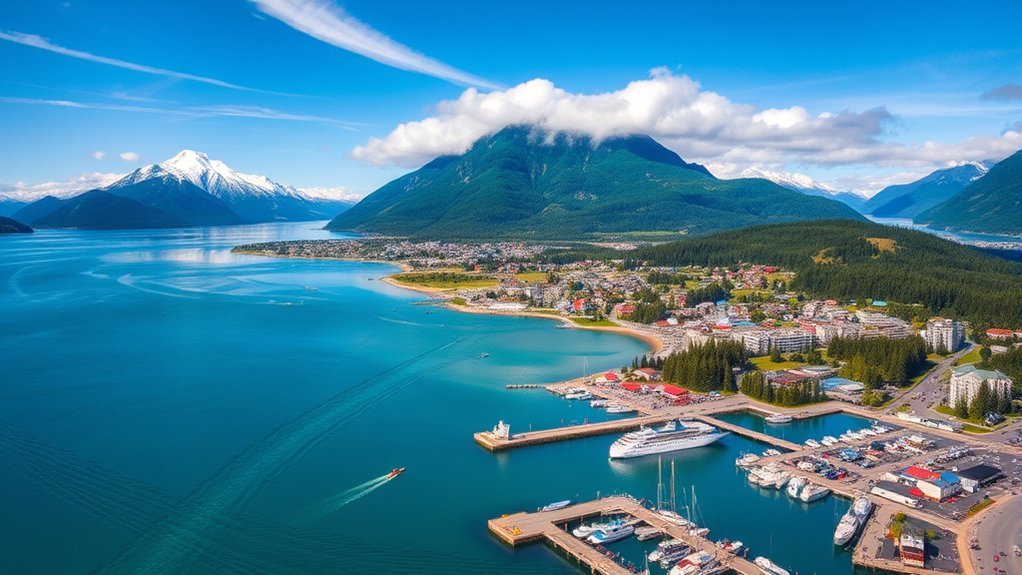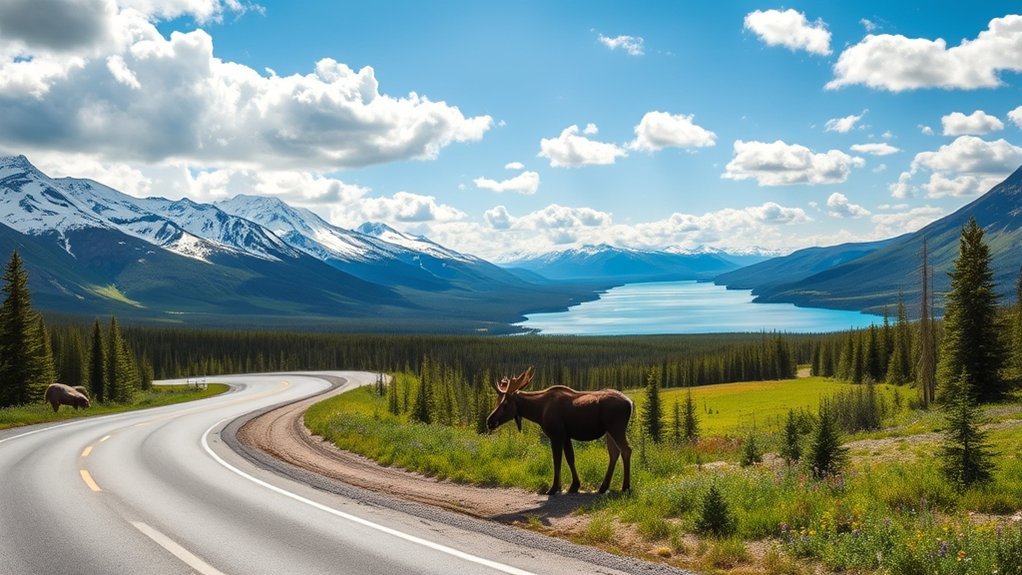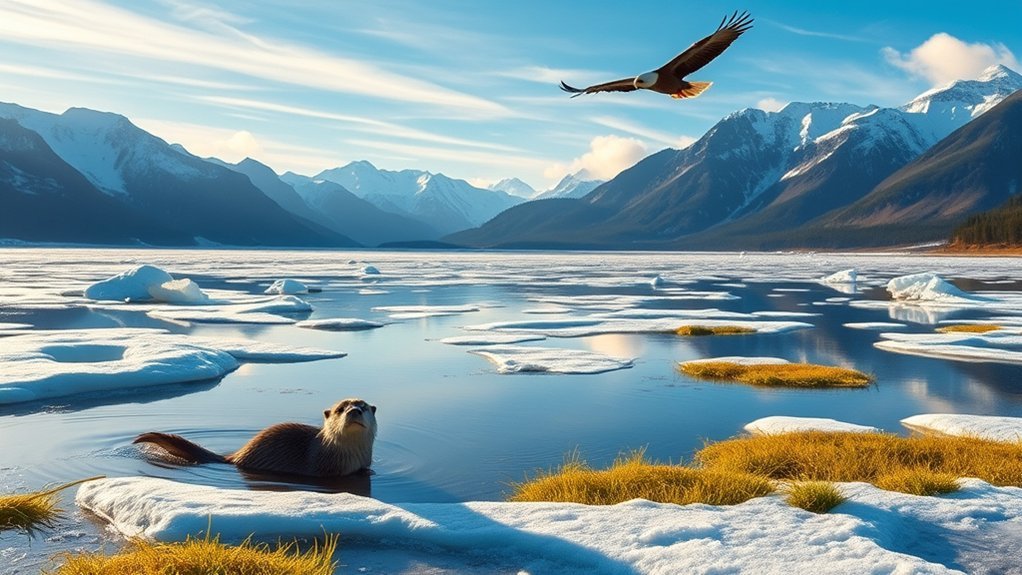
April in Alaska sits between winter and the main summer travel season. Longer days create more time for sightseeing, but snow, ice, mud, and limited seasonal services still shape what you can do. It can be a rewarding month for northern lights, late-season snow activities, bird migration, and smaller crowds if you choose the right region and keep your plans flexible.
Quick Answer
April can be a good time to visit Alaska for longer daylight, smaller crowds, late-season snow activities, early bird migration, and possible northern lights in Fairbanks. However, many summer tours, park roads, hiking trails, and visitor services remain closed or limited, so an April trip requires flexible planning.
Key Takeaways
- April is a shoulder-season month, not the start of Alaska’s full summer season.
- Weather varies sharply by region, with coastal rain, Interior freeze-thaw cycles, and continued Arctic cold.
- Fairbanks may offer northern lights during the first three weeks of April, although darkness decreases quickly.
- Denali, Kenai Fjords, Wrangell–St. Elias, and other parks have limited April access and services.
- Check road conditions, tour schedules, fishing rules, and park alerts immediately before traveling.
Alaska Weather Conditions in April
There is no single statewide April forecast. Alaska covers several climate regions, and conditions in Juneau can be very different from those in Fairbanks or the Arctic. Coastal areas are usually milder and wetter, while Interior Alaska can have cold nights followed by mild afternoons.
The following rounded figures are planning averages based on NOAA’s 1991–2020 climate normals. They are not a forecast for your travel dates.
| Destination | Typical April High | Typical April Low | What to Expect |
|---|---|---|---|
| Anchorage | Mid-40s °F | Upper 20s °F | Melting snow, icy mornings, wet roads, and muddy trails |
| Fairbanks | Upper 40s °F | Low to mid-20s °F | Large day-to-night temperature changes and lingering snow |
| Juneau | Upper 40s °F | Low to mid-30s °F | Cool coastal weather with rain, wet snow, and low clouds |
April often brings a mix of sunshine, rain, wet snow, and sudden flurries. Snow may disappear at low elevations while remaining deep in the mountains. Alaska’s spring thaw is commonly called breakup. During this period, frozen ground and melting snow can produce slush, puddles, mud, rough roads, and unstable river ice.
April may feel like spring in the afternoon and winter again after sunset, so plan for both conditions every day.
Daylight in April
Daylight increases quickly during April. Anchorage gains roughly three hours of daylight across the month, while Fairbanks gains even more. This gives you more time for scenic drives and outdoor activities, but long daylight does not guarantee warm or snow-free conditions.
Note: Check the local forecast for every destination on your route. A statewide weather forecast is not useful for a trip that includes both coastal and Interior Alaska.
Wildlife Sightings and Activities
April marks the beginning of visible seasonal changes, but wildlife activity varies by location and year. Moose may be seen near roads, wetlands, or open patches of vegetation. Bears also begin emerging from dens in spring. The Alaska Department of Fish and Game notes that most Alaska bears emerge during April.
That does not make bear sightings predictable or safe to pursue. Observe all animals from a distance, never approach a moose or bear, and do not stop in an unsafe place along a highway to take photographs.
Warning: Bears may be hungry and active after leaving their dens. Carry accessible bear spray where legal, travel in groups, make noise on low-visibility trails, secure food, and never place yourself between a bear and its cubs or food.
Bird Migration Patterns
Spring migration begins at different times across Alaska. Depending on the region and weather, you may see returning geese, swans, cranes, shorebirds, and waterfowl. Bald eagles are present year-round in many coastal areas, so not every eagle sighting represents spring migration.
Useful bird-watching locations can include Potter Marsh near Anchorage, coastal wetlands around the Kenai Peninsula, the Copper River Delta, and Southeast Alaska. Late April generally offers more migration activity than early April, but storms and frozen wetlands can delay arrivals.
Bring binoculars or a spotting scope and avoid walking into resting or feeding flocks. Wildlife refuges and local birding groups may publish current sighting reports closer to your visit.
Marine Wildlife Tours
Some Seward operators begin limited marine cruises in March or April, often focusing on gray-whale migration and Resurrection Bay. Departure dates depend on the operator, weather, sea conditions, and annual scheduling. Humpback whales, orcas, sea lions, sea otters, and seabirds may be seen, but no species or behavior is guaranteed.
Juneau, Whittier, and other ports may have fewer departures than they offer during the main May-to-September visitor season. Confirm that a specific trip is operating before arranging transportation or lodging around it.
Choose an operator that follows NOAA marine-life viewing guidance. Responsible tours keep legal distances and avoid chasing, surrounding, feeding, or disturbing wildlife.
Alaska National Parks to Consider in April
Alaska’s national parks remain open in some form throughout the year, but “open” does not mean that roads, visitor centers, campgrounds, buses, or trails are fully available. April visitors must check individual park conditions and prepare for limited services.
- Denali National Park: Denali is one of the more practical parks to consider, but access depends on spring plowing. According to the National Park Service, visitors can sometimes drive farther along the park road by late April, but heavy snow can cause closures. Ranger-led programs typically do not begin until May 15, and summer buses begin later in May.
- Kenai Fjords National Park: Seward is reachable by road, and limited marine cruises may be available. However, the road to Exit Glacier is generally unmaintained and inaccessible to cars during winter and much of spring. Reaching the developed area may require several miles of winter travel.
- Wrangell–St. Elias National Park: The park’s scale and mountain scenery are impressive, but April services are sparse. McCarthy Road receives limited winter maintenance, and many rental-car agreements prohibit travel on gravel park roads. Fuel and emergency services are limited or absent.
- Gates of the Arctic National Park: This is not a casual April day trip. The park has no roads or maintained trails. Most visitors use an air taxi or undertake a remote wilderness expedition. Weather delays, river crossings, deep snow, and limited rescue options require advanced skills and preparation.
Pro Tip: If this is your first April visit, build the trip around Anchorage, Girdwood, Fairbanks, Seward, or Juneau instead of trying to visit several remote national parks.
Best Things to Do in Alaska in April
Skiing, Snowshoeing, and Snowmobiling
Early April can still support downhill skiing, cross-country skiing, snowshoeing, dog sledding, and snowmobiling. Girdwood and parts of Interior Alaska often retain snow longer than low-elevation areas around Anchorage. Conditions can change quickly as temperatures rise, so confirm trail grooming, lift operations, tour departures, and snowmachine access.
Do not travel on frozen lakes or rivers based only on appearance. Spring ice can weaken from below and around shorelines even when the surface still looks solid.
Hiking and Walking
Low-elevation urban paths and coastal walks may be usable, but mountain trails can remain snowy, icy, muddy, or exposed to avalanches. Bring traction devices when conditions require them and turn around if the trail becomes unstable.
Potential lower-risk choices include maintained city trails in Anchorage, cleared paths around visitor areas, and short coastal walks where local authorities report safe conditions. Check the Alaska Avalanche Information Center before entering avalanche terrain.
Warning: Do not treat April snow as stable winter snow. Warming temperatures can create wet avalanches, collapsing snow bridges, hidden streams, and deep postholes.
Scenic Drives, Museums, and Cultural Attractions
Scenic driving can work well when roads are clear. Turnagain Arm, the Seward Highway, and routes near Fairbanks offer mountain and wildlife views without requiring a remote expedition. Museums and cultural centers also provide dependable options during poor weather.
Check Alaska 511 for road closures and driving conditions. Allow more travel time than a summer map estimate suggests.
Fishing in April
April fishing is possible, but it is not universally a prime salmon month. Some lakes remain frozen, some rivers are affected by breakup, and fish availability differs by drainage. Resident trout, char, or other species may be available in certain legal waters, while famous salmon runs generally become more dependable later.
Before fishing, use the Alaska Department of Fish and Game sport-fishing regulations to select the correct region and drainage. Check emergency orders as well, because they override the printed regulations. Most nonresident anglers need a valid Alaska sport-fishing license.
Cultural Events and Local Festivals
Event dates change each year, but Alaska does have genuine April celebrations. Verify the current calendar before booking flights or hotels.
- Alaska Folk Festival: This free, volunteer-supported festival is normally held in Juneau for one week in April. Programming may include concerts, dances, workshops, and informal music sessions.
- Alyeska Spring Carnival and Slush Cup: Girdwood commonly hosts this late-season celebration in April, with skiing, costumes, entertainment, and pond-skimming events. Dates vary annually.
- Community Easter events: Easter egg hunts, meals, church services, and family activities may be available when Easter falls in or near April. These are local events rather than one statewide festival.
The Anchorage Market is generally a May-to-September attraction, not an April event. Anchorage Fur Rendezvous, or Fur Rondy, is normally held in February and early March. Neither should be treated as a standard April activity.
Best Places to Visit in Alaska in April
- Anchorage: A practical base for museums, dining, scenic drives, wildlife viewing, and access to Girdwood. Expect melting snow, icy mornings, and muddy trails.
- Girdwood: A strong choice for late-season skiing, mountain scenery, and the possible Spring Carnival.
- Fairbanks: Best suited to travelers seeking late aurora opportunities, Interior scenery, museums, and remaining winter activities.
- Seward: Useful for coastal scenery and possible early-season marine cruises, although Exit Glacier access is often restricted.
- Juneau: Offers museums, local culture, coastal scenery, and the Alaska Folk Festival when dates align. Expect cool, wet weather.
Tips for Visiting Alaska in April
Pack for Variable Weather
Use layers that can handle freezing mornings, mild afternoons, rain, wind, and wet snow. A practical April packing list includes:
- A moisture-wicking base layer
- A fleece or light insulated middle layer
- A warm insulated jacket
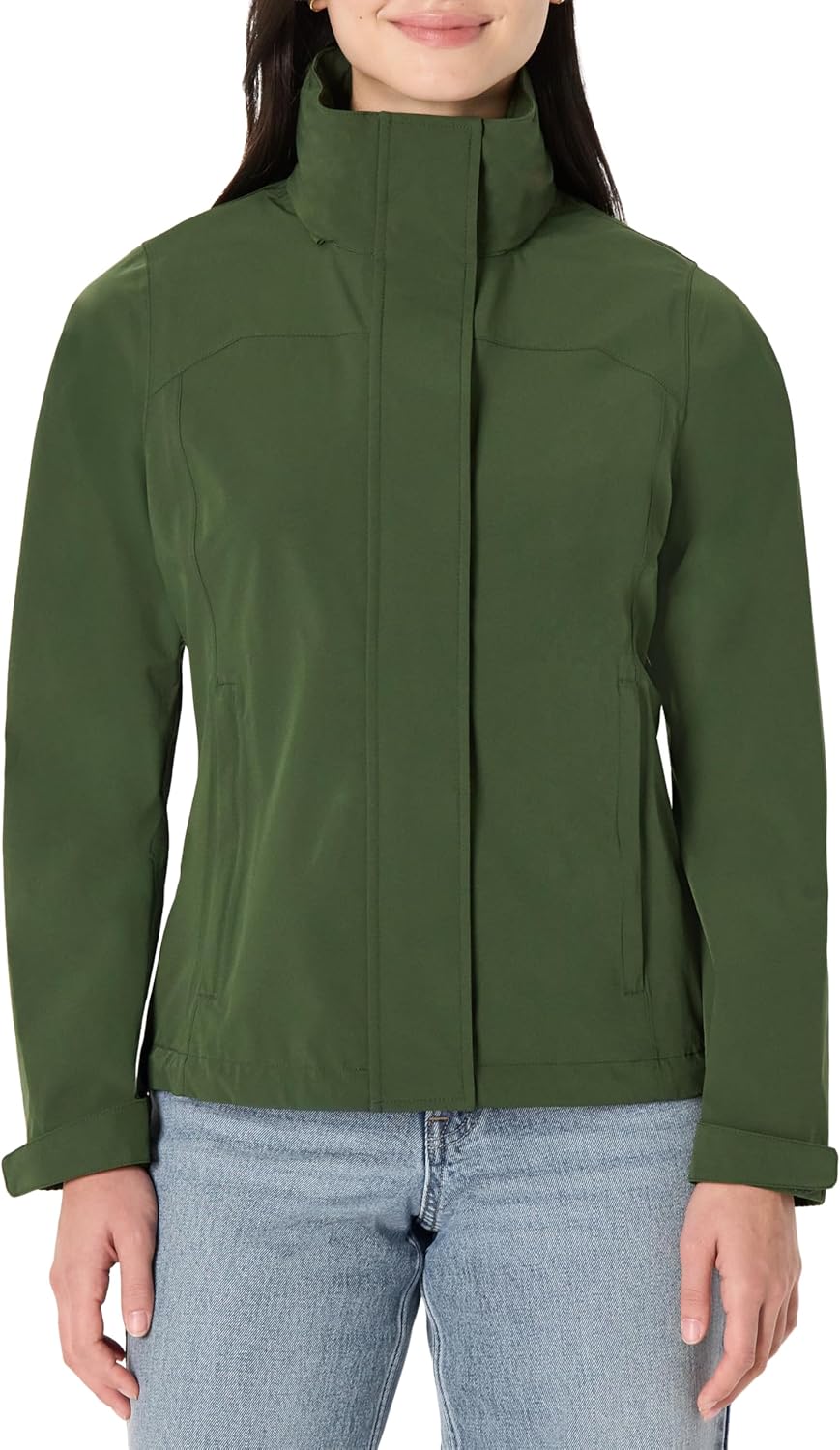
- A waterproof and wind-resistant shell
- Water-resistant pants
- Waterproof boots with good traction
- Removable traction cleats for icy paths
- Warm socks, gloves, and a hat
- Sunglasses and sunscreen for glare from snow
- Binoculars for wildlife viewing
- A small daypack with water, food, and extra clothing
Dress in layers instead of relying on one heavy coat. You may need insulation before sunrise, rain protection during the day, and warmer clothing again after sunset.
Plan for Changing Road Conditions
Main highways may be clear, snowy, icy, wet, or slushy on the same trip. Ask the rental company whether the vehicle has suitable seasonal tires and whether gravel roads are prohibited by the rental agreement. Do not assume four-wheel drive will prevent skidding; tires, speed, and stopping distance matter more on ice.
Seasonal buses, park shuttles, trains, ferries, and tours may run on reduced schedules. Confirm every important connection directly with the operator instead of relying on a summer itinerary.
Wildlife Viewing Opportunities
Moose, eagles, waterfowl, sea otters, sea lions, and other wildlife may be visible in April. Migratory birds become more active as open water returns, while bears begin emerging in some regions.
Potter Marsh, Turnagain Arm, coastal areas near Seward, and protected wetlands can offer viewing opportunities. Denali and the Kenai Peninsula also support abundant wildlife, but April access and sightings are less predictable than the original article suggested.
Use binoculars, remain on established routes, and let animals control the distance. Never approach, feed, call, surround, or follow wildlife for a photograph.
Book Flexible Plans
April can offer lower room rates and fewer visitors than summer, but reduced supply does not always mean every service is cheap or available. Some lodges, restaurants, campgrounds, tours, and visitor centers remain closed.
Choose refundable reservations when possible. Keep one indoor activity available for each day, and confirm tours again shortly before departure.
Frequently Asked Questions
What are the average temperatures in Alaska during April?
Temperatures depend on the region. Anchorage usually has afternoon highs in the mid-40s °F and lows in the upper 20s. Fairbanks often has warmer afternoons but colder nights, while Juneau is usually milder and wetter. Arctic Alaska can remain much colder. Check a local forecast rather than using one statewide range.
Are guided tours available in Alaska in April?
Yes, but there are fewer choices than from late May through summer. Depending on the destination and conditions, you may find aurora tours, snow activities, flightseeing, city tours, and limited marine cruises. Confirm the exact date, cancellation policy, minimum passenger requirement, and weather policy before booking.
What clothing should I pack for Alaska in April?
Pack moisture-wicking base layers, fleece or light insulation, a warm jacket, waterproof outerwear, gloves, a hat, warm socks, and waterproof boots. Traction cleats can help on icy paths. Sunglasses and sunscreen are useful because snow can produce strong glare.
Is April a good time for fishing in Alaska?
April can offer legal fishing in selected lakes and rivers, but it is not a dependable statewide salmon season. Frozen water, breakup, local closures, and species-specific rules affect access. Check the correct regional regulations and current emergency orders from the Alaska Department of Fish and Game before fishing.
Where can I see the northern lights in Alaska in April?
Fairbanks and nearby dark-sky areas offer the strongest April possibility. Fairbanks’ advertised aurora season runs through about April 21, but nights become shorter quickly. Look for a clear, dark sky away from city lights and allow several nights. Aurora activity and clear weather are never guaranteed.
Can I visit Denali National Park in April?
Yes, but access is limited and weather-dependent. Spring plowing gradually opens sections of Denali Park Road, while visitor services and ranger programs remain limited. Check the park’s current conditions page immediately before traveling.
Do Alaska cruises operate in April?
The main large-ship cruise season usually begins later in spring. A few local marine-tour operators may offer April departures from places such as Seward, but schedules are limited and weather-dependent. Verify the operator’s current calendar before planning the rest of your trip.
Conclusion
April in Alaska works best for travelers who want a mix of late winter and early spring rather than a full summer experience. You can enjoy long days, smaller crowds, possible northern lights, spring bird migration, scenic drives, museums, snow activities, and selected tours.
The tradeoff is limited park access, fewer services, variable roads, melting snow, and unpredictable weather. Choose one or two practical bases, confirm every seasonal activity, pack for both rain and snow, and keep a backup plan. With realistic expectations, April can show you a quieter and rapidly changing side of Alaska.
Sources
- NOAA National Centers for Environmental Information — regional climate normals and monthly temperature data
- National Park Service: Denali Operating Hours and Seasons — April road access, services, and spring operations
- National Park Service: Kenai Fjords Current Conditions — Exit Glacier Road, trails, and seasonal access
- Alaska Department of Fish and Game: Sport-Fishing Regulations — regional rules, licenses, and emergency orders
- Alaska Department of Fish and Game: Wildlife Safety — spring bear activity and safe behavior
- Alaska 511 — current highway conditions, closures, and travel alerts