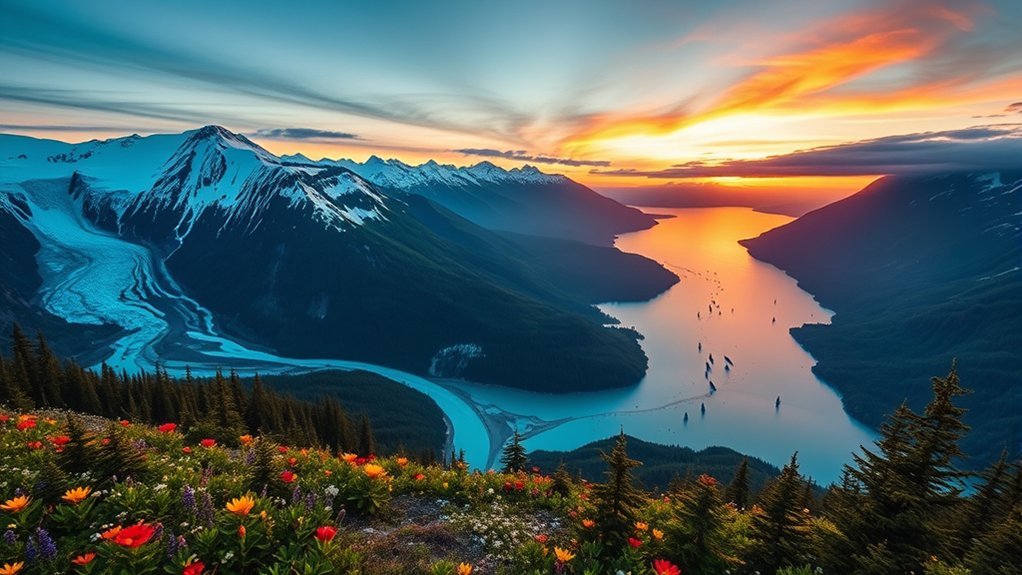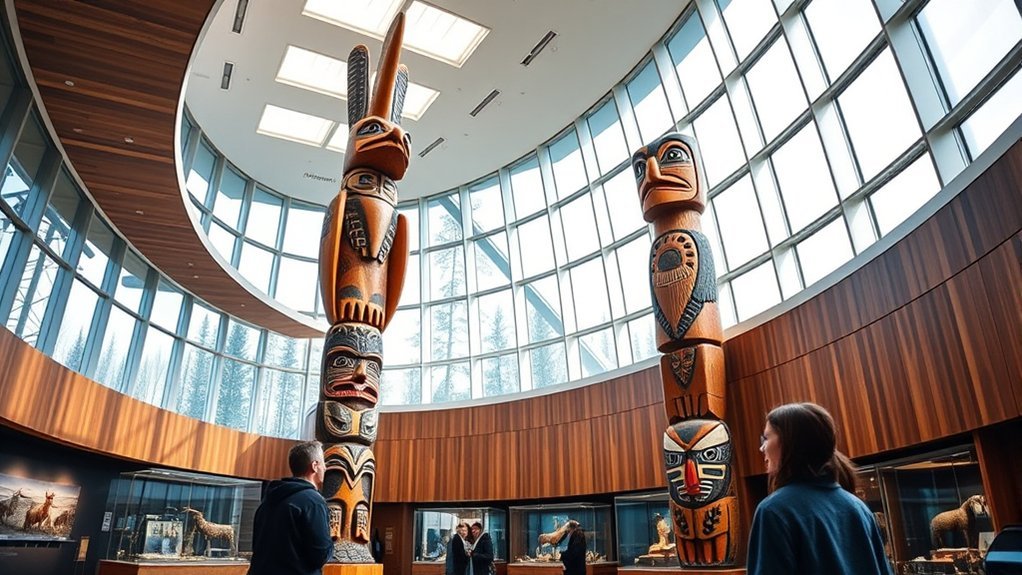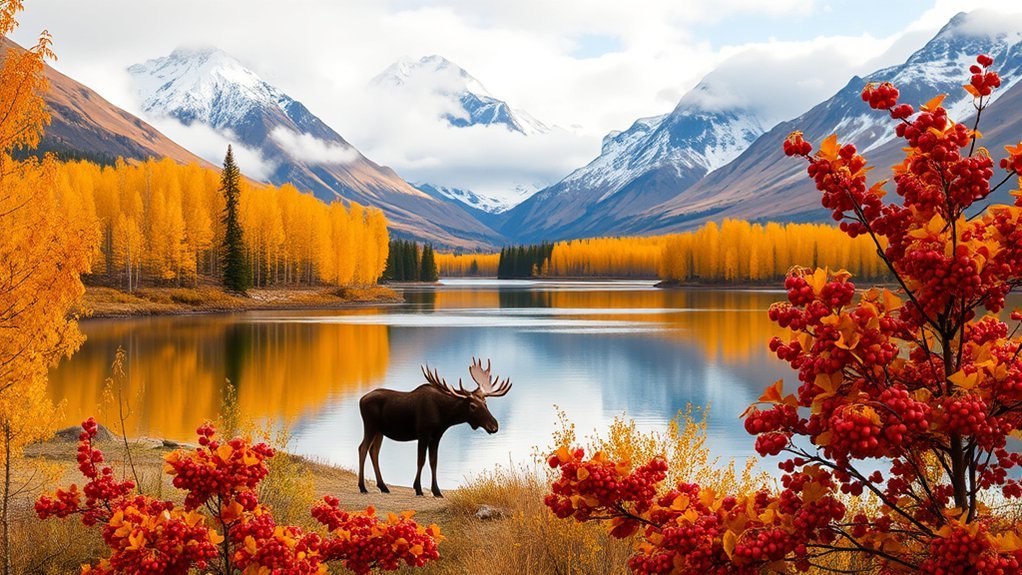
October in Alaska is a true shoulder-season month, sitting between the busy summer travel season and full winter. You can find darker skies for northern lights, active wildlife, quiet roads, museums and cultural events, but you should also expect freezing nights, possible snow and ice, shorter days, and fewer tours. Peak fall foliage has usually passed in much of the state, so flexibility matters more than chasing autumn color.
Quick Answer
Alaska in October is best for flexible travelers who want northern lights, wildlife, quiet destinations, scenic drives, museums, and the transition into winter. Expect cold and rapidly changing weather, possible snow or icy roads, roughly eight hours of daylight around Anchorage and Fairbanks by late October, and fewer summer tours and services.
Key Takeaways
- October is generally too late for peak fall foliage in Denali, Interior Alaska, and many Southcentral locations; the strongest colors usually arrive in August and September.
- Northern lights are a major October advantage because Alaska has long enough nights for aurora viewing.
- Weather varies sharply by region. Freezing temperatures, snow, rain, and icy roads are all possible.
- Many summer tours and visitor services have already ended, so confirm operating dates before building your itinerary.
- Moose, caribou, bears, and migrating birds may be active, but wildlife should be viewed from a safe distance.
- Check Alaska 511, park alerts, fishing regulations, and local forecasts immediately before outdoor trips.
Is October a Good Time to Visit Alaska?
October can be an excellent time to visit Alaska if you understand the tradeoffs. Crowds are typically much lighter than in summer, nights are dark enough for aurora viewing, and the change from autumn into winter creates dramatic scenery. The downside is that many seasonal businesses, boat excursions, buses, lodges, campgrounds, and visitor facilities reduce hours or close after September.
October therefore works best if your priorities include northern lights, road trips on maintained highways, wildlife viewing, photography, museums, local culture, and relaxed itineraries. It is less suitable if you expect the full selection of summer cruises, Denali buses, long hiking days, or dependable peak fall foliage.
Weather Conditions in October
Alaska is too large for one useful statewide October temperature range. Conditions differ substantially between Southcentral Alaska, the Interior, Southeast Alaska, the Arctic, and higher elevations.
According to Travel Alaska’s monthly weather guidance, Anchorage commonly experiences October temperatures around the upper 20s to mid-40s°F, while Fairbanks is considerably colder, with temperatures commonly ranging from the upper teens to the mid-30s°F. Coastal Southeast Alaska is generally milder than the Interior but can be wet, windy, and cloudy.
| Region | What October Can Feel Like | Main Planning Issue |
|---|---|---|
| Anchorage & Southcentral | Cold mornings, freezing nights, rain or early snow | Icy roads and rapidly changing mountain weather |
| Fairbanks & Interior | Colder, with frequent freezing temperatures and increasing snow potential | Winter clothing and cold-weather driving preparation |
| Southeast Alaska | Cool, damp, cloudy, and often rainy | Waterproof layers and weather-related schedule changes |
| Denali & Higher Elevations | Increasingly winter-like with possible significant snow and ice | Seasonal closures and limited road access |
Rain can become snow as temperatures fall or elevation increases. Roads that are merely wet in Anchorage can be icy or snow-covered in mountain passes, so do not plan an October road trip from a statewide monthly average alone.
Warning: October conditions can change quickly. Before a long drive, check the National Weather Service forecast and Alaska 511 for current road conditions, closures, weather cameras, and travel alerts.
Fall Foliage: What to Expect in October
Alaska’s fall colors are beautiful, but October is usually later than many first-time visitors expect. At high latitudes, tundra and trees can begin changing in August. The National Park Service notes that Denali’s colors can start at higher elevations in early to mid-August and spread into valleys by the second week of September.
Travel Alaska likewise identifies September as the stronger fall-color period in many parts of the state, including Hatcher Pass. By October, wind, frost, snow, and leaf drop have often replaced the brilliant reds, oranges, and yellows shown in classic Alaska fall photographs.
You can still find attractive transitional scenery in October. Golden grasses, bare birch and aspen, fresh snow on mountain ridges, dark spruce forests, and occasional remaining leaves create a different look. In some lower or coastal areas, early October may hold patches of color longer than Interior and alpine locations.
Note: If peak foliage is the main reason for your Alaska trip, September is normally a safer target than October. Visit in October for the fall-to-winter transition rather than expecting statewide peak color.
Northern Lights in October
One of October’s biggest advantages is darkness. Travel Alaska identifies late August through late April as the main northern-lights viewing season, so October falls comfortably within the aurora window.
Fairbanks and Interior Alaska are especially popular bases because they sit beneath the auroral oval and often have clearer inland weather than coastal areas. Anchorage can also produce excellent displays when skies are clear and auroral activity is strong.
Seeing the aurora is never guaranteed. You need a combination of darkness, clear or partly clear skies, sufficient geomagnetic activity, and a location away from bright lights. Clouds can ruin an otherwise active aurora night.
Pro Tip: Give yourself several nights rather than one night for aurora viewing. Keep your schedule flexible so you can take advantage of the clearest forecast window.
Wildlife Activity and Migration Patterns
October remains an interesting wildlife month, although what you see depends heavily on location. The Alaska Department of Fish and Game notes that autumn brings mating activity among moose, caribou, muskoxen, and mountain goats. Caribou may be moving toward winter ranges, while geese, cranes, shorebirds, and raptors migrate through parts of the state.
Moose are especially important to treat cautiously. Adult males participate in the rut in late September and early October and can be unpredictable. Bears may still be active around berries, salmon streams, and other food sources before winter dormancy, with timing varying by location, species, weather, and individual animal.
Migratory bird activity also changes quickly during autumn. Rather than expecting the same birds everywhere, research the specific refuge, park, or coastal area you plan to visit.
Warning: Never approach wildlife for a photograph. Give moose and bears a wide escape route, follow local bear-safety guidance, and carry bear spray where recommended and legal. An animal that appears calm can react quickly if it feels crowded or threatened.
Popular Outdoor Activities
October outdoor activities depend much more on daily weather and location than they do during peak summer. Lower-elevation hiking may still be practical on a dry day, while a nearby mountain trail can already have winter conditions.
Here are some of the better options:
| Activity | October Planning Advice |
|---|---|
| Hiking | Choose accessible lower-elevation trails and check snow, ice, daylight, and trail conditions before leaving. |
| Wildlife Viewing | Watch for moose, caribou, birds, and other wildlife from a safe distance without blocking roads. |
| Fishing | Possible in selected fresh and salt waters, but species, seasons, limits, and open areas vary. |
| Photography | Use the combination of low-angle light, snow-dusted mountains, wildlife, and changing weather. |
| Northern Lights | Look for clear, dark skies and allow multiple nights to improve your chances. |
If fishing is part of your trip, do not assume that a salmon stream is open simply because fish are present. Alaska Department of Fish and Game emergency orders can open or close fisheries or change bag limits and methods. Review the current sport-fishing emergency orders before you fish.
Scenic Drives and Viewing Spots
Road trips can be one of the most practical ways to experience Alaska in October because you can adjust your day around weather. The Seward, Glenn, Parks, and Sterling highways provide mountain, river, coastal, and forest scenery, but winter driving conditions can arrive early.
Keep your eyes on the road rather than wildlife. Moose may be difficult to see in low light, and stopping on narrow highway shoulders for photographs can be hazardous.
Best Scenic Routes
| Route | Highlights | October Planning Note |
|---|---|---|
| Seward Highway | Turnagain Arm, mountains, coastal scenery | A strong Southcentral option, but watch for ice, snow, wind, and changing pass conditions. |
| Glenn Highway | Matanuska Valley, mountains, glacier-country scenery | The designated Glenn Highway National Scenic Byway covers about 135 miles; winter conditions can develop during October. |
| Denali Park Road | Denali National Park landscapes and wildlife habitat | The full road is 92 miles, but October access is limited and weather-dependent; do not assume you can drive the entire road. |
| Sterling Highway | Kenai Peninsula, rivers, lakes, mountain views | The highway runs about 138 miles from its Seward Highway junction to Homer; check conditions before long drives. |
| Hatcher Pass Road | Alpine scenery and Independence Mine area | Do not assume the complete pass is an October through-route; winter restrictions affect the unmaintained high-pass section. |
Hatcher Pass deserves special caution. The Alaska Division of Parks and Outdoor Recreation describes October 1 through May 31 as the area’s winter period for road-planning purposes. The rough gravel section across the higher pass is not maintained or open as a normal winter through-route. The paved Palmer-side approach remains much more accessible, subject to conditions and seasonal restrictions near Independence Mine.
Wildlife Viewing Locations
The Kenai Peninsula, Anchorage-area parks, Interior Alaska, and Denali region can all provide wildlife opportunities in October, but sightings are never guaranteed. Marine mammals may be visible along parts of the coast, while moose are commonly associated with forest edges, wetlands, and roadside habitat.
In the Denali region, remember that October is shoulder season. Summer buses are no longer operating, and road access depends on snow and ice. Near Anchorage, Turnagain Arm and surrounding mountain habitat can provide chances to see Dall sheep and other wildlife from established viewpoints.
Bring binoculars so you can watch without approaching animals. If you spot wildlife from a vehicle, use a safe designated pullout instead of stopping in a traffic lane or on a blind curve.
Fall Foliage Highlights
October scenery can still be striking even when peak leaves are gone. The Seward Highway offers Turnagain Arm, mountain walls, water, and potentially snow-covered higher elevations. The Glenn Highway combines open valley views with the Chugach and Talkeetna mountain landscapes.
Kincaid Park and other Anchorage trails can provide an easy way to experience the seasonal transition without committing to a long wilderness drive. Expect bare branches, lingering golden vegetation, frost, and possibly fresh snow rather than guaranteed peak red and yellow foliage.
Visiting Denali National Park in October
Denali can be peaceful in October, but it is very different from a summer visit. Regular summer transit-bus service ends in mid-September, many nearby tourism businesses close for the season, and snow or ice increasingly affects the park road.
The National Park Service shoulder-season guidance says road access in fall depends on conditions. The road may remain open to vehicles until October 15, but snow or ice can cause an earlier closure at Park Headquarters.
In addition, the Pretty Rocks landslide has affected access farther into the park. The road itself extends 92 miles, but visitors should never interpret that number as guaranteed October driving access. Check Denali’s current conditions immediately before traveling.
An October Denali visit is about quiet scenery and the start of winter, not recreating the standard summer bus-tour experience.
Cultural Events and Festivals
October has worthwhile cultural events, but the original summer-style festival calendar does not carry unchanged into this month. Check official event calendars before booking because schedules vary each year.
Alaska Native Cultural Events in October
National Native American Heritage Month is celebrated in November, according to the U.S. Bureau of Indian Affairs, so it should not be described as an October observance.
October still offers important opportunities to engage with Alaska Native cultures. In 2026, the Alaska Federation of Natives Annual Convention is scheduled for October 22–24 in Anchorage. The convention brings together delegates and participants from across Alaska and is a major statewide gathering focused on Alaska Native communities, culture, public policy, and contemporary issues.
If you attend cultural programming, approach it as an opportunity to listen and learn rather than treating living cultures as tourist performances. Museums, cultural centers, artists, and Native-led organizations are good starting points.
Anchorage Events in October
Do not plan an October visit around the main Anchorage outdoor farmers markets. Visit Anchorage describes these markets and summer fairs as operating primarily from mid-May through September.
Instead, check the Anchorage Museum, performing-arts venues, cultural organizations, and the city’s current event calendar. The Anchorage Museum continues indoor exhibitions and programming during the colder season, making it a useful weather-proof option when outdoor plans change.
Alaska Day Festival and Fall Arts
Sitka offers one of Alaska’s best-known October celebrations. The Alaska Day Festival centers on October 18 and commemorates the formal 1867 transfer of Alaska from Russia to the United States. Activities can include historical programs, community events, period costumes, a parade, and a reenactment of the transfer ceremony.
Elsewhere in Alaska, arts programming is better planned through current museum, gallery, university, and performing-arts calendars than through a generic “Fall Arts Festival.” Event names and schedules can change from year to year.
Daylight in Alaska During October
Daylight decreases quickly throughout October, and latitude makes a major difference. There is no single statewide daylight number.
For example, on October 31, 2026, Anchorage has roughly 8 hours and 35 minutes between sunrise and sunset, while Fairbanks has just under 8 hours. Communities farther north lose daylight even faster.
The shorter days are useful for northern-lights viewing, but they reduce the amount of safe daylight available for hikes and long scenic drives. Plan demanding outdoor activities around the middle of the day and leave extra time to return before dark.
Tips for Visiting Alaska in October
Make the most of an October Alaska trip by planning for several seasons at once. A mild afternoon does not mean the same road or trail will remain ice-free after sunset.
- Pack layers: Bring moisture-wicking base layers, warm mid-layers, an insulated outer layer, and a waterproof shell.
- Protect your hands and feet: Pack gloves, a warm hat, wool or synthetic socks, and waterproof footwear with good traction.
- Check roads every day: Use Alaska 511 before highway trips.
- Confirm seasonal businesses: Call or check official websites for tours, restaurants, lodging, visitor centers, and rental operations rather than assuming summer schedules continue.
- Plan around daylight: Start hikes and long drives early enough to finish before darkness and falling temperatures.
- Keep a backup day: Snow, rain, clouds, wind, or ice can change your itinerary.
- Prepare for wildlife: Learn bear and moose safety before hiking and keep food properly secured.
- Check fishing rules: Review current Alaska Department of Fish and Game regulations and emergency orders before fishing.
- Stay flexible for aurora: If the sky clears at night, be ready to adjust your schedule.
Pro Tip: Build October itineraries around one main activity per day rather than packing the schedule. That gives you room to move hikes, drives, and aurora viewing when the weather changes.
Frequently Asked Questions
What Is the Average Temperature Range in Alaska During October?
There is no useful single range for the entire state. Anchorage commonly sees October temperatures around the upper 20s to mid-40s°F, while Fairbanks is colder, commonly ranging from the upper teens to mid-30s°F. Coastal, Arctic, and mountain conditions can be very different, so check the forecast for your exact destination.
Are There Any Specific Wildlife Species to Watch for in October?
Depending on the region, you may see moose, caribou, bears, ptarmigan, waterfowl, raptors, and other migrating birds. Moose and caribou are involved in autumn mating activity, while some caribou are moving toward winter ranges. Keep a safe distance from every wild animal.
How Does Daylight Change Throughout October in Alaska?
Daylight decreases rapidly and varies by latitude. On October 31, 2026, Anchorage has about 8 hours and 35 minutes from sunrise to sunset, while Fairbanks has just under 8 hours. Farther north, daylight becomes shorter still. Check sunrise and sunset times for the exact community you are visiting.
What Should I Pack for a Trip to Alaska in October?
Pack thermal or moisture-wicking base layers, warm mid-layers, an insulated jacket, a waterproof shell, waterproof footwear, warm socks, gloves, and a hat. Traction can also be useful when walking on icy surfaces. Pack for colder conditions than the daytime forecast suggests.
Are There Any Travel Restrictions in Alaska During October?
There is no general statewide October travel restriction, but weather and seasonal operations can close or limit roads, park facilities, tours, and remote routes. Denali and Hatcher Pass are important examples where access can be limited. Check Alaska 511, National Park Service alerts, and local forecasts before traveling.
Can You See the Northern Lights in Alaska in October?
Yes. October is within Alaska’s main aurora-viewing season because the nights are dark enough to see the northern lights. Clear skies and sufficient auroral activity are still required, so staying several nights improves your chances.
Can You Visit Denali National Park in October?
Yes, but October is shoulder season rather than the normal summer visitor season. Summer buses have ended, many nearby businesses are closed, and park-road access depends on snow and ice. Always check Denali’s current conditions before making the drive.
Do Alaska Tours Still Operate in October?
Some do, especially northern-lights tours, city activities, museums, and selected year-round excursions. Many summer boat tours, park buses, lodges, and seasonal attractions have already ended operations, so confirm the exact operating dates of every important activity before booking your trip.
Sources
- Travel Alaska — Alaska Weather by Month — regional October temperatures and seasonal weather.
- Travel Alaska — Northern Lights Viewing in Alaska — aurora-viewing season and planning.
- Alaska Department of Fish and Game — When to Go Wildlife Viewing — autumn wildlife behavior, rutting, migration, and seasonal viewing.
- National Park Service — Visiting Denali in Fall or Spring — fall foliage timing, shoulder-season access, and road limitations.
- Alaska 511 — current statewide road conditions, closures, and travel alerts.
- U.S. Bureau of Indian Affairs — National Native American Heritage Month — confirms that the national observance takes place in November.