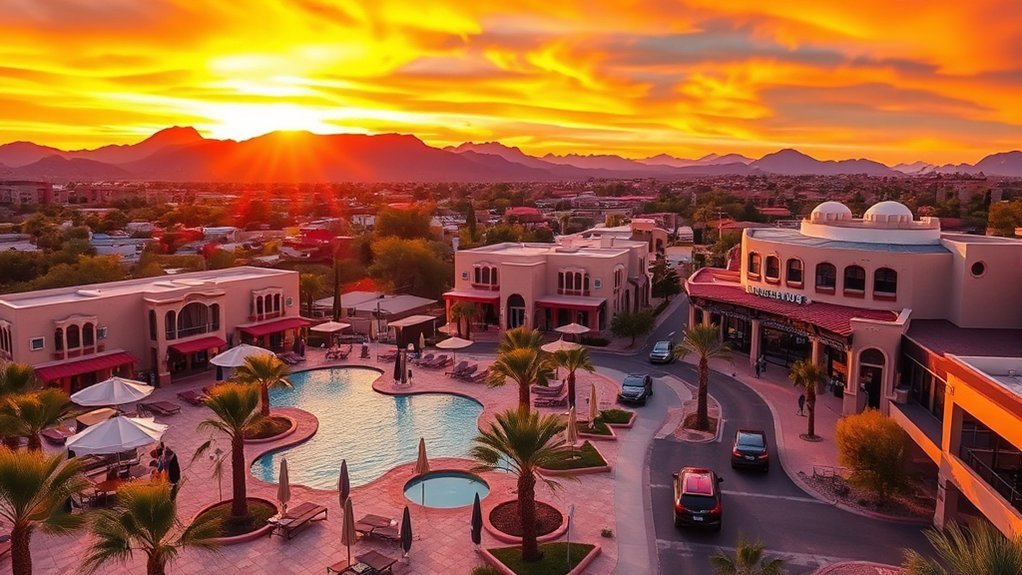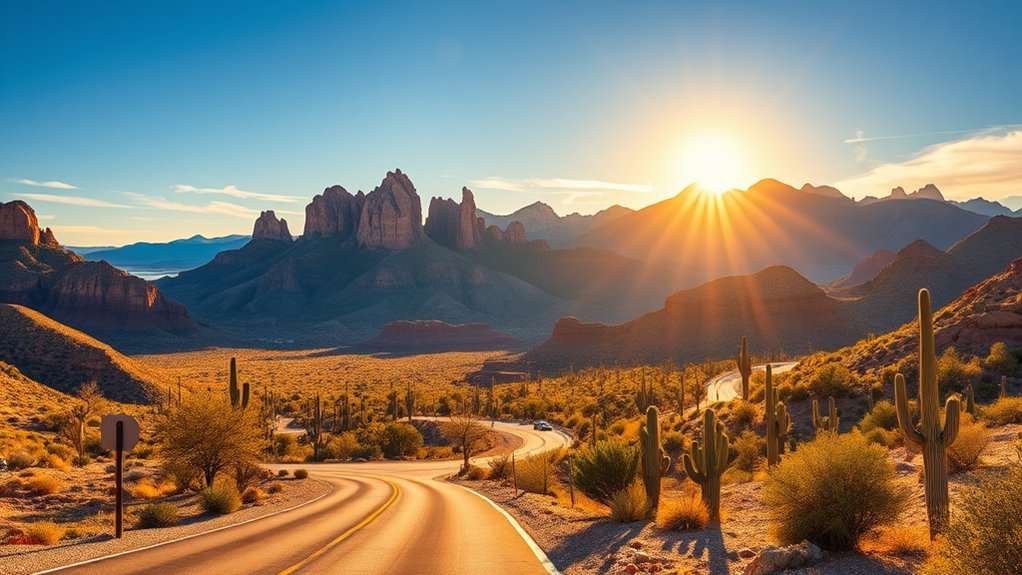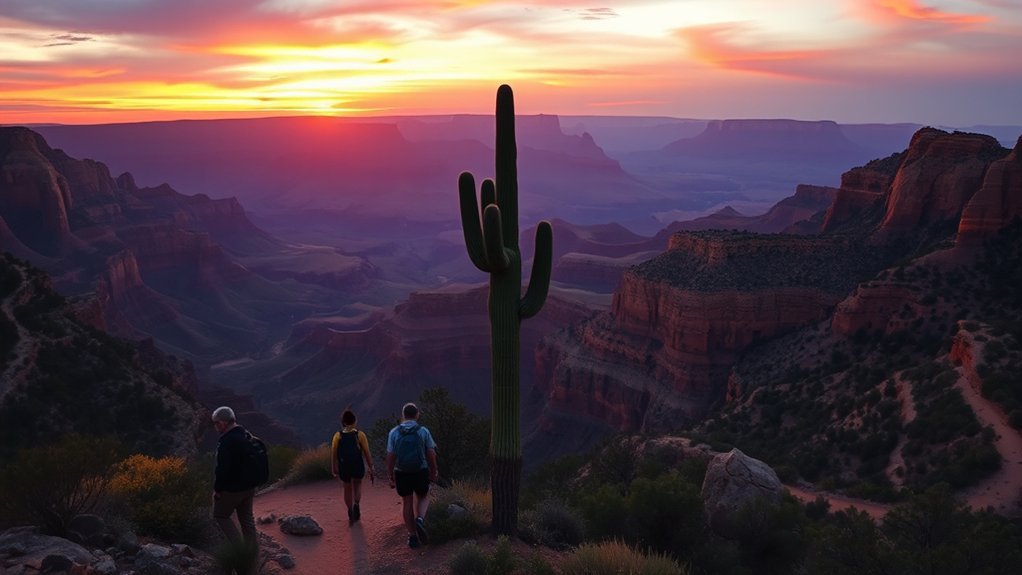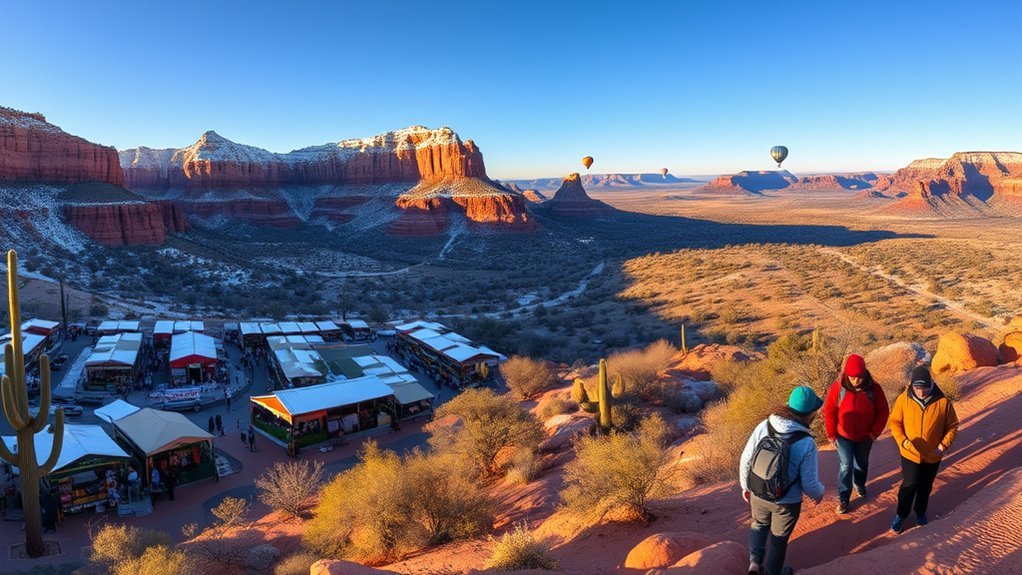
Arizona in February can feel like two different seasons in one trip. The low deserts around Phoenix and Tucson often have comfortable daytime temperatures for hiking and sightseeing, while Flagstaff and the Grand Canyon can still have snow, ice, and freezing nights. February is also a good month for winter events, birding, scenic drives, stargazing, and possible early desert wildflowers if rainfall and temperatures cooperate.
Quick Answer
February is one of the most comfortable months for exploring Arizona’s low deserts, but conditions change sharply with elevation. Expect mild days around Tucson and Phoenix, cooler weather around Sedona, and possible snow and ice at the Grand Canyon and in northern Arizona. Wildflowers may start appearing late in the month, but peak bloom is never guaranteed.
Key Takeaways
- Southern Arizona is generally mild: February is well suited to desert hiking, sightseeing, patios, and outdoor attractions around Tucson and Phoenix.
- Northern Arizona is still winter: snow, icy roads, freezing nights, and slippery trails are possible around Flagstaff and the Grand Canyon.
- Wildflowers are weather-dependent: early blooms can appear in February, especially in the low desert, but March and April are often more dependable.
- Check current conditions: road access, trail conditions, bloom reports, river flows, and park operations can change quickly.
- Book popular winter destinations early: February falls within the busy winter season in much of southern Arizona.
Typical February Weather Across Arizona
The biggest mistake you can make when planning Arizona in February is assuming the whole state has desert weather. Elevation changes conditions dramatically. A sunny afternoon in Tucson can happen on the same day that snow and ice affect roads near Flagstaff or the Grand Canyon.
For a useful low-desert reference, the National Weather Service’s 1991–2020 Tucson climate normals list an average February high of 69.2°F, an average low of 43.2°F, and 0.84 inch of precipitation. Phoenix is also generally mild during February, although individual days can be noticeably warmer or colder.
Sedona sits higher than Phoenix and Tucson, so mornings and evenings are cooler. Northern Arizona is colder still. At the Grand Canyon South Rim, winter can bring snow, icy roads, slippery trails, and temporary weather-related road closures.
| Area | Typical February Feel | What to Plan For |
|---|---|---|
| Phoenix and low desert | Mild afternoons, cool mornings and nights | Hiking, patios, gardens, desert drives, sun protection |
| Tucson and southern Arizona | Comfortable winter days with chilly nights | Saguaro National Park, birding, hiking, possible late-February blooms |
| Sedona and Verde Valley | Cooler days and cold nights; occasional winter weather | Red-rock hikes, scenic drives, layers, trail-condition checks |
| Flagstaff and Grand Canyon | Full winter conditions are possible | Snow, ice, traction devices, winter driving supplies, flexible plans |
Tucson’s 1991–2020 February climate normals are 69.2°F for the daily high, 43.2°F for the daily low, and 0.84 inch of precipitation.
Warning: Do not use a Phoenix or Tucson forecast to judge conditions at Sedona, Flagstaff, or the Grand Canyon. Check the forecast for each destination, especially before driving into northern Arizona.
Best Outdoor Activities This Month
February’s cooler temperatures make it one of the more comfortable times for hiking in Arizona’s lower deserts. You can also birdwatch, stargaze, take scenic drives, paddle where conditions are suitable, and look for the first wildflowers of the season.
Desert Wildflower Hikes
February can bring early desert wildflowers, but do not plan a trip around guaranteed carpets of poppies. Bloom timing depends on winter rainfall, temperatures, elevation, and local growing conditions.
Arizona State Parks’ Wildflower Bloomdar explains that desert displays can develop from late February through April when conditions cooperate. Some locations more typically reach stronger displays during March.
Good places to check for possible February blooms include:
- Picacho Peak State Park: One of Arizona’s best-known spring wildflower locations. Its bloom can begin around February in favorable years, but conditions vary greatly.
- Catalina State Park: A convenient Tucson-area location for desert hiking, saguaros, and developing spring blooms.
- Saguaro National Park: The National Park Service says a variety of cactus and wildflower blooms begin appearing around late February and March.
- Lost Dutchman State Park: A good Phoenix-area choice for Sonoran Desert scenery and spring bloom potential.
Choose a trail that matches your fitness, carry water, wear sun protection, stay on established routes, and never pick wildflowers. If flowers are the main reason for your trip, check a current bloom report shortly before leaving.
Pro Tip: Treat February flowers as a bonus rather than a guarantee. Low-elevation areas usually offer the best chance for early blooms, while Sedona and higher country generally develop later in spring.
River Kayaking Trips
Paddling can be an enjoyable February activity in warmer parts of Arizona, but water conditions are more important than the calendar. River flows, wind, water temperature, access restrictions, and release schedules can all affect whether a particular trip is appropriate.
Choose a route suited to your experience level and consider a guided outing if you are unfamiliar with desert rivers. Check current conditions before launching, keep extra clothing in a dry bag, and wear an appropriate life jacket. The Arizona Game and Fish Department boating guidance provides current life-jacket and boating-safety information.
- Check current flow, weather, wind, and access information.
- Use a launch and takeout appropriate for your experience.
- Wear a properly sized life jacket and protect spare clothing from water.
- Carry drinking water even when you are surrounded by water.
- Choose a guided float if you are unsure about river hazards or logistics.
- Respect wildlife, shore closures, and private property.
Festivals, Events, and Cultural Highlights
February is a busy event month in Arizona, but schedules change from year to year. Instead of assuming a particular food festival, concert, or cultural celebration will occur during your visit, verify dates with the official organizer.
Two major recurring events already have dates published for the next February:
- Tucson Gem, Mineral & Fossil Showcase: Visit Tucson currently lists the 2027 winter showcase for January 27 through February 14, 2027. Check the official Visit Tucson showcase information because individual show hours and locations vary.
- Scottsdale Arabian Horse Show: The official event site currently lists the 2027 show for February 11 through February 21, 2027 at WestWorld of Scottsdale. Verify schedules and ticket details through the official Scottsdale Arabian Horse Show website.
Phoenix, Scottsdale, Tucson, Flagstaff, and smaller communities also host concerts, art events, food events, gallery programs, and seasonal activities. For Native American cultural events, use the host tribe’s or tribal nation’s official calendar and follow visitor guidance rather than assuming an event is open to the public.
February evenings can turn cool quickly, so bring a layer even when an event starts on a warm afternoon. Popular winter events can also increase hotel demand, especially around Tucson and Scottsdale.
Day Trips and Scenic Drives
February’s clear winter light can be excellent for Arizona road trips. Sedona, the Grand Canyon South Rim, and the Apache Trail area all offer memorable scenery, but each requires different planning.
Sedona Red Rock Day Trip
Sedona’s red-rock country is ideal for short hikes, photography, overlooks, and scenic drives in February. However, Bell Rock, Cathedral Rock, Devil’s Bridge, and Red Rock Loop Road are spread across different parts of the Sedona area, so do not treat them as four stops on one literal road loop.
A more practical approach is to choose two or three areas based on your available time:
- Bell Rock and Courthouse Butte area: Good for red-rock views and a range of hiking options.
- Cathedral Rock area: Famous scenery, but trail access and parking can be busy.
- Red Rock Loop Road and west Sedona: Scenic driving with access toward Red Rock State Park and nearby viewpoints.
- Devil’s Bridge area: A popular hike that deserves its own time allowance rather than being treated as a roadside photo stop.
- Oak Creek area: Useful for a quieter picnic or waterside stop when access and weather permit.
February mornings may be cold, shaded trails can stay icy or muddy after winter weather, and parking conditions vary. Start early, carry water, and check current trail and road information before setting out.
Grand Canyon South Rim
The Grand Canyon South Rim is open year-round and February can bring smaller crowds, dramatic winter light, and snow-covered canyon views. Mather Point, portions of the Rim Trail, Grand Canyon Village, and scenic overlooks can all work well for a winter visit.
Winter conditions are a serious planning factor. The National Park Service winter guide warns that snow, icy roads, slippery trails, colder temperatures, and temporary weather-related road closures are possible. The park recommends traction devices for icy walking surfaces and advises visitors to check current road and trail conditions.
One useful winter difference is that some roads with seasonal vehicle restrictions operate differently during the quieter months. Always confirm current access before assuming a road, shuttle route, or overlook is available.
Note: The Grand Canyon North Rim is not a February alternative. North Rim roads are closed to vehicles from December 1 through May 14. Plan February visits around the South Rim.
Apache Trail Scenic Drive
State Route 88, commonly called the Apache Trail, runs east from the Apache Junction area through dramatic Sonoran Desert and canyon scenery. It is one of Arizona’s classic drives, but it requires more preparation than a normal paved scenic highway.
As of August 2026, the Arizona Department of Transportation reports SR 88 open at Fish Creek Vista. The Fish Creek-area stretch includes an unpaved section, and parts of the route are steep, narrow, and winding. Storms and rockfall can also temporarily change access.
- Check ADOT conditions immediately before your drive.
- Start with a full tank of fuel and make sure brakes and tires are in good condition.
- Carry water, snacks, and an offline map.
- Drive slowly on narrow or unpaved sections.
- Confirm your rental-car agreement allows travel on the roads you intend to use.
- Do not enter a closed section even if a mapping app shows a through route.
Where to See Wildflowers and Wildlife
February wildlife viewing is often more predictable than February wildflowers. Southern Arizona’s parks, riparian areas, and desert foothills can be particularly rewarding for birding during winter.
For possible early flowers, focus first on lower-elevation Sonoran Desert locations such as Picacho Peak, Catalina State Park, Lost Dutchman State Park, and the Tucson area. Saguaro National Park notes that a variety of cactus and wildflower blooms begin around late February and March.
For wildlife and birds, consider:
- Saguaro National Park: Desert birds, mammals, saguaros, and broad Sonoran Desert landscapes.
- Patagonia Lake and Sonoita Creek area: Southern Arizona habitat well known for winter birding.
- Red Rock State Park near Sedona: Oak Creek’s riparian habitat provides year-round birding opportunities.
- Huachuca and Santa Rita mountain foothills: Excellent habitat diversity, although spring migration becomes more prominent later in the season.
- Grand Canyon South Rim: Winter visitors may encounter elk, mule deer, ravens, and, with luck, California condors.
Go early in the morning when possible, carry binoculars, give animals plenty of room, and never feed wildlife. Higher-elevation wildflower displays around Sedona and northern Arizona generally develop later than the low-desert February bloom window.
Packing Tips and Seasonal Safety
Layers are the most useful thing you can pack for Arizona in February. Temperatures can change quickly between dawn and afternoon, and driving only a few hours can take you from warm desert to snow-covered high country.
- Base layer: useful for cold mornings and northern Arizona.
- Light mid-layer: fleece or similar layer for cool evenings.
- Packable insulated jacket: important for Sedona, Flagstaff, the Grand Canyon, and cold desert mornings.
- Sun hat, sunglasses, and sunscreen: winter sun can still be strong.
- Sturdy footwear: choose shoes appropriate for rocky, muddy, snowy, or icy surfaces.
- Water: carry more than you expect to need on desert hikes.
- First-aid kit and headlamp: daylight is shorter than in spring and summer.
- Navigation backup: download maps before entering remote areas.
If you are heading to the Grand Canyon or other snowy areas, add an ice scraper, warm gloves, hat, extra food and water, phone charger, flashlight, blankets, and suitable footwear. Slip-on traction devices can be useful on icy walking surfaces.
Warning: A sunny forecast in Phoenix does not mean northern highways are clear. Check current weather and road conditions before driving toward Flagstaff, the Grand Canyon, or other high-elevation destinations.
Where to Stay: From Desert Retreats to Mountain Lodges
Your best February base depends more on your itinerary than on hotel style. Desert retreats offer warm afternoons and easy access to Sonoran Desert trails, Sedona puts red-rock scenery close to your door, and northern Arizona lodges provide access to winter landscapes but require more cold-weather preparation.
| Base | Best For | February Consideration |
|---|---|---|
| Phoenix / Scottsdale | Warm-weather escape, resorts, desert hikes, events | Winter is popular, so rates and availability can tighten around major events. |
| Tucson | Saguaro National Park, birding, food, gem shows | The winter gem-show period can create unusually high demand. |
| Sedona | Red-rock hiking, photography, scenic drives | Cold nights and occasional snow or ice are possible. |
| Flagstaff | Snowy mountain atmosphere and a base for northern Arizona | Prepare for true winter weather and road delays. |
| Grand Canyon South Rim | Sunrise, sunset, winter canyon views, minimal driving after arrival | Cold, snow, and ice are possible; lodging choices are more limited than in major cities. |
If serenity matters most, a desert-edge property or quieter Sedona stay can provide dark skies and open horizons. If warmth is the priority, stay in the low desert rather than the high country. If trail access is most important, choose lodging close to the park or trail system you plan to use so less of your day is spent driving.
Frequently Asked Questions
Are pet-friendly restaurants common in Arizona in February?
You can find restaurants with dog-friendly outdoor patios in many Arizona cities, especially in the warmer low desert, but policies vary by business. February evenings can also be chilly, so confirm that the patio is open and that pets are permitted before arriving.
Do Arizona State Parks require reservations in February?
There is no single February reservation rule for every Arizona State Park. Campsites, cabins, tours, and group facilities may accept or require reservations, while ordinary day use at many parks works differently. Check the Arizona State Parks reservation system and the page for the individual park you plan to visit.
Is February a good time for hot air balloon rides?
February can offer pleasant ballooning weather in Arizona, but no month guarantees suitable flying conditions. Wind, visibility, airspace, launch conditions, and other weather factors affect each flight. Follow the operator’s briefing and expect a flight to be delayed or canceled when conditions are not appropriate. The FAA Balloon Flying Handbook explains the importance of weather and preflight planning.
Are there seasonal restrictions for drone use in parks?
Do not assume drone rules are seasonal. The National Park Service generally prohibits launching, landing, or operating recreational drones from NPS-administered lands and waters except in limited approved situations. Other land managers have their own rules, and FAA requirements still apply. Check the National Park Service drone guidance and rules for the exact location before flying.
Can I swim in hotel pools in February?
Often, but it depends on the hotel and destination. Heated outdoor pools are common at some low-desert resorts, while an unheated pool may feel too cold in February. Pools in higher-elevation destinations may have different seasonal operations. Confirm heating, operating hours, and closures directly with your hotel.
Does it snow in Arizona in February?
Yes. Snow is possible and normal winter weather in higher-elevation parts of Arizona, including Flagstaff and the Grand Canyon South Rim. Lower-desert cities such as Phoenix and Tucson are much milder, although nearby mountains can receive snow.
Is the Grand Canyon North Rim open in February?
No for normal vehicle access. The National Park Service closes North Rim roads to vehicles from December 1 through May 14. February visitors should plan around the South Rim and verify current winter conditions before traveling.
Conclusion
February is an excellent month to experience Arizona if you plan for the state’s elevation changes. Spend mild days hiking through the Sonoran Desert, look for early wildflowers without counting on a peak bloom, explore Sedona’s red-rock country, attend a winter event, or visit the Grand Canyon South Rim under crisp winter skies.
The key is flexibility. Check weather and road conditions before changing elevation, verify bloom reports and event dates, bring layers and sun protection, and carry winter equipment when heading north. With those precautions, February can give you both comfortable desert adventures and memorable winter landscapes in a single trip.
Sources
- National Weather Service — Tucson Monthly Normals and Records — February temperature and precipitation normals.
- Arizona State Parks & Trails — Wildflower Bloomdar — Arizona wildflower timing, elevation differences, and current bloom guidance.
- National Park Service — Visiting Grand Canyon During Winter — South Rim winter access, snow, ice, road, and trail safety guidance.
- Arizona Department of Transportation — State Route 88 / Apache Trail — current Fish Creek-area roadway and access information.
- National Park Service — Uncrewed Aircraft in the National Parks — recreational drone restrictions on NPS-administered lands.
- Arizona State Parks & Trails — Reservation System — official camping, cabin, and tour reservation information.