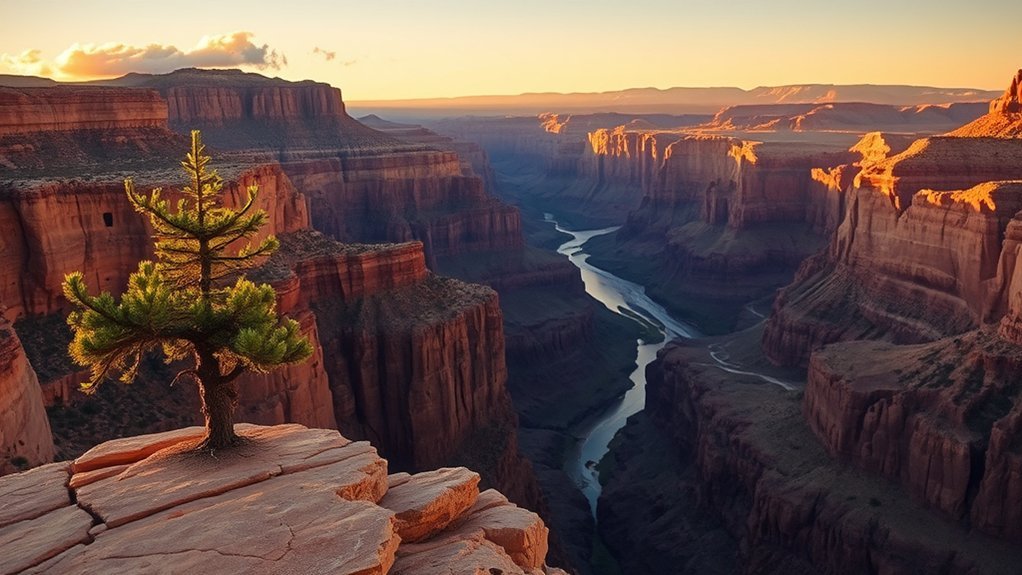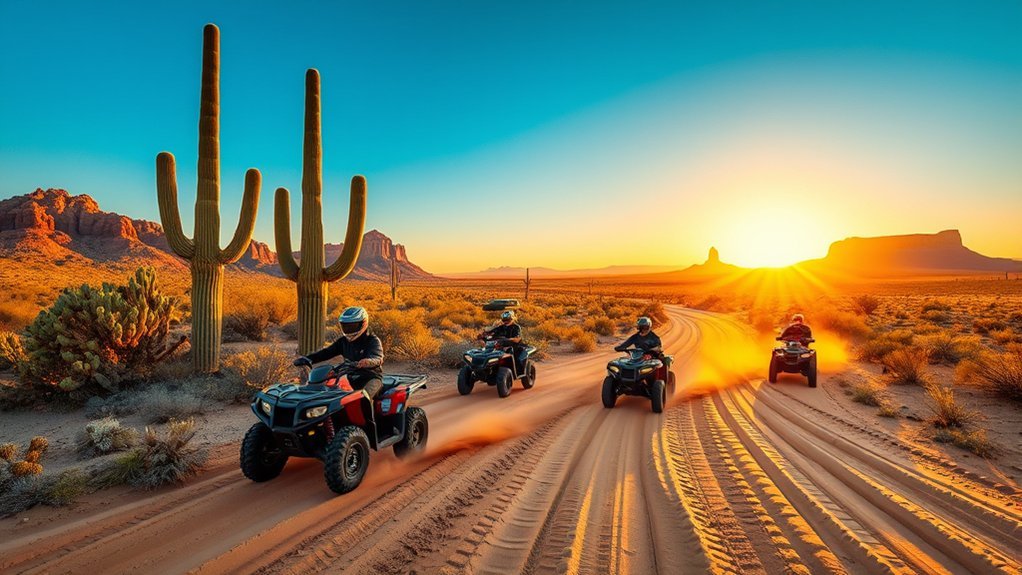
Arizona’s off-road landscape offers one of the most diverse all-terrain vehicle (ATV) and utility task vehicle (UTV) environments in North America. Riders encounter everything from red-rock slickrock ledges in Sedona and giant Saguaro cactus forests in the Sonoran Desert to ponderosa pine trails across the Mogollon Rim. Whether you book a guided side-by-side excursion or pilot an independent rental through rugged desert washes, understanding local terrain, state off-highway vehicle (OHV) laws, permit requirements, and seasonal weather is essential for a safe and memorable ride.
Quick Answer
Arizona ATV and UTV tours range from $150 to $350+ per person for 2- to 4-hour excursions in top hubs like Sedona, Phoenix, and Florence. Guided tours include machines, safety gear, fuel, and permits, while self-drive rentals require an Arizona OHV Decal ($25) and relevant land-use permits for public trails.
Key Takeaways
- Machine Types: Guided tours predominantly use multi-passenger UTVs (Side-by-Sides) with roll cages and seatbelts, while single-rider ATVs (quads) offer a more physically demanding ride.
- Prime Locations: Sedona (Broken Arrow, Outlaw Trail), Central Arizona (Box Canyon, Table Mesa), and Tonto National Forest (Bulldog Canyon) provide the state’s best marked routes.
- Legal Mandates: Under Arizona Revised Statutes (A.R.S. § 28-1178), all riders under 18 must wear a DOT-approved helmet, and all operators must wear eye protection unless the vehicle has a windshield.
- Permit Requirements: Independent riders must carry an Arizona OHV Decal and acquire specific permits for Arizona State Trust Land or U.S. Forest Service recreation areas.
- Seasonal Timing: Desert rides are best between October and April; summer outings require early morning departures to prevent heat illness and avoid afternoon monsoon storms.
At a Glance
| Tour Duration | 2 to 4 hours (Half-day) | 6 to 8 hours (Full-day) |
| Trail Difficulty | Easy (Scenic Washes) to Technical (Rock Crawling & Ledges) |
| Common Vehicles | 2–6 seat UTVs (Polaris RZR, Can-Am Maverick) & single-rider 4×4 ATVs |
| Average Costs | Guided: $150–$350 per seat | Self-Drive Rentals: $300–$650+ per day |
Why Arizona Is a Premier Off-Road Destination
Arizona contains millions of acres of publicly accessible public land managed by the Bureau of Land Management (BLM), the U.S. Forest Service, and the Arizona State Land Department. Because the state’s topography spans elevations from near sea level along the Colorado River to over 12,000 feet in the San Francisco Peaks, riders can navigate sand dunes, high-desert chaparral, dense boulder fields, and alpine forests in a single day.
Well-established trail networks feature geological diversity that tests driving skill while showcasing natural landmarks. You will cross dry river washes that turn green after spring rains, climb steep canyon rims overlooking red sandstone monoliths, and travel historical mining roads carved into rugged mountain passes.
ATV vs. UTV: Choosing the Right Machine
Before booking an excursion or rental, understand the difference between traditional ATVs and UTVs (Side-by-Sides):
- ATV (All-Terrain Vehicle / Quad): Features straddle seating, handlebar steering, and motorcycle-style throttle controls. Designed for a single operator (or driver plus one passenger on specially engineered two-up quads). Riding an ATV is physically demanding, requiring active body-weight shifting on switchbacks and rocky ascents.
- UTV (Utility Task Vehicle / Side-by-Side): Equipped with side-by-side automotive seating, steering wheel, pedal controls, certified roll cages, and multi-point harness seatbelts. UTV models (such as Polaris RZRs, Can-Am Mavericks, and Honda Talons) hold 2 to 6 passengers, making them the standard choice for guided family tours and technical rock crawling.
Top Arizona Off-Road Tour Companies to Know
When selecting a commercial tour outfitter in Arizona, verify their commercial operating permits, fleet maintenance schedules, guide credentials, and provided safety equipment.
Established Regional Outfitters
- Arizona Outdoor Fun (Phoenix / Black Canyon City): Operates across the Bradshaw Mountain foothills and Agua Fria River canyon. Specializes in guided single-rider ATV excursions and multi-passenger UTV adventures through the Sonoran Desert.
- Sedona Off-Road Center / Red Rock Western Tours (Sedona): Provides both guided outings and unguided rental fleets to explore Sedona’s backcountry trails, including the Outlaw Trail and Soldier Pass areas.
- Stellar Adventures (Scottsdale / Phoenix Metro): Offers guided tours deep into the Tonto National Forest, the Verde River basin, and Box Canyon, with night-vision and sunset tour options.
- Rockin’ R Trails / Arizona Desert Mountain (Cave Creek): Focuses on private desert trail tours with customized routes suited to beginner families and technical drivers alike.
Safety Standards and Equipment Checks
Reputable outfitters provide comprehensive safety briefings before departure, covering hand signals, emergency braking, roll-over prevention, and trail spacing. Verify that your tour operator supplies and mandates the following gear:
- DOT-Compliant Helmets: Sized and fitted properly for every driver and passenger.
- Eye Protection: Dust-sealing goggles or shatterproof glasses.
- Communication & First Aid: Guides equipped with satellite messengers (Garmin inReach/SPOT), two-way trail radios, tire plug kits, and trauma-certified medical supplies.
- Vehicle Maintenance: Routine pre-ride checks covering tire pressure, suspension articulation, winch functionality, and fluid levels.
Best Regions and Signature Off-Road Trails
Arizona’s riding territory is divided into three primary geographic zones, each offering signature trail experiences:
“From the slickrock sandstone of Sedona to the 750-mile Arizona Peace Trail, Arizona contains over 73,000 miles of public multi-use dirt roads and designated motorized trails.”
1. Sedona & Red Rock Country
Famous for iron-rich sandstone formations, Sedona delivers visually dramatic trail runs paired with technical slickrock driving.
- Broken Arrow Trail: An iconic technical run featuring steep sandstone steps, “The Devil’s Staircase” descent, and panoramic views of Submarine Rock. Recommended for guided trips or skilled drivers in high-clearance 4x4s and UTVs.
- Outlaw Trail: A scenic, moderate 10-mile loop west of Sedona featuring rolling red-dirt washes, historical ranch homesteads, and red-rock canyon backdrops.
2. Greater Phoenix & Tonto National Forest
The desert valleys surrounding Phoenix and Scottsdale provide open desert riding through saguaro forests and deep mountain canyons.
- Bulldog Canyon OHV Area (Usery/Goldfield Mountains): Offers scenic desert tracks near the Superstition Wilderness. Requires an access permit with gate lock combinations issued by the U.S. Forest Service.
- Box Canyon (Florence): A signature intermediate run that guides riders through towering 100-foot slot-canyon walls, sandy dry washes, and rocky canyon floors.
- Table Mesa (New River): Located just north of Phoenix, Table Mesa features wide desert trails interconnected with challenging rocky hill climbs and wash crossings.
3. Bradshaw Mountains & Western Arizona
- Backway to Crown King: A legendary 25-mile trail beginning near Lake Pleasant and ascending nearly 5,000 vertical feet to the historic mining hamlet of Crown King. Features demanding boulder fields, shelf roads, and dramatic temperature drops.
- Arizona Peace Trail: A 750-mile designated OHV loop connecting Yuma, Quartzsite, Bouse, Parker, Lake Havasu City, and Kingman across western Arizona’s vast desert expanses.
Guided Tours vs. Self-Drive Off-Road Rentals
Choosing between an outfitter-led tour and an independent vehicle rental depends on your familiarity with backcountry navigation and mechanical troubleshooting.
| Factor | Guided Excursion | Self-Drive Rental |
|---|---|---|
| Navigation & Routes | Guide handles pathfinding, pacing, and spot-checks. | Driver is fully responsible for GPS and trail maps. |
| Permits & Insurance | Included in the booking package. | Driver must verify land permits and buy insurance waivers. |
| Mechanical Support | Immediate guide recovery, tools, and replacement machines. | Driver must carry recovery gear and tire repair supplies. |
| Flexibility | Structured schedule and group pace. | Complete autonomy over stops, photography, and tempo. |
Skill Levels and Trail Grading
Off-road trails in Arizona are graded by technical difficulty. Selecting routes suited to your experience ensures vehicle preservation and passenger safety:
- Beginner (Green): Wide desert trails, packed sand, shallow washes, and maintained forest roads. Examples: Outlaw Trail (Sedona), Four Peaks Main Road (Tonto NF). Requires basic throttle modulation and moderate cornering awareness.
- Intermediate (Blue): Moderate rock steps (6–12 inches), loose decomposed granite, rutted switchbacks, and loose-gravel climbs. Examples: Box Canyon (Florence), Bulldog Canyon. Demands 4WD engagement, line-picking skills, and steady brake control.
- Advanced / Expert (Red / Black Diamond): Off-camber ledges, boulder crawling (12+ inches), narrow shelf roads with steep drop-offs, and high-traction slickrock steps. Examples: Broken Arrow (Sedona), Backway to Crown King. Requires low-range 4WD, locking differentials, high ground clearance, and active spotting.
Pro Tip: When driving in deep Arizona sand or loose desert washes, maintain steady, smooth throttle. Tapping the brakes abruptly causes front tires to dig into soft sand, which can strand your vehicle or cause high-centering.
Arizona OHV Laws, Regulations, and Safety Rules
Operating motorized vehicles on Arizona public lands is governed by state laws and federal land-use regulations:
- Helmet Requirements (A.R.S. § 28-1178): All operators and passengers under 18 years of age must wear a properly fitted, securely fastened DOT-approved safety helmet.
- Eye Protection: Eye protection (goggles, safety glasses, or a full face shield) is legally required for all vehicle operators unless the machine is manufactured with a protective windshield.
- Arizona OHV Decal: Any motorized vehicle with an unladen weight of 2,500 pounds or less designed for off-highway travel must display an official Arizona OHV Decal when operating on public or state trust lands. Decals are administered annually via the Arizona Motor Vehicle Division (MVD).
- State Trust Land Permits: Recreating on Arizona State Trust lands requires an individual or family Recreation Permit issued by the Arizona State Land Department.
- Equipment Requirements: Machines must feature functional brakes, tail lights, headlights (for night runs), a spark arrestor approved by the U.S. Forest Service, and sound emissions below the statutory 96 dB limit.
Warning: Summer temperatures in the Sonoran Desert frequently exceed 105°F (40°C). Always carry a minimum of 1 gallon (4 liters) of drinking water per person per day. During the summer monsoon season (July–September), dry washes and slot canyons can flash flood within minutes from storms miles away. Never enter a wash if rain is present in the watershed.
Gear, Rentals, and What to Pack
Proper clothing protects you from heavy trail dust, intense UV radiation, and thorny desert brush like cholla and mesquite.
- Apparel: Wear breathable long pants, long-sleeve moisture-wicking shirts, and closed-toe over-the-ankle boots. Avoid open-toed shoes or sandals.
- Dust Protection: Bring a seamless UV neck gaiter (dust-buff) or a filtered dust mask to prevent inhaling fine silt.
- Hydration & Sun Protection: Pack an insulated hydration bladder or water bottles, broad-spectrum SPF 50 sunscreen, and polarized sunglasses.
- Navigation & Safety Kit: Download offline trail maps (via OnX Offroad or Gaia GPS), carry a high-capacity portable USB power bank, a heavy-duty tire puncture plug kit, a 12V mini air compressor, and a certified first-aid kit.
Planning Your ATV Day: Timing, Permits, and Costs
Planning your off-road trip requires balancing seasonal weather with budget expectations and land permits:
- Best Seasons: October through April is peak riding season, with pleasant daytime temperatures across the desert. In high-elevation areas like Flagstaff and the Mogollon Rim, trails open late spring through autumn following snowmelt.
- Timing: Book early morning tour slots (8:00 AM – 10:00 AM) to experience smoother trail conditions, active wildlife, and cooler ambient temperatures. Afternoon sunset runs offer golden lighting for photography.
- Estimated Costs: Guided half-day group tours range from $150 to $250 per seat; private tours range from $300 to $500 per person. Self-drive UTV rentals cost approximately $350 for a half-day and $500–$750 for a full-day (excluding refundable damage security deposits of $1,000–$3,000).
Note: Rental companies typically require drivers to be at least 21 or 25 years old with a valid government-issued driver’s license and a major credit card for the security deposit.
Frequently Asked Questions
Can I bring my pet on an ATV tour?
Most commercial ATV and UTV tour operators prohibit pets due to severe vibration, high noise levels, extreme cabin heat, and safety liabilities. If you are renting an unguided UTV, check the rental company’s pet policy and ensure your dog is restrained with a dedicated off-road harness and protected from dehydration and hot vehicle surfaces.
Are there age or weight limits for passengers?
Yes. For self-drive rentals and tour driving, operators generally require drivers to be at least 18 to 21 years old with a valid driver’s license. For passengers in UTVs, children must typically be at least 4 to 5 years old (or meet state child-seat height and weight laws) and be tall enough to sit firmly against the seatback with feet flat on the floorboard while holding the grab handle. Single-rider ATVs generally require riders to be at least 16 years old.
Do tours operate in extreme heat or monsoon season?
Yes, but operators modify schedules. During peak summer heat (May through September), tours depart exclusively in the early morning or near twilight to avoid dangerous mid-day heat advisories. During the summer monsoon season (July through September), operators monitor radar continuously and alter routes to avoid narrow slot canyons and low-lying washes prone to flash flooding.
Can I rent a GPS or download offline trail maps?
Yes. Most unguided rental shops equip vehicles with mounted touchscreen GPS tablets (such as Polaris Ride Command or Garmin Tread) preloaded with regional routes. If bringing your own phone, download offline topographic trail layers through apps like OnX Offroad or Gaia GPS before departure, as cell coverage is absent in most desert canyons.
Is tipping customary for ATV guides?
Yes. Tipping your tour guide is standard practice in the outdoor guiding industry. If your guide delivered an informative, safe, and engaging trip, a gratuity of 15% to 20% of your total tour cost (or $20 to $50 per vehicle) is standard and appreciated.
Conclusion
Arizona offers premier off-road terrain, blending red-rock slickrock ledges, deep desert washes, and panoramic mountain passes. Choosing the right experience—whether a technical guided UTV crawl over Sedona’s Broken Arrow or a self-drive rental exploring the historical mining paths of Crown King—depends on your driving confidence and navigation comfort. By verifying that your machine has the required Arizona OHV Decal, wearing proper protective gear, packing ample hydration, and respecting changing desert weather conditions, you can safely explore Arizona’s backcountry trails.
Sources
- Arizona Game and Fish Department (AZGFD) — Official regulations, safety education standards, and OHV Decal guidelines.
- Arizona State Parks & Trails — Comprehensive directory of public motorized trail systems and land-use rules.
- Arizona State Land Department — Recreation permit requirements for riding across Arizona State Trust land.
- U.S. Forest Service (Tonto National Forest) — Bulldog Canyon OHV permit policies and backcountry motorized access rules.