Visiting Katmai National Park and Preserve requires more planning than a typical national park trip. There is no road into the park, many lodges are reached only by small aircraft or boat, and weather can change travel plans quickly. Choosing the right backcountry lodge affects not only where you sleep, but also how you reach bear-viewing areas, what meals and guides are included, and how much independent wilderness travel you need to handle.
Quick Answer
For most Katmai visitors, the best lodge is one that matches the exact area they want to explore and includes reliable transportation. Brooks Lodge is the only lodge at Brooks Camp, while other remote lodges and King Salmon properties serve different parts of Katmai. Confirm transfers, meals, guides, weather policies, and emergency arrangements before booking.
Key Takeaways
- Katmai has no road connection to the rest of Alaska. Most visitors arrive by aircraft or boat.
- Brooks Lodge is the only lodge at Brooks Camp; other lodges may be elsewhere inside Katmai, in King Salmon, or in surrounding Bristol Bay areas.
- For Brooks Camp bear viewing, July and September are usually more productive than June and August.
- Build extra time into your itinerary because wind, rain, fog, and other weather can delay small-aircraft travel.
- Ask every lodge exactly what is included, especially transfers, meals, guided activities, baggage allowances, payment rules, and weather-delay policies.
Overview of Katmai National Park
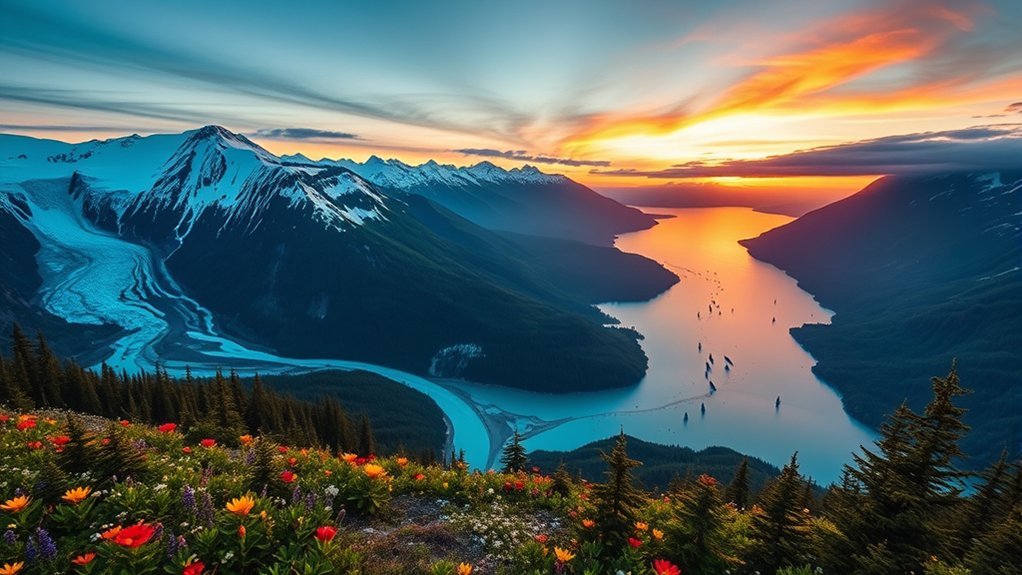
Katmai National Park and Preserve protects about 4.2 million acres of the northern Alaska Peninsula. Its landscape includes volcanoes, lakes, rivers, tundra, coastline, and extensive wilderness supporting salmon, brown bears, birds, and other wildlife.
Its best-known destination is Brooks Camp, where visitors can watch brown bears using the Brooks River and, during the right part of the salmon run, fishing around Brooks Falls. Another major attraction is the Valley of Ten Thousand Smokes, a vast volcanic landscape created by the 1912 Novarupta eruption.
Katmai is open year-round, but it is exceptionally remote. Visitor services are concentrated in a few locations and are strongly seasonal, so transportation, lodging, food, weather, and emergency planning should all be settled before departure.
In Katmai, where you stay determines much more than your room. Lodge location can determine your aircraft or boat transfer, wildlife-viewing opportunities, daily travel time, and access to guides and meals.
Planning Your Trip to Katmai
Planning starts with deciding what you most want to do. A visitor focused on Brooks Falls has different lodging and transportation needs from someone heading to Katmai’s Pacific coast, a remote fishing lodge, or a multi-day wilderness route.
The next step is coordinating lodging and transportation. Because most visitors depend on commercial flights, air taxis, floatplanes, or boats, avoid treating each reservation as an unrelated purchase.
Pro Tip: Before buying a nonrefundable flight to Alaska, ask your lodge exactly where its trip begins, which transfer is included, how much connection time you need in King Salmon or another gateway, and what happens if weather delays your arrival.
Best Time to Visit
The most practical season for many first-time visitors is summer through early fall, but there is no single “best” month for every activity. NPS guidance for Brooks Camp notes major differences in bear activity from month to month.
| Period | What to Expect | Best For |
|---|---|---|
| Late May–June | Seasonal services begin around Brooks Camp, but snow, mud, cool weather, and lower bear numbers at Brooks River are possible. | Early-season travel, solitude, general wilderness experiences |
| July | Sockeye salmon attract many brown bears to Brooks River and Brooks Falls. This is also a busy visitor period. | Classic Brooks Falls bear viewing |
| August | Brooks Camp may have significantly fewer bears than July as food availability changes, although wildlife activity varies by year and location. | Fishing, hiking, paddling, and trips beyond Brooks Falls |
| September | Bears again gather around Brooks River, particularly near the river mouth. Seasonal services begin winding down. | Fall bear viewing and photography |
| October–early spring | The park remains open, but services are extremely limited and winter conditions demand much greater self-sufficiency. | Experienced and properly equipped wilderness travelers |
Do not equate summer with guaranteed warm weather. The National Park Service weather guide says wet and cool conditions are common in spring, summer, and fall, and summer temperatures can vary widely.
Essential Packing List
Weather-resistant clothing is more useful than one heavy outfit. Pack layers that can be added or removed as temperatures, wind, and precipitation change.
- Waterproof boots: Trails and shorelines can be wet or muddy.
- Moisture-wicking layers: Bring a base layer, insulating mid-layer, and warm outer layer.
- Waterproof jacket and pants: Rain and wind are common.
- Daypack: Use it for water, spare layers, binoculars, and other permitted essentials.
- Binoculars: Wildlife should be observed from appropriate distances.
- Camera: Bring weather protection and sufficient batteries or charging capacity.
- Headlamp: Useful during lodge stays and essential for independent overnight travel.
- Personal first-aid supplies and medications: Do not depend on finding replacements easily inside the park.
- Insect repellent and sunscreen: Conditions vary, so prepare for both insects and prolonged outdoor exposure.
Choosing the Right Backcountry Lodge
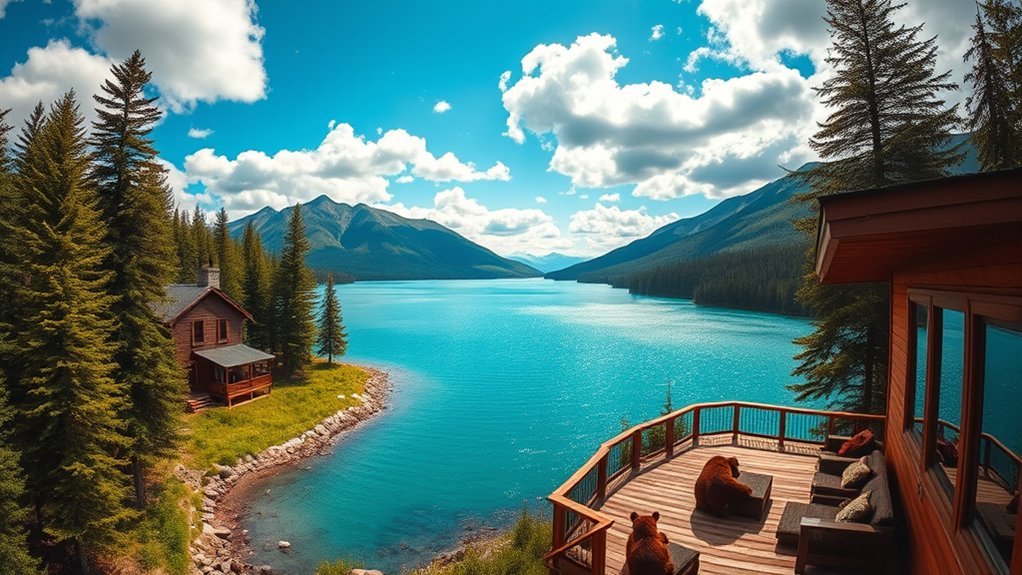
The term backcountry lodge can describe very different experiences around Katmai. Some properties are deep inside remote wilderness areas, while others are based in King Salmon or surrounding communities and provide day access to Katmai.
The National Park Service lodging directory states that Brooks Lodge is the only lodge within Brooks Camp. Other lodges are elsewhere in the park, in King Salmon, or in surrounding areas.
| Lodge Location | Main Advantage | Important Tradeoff |
|---|---|---|
| Brooks Camp | Immediate access to Brooks Camp and its bear-viewing infrastructure | Very limited lodging inventory and strong demand |
| Remote lodge inside Katmai | Immersive wilderness setting with lodge-specific fishing, wildlife, or guided activities | Usually dependent on aircraft or boat transfers and weather |
| King Salmon | Convenient access to the region’s commercial airport and multiple operators | Visiting Katmai may require daily aircraft or boat transfers |
| Surrounding Bristol Bay area | Can combine fishing or regional wilderness experiences with Katmai excursions | Distance from the exact Katmai destination may add travel time and cost |
The closest lodge on a map is not automatically the most convenient lodge. In Katmai, included transfers and access to your target activity often matter more than straight-line distance.
Questions to Ask Before Booking
- Exact location: Is the property inside Katmai, at Brooks Camp, in King Salmon, or outside the park?
- Transfers: Which flights, floatplane trips, boat rides, or airport pickups are included?
- Activities: Are bear viewing, fishing, hiking, paddling, and guide services included or separately priced?
- Meals: Are all meals included, and can dietary needs be accommodated?
- Baggage limits: Small aircraft may have different luggage restrictions from commercial airlines.
- Weather delays: What happens if you arrive late, miss a connection, or cannot depart on schedule?
- Cancellation policy: Learn deposit, refund, rescheduling, and weather-related policies before paying.
- Communication: Ask about cellular service, internet, satellite communication, and how the lodge contacts emergency services.
- Medical response: Ask what first-aid resources and evacuation procedures are available.
- Payment: Confirm accepted payment methods instead of assuming credit cards or cash will work.
- Pets: Ask about the lodge’s own policy and confirm relevant NPS restrictions for your destination.
Getting to Katmai National Park
Getting to Katmai is part of the trip. The most important fact to understand is that you cannot drive into Katmai National Park. There is no road connecting the park to Alaska’s highway system.
Warning: Do not build a Katmai itinerary around driving from Anchorage to King Salmon or Brooks Camp. According to the National Park Service, these destinations are not connected to Anchorage by road. Most visitors depend on commercial aircraft, air taxis, floatplanes, or boats.
Transportation Options Available
- Commercial flight to King Salmon: A common first stage for visitors heading to Brooks Camp and other western Katmai destinations.
- Air taxi or floatplane: Small aircraft provide direct access to many lakes, beaches, gravel bars, and remote lodge areas.
- Water taxi or power boat: Some Katmai destinations, including parts of the Naknek drainage, can be reached by boat from King Salmon or Naknek.
- Direct charter from another Alaska community: Depending on your destination, authorized operators may fly from Anchorage, Homer, Kodiak, Kenai, or other communities.
- Lodge-arranged transportation: Many remote properties coordinate some or all of the final transfer for their guests.
For current operators and destinations, use the NPS Katmai transportation directory and confirm arrangements directly with the operator.
Air Travel Routes
| Typical Starting Point | Next Destination | Typical Transport |
|---|---|---|
| Anchorage | King Salmon | Scheduled commercial flight |
| King Salmon | Brooks Camp | Authorized small aircraft or boat service |
| Anchorage, Homer, Kodiak, Kenai, or other regional gateways | Selected Katmai destinations | Destination-specific authorized air taxi or charter |
NPS currently identifies Alaska Airlines for regularly scheduled commercial flights between Anchorage and King Salmon. Air-taxi and boat operators should be confirmed separately because service, destination, capacity, and seasonal availability vary.
Note: Weather delays are normal enough in remote Alaska that NPS recommends building flexibility into your itinerary. Avoid scheduling an important same-day connection immediately after a small-aircraft flight out of Katmai.
Local Ground Transportation
Ground transportation can be useful around King Salmon, but it does not provide road access into Katmai. A taxi, lodge shuttle, or rental vehicle may help with local movements such as reaching accommodations or meeting a transport operator.
From King Salmon, the final journey into Katmai generally continues by aircraft or boat. Confirm the exact meeting point and transfer arrangements with your lodge or transportation provider before arrival.
Essential Gear for Your Adventure
Your gear needs depend heavily on whether you are staying at a full-service lodge or traveling independently through the backcountry. Lodge guests may need only a well-equipped daypack, while independent travelers require navigation, food-storage, shelter, cooking, and emergency equipment.
- Waterproof backpack or pack cover
- Map, compass, and/or GPS: Particularly important outside developed Brooks Camp routes.
- Waterproof and insulating clothing
- Sturdy hiking boots
- First-aid kit and personal medication
- Headlamp and spare power
- Binoculars and camera equipment
- Reusable water container and appropriate treatment system when traveling independently
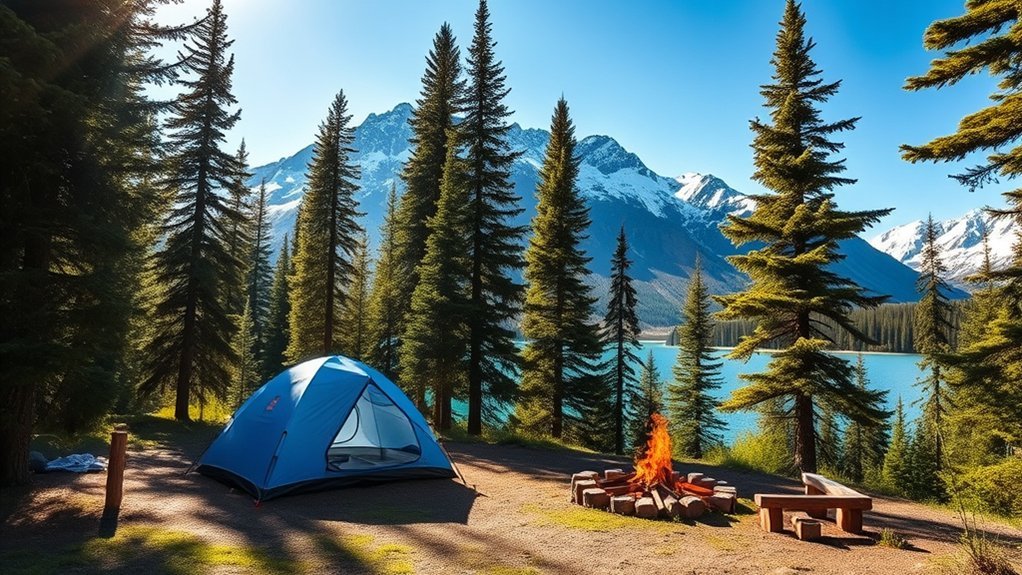
- Camping stove and shelter: Only when your itinerary requires independent overnight travel.
- Bear-resistant food container: Required for food and other regulated items during applicable Katmai backcountry use.
NPS states that much of Katmai’s true backcountry does not have maintained trails, so independent travelers must be competent at route finding. Review the park’s current backcountry rules before leaving a developed area.
Bear spray may be carried in accordance with applicable rules, but transportation restrictions apply. Ask your airline, air taxi, guide, or lodge how it can legally be transported before arriving with it.
Top Wildlife Viewing Opportunities
Katmai protects exceptionally rich wildlife habitat, but sightings are never guaranteed. Where and when you travel matter more than simply being inside the park.
- Brown Bears: Brooks River is Katmai’s most famous bear-viewing destination. July is especially important around Brooks Falls, while September often provides strong viewing closer to the river mouth.
- Moose: Moose occur in suitable wetlands, brush, and other habitat, but they should not be expected on every trip.
- Caribou: Caribou may occur in parts of the park and preserve, but they are much less predictable for a typical short Brooks Camp visit than brown bears.
- Sea Otters and Marine Wildlife: Coastal itineraries can provide opportunities to see marine wildlife that would not normally be part of a Brooks Camp trip.
- Birdwatching: Katmai’s coastlines, rivers, wetlands, and uplands support a wide variety of birds, including raptors and seabirds.
For bear viewing, keep your expectations tied to a specific location and season. An excellent July Brooks Falls itinerary is not automatically an excellent August bear-viewing itinerary.
Must-See Sights in Katmai National Park
Brooks Falls
Brooks Falls is one of the world’s best-known brown-bear viewing locations. During the July salmon run, bears may gather around the falls to catch sockeye salmon. Viewing takes place from designated infrastructure managed to reduce conflicts between people and bears.
Valley of Ten Thousand Smokes
The Valley of Ten Thousand Smokes was created by the enormous 1912 Novarupta eruption, the largest volcanic eruption of the 20th century. The valley became famous when countless fumaroles released steam through the newly deposited ash.
Those historic “smokes” are no longer the dominant feature visitors once saw, but the scale of the ash-and-pumice landscape remains extraordinary. From Brooks Camp, visitors can arrange the seasonal Valley of Ten Thousand Smokes tour. The trip includes road transportation into the valley area and may include an optional hike.
Naknek Lake
Naknek Lake forms part of the dramatic setting around Brooks Camp and provides opportunities for scenic viewing, paddling, boating, and access to other parts of the park. Conditions can change quickly, so independent paddlers should plan routes conservatively.
Backcountry Landscapes
Katmai also offers volcanic uplands, river corridors, coastal meadows, lakeshores, and other remote landscapes far beyond its best-known visitor areas. These are not casual extensions of a Brooks Falls walk. Backcountry travelers should be prepared for route finding, river or creek crossings, bears, rapidly changing weather, and limited outside assistance.
Tips for a Safe and Enjoyable Experience
Katmai is bear country, and safety rules are central to the visitor experience. Anyone arriving at Brooks Camp must begin with the required bear-safety orientation.
- Maintain wildlife distance: At Brooks Camp, remain at least 50 yards from bears and follow ranger instructions whenever bears approach trails, bridges, or viewing areas.
- Never run from a bear: Follow current NPS bear-encounter guidance and remain alert in areas with limited visibility.
- Control food and scented items: Brooks Camp has specific food-storage and eating rules. Independent backcountry travelers must follow current bear-resistant container requirements.
- Do not leave gear unattended: Bears can investigate backpacks, clothing, and other equipment.
- Plan for navigation: Use developed routes where they exist, but understand that Katmai’s true backcountry often has few or no maintained trails.
- Tell someone your itinerary: Independent backcountry travelers should leave a detailed travel plan and understand their emergency communication options.
- Dress for rapid weather changes: Carry waterproof and insulating layers even when the forecast looks favorable.
- Leave extra travel time: Weather can delay floatplanes and other small aircraft.
If you are fishing and a bear comes within the restricted distance, stop fishing and follow NPS rules. At Brooks River, fishing must stop when a bear is within 50 yards, and a lure or fly cannot remain in the water.
Frequently Asked Questions
Are pets allowed in backcountry lodges in Katmai National Park?
There is no single rule covering every private lodge. NPS allows pets in Katmai’s backcountry when they remain under physical control, but pets and service animals are prohibited within the Brooks Camp Developed Area from May 1 through October 31. Individual lodges may impose additional restrictions, so confirm the property’s policy before booking.
What are the best months for visiting Katmai National Park?
June through September is the main visitor season for many travelers, but the best month depends on your goal. At Brooks Camp, July is especially good for bears fishing around Brooks Falls, while September often brings strong bear activity around the lower Brooks River. June and August may have fewer bears at Brooks Camp.
Are there medical facilities near the backcountry lodges?
Do not assume immediate medical care is available at a remote Katmai lodge. Services are limited throughout the park, and an emergency may require transportation to another community. Before booking, ask the lodge about first-aid capability, emergency communication, evacuation procedures, and how quickly professional medical care can normally be reached.
Can I fish in Katmai National Park?
Yes. Fishing is a major Katmai activity, but Alaska licensing and location-specific regulations apply. Alaska residents age 18 or older and nonresidents age 16 or older generally need a sport-fishing license. Additional requirements can apply for king salmon. The Brooks River Corridor also has its own seasonal permit system, and fishing must stop when a bear is within 50 yards.
What payment methods are accepted at backcountry lodges?
Payment policies vary by lodge. Do not assume a remote property will accept every major card or that you can obtain cash after arrival. Confirm accepted payment methods, deposit requirements, final-payment deadlines, gratuity procedures, and cancellation rules directly with your lodge.
Can I drive from Anchorage to Katmai or Brooks Camp?
No. Katmai, Brooks Camp, and King Salmon are not connected to Anchorage by the state road system. A common itinerary is to fly from Anchorage to King Salmon and continue to Brooks Camp or another Katmai destination by authorized small aircraft or boat.
Do I need a permit for Katmai’s backcountry?
A general permit is not normally required simply to travel in Katmai’s backcountry, but specific locations and activities can have separate requirements. Brooks Camp campground requires reservations, and activities within the Brooks River Corridor are subject to a seasonal permit requirement. Check current NPS rules for your exact destination before departure.
Sources
- National Park Service: Directions and Transportation — park access, King Salmon gateway information, air taxis, and weather-delay planning.
- National Park Service: Katmai Lodging — current lodging locations and Brooks Camp lodging information.
- National Park Service: Katmai Weather — seasonal temperatures, rain, wind, and trip-planning conditions.
- National Park Service: Bear Safety at Brooks Camp — wildlife distances, food rules, fishing safety, and Brooks Camp procedures.
- National Park Service: Backcountry Regulations and Best Practices — pets, wildlife distances, permits, food storage, and backcountry requirements.
- Alaska Department of Fish and Game: Sport Fishing Licenses — current Alaska sport-fishing license and king salmon stamp requirements.