Quick Answer
Galata’s bakery scene mixes traditional Turkish baking with modern pastry culture. For classic baklava, Karaköy Güllüoğlu is the landmark stop; for croissants and contemporary patisserie, A La Lune’s Karaköy branch offers a useful contrast. Also look for simit, börek, poğaça, and seasonal Ramazan pidesi.
Last checked: October 1, 2026. Dates and figures were verified against official sources.
Key Takeaways
- A fırın usually focuses on bread and savory bakes, while a pastane leans toward cakes, pastries, and desserts.
- Galata’s food culture reflects both its historic trading role and the wider Turkish traditions of bread, pastry, and shared meals.
- Karaköy Güllüoğlu states that its Karaköy shop is its only branch, so similar Güllüoğlu names elsewhere are separate businesses.
- For allergies or dietary restrictions, ask about the exact recipe and cross-contact rather than assuming a product is gluten-free, dairy-free, or vegan.
How Galata’s Bakery Culture Developed
Galata’s bakery story is best understood through the neighborhood’s long commercial history rather than a single claimed “first bakery.” The Turkish Museums history of Galata Tower records a Genoese colony in Galata from 1267 and dates the present tower to the mid-14th century.
After the Ottoman conquest of Constantinople in 1453, Galata became part of an expanding Ottoman city while remaining closely tied to trade, port activity, and a mixed population. Bread was an everyday necessity across Ottoman Istanbul, and historical research shows that authorities paid close attention to flour supply, bread quality, and bakery inspection.
That history matters because Galata was never isolated from the rest of Istanbul’s food culture. Over time, neighborhood bakeries and pastry shops absorbed Ottoman and Turkish traditions while also responding to European influences, changing tastes, tourism, and the cafe culture that now surrounds Galata Tower and Karaköy.
What You’ll Find at Bakeries in Galata
The strongest reason to explore bakeries in Galata is the range. One counter may focus on everyday bread and savory pastries, while another specializes in syrup-soaked desserts or French-style laminated pastry.
| Type of shop | What you may find | Good choice when you want |
|---|---|---|
| Fırın | Bread, simit, poğaça, börek, pide | Breakfast, a quick snack, or bread to take away |
| Pastane | Cakes, cookies, pastries, puddings | Coffee, dessert, or a sit-down break |
| Baklavacı | Baklava, şöbiyet, kadayıf, nut-filled sweets | Traditional Turkish syrup desserts |
| Modern artisan bakery | Croissants, sourdough-style loaves, sandwiches, contemporary cakes | A modern bakery-cafe experience |
For a traditional start, try simit, a sesame-coated bread ring, or börek, a layered pastry that may be filled with cheese, spinach, potato, or meat. GoTürkiye’s Istanbul breakfast guide places both among familiar Turkish breakfast foods.
Do not confuse ordinary pide with Ramazan pidesi. The Ramadan version is a special round bread associated with the fasting month and is commonly baked close to iftar, while pide on everyday menus can refer to other flatbread styles.
The Unique Flavors and Ingredients
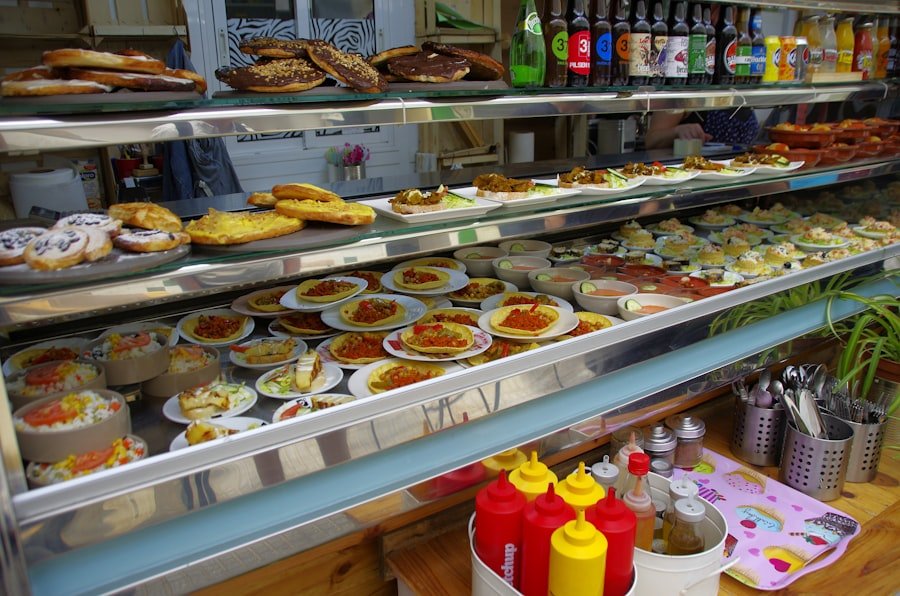
Galata bakery flavors usually come from a small set of strong ingredients used in very different ways. Sesame, wheat, butter, cheese, pistachios, walnuts, syrup, and seasonal fillings can take you from a savory breakfast pastry to a rich dessert in a few steps.
Simit gets much of its character from its sesame crust. Börek depends on thin pastry and its filling. Baklava builds flavor from thin layers of dough, fat, nuts, and syrup, while modern patisseries may use the same regional nuts in croissants, cakes, and cream-filled pastries.
Pistachio is especially important in baklava culture. Antep/Gaziantep baklava is a protected regional specialty, but not every tray of pistachio baklava sold in Istanbul should be treated as identical to the registered Gaziantep product. In Galata, the better approach is to compare freshness, crispness, nut flavor, and sweetness rather than judge by color alone.
You may also encounter cinnamon, anise, rosewater, chocolate, fruit, or hazelnut in pastries and desserts. These are recipe-specific, not universal markers of Galata baking, so expect each bakery to have its own balance between traditional and contemporary flavors.
The Role of Bakeries in Galata’s Culture
Bakeries matter in Galata because bread and pastry are woven into daily eating, social life, and seasonal traditions. A bakery can be a quick breakfast stop, a place to buy food for home, or a cafe where people sit with tea or coffee.
The cultural role of bread extends well beyond Galata. In 2016, UNESCO inscribed the making and sharing of lavash, katyrma, jupka, and yufka as intangible cultural heritage shared by Türkiye and several neighboring countries, emphasizing hospitality, community, and transmission from one generation to the next.
Ramadan gives bakeries an especially visible community role. GoTürkiye’s Ramadan guide notes that Ramazan pidesi is generally found in bakeries during the fasting month and that queues form near sunset for bread fresh from the oven before iftar.
How Turkish Cuisine Shapes Galata Bakery Menus
Turkish cuisine shapes Galata bakery menus through both technique and everyday eating habits. Thin doughs, sesame-crusted breads, filled pastries, nuts, dairy, and syrup appear in many forms, from a portable simit to a tray of baklava.
Yufka and related flatbreads show how thinly rolled dough can work as bread, a wrapper, or the base of layered pastry traditions. Börek takes that idea in a savory direction, while baklava turns many thin layers into a dessert built around texture as much as sweetness.
There is also a strong sweet-savory contrast. A morning order might be cheese börek with tea; later, the same bakery district may tempt you with pistachio baklava, cookies, cake, or a butter-rich croissant. Künefe and kadayıf may appear at dessert specialists nearby, although they are different preparations rather than everyday bread.
This mix is why “bakery” can be too narrow an English label for what you encounter in Galata. Fırın, pastane, and baklavacı overlap, but they do not always sell the same things or serve the same purpose.
The Best Bakeries to Visit in Galata
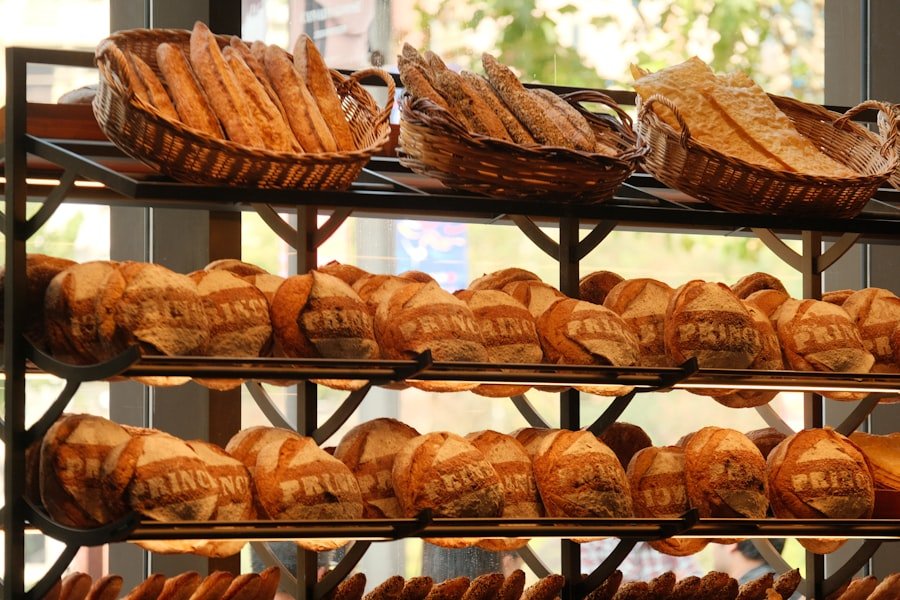
Two verified stops show the range of the Galata-Karaköy bakery scene especially well. One is rooted in Istanbul’s baklava tradition; the other focuses on contemporary croissants and patisserie.
Karaköy Güllüoğlu for Traditional Baklava
Karaköy Güllüoğlu is the strongest traditional stop in this guide if baklava is your priority. Its official history says Karaköy has been the center of the company’s baklava business since 1949 and explains that it operates separately from other businesses using the Güllüoğlu name.
The shop is at Kemankeş Caddesi No:67 in Karaköy. Its official FAQ lists store hours as 07:00–01:00 on weekdays and 08:00–01:00 on weekends, says the Karaköy location is its only branch, and notes that börek and poğaça are also offered for breakfast.
If you are new to baklava, start with a classic pistachio or walnut piece before moving to richer forms such as şöbiyet or rolled varieties. Buying a small mixed selection makes it easier to compare texture and sweetness without committing to a large box.
A La Lune Karaköy for Croissants and Modern Patisserie
A La Lune gives you a different side of the neighborhood: modern croissants, cakes, and cafe-style pastry rather than a traditional baklava counter. Its official site lists a Karaköy branch at Kemankeş Karamustafa Paşa, Mumhane Caddesi No:7A, İç Kapı No:1.
The menu emphasis is on sweet and savory croissants plus cakes and breakfast items. That makes it a useful second stop if you want to compare contemporary laminated pastry with the more traditional Turkish breads and desserts found elsewhere in Galata and Karaköy.
The Experience of Visiting a Bakery in Galata
A good bakery visit in Galata is easiest when you order with a purpose instead of choosing only by appearance. Start with one savory item, add one traditional sweet if you want dessert, and save room for tea or coffee so you can notice differences in texture and richness.
- Start savory: choose simit, poğaça, or börek for a clear taste of everyday Turkish bakery food.
- Add a classic sweet: try a small portion of baklava or another syrup dessert rather than ordering a large mixed box immediately.
- Compare one modern pastry: a plain or filled croissant shows how newer bakery-cafe styles sit alongside traditional baking.
- Ask before ordering for a dietary need: fillings, butter, eggs, nuts, and wheat are common, and cross-contact can matter for people with allergies or celiac disease.
Note: If you have a serious food allergy, celiac disease, or another medical dietary restriction, confirm ingredients and cross-contact directly with staff before eating. A product that looks simple may still contain butter, egg, nuts, or wheat.
For the best comparison, taste fewer items while they are fresh instead of collecting too many at once. Crisp pastry, fresh bread, and syrup desserts all change texture as they sit.
The Future of Bakeries in Galata
The clearest direction in Galata is not the disappearance of traditional baking, but its coexistence with newer bakery formats. Long-established baklava culture now shares the district with croissant-focused patisseries, specialty coffee, and bakery-cafes aimed at both residents and visitors.
That does not mean every bakery now offers sourdough, gluten-free bread, vegan pastry, or locally sourced ingredients. Those options are shop-specific, so it is better to treat them as individual offerings rather than a district-wide standard.
What is likely to keep Galata’s bakery scene distinctive is the contrast itself: a quick simit in the morning, börek at a neighborhood fırın, pistachio baklava in Karaköy, or a modern croissant near the same historic streets. If you are assembling a bakery-style breakfast at home, this homemade cottage cheese recipe can also give you a simple savory pairing for fresh bread or pastries.
Frequently Asked Questions
What types of baked goods can I find in Galata bakeries?
You can find bread, simit, poğaça, börek, cakes, cookies, croissants, baklava, and other Turkish desserts in and around Galata. The exact selection depends on whether you visit a fırın, pastane, baklavacı, or modern bakery-cafe.
Are gluten-free or vegan options available in Galata bakeries?
Some shops may offer gluten-free or vegan items, but you should not assume that every bakery does. Plain simit can be vegan depending on the recipe, while börek and baklava commonly contain wheat and may also contain butter, egg, cheese, or nuts.
Do Galata bakeries sell traditional Turkish baked goods?
Yes. Simit, börek, poğaça, pide, baklava, and other Turkish breads and pastries are common choices in the wider Galata-Karaköy area, although each shop has its own specialty and daily selection.
What are the typical opening hours for bakeries in Galata?
There is no single schedule for all Galata bakeries. Karaköy Güllüoğlu currently lists 07:00–01:00 on weekdays and 08:00–01:00 on weekends, while other bakeries and patisseries set their own opening and closing times.
Can I find specialty or artisanal bread in Galata?
Yes, the wider Galata-Karaköy area includes modern bakery-cafes alongside traditional fırıns. Depending on the shop, you may find sourdough-style loaves, seeded breads, croissants, or other artisan products in addition to classic Turkish bakery items.
Sources
- Turkish Museums — Galata Tower Museum: Galata’s Genoese-period history and chronology.
- GoTürkiye — Turkish Breakfast in Istanbul: simit, börek, and breakfast context.
- UNESCO — Flatbread Making and Sharing Culture: cultural role of lavash and yufka traditions.
- GoTürkiye — Ramadan and Ramadan Feasts: Ramazan pidesi and bakery queues before iftar.
- Karaköy Güllüoğlu — About Us: company history and Karaköy identity.
- Karaköy Güllüoğlu — FAQ: current store address, hours, branch information, and breakfast products.
- A La Lune Patisserie: Karaköy branch address and pastry focus.
”’
print(“images”, html.count(“]+>