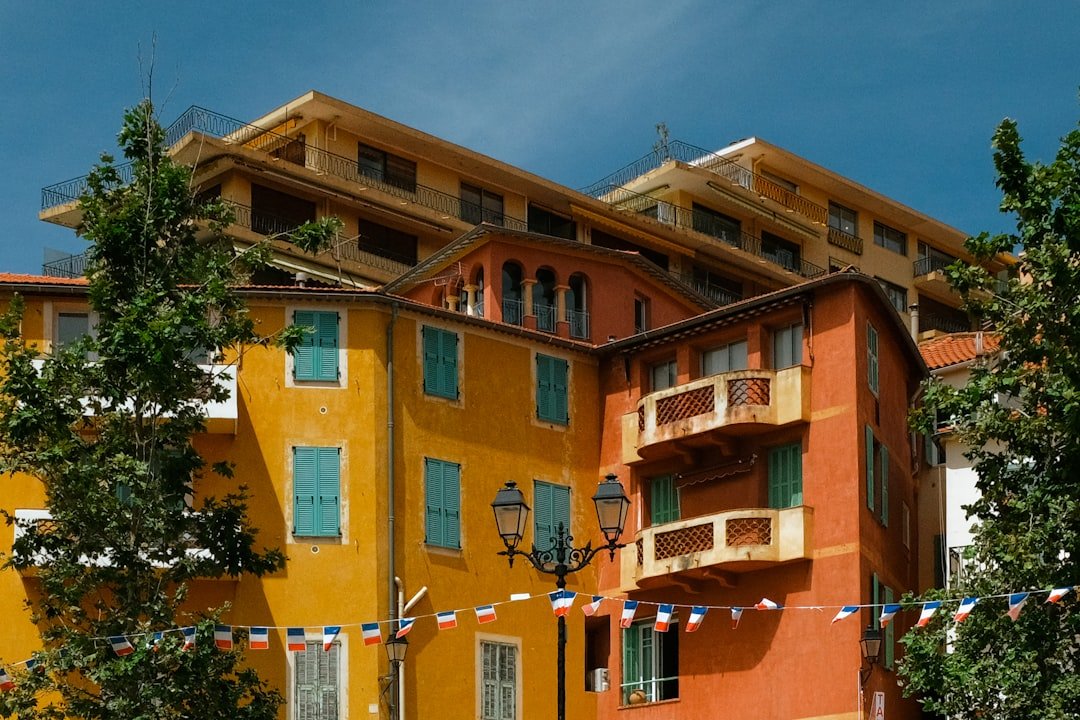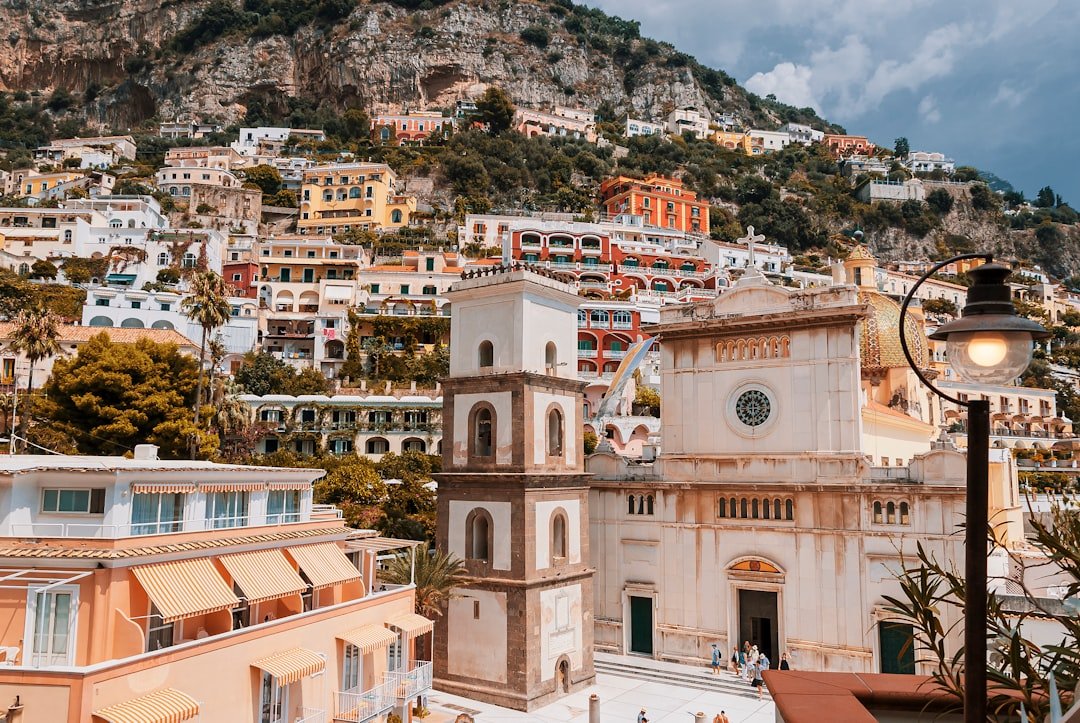
The best area to stay in Amalfi for families depends mainly on your children’s ages, your tolerance for stairs, and how often you want to visit other towns. Amalfi town is the strongest central base for ferries, buses, restaurants, sights, and the beach, while Maiori is usually easier with babies, toddlers, and strollers. The wider UNESCO-listed Amalfi Coast is beautiful but steep, so choosing the right base can make a major difference to a family trip.
Quick Answer
For most families who want a central base, Amalfi town is the best area to stay because the ferry port, buses, beach, restaurants, and major sights are close together. With a baby, toddler, or stroller, Maiori is often easier because of its flatter seafront and longer beach, while Minori offers a quieter alternative.
Last checked: October 1, 2026. Dates and figures were verified against official sources.
Key Takeaways
- Choose Amalfi town if easy ferry and bus connections are more important than having the flattest possible streets.
- Choose Maiori for younger children when a long beach, flatter promenade, and easier stroller use are priorities.
- Positano is memorable for a day trip but its steep streets and many steps make it harder with small children.
- Ferries can remove much of the stress of the winding coastal road, but services and weather conditions can change.
Top Family-Friendly Activities in Amalfi
Families can combine beach time, short cultural visits, boat rides, and day trips without filling every hour. Amalfi town works particularly well because several attractions are within walking distance of the waterfront, while Ravello and Positano can be treated as separate outings.
Discover the Historic Amalfi Cathedral
The Cathedral of Saint Andrew is Amalfi’s defining landmark. Its monumental complex includes the Cathedral, Crypt of Saint Andrew, Cloister of Paradise, and Diocesan Museum, giving families several distinct spaces to explore rather than a single church interior.
The official Amalfi Cathedral visitor information lists opening hours from 9:00 a.m. to 6:30 p.m. from September 1 through November 2. The cathedral sits above a substantial staircase, so families using a stroller should plan around the climb.
The original description suggested climbing the bell tower for panoramic views. Current official visitor information instead highlights views of the distinctive bell tower from the Cloister of Paradise, so the cloister is the safer choice to plan around.
Wander Through the Charming Streets of Amalfi
Amalfi’s waterfront and Piazza Duomo are easier to manage than the steepest parts of Positano. From the square, families can explore narrow lanes with food shops, local crafts, handmade pasta, lemon products, and places to stop for gelato.
Keep the pace slow with younger children. The town rises quickly behind the main streets, so an aimless walk can turn into a steep climb sooner than the map suggests.
Visit the Paper Museum
The Paper Museum is one of Amalfi’s most useful indoor family activities because it turns the town’s papermaking history into something children can see in action. Visitors can watch traditional equipment and water-powered machinery used in handmade paper production.
According to the Paper Museum’s official visitor information, it is open daily from 10:00 a.m. to 7:00 p.m. from March 1 through November 2, with last admission at 6:20 p.m. It is located at Via delle Cartiere 23, farther uphill from the waterfront.
Embark on a Family-Friendly Boat Tour
A boat ride gives children a completely different view of the cliffs, coves, beaches, and villages. Families can choose a sightseeing excursion with swimming stops or use scheduled ferries for a simpler trip between coastal towns.
Positano is a natural seaside stop from Amalfi. Ravello, however, is inland and high above the coast, so you cannot simply reach central Ravello as a boat stop; continue by road transport from Amalfi instead.
Take a Day Trip to Ravello
Ravello is a good change of pace when your family wants gardens and views instead of another beach day. Villa Rufolo is close to Ravello’s main square and is easier to combine with a relaxed lunch than a packed multi-town itinerary.
From September 29, 2026, Villa Rufolo’s official hours are 9:00 a.m. to 7:00 p.m., with last admission at 6:30 p.m. The standard ticket is €8, while children ages 5–12 are listed at €6. For safety reasons, the Tower Museum admits children from age 5.
Best Family-Friendly Restaurants in Amalfi

Family dining in Amalfi works best when you choose restaurants close to your hotel, beach, or evening walk. Traditional pasta, pizza, seafood, and simple desserts give most families several workable choices, but dedicated children’s menus should not be assumed unless the restaurant currently advertises one.
Trattoria Da Gemma is in the heart of Amalfi and serves traditional local dishes alongside a more refined menu. If your children prefer very simple food, check the current menu before reserving rather than assuming that a separate children’s menu is available.
Ristorante Marina Grande is another option already recommended in the original guide, while Donna Stella provides a pizzeria-style alternative. Both can fit more casual family meal plans depending on where you are staying.
Pizzeria Da Franco is also recommended in the original article for wood-fired pizza and customizable toppings. Its current Amalfi listing could not be confirmed from the authoritative local sources checked for this edit, so verify the restaurant’s current location and operation before building an evening around it.
With younger children, an early dinner or a substantial lunch can be easier than waiting until late evening. Reservations are useful for popular restaurants during busy travel periods because waiting with tired children can quickly undo an otherwise relaxed day.
Accommodation Options for Families in Amalfi
| Area | Best For | Main Advantage | Main Trade-Off |
|---|---|---|---|
| Amalfi town | Sightseeing and day trips | Central ferry and bus connections | Busy and increasingly steep away from the waterfront |
| Maiori | Babies, toddlers, and beach time | Flatter seafront and long beach | Less central for Amalfi’s main sights |
| Minori | A quieter family base | Compact town with beach access | Fewer big-town services than Amalfi |
If this is your first family trip and you want to explore several towns without driving, Amalfi town is the most balanced choice. Staying near the waterfront, Piazza Duomo, or ferry pier minimizes unnecessary climbing and makes it easier to return to your room for naps or forgotten supplies.
Hotel Marina Riviera remains one central option. Its official room information includes standard, triple, and larger suite layouts, so families can compare room configurations instead of assuming every room accommodates the same number of guests.
Vacation rentals through platforms such as Airbnb or Vrbo can provide extra living space and a kitchen. That can be useful with younger children or dietary routines, but check the exact access before booking: a property described as “central” can still involve stairs, steep lanes, or a climb from the waterfront.
For babies and toddlers, Maiori deserves serious consideration even if Amalfi town is the better transport hub. Its flatter seafront makes everyday walks easier, while Minori offers a smaller, quieter feel nearby.
Safety and Health Tips for Families in Amalfi
The biggest practical risks for families are steep drops, uneven stairs, strong sun, traffic on narrow roads, and water safety rather than serious crime. Young children need close supervision whenever a walkway, viewpoint, road, boat, or beach edge is exposed.
Warning: Do not assume every scenic path or street has a wide pavement or protective barrier. Keep small children close on steep lanes, cliffside viewpoints, busy roadside sections, ferry docks, and steps.
Pack water, sunscreen, hats, basic first-aid supplies, and any medicines your child normally needs. In hot weather, plan the most demanding walking for the cooler parts of the day and build in shade or indoor breaks.
Beach shoes can also be useful because many beaches on the coast are pebbly rather than soft sand. If children are swimming, choose conditions and depths appropriate to their ability and keep direct adult supervision.
Transportation and Getting Around in Amalfi with Kids

For most visiting families, a combination of ferries, buses, walking, and occasional taxis is easier than driving every day. Amalfi is especially useful as a base because both sea and road connections radiate toward other parts of the coast.
Use Ferries When the Sea Is Operating
Ferries turn transportation into part of the sightseeing. Travelmar serves several coastal ports, allowing families to avoid some of the congestion and bends of the SS163 road.
Under Travelmar’s current transport conditions, children younger than 3 can travel free without an individual seat, while the company also publishes a child-fare category for young passengers. Declare each child’s age when buying tickets because the applicable fare depends on the operator’s rules.
Sea services can change because of weather, season, or operational conditions. Leave some flexibility in any day that depends on a specific sailing.
Use Buses for Ravello and Inland Connections
Ravello is not a ferry destination because it sits high above the coast. SITA Sud buses connect Amalfi with Ravello and also operate routes toward Positano, Sorrento, Maiori, Salerno, and Agerola.
The SITA Sud schedule notice effective September 14, 2026 lists Amalfi–Positano–Sorrento, Amalfi–Maiori–Salerno, Amalfi–Agerola, Scala–Ravello–Amalfi, and Maiori–Tramonti services. Buses can become crowded, so allow extra time when traveling with children or luggage.
Think Carefully Before Renting a Car
A rental car gives flexibility but introduces parking costs, traffic, narrow roads, and seasonal restrictions. For 2026, the SS163 Amalfitana uses an alternating-license-plate system on specified busy dates from 10:00 a.m. to 6:00 p.m.
The Costa d’Amalfi Tourist District’s 2026 traffic guidance lists restrictions every day in August and September and on specified weekends and holidays during other periods. In October 2026, the published dates include October 3–4, 10–11, 17–18, 24–25, and 31. Hotel and licensed-accommodation guests have an exemption for necessary arrival and departure travel on check-in and check-out days.
If you do drive, confirm parking access with your accommodation before arrival. A private driver or taxi can be much simpler for transfers involving luggage, car seats, or children who become carsick on winding roads.
Local Culture and Customs to Be Aware of in Amalfi
Amalfi is accustomed to international visitors, and families are a normal part of daily life in restaurants, squares, and beaches. A friendly “Buongiorno” during the day or “Buonasera” in the evening is an easy way to greet local staff and residents.
Meals are often slower than families may be used to, so avoid scheduling an attraction immediately after lunch or dinner. With smaller children, choosing a table near your accommodation or having one substantial meal earlier in the day can make evenings easier.
When entering churches, use modest clothing as a respectful default and keep voices low during services. The Cathedral of Saint Andrew is an active religious site, not only a tourist attraction.
Local life also reflects Amalfi’s long relationship with lemons, seafaring, handmade paper, and terraced agriculture. Letting children connect the food, museum exhibits, boats, and steep cultivated hillsides can make the trip feel more coherent than simply moving from viewpoint to viewpoint.
Tips for Making the Most of Your Family-Friendly Trip to Amalfi
The best family itinerary is usually slower than an adult-only itinerary. One main outing, one meal you care about, and time for the beach, pool, gelato, or a nap is often more enjoyable than trying to visit Amalfi, Positano, and Ravello in one rushed day.
- Stay low if stairs are a problem. In Amalfi town, favor accommodation near the waterfront and Piazza Duomo. In the wider coast, consider Maiori for an easier stroller routine.
- Use a baby carrier as backup. Even where a stroller works on the seafront, steps can appear quickly once you leave the main streets.
- Keep day trips simple. Positano works well as one ferry outing; Ravello works better as a separate bus or taxi outing.
- Carry water and snacks. A small supply can prevent unnecessary uphill detours with hungry children.
- Build in downtime. Alternate cultural sights with the beach or pool instead of turning every day into continuous sightseeing.
- Choose accommodation by access, not view alone. A spectacular hillside room may require a climb that becomes tiring after every meal and excursion.
Pro Tip: Before booking a hotel or apartment, ask how many steps lie between the nearest road, ferry stop, or parking area and your actual room. On the Amalfi Coast, the map distance can look short while the vertical distance is demanding.
Involving children in small choices can also improve the trip. Let them choose between the beach and the Paper Museum, select a gelato flavor, or help decide which town to visit by boat.
Frequently Asked Questions
What is the best area to stay in Amalfi for families?
Amalfi town is the best all-round base for many families because the beach, ferry port, buses, restaurants, and major sights are close together. Families with babies, toddlers, or strollers may prefer Maiori because its seafront is flatter and its beach is longer.
What are the family-friendly activities in Amalfi?
Family-friendly activities include Marina Grande beach, the Cathedral of Saint Andrew, the Paper Museum, short boat trips, gelato stops, and exploring the central streets. Ravello and Positano also work well as separate day trips rather than trying to combine everything at once.
Are there family-friendly accommodations in Amalfi?
Yes. Amalfi has hotels, suites, apartments, and vacation rentals that can work for families. The most important detail is access: check room capacity, stairs, elevator availability, and the walking route from the ferry pier or road before booking.
What are the dining options for families in Amalfi?
Families can choose from pizzerias, traditional restaurants, seafood restaurants, cafés, and gelaterias. If your child needs a dedicated children’s menu or very simple food, confirm the current menu before reserving instead of assuming every restaurant provides one.
Is it easy to get around Amalfi with children?
Central Amalfi is manageable with children, especially around the waterfront and Piazza Duomo, but the terrain becomes steeper as you move uphill. Ferries are useful for coastal towns, while buses or taxis are needed for inland destinations such as Ravello.
Is Amalfi stroller-friendly?
Amalfi is partly stroller-friendly rather than fully stroller-friendly. The waterfront and main central streets are easier, but stairs and steep lanes appear quickly, so families with babies should carry a lightweight stroller and consider bringing a baby carrier as backup.
Is Maiori or Amalfi better for families?
Amalfi is better for families who prioritize transport connections and sightseeing, while Maiori is often easier for families with small children who prioritize flatter walks and beach time. The better choice depends on whether convenience for day trips or easier everyday movement matters more.
When planning a family vacation to Amalfi, choosing your base matters more than simply choosing the hotel with the best view. For another article already linked from this page, see Exploring the Delightful World of Asian Melon.
Sources
- UNESCO World Heritage Centre: Amalfi Coast World Heritage status and landscape context.
- Visit Amalfi — Cathedral of Saint Andrew: cathedral complex and current seasonal opening hours.
- Amalfi Paper Museum: museum location and current opening hours.
- Villa Rufolo: current opening hours, admission prices, and Tower Museum age rule.
- Hotel Marina Riviera: current room and suite configurations.
- Travelmar: passenger and child-fare conditions.
- SITA Sud: Amalfi Coast bus routes and September 2026 timetable update.
- Distretto Turistico Costa d’Amalfi: 2026 SS163 alternating-license-plate dates, hours, and exemptions.