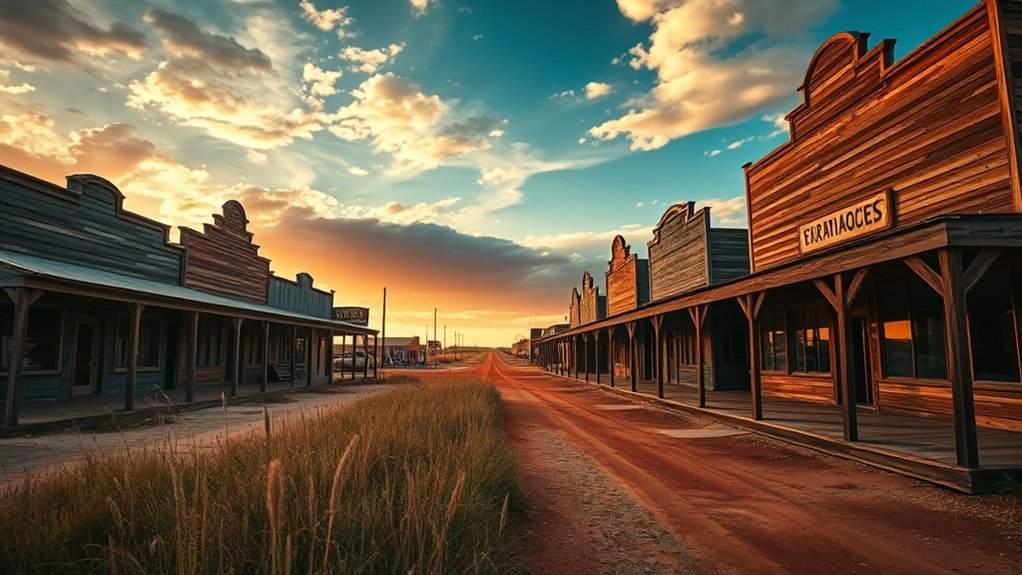
If you want to explore ghost towns near Oklahoma City, start with realistic day-trip stops such as Fallis and Ingalls, then save farther-flung places like Picher, Cayuga, Doaksville, and Boggy Depot for a longer Oklahoma history road trip. The best visits are part history lesson, part photography outing, and part careful planning, because many sites have fragile ruins, private property, rural roads, or safety hazards.
Quick Answer
The easiest ghost-town-style trips from Oklahoma City are Fallis, Ingalls, and other historic small-town remnants in central Oklahoma. Ingersoll, Adamson, Boggy Depot, Doaksville, Cayuga, and Picher are better treated as longer drives. Picher requires extra caution because it is tied to the Tar Creek Superfund Site.
Key Takeaways
- Not every famous Oklahoma ghost town is close to Oklahoma City, so group your stops by drive time before you go.
- Fallis and Ingalls are among the most practical OKC-area history stops for a day trip.
- Picher is historically important, but it sits in a contaminated mining area; avoid chat piles, abandoned structures, and restricted areas.
- Cayuga’s Splitlog Church is best described as a Romanesque Revival historic church, not simply a Gothic church.
- Many sites are on or near private land, so view from public roads unless you have clear permission.
At a Glance
| Time Required | Half day for Fallis or Ingalls; full day for Ingersoll, Adamson, or Boggy Depot; overnight is smarter for Picher, Cayuga, or Doaksville. |
| Difficulty | Easy to moderate. Roads may be rural, sites may be unsigned, and some remnants are best viewed from public roads. |
| Tools Needed | Phone map downloaded offline, water, snacks, sturdy shoes, flashlight, first-aid kit, camera, and a full tank of gas. |
| Cost | Usually fuel, food, and any nearby park or museum fees. Many ghost-town remnants do not have admission gates, staff, or facilities. |
Discovering Oklahoma City’s Fascinating Ghost Towns
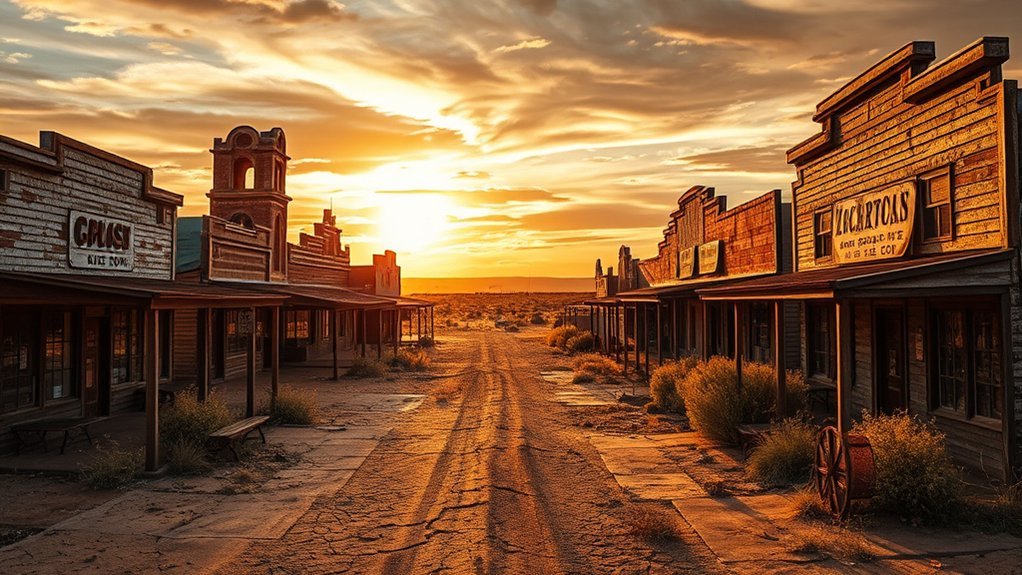
Oklahoma has a deep ghost-town history because railroads, mining, oil booms, land openings, county-seat fights, reservoirs, fires, and changing highways all reshaped where people lived. The Oklahoma Historical Society notes that historian John W. Morris estimated Oklahoma has had about two thousand ghost towns, using a broad definition that includes vanished towns, places with mostly unused remains, and communities that lost most of their peak population.
Oklahoma’s ghost towns are not all empty movie-set ruins. Some are cemetery sites, old foundations, surviving churches, grain elevators, relocated townsites, or living communities with only traces of their boom years left behind.
That matters when you plan a road trip. A “ghost town” may be an easy roadside photo stop, a historic cemetery, a park, a privately owned ruin, or a contaminated mining area. The best approach is to choose a route first, confirm public access, and treat every site as a fragile piece of local history.
Warning: Do not enter abandoned buildings, mines, fenced areas, or private property. In Picher and the Tar Creek area, avoid contact with mining waste known as chat; the Oklahoma Department of Environmental Quality warns that chat can contain lead, zinc, and cadmium.
Best Ghost Towns to Explore Near Oklahoma City
For an Oklahoma City-based trip, the most useful way to sort ghost towns is by drive time. The towns below are better matches for a day trip than far northeastern or southeastern Oklahoma stops.
| Stop | Best For | What to Know |
|---|---|---|
| Fallis | Closest-feeling OKC day trip, railroad and oil history | The Oklahoma Historical Society notes that Lincoln County’s first oil well was drilled nearby in 1904. |
| Ingalls | Outlaw history and Wild West storytelling | Visit Stillwater connects Ingalls with the Doolin-Dalton Gang and the Battle of Ingalls. |
| Ingersoll | Grain-elevator photography and railroad-era history | The Ingersoll Tile Elevator is listed in the National Register and reflects the shift from wood to concrete grain-elevator construction. |
| Adamson | Coal-mining history and cemetery/monument stops | Best paired with McAlester, Krebs, or Robbers Cave State Park rather than treated as a quick OKC stop. |
| Boggy Depot | Choctaw and Chickasaw history plus park amenities | The Oklahoma Historical Society documents Boggy Depot’s role as a major Indian Territory community. |
Fallis
Fallis is one of the easiest central Oklahoma ghost-town-style stops to fold into a short road trip from Oklahoma City. It was once a railroad and agricultural trade center, and the Oklahoma Historical Society records that Lincoln County’s first oil well was drilled nearby in 1904. Today, the appeal is quieter: rural roads, small-town remnants, and a chance to connect Oklahoma’s railroad, cotton, and early oil history in one place.
Ingalls
Ingalls is best for readers who want Old West history more than spooky ruins. The town is tied to the Doolin-Dalton Gang and the 1893 Battle of Ingalls, one of the state’s better-known outlaw stories. It is also close enough to Stillwater that you can turn the trip into a history-and-food day instead of driving rural roads without a backup plan.
Ingersoll
Ingersoll is farther from Oklahoma City than many readers expect, but it is one of the stronger photography stops because of the Ingersoll Tile Elevator. The elevator’s National Register record describes it as a clay tile structure built around 1920 and important in the transition from wooden to concrete grain elevators. Go for architecture, prairie light, and railroad-era atmosphere rather than a large abandoned downtown.
Adamson
Adamson is a coal-mining ghost town in eastern Oklahoma, better handled as part of a McAlester, Krebs, or Robbers Cave route. Its history is tied to coal mining and a 1914 mine disaster, so treat it as a memorial landscape rather than a place to climb through ruins. If you visit, stay on public roads, respect cemeteries, and do not enter old mine areas.
Boggy Depot
Boggy Depot works well for families because it blends ghost-town history with park amenities. The site is connected to Choctaw and Chickasaw history, the Butterfield-era travel corridor, and Civil War logistics. It is also more visitor-friendly than many abandoned sites because the modern park area has outdoor recreation features, making it a better choice for a picnic-and-history trip.
Pro Tip: Build your route around one main ghost town and one nearby modern stop. For example, pair Ingalls with Stillwater, Fallis with Chandler or Route 66, Adamson with Krebs, and Boggy Depot with Atoka-area outdoor stops.
Worth the Longer Drive From Oklahoma City
Some of Oklahoma’s most famous ghost towns are not truly “near” Oklahoma City, but they may still belong in a broader Oklahoma ghost-town guide. These stops are better for a full-day or overnight trip.
Picher
Picher is probably Oklahoma’s best-known modern ghost town because of its lead and zinc mining boom, the collapse of local population, the 2008 tornado damage, and the Tar Creek Superfund cleanup. The Oklahoma Historical Society records that Picher peaked at 14,252 people in 1926 and later lost its incorporated status in 2009. The story is powerful, but the safety concerns are real.
The Tar Creek area includes contaminated soil, water, abandoned mine features, and chat piles. The Oklahoma DEQ says cleanup is ongoing and warns people to avoid contact with chat. For most travelers, the safest approach is to learn the history, view only from legal public areas, skip structure entry completely, and avoid disturbing soil or mine waste.
Cayuga and Splitlog Church
Cayuga is famous for the historic Splitlog Church, also known as Cayuga Mission Church. The Oklahoma State Historic Preservation Office lists it as the Splitlog Church, identifies its current name as Cayuga Mission Church, and describes it as an outstanding example of Romanesque Revival religious architecture in Oklahoma. It was listed in the National Register on October 26, 1972.
Older travel writing often calls the building “Gothic,” but the stronger verified description is Romanesque Revival limestone church. The site is especially valuable for architecture, Native history, and cemetery photography, but it is in northeastern Oklahoma, so plan it as a Grand Lake-area trip rather than an OKC quick stop.
Doaksville
Doaksville, near Fort Towson in southeastern Oklahoma, is one of the state’s most historically important ghost-town sites. The Oklahoma Historical Society describes it as a major Choctaw Nation commercial center and notes that a walking trail loops around stabilized masonry ruins with interpretive signs. Doaksville is also associated with Confederate General Stand Watie’s 1865 surrender.
Because Doaksville is far from Oklahoma City, it works best as a southeast Oklahoma history trip, not a casual afternoon outing. Pair it with Fort Towson Historic Site if you want more context.
Beer City
Beer City is a classic example of an Oklahoma “liquor town” story, but it is not a practical ruins-heavy day trip. The Oklahoma Historical Society explains that Beer City existed in No Man’s Land in 1888 and faded after the Organic Act of 1890 brought the Panhandle into Oklahoma Territory and law-and-order systems followed. Today, it is better understood as a historical episode than a place with major visible remains.
Why Oklahoma Has So Many Ghost Towns
Oklahoma’s ghost towns are not all the same kind of place. Some were railroad towns that lost traffic when lines moved or closed. Some were mining towns that faded after resources ran out or disasters struck. Some were oil-boom communities that grew fast and shrank just as quickly. Others were county-seat losers, liquor towns, trading posts, or communities displaced by reservoirs and changing highways.
That variety is what makes Oklahoma ghost-town travel so rewarding. One stop might teach you about coal mining, while the next reveals Choctaw government, frontier railroads, Route 66, oil wells, or the environmental cost of lead and zinc mining.
Historical Wealth Preservation
Ghost towns preserve stories that do not always fit inside a museum. Adamson points to coal mining and industrial danger. Doaksville reveals Choctaw Nation governance and trade. Boggy Depot shows how roads, mail routes, and railroads could make or break a town. Ingersoll’s grain elevator shows how agriculture shaped northwestern Oklahoma. Each site is a small piece of a much larger state story.
Cultural Heritage Exploration
Many Oklahoma ghost towns sit within deeper Native, territorial, and early-statehood history. Doaksville and Boggy Depot are especially important because they connect visitors to Choctaw and Chickasaw history rather than just abandoned buildings. Cayuga’s Splitlog Church connects architecture with the story of Mathias Splitlog and the Cayuga community. Red Moon, often written as Redmoon in local history sources, is another reminder that some “ghost towns” may be remembered mostly through post offices, cemeteries, and local records rather than dramatic ruins.
Lessons From Abandonment
The lesson of Oklahoma’s ghost towns is not simply that places vanish. It is that towns depend on transportation, water, jobs, law, land ownership, and public health. Picher shows the long shadow of mining waste. Fallis shows how rail and agriculture could briefly lift a town. Beer City shows how lawless border conditions could create temporary boom settlements. These places are worth visiting because they make history feel local, visible, and human.
Getting to Oklahoma’s Ghost Towns
Before you leave Oklahoma City, decide what kind of trip you want: a short photo outing, a family-friendly history day, or a long-distance research drive. Then download offline maps, because rural cell service can be unreliable.
- Short central Oklahoma route: Start with Fallis, then add Chandler, Warwick, or other Route 66 stops for food and easy navigation.
- Outlaw-history route: Visit Ingalls, then spend time in Stillwater for restaurants, museums, or campus-area stops.
- Northwestern history route: Plan Ingersoll as a longer drive and focus on the grain elevator, prairie landscapes, and nearby small towns.
- Southeastern history route: Combine Adamson, Boggy Depot, or Doaksville only if you have enough time for a full-day or overnight loop.
- Northeastern Oklahoma route: Save Picher and Cayuga for a Grand Lake, Miami, or northeast Oklahoma trip rather than forcing them into an OKC day trip.
Note: Some ghost-town locations are little more than a cemetery, marker, foundation, or surviving landmark. That does not make them less valuable, but it does mean you should research what remains before driving several hours.
Visitor Experiences in Oklahoma’s Ghost Towns
The best ghost-town visits are slow. You are not rushing through a theme park; you are reading landscapes. Look for old road alignments, cemetery dates, foundation stones, grain elevators, church architecture, and how a town’s location relates to water, railroads, highways, or mines.
Unique Historical Insights
Picher tells the story of mining wealth and environmental cost. Doaksville tells a story of Choctaw Nation life, trade, and Civil War aftermath. Ingersoll tells a story of railroad ambition and agricultural infrastructure. Fallis tells a story of railroads, cotton, oil, and early statehood. Seeing these places in person helps connect dates and facts to real landscapes.
Photography Opportunities Galore
Ghost towns reward patient photographers. In Ingersoll, focus on the grain elevator’s shape and texture. In Cayuga, photograph the church from respectful public viewpoints and avoid interrupting services or private activity. At Boggy Depot, use trails, trees, cemetery details, and interpretive signs to tell a broader story. At Adamson, keep the tone respectful because mining-disaster memory is part of the site’s meaning.
Family-Friendly Exploration Activities
For families, choose places with nearby services and outdoor space. Boggy Depot Park is one of the better options because it combines history with recreation. Ingalls can work well with a Stillwater stop. Fallis can be paired with Route 66 towns for food, restrooms, murals, and easier navigation. For children, frame the trip as a “history scavenger hunt”: find a railroad clue, a cemetery date, an old building material, and a sign explaining why the town changed.
Photography Tips for Capturing Ghost Town Charm
For the best light, shoot early in the morning or late in the afternoon. The low angle helps show weathered wood, stone, rust, prairie grass, and the long shadows that make abandoned places feel atmospheric.
- Use context: Include roads, fences, fields, or sky so the viewer understands the isolation of the place.
- Look for details: Old brick, foundation stones, hinges, cemetery carvings, and faded signs often tell the strongest story.
- Keep people in scale: A person standing outside a grain elevator or church can show size without staging anything unsafe.
- Do not move artifacts: Photograph objects where they are. Removing or rearranging them damages the historical record.
- Respect cemeteries: Do not lean on stones, clean markers with harsh materials, or walk over graves to get a better angle.
Safety Tips for Exploring Abandoned Places
Abandoned places can be dangerous even when they look quiet. Floors collapse, nails hide in grass, snakes shelter in debris, and old mines or wells may be unmarked. Your goal is to see history, not test a structure.
- Tell someone your route: Share your stops and expected return time before heading into rural areas.
- Stay on public access: If a site is fenced, posted, occupied, or unclear, do not enter without permission.
- Wear sturdy shoes: Rural sites may have broken glass, nails, uneven ground, burrs, and hidden holes.
- Bring water and a first-aid kit: Many places have no stores, restrooms, or staff nearby.
- Watch the weather: Dirt and gravel roads can become difficult after heavy rain, and Oklahoma heat can be serious in summer.
- Avoid contaminated areas: Around Picher and Tar Creek, do not touch chat piles, enter mine areas, or let children play in soil or dust.
Maximizing Your Ghost Town Adventure
To make the trip worthwhile, plan around stories instead of just stops. A central Oklahoma day might focus on railroads and oil with Fallis. A north-central route might focus on outlaw history with Ingalls. A longer eastern route might connect Adamson’s coal mining, Boggy Depot’s Choctaw and Chickasaw history, and nearby parks. A northeastern route might compare Cayuga’s church architecture with Picher’s mining legacy.
Pack food, water, and a camera, but also pack patience. Some sites will not look dramatic at first glance. Read historical markers, look for the old road or rail logic, and imagine why people built there in the first place. That is where ghost-town travel becomes more than abandoned-place sightseeing.
Preserving Oklahoma’s Ghost Towns
Ghost towns survive because visitors leave them alone. Do not remove bottles, hardware, bricks, signs, or cemetery items. Do not carve names into wood or stone. Do not post directions to private ruins without permission from landowners. When in doubt, photograph from the road, use official historical sites, and support nearby museums, parks, and local businesses that help keep the history alive.
Frequently Asked Questions
What is the most famous ghost town in Oklahoma?
Picher is often considered Oklahoma’s most famous modern ghost town because of its lead and zinc mining history, environmental contamination, tornado damage, resident buyouts, and loss of incorporated status. It is historically important, but it should be approached with caution because of Tar Creek Superfund hazards.
What is the #1 tourist attraction in Oklahoma City?
Rankings vary by publication and visitor interest, so it is safer to say that the Oklahoma City National Memorial & Museum is one of the city’s most important attractions. The National Park Service recognizes the memorial as an affiliated area of the National Park System, and it is a deeply meaningful stop for many visitors.
Are you allowed to go to Picher, Oklahoma?
You may be able to drive through parts of the former Picher area on public roads, but that does not mean the area is safe for exploring. Avoid abandoned buildings, chat piles, mine features, fenced areas, and private property. Check current official guidance before visiting because Tar Creek cleanup work and land-use restrictions can change.
What is the prettiest town in Oklahoma?
Guthrie is a strong choice if you like Victorian architecture and walkable historic streets, while Medicine Park, Pawhuska, and Sulphur also have scenic appeal. For a ghost-town-focused trip, “pretty” often means prairie light, old stone, quiet cemeteries, and surviving landmarks rather than a polished downtown.
What ghost town is closest to Oklahoma City?
Fallis is one of the most practical ghost-town-style history stops near Oklahoma City. It offers a central Oklahoma setting, railroad history, and early oil history without requiring a cross-state drive.
Can you enter abandoned buildings in Oklahoma ghost towns?
Do not enter abandoned buildings unless the site is clearly open to the public and safe for entry. Many buildings are unstable, privately owned, contaminated, or protected by trespass laws. Viewing from public roads and using official historic sites is the safer approach.
Conclusion
Oklahoma’s ghost towns near Oklahoma City are best explored with curiosity, caution, and a realistic route. Start with closer stops like Fallis or Ingalls if you want an easy day trip, then plan longer drives for Ingersoll, Adamson, Boggy Depot, Doaksville, Cayuga, or Picher. The reward is more than abandoned scenery: each place reveals how railroads, mines, oil, Native nations, law, land, and environmental change shaped Oklahoma’s past.
Sources
- Oklahoma Historical Society — Ghost Towns — backs up the definition of ghost towns, the estimate of about two thousand Oklahoma ghost towns, and causes of town decline.
- TravelOK — Oklahoma Ghost Towns — supports visitor-focused ghost-town context and several Oklahoma ghost-town examples.
- Oklahoma Historical Society — Picher — supports Picher’s mining history, population peak, decline, and loss of incorporated status.
- Oklahoma Department of Environmental Quality — Tar Creek Superfund Site — supports current cleanup status and safety concerns around chat and heavy-metal contamination.
- Oklahoma State Historic Preservation Office — Splitlog Church — supports Cayuga Mission Church’s National Register listing and Romanesque Revival description.
- National Park Service — Oklahoma City National Memorial — supports the FAQ reference to the Oklahoma City National Memorial as an affiliated National Park System site.