Finding the best Indian food in London is less about choosing one restaurant and more about matching the restaurant to the food you want. London has everything from two-MICHELIN-Star fine dining and Punjabi grills to South Indian dosa, Bombay-inspired cafés, vegetarian restaurants and street-food favourites. The strongest choices also reflect very different regional traditions rather than one generic idea of “Indian food.”
Quick Answer
For the best Indian food in London, start with Gymkhana for Michelin-starred fine dining, Dishoom for accessible Bombay-inspired dishes, or Darjeeling Express for homestyle Indian cooking. Tayyabs is a strong choice for Punjabi grills, while Saravanaa Bhavan is useful when you want vegetarian South Indian food such as dosa.
Last checked: October 1, 2026. Dates and figures were verified against official sources.
Key Takeaways
- London’s Indian dining scene covers regional cooking from Punjab and Bengal to South India and the Malabar Coast.
- Gymkhana is London’s only two-MICHELIN-Star Indian restaurant in the 2026 guide.
- Southall is especially useful for Punjabi and South Indian food, while Brick Lane is known for curry houses and a broader South Asian food culture.
- Vegetarian diners have unusually broad choices because many Indian dishes are naturally meat-free.
- Ordering dishes from more than one region gives you a much better introduction than choosing several similar curries.
Where to find the best Indian food in London
The best place depends on the experience you want. Mayfair has several Michelin-starred Indian restaurants, while central London offers approachable Bombay-inspired cafés and homestyle cooking. Whitechapel is a strong stop for Punjabi grills, and areas such as Southall and East Ham are useful for regional and vegetarian food.
| Restaurant | Area | Style | Good choice for |
|---|---|---|---|
| Gymkhana | Mayfair | Refined Indian fine dining | Special occasions and tandoori dishes |
| Dishoom | Several London locations | Bombay-inspired café food | Breakfast, groups and first-time visitors |
| Darjeeling Express | Soho | Homestyle Indian cooking | A more personal regional menu |
| Tayyabs | Whitechapel | Punjabi | Lamb chops, grills and lively meals |
| Saravanaa Bhavan | East Ham, Southall and other branches | Vegetarian South Indian | Dosa and meat-free meals |
Gymkhana for Indian fine dining
Gymkhana in Mayfair is the standout choice if you want polished Indian fine dining. The MICHELIN Guide’s 2026 London selection identifies it as London’s only two-MICHELIN-Star Indian restaurant, with cooking centred largely on North Indian traditions.
The restaurant takes inspiration from India’s historic clubs and is known for dishes cooked in the tandoor and over charcoal. Tandoori lamb chops are among its signature-style choices. This is the type of restaurant to choose for a planned meal rather than a quick curry after sightseeing.
Dishoom for Bombay-inspired café food
Dishoom is easier to fit into a sightseeing day because it has several London locations and serves from breakfast onward. Its restaurants draw inspiration from the Irani cafés of Bombay, with naan rolls, biryanis, curries, small plates and its well-known black daal among the choices.
The official Visit London Indian restaurant guide highlights Dishoom alongside restaurants such as Gymkhana. It is particularly useful for mixed groups because the menu covers meat, vegetarian and vegan dishes rather than focusing on one narrow regional style.
Darjeeling Express for homestyle Indian cooking
Darjeeling Express offers a different experience from London’s club-style fine-dining restaurants. Its food is presented as a homage to home kitchens, and the restaurant is run with an all-female kitchen team led by Asma Khan.
The restaurant is currently at 36–40 Rupert Street in Soho. Its format varies through the day, including lunch, pre-theatre dining and dinner, so it is worth choosing the sitting that best matches the kind of meal you want.
Tayyabs for Punjabi grills
Tayyabs is a practical choice if your priority is Punjabi grilled meat rather than formal dining. The family-run Whitechapel restaurant has operated since 1972 and specifically highlights its lamb chops among its signature dishes.
Its official restaurant information places it at 83–89 Fieldgate Street in London’s East End. Expect a busier, more energetic atmosphere than at a Mayfair dining room, especially at popular meal times.
Saravanaa Bhavan for vegetarian South Indian food
Saravanaa Bhavan is one of the clearest choices for a fully vegetarian Indian meal. Its London-area branches include East Ham, Harrow, Southall, Ilford, Kenton and Wembley, making it particularly useful if you are staying outside the West End.
The official London menu and branch guide includes dosa, uthappam, rice dishes, curries, Indian breads and sweets. If you have mainly eaten North Indian curries, a dosa meal here shows a very different side of Indian cooking.
Must-try Indian dishes in London
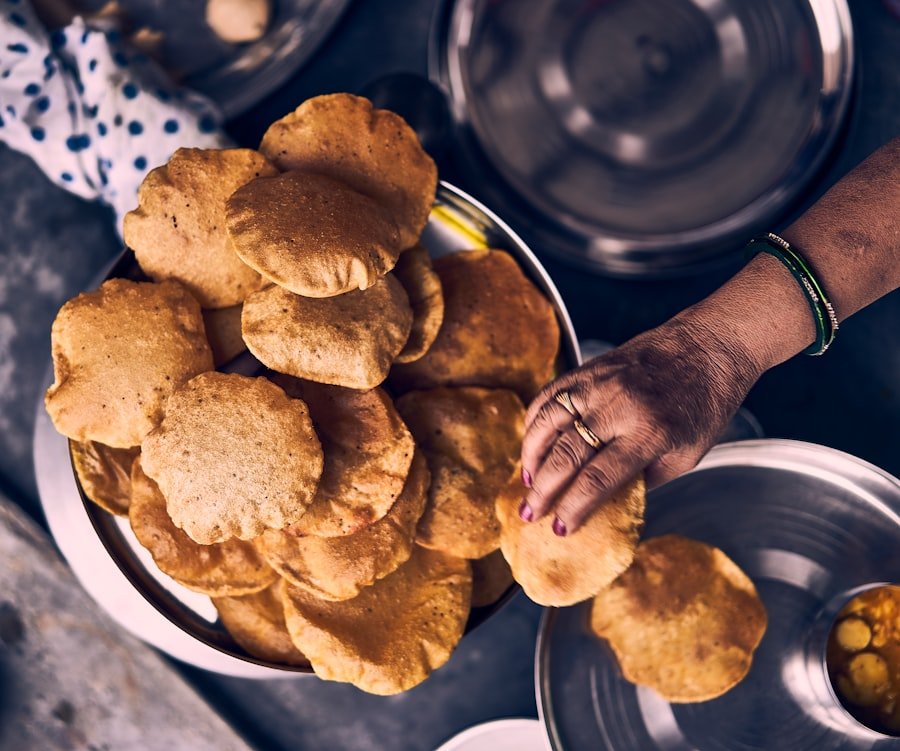
A good London Indian-food tour should include more than curry. Butter chicken and biryani are approachable starting points, but dosa, chaat, tandoori grills and regional vegetarian dishes reveal much more about the range of the cuisine.
Butter chicken
Butter chicken combines pieces of chicken with a rich tomato-based sauce that commonly includes butter or cream. It is often served with naan or basmati rice and is a useful starting point if you prefer a smooth, rich curry rather than a sharp or very hot one.
Do not assume every restaurant will make it the same way. Sweetness, smokiness, richness and chilli heat can vary significantly from kitchen to kitchen.
Biryani
Biryani is a layered rice dish rather than simply rice served beside curry. Depending on the restaurant and regional style, it may include meat, vegetables, aromatic spices and garnishes cooked together so that the rice absorbs the flavour.
London menus range from lamb and chicken versions to vegetarian biryanis. Dishoom, for example, serves several rice dishes, while fine-dining restaurants may treat biryani as one of the centrepieces of the meal.
Dosa
Dosa is a South Indian fermented rice-and-lentil crepe with a crisp surface and light texture. It may be served plain or filled, with masala dosa commonly containing spiced potato.
Chutneys and sambar, a lentil-and-vegetable preparation, typically accompany it. Restaurants such as Saravanaa Bhavan make dosa an easy way to explore South Indian food without building the meal around bread and curry.
Chaat, pani puri and vada pav
Indian street-food dishes are built around contrast. Chaat may combine crisp, soft, sweet, sour, spicy and cooling ingredients in the same serving, while pani puri uses small hollow shells filled immediately before eating.
Vada pav comes from Mumbai and places a spiced potato fritter inside a bread roll with chutneys. These dishes are useful when you want a snack or several small flavours instead of a full curry meal.
Tandoori grills
Tandoori cooking adds another dimension to a London Indian meal. Meat, seafood, paneer or vegetables are cooked at intense heat, producing charred edges while keeping the centre tender when prepared well.
Lamb chops are particularly associated with restaurants such as Gymkhana and Tayyabs. Ordering a grill beside a curry also gives the table more contrast than choosing several sauce-based dishes.
The history and influence of Indian food in London
Indian food in London has developed through centuries of trade, empire, migration and adaptation. British exposure to food from the Indian subcontinent predates the modern restaurant industry, and recipes described as curries were already circulating in Britain long before today’s familiar curry houses appeared.
English Heritage’s history of curry in England traces this interest to Britain’s long relationship with India through the East India Company and notes growing enthusiasm for Indian flavours in Britain during the 19th century.
London’s restaurant culture then developed alongside migration from India and other parts of South Asia. Punjabi, Bengali, Gujarati, South Indian and other communities brought distinct cooking traditions, while restaurants also adapted recipes to British tastes.
Chicken tikka masala became one of the clearest symbols of that cultural exchange. Its exact origin is disputed, so it is safer to view it as a British-South Asian development rather than assign it to one unquestioned birthplace. Its place in British food culture became so prominent that a UK parliamentary debate recorded its description as a national dish in the early 2000s.
Indian fine dining has also become a significant part of modern London. The 2026 MICHELIN Guide includes eight starred Indian restaurants in London: two-star Gymkhana and one-star Amaya, Ambassadors Clubhouse, Benares, Jamavar, Quilon, Trishna and Veeraswamy. That range sits alongside casual cafés, family-run restaurants and neighbourhood dining rooms.
Vegan and vegetarian Indian food in London
Vegetarian diners have one of the widest selections in Indian cuisine because vegetables, lentils, chickpeas, rice and breads already form the basis of many traditional dishes. Vegan dining is also possible, but you should still check whether a dish contains ghee, butter, cream, paneer or yoghurt.
Chana masala, made with chickpeas and spices, is a dependable plant-based option when prepared without dairy. Other common choices can include vegetable curries, dal, dosa, idli and rice dishes, although individual recipes vary.
Saravanaa Bhavan specialises in vegetarian Indian food and is especially useful for South Indian dishes. Amaya also offers vegetarian cooking alongside its meat and seafood dishes, while many mixed-menu Indian restaurants mark vegetarian and vegan choices separately.
Pro Tip: If you are vegan, ask specifically about ghee and dairy rather than asking only whether a dish contains meat. Paneer, cream, butter and yoghurt appear in many otherwise vegetarian Indian dishes.
A thali can be particularly useful if you want variety. Instead of committing to one large curry, you receive several smaller preparations that may include dal, vegetables, rice, bread, pickles and other accompaniments.
Indian street food in London
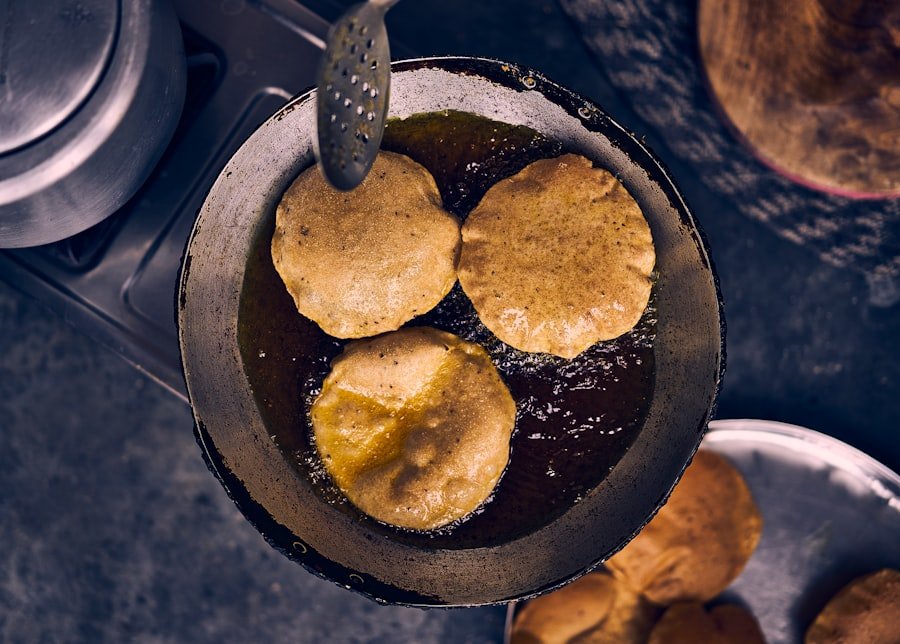
London’s Indian street-food scene is best approached as a collection of snacks and small dishes rather than one type of meal. Samosas, chaat, pani puri and vada pav offer combinations of spice, crunch, acidity and chutney that are very different from a restaurant curry.
Brick Lane is one of London’s most famous curry areas. The official Brick Lane Market guide notes its curry houses, Indian restaurants and street-food stalls around the Old Truman Brewery.
However, Brick Lane’s food history is broader than Indian cuisine alone. The surrounding East End has a major Bangladeshi culinary presence, so it is worth distinguishing between Indian and Bangladeshi restaurants instead of treating every curry house as the same tradition.
Southall in west London offers another useful food trip. The area has strong Indian and Pakistani roots, with Punjabi, South Indian, Pakistani and Sri Lankan restaurants as well as sweet shops and snack counters. It is a better choice than central London if your main goal is exploring a concentrated South Asian food district rather than combining lunch with major tourist sights.
How to choose an Indian restaurant in London
Choose by regional style and dining format before you compare individual restaurant ratings. A polished Mayfair tasting menu, a Punjabi grill in Whitechapel and a vegetarian dosa restaurant are trying to provide very different experiences, so a single star rating cannot tell you which one suits your meal.
- For a special occasion: look at London’s Michelin-starred Indian restaurants, especially if you want tasting menus, carefully plated dishes or a formal dining room.
- For an easy first meal: choose a broad menu with curries, grills, rice dishes and vegetarian options so everyone can order comfortably.
- For regional food: identify the cuisine first. Punjabi, Bengali and South Indian cooking can differ greatly in ingredients, breads, rice dishes and seasoning.
- For vegetarian food: consider a dedicated vegetarian restaurant rather than relying only on the meat-free section of a mixed menu.
- For street food: order several smaller dishes such as chaat, samosas or pani puri instead of expecting the format of a full restaurant curry.
Do not judge everything by chilli heat
Indian food can be spicy without being extremely hot. Cumin, coriander, cardamom, mustard seed, cloves, turmeric, black pepper and many other spices add aroma and depth without necessarily adding large amounts of chilli.
If you are sensitive to heat, ask how a particular dish is prepared rather than requesting that every dish be made bland. You will usually get a better meal by choosing naturally milder dishes.
Order contrasting dishes
A table of similar creamy curries makes it difficult to appreciate the range of the cuisine. A more balanced order might combine one curry, one grilled dish, a vegetable or dal, rice or bread, and a fresh or acidic accompaniment.
If the restaurant specialises in one region, try its signature dishes before defaulting to familiar choices. That is often where London’s enormous variety becomes most obvious.
How London’s Indian food scene continues to change
London’s Indian restaurants increasingly show the regional depth of the cuisine rather than presenting Indian food as one broad category. Current Michelin selections range from northern Indian cooking to restaurants influenced by India’s southwest coast, while casual restaurants cover Bombay café food, Punjabi grills and South Indian vegetarian dishes.
Vegetarian and vegan choices are also becoming easier to identify on menus. At the same time, modern London restaurants continue to combine traditional techniques with British ingredients and contemporary presentation.
That mixture does not replace traditional cooking. Instead, it gives diners several ways to experience Indian food: regional restaurants for specificity, neighbourhood restaurants for familiar dishes, street food for quick snacks, and fine dining for more elaborate interpretations.
If you also enjoy preparing simple dairy foods at home, this homemade cottage cheese recipe offers a separate kitchen project to try alongside your restaurant explorations.
Frequently Asked Questions
What are some popular Indian dishes in London?
Popular choices include chicken tikka masala, butter chicken, lamb rogan josh, biryani, dosa, chaat and tandoori grills. For a broader view of Indian cooking, try at least one North Indian curry or grill and one South Indian dish such as dosa, then add a street-food snack.
Where can I find the best Indian food in London?
Good starting points include Gymkhana in Mayfair, Dishoom at several London locations, Darjeeling Express in Soho and Tayyabs in Whitechapel. For vegetarian South Indian food, Saravanaa Bhavan has several London-area branches. Southall is also useful if you want to explore several South Asian restaurants in one area.
What Indian street food should I try in London?
Start with samosas, chaat, pani puri and vada pav. These dishes give you different combinations of crisp textures, chutneys, spice and acidity. They are also easy to share, so ordering several small items is a useful way to sample more flavours without committing to several full meals.
Are there Michelin-starred Indian restaurants in London?
Yes. In the 2026 MICHELIN Guide, Gymkhana holds two stars. One-star Indian restaurants in London include Amaya, Ambassadors Clubhouse, Benares, Jamavar, Quilon, Trishna and Veeraswamy. Michelin distinctions can change between annual guide editions, so the year matters when comparing older restaurant lists.
What vegetarian options are available at Indian restaurants in London?
Common vegetarian choices include paneer dishes, dal, chana masala, aloo gobi, dosa and vegetable biryani. Dedicated vegetarian restaurants can offer a wider selection. Vegan diners should also ask about ghee, butter, cream and yoghurt because a meat-free Indian dish is not automatically dairy-free.
Is Southall or Brick Lane better for Indian food?
They offer different experiences. Southall has a strong concentration of Punjabi, South Indian and other South Asian restaurants and food shops. Brick Lane is convenient for East End sightseeing and is famous for curry houses, but its food culture also has important Bangladeshi roots, so not every curry restaurant there represents Indian cuisine.
Do I need to book Indian restaurants in London in advance?
Booking is sensible for popular fine-dining restaurants and for a specific dinner time, especially when the restaurant has limited sittings. Casual restaurants may accept walk-ins, but policies differ by venue. If one restaurant is central to your plans, reserving ahead is safer than relying on availability after you arrive.
Sources
- MICHELIN Guide: 2026 Michelin-starred Indian restaurants and restaurant descriptions.
- Visit London Indian restaurant guide: London restaurant locations, styles and Dishoom information.
- Darjeeling Express: current Soho address and dining periods.
- Tayyabs: Punjabi focus, establishment history and Whitechapel location.
- Saravanaa Bhavan London: vegetarian focus, branches and menu categories.
- Visit London Brick Lane Market: curry houses, Indian restaurants and street-food information.
- English Heritage: historical background on curry and Indian culinary influence in Britain.
- UK Parliament Hansard: historical reference to chicken tikka masala as a national dish and a product of cultural influences.