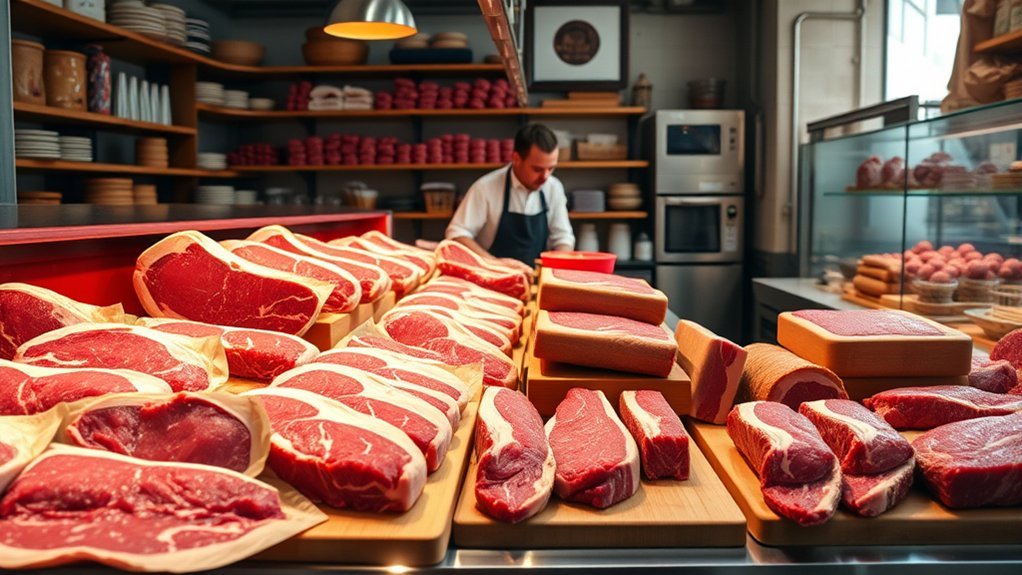
If you want the best meat markets in Norman, OK, start with verified local options and a few smart questions at the counter. Norman has a smaller independent butcher scene than Oklahoma City, so the best choice depends on what you need: custom cuts, everyday steaks, freezer packs, specialty processing, or a reliable grocery meat counter.
Quick Answer
For a true Norman butcher shop, start with Artisan’s Pride Quality Meats on West Lindsey Street. For processing and custom meat work, check Thunderbird Custom Meat and call ahead. For everyday grocery trips, compare the meat counter’s freshness, grind dates, labeling, and willingness to cut or wrap meat to order.
Key Takeaways
- Norman’s independent butcher scene is small, so quality matters more than chasing a long “top 10” list.
- Ask where the meat comes from, whether custom cuts are available, and whether the shop can grind, trim, or wrap meat for your recipe.
- USDA grade and USDA inspection are not the same thing: grades describe eating quality, while inspection focuses on safety and wholesomeness.
- Use a thermometer at home: whole beef and pork cuts should reach 145°F with rest time, ground meats 160°F, and poultry 165°F.
Best Meat Markets in Norman, OK
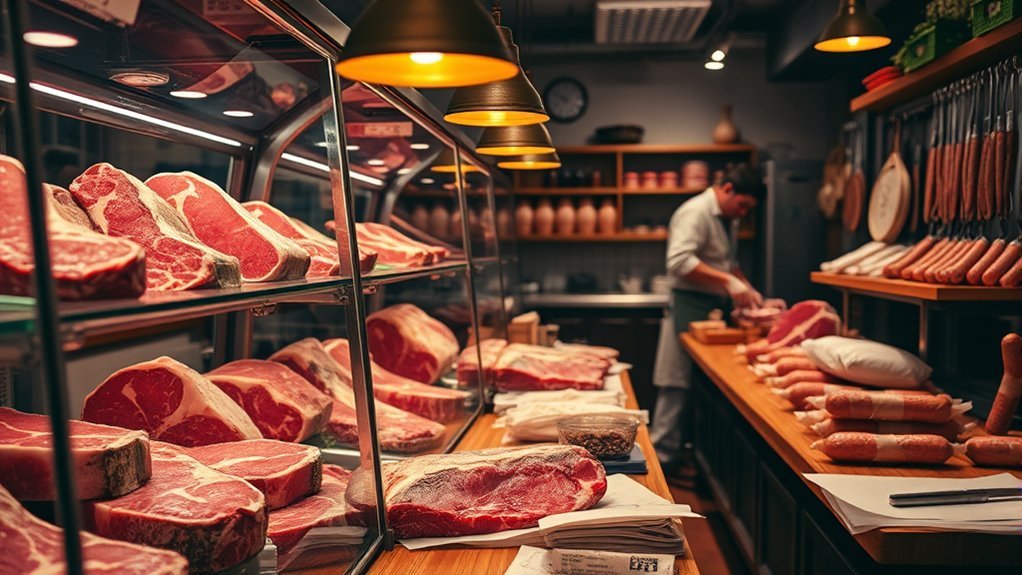
The best meat market for you depends on whether you want a butcher counter, custom processing, bulk freezer meat, or a quick grocery run. Use the options below as a starting point, then confirm hours, inventory, and custom-order availability before making a special trip.
| Place | Best For | What to Ask |
| Artisan’s Pride Quality Meats | Butcher-counter cuts, call-ahead orders, steaks, roasts, and help choosing meat for a meal. | Ask what is fresh today, whether they can cut to thickness, and whether a specific roast or steak should be ordered ahead. |
| Thunderbird Custom Meat | Custom meat processing, domestic processing questions, and specialty processing needs. | Ask about appointment needs, processing timelines, packaging options, inspection status, and seasonal availability. |
| Norman grocery meat counters | Everyday chicken, ground beef, pork chops, sale items, and quick weeknight meals. | Ask when the meat was packed, whether ground beef was ground in-store, and whether they can trim or rewrap a cut. |
What Makes a Good Meat Market?
A good meat market is not just a place with a full case. It should help you buy the right cut for the meal, explain labels clearly, and handle meat safely. The best shops are willing to answer basic questions without making you feel rushed.
- Clear sourcing: The staff should be able to explain whether meat is local, regional, commodity, grass-fed, grain-finished, pasture-raised, or a branded program.
- Fresh appearance: Look for clean cases, cold temperatures, bright-looking cuts, intact packaging, and no sour odor.
- Custom service: A strong butcher counter can cut steaks thicker or thinner, trim fat, tie roasts, split packs, or grind meat when possible.
- Food-safety awareness: Staff should handle raw products carefully, keep displays clean, and explain packaging or storage instructions.
- Honest recommendations: A good butcher will not always push the most expensive steak. They will suggest the cut that fits your recipe and budget.
Pro Tip: Call before you drive across Norman for a special cut. Ask, “Do you have it in the case today, and can you cut it to my thickness?” That one question can save a wasted trip.
Why Quality Matters in Your Meat Selection
Better meat usually cooks more evenly, tastes cleaner, and gives you more confidence in the kitchen. That does not mean you always need the most expensive steak. It means matching the cut to the cooking method.
For quick high-heat cooking, look for naturally tender cuts such as ribeye, strip steak, tenderloin, pork chops, or chicken thighs. For slow cooking, choose cuts with more connective tissue, such as chuck roast, short ribs, brisket, pork shoulder, or shanks. These tougher cuts become tender when cooked low and slow.
Quality also includes handling. A good-looking ribeye can still disappoint if it has been stored poorly, wrapped loosely, or left too long in the refrigerator. Buy from shops that keep cases clean, rotate inventory, and answer questions about freshness.
Understanding USDA Grades, Inspection, and Labels
Many shoppers mix up USDA grade, USDA inspection, and marketing labels. They are related to meat buying, but they do different jobs.
- USDA inspection focuses on safety and wholesomeness for meat entering commerce.
- USDA grading is a quality rating system for traits such as marbling and maturity. Prime, Choice, and Select are common beef grades. The USDA Agricultural Marketing Service explains beef quality grades by factors such as marbling and carcass maturity.
- Local, grass-fed, Angus, heritage breed, natural, and pasture-raised are not all the same. Some are regulated, some are brand programs, and some need more explanation from the seller.
When a shop says a product is local or specialty, ask for details. A fair question is, “Can you tell me the farm, ranch, region, processor, or branded program this came from?”
Note: “Local” does not automatically mean better, and “USDA graded” does not automatically mean safer. Look at source, handling, freshness, inspection, and whether the cut fits your recipe.
Key Factors in Choosing Fresh Meat
Use your eyes, nose, and questions. Fresh meat should look clean, be properly chilled, and come from a shop that can explain what you are buying.
Look at Color and Texture
Beef can range from bright cherry red to darker purplish red depending on packaging and oxygen exposure. Pork should look pink and moist, not gray or slimy. Poultry should be cold, clean-smelling, and free from sticky liquid. Avoid packages with torn wrapping, excessive purge, or off odors.
Ask About the Grind
Ground meat is convenient, but it has more surface area exposed to handling. Ask when it was ground and whether it was ground in-house. Use ground beef, pork, lamb, or poultry quickly, or freeze it promptly.
Check Packaging and Cold Storage
Meat should feel cold when you buy it. Bring an insulated bag if you have errands after shopping, especially during Oklahoma summers. FoodSafety.gov’s cold storage chart recommends short refrigerator windows for raw meat, including 1 to 2 days for ground meats and 3 to 5 days for fresh beef, veal, lamb, and pork steaks, chops, and roasts.
Safe Cooking and Handling Tips
Fresh meat still needs careful handling at home. Keep raw meat separate from ready-to-eat foods, wash hands and surfaces after contact, and cook to a safe internal temperature.
Warning: Do not judge doneness by color alone. Use a food thermometer. FoodSafety.gov recommends 145°F with a 3-minute rest for whole beef, pork, lamb, and veal steaks, roasts, and chops; 160°F for ground meats; and 165°F for poultry.
- Steaks, roasts, and chops: Cook whole beef, pork, lamb, and veal cuts to 145°F and rest for 3 minutes.
- Ground meats and sausage: Cook to 160°F.
- Chicken, turkey, and other poultry: Cook to 165°F.
- Leftovers: Reheat to 165°F.
For the full chart, use the official FoodSafety.gov safe minimum internal temperature guide.
Specialty Cuts to Ask For at Norman Meat Markets
Specialty cuts are where a good butcher can really help. Even if a cut is not in the case, the shop may be able to prepare it with notice.
Best Cuts for Grilling
- Ribeye: Rich, marbled, and forgiving on the grill.
- New York strip: Beefy flavor with a firmer bite.
- Flat iron: Tender and often a better value than premium steakhouse cuts.
- Chicken thighs: Juicy, budget-friendly, and hard to overcook compared with breasts.
- Pork steaks or chops: Great with brines, rubs, or quick marinades.
Best Cuts for Slow Cooking
- Chuck roast: A dependable choice for pot roast and shredded beef.
- Brisket: Best for smoking or long braising.
- Short ribs: Rich and ideal for braises.
- Pork shoulder: Excellent for pulled pork, carnitas, and slow roasting.
- Osso buco or shanks: Good for hearty stews when available.
Prepared and Ready-to-Cook Options
Some meat markets offer marinated cuts, stuffed items, sausages, burger patties, or prepared sides. These can be useful for busy nights, but still read labels and ask about cooking instructions. Prepared meat should be kept cold and cooked promptly.
How to Talk to Your Butcher
You do not need expert vocabulary to get good help. Tell the butcher what you are cooking, how many people you are feeding, your budget, and your cooking method.
- “I’m grilling for six people. What steak gives the best value?”
- “Can you cut these pork chops 1 inch thick?”
- “Do you have a roast that works well for slow cooking?”
- “Was this ground today?”
- “Can you wrap this for the freezer?”
- “Is this local, regional, or from a branded program?”
- “Do I need to order this cut ahead next time?”
These questions help you get better meat and build a relationship with the shop. Regular customers often learn what arrives on certain days, what sells out quickly, and which cuts are the best value that week.
Why Supporting Local Meat Markets Matters
Buying from a local butcher or processor can keep more food dollars in the area and gives you a better chance to ask direct questions about sourcing, cuts, and cooking. It also helps maintain local food skills that are hard to replace once they disappear.
In Oklahoma, food safety oversight matters too. The Oklahoma Department of Agriculture, Food, and Forestry Food Safety Division says it enforces federal and state laws and rules for food products derived from animals and helps ensure products such as meat, poultry, eggs, and milk are safe and labeled correctly.
That does not mean every small shop is automatically better than every grocery store. The best choice is the one that combines safe handling, honest labeling, good service, and the right cut for your meal.
Seasonal Buying Tips in Norman
Meat buying changes with the season. Planning ahead helps you get better cuts and avoid last-minute substitutions.
- Spring: Ask about lamb, pork, chicken, and lighter grilling cuts.
- Summer: Order burgers, brisket, ribs, steaks, and sausage early before holiday weekends.
- Fall: Custom processors may be busier during hunting season, so call ahead.
- Winter holidays: Prime rib, tenderloin, ham, turkey, and large roasts should be ordered in advance.
- Freezer stocking: Ask about wrapping, labeling, portion sizes, and freezer life before buying bulk meat.
Choosing the Right Meat for Cooking
The easiest way to improve dinner is to match the cut to the cooking method. Tender cuts usually need fast cooking. Tougher cuts usually need time, moisture, or low heat.
Selecting Quality Cuts
For steaks, look for even thickness, good trimming, and marbling if you want richer flavor. For roasts, ask whether the cut is better for dry roasting or braising. For chicken, thighs and drumsticks are usually more forgiving than breasts. For pork, shoulder is better for slow cooking, while chops are better for faster cooking.
Understanding Meat Grades
| Grade | What It Usually Means | Best Use |
| USDA Prime | Higher marbling and a richer eating experience. | Special-occasion steaks and roasts. |
| USDA Choice | Good marbling and strong everyday quality. | Grilling, roasting, and family dinners. |
| USDA Select | Leaner, with less marbling. | Marinating, slicing thin, or careful quick cooking. |
Cooking Techniques for Success
Use high heat for tender steaks, medium heat for chicken pieces and pork chops, and low heat for brisket, chuck, ribs, and shoulder. Let steaks and roasts rest before slicing so juices redistribute. Slice tougher cuts against the grain for a more tender bite.
Cooking Tips for Fresh, Local Ingredients
Fresh meat shines when the rest of the plate is simple. Pair steaks with seasonal vegetables, roast chicken with potatoes and herbs, or slow-cooked pork with beans, slaw, or tortillas. Good meat does not need complicated seasoning; salt, pepper, garlic, smoke, citrus, herbs, and a little acid often do enough.
If you are trying a new cut, ask the butcher for one specific cooking method. A short answer such as “sear it hot,” “braise it,” or “smoke it low and slow” is usually more helpful than a long recipe.
How to Connect With Local Farmers and Producers
If local sourcing is important to you, ask the meat market whether it works directly with farms, ranches, processors, or branded meat programs. You can also look for farmers markets, local food co-ops, ranch freezer-beef programs, and seasonal farm pickup options.
Before buying directly from a farm or processor, ask how the animal is processed, whether the meat is inspected or custom-exempt, how it is packaged, and how much freezer space you need. Custom-exempt meat may have limits on resale, so clarify the rules before purchasing in bulk.
Frequently Asked Questions
Which meat market in Norman should I try first?
For a true butcher-counter experience, start with Artisan’s Pride Quality Meats. If you need custom processing, call Thunderbird Custom Meat first to confirm services, timing, and appointment requirements.
Which supermarket has the highest quality meat?
The best supermarket meat counter is the one with high turnover, clean cases, clear labels, helpful staff, and fresh packing dates. Ask whether the store cuts meat in-house, when ground beef was ground, and whether custom trimming is available.
What are the best meats to buy for everyday cooking?
Good everyday choices include ground beef, chuck roast, chicken thighs, pork shoulder, pork chops, sausage, flat iron steak, stew meat, and whole chickens. These cuts usually offer a strong balance of flavor, price, and flexibility.
Is Aldi’s meat quality meat?
Aldi can be a good budget option, but quality can vary by product, location, and shipment. Check package dates, look for clear labeling, inspect color and packaging, and choose cuts that match your cooking method.
Where is the best place to get your meat?
For custom help, a local butcher is usually best. For processing, use a custom processor. For convenience and sale pricing, a grocery meat counter can work well. The best place is the one that offers safe handling, honest labeling, fresh inventory, and the cut you need.
How far ahead should I order specialty cuts?
For everyday steaks or chops, calling the same day may be enough. For brisket, prime rib, tenderloin, bulk freezer orders, holiday roasts, or processing services, call at least several days ahead. During holidays and hunting season, call earlier.
What should I ask before buying bulk meat?
Ask about final take-home weight, price per pound, processing fees, cut sheet choices, freezer wrapping, labeling, pickup timing, and how much freezer space you need. Also ask whether the meat is USDA-inspected, state-inspected, or custom-exempt.
Conclusion
The best meat markets in Norman are the ones that give you fresh meat, honest answers, safe handling, and the right cut for your meal. Start with verified local options, ask clear questions, and do not be afraid to call ahead. A few minutes of planning can lead to better steaks, better roasts, easier weeknight dinners, and fewer expensive mistakes.
Sources
- Artisan’s Pride Quality Meats — Norman address, hours, phone, and call-ahead shopping information.
- Thunderbird Custom Meat listing — Norman location and contact information for custom meat processing.
- Oklahoma Department of Agriculture, Food, and Forestry Food Safety Division — Oklahoma food-safety oversight for animal-derived food products.
- USDA Agricultural Marketing Service Beef Grades and Standards — beef grading, marbling, and quality-grade context.
- FoodSafety.gov Safe Minimum Internal Temperatures — safe cooking temperatures for beef, pork, poultry, ground meat, seafood, and leftovers.
- FoodSafety.gov Cold Food Storage Chart — refrigerator and freezer storage guidance for raw and cooked foods.