

The British Museum, established in 1753, stands as one of the most significant cultural institutions in the world, housing a vast collection of art and antiquities that span over two million years of history. Located in the heart of London, the museum’s neoclassical architecture is as impressive as the treasures it contains. Visitors are greeted by the iconic Great Court, a stunning glass-roofed space that serves as a central hub for the museum’s many galleries.
The museum’s collection includes artifacts from ancient civilizations, such as the Rosetta Stone, which played a crucial role in deciphering Egyptian hieroglyphs, and the Elgin Marbles, a collection of classical Greek marble sculptures that once adorned the Parthenon. The British Museum’s commitment to education and accessibility is evident in its extensive range of exhibitions and programs. With over six million visitors annually, the museum offers free admission to its permanent collections, making it an invaluable resource for scholars, students, and tourists alike.
The museum’s curatorial staff works diligently to present rotating exhibitions that highlight specific themes or cultures, ensuring that even repeat visitors can discover something new. Additionally, the museum engages in numerous international collaborations, lending pieces to exhibitions worldwide and participating in research initiatives that promote the understanding of global heritage.
Key Takeaways
- The British Museum is home to a vast collection of art and artifacts from around the world, including the Rosetta Stone and the Elgin Marbles.
- The National Gallery houses a rich collection of European paintings from the 13th to the 19th centuries, including works by Van Gogh, da Vinci, and Rembrandt.
- The Victoria and Albert Museum is the world’s leading museum of art, design, and performance, with a collection spanning over 5,000 years of human creativity.
- The Tate Modern is Britain’s national gallery of international modern art, featuring works by artists such as Picasso, Warhol, and Hockney.
- The Natural History Museum is a world-renowned museum of natural history, with exhibits on dinosaurs, human biology, and the natural world.
- The Science Museum is a major museum on Exhibition Road in South Kensington, London. It was founded in 1857 and today is one of the city’s major tourist attractions.
- The Design Museum is dedicated to contemporary design in every form, from architecture and fashion to graphics, product, and industrial design.
- The Museum of London tells the story of the capital from its first settlers to modern times. The museum is located in the City of London and is part of the Barbican complex of buildings created in the 1960s and 1970s.
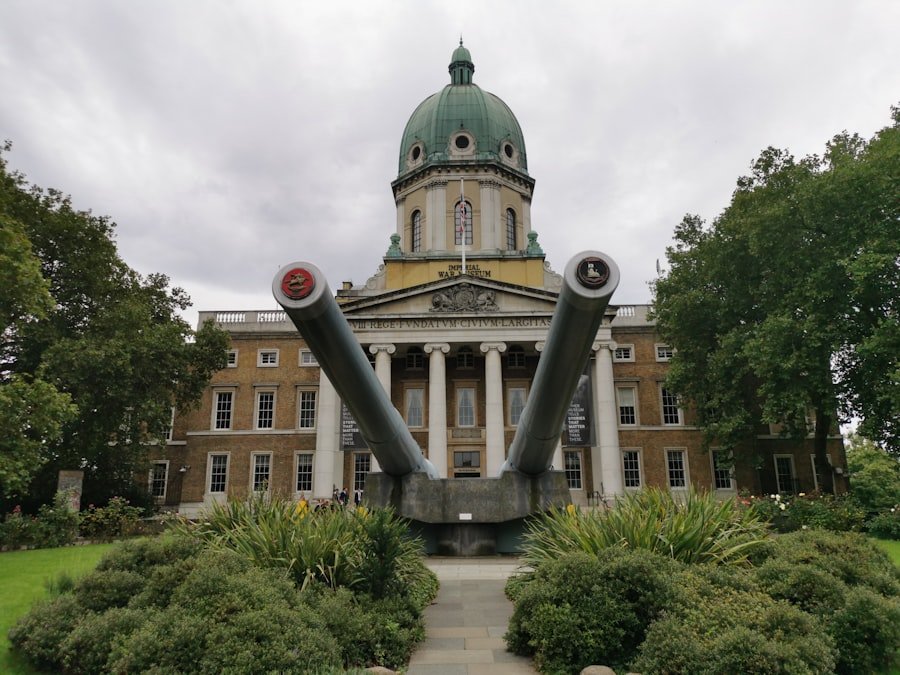
- The Imperial War Museum is a British national museum organization with branches at five locations in England, three of which are in London.
- The Sir John Soane’s Museum is a house museum that was formerly the home of the neo-classical architect John Soane. It holds many drawings and models of Soane’s projects and the collections of paintings, drawings and antiquities that he assembled.
The National Gallery
Nestled in Trafalgar Square, the National Gallery is home to one of the most comprehensive collections of Western European paintings in the world. Founded in 1824, the gallery boasts over 2,300 works by renowned artists such as Van Gogh, Monet, and Rembrandt. The building itself is an architectural marvel, with its grand façade and spacious interior providing an ideal setting for the masterpieces it houses.
Visitors can wander through the gallery’s numerous rooms, each dedicated to different periods and styles of art, from the early Renaissance to the Impressionist movement. One of the gallery’s most notable features is its commitment to public engagement and education. The National Gallery offers a variety of programs aimed at enhancing visitors’ understanding of art history and appreciation.
These include guided tours, workshops, and lectures led by experts in the field. The gallery also hosts temporary exhibitions that delve deeper into specific artists or movements, providing context and insight into their significance. Furthermore, the National Gallery’s dedication to accessibility is reflected in its free admission policy for its permanent collection, allowing art lovers from all walks of life to experience its treasures.
The Victoria and Albert Museum
The Victoria and Albert Museum (V&A) is a celebration of art and design, showcasing an extensive collection that spans over 5,000 years of human creativity. Established in 1852 and located in South Kensington, the V&A is renowned for its diverse range of artifacts, including textiles, ceramics, fashion, and furniture. The museum’s architecture is equally impressive; its Victorian Gothic style creates a captivating backdrop for the myriad of exhibits that tell stories of cultural exchange and innovation.
One of the V&A’s standout features is its focus on contemporary design alongside historical artifacts. The museum actively collects modern works and hosts exhibitions that explore current trends in design and craftsmanship. This commitment to contemporary relevance is exemplified by initiatives such as the V&A’s Design Fund, which supports emerging designers and artists.
Additionally, the museum offers a wealth of educational resources, including workshops and lectures that engage visitors with both historical and contemporary design practices. The V&A’s dedication to inclusivity ensures that it remains a vital space for dialogue about art and design in today’s world.
The Tate Modern
Housed in a former power station on the banks of the River Thames, Tate Modern is a beacon of contemporary art that attracts millions of visitors each year. Opened in 2000, this innovative museum has transformed how we perceive modern art by presenting works from the 20th century to today. Its vast Turbine Hall serves as a dynamic exhibition space for large-scale installations and site-specific works, often featuring renowned artists who push the boundaries of creativity.
Tate Modern’s collection includes significant works by influential artists such as Pablo Picasso, Andy Warhol, and Damien Hirst. The museum not only showcases established artists but also provides a platform for emerging talent through its various exhibitions and programs. Tate Modern emphasizes accessibility and engagement with its audience by offering free admission to its permanent collection and hosting a range of educational activities designed to inspire creativity among visitors of all ages.
The museum’s commitment to fostering dialogue around contemporary issues through art makes it a vital cultural institution in London.
The Natural History Museum
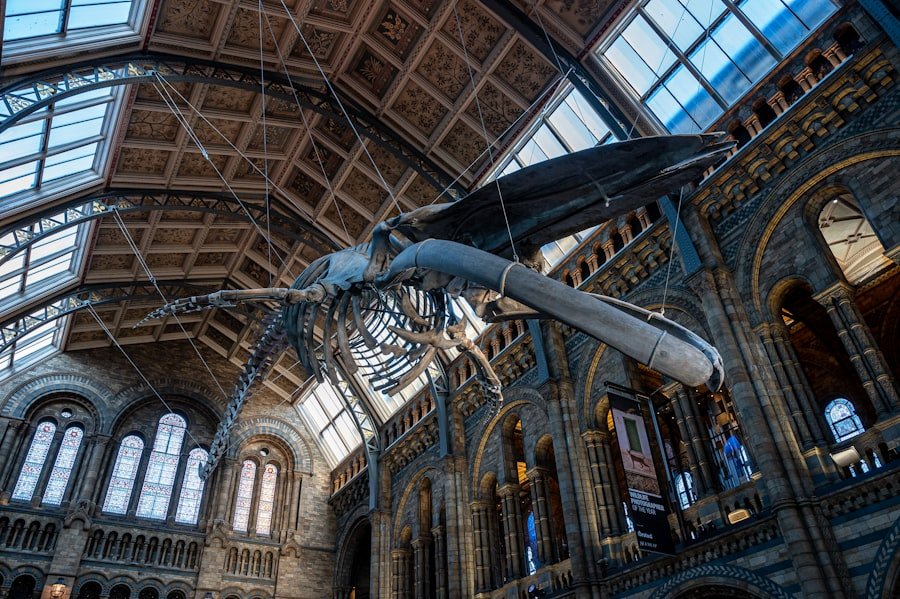
The Natural History Museum is a treasure trove of knowledge about our planet’s history and biodiversity. Located in South Kensington, this iconic institution is famous for its stunning architecture and vast collection of specimens from various segments of natural history. From dinosaur skeletons to rare gemstones, the museum offers an immersive experience that captivates visitors of all ages.
One of its most famous exhibits is the towering Diplodocus skeleton that greets guests upon entry, symbolizing the museum’s dedication to showcasing Earth’s incredible past. In addition to its impressive displays, the Natural History Museum plays a crucial role in scientific research and conservation efforts. Its scientists are involved in global initiatives aimed at understanding biodiversity loss and climate change impacts on ecosystems.
The museum also engages with the public through educational programs that promote awareness about environmental issues and encourage sustainable practices. By combining scientific inquiry with public engagement, the Natural History Museum serves as both an educational resource and a catalyst for change in how we interact with our natural world.
The Science Museum
The Science Museum stands as a testament to human ingenuity and innovation, showcasing groundbreaking advancements across various fields of science and technology. Established in 1857, this museum features an extensive collection that includes everything from historical artifacts like early steam engines to cutting-edge exhibits on space exploration and medical breakthroughs. Its interactive displays invite visitors to engage with science in a hands-on manner, making complex concepts accessible to all.
One of the highlights of the Science Museum is its commitment to fostering curiosity through education. The museum offers a plethora of workshops, lectures, and special events designed to inspire young minds and ignite a passion for science. Its dedicated children’s area provides interactive experiences tailored to younger audiences, ensuring that learning about science can be fun and engaging from an early age.
Furthermore, the Science Museum collaborates with leading scientists and institutions worldwide to present temporary exhibitions that reflect current scientific advancements and societal challenges.
The Design Museum
The Design Museum is dedicated to celebrating contemporary design across various disciplines, including fashion, graphic design, product design, and architecture. Opened in 1989 and relocated to a new purpose-built space in Kensington in 2016, the museum showcases innovative works that shape our everyday lives while exploring the impact of design on society. Its exhibitions often feature both established designers and emerging talents who challenge conventional notions of aesthetics and functionality.
In addition to its exhibitions, the Design Museum emphasizes education through workshops and talks that engage visitors with design thinking processes. These programs encourage participants to explore their creativity while considering how design influences their surroundings. The museum also hosts events such as London Design Festival, which brings together designers from around the globe to showcase their work and foster collaboration within the design community.
By promoting dialogue around design’s role in shaping culture and society, the Design Museum serves as an essential platform for understanding contemporary issues through a design lens.
The Museum of London
The Museum of London tells the story of one of the world’s most vibrant cities through its extensive collection of artifacts that span thousands of years. Established in 1976, this museum captures London’s rich history from prehistoric times to the present day. Its galleries are filled with objects that reflect everyday life in London throughout different eras—ranging from Roman artifacts unearthed during archaeological digs to contemporary items that illustrate modern urban life.
One notable aspect of the Museum of London is its focus on community engagement and local history. The museum actively collaborates with local communities to gather stories and artifacts that represent diverse experiences within London. This approach not only enriches its collection but also fosters a sense of belonging among residents who see their histories represented within its walls.
Educational programs offered by the museum aim to connect visitors with London’s past while encouraging them to reflect on how history shapes their identities today.
The Imperial War Museum
The Imperial War Museum (IWM) serves as a poignant reminder of the impact of conflict on society throughout history. Founded in 1917 during World War I, IWM has evolved into a network of museums dedicated to preserving the stories of those affected by war—military personnel and civilians alike. Its main location in London houses extensive collections related to both World Wars as well as more recent conflicts such as those in Iraq and Afghanistan.
The IWM’s exhibitions are designed not only to inform but also to provoke thought about war’s complexities and consequences. Artifacts such as uniforms, weapons, personal letters from soldiers, and multimedia installations create immersive experiences that allow visitors to engage with history on a personal level. Additionally, IWM places great emphasis on education through workshops aimed at schools and community groups—encouraging discussions about peacebuilding while honoring those who have served their countries.
The Sir John Soane’s Museum
The Sir John Soane’s Museum is a unique institution dedicated to preserving the legacy of one of Britain’s most influential architects—John Soane himself. Established in 1833 within Soane’s former home in Lincoln’s Inn Fields, this museum showcases his eclectic collection of art, antiquities, and architectural models amassed throughout his lifetime. Visitors are often struck by how Soane transformed his residence into a living gallery filled with treasures ranging from classical sculptures to paintings by masters like Turner.
What sets this museum apart is not only its remarkable collection but also its intimate atmosphere—reflecting Soane’s vision for blending architecture with art. The museum hosts regular events such as candlelit tours that allow guests to experience Soane’s home as he intended it—filled with light and shadow playing across his carefully curated objects. Educational programs further enhance visitor engagement by exploring themes related to architecture’s role within society while encouraging creativity among aspiring architects.
The National Maritime Museum
The National Maritime Museum stands as a tribute to Britain’s rich maritime heritage—celebrating its historical significance as a seafaring nation while exploring contemporary issues related to oceans and navigation today. Located in Greenwich alongside other notable attractions like the Royal Observatory and Cutty Sark shipyard; this museum houses an extensive collection encompassing ship models, navigational instruments, paintings depicting naval battles—all reflecting humanity’s relationship with water over centuries. One key aspect of this museum is its focus on storytelling—bringing maritime history alive through personal narratives shared by sailors who traversed treacherous waters or families affected by maritime trade’s impact on their lives.
Interactive exhibits invite visitors young and old alike into engaging experiences where they can learn about navigation techniques or even try their hand at sailing simulations! Additionally; educational outreach programs aim at fostering awareness about environmental challenges facing our oceans today—encouraging stewardship among future generations while honoring those who have shaped maritime history throughout time. Each institution mentioned above contributes uniquely towards enriching cultural understanding within London—offering diverse perspectives across various fields ranging from art & design through science & history!
If you’re looking for a break from exploring the best museums in London, why not try making some delicious homemade cottage cheese with this simple and healthy recipe? Check out this article for step-by-step instructions.
FAQs
What are the top museums in London?
Some of the top museums in London include the British Museum, the National Gallery, the Victoria and Albert Museum, the Natural History Museum, and the Science Museum.
What can I expect to see at the British Museum?
The British Museum is home to a vast collection of art and artifacts from around the world, including the Rosetta Stone, the Elgin Marbles, and the Egyptian mummies.
What are the highlights of the National Gallery?
The National Gallery houses an extensive collection of Western European paintings from the 13th to the 19th centuries, including works by artists such as Leonardo da Vinci, Vincent van Gogh, and Claude Monet.
What makes the Victoria and Albert Museum unique?
The Victoria and Albert Museum is known for its comprehensive collection of decorative arts and design, including fashion, textiles, ceramics, and furniture.
What can visitors see at the Natural History Museum?
The Natural History Museum features exhibits on natural history, including dinosaur skeletons, animal specimens, and interactive displays on topics such as evolution and biodiversity.
What is the focus of the Science Museum?
The Science Museum explores the history and impact of science, technology, and innovation, with exhibits on topics such as space exploration, medical advancements, and communication technologies.