Alaska’s summer season turns long daylight hours into extra time for hiking, wildlife watching, glacier cruises, fishing, train rides, and coastal adventures. You can explore Denali National Park and Preserve, paddle through icy fjords near Seward, hike above Exit Glacier, watch whales from a day cruise, or spend an evening learning about Alaska Native cultures. The key is choosing activities that match your region, experience level, and the rapidly changing conditions that come with Alaska’s wilderness.
Quick Answer
The best things to do in Alaska in summer include visiting Denali and Kenai Fjords, taking a glacier or whale-watching cruise, hiking, kayaking, fishing, riding the Alaska Railroad, flightseeing, and exploring Alaska Native culture. June through August offers the widest range of tours, long daylight hours, and generally mild summer conditions.
Key Takeaways
- Denali access is different in 2026: buses cannot travel beyond Mile 43 of the Denali Park Road because of the Pretty Rocks landslide.
- Glacier and wildlife cruises are among the easiest ways to see Alaska’s coastal scenery without advanced wilderness skills.
- Kayaking requires serious preparation: coastal water is cold, tides are large, weather changes quickly, and some routes are unsuitable for inexperienced paddlers.
- Wildlife sightings are never guaranteed. Keep your distance and follow park-specific viewing rules.
- Fishing regulations vary by area and species, so check current Alaska Department of Fish and Game rules before casting.
- Reserve popular summer activities early, particularly Denali buses, lodging, glacier cruises, fishing charters, and railroad seats.
Plan Your Alaska Summer Trip Around Daylight and Weather
Alaska’s summer travel season is generally centered on June, July, and August, when visitors have access to the broadest range of tours, accommodations, roads, cruises, and outdoor activities. Long daylight hours can make it tempting to stay outside late, but your body still needs normal meals, hydration, and rest.
Weather varies dramatically by region. A warm afternoon in Interior Alaska can occur while coastal areas are cool, wet, and windy. Pack layers rather than relying on one heavy jacket. A waterproof outer layer, insulating mid-layer, comfortable hiking footwear, sun protection, and insect repellent cover many common summer situations.
Note: Do not build a tightly packed itinerary around perfect weather or guaranteed wildlife. Alaska’s conditions can change quickly, and cloud cover can hide mountain views even on otherwise good travel days.
Explore Denali National Park and Preserve
When you enter Denali National Park and Preserve, the landscape shifts from boreal forest to open tundra, braided rivers, and the Alaska Range. The park’s most famous peak rises to 20,310 feet, making it the highest mountain in North America. Federal agencies currently use the name Mount McKinley for the mountain, while the surrounding national park remains Denali National Park and Preserve.
You may see grizzly bears, moose, caribou, Dall sheep, wolves, or smaller tundra wildlife, but sightings are never guaranteed. Denali has maintained trails near developed areas as well as extensive opportunities for off-trail hiking in permitted areas. Beginners should start with established entrance-area trails before considering more remote travel.
For summer 2026, Denali transit and tour buses travel no farther than East Fork Bridge at Mile 43 because the Denali Park Road remains closed beyond that point.
Private vehicles are generally limited to the first 15 miles of the Denali Park Road during the summer visitor season, reaching the Savage River area. To travel farther into the park, most visitors use a transit or narrated tour bus. Check the National Park Service Denali current-conditions page before arrival because temporary wildlife, weather, and construction closures can change access.
Pro Tip: Reserve your Denali bus and lodging early. If your main goal is wildlife viewing, a bus trip generally reaches better habitat than driving only the first 15 miles, while hikers who want flexibility may prefer a transit bus that allows them to get off and hike.
Kayak Through Glacial Waters
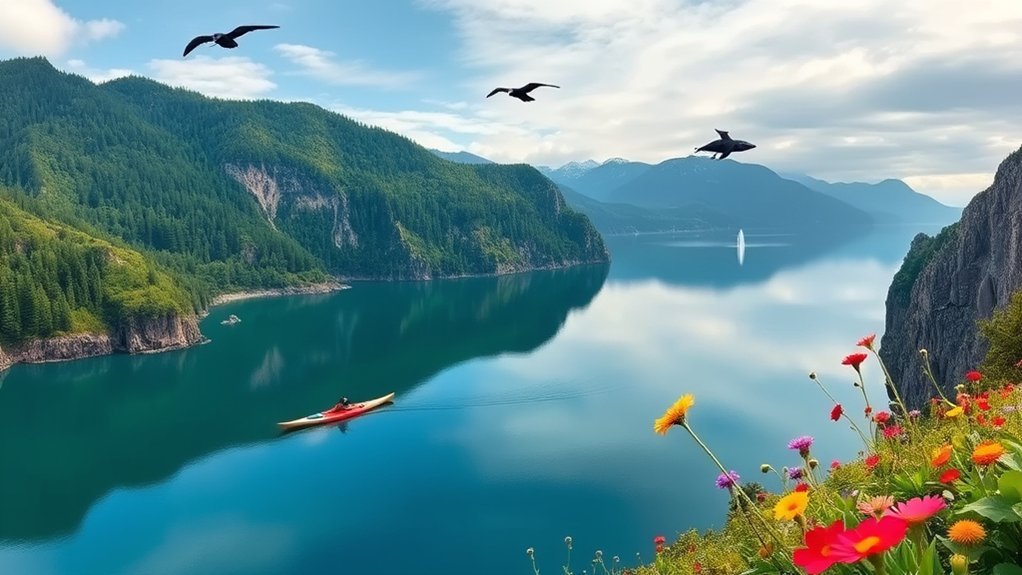
Kayaking through Alaska’s glacial waters can put you at water level among steep coastal mountains, tidewater glaciers, waterfalls, seabirds, and floating ice. It can also expose you to cold water, strong tides, rapidly changing winds, rough seas, and long distances from immediate help.
Beginners should choose a professionally guided trip rather than treating remote glacier kayaking like ordinary recreational paddling. In Kenai Fjords National Park, the National Park Service does not recommend paddling directly from Seward around exposed Aialik Cape. Most paddlers reach remote areas by guide boat, charter, or water taxi.
Warning: Coastal Alaska water is cold enough to create a serious hypothermia risk. Wear an appropriate personal flotation device, use suitable cold-water clothing, check marine forecasts and tides, carry reliable communication equipment, and do not paddle beyond your training or experience.
Unique Glacial Landscapes
As you paddle through a protected fjord or lagoon, sunlight can make glacial ice appear deep blue while floating ice changes position with wind and current. Instead of approaching glacier faces or icebergs closely, admire them from distances recommended by your guide or managing agency because ice can roll, break apart, or calve without warning.
| Feature | What You May See |
|---|---|
| Floating Ice | Pieces of glacial ice ranging from small fragments to much larger formations |
| Glacial Ice | Compressed ice that can show striking blue tones |
| Protected Coves | Calmer areas that may offer shelter from exposed coastal water |
| Mountain Backdrops | Steep coastal peaks rising above fjords and glaciers |
| Coastal Vegetation | Hardy vegetation growing along protected shorelines and landing areas |
Travel slowly and give yourself time to observe the landscape. The reward is not getting as close as possible to the ice; it is experiencing a glacier-carved environment from a perspective that larger vessels cannot provide.
Wildlife Spotting Opportunities
Depending on the location and season, paddlers may see sea otters, harbor seals, sea lions, seabirds, porpoises, or whales. You might also spot a bald eagle along the shore. These are wild animals, so treat every encounter as a possibility rather than an expectation.
In Kenai Fjords, NPS recommends keeping roughly 100 yards from marine mammals. Never chase, surround, block, feed, or deliberately approach wildlife to get a photograph. If an animal changes its behavior because of your presence, give it more space.
Guided Kayak Tours
A guided kayak tour is the sensible choice for most first-time Alaska paddlers. A qualified guide can help interpret weather, currents, tides, landing areas, cold-water hazards, and wildlife behavior while providing equipment suited to local conditions.
Remote destinations may require a water taxi or charter before the paddling even begins. Review the National Park Service’s Kenai Fjords kayak and boat safety guidance before planning an independent trip.
Discover the Wonders of Kenai Fjords National Park
Kenai Fjords National Park combines the Harding Icefield, tidewater glaciers, rugged coastline, marine wildlife, and the road-accessible Exit Glacier area. Most of the coastal park is reached by boat rather than road, while Exit Glacier provides the main land-based gateway near Seward.
| Experience | What to Expect | Planning Note |
|---|---|---|
| Tidewater Glaciers | Large glaciers reaching coastal fjords | Usually seen by boat, kayak, or aircraft |
| Fjords | Deep waterways bordered by mountains | Marine weather can change quickly |
| Wildlife | Sea otters, seals, sea lions, whales, and seabirds may be present | Sightings vary by trip and conditions |
| Exit Glacier Area | Road-accessible trails and glacier viewpoints | Parking can become busy in summer |
| Harding Icefield Trail | A strenuous 7.8-mile round-trip hike to expansive icefield views | Snow can linger well into summer |
The Harding Icefield Trail is one of the park’s signature hikes, but it is not a casual stroll. The route climbs roughly 3,000 feet and can retain significant snow. Check current NPS trail conditions before committing to the full hike.
Take a Glacier and Wildlife Day Cruise
If kayaking sounds too technical, a glacier and wildlife day cruise offers an easier way to experience Alaska’s marine landscapes. Trips from communities such as Seward travel through Resurrection Bay and, on longer itineraries, deeper into Kenai Fjords National Park.
Depending on the route, you may see tidewater glaciers, sea otters, Steller sea lions, harbor seals, porpoises, seabirds, humpback whales, or orcas. Larger tour boats also provide indoor shelter when wind, rain, or cool temperatures make open-deck viewing uncomfortable.
Wildlife activity, sea conditions, and glacier access vary daily, so choose the trip for the scenery and overall experience rather than booking solely for one species.
Experience Wildlife Viewing in Their Natural Habitat
Summer gives you opportunities to watch Alaska’s wildlife across tundra, forests, rivers, and coastal waters. Depending on where you travel, you may encounter bald eagles, moose, caribou, bears, sea otters, seals, sea lions, whales, and many smaller species.
Wildlife viewing works best when you slow down and use binoculars rather than trying to close the distance. In Denali National Park, visitors should remain at least 300 yards from bears and at least 25 yards from other wildlife, dens, and nests. Review the current NPS wildlife-safety guidance before hiking.
Iconic Alaska Wildlife Species
Grizzly bears may be seen feeding in tundra or along salmon streams, while moose inhabit forests, wetlands, and brushy areas. Caribou and Dall sheep are important Denali species, and wolves occasionally appear but can be difficult to spot.
Along the coast, sea otters often float in protected waters while seals and sea lions use rocky haul-outs or coastal areas. Humpback whales and orcas may appear on boat tours, though the timing and location of sightings change constantly.
Best Viewing Locations
| Location | Possible Wildlife Highlights | Best Approach |
|---|---|---|
| Denali National Park | Grizzly bears, caribou, moose, Dall sheep, wolves | Park-road bus and responsible hiking |
| Kenai Fjords National Park | Sea otters, seals, sea lions, whales, seabirds | Boat cruise or guided kayaking |
| Kodiak Island | Kodiak bears, bald eagles, marine mammals | Guided viewing where appropriate |
| Glacier Bay Area | Humpback whales, seals, sea otters, seabirds | Boat-based viewing |
None of these destinations can guarantee a particular animal. Treat a close sighting as a bonus rather than the measure of whether the trip was successful.
Hike Iconic Trails With Stunning Views
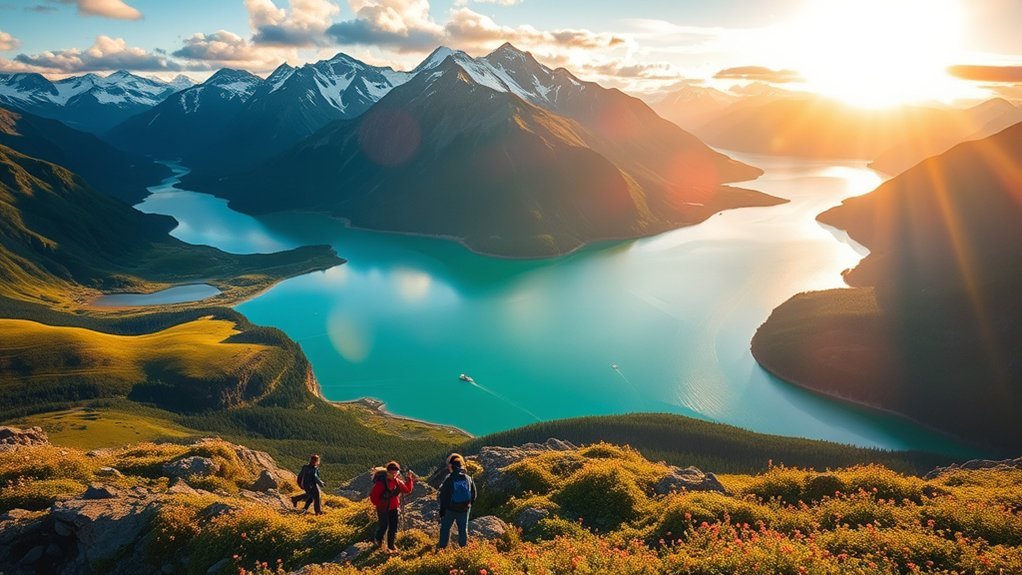
Alaska’s hiking ranges from short urban-edge walks to strenuous alpine routes. Near Anchorage, Flattop Mountain in Chugach State Park is one of the best-known options for broad views over Anchorage, Cook Inlet, and nearby mountains. The upper route becomes steep and may involve scrambling, so footwear and conditions matter.
Farther south, the Harding Icefield Trail in Kenai Fjords National Park climbs from the Exit Glacier area through forest and alpine terrain toward expansive views over the Harding Icefield. The complete trail is approximately 7.8 miles round trip and gains about 3,000 feet, making it a strenuous full-day objective for many visitors.
Snow may remain on the upper trail into summer. Weather can change quickly, and avalanche concerns can exist when snow persists. Turn around if conditions exceed your equipment, fitness, or experience.
For remote hiking, bring navigation, water, food, extra insulating layers, rain protection, a first-aid kit, and an emergency communication plan. Tell someone where you are going and when you expect to return.
Go Flightseeing Over Mountains and Glaciers
Flightseeing is one of the most distinctive ways to understand Alaska’s scale. Small aircraft and helicopters operate sightseeing trips over mountain ranges, glaciers, icefields, fjords, and remote valleys that would require days of overland travel to reach.
Around Denali, permitted operators offer flights into the Alaska Range, and some trips may include glacier landings when weather and snow conditions allow. Coastal destinations also offer flights over glaciers and icefields.
Weather determines whether flights operate, so avoid scheduling a flightseeing trip immediately before a flight home or another inflexible connection. Giving yourself an alternate day provides room for weather-related changes.
Embrace the Thrill of Fishing in Pristine Lakes and Rivers
Fishing is a major Alaska summer activity, with opportunities for trout, salmon, grayling, halibut, and other species depending on the region and waterbody. You can cast from a riverbank, fish a lake, or book a charter for a more structured experience.
Do not assume that a fishing license alone makes every species or location open to harvest. Alaska regulations differ by drainage, species, season, size, and emergency order.
Under current Alaska rules, residents age 18 or older and nonresidents age 16 or older generally need an Alaska sport-fishing license. A king salmon stamp is also generally required when fishing for king salmon, with specified exceptions. Check the Alaska Department of Fish and Game sport-fishing license page and the regulations for the exact area you plan to fish.
Whether you fish from shore, a canoe, or with a charter captain, part of the experience is slowing down and paying attention to the river, lake, weather, and wildlife around you.
Learn About Alaska Native Cultures
Alaska’s summer experience is incomplete if every day is focused only on mountains and wildlife. Alaska Native peoples have living cultures, languages, art traditions, histories, and relationships with the land and sea that continue across the state.
Look for museums, cultural centers, locally led tours, demonstrations, performances, and Native-owned visitor experiences in the communities you visit. In Anchorage, the Alaska Native Heritage Center provides an accessible introduction to Alaska Native cultures through exhibits, programs, art, and cultural spaces.
Approach cultural sites as places to learn rather than as background for photographs. Follow photography restrictions, listen to local interpretation, and purchase artwork from reputable Native artists or organizations when possible.
Enjoy Scenic Train Rides Through Alaska
A scenic railroad trip lets you watch mountains, river valleys, forests, and coastal scenery without driving. The Alaska Railroad operates several summer services connecting destinations such as Anchorage, Seward, Whittier, Talkeetna, Denali, and Fairbanks.
| Route | Highlights | 2026 Scheduled Travel Time |
|---|---|---|
| Seward to Anchorage | Kenai Mountains, Turnagain Arm, coastal scenery | About 4 hr 15 min |
| Anchorage to Whittier | Turnagain Arm and Chugach scenery | About 2 hr 20 min |
| Fairbanks to Denali | Interior Alaska and access to Denali National Park | About 3 hr 50 min |
| Talkeetna to Anchorage | Susitna Valley and mountain scenery | About 2 hr 45 min |
These times reflect the published 2026 schedule and can change in future seasons. Check the official Alaska Railroad schedule when booking.
Some train rides work well as stand-alone sightseeing experiences, while others can replace a rental-car leg between major destinations. Reserve early during peak summer dates if the train is essential to your itinerary.
Frequently Asked Questions
What is the best time to visit Alaska in summer?
June through August is the core summer travel period for most visitors because tours, rail service, park facilities, cruises, and accommodations are widely available. Late June offers extremely long daylight, July is firmly within peak season, and August can bring cooler conditions and early fall color in some northern areas. There is no single best week for every activity.
Are guided tours available for Alaska summer activities?
Yes. Guided options include glacier cruises, wildlife tours, kayaking trips, fishing charters, flightseeing, bear-viewing excursions, cultural tours, and narrated Denali bus trips. A guide is particularly valuable for activities involving remote water, bears, glaciers, or unfamiliar backcountry terrain.
What should I pack for a summer trip to Alaska?
Pack layers, a waterproof outer jacket, quick-drying or insulating clothing, comfortable hiking shoes, warm socks, sun protection, insect repellent, a reusable water bottle, and a small daypack. Add activity-specific gear for longer hikes, fishing, kayaking, or remote travel. Even summer days can become wet, windy, and cold.
Is it safe to hike alone in Alaska’s wilderness?
Solo hiking adds risk because help may be far away and cell coverage can be unreliable. For remote routes, hiking with another person is generally safer. If you do hike alone, choose a route appropriate to your skills, carry navigation and emergency supplies, understand wildlife procedures, and leave a detailed trip plan with someone who knows when to seek help.
Are there accommodations near Denali National Park?
Yes. Hotels, cabins, lodges, hostels, and other seasonal accommodations are available near the park entrance and in nearby communities. Denali also has NPS campgrounds, although availability and access vary. Summer lodging can book well ahead, so reserve early if your dates are fixed.
Can I drive through Denali National Park in summer 2026?
Private vehicles generally can drive only the first 15 miles of the Denali Park Road during the summer visitor season. Buses normally provide access farther into the park, but in summer 2026 they cannot travel beyond Mile 43 because of the Pretty Rocks landslide and related construction.
Do I need a fishing license in Alaska?
Most Alaska residents age 18 or older and nonresidents age 16 or older need a sport-fishing license. Anglers targeting king salmon generally also need a king salmon stamp unless an exception applies. Always check the current regulations and emergency orders for the specific waterbody and species you plan to fish.
Sources
- National Park Service: Denali Current Conditions — 2026 park-road restrictions, bus access, closures, and trip-planning information.
- National Park Service: Denali Wildlife Safety — bear and wildlife viewing distances and visitor-safety guidance.
- National Park Service: Kenai Fjords Kayak and Boat Safety — cold-water, tide, marine-weather, and wildlife guidance for paddlers.
- Alaska Department of Fish and Game: Sport Fishing Licenses — fishing-license age requirements, king salmon stamps, and harvest-record information.
- Alaska Railroad: 2026 Train Schedules — current summer routes, operating dates, departure times, and arrival times.
- Alaska Native Heritage Center — cultural programs and visitor information for learning about Alaska Native peoples and traditions.