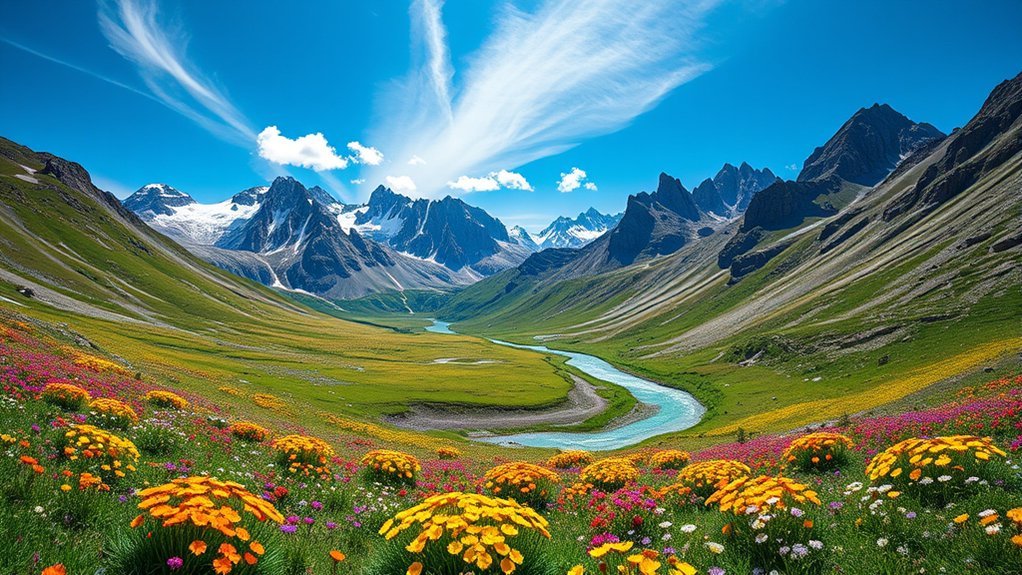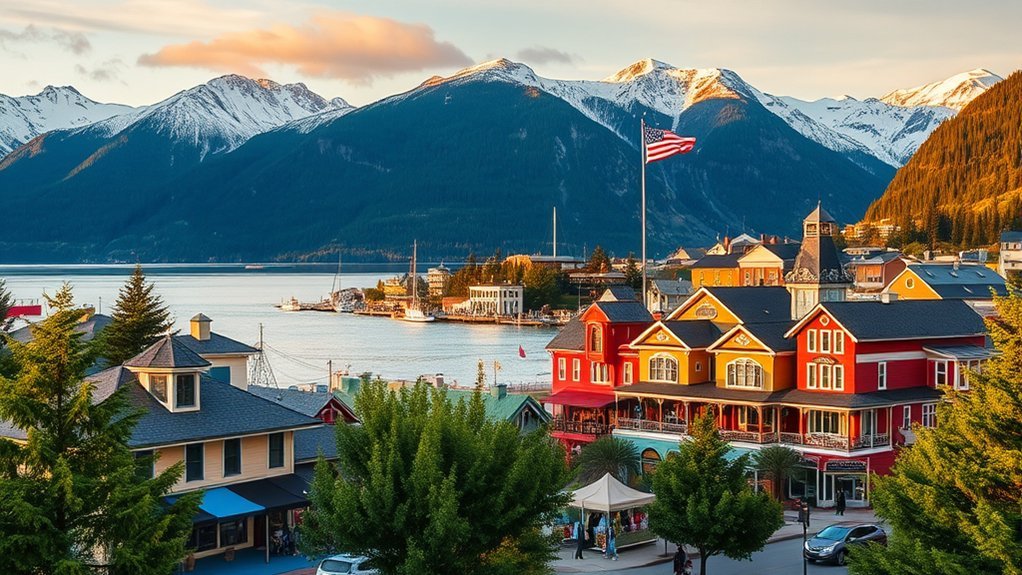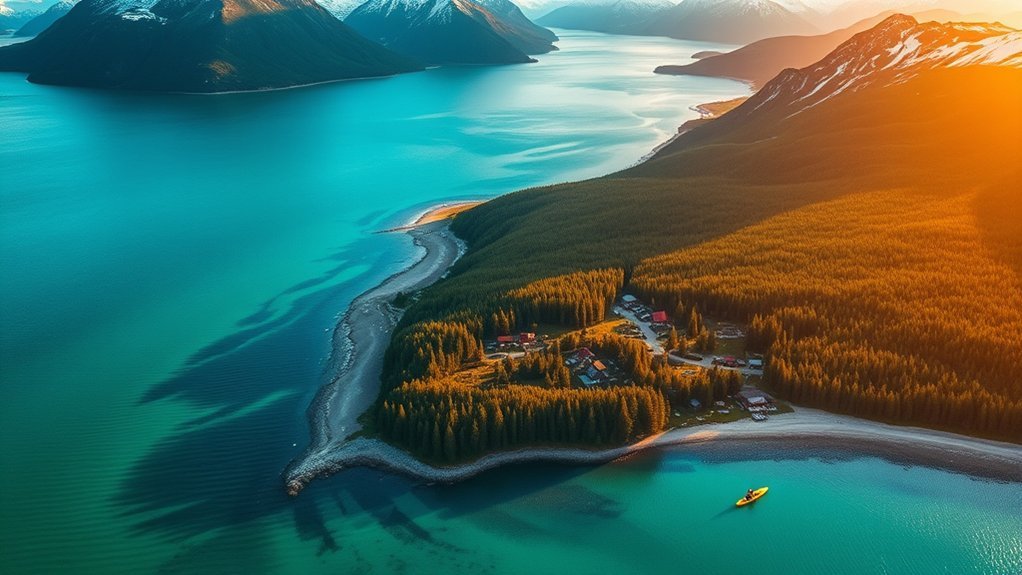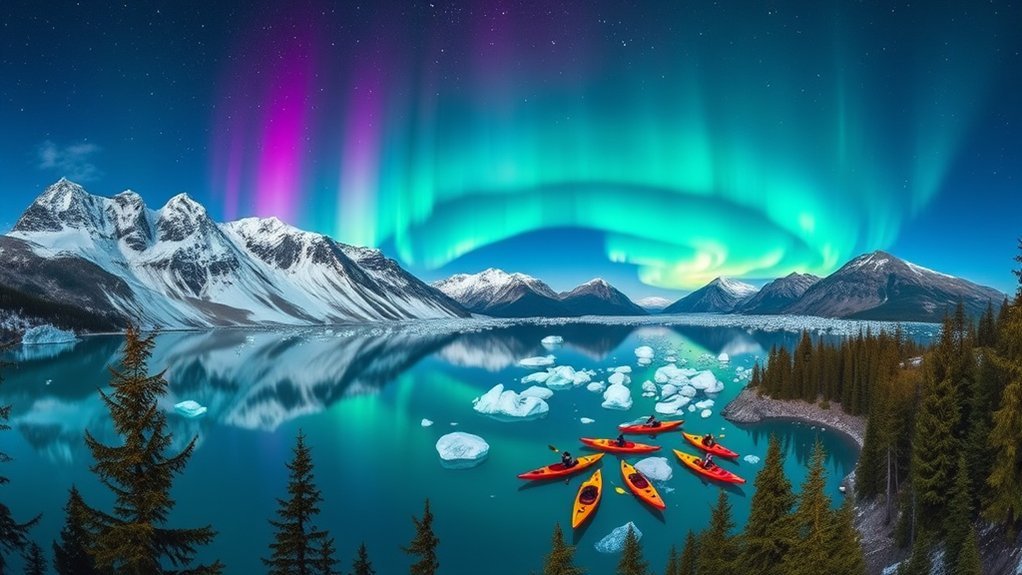
Alaska rewards travelers who plan around its enormous distances, changing seasons, and wildly different regions. You can watch brown bears fish for salmon in Katmai, cruise glacier-carved fjords, ride the Alaska Railroad through the Interior, learn from Alaska Native cultural institutions, or stay up late for the Northern Lights. The key is choosing a few experiences that fit the season and building enough travel time between them.
Quick Answer
The best things to do in Alaska include exploring Denali, cruising Glacier Bay or the Inside Passage, seeing bears in Katmai, visiting Kenai Fjords, riding the Alaska Railroad, kayaking Prince William Sound, experiencing Alaska Native cultures, fishing the Kenai River, and watching the Northern Lights.
Key Takeaways
- For a first trip, choose one or two Alaska regions instead of trying to cover the entire state.
- Summer offers the widest access to parks, cruises, wildlife tours, rail service, and hiking.
- Northern Lights viewing is strongest when nights are dark, generally from late August through April.
- Denali Park Road access is restricted in 2026, with buses traveling only as far as Mile 43.
- Remote hiking, kayaking, fishing, and wildlife viewing require more preparation than similar activities in many Lower 48 destinations.
- Book popular summer lodging, rail trips, cruises, rental cars, and limited-capacity tours well ahead when possible.
Explore Denali National Park
Denali National Park and Preserve protects about six million acres of Alaska wilderness, from low-elevation taiga to alpine tundra and the Alaska Range. Its centerpiece is Mount McKinley, the current federal name for North America’s highest peak at 20,310 feet.
Wildlife is another major attraction. Grizzly bears, moose, caribou, Dall sheep, wolves, and smaller animals live in the park, although sightings are never guaranteed. Bring binoculars and give yourself time to scan open valleys and hillsides.
Denali combines North America’s highest mountain with one of the continent’s largest protected wilderness landscapes.
Most visitors experience the park through the Denali Park Road, frontcountry trails near the entrance, ranger programs, camping, and bus trips. Private vehicles normally have limited summer access beyond the park entrance, so buses are central to exploring farther into the park.
2026 Access Note: Transit and tour buses are traveling only as far as the East Fork area at Mile 43 because of the Pretty Rocks landslide. Eielson Visitor Center and Wonder Lake Campground remain inaccessible by road. The National Park Service expects full-length bus service to resume in 2027. Check the current Denali conditions before your visit.
You do not need an extreme backcountry expedition to enjoy Denali. Short frontcountry walks, the Savage River area, a bus trip, ranger-led activities, photography, and wildlife watching can fill several days.
Cruise the Inside Passage
The Inside Passage is one of Alaska’s classic coastal experiences. Forested islands, steep mountains, narrow channels, waterfalls, glaciers, and marine wildlife define this part of Southeast Alaska.
Major cruise itineraries often stop in communities such as Ketchikan, Juneau, Sitka, and Skagway. Depending on the route, you can add whale watching, glacier excursions, hiking, cultural sites, historic districts, fishing, or local seafood.
Keep your camera and binoculars ready for humpback whales, orcas, sea otters, bald eagles, seals, and other wildlife. Sightings vary by location and season, so no single voyage guarantees every species.
You also do not have to take a large cruise ship. Independent travelers can explore parts of Southeast Alaska using regional flights and the Alaska Marine Highway. The state’s ferry system connects many coastal communities that have no road connection to the rest of Alaska. Learn more from Travel Alaska’s Inside Passage guide.
Experience the Iditarod Trail
The Iditarod National Historic Trail is much more than the route associated with the famous sled-dog race. The federally designated trail system includes a roughly 1,000-mile main route between Seward and Nome plus extensive connecting and side trails.
Its history includes Alaska Native travel routes, mail and supply transportation, mining-era communities, and winter travel across landscapes that remain extremely remote today.
Historic Trail Exploration
The Iditarod should not be treated like a continuous maintained hiking trail. Many remote sections cross wetlands, rivers, tundra, forests, and areas with very little infrastructure.
The Bureau of Land Management says long-distance travel is most practical in winter when frozen ground makes routes passable. Remote trips can require advanced skills in winter camping, navigation, extreme-weather travel, and self-rescue.
If you want the history without a major expedition, choose an accessible local segment, attend an Iditarod-related event, visit a museum or trail exhibit, or book an organized dog-mushing experience instead. Review the BLM Iditarod National Historic Trail guidance before planning independent trail travel.
Dog Sledding Adventures
Dog mushing is one of Alaska’s most distinctive experiences. Depending on the season and destination, tours may use snow-covered trails, wheeled training rigs, or helicopter access to snowfields and glaciers.
Three reasons to consider a responsible mushing experience are:
- Experience winter travel: Learn how dog teams move across snow-covered terrain and why mushing became so important in Alaska.
- Meet working sled dogs: Reputable kennels explain training, care, personalities, and the relationship between mushers and their teams.
- Learn the history: Guides can connect modern mushing with transportation, mail routes, subsistence communities, and the Iditarod tradition.
Scenic Winter Landscapes
Winter transforms Alaska into a landscape of frozen rivers, snow-covered spruce forests, open tundra, and long periods of low-angle light. A guided dog-sled trip can be a memorable way to experience it without attempting an unsupported backcountry journey.
Temperatures, daylight, wind, and trail conditions vary dramatically. Dress in layers, protect exposed skin, and follow your operator’s clothing recommendations rather than assuming ordinary winter clothing will be enough.
Visit Glacier Bay National Park
Glacier Bay National Park and Preserve combines tidewater glaciers, mountains, marine waters, wildlife, and the homeland of the Huna Tlingit. It forms part of an international UNESCO World Heritage Site shared with other protected areas in Alaska and Canada.
Most visitors see Glacier Bay by cruise ship or tour boat, although independent travelers can also reach the Bartlett Cove area near Gustavus.
Three standout experiences include:
- Glacier viewing: Watch tidewater glaciers from a safe distance and listen for the cracking and movement of ice.
- Wildlife watching: Look for humpback whales, sea otters, seals, seabirds, bears, and other animals while remembering that sightings are unpredictable.
- Kayaking: Experienced paddlers and guided groups can explore protected waters and quieter shorelines while accounting for tides, weather, cold water, and vessel traffic.
Glacier Bay is not just scenery. Its natural and human histories are closely connected, so make time for ranger programs and interpretation of the area’s Tlingit heritage. Start with the National Park Service Glacier Bay guide.
Discover the Kenai Fjords
Kenai Fjords National Park protects a dramatic meeting point of the Harding Icefield, coastal mountains, fjords, glaciers, and the Gulf of Alaska. Seward is the main gateway for most visitors.
Boat tours leave Seward during the main visitor season, with shorter trips generally staying closer to Resurrection Bay and longer tours traveling farther toward tidewater glaciers and wildlife-rich coastal areas.
You can also drive to the Exit Glacier area when the seasonal road is open and choose from accessible walks or more demanding hikes.
Glacial Landscapes Exploration
There are several ways to experience the park’s ice and mountains:
- Boat tours: A practical choice for seeing tidewater glaciers and marine wildlife without specialized paddling skills.
- Kayaking: Best for travelers who have appropriate cold-water skills or join a qualified guide.
- Hiking: The Exit Glacier area provides land access, while the Harding Icefield Trail is a strenuous undertaking requiring suitable fitness, clothing, food, water, and weather awareness.
- Photography: Glaciers, seabirds, marine mammals, wildflowers, waterfalls, and changing coastal weather provide constant subjects.
Wildlife Viewing Opportunities
Kenai Fjords supports sea otters, Steller sea lions, harbor seals, humpback whales, orcas, seabirds, bald eagles, and other wildlife. Puffins are among the birds visitors often hope to see on marine trips.
Keep expectations flexible. Wildlife moves, weather changes, and longer tours do not guarantee a particular species. A good trip is as much about the fjord landscape and marine ecosystem as checking animals off a list.
See current activities and access information through the Kenai Fjords National Park trip-planning page.
Go Wildlife Watching in Katmai National Park
If seeing Alaska brown bears is one of your biggest goals, Katmai National Park and Preserve deserves serious consideration. Brooks Camp and the Brooks River area are internationally known for bear viewing.
Three experiences stand out:
- Brown bears: Brooks Falls can be especially active in July when bears gather to catch migrating salmon. Bear distribution changes through the season, so the best viewing location can shift.
- Bird watching: Eagles, waterfowl, shorebirds, and other species add another layer to the park’s wildlife experience.
- Wild landscapes: Katmai extends far beyond Brooks Camp, with lakes, rivers, volcanoes, coastlines, and remote wilderness reached mainly by boat or aircraft.
Warning: Katmai is bear country, not a petting-zoo experience. Follow ranger instructions, food-storage rules, bear-distance requirements, and established bear etiquette at all times. Never approach a bear for a photograph.
Brooks Camp requires more logistics than a roadside wildlife stop. Flights, lodging, camping, and transportation can be limited, so plan early. Use the National Park Service Brooks Camp guide for current procedures.
Enjoy the Northern Lights
The Northern Lights, or aurora borealis, are one of Alaska’s signature cold-season attractions. Green is common, while stronger displays can also produce purple, pink, red, and other colors.
Fairbanks is one of the most popular bases because of its Interior location, long dark nights, and access to areas with less light pollution. Anchorage, Denali-area communities, and Arctic destinations can also produce excellent displays when skies and solar activity cooperate.
Alaska’s practical aurora-viewing season generally runs from late August into April, when nights become dark enough. Travel Alaska commonly identifies approximately August 21 through April 21 as the Fairbanks aurora season.
Clear skies matter as much as auroral activity, and no tour can guarantee a display. Give yourself several nights when the Northern Lights are a major reason for your trip.
Pro Tip: Build at least two or three potential viewing nights into an aurora-focused itinerary. One cloudy night can ruin a single-night plan, while several nights give you more chances for clear weather and active skies.
See current planning advice in Travel Alaska’s Northern Lights guide.
Take a Scenic Train Ride on the Alaska Railroad
A ride on the Alaska Railroad combines transportation with sightseeing. Depending on the train, you can travel between Anchorage, Seward, Talkeetna, Denali, Fairbanks, Whittier, Spencer Glacier, and other stops.
Popular summer options include:
- Coastal Classic: Anchorage to Girdwood and Seward, with dramatic views along Turnagain Arm and through the Kenai Mountains.
- Denali Star: Anchorage through Talkeetna and Denali to Fairbanks, linking several major Interior and Southcentral destinations.
- Glacier Discovery: Service toward Whittier, Portage, Spencer Glacier, and Grandview on operating dates.
The Coastal Classic and Denali Star offer dining service, while service classes and amenities vary by train.
For 2026, the Coastal Classic operates daily from May 15 through September 13, while the Denali Star season runs from May 13 through September 17 with directional exceptions on the first and last days. Always check the official Alaska Railroad schedule for your exact travel date.
Explore Anchorage’s Cultural Scene
Anchorage is more than a jumping-off point for the wilderness. Its museums, galleries, markets, public art, restaurants, and cultural institutions help explain Alaska’s history and contemporary life.
Museums, Art, and Cultural Attractions
- Anchorage Museum: Explore Alaska art, history, science, contemporary exhibitions, and Alaska Native cultural materials. The museum also houses the Smithsonian Arctic Studies Center.
- Alaska Native Heritage Center: Learn through Native-led exhibits, demonstrations, performances, languages, art, and cultural programming.
- Downtown galleries and First Friday events: Anchorage’s arts community comes alive through rotating exhibitions and monthly events.
- Tony Knowles Coastal Trail: This is not a museum or gallery, but it is an excellent cultural-and-scenic add-on. The paved trail follows the Anchorage coastline and connects parks, viewpoints, and urban landscapes.
The Anchorage Museum and Alaska Native Heritage Center are especially useful early in a trip because they provide context for places and cultures you may encounter elsewhere in Alaska.
Local Festivals and Events
Anchorage’s event calendar changes throughout the year, so match your visit to the season rather than expecting every festival to occur during summer.
| Festival/Event | What to Expect |
|---|---|
| Fur Rendezvous | Late-winter Anchorage festival with snow sculptures, races, community events, and long-running local traditions. |
| Anchorage summer markets | Local food, produce, artists, crafts, and vendors at several seasonal markets around the city. |
| Iditarod ceremonial start | A major Anchorage event associated with the Iditarod Trail Sled Dog Race before teams continue beyond the city. |
| Alaska State Fair | Concerts, agriculture, food, exhibits, and entertainment in Palmer, not Anchorage. The 2026 fair runs August 21 through September 7. |
| First Friday | Monthly gallery shows, arts events, music, and community gatherings around Anchorage. |
Experience Alaska Native Cultures
Alaska is home to many distinct Alaska Native peoples, languages, artistic traditions, and cultural regions. Treating them as one culture misses much of what makes the state extraordinary.
Three respectful ways to learn more are:
- Visit Native-led cultural centers: The Alaska Native Heritage Center in Anchorage is an excellent starting point for learning about Alaska’s major cultural regions through exhibits and live programming.
- Attend public cultural programs: Look for events, performances, artist demonstrations, storytelling, and community programs presented or supported by Alaska Native organizations.
- Buy directly from Native artists: Purchasing authentic work from artists, tribally affiliated businesses, cultural centers, or reputable galleries supports living artistic traditions.
Listen to how people and organizations identify themselves. When a specific people or community is known, terms such as Tlingit, Dena’ina, Iñupiat, Yup’ik, Alutiiq, Unangax̂, Haida, or Tsimshian are often more informative than a broad label.
Hike in Wrangell-St. Elias National Park
Wrangell-St. Elias National Park and Preserve covers 13.2 million acres, making it the largest U.S. national park. Its mountains, glaciers, historic mining landscapes, and enormous wilderness provide everything from short walks to serious expeditions.
Do not assume it functions like a heavily developed national park. There are relatively few maintained trails, roads are limited, and much of the backcountry requires route-finding rather than following a marked path.
For a more approachable visit, base yourself around areas such as Kennecott and McCarthy or explore frontcountry routes recommended by the National Park Service. Experienced backcountry travelers can consider longer routes only after accounting for navigation, river crossings, bears, difficult weather, glacier hazards, and limited rescue options.
2026 Safety Alert: In July 2026, the National Park Service closed a hazardous area beneath unstable rock near the Root Glacier access trail north of Kennecott. Conditions can change, so check Wrangell-St. Elias safety information and current alerts before hiking.
Kayak in Prince William Sound
Prince William Sound offers sheltered-looking coves, forested shorelines, glaciers, waterfalls, islands, and abundant marine wildlife. From the water, the scale of the surrounding mountains becomes even more impressive.
A kayaking trip may include:
- Glacier scenery: Paddle in areas with views of tidewater and valley glaciers while maintaining safe distances from unstable ice and shorelines.
- Wildlife encounters: Sea otters, seals, seabirds, and occasionally whales may appear, but give wildlife plenty of room.
- Quiet coves: Small craft can reach shorelines and inlets that feel far removed from busier ports.
Warning: Prince William Sound is cold-water paddling. Calm-looking water can still involve hypothermia risk, strong tides, wind, rain, waves, vessel traffic, and rapidly changing weather. Wear an appropriate personal flotation device and use a qualified guide if you do not already have cold-water sea-kayaking skills.
Whittier and Valdez are common gateways for guided trips, day cruises, and other Prince William Sound excursions.
Visit the Historic Town of Sitka
Sitka combines Tlingit heritage, Russian-American history, coastal scenery, wildlife, and a compact downtown that works well for walking. Mountains rise behind the harbor while islands scatter across Sitka Sound.
Explore Native Heritage
Start at Sitka National Historical Park, where the Totem Trail passes original and replica poles carved by Alaska Native artists. The trail provides a much more accurate experience than thinking of the poles simply as anonymous “ancient” artifacts.
You can also:
- Learn about the 1804 Battle of Sitka and the continuing presence and resilience of the Tlingit people.
- Visit the Russian Bishop’s House to understand part of Sitka’s Russian colonial history.
- Seek out contemporary work by local and Alaska Native artists rather than treating Native culture only as history.
See the National Park Service Sitka hiking and Totem Trail information before your visit.
Scenic Waterfront Views
Sitka’s harbor and shoreline are framed by forested mountains and the waters of Sitka Sound. Fishing boats, seabirds, marine mammals, and changing weather make even a simple waterfront walk worthwhile.
Allow time to explore slowly rather than rushing between attractions. Sitka works particularly well for travelers who want cultural history and outdoor scenery within the same compact destination.
Fish in the Kenai River
The Kenai River is famous for salmon and rainbow trout, but fishing opportunities change by species, river section, date, run strength, and emergency regulation.
You may encounter sockeye salmon, coho salmon, pink salmon in applicable years, rainbow trout, Dolly Varden, and king salmon in the river system, but the presence of a species does not mean it is legal to target, retain, or use a particular fishing method for it on the day you visit.
A guided trip can be especially useful for first-time Alaska anglers because a local guide can provide equipment, boat access, fishing techniques, and help interpreting current regulations.
2026 Regulation Note: Alaska Department of Fish and Game emergency orders significantly restricted Kenai-area king salmon fishing during the 2026 season. Regulations can change after the annual booklet is printed. Check the current ADF&G emergency orders immediately before fishing.
Whether you are a beginner or experienced angler, the river’s clear water, forests, mountains, and wildlife can make the setting as memorable as the catch.
Discover the Wonders of the Arctic Circle
Crossing the Arctic Circle is less about a single attraction and more about entering a vast northern landscape of boreal forest, tundra, rivers, mountains, extreme seasonal daylight, and very small communities.
Road travelers often reach the Arctic Circle along the Dalton Highway from Fairbanks. Continuing north brings increasingly remote scenery and, eventually, the Brooks Range and Arctic tundra.
Depending on where you travel, you may see caribou, moose, foxes, birds, muskoxen, or other wildlife. Do not plan an Arctic Circle road trip around seeing polar bears. Polar-bear viewing is associated with particular Arctic coastal areas and specialized trips, not simply crossing the latitude line.
Summer brings extraordinarily long daylight, while the darker months offer opportunities for aurora viewing. Either way, fuel, food, lodging, cellular coverage, road conditions, weather, and emergency services require more thought than on a typical highway trip.
Plan Your Alaska Trip Around Time, Season, and Distance
One of the easiest ways to make an Alaska trip disappointing is to underestimate its size. Anchorage, Fairbanks, Southeast Alaska, Katmai, the Kenai Peninsula, and the Arctic are not interchangeable day trips.
Choose One or Two Regions
For a short trip, concentrate on one region. With roughly a week, Anchorage plus the Kenai Peninsula or Anchorage plus Denali can work well. With 10 to 14 days, you can combine more of Southcentral Alaska and the Interior without spending every day in transit.
Southeast Alaska is often a separate trip because communities such as Juneau, Sitka, and Ketchikan are connected mainly by air and water rather than the main Alaska road system.
Katmai and remote Arctic destinations add additional flights and weather-dependent logistics, so give them buffer time.
Best Time for Different Alaska Experiences
| Season | Best For | What to Know |
|---|---|---|
| May | Longer daylight, spring scenery, early cruises and tours | Some seasonal services and higher-elevation trails may not yet be fully open. |
| June-August | Broadest park access, hiking, cruises, wildlife trips, fishing, railroad travel | Peak demand means higher prices and greater need for reservations. |
| Late August-September | Fall color, some aurora opportunities, late-season wildlife and travel | Daylight drops quickly and seasonal services begin closing. |
| October-April | Northern Lights, snow, dog mushing, winter recreation | Expect cold, limited daylight at times, fewer visitor services, and winter-driving considerations. |
Getting Around Alaska
A rental car is useful in road-connected Southcentral and Interior Alaska, but it is not the only option. Depending on your itinerary, you can combine:
- Alaska Railroad service between several major Southcentral and Interior destinations.
- Motorcoach and shuttle services for selected parks and communities.
- Regional airlines and air taxis for communities without road access.
- Alaska Marine Highway ferries for many coastal communities.
- Day cruises and organized tours for glaciers, wildlife, and marine areas.
- Local buses, taxis, and rideshare services in larger communities where available.
Public transportation is not comprehensive statewide. Always confirm how you will get from the airport, rail station, or ferry terminal to your lodging and attractions before booking a car-free itinerary.
Alaska Safety Basics
Alaska’s scenery can make hazards easy to underestimate. A few habits greatly reduce risk:
- Check weather, road, trail, marine, and park conditions before setting out.
- Carry layers and rain protection even when the morning forecast looks good.
- Know bear-safety practices and follow food-storage requirements.
- Give all wildlife a generous amount of space.
- Do not approach glaciers, icebergs, cliffs, river crossings, or cold water casually.
- For remote travel, consider how you would communicate if cellular service disappears.
- Tell someone your route and expected return time when heading into backcountry areas.
The farther you move from developed communities, the more self-sufficient you should be.
Frequently Asked Questions
What is the best time of year to visit Alaska?
June through August is the easiest period for a first trip because most seasonal tours, park services, cruises, roads, and summer rail routes are operating. May and September can offer fewer crowds and seasonal scenery. For the Northern Lights, plan for dark nights from roughly late August through April.
Are there any entry requirements for traveling to Alaska?
Alaska is part of the United States, so there is no separate Alaska immigration requirement for domestic travelers. Adults flying within the U.S. should carry a REAL ID-compliant license or another identification accepted by TSA. International visitors must meet the applicable U.S. passport, visa, ESTA, immigration, and customs requirements for their nationality and itinerary.
How do I get around Alaska without a car?
You can build a car-free itinerary using the Alaska Railroad, scheduled coaches, park shuttles, regional flights, ferries, local transit, taxis, and guided tours. However, public transportation does not cover the entire state, so confirm every connection before booking lodging.
What are the recommended accommodations in Alaska?
Options range from downtown hotels and roadside motels to cabins, wilderness lodges, hostels, campgrounds, and bed-and-breakfasts. Choose lodging based on your transportation plan first. A beautiful remote property is not convenient if you have no practical way to reach your tours, rail station, or airport.
Is it safe to hike alone in the Alaskan wilderness?
Solo hiking can carry serious risks, especially in remote areas with bears, river crossings, rapidly changing weather, difficult navigation, and limited cellular coverage. Easy frontcountry trails are very different from remote backcountry routes. Match the trip to your experience, tell someone your plan, carry appropriate equipment, and consider a guide for unfamiliar wilderness terrain.
How many days do you need for an Alaska vacation?
A week is enough for a focused trip to one region or a simple Anchorage, Kenai Peninsula, and Denali combination. Ten to fourteen days gives you more breathing room for multiple destinations. Remote areas such as Katmai, Southeast Alaska, or the Arctic may justify dedicated trips or extra weather-buffer days.
Do I need to book Alaska activities in advance?
For peak summer travel, advance reservations are wise for limited lodging, rental cars, Alaska Railroad tickets, popular cruises, bear-viewing trips, fishing charters, flightseeing, and other capacity-limited tours. Shoulder-season travelers may have more flexibility, but remote destinations can have limited inventory year-round.
Can you see Alaska’s main attractions in one trip?
Not realistically in a short vacation. Alaska is enormous, and many destinations are separated by long drives, flights, ferries, or weather-dependent connections. A better trip usually comes from choosing the experiences you care about most and concentrating on one or two regions.
Conclusion
The best Alaska trip is not the one that checks off the most destinations. It is the one that gives you enough time to experience a few places well. You might watch bears in Katmai, ride the rails toward Denali, cruise beneath glaciers, paddle Prince William Sound, explore Sitka’s cultural history, or wait under a dark Fairbanks sky for the aurora. Build your itinerary around the season, verify current conditions, leave room for Alaska’s long travel times, and the state’s mountains, wildlife, coastlines, and communities will provide more than enough adventure.
Sources
- National Park Service: Denali Current Conditions — current Denali Park Road access, closures, and visitor-service information.
- Bureau of Land Management: Iditarod National Historic Trail — trail access, winter travel conditions, recreation, and self-reliance requirements.
- National Park Service: Glacier Bay National Park and Preserve — Glacier Bay access, natural resources, cultural history, and visitor planning.
- National Park Service: Katmai Brooks Camp — bear viewing, Brooks Camp planning, access, and visitor requirements.
- Alaska Railroad: Official Train Schedules — current routes, operating dates, and seasonal rail service.
- Alaska Department of Fish and Game: Emergency Orders — current fishing openings, closures, limits, and regulation changes.