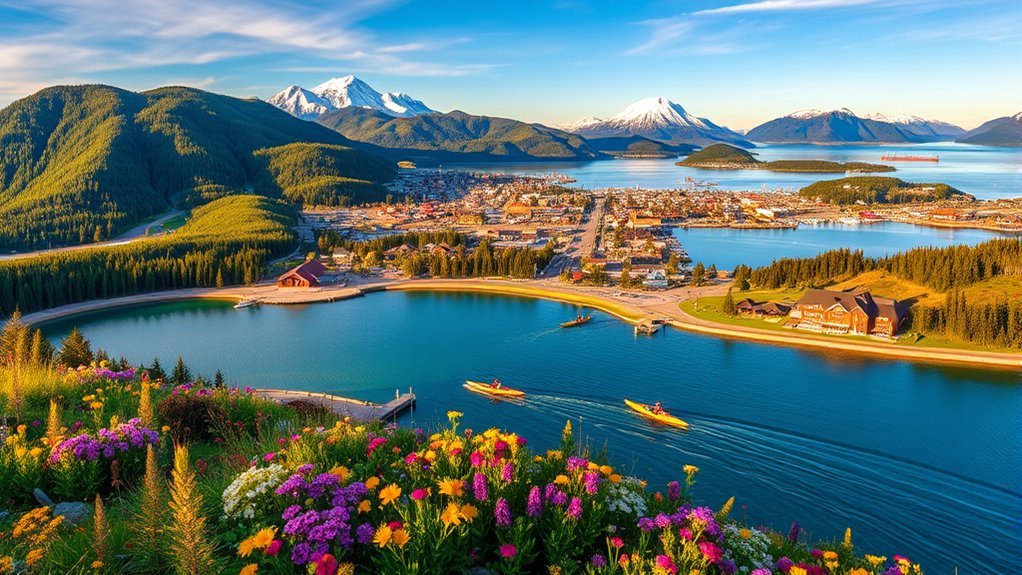
Anchorage gives you an unusual mix of Alaska wilderness and city attractions in the same trip. You can bike along Cook Inlet in the morning, learn about Alaska Native cultures in the afternoon, and finish the day with a museum, local brewery, or live performance. The best choices depend on your season, available time, transportation, and comfort with outdoor activities.
Quick Answer
The best things to do in Anchorage combine culture with easy access to nature. Walk or bike the Tony Knowles Coastal Trail, visit the Alaska Native Heritage Center and Anchorage Museum, explore Chugach State Park, see Alaska wildlife, fish Ship Creek, and use Anchorage as a base for glacier cruises or day trips.
Key Takeaways
- For a first visit: combine the Tony Knowles Coastal Trail, Alaska Native Heritage Center, Anchorage Museum, and at least one outdoor excursion.
- For wildlife: visit the Alaska Wildlife Conservation Center or watch responsibly for wild moose and birds on Anchorage trails.
- For glaciers: plan a day cruise from Whittier or a longer day trip toward Seward.
- For winter: look at dog sledding, snowy trails, museums, performances, and other cold-weather activities.
- Before outdoor activities: check weather, trail conditions, wildlife guidance, fishing regulations, and seasonal operating schedules.
Plan Your Anchorage Activities by Season
Anchorage changes dramatically with the seasons, so the best activity list depends on when you visit. Summer brings long daylight hours, hiking, biking, fishing, markets, glacier cruises, and the widest choice of day tours. Winter adds snow sports, dog sledding, winter trails, and opportunities to experience a very different side of Alaska.
Spring and fall can be rewarding as well, but some seasonal tours and attractions operate on reduced schedules. Check individual attraction calendars rather than assuming a summer activity operates year-round.
Note: Anchorage receives exceptionally long daylight during the summer travel season. That makes it possible to combine a museum or cultural attraction with an evening walk, bike ride, or scenic drive without packing everything into the middle of the day.
Explore the Tony Knowles Coastal Trail
The Tony Knowles Coastal Trail is one of the easiest ways to experience Anchorage’s scenery without committing to a mountain hike. The paved multi-use trail runs about 11 miles between downtown Anchorage and Kincaid Park.
You can walk a short downtown section, rent a bike for a longer ride, or travel the full route and return for a roughly 22-mile out-and-back trip. Along the way, the trail passes coastal marshes, wooded areas, viewpoints, and sections overlooking Cook Inlet.
Moose and eagles are among the wildlife that may be seen along the route, but wildlife sightings are never guaranteed. Give any animal plenty of room and never approach it for a photograph.
Pro Tip: You do not have to complete all 11 miles. If your schedule is tight, start near downtown and ride or walk only as far as your time and energy allow.
Visit the Alaska Native Heritage Center
The Alaska Native Heritage Center is one of the most important cultural stops in Anchorage. It is a living cultural and educational center dedicated to Alaska Native cultures, traditions, histories, and contemporary life.
Inside, exhibits and programs introduce visitors to Alaska Native art, storytelling, language, history, and cultural practices. Outside, village sites help visitors understand traditional structures and the ways different Alaska Native peoples have adapted to their environments.
During the summer season, the center offers guided outdoor village-site tours led by Alaska Native culture bearers. Programs and schedules can change by season, so use the center’s current calendar when planning your visit.
Give yourself enough time to listen rather than treating the center as a quick photo stop. The experience is most valuable when you pay attention to the perspectives and explanations shared by the people represented there.
Discover the Anchorage Museum
The Anchorage Museum combines Alaska art, history, science, and stories of the North in one downtown attraction. It is particularly useful on a rainy day or when your group wants a break from strenuous outdoor activities.
Art, History, and Alaska Native Perspectives
The galleries explore northern landscapes, Alaska history, contemporary art, and life across the Arctic and sub-Arctic. The museum also houses the Smithsonian Arctic Studies Center, which connects visitors with cultural heritage objects and Alaska Native perspectives.
Rather than presenting Alaska only as wilderness, the museum helps explain the people, communities, technology, history, and environmental forces that have shaped the state.
Interactive Learning and the Planetarium
The museum also offers interactive science experiences and a planetarium. Current programming includes shows and exhibits that explore subjects such as Arctic light, space, glaciers, water, and northern environments.
Families can move between traditional galleries and hands-on areas, which makes the museum easier to enjoy with different ages and interests.
Visit Glen Alps and Hike Flattop Mountain
A drive to the Glen Alps Trailhead puts you at the edge of Chugach State Park and gives you mountain views surprisingly close to Anchorage.
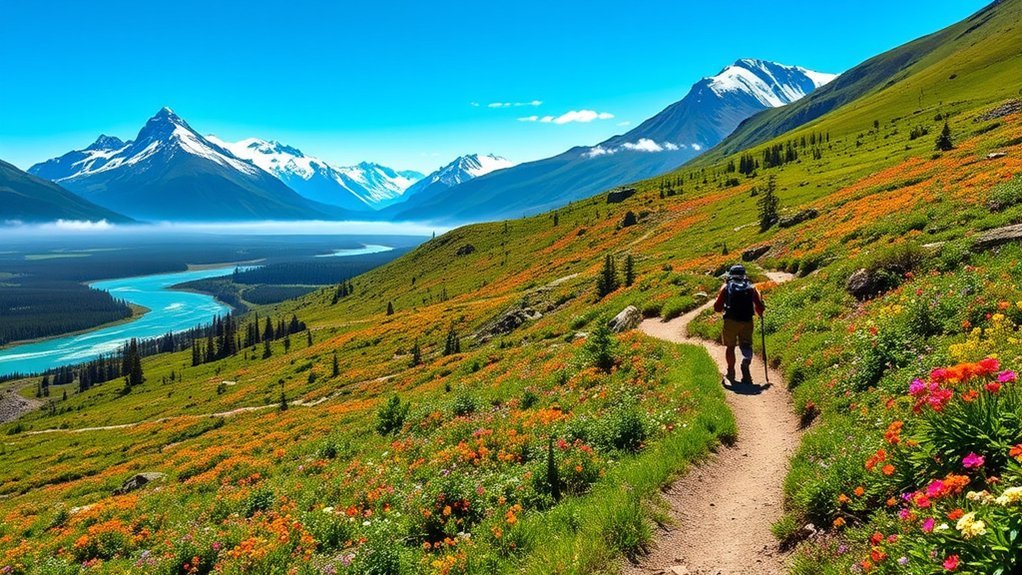
You do not have to summit Flattop to enjoy the area. Visitors who want a lighter outing can enjoy the viewpoint and choose nearby trails that suit their ability. Strong hikers can consider the Flattop Mountain summit route.
What to Expect on the Flattop Summit Trail
Alaska State Parks lists the Flattop Mountain Trail as about 1.5 miles one way with approximately 1,300 feet of elevation gain. The route is rated difficult and includes steep terrain and scrambling near the upper mountain.
Views can include Anchorage, Cook Inlet, Turnagain Arm, and the Alaska Range when weather and visibility cooperate.
Warning: Do not treat the Flattop summit as a casual sightseeing walk. Alaska State Parks warns about steep terrain, scrambling, falling rocks, and serious fall hazards. Wear suitable footwear, turn around if conditions exceed your ability, and keep children closely supervised.
Parking at Glen Alps can also fill during busy periods. Alaska State Parks provides a Glen Alps parking-lot webcam so you can check conditions before driving up.
Experience the Alaska Wildlife Conservation Center
The Alaska Wildlife Conservation Center is a popular wildlife stop south of Anchorage in Portage Valley. It is a nonprofit sanctuary focused on wildlife conservation, education, research, and animal care.
The center receives injured and orphaned animals, and many become permanent residents. Visitors may see species such as bears, moose, bison, musk oxen, wolves, and other Alaska wildlife in spacious managed habitats.
Four reasons it works well as an Anchorage-area excursion are:
- Wildlife viewing: You can see several Alaska species without depending entirely on chance encounters in the wild.
- Education: Interpretive information explains the animals and conservation work.
- Photography: The surrounding Chugach scenery creates an attractive backdrop, although visitors should respect barriers and animal space.
- Family appeal: The center offers an accessible way for children and adults to learn about Alaska wildlife together.
Because the center is outside central Anchorage, include driving time when building your day. It pairs well with a southbound trip toward Portage, Whittier, or other Turnagain Arm attractions.
Enjoy Anchorage’s Craft Breweries
Anchorage has a substantial craft-beer scene, and a brewery stop can be a relaxed way to end an active day. Current Anchorage breweries include businesses such as Anchorage Brewing Company and Midnight Sun Brewing Company, while downtown brewpubs provide additional options.
Instead of looking for one supposedly essential Alaska beer, check each brewery’s current tap list. Local offerings can include IPAs, lagers, pilsners, Belgian-inspired ales, dark beers, barrel-aged releases, and seasonal recipes.
Brewery Visits, Tours, and Tastings
Do not assume every brewery offers a formal tour every day. Some operate primarily as taprooms or brewpubs, while special tours and events may require advance booking.
Check hours before traveling across town, bring appropriate identification if you plan to drink alcohol, and arrange transportation if necessary. Food availability also varies by brewery.
Go Fishing in Ship Creek
Ship Creek gives anglers a rare opportunity to fish for salmon close to downtown Anchorage. During active runs, you may see local residents and visitors fishing within sight of the city’s buildings and transportation infrastructure.
Fishing conditions and legal limits change by species, season, location, and emergency order. Before casting, check the Alaska Department of Fish and Game Anchorage fishing report, current sport-fishing regulations, license requirements, and any active emergency orders.
Note: Ship Creek’s regulations have changed during the 2026 season through emergency orders. That is why a live ADF&G source is more reliable than a static bag limit printed in a travel article.
If you are new to salmon fishing, a guided trip can simplify tackle, technique, timing, and regulation questions. Even if you do not fish, walking near the creek during an active salmon run gives you a look at an unusual part of Anchorage life.
Walk Through Downtown Anchorage
Downtown Anchorage is compact enough to explore on foot and works well between scheduled attractions. It combines restaurants, local shops, public art, museums, visitor services, and performing-arts venues within a relatively concentrated area.
As you walk, look for:
- Local art: Galleries and shops carry work from Alaska artists and craftspeople.
- Historic context: Downtown landmarks and interpretive displays help explain Anchorage’s development.
- Alaska-made products: Look carefully at labels if buying souvenirs and distinguish locally made work from generic imports.
- Food: Downtown restaurants make it easy to combine sightseeing with seafood, casual meals, coffee, or local beer.
Downtown works best as the connecting piece of an Anchorage itinerary: pair it with the museum, Coastal Trail, performing arts, shopping, or a meal rather than treating it as an isolated attraction.
Take a Glacier Tour in Prince William Sound
A Prince William Sound glacier cruise is one of the strongest day-trip options from Anchorage, but the cruises generally depart from Whittier rather than downtown Anchorage.
The journey can include tidewater glaciers, floating ice, forested mountains, waterfalls, and marine wildlife. Seals, sea lions, sea otters, whales, and seabirds live in the region, although no specific wildlife sighting or glacier-calving event can be guaranteed.
Glaciers and Ice
Prince William Sound contains a high concentration of glaciers, and different cruise routes may visit areas such as College Fjord, Blackstone Bay, or Harriman Fjord. Conditions and routes vary with weather, ice, and operator schedules.
Bring a warm outer layer even on a pleasant Anchorage day. Conditions on the water can feel much colder than conditions in town.
Wildlife Spotting
Keep binoculars or a camera ready, but treat wildlife as a bonus rather than a promise. Responsible tour operators keep appropriate distances while allowing passengers to observe animals and landscapes.
If you are prone to motion sickness, research the vessel and conditions before departure even though Prince William Sound is relatively protected compared with exposed Gulf of Alaska waters.
Visit an Anchorage Summer Market
Summer markets are a good place to browse Alaska-grown food, locally made products, art, prepared food, and community vendors. However, market names, locations, dates, and schedules can change, so older Anchorage travel guides are not always reliable.
For a verified 2026 option, the Anchorage Farmers Market lists a season running from May 16 through October 10, 2026, on Saturdays from 9 a.m. to 2 p.m. at 15th Avenue and Cordova Street.
If you are specifically searching for the Anchorage Market & Festival mentioned in older guides, verify its current location and operating dates before building your day around it. Anchorage also has other neighborhood markets and seasonal vendor events.
At any market, look beyond generic souvenirs. Locally grown produce, Alaska seafood, handmade crafts, art, and products that identify their maker or origin give you a stronger connection to the community.
Hike and Explore Kincaid Park
Kincaid Park is a major recreation area on Anchorage’s west side and connects directly with the Tony Knowles Coastal Trail.
The Municipality of Anchorage reports approximately 60 kilometers of interwoven trails at Kincaid, including nearly 20 kilometers of lighted trail. Depending on the season, people use the park for walking, running, hiking, cycling, skiing, and organized recreation.
| Kincaid Feature | What to Know |
|---|---|
| Trail network | About 60 km of interwoven trails according to Anchorage Parks and Recreation. |
| Lighted trails | Nearly 20 km are lighted, useful during Anchorage’s darker seasons. |
| Coastal Trail access | The 11-mile Tony Knowles Coastal Trail connects the park with downtown Anchorage. |
| Best approach | Choose a route from the current municipal trail map based on season, distance, and allowed trail use. |
Because the trail network is extensive, use an official map instead of relying on informal route names or old mileage figures. Wildlife can also be present in the park, so stay alert.
Attend a Performance at the Alaska Center for the Performing Arts
The Alaska Center for the Performing Arts gives you an indoor cultural option in downtown Anchorage. Programming can include theater, live music, dance, comedy, Broadway productions, opera, community events, and youth programs.
Reasons to consider an evening performance include:
- Variety: The calendar includes both touring productions and Alaska-based performers.
- Convenient location: The venue is downtown, making it easy to combine with dinner or other central attractions.
- Year-round value: It provides an activity that is not dependent on hiking weather.
- Local culture: Community productions can show a side of Anchorage that visitors miss when concentrating only on wilderness excursions.
Check the current event calendar before your trip because performances vary substantially by date.
Extend Your Coastal Trail Day
If the Tony Knowles Coastal Trail becomes one of your favorite Anchorage experiences, give yourself extra time to explore beyond a short downtown walk. The full route moves through several different landscapes before reaching Kincaid Park.
Cyclists can make the trail a half-day outing, while walkers can choose a manageable segment and spend more time at viewpoints. Coastal scenery changes with weather, tide, and visibility, so two trips along the trail can feel surprisingly different.
Watch for wildlife without blocking the trail or moving closer to animals. Moose can appear in Anchorage’s green spaces, and they need far more room than many first-time visitors expect.
Go Dog Sledding
Dog sledding is closely associated with an Alaska winter, but visitors are not limited to one season. Anchorage-area operators offer traditional winter mushing when snow conditions allow, while summer experiences may use wheeled equipment or reach snow and glacier locations outside the city.
Winter outings can give you the classic experience of traveling over snow behind a working dog team. Depending on the operator, you may also meet the dogs and learn how mushers train, care for, and manage their teams.
Summer experiences are different but can still introduce visitors to sled dogs and mushing culture. Visit Anchorage maintains current information on winter dog sledding and seasonal options.
Book with a reputable operator, read the physical requirements, and dress for the actual location rather than assuming conditions will match downtown Anchorage.
Take a Day Trip to Seward or Whittier
Anchorage makes a useful base for exploring Southcentral Alaska. Two of the most popular coastal options are Seward and Whittier, but they create very different day trips.
Seward
Seward is roughly 120 miles from Anchorage by road. The drive follows the Seward Highway and is scenic enough that photo stops can add substantial time.
Once there, visitors can explore the harbor, eat seafood, walk around town, or take a wildlife and glacier cruise into the Kenai Fjords area. Because of the travel time, Seward works best as a long day trip or overnight stay rather than a rushed side excursion.
Whittier
Whittier is closer to Anchorage and serves as the main departure point for many Prince William Sound glacier cruises.
Reaching Whittier by road requires traveling through the Anton Anderson Memorial Tunnel, a single-lane tunnel shared by alternating traffic and trains.
Warning: If you are driving to a timed Whittier cruise, plan around the official tunnel schedule. Arriving at the tunnel at the wrong time can create a significant delay and may cause you to miss a departure.
Whittier is particularly good when glaciers are your priority. Seward generally requires more travel but gives you a different coastal setting and access to Kenai Fjords experiences.
Getting Around Anchorage
A rental car gives you the most flexibility for Glen Alps, Kincaid Park, the Alaska Wildlife Conservation Center, Whittier, and other attractions outside the downtown core. However, you can still build a worthwhile Anchorage visit without driving everywhere.
Downtown is walkable, bicycles can work well for the Coastal Trail, taxis and rideshare services cover many urban trips, and the Municipality of Anchorage operates the People Mover bus system.
Public-transit routes and schedules can change. Check the current timetable for the exact date and destination rather than relying on an old travel article.
Stay Safe Around Anchorage Wildlife
Anchorage’s green spaces are real wildlife habitat. Seeing a moose or other wild animal can be a trip highlight, but the safest encounter is one where the animal continues its normal behavior without being approached.
Give moose plenty of room, especially cows with calves. Never feed them. If an animal changes its behavior because of your presence, increase your distance.
In bear country, stay alert, make enough noise to avoid surprising a bear in poor visibility, keep food and garbage controlled, and never run from a bear encounter. Review Alaska Department of Fish and Game bear-safety guidance before hiking in areas where bears may be present.
Choose Activities for the Time You Have
If You Have One Day
Stay relatively close to the city. A strong first day could combine the Anchorage Museum or Alaska Native Heritage Center with downtown, then finish with a walk or bike ride on the Tony Knowles Coastal Trail.
If outdoor scenery matters more than museums, substitute Glen Alps for one indoor attraction, but choose the summit trail only if your ability, equipment, weather, and available daylight support it.
If You Have Two or Three Days
Use one day for Anchorage itself, one for the Turnagain Arm/Portage/Whittier direction, and another for culture, trails, wildlife, or a longer Seward trip.
This approach gives you more variety than trying to drive to a distant destination every day.
If the Weather Turns Bad
Move indoor activities forward rather than abandoning the day. The Anchorage Museum, Alaska Native Heritage Center’s indoor spaces, performing arts, restaurants, shops, and brewery taprooms give you useful alternatives when mountain conditions are poor.
Rain in Anchorage does not necessarily ruin a trip, but poor visibility, high winds, ice, or unsafe trail conditions are good reasons to change outdoor plans.
Frequently Asked Questions
What is the best time to visit Anchorage for outdoor activities?
Late spring through early fall offers the broadest selection of hiking, biking, fishing, markets, glacier cruises, and long daylight. Winter is better if dog sledding, snow activities, and a cold-weather Alaska experience are your priorities.
Are guided tours available in Anchorage?
Yes. Depending on the season, options can include cultural tours, wildlife trips, city sightseeing, glacier cruises, fishing, dog sledding, cycling, hiking, and other guided outdoor activities. Verify operating dates directly with the provider.
What transportation options are available within Anchorage?
Options include walking, cycling, rental cars, taxis, rideshare services, and the Municipality of Anchorage’s People Mover bus system. A car becomes more useful for trailheads and attractions outside central Anchorage.
Is Anchorage family-friendly?
Yes. Families can choose from the Anchorage Museum, Alaska Native Heritage Center, wildlife attractions, paved trails, parks, markets, and short scenic outings. Match mountain hikes and winter activities to each child’s age and ability.
Where can I find local dining recommendations in Anchorage?
Downtown, Spenard, Midtown, and other Anchorage neighborhoods offer seafood, international food, bakeries, coffee, casual restaurants, and breweries. Current local tourism guides and restaurant websites are more useful than relying on an old fixed list because openings and hours change.
How many days do I need in Anchorage?
Two or three days gives most first-time visitors enough time for major Anchorage attractions plus one larger outdoor excursion. Add more time if you want separate day trips to Whittier, Seward, or other parts of Southcentral Alaska.
Do I need a rental car in Anchorage?
Not necessarily for downtown attractions, but a car makes it much easier to reach Glen Alps, Kincaid Park, Portage Valley, the Alaska Wildlife Conservation Center, Whittier, and other destinations outside the central city.
What can I do in Anchorage when it rains?
Good rainy-day choices include the Anchorage Museum, cultural attractions, local restaurants, breweries, shopping, and scheduled performances. Light rain may still be manageable on easier trails if conditions remain safe and you have proper clothing.
Conclusion
Anchorage works best when you mix city experiences with Alaska’s outdoors. Start with cultural anchors such as the Alaska Native Heritage Center and Anchorage Museum, then add the Coastal Trail, Chugach State Park, wildlife, fishing, or a glacier excursion that matches your season and available time.
You do not need to summit a mountain or drive hundreds of miles every day to have a memorable trip. Some of Anchorage’s strongest experiences are close to town. Plan around current weather and operating schedules, give wildlife room, and leave enough flexibility to change your plans when Alaska conditions change.
Sources
- Visit Anchorage: Tony Knowles Coastal Trail — verifies the 11-mile trail, route, and recreation information.
- Alaska Native Heritage Center — current visitor and cultural-program information.
- Anchorage Museum — current exhibitions, science experiences, planetarium, and visitor information.
- Alaska State Parks: Chugach State Park Recreational Opportunities — Flattop Mountain distance, elevation gain, difficulty, and safety information.
- Alaska Department of Fish and Game: Anchorage Fishing Report — current Ship Creek fishing conditions, regulations, and emergency-order guidance.
- Alaska Wildlife Conservation Center — sanctuary mission, animal care, conservation, and visitor information.