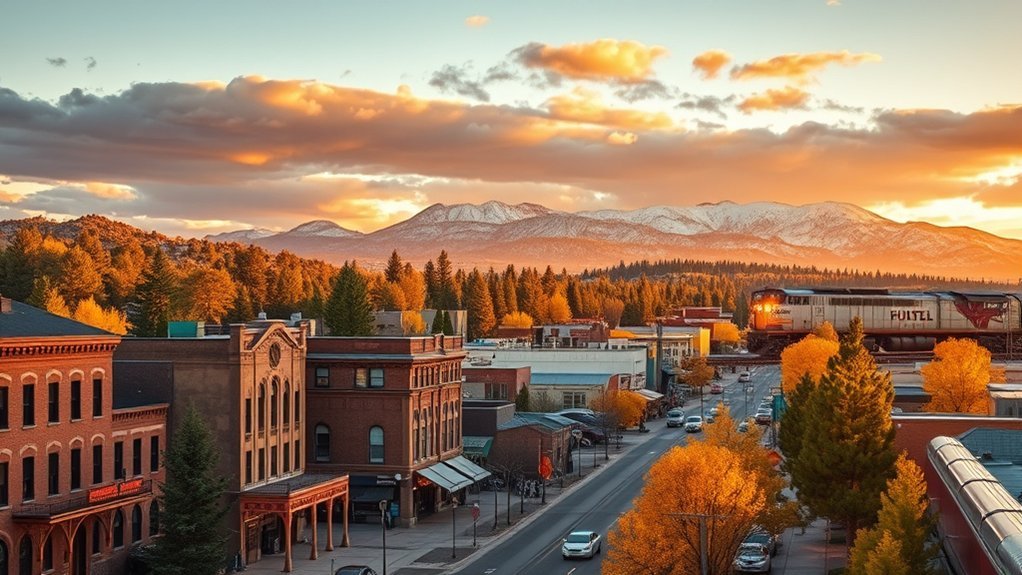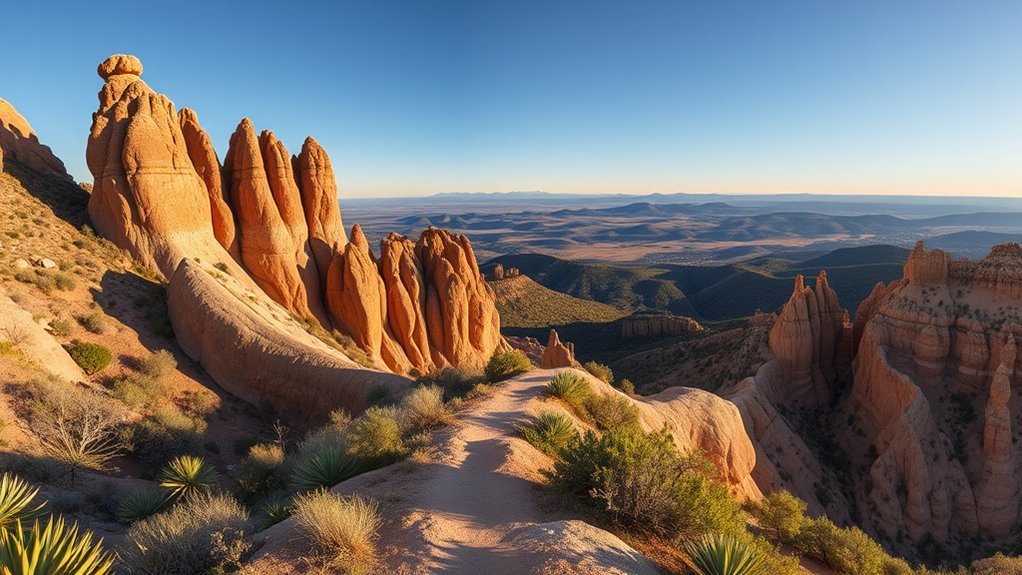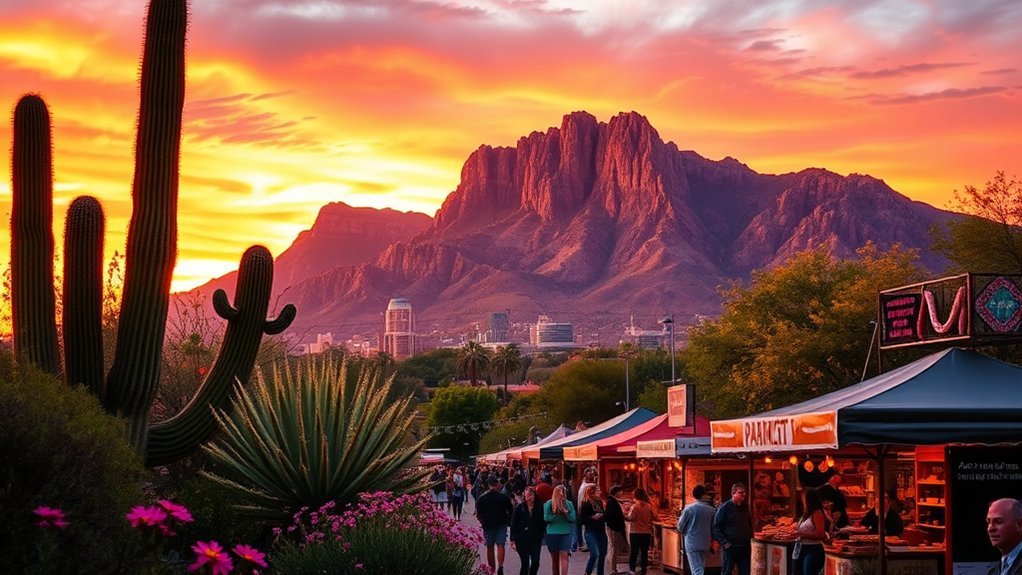
Phoenix combines Sonoran Desert scenery with major museums, family attractions, professional sports, architecture, food, and an active arts scene. You can hike at sunrise, spend the hottest part of the day indoors, and finish with a concert, baseball game, or downtown dinner. The key is choosing activities that fit the season, especially when summer heat affects trails and outdoor plans.
Quick Answer
The best things to do in Phoenix include visiting Desert Botanical Garden, hiking Camelback Mountain or South Mountain, exploring the Heard Museum and Musical Instrument Museum, seeing the Phoenix Zoo, attending a Diamondbacks game, exploring downtown arts and food, and taking a day trip to Sedona.
Key Takeaways
- Plan outdoor activities for the coolest part of the day and keep indoor museums and attractions for hotter hours.
- Camelback Mountain and the Piestewa Peak Summit Trail are strenuous hikes, not casual walks.
- Phoenix has excellent indoor choices, including the Heard Museum, Phoenix Art Museum, Arizona Science Center, and Musical Instrument Museum.
- Families can easily combine Papago Park, Phoenix Zoo, Desert Botanical Garden, and the Children’s Museum of Phoenix.
- Schedules, trail closures, exhibitions, road conditions, and event formats can change, so check official sources shortly before visiting.
Warning: Phoenix heat can make a normally manageable hike dangerous. The City of Phoenix restricts several popular trails from 8 a.m. to 5 p.m. when the National Weather Service issues an Extreme Heat Warning. Check the Phoenix Trail Heat Safety Program before hiking, carry more water than you expect to need, and turn around before your water is half gone.
How to Plan Your Phoenix Activities
Phoenix rewards a flexible schedule. In cooler months, you can spend much more of the day outside. During hot weather, put hikes, gardens, canals, and parks early in the morning and save museums, shopping, and other air-conditioned attractions for the afternoon.
- For outdoor scenery: Camelback Mountain, Papago Park, South Mountain Park/Preserve, Piestewa Peak, and Desert Botanical Garden.
- For art and culture: Heard Museum, Phoenix Art Museum, Taliesin West, First Friday, and The Phoenix Symphony.
- For families: Phoenix Zoo, Arizona Science Center, Children’s Museum of Phoenix, Wildlife World Zoo, and Papago Park.
- For an easier outdoor outing: Choose Papago Park or a canal path instead of a steep summit hike.
- For transportation: Downtown Phoenix and several major cultural destinations can be reached using Valley Metro bus or light rail. Check the current Valley Metro map and schedule before traveling.
Pro Tip: Do not build a Phoenix itinerary around exact attraction hours you saw months earlier. Museums change exhibitions, sports schedules change, desert roads can close after storms, and trail restrictions can be activated by extreme heat. Recheck official websites shortly before each visit.
Phoenix has more than 41,000 acres of desert parks and mountain preserves and more than 200 miles of trails, giving visitors outdoor options well beyond the city’s best-known summit hikes.
1. Visit the Desert Botanical Garden
The Desert Botanical Garden is one of the easiest places to understand the plant life of the Sonoran Desert without committing to a long wilderness hike. The garden occupies 140 acres, with 55 acres under cultivation, and reports more than 50,000 plant displays.
Follow the themed trails to see cacti, agaves, desert wildflowers, and plants adapted to dry environments. Temporary art installations, seasonal programs, and evening events can add another reason to return. Because most of the experience is outdoors, an early visit is more comfortable during warmer months.
2. Explore the Phoenix Art Museum
The Phoenix Art Museum is a strong indoor choice when you want a break from the desert heat. Its collection contains more than 20,000 objects and spans American, Asian, European, Latin American, Western American, modern, contemporary, and fashion design collections.
Diverse Art Collections
Instead of rushing through every gallery, choose two or three areas that match your interests. The European collection ranges from the 14th through 19th centuries, while modern, contemporary, Latin American, Asian, Western American, and fashion galleries broaden the experience. Temporary exhibitions rotate, so the museum can feel different from one trip to the next.
Engaging Community Programs
The museum also schedules lectures, family programs, artist-focused events, films, and hands-on activities. Programming changes throughout the year, so check the current museum calendar rather than assuming a specific workshop or event will be available on your visit date.
3. Hike Camelback Mountain
Camelback Mountain offers some of the best-known summit views in the Phoenix area, but it should be treated as a strenuous hike rather than a casual sightseeing stop. The city’s summit routes include steep, rocky terrain and are rated at the highest end of the municipal trail-difficulty system.
- Check the official trail page and weather before leaving.
- Hike during the coolest safe part of the day.
- Carry more water than you expect to need.
- Wear shoes with reliable traction.
- Stay on designated trails and tell someone where you are going.
- Turn around if conditions, heat, fatigue, or your water supply become a concern.
The reward is a wide view across the metropolitan area and surrounding desert, but reaching the summit is optional. If you want an easier desert walk, Papago Park is a better choice.
4. Discover the Heard Museum
The Heard Museum is one of Phoenix’s essential cultural stops. Its exhibitions focus on American Indian art, history, and living cultures, particularly peoples of the Southwest. Give yourself enough time to read the interpretation rather than treating the galleries as a collection of decorative objects.
Indigenous Art Collections
The museum’s collections include pottery, baskets, textiles, jewelry, beadwork, paintings, sculpture, drawings, prints, photography, and other works. Permanent and temporary exhibitions place those objects within cultural and historical contexts while also highlighting contemporary Indigenous artists and voices.
Cultural Education Programs
Public tours and other educational programs can add useful context to a first visit. Current exhibitions and tour schedules change, so review the museum’s official calendar before arriving. The museum shop is also notable for work sourced from Indigenous artists.
5. Stroll Through Papago Park
Papago Park is one of the most approachable outdoor areas near central Phoenix. Its sandstone buttes are distinctive, while many of its trails have relatively low elevation gain compared with Camelback or Piestewa Peak.
- Walk to Hole-in-the-Rock: The short trail reaches a natural opening in a sandstone butte and a broad city view.
- Run or bike: The park’s generally easier terrain works well for less technical outings.
- Watch wildlife: Slow down around quieter sections and look for desert birds and small animals.
- Take photos: Early and late light emphasizes the red and orange tones of the rock.
- Combine attractions: Phoenix Zoo and Desert Botanical Garden are both in the Papago area.
6. Experience the Arizona Science Center
The Arizona Science Center in downtown Phoenix combines hands-on exhibits, demonstrations, traveling exhibitions, and immersive shows. It is particularly useful for families who want several hours of indoor activity during hot weather.
Current experiences cover topics such as physics, sound, the human body, energy, engineering, and technology. The reimagined Dorrance DOME is an immersive LED planetarium that hosts astronomy and science programming. Show tickets and schedules can be separate from general admission, so check the day’s program before visiting.
7. Relax at the Japanese Friendship Garden
The Japanese Friendship Garden of Phoenix, also known as Rohoen, is a 3.5-acre Japanese stroll garden with a tea garden, tea house, streams, stone features, a waterfall, and a large koi pond. It offers a slower experience than Phoenix’s major museums and mountain trails.
Serene Natural Environment
Walk the paths at an unhurried pace and notice how water, stone, plants, bridges, and open space work together. Benches and quiet corners make the garden well suited to a calm morning or a break between downtown attractions.
Cultural Significance
The garden grew from the friendship between Phoenix and its Japanese sister city, Himeji. Its design reflects Japanese garden traditions while serving as a place for cultural exchange and education in central Phoenix.
Seasonal Events
Programming changes during the year and can include cultural demonstrations, wellness activities, First Friday programming, tea-related experiences, workshops, and special events. Do not plan around a particular festival without checking the garden’s current event calendar first.
8. Tour Frank Lloyd Wright’s Taliesin West
Taliesin West in Scottsdale was Frank Lloyd Wright’s desert home and laboratory and is part of the UNESCO-listed group of major Wright works. Buildings, terraces, desert materials, and views illustrate Wright’s approach to organic architecture.
Visitors currently explore the site through ticketed experiences that include self-guided audio tours and guided options. Taliesin West is not a casual open campus where you can simply wander without admission, and advance reservations are strongly recommended. A first-time visitor will usually get the most value from a tour that includes Wright’s principal living and working spaces.
9. Enjoy Wildlife World Zoo, Aquarium & Safari Park
Wildlife World Zoo, Aquarium & Safari Park in Litchfield Park is west of central Phoenix and reports more than 600 species on display. It combines zoo exhibits with aquarium areas, animal programs, rides, and additional attractions.
- Review the park map before arriving because the property is large.
- Check the day’s animal-presentation schedule.
- Confirm which rides or encounters require an additional fee.
- Plan for considerable walking and outdoor exposure.
- During warm weather, prioritize shaded and indoor areas as temperatures rise.
10. Shop at the Downtown PHX Farmers Market
The Downtown PHX Farmers Market is the current downtown farmers-market destination. In 2026, the market lists its home inside Arizona Center at 455 N. 3rd Street.
Expect a changing mix of local growers, prepared-food vendors, makers, and small businesses rather than a conventional grocery-shopping experience. It is a good place to pick up breakfast or snacks while supporting local vendors. Market hours and vendor participation can change with the season, so confirm the current Saturday schedule before going.
11. Take a Day Trip to Sedona
Sedona is one of the most rewarding day trips from Phoenix if you are comfortable spending significant time on the road. The official Sedona tourism bureau lists the trip from Phoenix at roughly 113 miles and about two hours under normal conditions. Leave early if you want enough time for hiking, sightseeing, lunch, and the drive back.
Scenic Red Rock Views
Popular landmarks include Cathedral Rock, Bell Rock, Chapel of the Holy Cross, Oak Creek Canyon, and the red-rock scenery along State Route 179. Slide Rock State Park is another possible stop when conditions and access fit your itinerary.
Do not try to see everything in a single day. Pick one main hike or scenic area plus one or two shorter stops.
Outdoor Adventure Activities
Sedona is known for hiking and mountain biking, while commercial jeep tours offer another way to explore without planning your own backcountry route. Rock climbing and other technical activities are better handled with appropriate skills or a qualified guide. If you stay into the evening, dark skies outside the busiest commercial areas can make stargazing another option before returning to Phoenix.
12. Visit the Musical Instrument Museum
The Musical Instrument Museum is one of Phoenix’s most distinctive museums. MIM reports a collection of more than 7,500 instruments from more than 200 countries and territories, while its Geographic Galleries display more than 4,200 instruments.
- Use the museum’s audio-visual exhibits to hear instruments in cultural context.
- Allow several hours if you want to explore the Geographic Galleries properly.
- Visit the Experience Gallery if you want a more hands-on component.
- Check the concert calendar if live music is part of your plans.
- Review current special exhibitions before choosing your visit date.
13. Attend a Game at Chase Field
Chase Field is home to the Arizona Diamondbacks and is especially appealing during baseball season. Its retractable roof and air conditioning make summer games far more comfortable than an outdoor desert stadium would be.
Check the official game schedule, roof status, bag rules, transportation options, and promotional calendar before attending. Special promotions and postgame entertainment occur on selected dates rather than after every game. Even if the Diamondbacks are away, public ballpark tours may be available on eligible dates.
14. Explore The Square PHX and the Rosson House
The Square PHX, historically known as Heritage Square, preserves an important pocket of early Phoenix close to downtown attractions. The centerpiece is the Rosson House Museum, a restored Victorian-era home that can be explored through scheduled tours.
- Tour the Rosson House for the strongest historical context.
- Walk around the preserved buildings and gardens.
- Browse the museum store.
- Combine the visit with nearby downtown museums or restaurants.
- Check the current tour schedule because the Rosson House is not open for tours every day.
15. Discover the Phoenix Zoo
The Phoenix Zoo covers approximately 125 acres and currently reports caring for more than 3,000 animals representing nearly 400 species. Its setting next to Papago Park and near Desert Botanical Garden makes it easy to combine with other attractions in the same part of town.
Plan several hours if you want to explore multiple trails and habitats rather than rushing between exhibits. Animal visibility varies with weather and time of day, and some experiences or encounters may require separate reservations. In warm weather, arriving earlier can improve comfort for both walking and animal viewing.
16. Walk or Bike the Grand Canalscape
For a flatter alternative to Phoenix’s mountain trails, explore part of the Grand Canalscape. The City of Phoenix describes it as a 12-mile continuous multi-use trail system along the Grand Canal, with improved paths for walking, running, and cycling.
- Walk or run: The terrain is substantially flatter than the city’s summit trails.
- Bike: The path connects with neighborhood streets and other bicycle routes.
- See public art: Art and landscaping are incorporated into parts of the route.
- Connect to parks: Multiple city parks provide access points.
- Use transit: Several portions are near Valley Metro connections.
Even flat routes can become dangerously hot in summer, so apply the same heat precautions you would use on a desert trail.
17. Experience the Nightlife in Downtown Phoenix
Downtown Phoenix becomes more active after sunset, with restaurants, cocktail bars, breweries, theaters, concert venues, sports events, and late-night food clustered around several walkable districts.
For a casual evening, start around Roosevelt Row or the downtown core, have dinner, then choose live music, a performance, or a bar that fits your style. Event nights can change traffic and parking demand dramatically, especially when Chase Field, the convention center, theaters, and music venues have overlapping schedules. Check the Downtown Phoenix event calendar before deciding where to park or when to arrive.
18. Visit the Children’s Museum of Phoenix
The Children’s Museum of Phoenix focuses on active, hands-on play rather than traditional display cases. It is especially useful for families looking for an indoor activity during Phoenix’s hottest hours.
Interactive Learning Experiences
Children are encouraged to climb, build, create, experiment, move, and role-play. Current museum experiences include imaginative spaces designed around physical activity, sensory exploration, art, and open-ended play rather than a rigid sequence of lessons.
Verified favorites include:
- The multi-level Climber
- Noodle Forest
- Art Studio activities
- Pedal Power
- Market-style imaginative play
Hands-On Exhibits and Activities
The best approach is to let children spend time where their interest is strongest instead of trying to complete every exhibit. Some areas, programs, outdoor activities, and temporary installations change over time, so check the museum’s current exhibit page before promising a child a specific experience.
19. Take a Hot Air Balloon Ride
A commercial hot air balloon flight provides a very different view of the Sonoran Desert. Flights are commonly scheduled around favorable morning conditions, when the light can also be excellent for seeing desert terrain and distant mountain ranges.
- Expect weather dependence: Operators may delay or cancel when conditions are unsuitable.
- Ask about transportation: Launch and landing locations can differ.
- Dress for the whole experience: You may spend time outdoors before launch and after landing.
- Check physical requirements: Basket entry, standing time, and landing procedures vary.
- Book with an established commercial operator: Review its current procedures, policies, and passenger requirements before paying.
20. Explore South Mountain Park and Preserve
South Mountain Park/Preserve covers more than 16,000 acres and contains more than 100 miles of trails used for hiking, horseback riding, and mountain biking. That scale gives you much more choice than a single summit trail.
Routes range from easier outings to steep and demanding climbs. For an accessible option, the Judith Tunell Accessible Trail consists of hard-surface loops with minimal elevation change. More experienced hikers can choose longer or steeper routes.
Selected South Mountain trails are affected by Phoenix’s Extreme Heat Warning restrictions, so check current conditions before hiking.
21. Discover The Phoenix Symphony
The Phoenix Symphony offers classical repertoire along with pops, special programs, guest artists, and community performances. Its main concert season centers on Symphony Hall in downtown Phoenix.
- Classical concerts: Hear orchestral masterworks and guest soloists.
- Pops and special programs: Look for programs built around popular music, film, or themed performances.
- Guest artists: Conductors and soloists change throughout the season.
- Educational work: The organization also supports music education and community programs.
- Seasonal schedule: Check the current calendar because the main Symphony Hall season does not run identically year-round.
22. Hike Piestewa Peak
Piestewa Peak offers excellent views over Phoenix, but the Piestewa Peak Summit Trail is officially rated Extremely Difficult. The City of Phoenix lists it at approximately 1.2 miles with about 1,200 feet of elevation change. It is steep, rocky, and demanding despite its relatively short distance.
If you want a less strenuous experience, the surrounding Piestewa Peak/Dreamy Draw trail system includes moderate options such as the Piestewa Nature Trail.
- Do not choose the summit simply because it looks short on a map.
- Carry ample water and wear proper footwear.
- Check the weather and current trail status.
- Dogs are prohibited year-round on the Piestewa Peak Summit Trail.
- During qualifying Extreme Heat Warnings, the summit trail and associated restricted trails close from 8 a.m. to 5 p.m.
23. Enjoy a Scenic Drive on the Apache Trail
State Route 88, commonly called the Apache Trail, provides dramatic desert, canyon, and lake scenery east of the Phoenix metropolitan area. It is also a road where conditions matter. Sections have experienced major wildfire and flood damage in recent years, and portions are unpaved.
ADOT currently reports that the five-mile unpaved section between Fish Creek Vista and near Reavis Trailhead Road has reopened. However, storm damage, maintenance, and temporary restrictions can alter access, so check the current ADOT SR 88 information immediately before the drive.
- Canyon Lake: A popular scenic stop on the western portion of the route.
- Tortilla Flat: A small historic settlement and convenient turnaround point for shorter outings.
- Fish Creek area: Dramatic terrain, but road conditions require attention.
- Apache Lake: Access planning may depend on the route and current road status.
- Scenic overlooks: Stop only where parking and roadside conditions allow it safely.
Note: Do not rely on an old Apache Trail itinerary or map screenshot. Check ADOT’s current SR 88 page before departure, especially after monsoon storms or other severe weather.
24. Experience Phoenix Food and Local Events
Phoenix’s food scene reflects Mexican, Sonoran, Native American, Southwestern, and broader American influences. Food festivals, night markets, chef events, and neighborhood gatherings can be enjoyable ways to sample several vendors, but dates and participating businesses change from year to year.
Taste Local Delicacies
Instead of expecting one specific festival to supply every local specialty, look for Phoenix restaurants, markets, and events serving dishes such as:
- Sonoran-style hot dogs
- Tacos and regional Mexican dishes
- Green chile dishes
- Local baked goods and desserts
- Arizona-made beverages and other regional products
For a market-based experience, the Downtown PHX Farmers Market is another convenient place to discover local food businesses.
Explore Culinary Diversity
The city’s dining scene extends well beyond Southwestern food. Downtown Phoenix and surrounding neighborhoods offer Mexican, Native-inspired, Asian, Mediterranean, Latin American, barbecue, contemporary American, and many other cuisines. If a festival is important to your trip, verify the exact date and admission details on the organizer’s current event page before building your itinerary around it.
25. Attend the First Friday Art Walk
First Friday is one of the best-known recurring arts nights in central Phoenix. On the first Friday of the month, galleries, creative spaces, businesses, venues, and cultural organizations across areas such as Roosevelt Row and Grand Avenue participate in evening activities.
Use First Friday as a self-guided arts night rather than expecting every block to operate like one continuous street festival.
Depending on the date and participating venues, you may find:
- Gallery openings: See work by local and visiting artists.
- Artist events: Meet creators at participating spaces.
- Live performances: Individual venues may schedule music or other programming.
- Food and drink: Restaurants, bars, cafés, and event vendors add to the evening.
- Independent events: Museums, shops, Arizona Center, and other organizations may run their own First Friday programs.
Note: First Friday’s exact street closures, outdoor vendor areas, and neighborhood activations can change. Check current First Friday listings rather than assuming the street layout will match an earlier visit.
Frequently Asked Questions
What is the best time of year to visit Phoenix?
Late fall through early spring is generally the easiest period for outdoor sightseeing because temperatures are milder than in summer. Summer visitors can still enjoy Phoenix, but it is smarter to schedule outdoor activities very early and use museums, indoor attractions, pools, restaurants, and evening activities during hotter hours.
Are there public transportation options in Phoenix?
Yes. Valley Metro operates bus and light-rail services across Phoenix and neighboring communities. Light rail is particularly useful for some downtown and central-city destinations. Check the current Valley Metro system map and schedule because routes and service patterns can change.
What should I pack for a trip to Phoenix?
Bring sun protection, comfortable walking shoes, a refillable water bottle, and clothing appropriate for the season. For hiking, add sturdy footwear, more water than you expect to need, a charged phone, and suitable sun protection. Cooler-season mornings and evenings can feel very different from the afternoon, so layers are useful.
Are there family-friendly things to do in Phoenix?
Yes. Strong family options include the Children’s Museum of Phoenix, Arizona Science Center, Phoenix Zoo, Desert Botanical Garden, Papago Park, and Wildlife World Zoo. Indoor museums are particularly useful during the hottest part of a summer day.
How do I stay safe while hiking in Phoenix?
Check the weather and official trail status, hike during the coolest safe hours, carry ample water, wear appropriate footwear and sun protection, stay on marked trails, and tell someone your route. During National Weather Service Extreme Heat Warnings, Phoenix restricts access to several popular trails from 8 a.m. to 5 p.m. Never treat a summit as mandatory if heat, fatigue, or your water supply becomes a concern.
Is Camelback Mountain suitable for beginners?
The summit routes are strenuous and include steep, rocky terrain, so they are not the best introduction to desert hiking for many beginners. Papago Park, the Piestewa Nature Trail, and other easier Phoenix trails can provide desert scenery with substantially less climbing.
Can I visit Sedona as a day trip from Phoenix?
Yes. Sedona is roughly 113 miles from Phoenix and the drive is commonly around two hours under normal conditions. A day trip works best if you leave early and choose one primary hike or scenic area rather than trying to cover every major Sedona attraction.
Conclusion
Phoenix is easiest to appreciate when you mix its desert landscape with its indoor cultural attractions. Hike or explore a garden when conditions are comfortable, spend hotter hours at museums or family attractions, and save an evening for downtown dining, live music, sports, or First Friday. With current trail conditions, event schedules, and opening information checked before you go, these 25 experiences can form the core of a flexible Phoenix itinerary.
Sources
- City of Phoenix Trail Heat Safety Program — current Extreme Heat Warning trail restrictions and hiking-safety information.
- Desert Botanical Garden — garden acreage, cultivated area, and plant-display information.
- Phoenix Art Museum Collection — current collection size and collection scope.
- Musical Instrument Museum — current instrument collection and geographic reach.
- Phoenix Zoo — current acreage, animal count, and species information.
- Arizona Department of Transportation: State Route 88 / Apache Trail — current Apache Trail access and roadway information.