Seward packs glaciers, wildlife, harbor views, and small-town culture into one easy-to-explore Alaska stop. You can spend one day watching whales in Resurrection Bay and the next hiking near blue glacial ice. This guide covers the best things to do in Seward, Alaska, so you can plan a trip that fits your time, budget, and adventure level.
What’s in This Article
- Explore Kenai Fjords National Park
- Take a Wildlife Cruise
- Visit the Alaska SeaLife Center
- Hike to Exit Glacier
- Go Fishing in Resurrection Bay
- Discover Seward’s Historic Downtown
- Enjoy the Seward Boat Harbor
- Experience Dog Sledding
- Take a Kayaking Adventure
- Visit the Seward Museum
- Go on a Scenic Railroad Trip
- Experience Sea Kayaking
- Attend the Seward Arts Festival
- Relax at Lowell Point Beach
- Try Local Cuisine and Breweries
- How to Plan Your Time in Seward
- Frequently Asked Questions
Quick Answer
The best things to do in Seward include Kenai Fjords National Park, Exit Glacier, wildlife cruises, kayaking, the Alaska SeaLife Center, and the boat harbor. Choose boat tours for marine wildlife, trails for glacier views, and downtown stops for food, shops, and local history.
Key Takeaways
- Book a wildlife cruise or kayaking tour if you want close views of Seward’s coast and marine life.
- Visit Exit Glacier if you want a land-based way to see the Kenai Fjords landscape.
- Save time for the Alaska SeaLife Center, especially if weather changes your outdoor plans.
- Use Seward Boat Harbor as a base for tours, seafood, shops, and scenic walks.
- Plan your activities around the season, since cruises, dog sledding, and trails can vary by weather.
Explore Kenai Fjords National Park
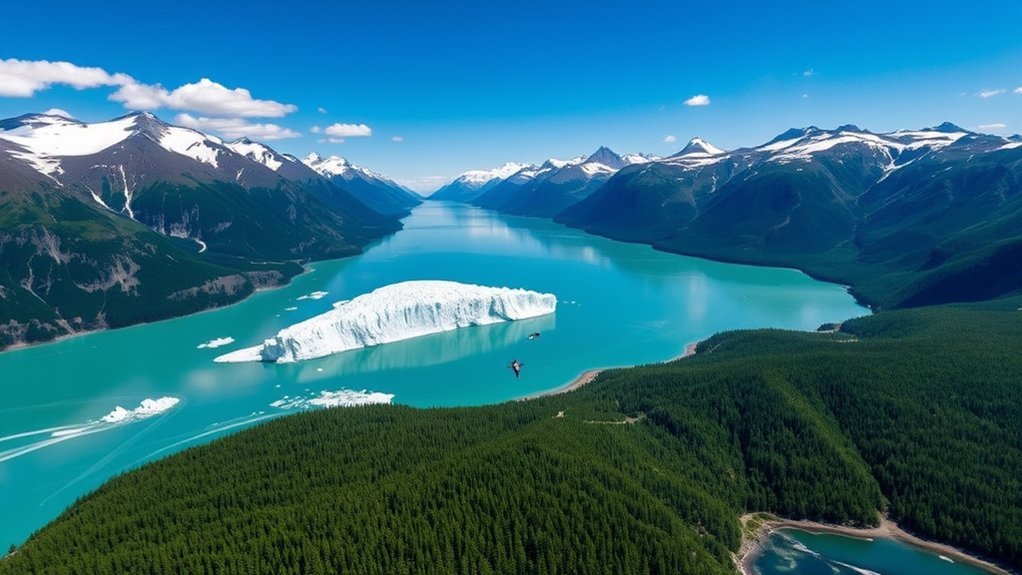
Kenai Fjords National Park gives you one of Seward’s most dramatic landscapes. Glaciers, steep peaks, deep fjords, and cold blue water create views that feel wild from every angle.
You can explore by trail, boat, or guided tour, depending on how much time you have. Hikers can start near Exit Glacier, while boat trips give you access to coastal scenery and tidewater glaciers.
Bring layers, rain gear, and a camera. Weather can shift fast near the coast, and clear views often appear between passing clouds.
Take a Wildlife Cruise
A wildlife cruise gives you a front-row seat to Resurrection Bay and the waters near Kenai Fjords National Park. You may see sea otters, sea lions, puffins, harbor seals, humpback whales, or orcas, depending on the season and route.
Guides explain the local ecosystem as the boat passes cliffs, coves, islands, and glaciers. This makes the trip useful even when wildlife keeps its distance.
Choose a shorter bay cruise if you have limited time. Pick a longer fjords cruise if you want more glacier views and a better chance of varied wildlife sightings.
Pro tip: Bring binoculars and a warm layer, since the best wildlife views often happen from windy open decks.
Visit the Alaska SeaLife Center
The Alaska SeaLife Center helps you learn about Alaska’s marine life without leaving town. It works well for families, wildlife lovers, and anyone who wants an indoor activity on a rainy day.
You can see local species, learn about ocean habitats, and understand how conservation work supports injured and stranded marine animals. The center also gives you helpful context before or after a wildlife cruise.
Marine Wildlife Exhibits
The Alaska SeaLife Center features exhibits with animals such as sea otters, harbor seals, seabirds, and fish from Alaska waters. Underwater viewing areas let you watch some animals swim, feed, and interact.
These exhibits help you connect what you see indoors with the wildlife you may spot along the coast. They also show why Alaska’s marine habitats need careful protection.
Interactive Learning Experiences
Interactive exhibits help you learn through touch, sight, and guided programs. You can explore tide pool displays, watch animal care activities, and ask staff about local marine life.
These hands-on stops work well for children, but adults will also find useful details. Each display makes Alaska’s cold-water ecosystem easier to understand.
Conservation Efforts Highlighted
The center highlights conservation, animal care, and research tied to Alaska’s marine environment. You can learn how pollution, warming waters, and habitat changes affect wildlife.
You can also find simple ways to help, such as reducing plastic use and joining local cleanups. Small actions matter more when many visitors make the same choice.
Hike to Exit Glacier
Exit Glacier gives you one of the easiest ways to view glacial terrain near Seward. The area sits within Kenai Fjords National Park and offers trails for different fitness levels.
You can choose short, accessible paths or longer, steeper routes with broader views. Check current trail conditions before you go, since snow, rain, and maintenance can affect access.
Glacier Access Information
Start your visit at the Exit Glacier area of Kenai Fjords National Park. The road, parking, and trails give you a clear starting point for seeing the glacier landscape.
- Park at the Exit Glacier parking area when the road is open.
- Follow posted trail signs and stay on marked paths.
- Take photos from safe viewing areas rather than walking onto unstable ice or loose rock.
- Listen for water and ice movement, but keep a safe distance from steep or changing terrain.
Trail Difficulty Levels
The main Exit Glacier trails range from easy walks to moderate hikes. Many visitors can enjoy the lower trails, which pass through forest and open views.
More strenuous routes climb higher and demand better fitness, sturdy footwear, and more time. These trails can reward you with wider views of the valley, ice, and surrounding mountains.
Warning: Never climb on glacier ice or cross closed areas, since crevasses, falling ice, and unstable ground can cause serious injury.
Go Fishing in Resurrection Bay
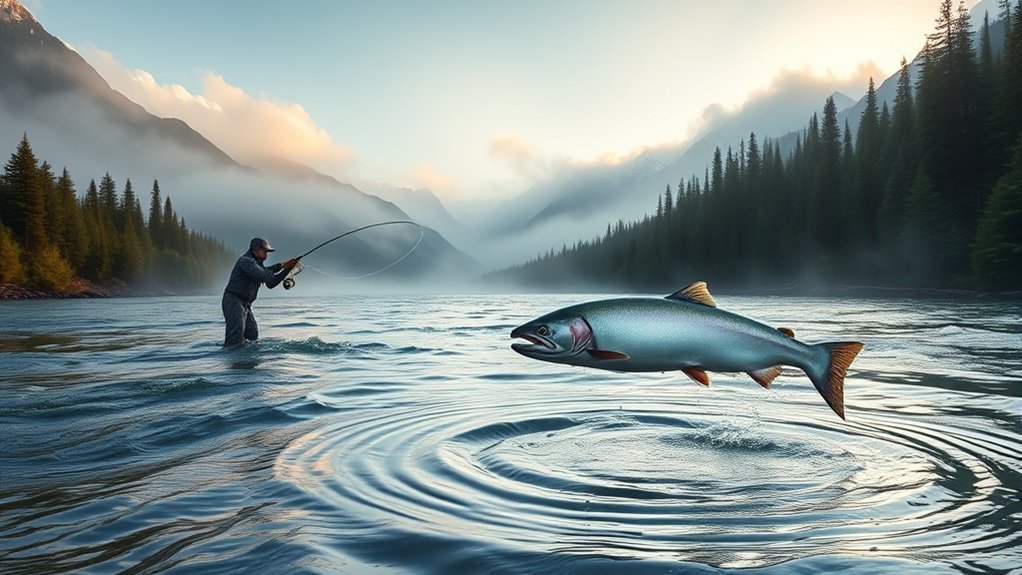
Fishing in Resurrection Bay gives you mountain views, salt air, and a chance to catch Alaska species. Depending on the season and rules, anglers often target salmon, halibut, rockfish, or other local fish.
Book a charter if you want gear, local guidance, and help with regulations. You can also fish from shore in some areas, but you should check Alaska fishing rules before you cast.
- Choose a charter or legal shore spot based on your skill level.
- Confirm current license and harvest rules before the trip.
- Dress for cold wind, spray, and changing weather.
- Plan for fish processing or storage if you keep your catch.
Discover Seward’s Historic Downtown
Seward’s historic downtown adds local flavor after a day on the water or trails. Colorful buildings, murals, cafés, galleries, and small shops make the area easy to explore on foot.
Look for local art, Alaska-made gifts, and exhibits that share the town’s coastal history. You can also pair a downtown walk with a meal, coffee stop, or visit to the Alaska SeaLife Center.
The mountain and harbor views add to the appeal. Even a short stroll gives you a better sense of Seward beyond its tours.
Enjoy the Seward Boat Harbor
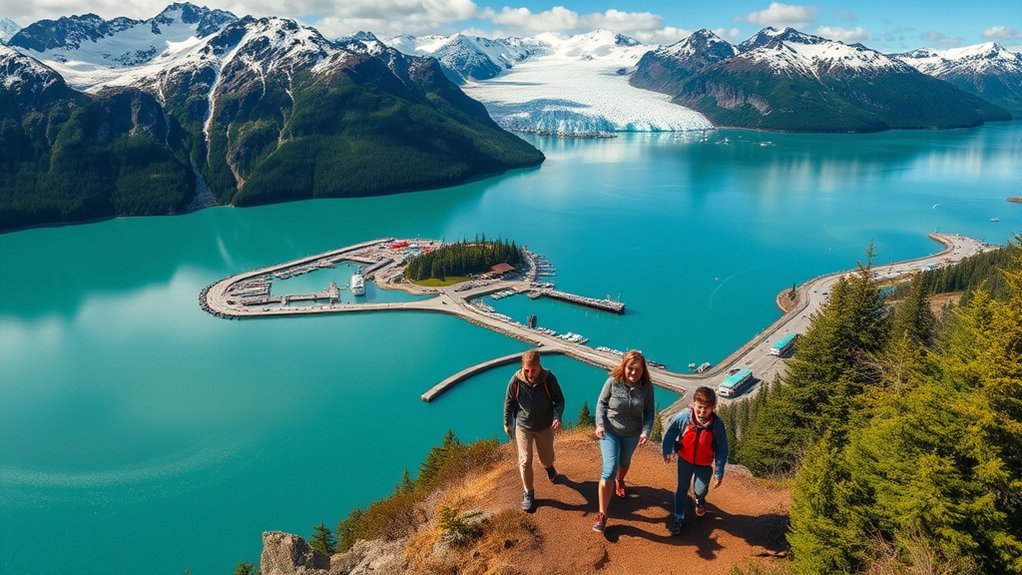
Seward Boat Harbor works as a tour hub, dining area, and scenic walking spot. Fishing charters, wildlife cruises, kayak trips, and sailing tours often start here.
As you walk the docks, you can watch boats load gear, spot seabirds, and take in the mountain backdrop. Nearby shops and restaurants make it easy to spend extra time before or after a tour.
- Watch boats leave for fishing, glacier, and wildlife trips.
- Browse shops for outdoor gear, gifts, and local goods.
- Eat fresh seafood at a harbor restaurant.
- Join a cruise or charter that fits your schedule.
Experience Dog Sledding
Dog sledding gives you a classic Alaska adventure near Seward. Tour options can vary by season, snow, and operator, so check availability before you plan around it.
Some trips focus on kennel visits and wheeled carts, while others include snow or glacier-based experiences. Each option lets you learn about sled dogs, mushers, and Alaska’s mushing culture.
Choose Summer or Winter
Summer dog sledding often uses wheeled carts or glacier access, depending on the tour. You can meet the dogs, learn about training, and enjoy mountain views without winter travel.
Winter tours may offer snow-covered trails when conditions allow. These trips can feel more traditional, but weather and access can shape the schedule.
- Dramatic scenery: Mountains, forests, and glaciers create a strong backdrop.
- Fast-paced fun: The dogs’ energy makes the ride exciting.
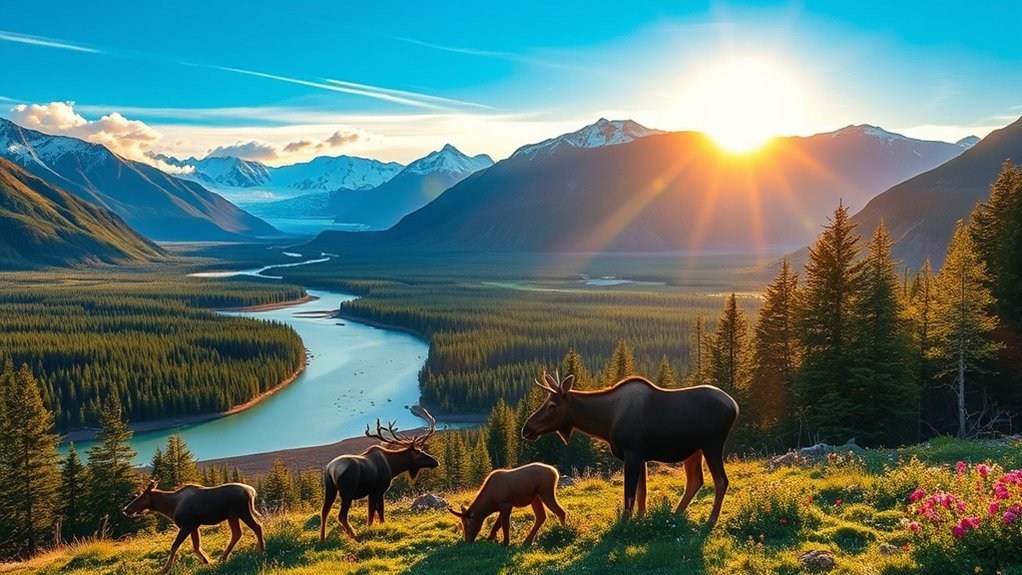
- Wildlife chances: Eagles, moose, or other animals may appear along the route.
- Local culture: Mushers explain how teams train and work together.
Meet the Sled Dogs
Meeting the sled dogs often becomes a highlight of the trip. Many huskies act eager, loud, and playful before a run.
Guides usually explain each dog’s role on the team, from lead dogs to strong pullers. You may learn how mushers feed, train, and care for the dogs through changing seasons.
Scenic Glacier Views
Some dog sledding trips include glacier or alpine views, depending on the route. These settings add ice, snow, and high peaks to the experience.
You might see blue ice, snowfields, meltwater streams, or wide views across the mountains. Ask the tour operator what scenery the trip includes before you book.
- Blue glacier ice shaped by weather and movement.
- Snow-capped peaks rising above the trail.
- Birds or other wildlife moving through the area.
- Meltwater streams running through the glacial landscape.
Take a Kayaking Adventure
A kayaking adventure lets you see Seward’s coast at a slower pace. You can paddle near coves, cliffs, forested shoreline, and calm sections of Resurrection Bay.
Guided tours help beginners feel more confident and teach you about tides, weather, and wildlife. Experienced paddlers can choose longer routes with more time on the water.
Dress in warm layers and expect cold water, even on mild days. Dry bags, rain gear, and gloves can make the trip more comfortable.
Visit the Seward Museum
The Seward Museum gives you a deeper look at the town’s history, people, and coastal setting. It works well when you want a slower activity between outdoor adventures.
Exhibits may cover local artifacts, historic photos, maritime stories, and community life. You can leave with a clearer sense of how Seward grew around the sea, rail line, and surrounding wilderness.
- Local artifacts: Items that connect you to early residents and community life.
- Historic photographs: Images that show how Seward changed over time.
- Marine history: Displays tied to fishing, boating, and coastal work.
- Community exhibits: Stories that help you understand Seward beyond its scenery.
Go on a Scenic Railroad Trip
A scenic railroad trip between Anchorage and Seward turns travel time into part of the adventure. The route passes mountains, rivers, forests, wetlands, and coastal views.
Large windows make it easy to relax and watch the landscape change. You may also hear route details that explain the region’s history and geography.
The train works well if you don’t want to drive the Seward Highway. It also gives you a safer and calmer option when you want to focus on the views.
Experience Sea Kayaking
Sea kayaking in Seward gives you a close, quiet way to explore Resurrection Bay. You can paddle past rocky shorelines, kelp beds, coves, and views of distant ice.
Kayaking in Resurrection Bay lets you slow down, watch the water, and notice wildlife you might miss from shore.
Keep an eye out for sea otters, sea lions, seabirds, and harbor seals. Wildlife sightings can never be promised, but the slow pace improves your chance to observe details.
- Towering cliffs lined with moss, trees, and rock.
- Sea otters floating on their backs in protected waters.
- Sea lions resting on rocky outcrops.
- Glacier-fed water and wide mountain views.
Note: Kayaking tours and routes depend on tides, wind, and operator safety decisions.
Attend the Seward Arts Festival
Seward’s arts events give you a way to connect with local makers, music, and community life. Event dates and formats can change, so check local calendars before you build your trip around a festival.
When events run, you may find art booths, gallery shows, workshops, food vendors, and live music. These gatherings add a creative break from glacier hikes, cruises, and harbor activities.
Local art also makes a meaningful souvenir. Look for work that reflects Alaska landscapes, wildlife, and coastal culture.
Relax at Lowell Point Beach
Lowell Point Beach offers a quieter coastal escape near downtown Seward. The beach gives you mountain views, fresh air, and space to slow down after a busy tour day.
You can walk the shore, watch birds, enjoy a picnic, or sit with views across Resurrection Bay. The area also works as a starting point for nearby trails and water activities.
- Mountain views: Peaks frame the coastline and water.
- Wildlife watching: Sea otters, eagles, and seabirds may appear nearby.
- Picnic spots: Quiet corners let you enjoy a simple meal outdoors.
- Evening views: Late light can make the bay feel calm and scenic.
Try Local Cuisine and Breweries
Seward’s food scene leans into seafood, harbor views, and relaxed Alaska dining. Halibut, salmon, crab, chowder, and fish and chips often appear on local menus.
You can also try casual cafés, bakeries, food trucks, and breweries. Many spots sit near the harbor or downtown, which makes them easy to pair with tours and walks.
Ask what came in fresh, since seafood options can change with season and supply. Local recommendations from guides and lodging staff can also lead you to strong meals.
How to Plan Your Time in Seward
Your best Seward plan depends on your pace and the season. A one-day visit can include a wildlife cruise, harbor meal, and short downtown walk.
With two or three days, add Exit Glacier, kayaking, the Alaska SeaLife Center, and Lowell Point Beach. Longer stays give you more room for fishing, dog sledding, rail travel, and slower museum or arts stops.
Book major tours early during peak travel periods. Keep one flexible block in your schedule, since coastal weather can change plans quickly.
Frequently Asked Questions
What Is the Best Time of Year to Visit Seward?
The best time to visit Seward depends on what you want to do. Late spring through early fall often brings the broadest access to cruises, trails, fishing, and tours.
Winter offers quieter travel and snowy scenery, but some tours and roads may have limited access. Check current operator schedules before you book.
Are There Any Guided Tours Available in Seward?
Yes, Seward has guided tours for wildlife cruises, kayaking, fishing, hiking, dog sledding, and glacier viewing. A guide can help with safety, local context, and logistics.
Choose your tour by season, time on the water or trail, and activity level. Read cancellation policies closely because weather can affect coastal trips.
How Do I Get to Seward From Anchorage?
You can drive from Anchorage to Seward on the Seward Highway or take the Alaska Railroad when service fits your dates. Both options offer strong scenery along the route.
Driving gives you more flexibility for stops. The train lets you relax and focus on the views without handling road conditions.
What Accommodations Are Available in Seward?
Seward offers hotels, cabins, vacation rentals, campgrounds, hostels, inns, and bed-and-breakfasts. Harbor and downtown locations give you easy access to restaurants and tours.
Book early for peak travel periods. Rooms with views or walkable locations often fill first.
Are There Any Local Events or Festivals in Seward?
Yes, Seward hosts community events, races, art gatherings, and seasonal celebrations during the year. The Mount Marathon Race, held around Independence Day, ranks among the town’s best-known events.
Check the local event calendar before your trip because dates, schedules, and activities can change. Planning around an event can add food, music, and local energy to your visit.
Seward rewards travelers who mix one major adventure with time to enjoy the town’s slower details. Start with Kenai Fjords, Exit Glacier, or a wildlife cruise, then add food, harbor walks, museums, and beach time around it. Build some flexibility into your schedule so weather doesn’t spoil the trip. With the right plan, Seward gives you an Alaska visit filled with water, wildlife, ice, and lasting views.
References
- Kenai Fjords National Park — National Park Service
- Alaska SeaLife Center — Alaska SeaLife Center
- Coastal Classic Train — Alaska Railroad
- Alaska Sport Fishing Information — Alaska Department of Fish and Game
- Seward Travel Information — Seward Chamber of Commerce