Seward packs glacier scenery, marine wildlife, hiking, history, and waterfront attractions into one compact Alaska town. The best things to do in Seward, Alaska, depend on whether you want to spend your day on the water, on a trail, or exploring town. For a first visit, choose one major outdoor experience and add one or two shorter stops.
Quick Answer
Top things to do in Seward, Alaska, are a Kenai Fjords wildlife-and-glacier cruise, Exit Glacier or the Harding Icefield Trail, and the Alaska SeaLife Center. Add the waterfront, historic downtown, murals, seafood, or the Coastal Classic train if time allows. Summer offers the widest choice, but Seward has year-round options.
Last checked: September 30, 2026. Dates and figures were verified against official sources.
Key Takeaways
- A boat cruise is the easiest way to see the remote coastline and tidewater glaciers of Kenai Fjords National Park.
- The Harding Icefield Trail is a strenuous 7.8-mile round trip that normally takes 6–8 hours.
- The Alaska Railroad Coastal Classic ran daily between Anchorage and Seward from May 15 through September 13 in 2026.
- Seward’s waterfront, downtown murals, and historic district give you several low-cost activities between larger excursions.
- July 4 is one of Seward’s busiest days because the Independence Day festival and Mount Marathon Race happen together.
Explore Kenai Fjords National Park
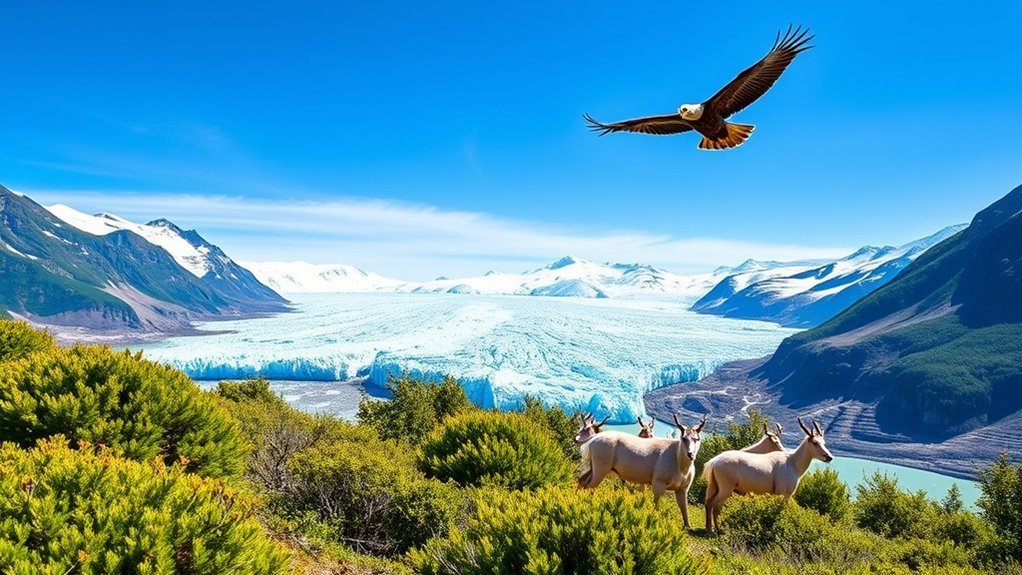
Kenai Fjords National Park is Seward’s signature attraction, but much of its dramatic coastline is accessible only from the water. The park combines glaciers, deep fjords, rocky islands, seabird colonies, and marine-mammal habitat in one vast coastal landscape.
The park is open year-round, although June, July, and August are its main visitor months. Services are more limited in May, September, and winter, and the road into the Exit Glacier area normally closes to cars once winter snow arrives.
If you have one full day, choose between a boat trip into the coastal fjords and a land visit to Exit Glacier. With two days, you can comfortably do both.
Take a Scenic Cruise on Resurrection Bay
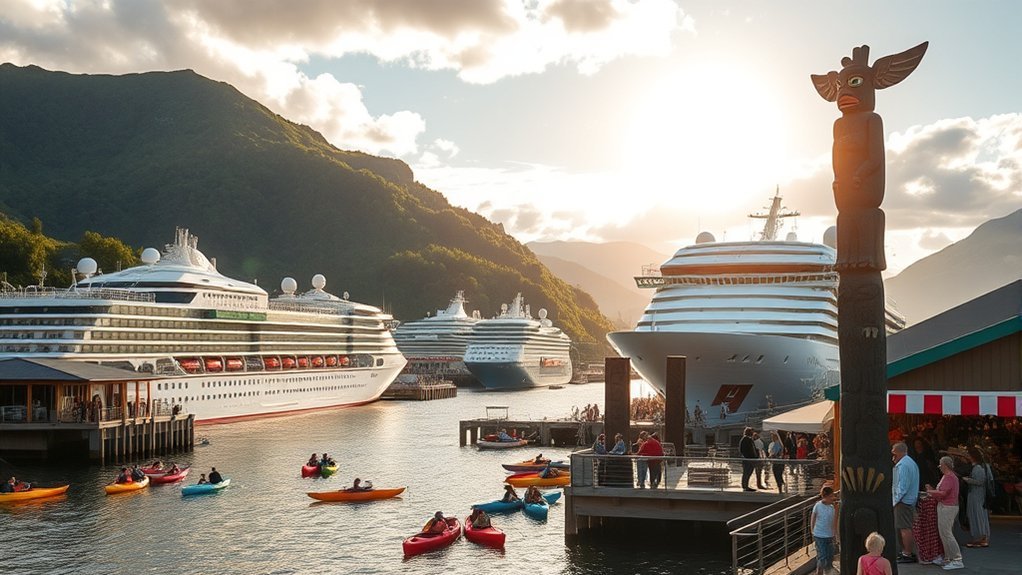
A Resurrection Bay or Kenai Fjords cruise gives you the broadest look at Seward’s marine scenery and wildlife. Shorter cruises generally remain closer to protected Resurrection Bay, while longer trips can reach tidewater glaciers deeper inside Kenai Fjords.
The National Park Service’s Kenai Fjords boat-tour guidance says summer tours leave Seward’s small boat harbor daily. Available trips range from roughly three to nine hours, depending on the route.
Watch for sea otters, Steller sea lions, seals, seabirds, humpback whales, and orcas, but remember that wildlife sightings are never guaranteed. Longer routes also expose you to more open water, so travelers prone to seasickness may prefer a shorter Resurrection Bay trip.
Bring warm layers and a waterproof outer shell even on a sunny day. The best wildlife views are often from an outside deck, where wind over the water can feel much colder than it does in town.
Visit the Alaska SeaLife Center
The Alaska SeaLife Center is one of Seward’s best indoor attractions, especially for families or rainy days. It combines a public aquarium with marine research, education, and wildlife rehabilitation.
You can see Alaska marine species such as sea lions, seals, puffins, fish, octopuses, and other coastal wildlife. Exhibits explain how these animals live and how researchers study Alaska’s marine ecosystems.
Hours change through the year. The center’s 2026 ticket and hours page listed daily hours of 10:00 a.m.–5:00 p.m. from September 15–30, followed by Thursday–Monday hours of noon–5:00 p.m. from October 1, 2026, through March 4, 2027.
General-admission prices use a plan-ahead model and can vary by visit date and entry time. Booking early can also help secure an entry time during busy periods.
Hike the Harding Icefield Trail
The Harding Icefield Trail is Seward’s major full-day hike and one of the most demanding maintained trails in Kenai Fjords National Park. It climbs from the Exit Glacier valley through forest and alpine terrain to a sweeping view across the Harding Icefield.
The current National Park Service Harding Icefield Trail guide lists the route at 7.8 miles round trip. The mapped vertical rise is about 3,102 feet, and NPS recommends allowing at least 6–8 hours.
Trail Difficulty Levels
This is a strenuous hike rather than a casual glacier walk. Expect sustained climbing, rocks, mud, rapidly changing weather, and possible snow on the upper trail even into early summer.
The park recommends sturdy footwear, warm clothing, rain gear, sun protection, and plenty of water. Snow and avalanche hazards can persist on the upper trail into July, so current trail conditions matter even when Seward itself feels mild.
Warning: Turn around if snow, wind, poor visibility, fatigue, or trail conditions exceed your experience. The upper Harding Icefield Trail is exposed alpine terrain, and conditions can change quickly.
Scenic Viewpoints Along Route
You do not have to reach the trail’s end to get worthwhile views. Several natural turnaround points let you match the hike to your available time and fitness.
- Marmot Meadows: about 1.5 miles from the trail register, with expanding views over the Exit Glacier valley.
- Top of Cliffs: about 2.3 miles from the register and a good option when you want a substantial hike without completing the full route.
- End of Trail: about 3.9 miles from the register, overlooking the broad Harding Icefield.
Mountain goats, marmots, bears, and other wildlife may occur in the area. Give animals plenty of space and never approach them for a photograph.
Discover Seward’s Historic Downtown
Historic downtown is a good counterpoint to Seward’s glacier and wildlife activities. You can explore preserved buildings, shops, cafés, public art, and reminders of the town’s railroad and maritime history on foot.
The downtown area also connects naturally with the Alaska SeaLife Center and waterfront, making it easy to combine these stops without dedicating an entire day.
Unique Local Shops
Seward’s downtown shops offer locally made pottery, paintings, jewelry, books, outdoor gear, gifts, and Alaska-themed products. Browsing them is an easy activity before dinner or between excursions.
Local cafés and bakeries give you places to warm up on wet days, while galleries and maker shops offer more distinctive souvenirs than generic cruise-port merchandise.
If you want to support Seward-based artists, look for pieces that identify the maker rather than choosing only mass-produced Alaska souvenirs.
Historic Architecture Highlights
Seward’s official preservation records identify several downtown properties with genuine historic significance. A self-guided walk lets you see them without needing a scheduled tour.
- Seward Depot: the 1917 railroad depot at 501 Railway Avenue.
- Brown & Hawkins Store: a surviving early commercial property on Fourth Avenue dating to 1904.
- St. Peter’s Episcopal Church: a 1906 church at Second Avenue and Adams Street.
- Swetmann House: a 1916 residence at 327 Fifth Avenue.
- Hotel Seward: originally established in 1905, with the present property continuing the historic downtown lodging tradition.
These sites tell a clearer story of early Seward than simply looking for one architectural style. The town developed around transportation, commerce, the waterfront, and its role as a gateway to Alaska’s interior.
Sample Fresh Seafood at Local Eateries
Seafood is a natural choice in a working harbor town like Seward. Halibut, salmon, rockfish, and other Alaska seafood frequently appear on local menus, although availability and preparation change by restaurant and season.
The Cookery and Ray’s Waterfront are established Seward dining options mentioned in the original guide. Other restaurants cluster around the small boat harbor and historic downtown, so you can usually pair dinner with an evening waterfront walk.
Instead of choosing only by one signature dish, check the day’s menu for locally sourced seafood and seasonal specials. Popular dinner restaurants can become busy when cruise ships, tour boats, and summer visitors are all in town.
Go Wildlife Watching
Seward is an excellent base for marine wildlife viewing because Resurrection Bay opens directly toward the Gulf of Alaska and Kenai Fjords. Boat trips provide the widest range of viewing opportunities, while the waterfront can also produce surprise sightings.
Humpback whales, orcas, sea otters, Steller sea lions, seals, puffins, eagles, and other seabirds are among the animals travelers hope to see. Treat every sighting as a possibility, not a guarantee.
Local Wildlife Tours
Wildlife cruises range from shorter Resurrection Bay trips to longer routes that combine animals with tidewater glaciers. Your best choice depends on available time, sea conditions, and whether seeing a large glacier is as important as wildlife.
Humpback whales are commonly highlighted from May through August, while Seward’s tourism information identifies May and June as especially good months for orca sightings. Tufted puffins begin returning to nesting areas around mid-May.
A knowledgeable captain can locate animals responsibly, but wild behavior cannot be scheduled. A quieter trip with fewer sightings can still deliver excellent scenery, seabirds, glaciers, and coastal geology.
Best Viewing Seasons
Wildlife changes with migration, breeding, food availability, and weather. Summer provides the greatest combination of wildlife-tour availability and long daylight hours, but each period offers something different.
| Period | Wildlife possibilities | Planning note |
|---|---|---|
| May | Orcas, returning humpbacks, sea otters, sea lions, puffins arriving | Good shoulder-season option as summer tours expand |
| June–August | Humpbacks, orcas, puffins, sea otters, sea lions, seals, seabirds | Widest choice of cruises and long daylight hours |
| September | Marine mammals and seabirds remain possible | Tour schedules begin to reduce later in the month |
| October–April | Year-round resident marine wildlife may still appear | Far fewer commercial boat tours operate |
Photography Tips & Tricks
Wildlife photography works best when you let the animal determine the encounter rather than chasing the shot. A telephoto lens helps you fill the frame while staying at a respectful distance.
- Use a fast shutter speed for birds, breaching whales, and animals moving on the water.
- Focus on the eyes when photographing closer wildlife such as sea otters.
- Brace yourself against a rail or stable surface when shooting from a moving boat.
- Protect your gear from spray and rain with a simple weather cover or dry bag.
- Watch first, photograph second so the entire encounter does not happen through a viewfinder.
Experience the Seward Museum
The Seward Community Library & Museum is the place to understand the town beyond its scenery. Exhibits cover local history, transportation, community life, the 1964 earthquake, and other events that shaped Seward.
The city’s Seward Community Library & Museum information lists summer museum hours from May 1 through September 30 as Tuesday–Friday 10:00 a.m.–6:00 p.m., Saturday 10:00 a.m.–5:00 p.m., and Sunday 1:00–4:30 p.m. Summer admission is $5.
From October 1 through April 30, museum admission is free, with winter museum hours on Friday and Saturday. The museum is at 239 Sixth Avenue, close enough to combine with a downtown walk.
Enjoy Water Sports and Fishing
Kayaking, paddleboarding, boating, and fishing put you directly on the water that defines Seward. The experience can range from a calm shoreline paddle to a full-day fishing charter or remote guided kayak trip.
Resurrection Bay can look protected, but conditions farther into Kenai Fjords are exposed to Gulf of Alaska weather, cold water, wind, and swell. Inexperienced paddlers are better served by a guided trip with appropriate cold-water safety equipment.
- Take a guided kayak trip along the Resurrection Bay shoreline.
- Paddleboard only when conditions and your skill level are appropriate.
- Book a fishing charter for species such as salmon or halibut.
- Use a water taxi for access to more remote coastal areas when your trip requires it.
Fishing rules vary by species, area, and season, so your charter operator should explain the regulations that apply on your trip.
Ride the Alaska Railroad Coastal Classic
The train between Anchorage and Seward is officially called the Alaska Railroad Coastal Classic, not the Seward Scenic Railway. It is both transportation and sightseeing, with mountain, river, glacier, and coastal scenery along the route.
According to the Alaska Railroad’s 2026 schedule, the Coastal Classic operated daily from May 15 through September 13, 2026. The southbound train left Anchorage at 6:45 a.m. and reached Seward at 11:20 a.m.; the return left Seward at 6:00 p.m. and arrived in Anchorage at 10:15 p.m.
That schedule makes a rail day trip possible, but your time in Seward is limited. An overnight stay gives you much more flexibility for a long Kenai Fjords cruise or the Harding Icefield Trail.
Visit Exit Glacier
Exit Glacier is the easiest part of Kenai Fjords National Park to reach by road and the best choice if you want glacier scenery without boarding a boat. Several maintained trails start near the Exit Glacier Nature Center.
The accessible Glacier View Loop is about one mile and leads through the forest to a panoramic glacier view. You can continue roughly 0.6 mile farther on the more strenuous Glacier Overlook Trail for a higher viewpoint.
The Exit Glacier area is reached from Herman Leirer Road off the Seward Highway. Parking can become limited during the busiest part of the day, and the road is not plowed for normal automobile access through winter.
Pets are not permitted on the park trails past the parking area. Before driving out, confirm road and trail conditions because snow, flooding, wildlife activity, and other hazards can temporarily change access.
Attend the Seward Fourth of July Celebration
Seward’s Independence Day celebration combines a downtown festival, fireworks, a parade, community activities, and the famous Mount Marathon Race. It is one of the busiest times to visit, so expect crowds, road closures, and limited parking.
The official 2026 Seward Fourth of July festival information listed the main July 4 schedule below.
| 2026 event | Time | Details |
|---|---|---|
| Fireworks | 12:01 a.m., July 4 | Popular viewing areas include the harbor and Waterfront Park |
| Mount Marathon junior race | 9:00 a.m. | First race of the day |
| Mount Marathon men’s first wave | 11:05 a.m. | Additional waves followed minutes later |
| Street parade | 1:00 p.m. | Begins from the AVTEC Second Avenue area |
| Mount Marathon women’s first wave | 2:05 p.m. | Women raced last in the even-numbered year |
The street festival itself was free to enter in 2026. If you visit during this weekend, walking or using local shuttle transportation can be easier than repeatedly moving a car through downtown.
Explore the Seward Waterfront Park
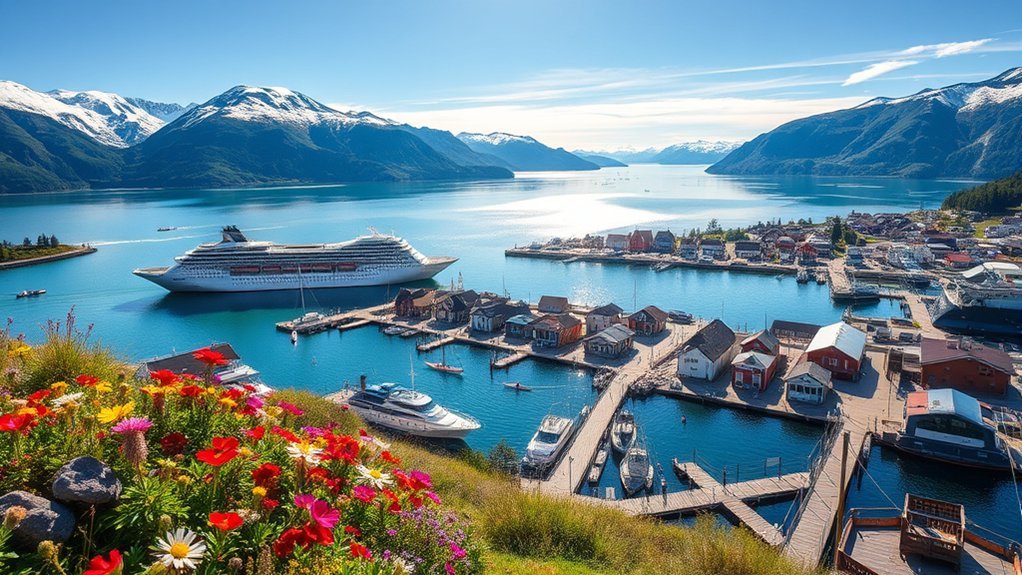
Seward Waterfront Park gives you an easy, low-cost way to enjoy Resurrection Bay without committing to a tour. The shoreline path links the harbor area with downtown and offers wide views across the bay toward the surrounding mountains.
Walk, bike, picnic, watch boats, or simply stop along the water. The broader waterfront area includes public beaches, a playground, a skate park, pavilion space, and municipal campgrounds.
Wildlife occasionally appears close to town, including seals, sea lions, sea otters, eagles, and even whales farther out in the bay. Bring binoculars if you have them, but do not approach resting or feeding animals.
Discover Seward’s Local Art and Murals
Seward does not revolve around one attraction called the “Seward Gallery.” A better way to experience the local art scene is to explore its galleries, maker shops, public murals, and seasonal art events around town.
Visit Seward’s arts and culture guide notes that the town has more than 30 public murals. Seward was officially designated the “Mural Capital of Alaska” in 2008.
Many murals illustrate local wildlife, landscapes, historic people, and community events. You can explore them as a self-guided walking activity while moving between the harbor and downtown.
From May through September, First Friday Art Walks add another option. Participating businesses host Seward-area artists on the first Friday of the month from 6:00–8:00 p.m., and the event is free to the public.
Relax at Seward Brewing Company
The original reference to “Bear Creek Wine and Brew” does not match a Seward winery or brewpub; Bear Creek Winery is located in Homer. For a local Seward craft-beer stop, Seward Brewing Company is a verified downtown option.
The Seward Brewing Company describes itself as a family-owned brewpub serving beer brewed in Seward alongside food. Its posted 2026 information listed hours of 3:00–9:00 p.m., closed Tuesdays, with the season ending September 14.
Because it operates seasonally, this is mainly a summer stop rather than a year-round evening option. If it is closed during your trip, Seward has other restaurants and bars in the harbor and downtown areas.
Frequently Asked Questions
What Is the Best Time of Year to Visit Seward?
June through August gives you the widest choice of Kenai Fjords boat tours, hiking access, long daylight hours, and visitor services. May and September can be quieter alternatives, but some tours and businesses operate reduced schedules. Winter is much quieter and requires more flexible planning.
Are There Any Guided Tours Available in Seward?
Yes. Seward has guided wildlife and glacier cruises, kayaking trips, fishing charters, flightseeing, guided hikes, dog-sled experiences, and other outdoor tours. Availability varies by season, with the greatest range during the summer visitor season.
Is It Safe to Hike in Seward Without a Guide?
Many maintained Seward-area trails can be hiked independently when conditions match your ability. Check current trail conditions, carry appropriate layers and water, understand bear safety, and turn around if weather or terrain becomes unsafe. Remote, alpine, glacier, and winter routes demand substantially more preparation.
What Should I Pack for a Day in Seward?
Pack layers, a waterproof outer shell, comfortable walking or hiking shoes, water, snacks, and sun protection. Add a warm hat and gloves for boat trips or exposed hikes because wind near the water and at higher elevations can feel cold even during summer.
Are There Public Transportation Options in Seward?
Yes, but Seward’s transportation is limited compared with a large city. A seasonal free city shuttle serves major parts of town, while taxis, rideshares, hotel shuttles, and tour-company transfers provide other options. Kenai Fjords National Park does not operate a public shuttle from town to Exit Glacier.
Conclusion
If you have only one day in Seward, build it around either a Kenai Fjords cruise or Exit Glacier, then add the waterfront, downtown, or Alaska SeaLife Center. With two or three days, you can include both major outdoor experiences and still have time for local history, seafood, wildlife, and art without rushing.
Sources
- National Park Service — Boat Tours: Kenai Fjords boat-tour seasons, routes, duration, and preparation.
- Alaska SeaLife Center — Tickets: 2026 hours, reservations, and plan-ahead pricing.
- National Park Service — Harding Icefield Trail: trail distance, difficulty, timing, and seasonal hazards.
- City of Seward — Community Library & Museum: museum hours, admission, location, and exhibits.
- Alaska Railroad — Schedules: 2026 Coastal Classic operating dates and departure times.
- Visit Seward — Fourth of July FAQ: verified 2026 fireworks, parade, festival, and Mount Marathon times.
- Visit Seward — Arts & Culture: murals, galleries, and First Friday Art Walk information.
- Seward Brewing Company: current brewpub identity, 2026 hours, and seasonal operation.