Whittier is a small Alaska port town with unusually easy access to glaciers, mountain trails, wildlife-rich waterways, fishing charters, and Prince William Sound. You can visit on a day trip from Anchorage, but the tunnel schedule, changing weather, limited services, and advance tour bookings make careful planning important.
Quick Answer
The best things to do in Whittier include taking a glacier cruise, hiking Portage Pass, kayaking with a qualified guide, fishing in Prince William Sound, visiting the Prince William Sound Museum, eating local seafood, and exploring the harbor. Plan your arrival around the Anton Anderson Memorial Tunnel schedule.
Key Takeaways
- Most cruises, tours, restaurants, and visitor services operate most frequently from May through September.
- The only road into Whittier passes through a scheduled, one-lane tunnel shared by vehicles and trains.
- Prince William Sound is cold and changeable. Beginners should use guided kayak, boating, and fishing services.
- Portage Pass is the main hike for views of Portage Glacier, which is no longer visible from the Begich, Boggs Visitor Center.
- Wildlife sightings and glacier calving are possible but never guaranteed.
Plan Your Whittier Visit
Whittier is about 60 road miles southeast of Anchorage. You can reach it by car, seasonal Alaska Railroad service, cruise ship, ferry, or another boat. Drivers must use the Anton Anderson Memorial Tunnel between Portage Valley and Whittier.
A full day gives you enough time for one major activity, such as a glacier cruise or Portage Pass hike, plus lunch, the museum, and a harbor walk. Stay overnight if you want to combine a cruise with hiking, kayaking, or fishing.
- Best general season: Late May through early September
- Typical day-trip length: 8 to 12 hours, including travel from Anchorage
- Book ahead: Glacier cruises, fishing charters, guided paddling trips, lodging, and summer rail travel
- Bring: Waterproof outerwear, warm layers, sturdy shoes, water, sunscreen, insect repellent, and a charged phone
- Check before leaving: Tunnel operations, marine weather, tour status, trail conditions, and restaurant hours
Note: The Alaska Wildlife Conservation Center and Begich, Boggs Visitor Center are in the Portage area before you enter the tunnel. They are convenient additions to a Whittier trip, but they are not located in downtown Whittier.
Travel Through the Anton Anderson Memorial Tunnel
The Anton Anderson Memorial Tunnel is part of the Whittier experience, but it is also a working transportation facility. The approximately 2.5-mile tunnel is shared by trains and road vehicles and carries traffic in only one direction at a time.
Alaska’s Department of Transportation identifies it as North America’s longest combined vehicle-railroad tunnel. Vehicles wait at staging areas on either side until their scheduled direction opens.
Review the official Whittier Tunnel information before your trip. Summer and winter schedules differ, tolls apply to road vehicles, and trains or maintenance can cause delays.
Pro Tip: Reach the staging area at least 10 minutes before your planned opening. Missing it may leave you waiting for the next Whittier-bound or Portage-bound traffic window.
The tunnel is not simply a scenic drive. It is a scheduled, one-lane rail-and-road connection that controls when vehicles can enter and leave Whittier.
Visit the Alaska Wildlife Conservation Center
The Alaska Wildlife Conservation Center is a nonprofit sanctuary near Mile 79 of the Seward Highway. It is in Portage Valley, before the turn toward the Whittier tunnel.
The center cares for orphaned and injured animals in spacious managed habitats. Visitors can explore more than 200 acres along a roughly 1.5-mile loop by foot, bicycle, or vehicle.
See Verified Resident Wildlife
Resident species can change, but the center’s current animal directory includes the following examples:
| Resident animal | What you may learn |
|---|---|
| Brown and black bears | Diet, behavior, rehabilitation stories, and conservation |
| Moose and reindeer | Adaptations for Alaska’s climate and seasonal food sources |
| Wood bison and muskox | Herd behavior and conservation work |
| Wolves, coyotes, foxes, and lynx | Predator behavior and ecosystem roles |
| Bald eagles and owls | Raptor rehabilitation and hunting adaptations |
Attend an Educational Program
Naturalist-led programs are offered during parts of the year and are generally included with admission. Topics and times can change because of weather, animal care, staffing, or seasonal conditions.
Check the schedule near the gift shop when you arrive. Specialty tours and animal encounters may require a separate reservation and fee.
Walk or Drive the Visitor Loop
The main visitor route is a developed loop through the sanctuary rather than a backcountry trail network. You can walk for a closer look at the habitats or drive between viewing areas when the weather is poor or a member of your group has limited mobility.
Do not feed or touch the animals, climb fences, or leave children unattended near an enclosure. Pets must remain in vehicles under the center’s current visitor rules.
Kayak in Prince William Sound
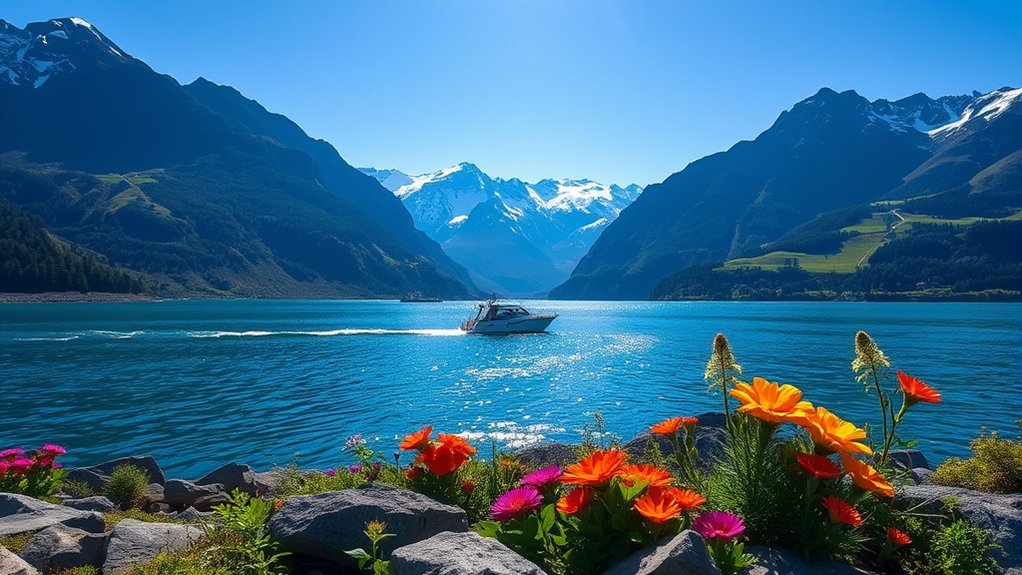
Whittier is a major launch point for sea kayaking in Prince William Sound. Protected coves, forested shorelines, waterfalls, marine wildlife, and glacier-fed fjords make the area memorable for experienced paddlers.
Local companies may offer rentals, instruction, guided day trips, water-taxi transport, and overnight routes. Blackstone Bay is a well-known destination, while longer trips can reach more remote fjords and public-use cabins.
Warning: Prince William Sound is cold-water sea-kayaking territory. Wear a properly fitted PFD and suitable immersion protection, check the marine forecast, paddle with others, carry communication and rescue equipment, and stay well away from glacier faces. Beginners should book a guided trip instead of paddling into an exposed fjord alone.
Glacier calving can create waves, falling ice, and unstable icebergs. Marine mammals also need space. Follow your guide’s instructions and current NOAA viewing guidance.
Hike the Portage Pass Trail
Portage Pass Trail begins on the Whittier side of the tunnel and climbs quickly toward a low mountain pass. From the pass, hikers can look toward Portage Lake and Portage Glacier. Continuing downhill leads toward the lakeshore.
The complete route to Portage Lake is about two miles each way, although many visitors turn around at the pass viewpoint. Expect a sustained climb, exposed sections, mud, wet vegetation, and rapidly changing weather.
- Wear shoes with reliable traction.
- Carry rain gear and warm layers, even on a clear morning.
- Stay on the established route and protect fragile plants.
- Make noise in areas with poor visibility and carry an accessible wildlife deterrent you know how to use.
- Turn back if snow, fog, wind, heavy rain, or fatigue makes the route unsafe.
Pro Tip: A shorter hike to the pass viewpoint provides much of the scenery without the full descent to Portage Lake. Remember that every downhill step on the way out becomes an uphill step on the return.
Discover the Begich, Boggs Visitor Center
The Begich, Boggs Visitor Center stands beside Portage Lake in Chugach National Forest. Visit it before entering the Whittier tunnel or after leaving Whittier.
Inside, exhibits explain glaciers, local wildlife, geology, earthquakes, and the wider Chugach National Forest. Depending on the operating season, visitors may also find interpretive programs, a theater presentation, trip-planning information, and a bookstore.
Portage Glacier has retreated and is no longer visible from the visitor center’s observation decks. You can still enjoy views of Portage Lake and surrounding mountains. To see Portage Glacier, consider the Portage Pass Trail or an operating boat tour on Portage Lake.
Take a Glacier Cruise
A glacier and wildlife cruise is one of the easiest ways to explore Prince William Sound without operating your own boat. Routes vary by company, vessel, weather, ice, and trip length.
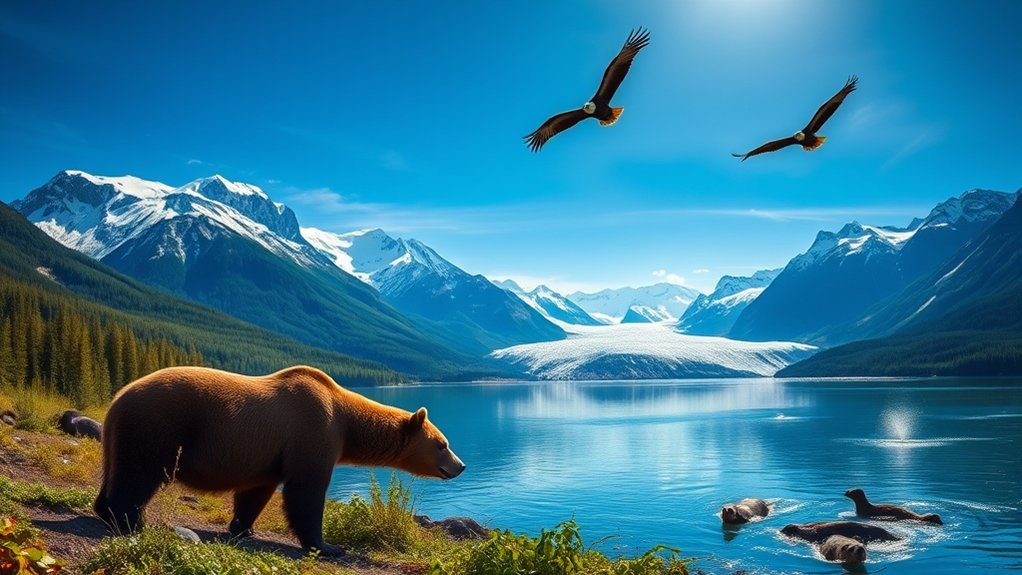
Depending on the route, you may see tidewater glaciers, waterfalls, floating ice, harbor seals, sea otters, sea lions, whales, mountain goats, and seabirds. Wildlife sightings and active glacier calving cannot be guaranteed.
Reserve popular departures early during summer. Arrive before the operator’s check-in deadline, and confirm whether parking, food, indoor seating, outdoor decks, and motion-sickness supplies are included.
Even on a covered vessel, bring warm layers, waterproof outerwear, gloves, and a secure camera strap. Conditions on an open deck can feel much colder than conditions at the harbor.
Enjoy Local Seafood
Whittier’s harbor supports commercial fishing, charter boats, seafood processors, and seasonal restaurants. Menus may include halibut, salmon, cod, shrimp, crab, chowder, fish and chips, or smoked seafood.
What to Order
Halibut and salmon are common choices, but availability and origin can change. Ask the restaurant what is fresh, local, or in season rather than assuming every seafood item came directly from Prince William Sound that day.
For a casual meal, fish and chips, chowder, or a seafood sandwich can fit easily between tours. A sit-down waterfront meal is better when you have enough time before the tunnel’s next outbound opening.
Current Dining Options
The Greater Whittier Chamber currently lists businesses such as Swiftwater Seafood Cafe, the Anchor Inn restaurant, Lazy Otter Cafe, and the Inn at Whittier. Some businesses operate seasonally or reduce hours outside summer.
Review the current Whittier restaurant directory before your visit. Avoid relying on old travel posts for opening days or closing times.
Walk Around the Harbor and Waterfront
There may not be a formally marked trail called the “Scenic Shoreline Trail,” but the harbor district offers an easy place to walk, watch boats, photograph Passage Canal, and enjoy mountain views.
Stay on public walkways and remain clear of loading zones, working docks, boat-launch areas, railroad operations, and private property. Children should remain close to an adult near the water.
For a more defined hike, consider Portage Pass or a signed local route such as Horsetail Falls Trail. Trail conditions can change after heavy rain, snowmelt, or maintenance work.
See Begich Towers From Public Areas
Begich Towers is one of Whittier’s most recognizable buildings. The former military housing complex now contains residences and community services, and much of Whittier’s population lives there.
The building helps explain why Whittier is often described as a town under one roof. However, it is not a conventional public museum or unrestricted tourist attraction.
- View the exterior: Photograph the building from a lawful public area without blocking traffic or entrances.
- Learn the history: Visit the Prince William Sound Museum or follow a current historic walking-tour map.
- Respect residents: Do not wander through residential floors, photograph people through windows, or treat the building as abandoned.
- Use public businesses only: Enter only spaces that are clearly open to customers or visitors.
Go Fishing in Whittier
Whittier is a base for saltwater fishing trips into Prince William Sound and nearby Gulf of Alaska waters. Depending on the season, location, regulations, and charter, target species may include halibut, salmon, rockfish, lingcod, or shrimp.
A licensed charter can provide the boat, safety equipment, fishing gear, local knowledge, and fish-handling help. Ask what is included, how long the trip lasts, whether fish processing is available, and what clothing you should bring.
Note: Fishing seasons, licenses, stamps, bag limits, size limits, emergency orders, and retention rules can change. Review the current Alaska Department of Fish and Game sport-fishing regulations and confirm requirements with your charter before departure.
Weather can cancel or shorten a trip. Build flexibility into your schedule, especially if fishing is the main reason for your visit.
Check for Fishing Derbies and Seasonal Events
Fishing contests, community gatherings, cruise-related activities, and harbor events may be offered in or around Whittier, but dates and event names can change from year to year.
Do not plan a trip around an assumed annual Whittier Fishing Derby without confirming that the event is scheduled. Check current announcements from the City of Whittier, the Greater Whittier Chamber of Commerce, local charter businesses, and event organizers.
If a derby is operating, review its official eligibility rules, registration deadline, fishing boundaries, species categories, weigh-in process, and prize terms before entering.
Visit the Prince William Sound Museum
The Prince William Sound Museum, located inside the Anchor Inn, explores Whittier’s history as a military port and railroad terminal.
Its exhibits cover subjects such as World War II, the Cold War, Alaska aviation, rail construction, maritime history, and the development of Whittier. Historical photographs and artifacts add context to the large military-era structures still visible around town.
Confirm current opening hours before visiting. A small museum may close for seasonal, staffing, or private-event reasons that are not reflected in older guidebooks.
Explore Whittier’s Historic Townsite
A self-guided walk can help you connect Whittier’s modern harbor with its military and railroad past. Look for an updated walking-tour map from the chamber, museum, or a local visitor business.
- Begich Towers: View the exterior and learn how former military housing became the town’s main residential building.
- Railroad infrastructure: Observe the active rail connection that still links the port with the rest of Alaska.
- Buckner Building: View the abandoned military structure only from a lawful public location and obey all fences and signs.
- Historic signs and murals: Read posted information where available rather than entering private or unsafe property.
- Waterfront: Finish with views of Passage Canal, the harbor, and surrounding mountains.
Warning: Never enter the Buckner Building or cross fences and no-trespassing signs. Abandoned structures may contain unstable floors, falling materials, broken glass, wildlife, mold, asbestos, and other serious hazards.
Take a Guided Tour
A guide can help you explore more of Whittier and Prince William Sound while reducing the challenges of navigation, equipment, weather assessment, and local logistics.
Available experiences may include:
- Glacier and wildlife cruises
- Guided sea-kayaking trips
- Fishing charters
- Water-taxi trips
- Jet-ski tours with cold-water equipment
- Historic walking tours
- Private sightseeing charters
Compare trip length, group size, physical requirements, cancellation terms, minimum age, included equipment, and the operator’s safety policies. A shorter protected-water trip may be more suitable for families or first-time visitors than a long journey into an exposed fjord.
Relax at Whittier Harbor
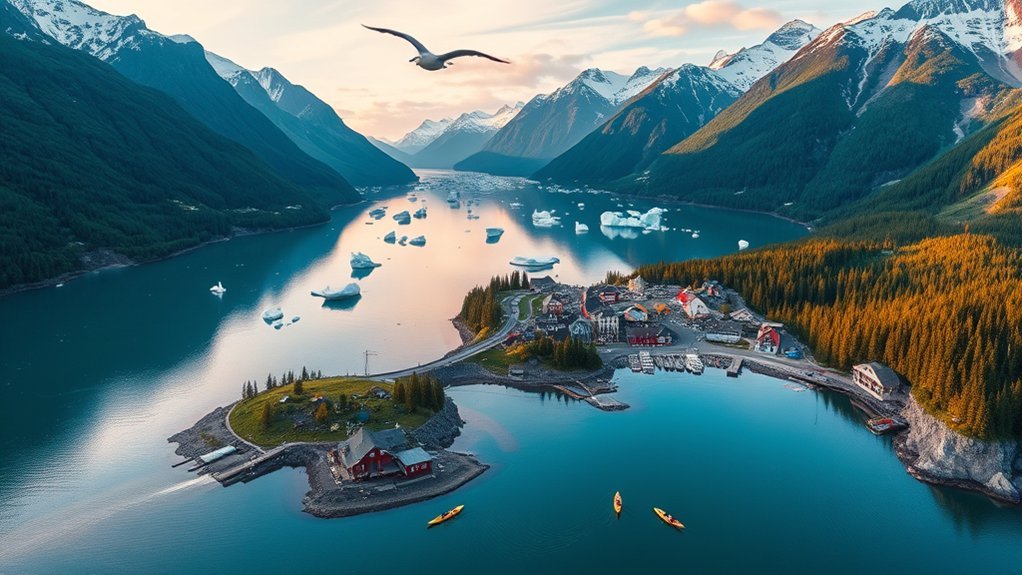
Whittier Harbor is a full-service, ice-free port that remains active throughout the year. It is a good place to watch fishing boats, charter vessels, water taxis, and private boats move through Passage Canal.
You can:
- Walk along public waterfront areas.
- Watch boats arrive and depart without entering restricted dock areas.
- Photograph the harbor and surrounding mountains.
- Eat lunch at a nearby cafe or restaurant.
- Wait for a tour while checking weather and departure updates.
Research parking before arrival. The harbor district contains short-term, paid, permit, trailer, and staging areas with different rules. RV space is limited, and the city advises RV visitors to review designated camping and parking options rather than trying to maneuver through crowded harbor areas.
See the current City of Whittier Harbor information for parking rules, boating forms, and fee updates.
A Practical One-Day Whittier Itinerary
- Morning: Check the tunnel schedule, drive through Portage Valley, and reach the staging area early.
- Late morning to afternoon: Take a glacier cruise, complete a guided kayak trip, or hike to the Portage Pass viewpoint. Choose only one major activity unless the schedules clearly allow more.
- Afternoon: Eat seafood, visit the Prince William Sound Museum, and walk around the harbor.
- Before leaving: Confirm the next Portage-bound tunnel opening and allow time to retrieve your vehicle and enter the staging line.
If you also want to visit the Alaska Wildlife Conservation Center or Begich, Boggs Visitor Center, stop on the Portage side before entering Whittier or after exiting the tunnel. Trying to combine both stops with a long cruise and full Portage Pass hike may make the day rushed.
Best Time to Visit and What to Pack
Late May through early September usually offers the widest selection of cruises, charters, restaurants, rail service, and visitor activities. Summer does not guarantee dry or warm weather. Whittier is known for rain, clouds, wind, and fast-changing marine conditions.
Pack:
- A waterproof jacket and rain pants
- Warm synthetic or wool layers
- A hat and light gloves
- Water-resistant hiking shoes or boots
- A dry bag for electronics
- Food and water for delays
- Binoculars for wildlife viewing
- Motion-sickness medicine when appropriate
- Any prescribed medication you may need if the tunnel or weather delays your return
Warning: Check the current National Weather Service marine forecast before boating or paddling. Conditions can become unsafe even when the harbor appears calm.
Frequently Asked Questions
What is the best time of year to visit Whittier, Alaska?
Late May through early September is the easiest period for most visitors because cruises, tours, restaurants, rail service, and other seasonal businesses operate more frequently. Whittier can still be rainy, windy, and cool in summer, so pack waterproof clothing and warm layers.
Are accommodations available in Whittier?
Yes. Options may include an inn, condo suites, vacation rentals, cabins, and seasonal camping. The town has limited capacity, so reserve early for visits between May and September. Girdwood and Anchorage provide additional choices for travelers who prefer a day trip.
Is Whittier accessible by road year-round?
Whittier generally has year-round road access through the Anton Anderson Memorial Tunnel, but the tunnel is not continuously open. It follows seasonal operating hours and directional openings. Weather, trains, construction, emergencies, or maintenance can cause delays or closures.
What wildlife can be spotted near Whittier?
Possible sightings include sea otters, harbor seals, sea lions, humpback whales, orcas, bald eagles, seabirds, mountain goats, black bears, and salmon. Sightings depend on the season, location, weather, and animal behavior, so no species is guaranteed.
Are guided fishing tours available in Whittier?
Yes. Whittier has charter operators offering saltwater fishing trips. Ask each operator about target species, licenses, stamps, gear, fish processing, trip length, physical requirements, and cancellation policies. Always check current Alaska fishing regulations and emergency orders.
How many days do you need in Whittier?
One full day is enough for a glacier cruise or major hike plus a meal and harbor walk. Two days are better if you want to combine cruising, hiking, kayaking, fishing, the museum, and nearby Portage Valley attractions without rushing.
Can you see Portage Glacier from the Begich, Boggs Visitor Center?
No. Portage Glacier has retreated out of view from the visitor center’s observation decks. The center still offers Portage Lake views and glacier exhibits. For a glacier view, hike Portage Pass or take an operating boat tour on Portage Lake.
Conclusion
Whittier offers an unusual mix of glacier access, marine adventure, fishing, hiking, local history, and small-town harbor life. A glacier cruise, Portage Pass hike, guided kayak trip, or fishing charter can become the centerpiece of your visit, while the museum, seafood restaurants, waterfront, and tunnel complete the experience.
The best trip is not the one with the longest activity list. Choose one major adventure, check current conditions, leave room for delays, and respect the people, wildlife, water, and working port around you.
Sources
- Alaska Department of Transportation: Anton Anderson Memorial Tunnel — tunnel schedules, tolls, restrictions, operating details, and history
- City of Whittier: Visiting Whittier — city history, transportation, recreation, wildlife, and visitor information
- Travel Alaska: Whittier — hiking, kayaking, lodging, museum, transportation, and activity overview
- Alaska Wildlife Conservation Center — current sanctuary information, visitor loop, hours, animals, programs, and safety rules
- U.S. Forest Service: Alaska Visitor Centers — Begich, Boggs Visitor Center information and Chugach National Forest resources
- Alaska Department of Fish and Game: Sport Fishing Regulations — licenses, regional rules, emergency orders, and current fishing requirements