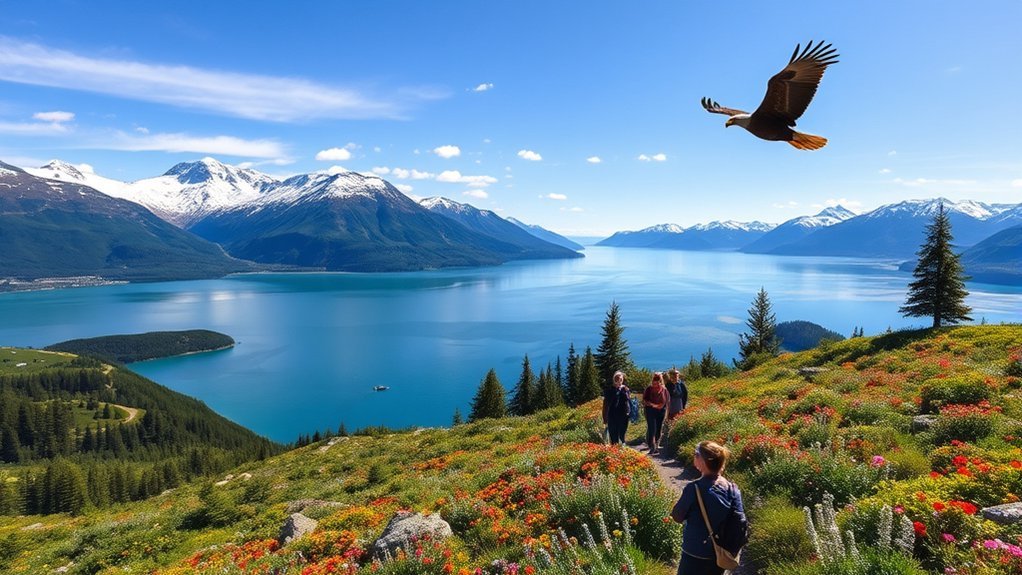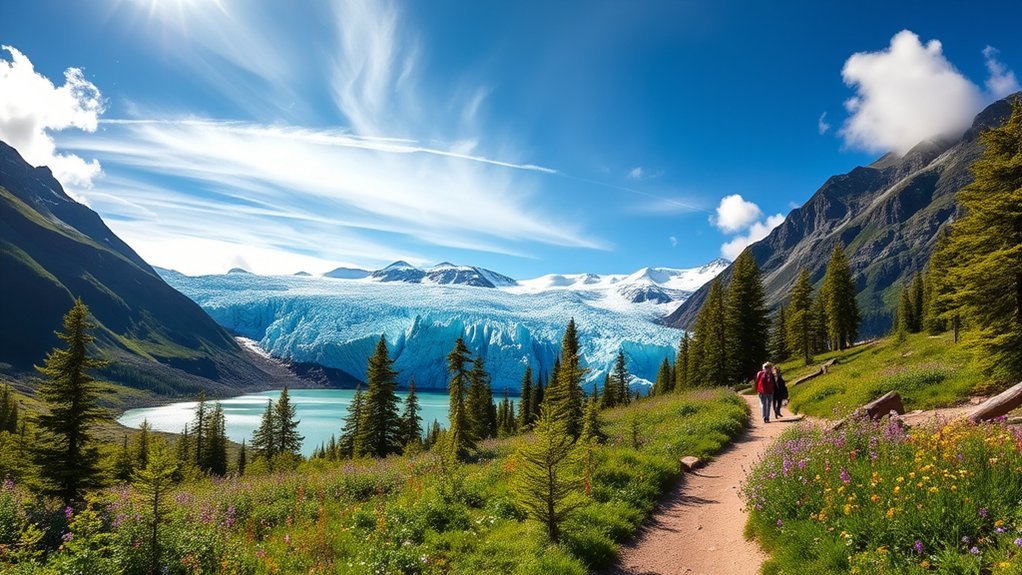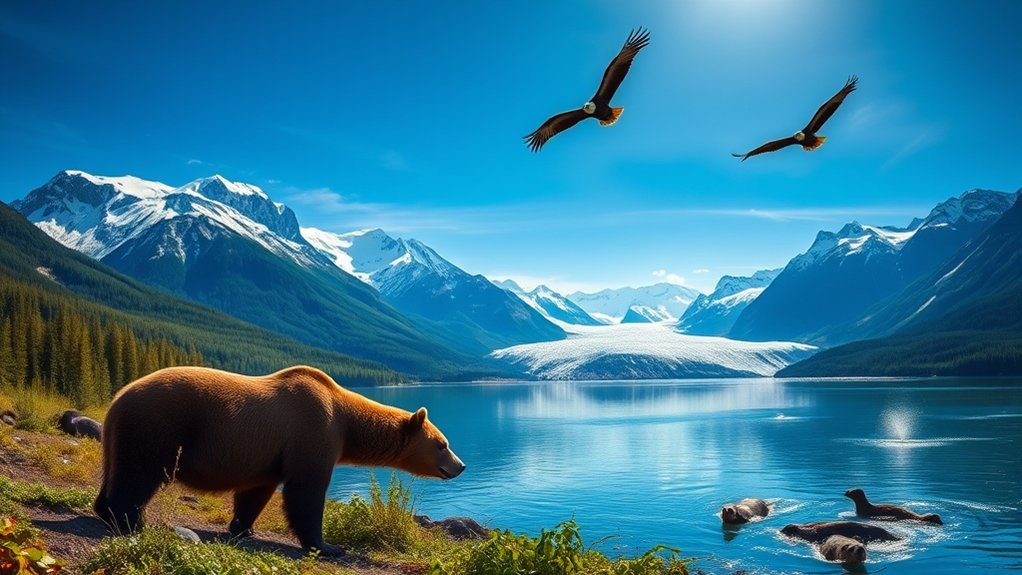
Alaska wildlife tours range from Denali bus trips and Kodiak bear-viewing flights to glacier cruises filled with chances to see whales, sea otters, seals, and seabirds. The right choice depends on the animals you hope to see, your travel month, your comfort on boats or small aircraft, and how far into Alaska’s wilderness you want to go.
Quick Answer
The best Alaska wildlife tours include Denali bus trips for large land mammals, Kodiak excursions for brown bears, and cruises through Kenai Fjords, Glacier Bay, or Prince William Sound for whales and sea otters. May through September offers the widest selection, but no wild-animal sighting is guaranteed.
Key Takeaways
- Choose Denali for moose, caribou, Dall sheep, bears, and possible wolf sightings from a park bus.
- Choose Kodiak for specialized brown-bear tours, often involving a floatplane, boat, or remote lodge.
- Choose Kenai Fjords, Glacier Bay, or Prince William Sound for marine mammals, seabirds, and glacier scenery.
- Book early, but check cancellation, accessibility, weather, and wildlife-sighting policies before paying.
- Keep a safe distance, never feed wildlife, and follow your guide’s instructions immediately.
Compare Alaska Wildlife Tours
Each region provides a different experience. Use this comparison to narrow your choices before checking current schedules and park alerts.
| Destination | Wildlife Highlights | Common Tour Type | General Viewing Window |
|---|---|---|---|
| Denali | Bears, moose, caribou, Dall sheep, wolves | Park bus or guided hike | Late May to mid-September |
| Kodiak Island | Kodiak brown bears, bald eagles, marine wildlife | Floatplane, boat, or remote-lodge tour | May to September; many prime sites peak July to September |
| Kenai Fjords | Whales, sea otters, seals, sea lions, puffins | Wildlife and glacier cruise | Late spring through early fall |
| Glacier Bay | Humpbacks, sea otters, seals, sea lions, bears | Boat tour, cruise, or kayak trip | Late spring through early fall for the widest variety |
| Prince William Sound | Sea otters, whales, seals, sea lions, bald eagles | Cruise or guided kayak trip | May to September |
| Wrangell-St. Elias | Dall sheep, mountain goats, moose, bears, caribou | Road trip, hike, or flightseeing tour | Late spring through early fall |
Note: Wildlife follows food, weather, tides, and migration rather than a tour schedule. Treat every seasonal window as guidance, not a guarantee.
Best Time for Alaska Wildlife Tours
May through September offers the greatest number of Alaska wildlife tours. Longer daylight, open roads, returning migratory birds, and seasonal boat service make summer the easiest period for most visitors. However, the best month depends on the animal and location.
- Brown bears: Bears are active from spring into fall. At salmon-focused viewing areas, activity often becomes more concentrated from July through September.
- Whales: Humpbacks and other whales feed in Alaska’s coastal waters during the warmer months, but species, numbers, and timing vary by region.
- Moose: Moose live in Alaska year-round. You may see them around willow habitat, wetlands, parks, and roads, especially during quieter hours.
- Caribou and Dall sheep: Summer and early fall provide better access, although these animals may remain far away on tundra or mountain slopes.
- Seabirds: Late spring and summer are generally strongest for active coastal nesting colonies.
- Northern Lights: Fairbanks’ darker aurora season generally runs from late August into April. It does not match the main summer wildlife-tour season exactly.
Denali National Park: A Wildlife Photographer’s Paradise
Denali National Park is one of Alaska’s best-known places for viewing large land mammals. From a park bus, you may spot grizzly bears, moose, caribou, Dall sheep, foxes, or wolves across the tundra and mountain habitat. Wildlife may be distant, so binoculars and a telephoto lens are more useful than trying to approach an animal.
Denali, North America’s highest mountain, adds a dramatic background when clouds allow a clear view. Early and late parts of the day can provide good light, but animals may appear at any time.
Current access warning: The Denali Park Road closure at Mile 43 continues to affect summer 2026 operations. Check the official Denali conditions page before reserving a bus, campground, or backcountry trip.
Kenai Fjords National Park: Glaciers and Sea Life
Wildlife and glacier cruises from Seward provide access to Kenai Fjords National Park’s rugged coast. Depending on the day, you may see humpback whales, orcas, sea otters, harbor seals, Steller sea lions, puffins, and bald eagles. Breaching whales and calving glaciers are possible, but neither can be promised.
Shorter cruises usually remain closer to protected water, while longer trips may reach outer fjords and tidewater glaciers. Ask about route length, indoor seating, deck access, meals, seasickness, and the operator’s bad-weather policy. People who become motion-sick should discuss preventive options with a pharmacist or healthcare professional before departure.
Kodiak Island: Home of the Famous Brown Bears
Kodiak Island is a leading destination for viewing Kodiak brown bears in their natural habitat. Many productive areas are remote, so tours may involve a floatplane, boat, hike, or stay at a wilderness lodge. Weather can delay flights or change the day’s viewing location.
Best Viewing Seasons
Bears may be active from spring into fall, but they move as different foods become available. The Alaska Department of Fish and Game identifies July, August, and September as the best period for viewing at Frazer Lake. Other coastal and inland sites can have different peak periods.
Instead of choosing a date from a general statewide calendar, ask an experienced operator which viewing areas are active during your travel week. Salmon runs, berry crops, tides, and weather can all affect bear locations.
Guided Tours Available
Kodiak tours range from shorter flightseeing and ground-viewing trips to multi-day lodge packages. A responsible guide should explain walking distance, terrain, aircraft limits, restroom availability, group size, bear-safety procedures, and what happens if weather prevents departure.
Photography opportunities can be excellent, but visitors may need to sit or stand quietly for long periods. Choose a trip that matches your mobility, comfort in small aircraft, and ability to walk over wet or uneven ground.
Conservation Efforts Overview
The Kodiak National Wildlife Refuge protects important habitat for brown bears and many other species. Tour participation does not automatically fund every conservation project, so check an operator’s permits, practices, and conservation commitments rather than relying on broad marketing claims.
You can reduce your impact by following refuge rules, packing out waste, keeping food controlled, remaining with your guide, and avoiding behavior that changes a bear’s direction or feeding pattern.
Glacier Bay National Park: Landscapes and Marine Life
Glacier Bay National Park and Preserve combines glaciers, sheltered coves, islands, and productive marine habitat. Boat passengers may see humpback whales, sea otters, harbor seals, Steller sea lions, porpoises, seabirds, and occasionally orcas. Brown and black bears also live along the shore, although boat-based sightings may be distant.
Wildlife changes through the year. The National Park Service provides a seasonal wildlife calendar that can help you match a trip with likely species. Glacier calving can be dramatic, but boats and kayaks must remain clear of ice, waves, and unstable glacier faces.
Wrangell-St. Elias National Park: The Largest U.S. National Park
At about 13.2 million acres, Wrangell-St. Elias is the largest national park in the United States. Its size creates remarkable habitat, but wildlife can be widely scattered and difficult to see. Visitors should value the remote landscapes as part of the experience rather than expect constant animal sightings.
Diverse Wildlife Habitats
- Glaciers and alpine slopes: Scan rocky ridges for Dall sheep and mountain goats. Wrangell-St. Elias does not have wild snow leopards.
- Forests and wetlands: Moose, black bears, brown bears, beavers, and smaller mammals use lower forests, lakes, and willow habitat.
- Tundra and mountain valleys: Caribou, wolves, foxes, ground squirrels, and migratory birds occupy the park’s open country.
The National Park Service’s park mammal guide confirms that the region supports Dall sheep, mountain goats, caribou, moose, bears, wolves, and transplanted bison herds.
Scenic Viewing Opportunities
| Viewing Area | Planning Notes |
|---|---|
| Root Glacier | Most accessible during the main summer season; glacier travel may require a qualified guide and proper equipment. |
| McCarthy Road | A scenic access corridor where wildlife is possible; check road and vehicle-rental restrictions. |
| Nabesna Road | Offers roadside habitat and mountain views; conditions can limit travel beyond maintained sections. |
| Kennecott National Historic Landmark | A useful base for nearby walks, but tours, visitor services, and practical road access are seasonal. |
| Klutina River corridor | A possible regional stop for birds and salmon-related activity, but it is outside Wrangell-St. Elias National Park. |
Prince William Sound: An Aquatic Haven
Prince William Sound’s sheltered passages, forested islands, and glaciers support rich marine life. Cruises from Whittier and other coastal communities may encounter sea otters, humpback whales, orcas, harbor seals, Steller sea lions, bald eagles, and seabirds.
- Sea otters: Look for them floating, grooming, resting, or feeding in protected water.
- Whales: Humpbacks and orcas may appear, but routes and sightings change daily.
- Bald eagles: Watch shorelines and treetops rather than only the open water.
Guided kayaking can provide a quieter experience, but cold water, fast-changing weather, boat traffic, and floating ice make professional instruction important for inexperienced paddlers.
Anchorage: Urban Wildlife Encounters
Anchorage offers accessible wildlife viewing in parks, wetlands, and greenbelts. Moose commonly move through the city, while bald eagles and waterbirds can be seen in suitable habitat. From coastal viewpoints, patient observers may occasionally spot beluga whales, but a sighting should be treated as a bonus rather than an expectation.
The Tony Knowles Coastal Trail combines city access with forest, mudflat, and coastal scenery. Give moose plenty of space, especially cows with calves and bulls during the fall rut. Never place yourself between a moose and its escape route.
The Alaska Wildlife Conservation Center provides close views of animals in managed care. It is near Portage, roughly an hour’s drive south of downtown Anchorage, making it a day trip rather than an urban attraction.
Fairbanks: Northern Lights and Wildlife Spotting
Fairbanks combines Interior Alaska wildlife with strong aurora-viewing opportunities, but the two experiences peak in different seasons. Summer brings long daylight and easier access to birding areas, wetlands, and guided outdoor trips. Dark skies suitable for aurora viewing generally return from late August into April.
- Moose: Look around wetlands, willow habitat, and quiet roads, while remaining safely inside your vehicle when appropriate.
- Bald eagles and other birds: Rivers, lakes, and migration periods can provide productive birding.
- Caribou: Wild herds cover large areas, so sightings near Fairbanks are possible but not dependable without a specialized regional trip.
If both wildlife and the Northern Lights matter, late August or September can provide some overlap. Nights become darker, while many summer roads and tours may still be operating.
Tongass National Forest: A Rainforest Adventure
Tongass National Forest covers about 16.7 million acres across Southeast Alaska. The U.S. Forest Service describes it as the country’s largest national forest and part of the world’s largest temperate rainforest.
Depending on the island and community, visitors may see black or brown bears, Sitka black-tailed deer, bald eagles, salmon, seals, and other coastal wildlife. Guided hikes, boat trips, kayaking tours, and bear-viewing excursions are available from communities such as Ketchikan, Sitka, Juneau, Wrangell, and Petersburg.
Rain is part of the ecosystem, so waterproof clothing and dry storage for cameras are essential. Trail conditions can be muddy and slippery even when the day begins with clear weather.
How to Choose an Alaska Wildlife Tour
Start with one priority animal or experience. Trying to combine remote bears, whales, Denali wildlife, and Southeast Alaska rainforest in a short trip can create expensive travel days and little time in the field.
- For bears: Compare Kodiak, Katmai-area excursions, and other permitted viewing sites. Ask how the operator selects the day’s location.
- For whales and sea otters: Choose a marine cruise from Seward, Whittier, Glacier Bay, or a Southeast Alaska port.
- For large land mammals: Denali is the clearest first choice, though sightings remain unpredictable.
- For photography: Ask about group size, window access, deck space, tripod rules, luggage limits, and time spent at each location.
- For limited mobility: Confirm steps, ramps, restroom access, walking distance, seating, dock conditions, and aircraft-loading requirements directly with the operator.
Pro Tip: Ask what happens when weather cancels a flight or boat trip. Remote Alaska tours may need a flexible day, and refund or rebooking rules differ among operators.
What to Pack for Wildlife Viewing
- Waterproof jacket and rain pants
- Warm, quick-drying layers
- Sturdy, water-resistant footwear
- Warm hat and light gloves
- Binoculars
- Camera with spare batteries and protected storage
- Reusable water bottle and permitted snacks
- Sun protection and insect repellent
- Required medication, including motion-sickness treatment when appropriate
- Bear spray where allowed and appropriate for land travel
Keep bear spray immediately accessible and learn how to use it before entering bear country. Do not carry it inside an aircraft cabin; follow airline and operator rules for transport and local availability.
Wildlife Safety and Responsible Viewing
A trained guide can reduce risk, but no wild-animal encounter is completely safe. Stay with your group, control children and pets, never feed wildlife, and avoid surrounding an animal or blocking its path.
For bear country, follow the National Park Service bear-safety guidance. Do not run from a bear. Make your presence known in limited-visibility areas, store food properly, and follow location-specific instructions because responses can differ by species and behavior.
For marine tours, follow NOAA Fisheries’ Alaska viewing rules. Remain at least 100 yards from marine mammals, limit viewing time, and never trap whales between boats or between a boat and shore. Federal approach requirements specifically protect humpback whales in Alaska.
Warning: If an animal changes direction, stops feeding, becomes agitated, or watches you continuously, your presence may be affecting it. Increase the distance and follow the guide or ranger’s directions.
Frequently Asked Questions
What is the best time of year for wildlife tours in Alaska?
May through September offers the broadest selection of wildlife tours. July through September is strong for bear viewing at many salmon-focused sites, while marine-tour timing varies by species and region. Check the destination’s official seasonal guidance before booking.
Are guided wildlife-viewing tours available?
Yes. Options include Denali buses, coastal cruises, guided kayak trips, floatplane bear tours, road-based excursions, hiking trips, and multi-day wilderness lodges. Availability, physical demands, and cancellation rules differ widely.
What should I pack for an Alaska wildlife tour?
Pack waterproof outerwear, warm layers, sturdy footwear, binoculars, sun protection, insect repellent, spare camera batteries, and dry storage. For boat trips, consider motion-sickness preparation. For land trips in bear country, follow local bear-spray rules.
Is it safe to encounter wild animals during tours?
Experienced guides reduce risk by controlling group behavior and maintaining distance, but they cannot remove every hazard. Follow instructions, never approach or feed an animal, and tell the guide about mobility or health concerns before departure.
Can I take my pet on an Alaska wildlife tour?
Usually not. Many commercial tours prohibit pets because they can disturb wildlife, attract defensive behavior, or create risks aboard boats and aircraft. Park rules and trained-service-animal policies vary, so contact the operator before booking.
Are wildlife sightings guaranteed?
No. Wild animals choose where and when they move. Ethical operators may describe typical sightings, but they should not guarantee a specific species or behavior. Weather and visibility can also change a tour route.
Should I choose a bear tour or a marine wildlife cruise?
Choose a Kodiak or other permitted bear-viewing tour if brown bears are your main priority. Choose Kenai Fjords, Glacier Bay, or Prince William Sound if you prefer whales, sea otters, seals, seabirds, and glacier scenery.
Sources
- National Park Service: Denali Current Conditions — current road access and summer operations
- Alaska Department of Fish and Game: Kodiak Bear Viewing — Kodiak viewing season and access
- U.S. Fish and Wildlife Service: Kodiak National Wildlife Refuge — refuge habitat and conservation
- National Park Service: Glacier Bay Wildlife Viewing Seasons — seasonal species information
- National Park Service: Wrangell-St. Elias Mammals — verified park wildlife
- NOAA Fisheries: Alaska Marine Mammal Viewing Guidelines — responsible viewing distances and regulations