Williams, Arizona, packs a surprising amount into a small mountain town. You can ride a historic train to the Grand Canyon, walk a neon-lit section of Route 66, see wildlife, hike through ponderosa forest, fish at nearby lakes, and plan easy day trips across northern Arizona. This guide focuses on verified attractions and practical planning so you can choose activities that match your time, season, budget, and comfort level.
Quick Answer
The best things to do in Williams, Arizona are riding the Grand Canyon Railway, walking historic Route 66, visiting Bearizona, hiking Bill Williams Mountain, exploring Kaibab National Forest, relaxing at Kaibab Lake, and using town as a base for a Grand Canyon South Rim day trip.
Key Takeaways
- The railway, Route 66, Bearizona, Bill Williams Mountain, and Kaibab Lake are the strongest first-time stops.
- The Grand Canyon South Rim is about an hour away by car, while the railway is a full-day experience.
- Williams sits at 6,770 feet, so temperatures, wind, snow, and afternoon storms can affect plans.
- Forest roads and remote trails may have weak cell service, seasonal closures, fire restrictions, or rough surfaces.
- Book popular train rides, holiday events, lodging, and tours early, then confirm conditions close to your travel date.
At a Glance
| Best For | Grand Canyon trips, Route 66 history, family attractions, hiking, wildlife, scenic drives, and small-town stays |
| Ideal Trip Length | One day for highlights; two to three days for the railway, Bearizona, Route 66, a lake, and a forest outing |
| Best Seasons | Late spring and fall for mild weather; summer for long days and events; winter for snow and the Polar Express |
| Main Planning Tip | Choose either the railway or a self-drive Grand Canyon day; trying to combine both with major Williams attractions creates a rushed schedule |
Ride the Grand Canyon Railway and Explore Williams Depot
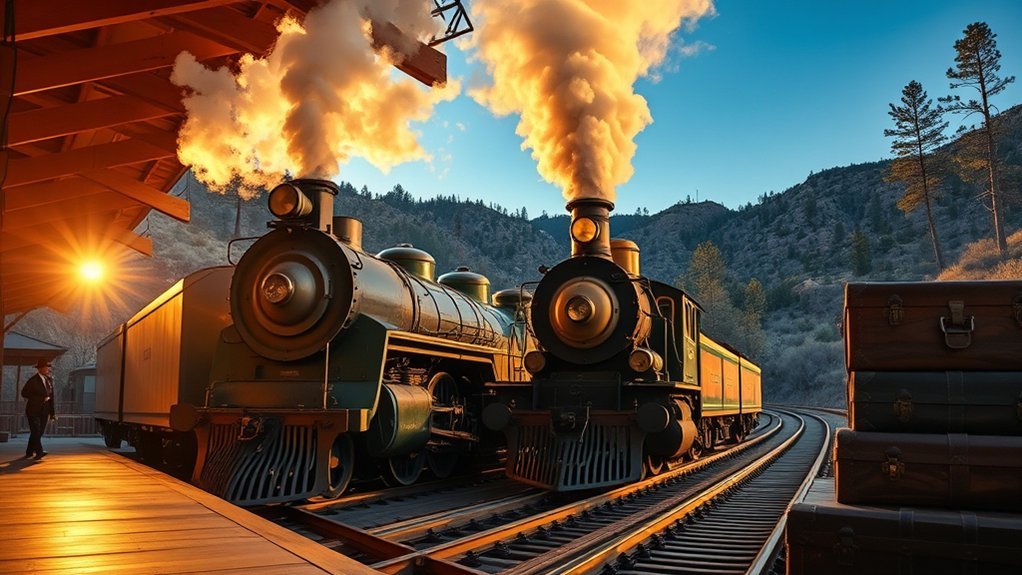
The Grand Canyon Railway turns the trip from Williams to the South Rim into the main event. The train covers 65 miles in about two hours and 15 minutes each way, giving passengers more than three hours at the canyon on the standard schedule. That makes it a full-day outing rather than simple transportation.
Arrive early at the historic Williams Depot for check-in and the pre-departure entertainment offered on many operating days. The depot dates to the early railroad era and remains the active starting point for the trip. You can view railroad displays, take photos around the station, and learn about the line’s role in bringing visitors to the Grand Canyon.
The ride suits families, couples, railroad fans, and anyone who would rather avoid driving and parking inside the national park. The tradeoff is less control over sunrise, sunset, trail time, and viewpoint choices. Choose your rail-car class carefully, review mobility information before booking, and check the current timetable because seasonal departure times can change.
Pro Tip: Treat the railway as your entire sightseeing day. Plan Route 66 shopping and dining for the evening before or the morning after the ride.
Walk Historic Route 66 in Downtown Williams
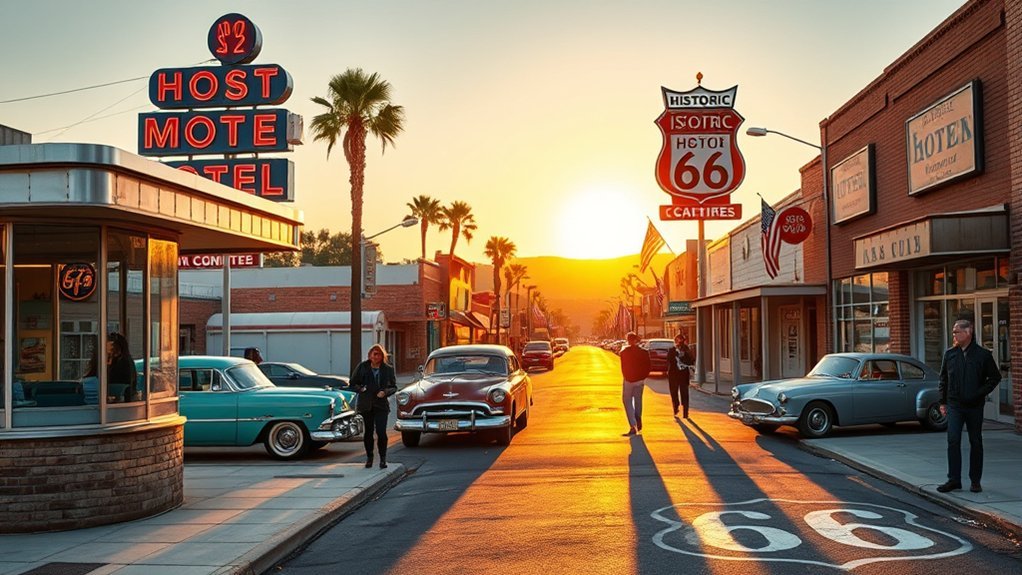
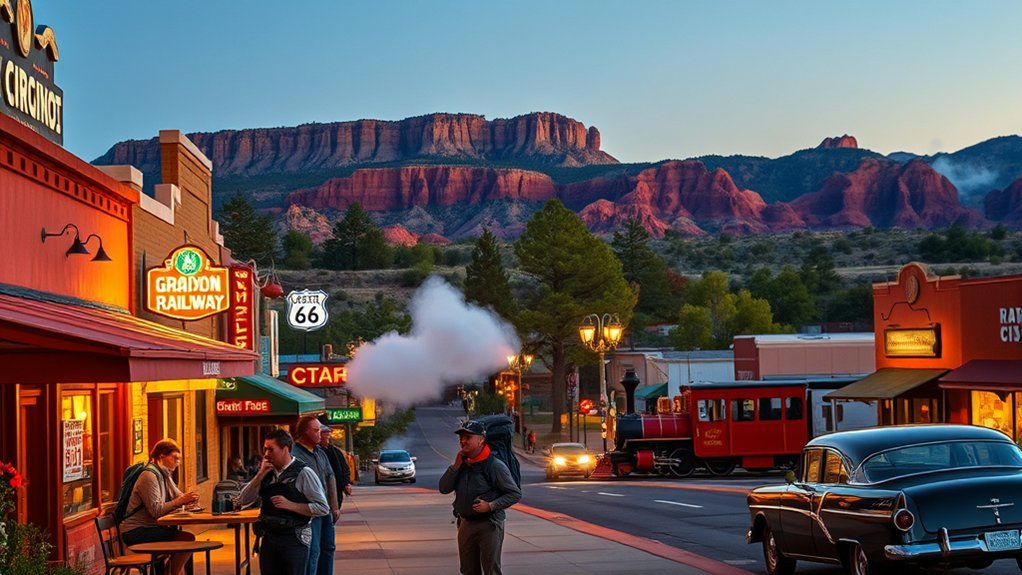
Historic Route 66 runs through the center of Williams, where vintage signs, old motels, diners, murals, gift shops, and restored storefronts create an easy walking route. The downtown historic district covers several compact blocks, so you can explore without moving your car every few minutes.
Williams has a strong preservation story. It was the last Route 66 community bypassed by Interstate 40, on October 13, 1984. Today, the highway identity supports local restaurants, lodging, events, and shops instead of feeling like a staged roadside display.
Walk once during daylight to notice architecture and murals, then return around dusk when the neon signs stand out. Sidewalk conditions and entrances can vary in older buildings, so travelers with mobility needs should call individual businesses before visiting.
Hike the Bill Williams Mountain Trail
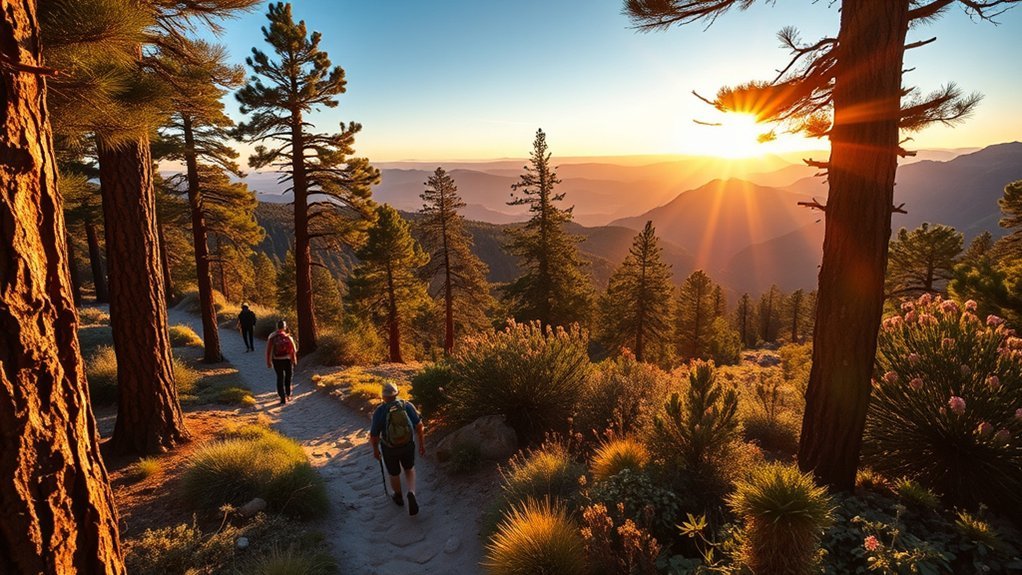
Bill Williams Mountain Trail No. 21 begins close to town and climbs through ponderosa pine toward the mountain’s upper slopes. The Forest Service describes moderate grades, but the sustained climb, altitude, and changing weather make it a demanding outing for many visitors.
The trail ends near the summit area at roughly 9,256 feet. There is no dependable water on the route, so carry enough for the full hike. Wear sturdy shoes, download a map, bring sun protection and layers, and start early enough to avoid finishing after dark.
| Feature | What to Expect |
|---|---|
| Forest | Ponderosa pine, shaded sections, and seasonal aspen color |
| Terrain | Steady climbing, rocky ground, and higher-elevation exposure |
| Preparation | Water, layers, offline navigation, food, and a realistic turnaround time |
Warning: Afternoon storms, snow, ice, wind, and altitude can change this hike quickly. Turn back when conditions worsen rather than pushing for the summit.
Visit Bearizona Wildlife Park
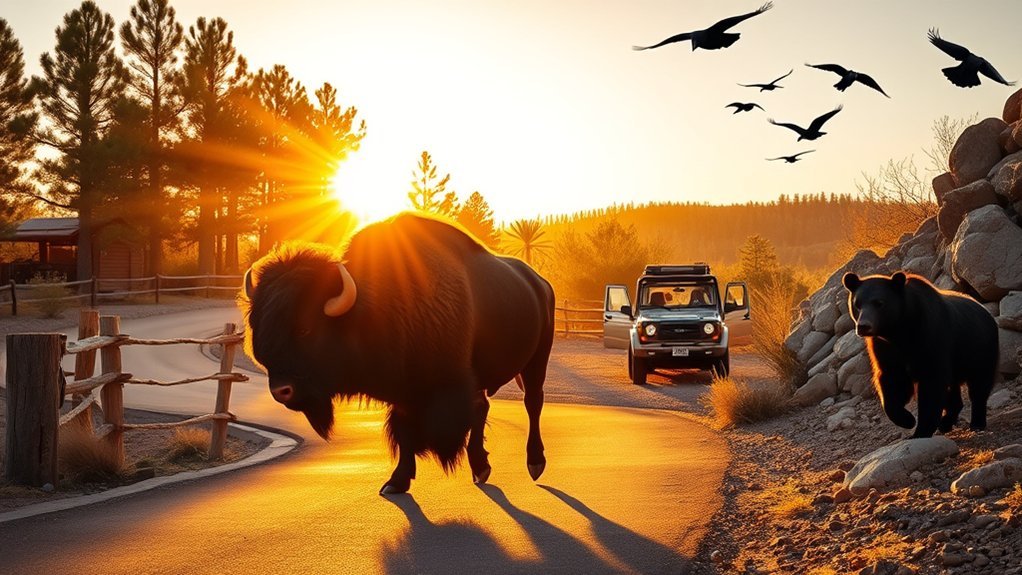
Bearizona Wildlife Park combines a drive-through wildlife route with a walk-through area. The property covers about 160 acres, and the driving section extends for more than three miles. Depending on animal activity, you may see bears, bison, wolves, mountain goats, elk, and other North American species.
Follow every posted rule. Keep windows up and doors closed where required, remain inside your vehicle in drive-through habitats, do not feed animals, and follow staff directions. Animal sightings are never guaranteed because weather, temperature, time of day, and normal animal behavior affect visibility.
The walking area adds educational programs, smaller habitats, and easier viewing. Bearizona publishes accessibility information, but pet rules are strict and differ between areas; review the current policy before arriving with a pet or service animal.
Drive Snowbowl Scenic Drive Near Flagstaff
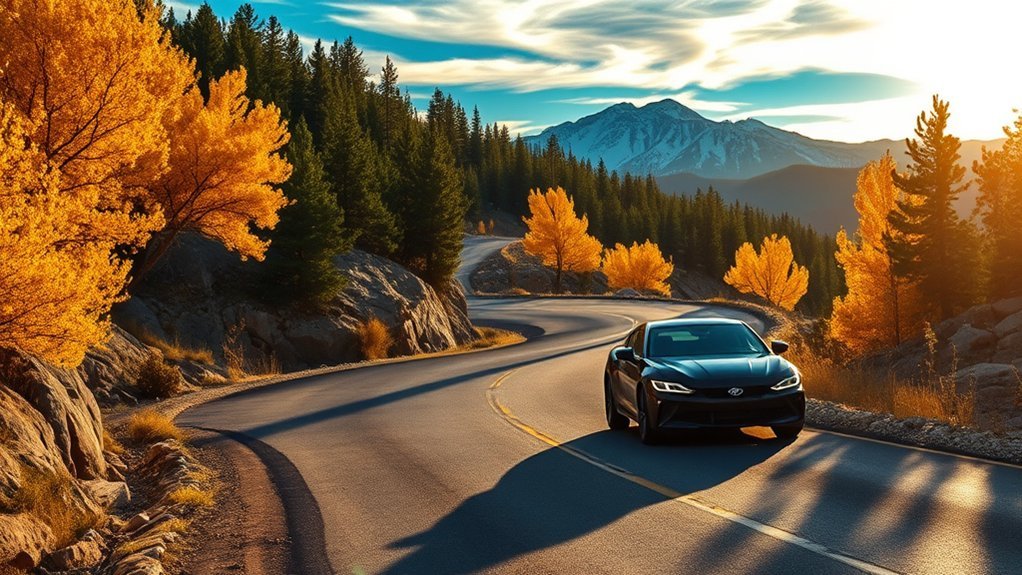
The official name is Snowbowl Scenic Drive. It is near Flagstaff, not in Williams, so plan it as a regional side trip. The paved road climbs about eight miles through ponderosa pine and aspen toward the San Francisco Peaks, rising from roughly 7,342 feet to 9,514 feet.
What You Will See
The drive offers forest scenery, mountain views, access to trailheads, and strong fall color when the aspens change. Summer brings cooler air at higher elevation, while winter can bring snow, ice, traffic controls, and limited parking.
Driving Tips
Check current road and weather conditions before leaving Williams. Use designated pullouts, never stop in a traffic lane for photos, and watch for cyclists, pedestrians, elk, and deer. Carry water and layers even on a short drive because the elevation change can produce a sharp temperature difference.
Note: Combine this drive with Flagstaff activities. It does not fit comfortably into a railway day or a tightly scheduled South Rim day.
Visit Grand Canyon National Park from Williams
Williams is a practical base for the Grand Canyon South Rim. The National Park Service places Williams about 60 miles from the South Rim, with a typical drive of roughly one hour before entrance lines, traffic, or stops.
Drive if you want sunrise or sunset, flexible viewpoints, longer hikes, or control over your return time. Take the railway if you prefer a relaxed trip with no parking decisions. These are different experiences, so choose one instead of trying to combine them.
At the park, begin with an official visitor center or shuttle stop, then choose a few rim viewpoints and a short section of the Rim Trail. Carry water, sun protection, and layers. Temperatures at the rim can be much cooler than lower parts of Arizona, and snow or ice is possible in colder months.
A successful Grand Canyon day is usually built around a few well-chosen viewpoints, not a race to stop at every overlook.
Ride the Grand Canyon Railway’s Polar Express (Seasonal)
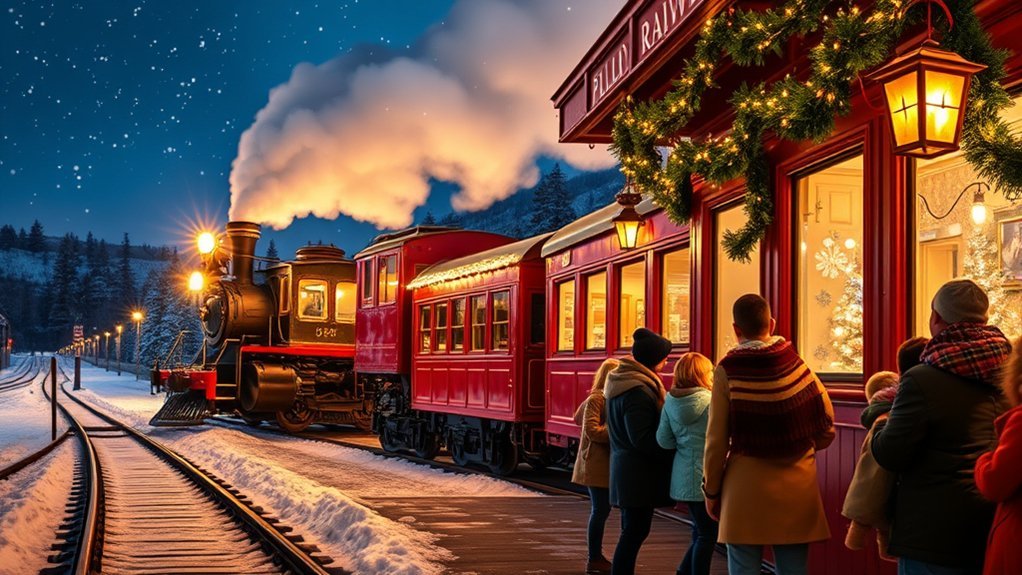
The Polar Express is a seasonal evening ride built around the holiday story, cocoa, music, characters, and a festive depot atmosphere. For the 2026 season, the railway lists selected operating dates from November 6, 2026, through January 3, 2027, with evening departure times.
Tickets and lodging packages can sell out, especially on weekends and near holidays. Arrive early for parking and check-in, dress for cold mountain weather, and confirm the current accessibility and boarding details before paying. The ride is separate from the daytime Grand Canyon trip and lasts much less time.
Walk Kaibab National Forest Trails
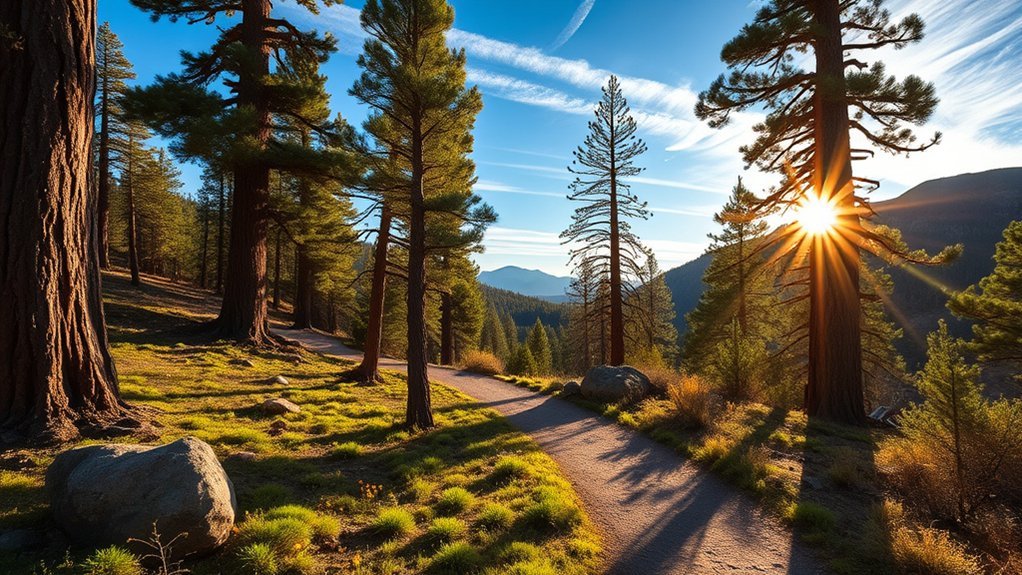
Williams sits in the Kaibab National Forest, giving you access to forest walks, lake paths, mountain routes, wildlife viewing, and scenic roads. Use the Kaibab National Forest website or a ranger station to choose a route that matches your fitness and vehicle.
Check fire restrictions, trail closures, snow, mud, and road conditions before leaving town. Download maps because service can fade quickly, and carry water even on short walks. Stay on durable routes, pack out trash, and keep a safe distance from wildlife.
Good plans range from a gentle lake-area stroll to a longer mountain hike. Avoid choosing a route from a social-media photo alone; confirm the official trail name, legal access point, distance, and current conditions first.
Eat at Classic Route 66 Diners
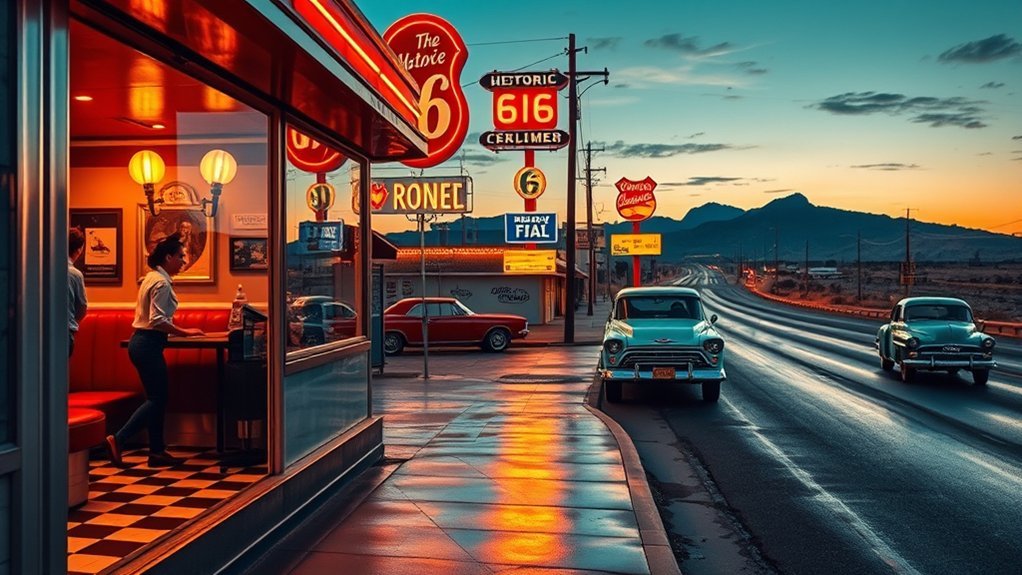
Downtown restaurants make an easy break between attractions. Menus commonly include burgers, breakfast plates, barbecue, sandwiches, pie, shakes, and Southwestern flavors. The best experience comes from choosing a place that fits your schedule rather than chasing a specific dish that may not be available every day.
Enjoy the Atmosphere
Look for neon signs, vintage booths, highway memorabilia, and restored storefronts. Some restaurants feel strongly themed, while others are regular local businesses inside historic buildings. Evening waits can grow during summer, holiday-train nights, and event weekends.
Plan Around Current Menus
Check current hours and menus before walking across town, especially outside peak season. Ask about dietary needs directly because ingredients and kitchen procedures vary. A simple meal followed by a neon walk often feels more memorable than an overpacked evening itinerary.
Stop at Pete’s Route 66 Gas Station Museum
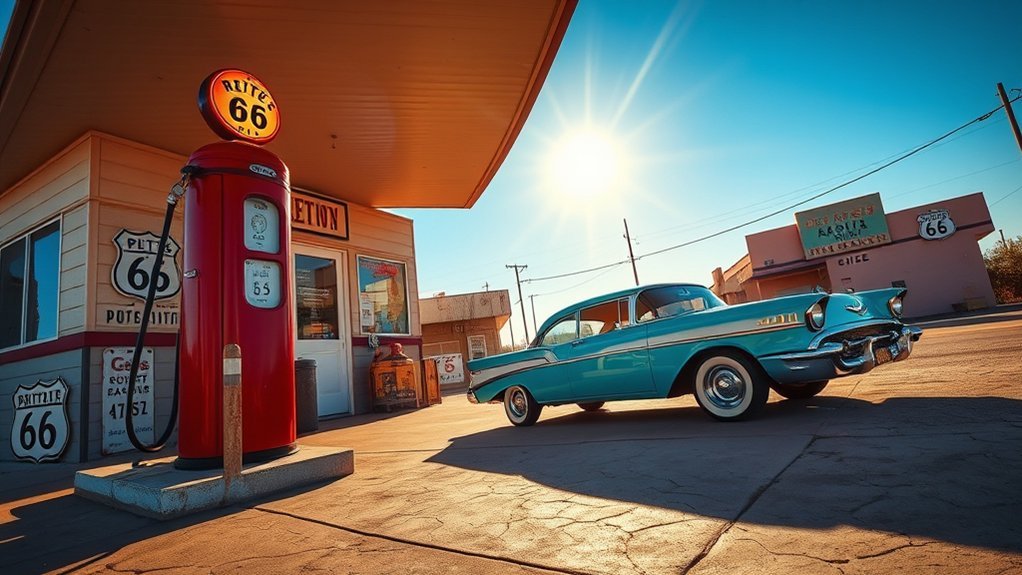
Pete’s Route 66 Gas Station Museum is a small private collection on the historic highway. Vintage pumps, signs, automotive objects, and service-station details make it a quick companion stop to a downtown walk.
Because it is not a large public museum with a fixed year-round schedule, confirm that it is open before building your day around it. Treat it as a short stop rather than a major half-day attraction, and respect any photography or access rules posted on site.
Take a Grand Canyon Helicopter Tour from the Canyon Area
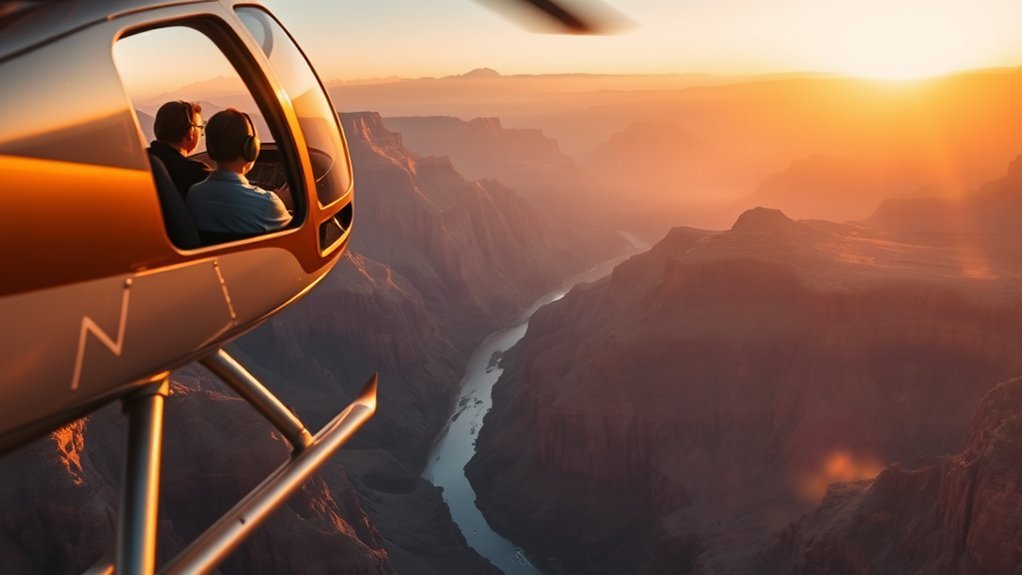
Helicopter sightseeing flights generally depart from the Grand Canyon Airport area near Tusayan, not from downtown Williams. The National Park Service lists authorized commercial operators on its guided tours page. Confirm the exact terminal, check-in time, route, and transportation plan before booking.
Choose by Route and Duration
Short flights focus on major canyon views, while longer flights may cover a wider area. Ask what the route actually includes, whether every seat has a similar view, and how weather cancellations are handled. Do not assume a “sunset” label guarantees ideal light or that a longer flight is automatically better for motion-sensitive passengers.
Know the Rules Before Arrival
Operators may use weight limits, seating assignments, identification requirements, bag restrictions, and firm check-in deadlines. Wear secure shoes, follow all safety instructions, and disclose mobility or motion-sickness concerns before purchase.
Warning: Flights are weather-dependent and can be canceled or delayed. Read the refund and rebooking policy before choosing a nonrefundable schedule.
Watch Birds and Wildlife at Kaibab Lake
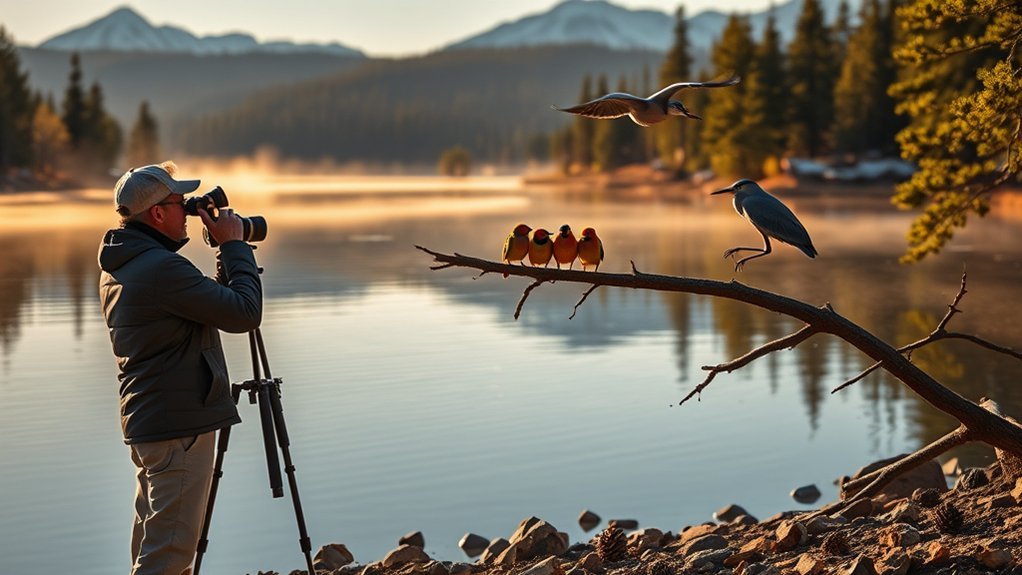
Kaibab Lake offers open water, forest edges, and quiet shoreline areas that attract waterfowl, songbirds, and raptors. Early morning is usually the calmest time for listening and scanning the water. Bring binoculars, layers, and a field guide or offline birding app.
Species change with season and migration, so avoid promising yourself a specific sighting. Keep away from nests, control pets, stay within developed or durable areas, and never use food or loud calls to draw wildlife closer.
Kaibab Lake rewards patience: walk quietly, scan the shoreline and treeline, and let wildlife appear at its own pace.
Explore Sycamore Canyon Wilderness Carefully
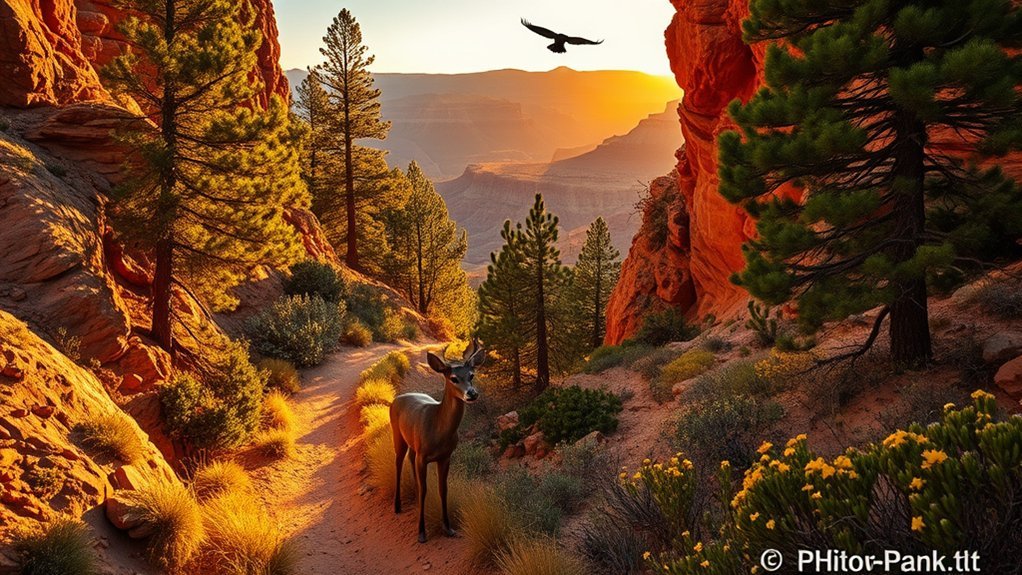
The verified wilderness area associated with the Williams Ranger District is Sycamore Canyon Wilderness, not “Willow Canyon Wilderness.” This rugged canyon contains red-rock cliffs, forested rims, remote trails, and limited access roads.
It is not a casual substitute for a paved scenic overlook. Access may involve rough unpaved roads, difficult navigation, long distances, scarce water, and no reliable cell service. Mountain bikes and motor vehicles are not allowed inside designated wilderness, though nearby legal routes can provide views.
Choose a Verified Trail and Trailhead
Use a current Forest Service map and confirm the trailhead with the Williams Ranger District. Carry more water than you expect to use, a paper or offline map, food, layers, sun protection, and emergency basics. Set a firm turnaround time.
Protect the Wilderness
Travel on durable surfaces, pack out all waste, keep groups small, and observe wildlife from a distance. Do not depend on unverified map pins or informal names, which can send visitors onto closed roads or private land.
Use Designated Forest Roads for Off-Road Trips
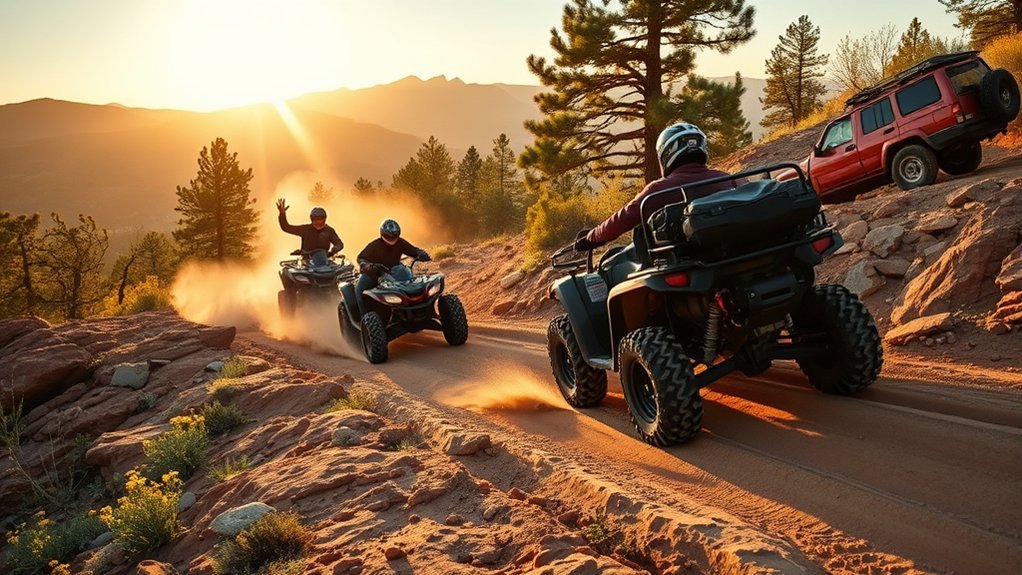
Guided Jeep or ATV trips can help you see forest roads and viewpoints without planning every turn, but operators, routes, and seasons change. Verify that the company is currently operating, insured, permitted where required, and clear about whether you will drive or ride as a passenger.
If you use your own vehicle, download the current Motor Vehicle Use Map. It identifies roads and trails legally open to motorized travel and any seasonal limits. A road shown on a general navigation app is not proof that public driving is allowed.
Wear closed-toe shoes, bring water and layers, expect dust, and stay on designated routes. Never enter wilderness with a motor vehicle, create a new track, or drive around a closure gate.
Check Seasonal Rodeos and Community Events
Williams has municipal rodeo grounds and hosts changing community events, but a dependable current event under the exact name “Williams O’Keefe Memorial Rodeo” could not be confirmed. Do not plan a trip around that name without a current official listing.
Instead, check the City of Williams event calendar and local organizer pages for rodeos, parades, car shows, holiday events, and festivals occurring during your dates. Confirm the venue, ticket source, start time, parking, weather policy, and whether seating is reserved.
For outdoor events, bring sun protection, water, and a layer for cool evenings. Never buy tickets through an unverified social-media comment or unofficial payment link.
Enjoy Stargazing and Night-Sky Viewing
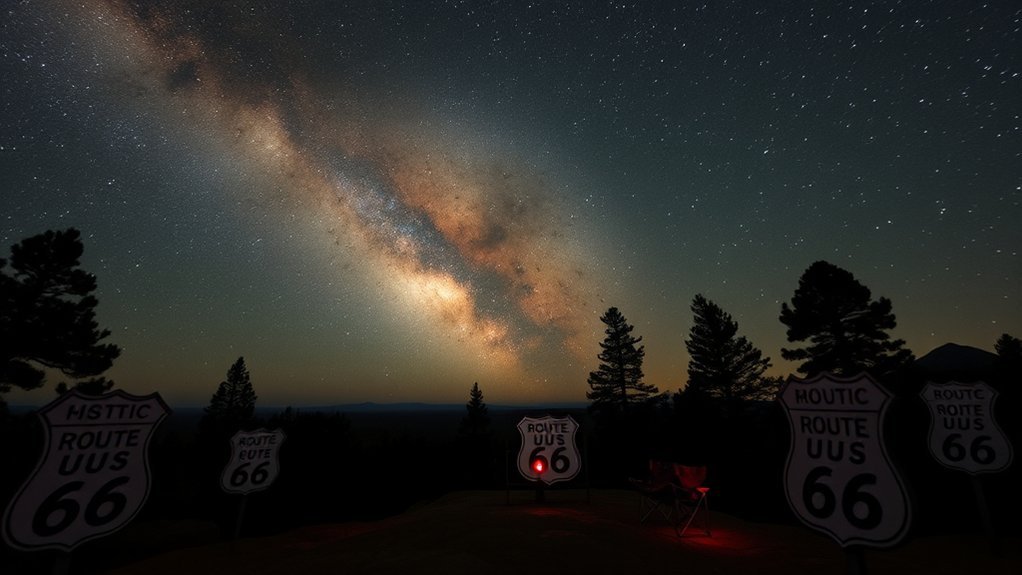
Drive away from bright downtown lights and the sky can become much darker. On a clear, moonless night, you may see dense star fields, planets, meteor activity, and part of the Milky Way. Results depend on clouds, smoke, moonlight, and seasonal conditions.
Use a legal, established parking or recreation area rather than a narrow shoulder. Bring warm layers, a red-light flashlight, water, and an offline map. Give your eyes about 20 minutes to adjust, keep headlights pointed away from other viewers, and avoid trespassing.
For photography, use a tripod, charged batteries, and a wide lens. Cold drains batteries quickly, so keep a spare protected inside a pocket.
Look for Classic-Car and Motorcycle Events
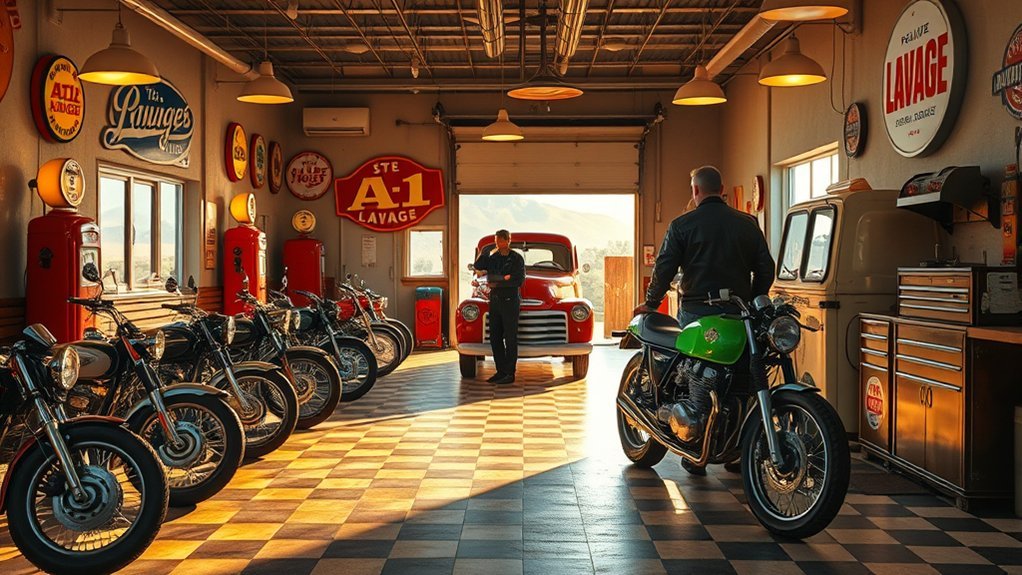
A current public attraction called “A-1 Lavage and Retro Motorcycle Collection” could not be verified. Rather than sending visitors to an uncertain private collection, look for scheduled classic-car, motorcycle, and Route 66 vehicle events in Williams.
These temporary events may include restored cars, custom motorcycles, vendor booths, music, and downtown displays. Use the city calendar or the named event organizer to confirm dates and entry rules. If a private collection is promoted locally, call before visiting and respect access and photography restrictions.
Fish and Picnic at Kaibab Lake
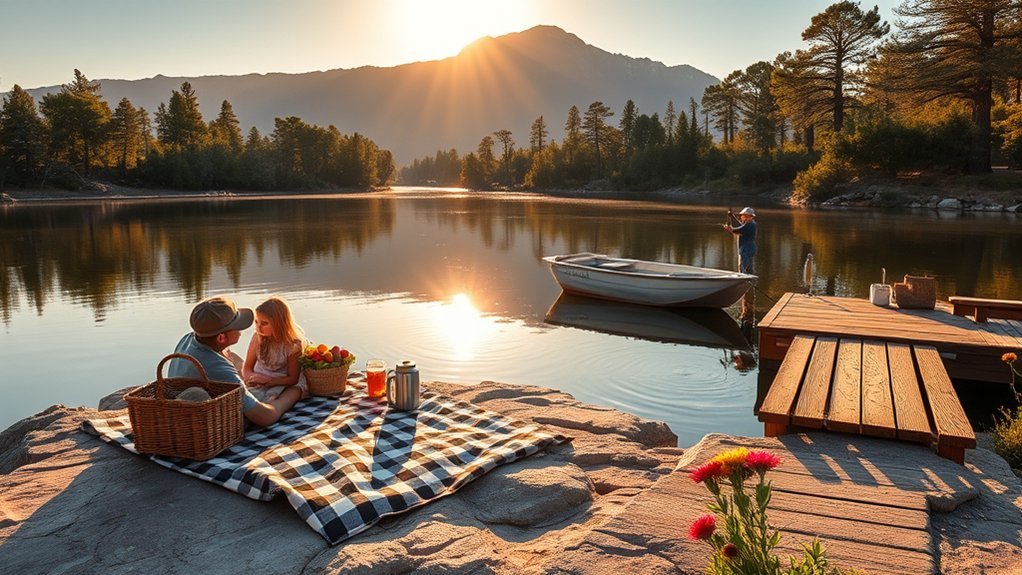
Kaibab Lake is an easy nature stop near Williams for fishing, birdwatching, picnicking, and camping. The developed recreation season and reservation period are seasonal; for 2026, the Forest Service lists May 1 through September 16 for the campground reservation season.
Day-use facilities include picnic areas, an accessible fishing pier, and a small boat ramp. Swimming is not allowed. A day-use fee may apply, and boating rules can change, so check the official page before bringing a watercraft.
Anglers need to follow current Arizona license, stocking, size, and bag-limit rules. Pack drinking water, sun protection, insect repellent, and a trash bag. Leave food attended and never feed wildlife.
Browse Downtown Shops and Galleries
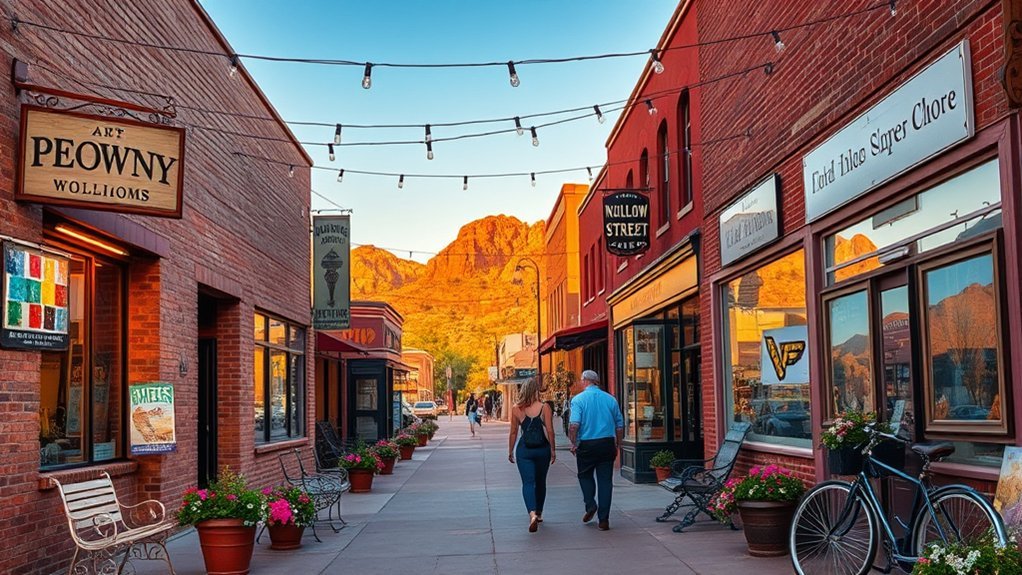
Shop along the downtown Route 66 blocks for local art, jewelry, books, clothing, souvenirs, vintage-style signs, and Grand Canyon gifts. The original list of named “Willow Street” galleries was not reliably supported, so use current storefront signs and business listings instead of expecting those exact shops.
Ask where an item was made, whether a piece is locally produced, and how fragile purchases can be shipped. Hours may shorten outside the main season, and some stores close on selected weekdays. Combine shopping with a meal or museum stop rather than treating it as a separate drive.
Cycle Paved Roads and Legal Forest Routes
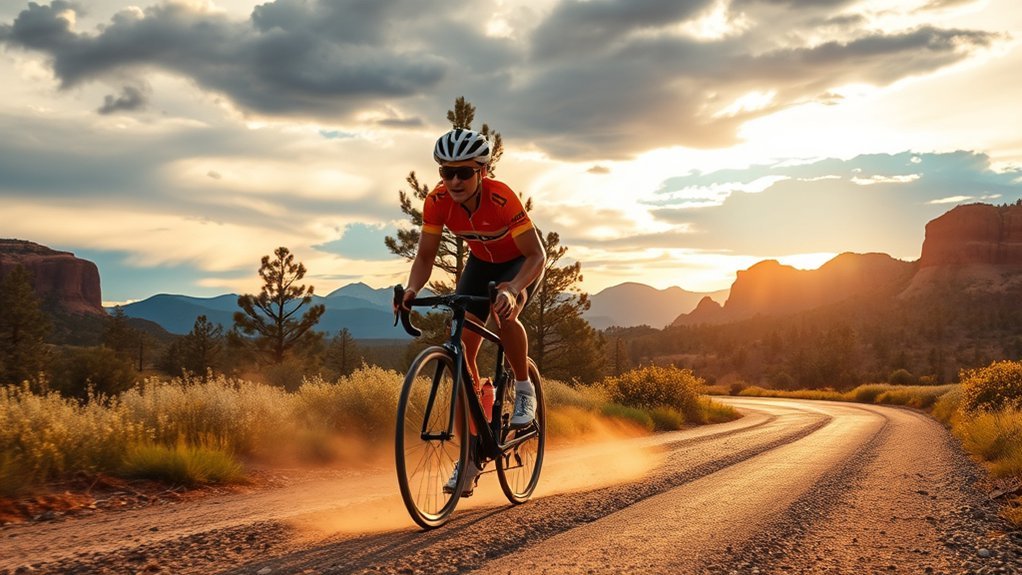
Cyclists can choose downtown streets, paved roads, forest routes, and mountain-bike options around Williams. Match the route to your bike, experience, traffic comfort, and current surface conditions. High elevation makes climbs feel harder, especially for visitors arriving from lower areas.
Carry water, repair tools, lights, identification, and an offline map. Wear bright clothing, follow traffic laws, and avoid riding alone on remote roads without sharing your plan. For forest travel, confirm whether the route is open to bicycles and remember that bikes are prohibited inside designated wilderness.
Stay in Historic Lodges, Motels, Cabins, or B&Bs
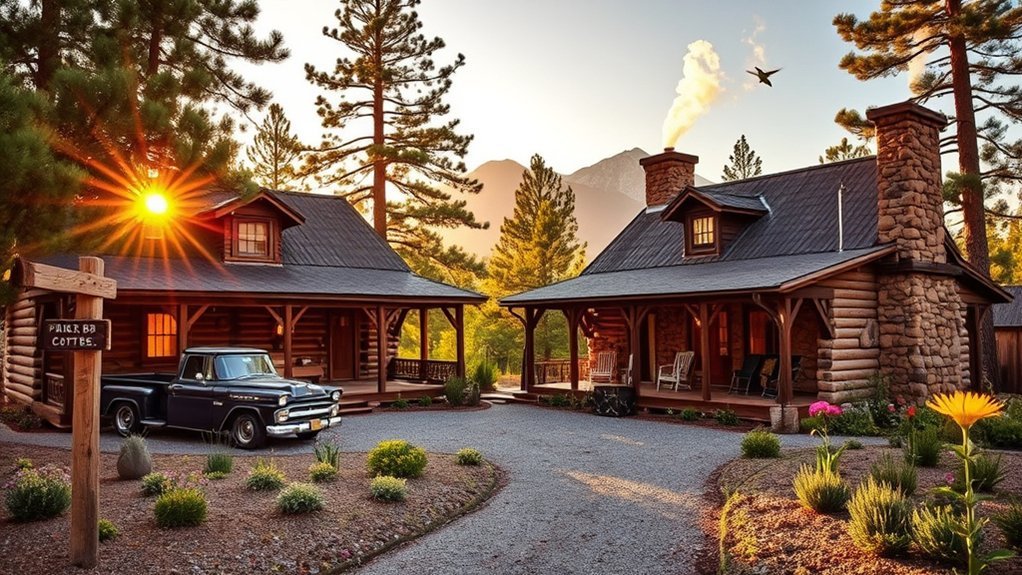
Williams offers railway-area hotels, Route 66 motels, cabins, RV parks, and small inns. Staying downtown makes restaurants and evening walks easier, while properties outside the center may offer more space or quieter surroundings.
Before booking, compare parking, stairs, accessibility, breakfast times, pet rules, air conditioning, heating, cancellation terms, and distance from the railway depot. Train noise, road noise, and seasonal event crowds vary by location, so read recent reviews for the exact room type.
Reserve early for summer weekends, fall color, Polar Express dates, and major events. A refundable rate can be valuable during winter weather or wildfire disruptions.
Plan a Self-Guided Photography Drive
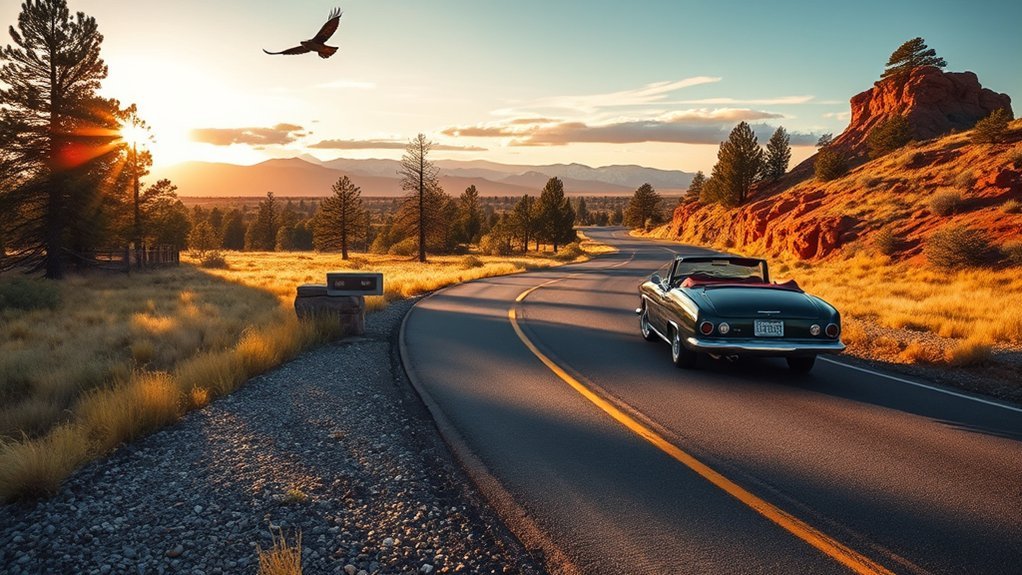
Williams gives photographers several contrasting subjects: Route 66 neon, railroad details, forest roads, lakes, wildlife, mountain views, and the Grand Canyon. Build a route around light and safe stopping points rather than trying to cover every scene in one day.
Use a wide lens for landscapes and a longer lens for wildlife. Never approach animals for a closer shot, block a road, stand on active railroad property, or enter a closed area. Bring extra batteries, memory cards, a lens cloth, water, and layers.
For neon, photograph shortly after sunset while some blue remains in the sky. For forest and lake scenes, early morning often brings softer light and less wind.
Try Winter Snowshoeing and Cross-Country Skiing
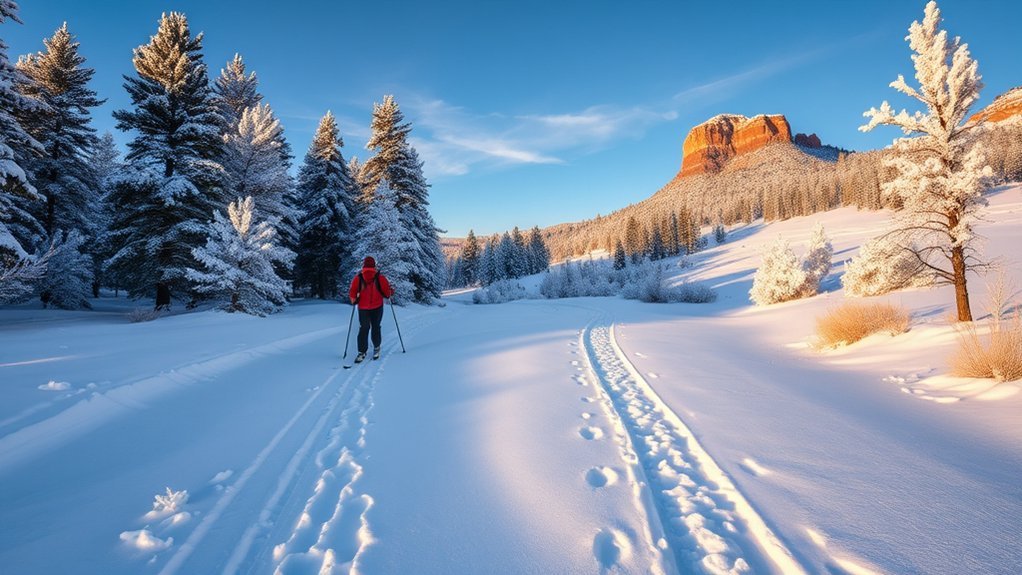
Snow can turn forest roads and trails around Williams into quiet routes for snowshoeing and cross-country skiing. Conditions are not guaranteed, and a route that looks easy in summer may be hard to follow after a storm.
Check snow depth, road access, weather, and closures before leaving town. Dress in moisture-wicking layers, carry navigation and emergency basics, and start with a short route if you are new to snow travel. Avoid walking in established ski tracks when space allows.
Turn back early if wind, ice, heavy snow, or fading daylight slows you. Winter rescue response can take time in remote forest areas.
Sample Local Beer Responsibly
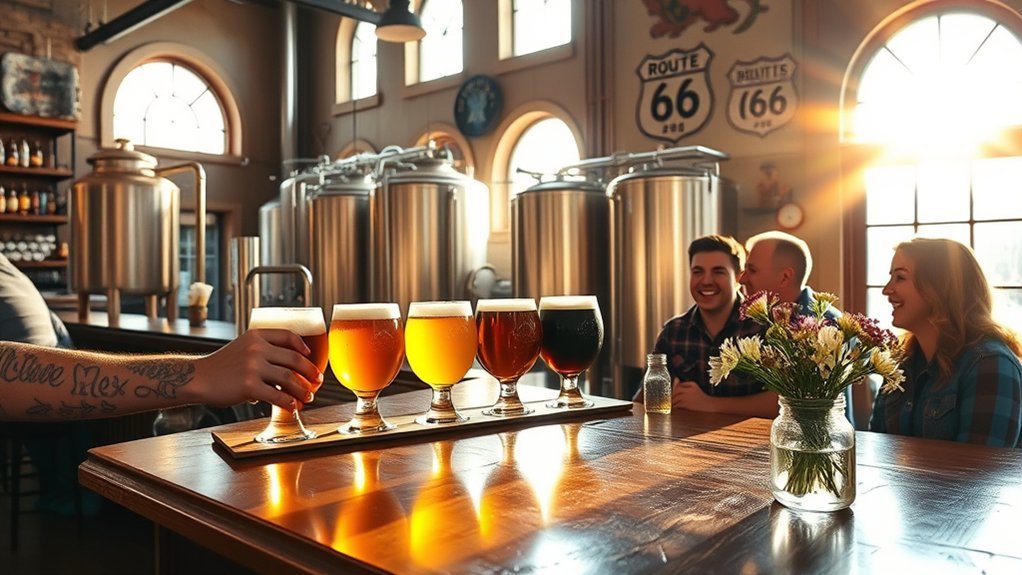
A downtown brewery or taproom can be a relaxed finish after hiking, shopping, or a Grand Canyon day. Current taps may include lagers, pale ales, IPAs, stouts, and seasonal releases. Order a small flight if you want to compare styles, and ask staff about nonalcoholic options and food.
Alcohol can affect some visitors more strongly at elevation. Eat, drink water, and arrange a safe ride. Check current hours because kitchens and taprooms may close earlier on quieter weekdays.
Treat Fossil Creek as a Separate Day Trip
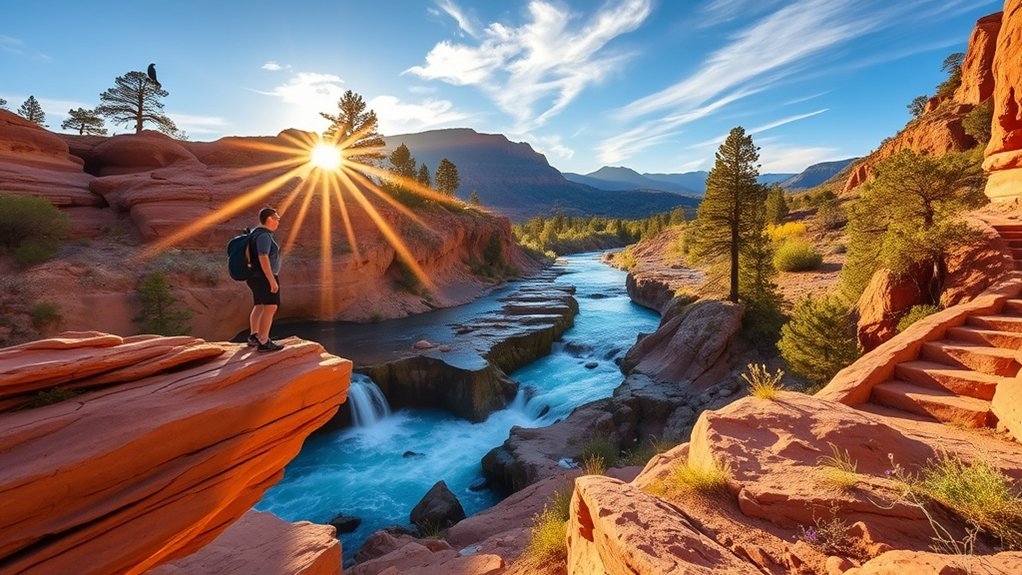
Fossil Creek is not a quick attraction near downtown Williams. It is a remote, permit-managed destination that requires a separate plan, a suitable vehicle, and enough daylight. During the 2026 permit season, Recreation.gov lists permits from April 1 through October 1.
Access includes a long, rough dirt-road section, limited facilities, poor cell service, and firm arrival rules. Vehicle length is restricted, trailers are not allowed on the access road, and visitors are advised to carry at least one gallon of water per person. There are no lifeguards.
Read the entire permit page before booking. Obey closures, pack out all trash, protect fragile travertine and aquatic habitat, and do not add Fossil Creek to a day that already includes the railway or Grand Canyon.
Warning: Remote water sites can combine heat, rough roads, slippery rock, swift water, and no cell signal. Carry enough water and turn around if access or weather is unsafe.
Best Time to Visit Williams, Arizona
Late spring and fall usually offer the easiest balance of mild daytime weather, hiking access, and manageable crowds. Nights can still be cold because Williams sits at 6,770 feet.
Summer brings long daylight, family travel, monsoon storms, and busy Grand Canyon traffic. Start outdoor activities early and keep a flexible afternoon plan. Wildfire restrictions or smoke can also change access.
Winter is best for the Polar Express, snow scenery, and cozy downtown evenings. It also brings ice, road delays, closures, and colder temperatures. Check official road and attraction updates before driving.
One-Day Williams, Arizona Itinerary
Town-focused day: Start at Bearizona when animals may be active, eat lunch downtown, walk Route 66, visit Pete’s museum if open, browse shops, and finish with dinner and neon photos.
Grand Canyon day: Drive to the South Rim early or take the Grand Canyon Railway. Do not schedule Bearizona or a long hike on the same day. Return to Williams for a simple dinner.
Outdoor day: Hike a verified trail in the morning, picnic at Kaibab Lake, and spend the evening downtown. Keep a backup plan for storms, snow, or fire restrictions.
Two- to Three-Day Williams, Arizona Itinerary
Day 1: Visit Bearizona, explore Route 66, shop, and eat downtown. Add Pete’s museum if it is open.
Day 2: Choose either the Grand Canyon Railway or a self-drive South Rim day. Pack layers, water, snacks, and sun protection.
Day 3: Hike Bill Williams Mountain, choose an easier forest trail, relax at Kaibab Lake, or make a Flagstaff-area scenic drive. In winter, replace the hike with a snow activity or seasonal event.
What to Pack for Williams, Arizona
- Layers: A light jacket, warm midlayer, and rain protection for changing mountain weather.
- Footwear: Comfortable walking shoes for town and sturdy shoes for trails.
- Water and food: More than you expect to need on forest trips.
- Navigation: Downloaded maps plus a paper backup for remote routes.
- Sun protection: Sunscreen, sunglasses, and a hat at high elevation.
- Emergency basics: First-aid kit, headlamp, power bank, and winter traction when needed.
- Reservations: Keep train, lodging, permit, and tour confirmations available offline.
Frequently Asked Questions
How far is Williams from the Grand Canyon South Rim?
Williams is about 60 miles from the South Rim. The drive usually takes around one hour before entrance lines, traffic, weather, or stops.
Can you visit Williams without a car?
Yes, if you stay downtown. You can walk to Route 66 businesses and the railway depot. A car is much more useful for Bearizona, lakes, forest trails, Flagstaff side trips, and flexible Grand Canyon visits.
Is Williams worth visiting if I am going to the Grand Canyon?
Yes. Williams adds Route 66 history, the railway, Bearizona, forest recreation, lakes, restaurants, and a wider choice of lodging to a Grand Canyon trip.
Are there pet-friendly trails near Williams?
Many forest routes allow leashed pets, but rules vary by site. Carry extra water, protect paws from hot or icy ground, pack out waste, and check the current trail, campground, and wildlife-attraction rules.
Is cell service reliable around Williams?
Service is generally better in town than in the surrounding forest, canyon, lake, and backroad areas. Download maps, tickets, and permit details before leaving Williams.
Which is better: driving or taking the train to the Grand Canyon?
Take the train for a relaxed full-day experience without parking. Drive for sunrise, sunset, longer hikes, more viewpoints, and control over your schedule.
Are Williams attractions accessible?
Major attractions publish accessibility information, but historic buildings, train cars, trails, and older sidewalks vary. Contact the railway, Bearizona, hotel, or venue directly about parking, ramps, restrooms, seating, and mobility support.
How many days do you need in Williams?
One day covers either town highlights or a Grand Canyon trip. Two to three days let you add Bearizona, Route 66, the railway or South Rim, and one lake or forest activity without rushing.
Conclusion
Williams works because it combines a walkable Route 66 town with serious outdoor access. You can spend a day on the Grand Canyon Railway, visit Bearizona, hike above town, relax at Kaibab Lake, photograph neon after dark, or use Williams as a comfortable South Rim base.
Build your itinerary around one major activity per day, verify seasonal conditions, and leave room for weather and small-town stops. That approach gives you more time to enjoy Williams and less time rushing between attractions that are farther apart than they first appear.
Sources
- City of Williams — town elevation, Route 66 history, recreation, and official event resources
- Grand Canyon Railway schedule and route — rail distance, trip duration, and standard timetable
- Grand Canyon National Park directions — South Rim access from Williams
- Kaibab National Forest — trails, lakes, wilderness, maps, closures, and recreation conditions
- Bearizona Wildlife Park — attraction layout, visitor rules, animal information, and accessibility
- Fossil Creek permit page — permit season, access restrictions, and safety requirements