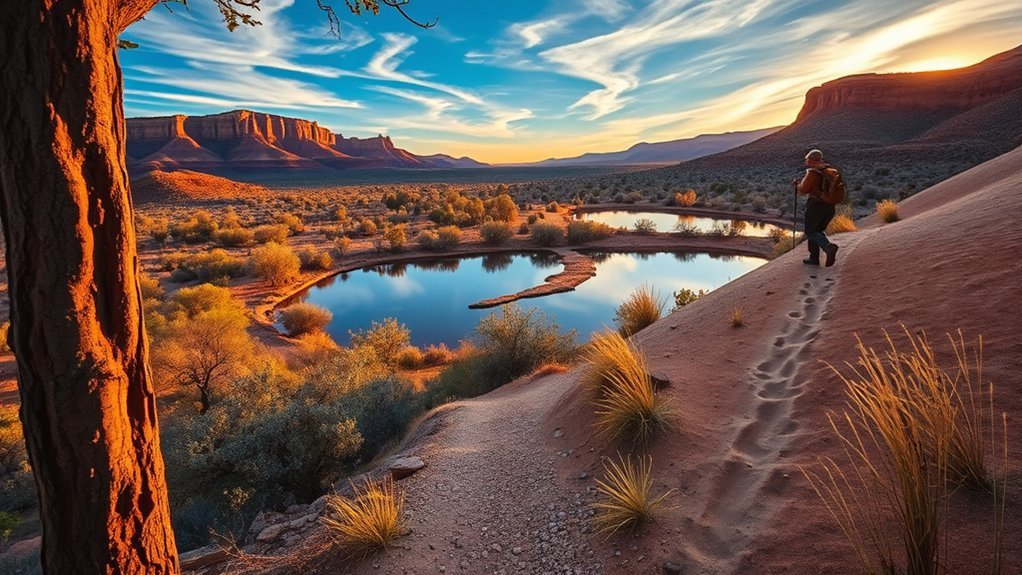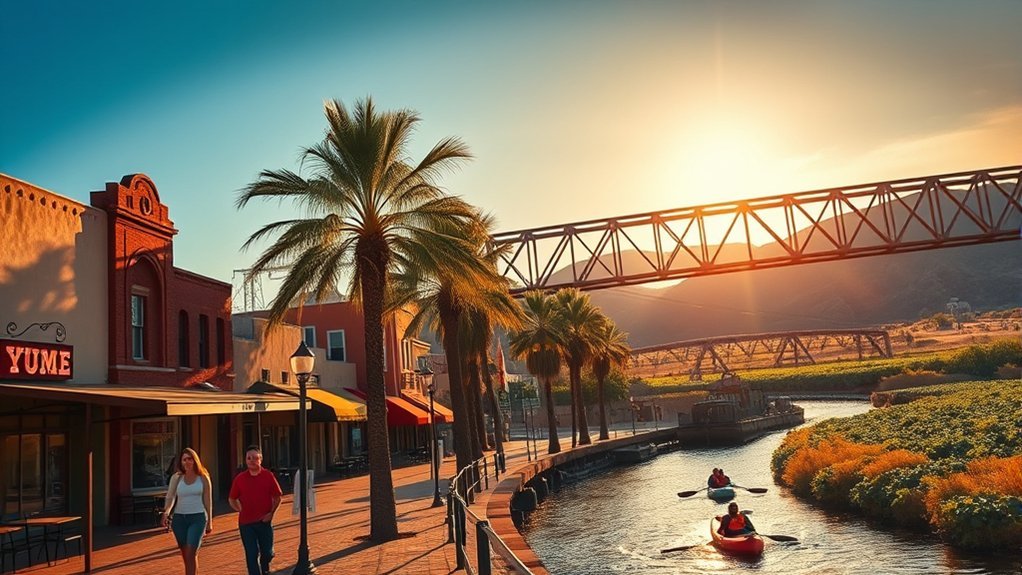
Yuma combines Colorado River scenery, frontier history, desert wildlife, local food, public art, and easy access to some of the Southwest’s most unusual landscapes. You can tour the Yuma Territorial Prison, walk the restored riverfront, explore a former Army supply depot, watch birds in wetlands, or use the city as a base for dunes, wildlife refuges, mining history, and lake trips.
Quick Answer
For a first visit to Yuma, prioritize Yuma Territorial Prison State Historic Park, the Colorado River State Historic Park, Gateway Park and the riverfront, West Wetlands Park, Yuma Art Center and downtown. With extra time, add Imperial Sand Dunes, Castle Dome, Kofa National Wildlife Refuge, Mittry Lake, or Martinez Lake.
Key Takeaways
- Downtown Yuma and the Colorado Riverfront hold several of the easiest attractions to combine in one day.
- November through early spring is generally the most comfortable period for outdoor sightseeing.
- Imperial Sand Dunes is in California, while Kofa, Castle Dome, Mittry Lake and Martinez Lake require drives outside central Yuma.
- Check official hours, road conditions, permits and access rules before visiting remote desert areas or Yuma Proving Ground.
- Summer heat can be dangerous, so shift outdoor activities to early morning and avoid exposed midday hikes.
Warning: Yuma’s desert heat can become severe. Carry more water than you expect to need, protect yourself from the sun, avoid strenuous exposed hikes during the hottest part of the day, and never rely on cell service in remote desert areas.
Yuma Territorial Prison State Historic Park
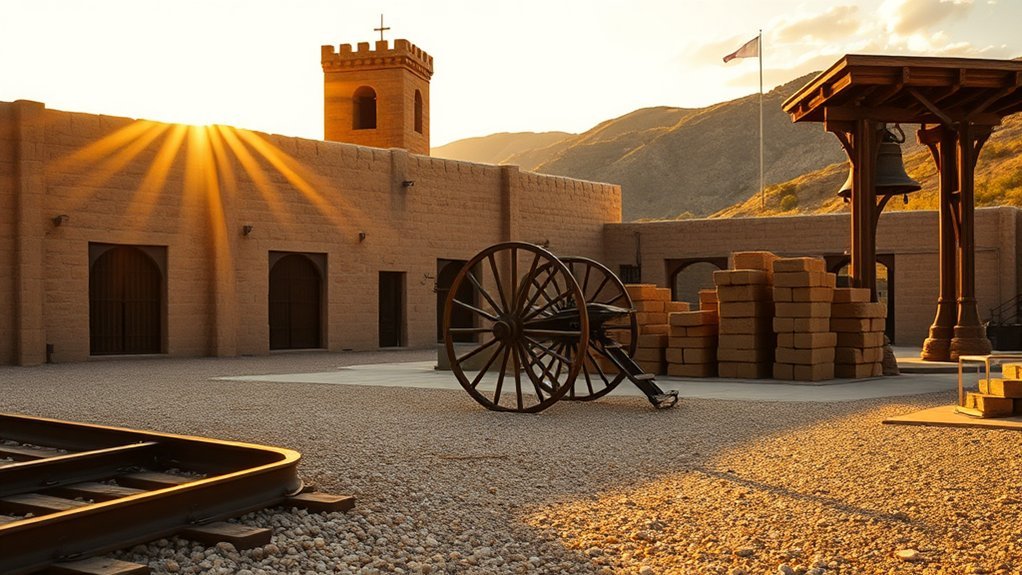
Yuma Territorial Prison State Historic Park is the city’s signature historic attraction. The territorial prison opened in 1876 and operated until 1909, and surviving structures now help tell the story of incarceration in territorial Arizona.
Inside the park, you can see historic cells, original artifacts, photographs and museum exhibits covering prisoners, staff and daily life. The grounds also provide elevated views toward the Colorado River and Yuma Crossing.
Allow about one to two hours for a relaxed visit. Much of the experience is outdoors, so morning visits are especially sensible in warmer months. Operating hours can change seasonally, so check Arizona State Parks before arriving.
Yuma Crossing National Heritage Area
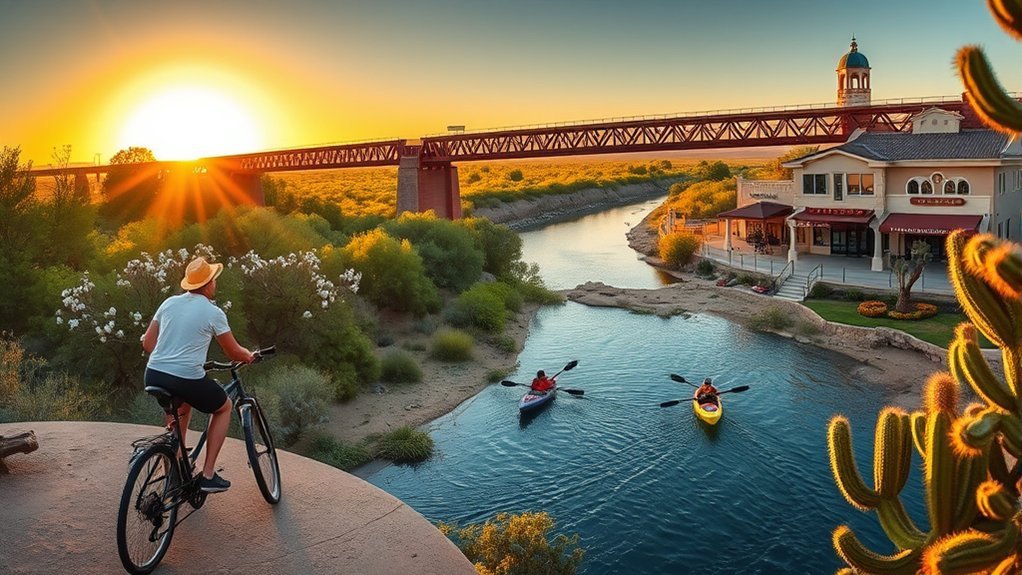
The Yuma Crossing National Heritage Area ties together the city’s riverfront, historic transportation corridor, wetlands and major heritage sites. Rather than treating it as a single museum, think of it as a district you can explore on foot, by bicycle or in short drives.
Good stops include Gateway Park, the Ocean-to-Ocean Bridge area, Pivot Point Interpretive Plaza, Yuma Territorial Prison, Colorado River State Historic Park and the East and West Wetlands. Paved riverfront routes make it possible to combine several attractions without spending the whole day in a car.
Pro Tip: If you have only one day, spend the morning at the Territorial Prison, walk the Gateway Park riverfront, visit Pivot Point and downtown for lunch, then finish at West Wetlands near sunset.
Quechan and Fort Yuma History
Fort Yuma stood across the Colorado River on what is now the Fort Yuma Indian Reservation. Instead of relying on an assumed conventional “Fort Yuma Museum” visit, use established public heritage stops to understand this part of the area’s story.
Pivot Point Interpretive Plaza in downtown Yuma includes panels and exhibits explaining Fort Yuma, the Quechan Tribe, the historic river crossing, the railroad and the Ocean-to-Ocean Bridge. It is free, outdoors and easy to pair with a riverfront walk.
The Quechan people have a far deeper connection to the lower Colorado River than the nineteenth-century fort alone. Approach tribal history as its own story rather than only as a backdrop to U.S. military expansion, and follow posted access rules on reservation land.
Colorado River State Historic Park
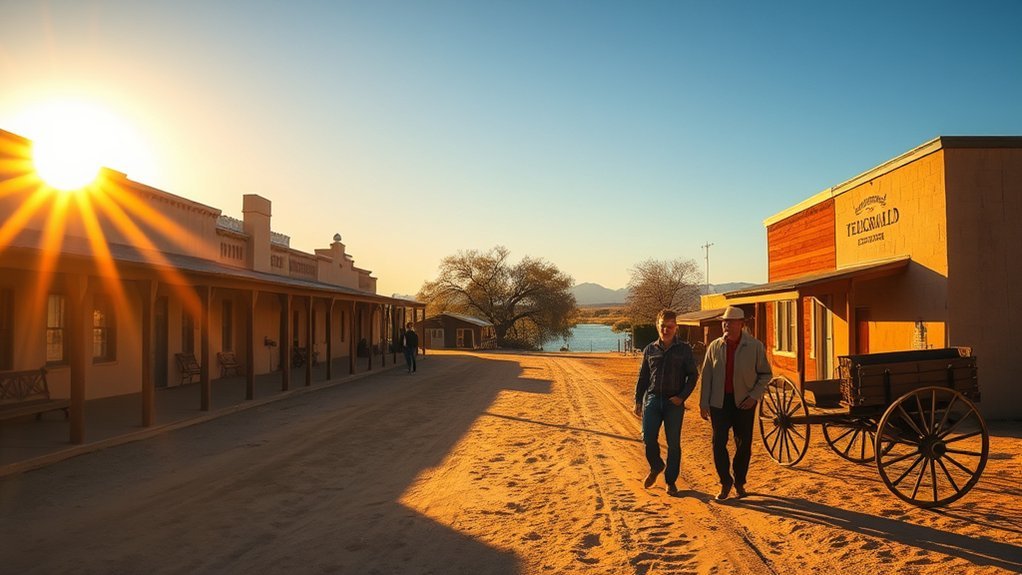
Colorado River State Historic Park occupies the former Yuma Quartermaster Depot, an Army supply depot that operated from 1865 to 1883. Supplies arrived by river and were distributed to military posts across Arizona Territory.
The preserved buildings and exhibits explain both the old depot and the larger Colorado River story, including transportation, irrigation and the changes that made modern settlement and agriculture possible in the region.
Historic Yuma Quartermaster Depot
The Quartermaster Depot is the historic core of today’s Colorado River State Historic Park, not a separate attraction you need to schedule twice. Restored structures help illustrate how supplies were received, stored and moved onward during the frontier period.
Riverfront Trails and Views
After touring the historic buildings, continue toward the riverfront. Yuma’s paved path network connects parks, downtown and heritage sites, making this one of the easiest parts of the city to explore without a complicated itinerary.
Programs and Special Events
Special programs and events may be offered, but they should not be assumed to run every day. Check the park’s current calendar before planning a visit around demonstrations, guided activities or seasonal programs.
Imperial Sand Dunes Recreation Area
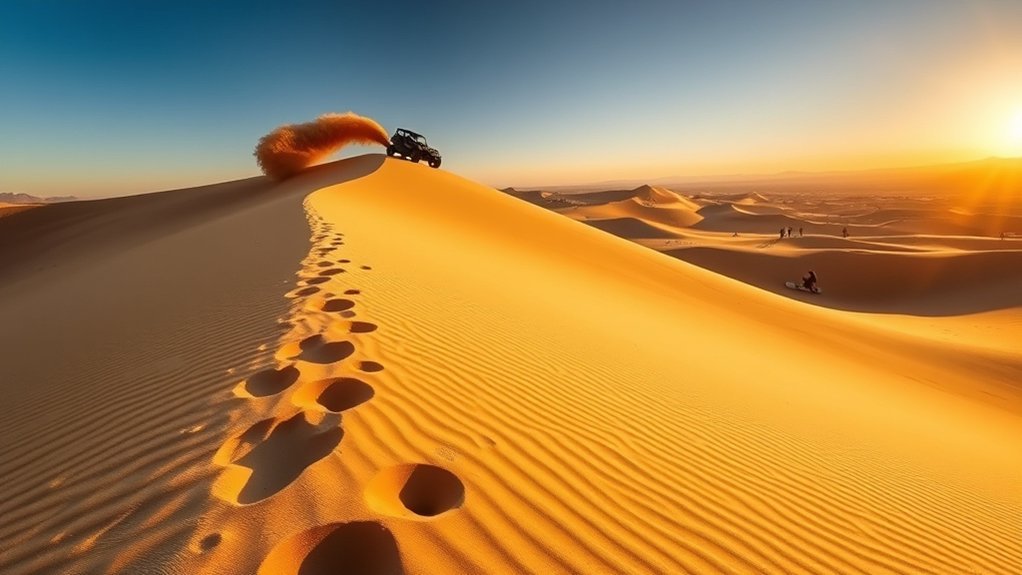
The Imperial Sand Dunes Recreation Area, commonly associated with Glamis, is in California west of Yuma. Its huge dune fields make it one of the region’s most popular destinations for off-highway vehicles, photography and desert scenery.
- Explore designated OHV areas with an appropriate vehicle and safety equipment.
- Photograph the dunes around sunrise or late afternoon when shadows reveal their shape.
- Use quieter areas and routes where motorized recreation is restricted if your goal is scenery rather than riding.
- Carry water, recovery equipment and navigation suitable for desert travel.
Warning: BLM rules apply at Imperial Sand Dunes, including recreation-permit requirements in applicable areas and safety-flag requirements for vehicles. Read the current BLM rules and regulations before riding.
Gateway Park and Riverfront Trails
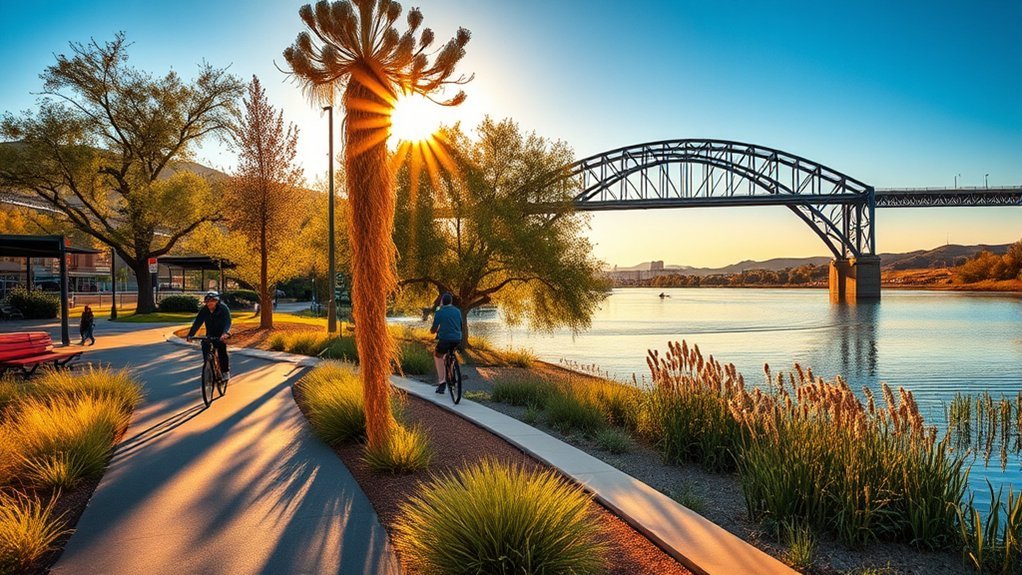
Gateway Park is one of the simplest places to enjoy the Colorado River close to downtown. City-listed amenities include picnic tables, grills, ramadas, a playground, restrooms, fishing docks and an outdoor shower.
The park also puts you close to the Territorial Prison, Ocean-to-Ocean Bridge area and East Wetlands. Families can use it as a break between historic attractions, while walkers and cyclists can continue onto the broader riverfront path system.
River conditions vary, so treat the Colorado as moving natural water rather than a swimming pool. Watch children closely and follow any posted warnings.
Castle Dome Mines Museum and Ghost Town
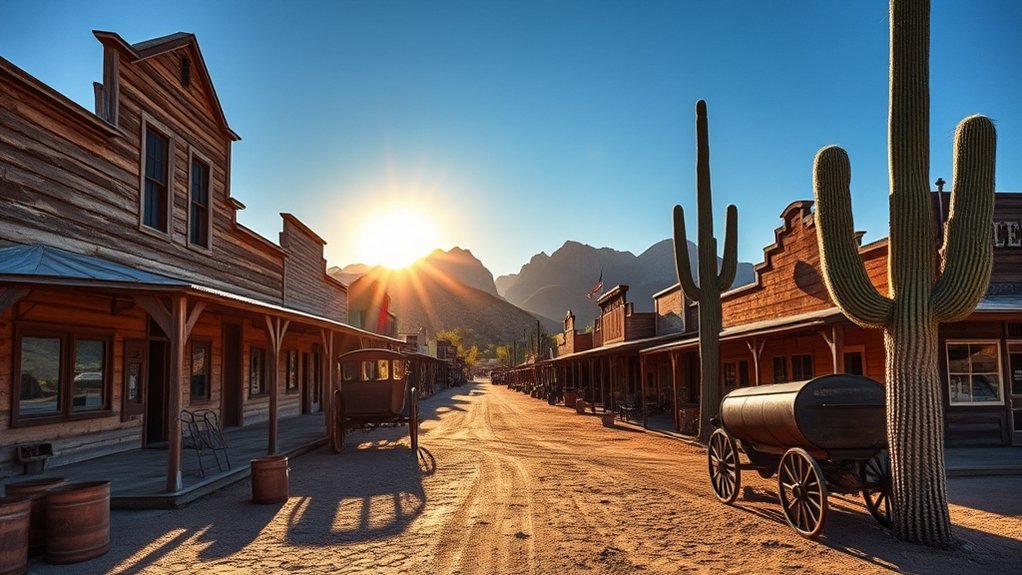
Castle Dome Mines Museum and Ghost Town preserves and reconstructs the atmosphere of an old Arizona mining settlement north of Yuma. The site contains dozens of historic-style buildings and a large collection of mining, household and commercial artifacts.
- Walk the ghost-town route and enter many of the furnished buildings.
- Inspect mining machinery, household objects and tools.
- Allow extra time if you book one of the site’s guided mine experiences.
- Bring water and expect a long drive through open desert.
The museum’s official site notes that the final portion of the approach is on dirt road. Conditions can change, so check Castle Dome Mines and Museum for current hours, tour availability, road guidance and prices before making the trip.
Yuma Art Center and Downtown Murals

The Yuma Art Center gives you an indoor cultural stop in the middle of downtown, while murals and public art extend the experience onto nearby streets. This combination is especially useful when you want a break from desert hiking or midday heat.
Yuma Art Center Exhibits
The Yuma Art Center and Historic Yuma Theatre host visual-art exhibitions, performances, classes and community events. Gallery exhibitions rotate, so look at the current calendar rather than planning around a specific show mentioned in an older travel article.
Downtown Mural Locations
Yuma’s public-art collection includes murals, sculptures and other installations spread through downtown and elsewhere in the city. Instead of expecting every mural to have a plaque, use the current public-art information from the City or Visit Yuma and explore at your own pace.
Plan a Public Art Walk
Start around the Art Center and Main Street, then combine the walk with shops, cafés, Pivot Point Interpretive Plaza and other downtown stops. Morning and late afternoon are the most comfortable times for an extended outdoor walk during warm weather.
- Check current Art Center gallery hours first.
- Wear comfortable walking shoes.
- Carry water even for an urban walk.
- Leave extra time for downtown shops or lunch.
West Wetlands Park
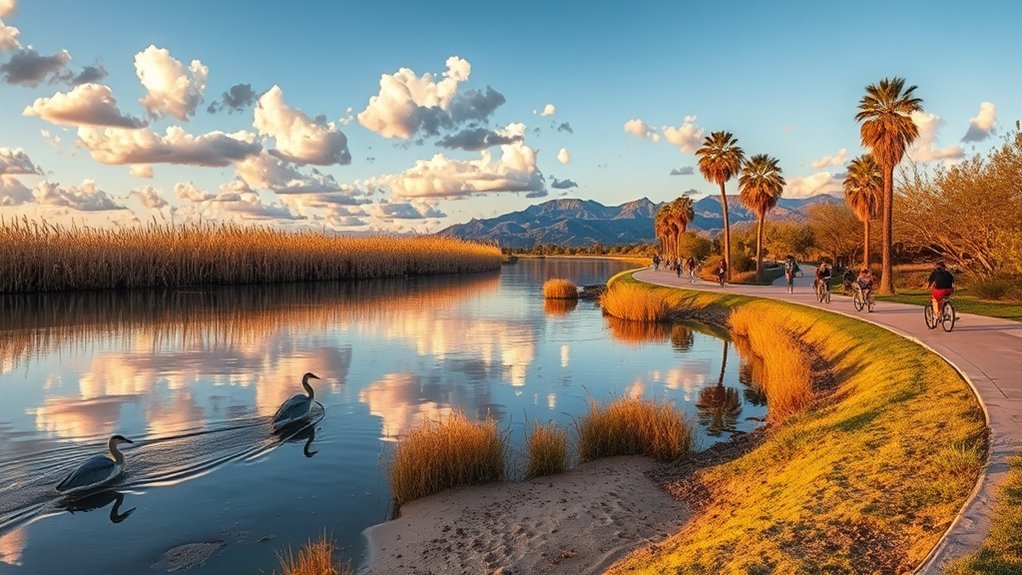
West Wetlands Park is a large Colorado River park with recreation areas, trails, restored habitat and family facilities. It is one of Yuma’s best choices when your group wants outdoor time without committing to a remote desert drive.
Walk the paths, look for birds, use the picnic areas, or let children spend time in the play areas. Parts of the park emphasize native vegetation and river habitat, while other areas are designed for active recreation.
The terrain is generally easier than a desert hike, but accessibility varies by route and facility. Check current City of Yuma information if a specific mobility feature is essential.
Yuma Palms Regional Center and Shops
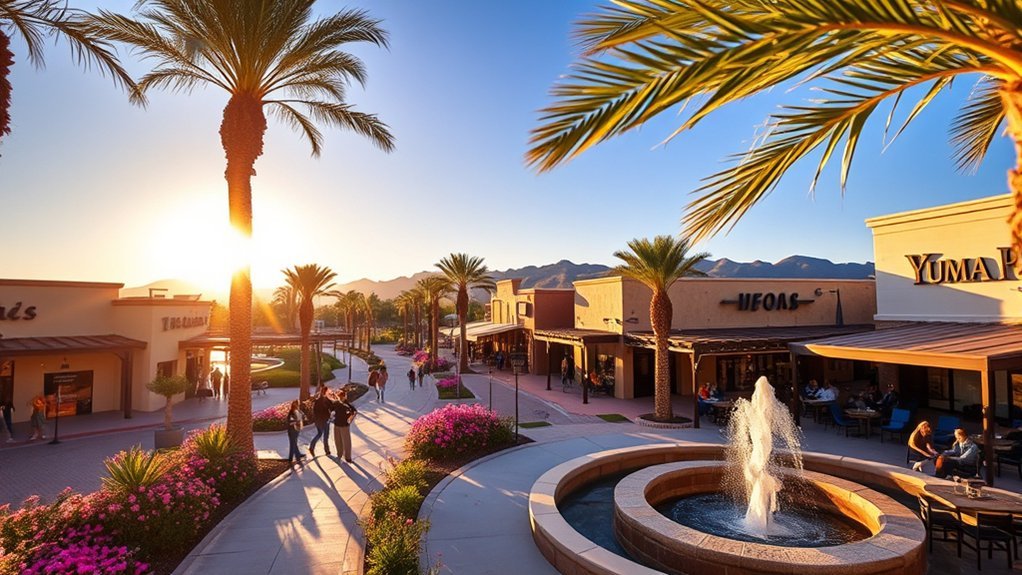
Yuma Palms is the city’s major modern shopping area and is useful when you need restaurants, retail, entertainment or an indoor break from the weather. Visit Yuma lists major retailers, restaurants, movie theaters and specialty stores in the district.
Shopping and Dining Options
This is more of a practical stop than a uniquely Yuma sightseeing attraction. Use it for forgotten travel supplies, casual meals, shopping or an easy evening when your group does not want another outdoor activity.
- Shop for travel essentials and clothing.
- Choose from a range of casual restaurants.
- Use the center as a heat or weather break.
- Pair dinner with a movie for an easy evening.
Entertainment and Services
| Activity | Why Go |
|---|---|
| Movies | Easy indoor evening activity |
| Dining | Many choices in one area |
| Retail | Useful for supplies and everyday shopping |
Breakfast and Mexican Food in Yuma
Food is an important part of a Yuma visit, but individual restaurants, ownership and menus can change faster than historic attractions. Look for locally owned Mexican and Southwestern restaurants serving dishes such as huevos rancheros, breakfast burritos, tacos, carne asada, tortillas and regional salsas.
Downtown is convenient because you can combine breakfast or lunch with the Art Center, Pivot Point, riverfront and historic sites. For current restaurant choices, use recent local listings rather than assuming that every restaurant name in an older guide is still operating with the same menu.
- Try a breakfast burrito or huevos rancheros.
- Ask about house-made tortillas and salsas.
- Choose busy local restaurants with recent operating information.
- Save heavier meals for after outdoor activities rather than before a hot-weather hike.
Yuma Farmers Markets

Yuma’s agricultural setting makes farmers markets a natural fit, particularly during the cooler visitor season. Depending on the market and date, you may find citrus, vegetables, baked goods, spices, dried fruit, crafts and other local products.
Fresh Local Produce
Yuma County is a major winter vegetable-growing region, but product availability still changes with the season. Citrus, leafy vegetables, dates and other crops may appear at local markets or farm shops at different times of year.
- Bring a reusable bag.
- Ask vendors what was grown locally.
- Keep perishable purchases out of a hot parked vehicle.
- Check the current market schedule before making a special trip.
Community Events
Entertainment, demonstrations and special activities vary by market and date. Do not assume live music or children’s programming will be present every weekend. Check the organizer’s current event listing before you go.
Telegraph Pass and Desert Hiking
For a genuine Yuma-area hike, Telegraph Pass is one of the better-known choices. The climb provides broad views over desert terrain and gives active visitors a very different experience from the flat riverfront parks.
- Start early, especially outside winter.
- Carry adequate water and sun protection.
- Wear shoes with traction for rocky desert terrain.
- Turn around if heat, fatigue or weather makes the climb unsafe.
Visit Yuma also points hikers toward Mittry Lake, Fortuna Pond, Kofa, Castle Dome and other desert recreation areas. Match the route to your fitness, vehicle and navigation experience.
Yuma Quartermaster Depot: The Historic Name
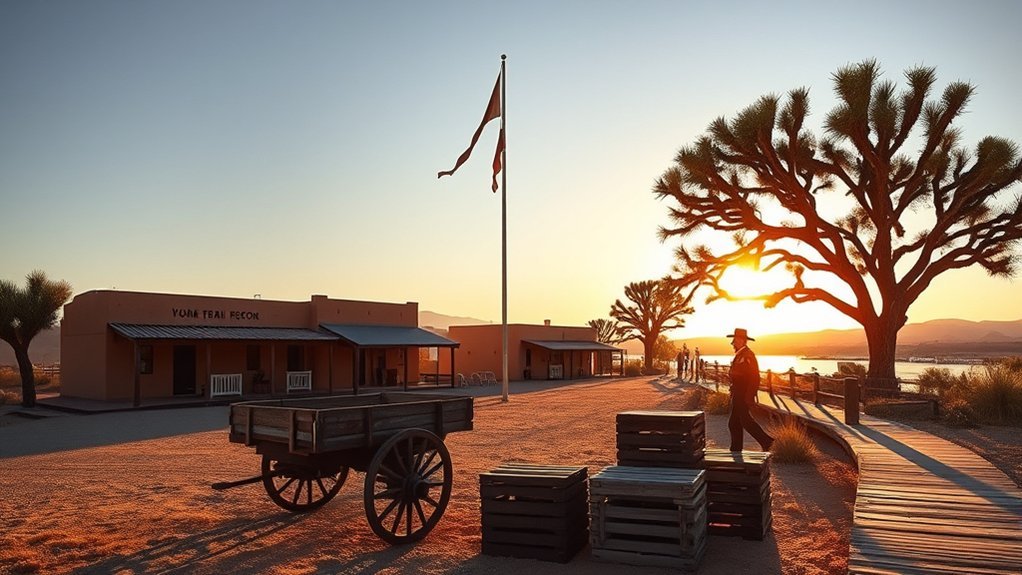
If you encounter the name “Yuma Quartermaster Depot State Historic Park” in an older guide, it refers to the historic depot now interpreted within Colorado River State Historic Park. Do not budget time for it as a second separate attraction.
Historic Military Supply Hub
The Army established the depot beside the Colorado River because river transport could move supplies into Yuma before wagons carried them farther into Arizona Territory. Its operation from 1865 to 1883 made the site an important logistics hub.
- Study exhibits explaining river transportation and military supply routes.
- Look at preserved buildings rather than expecting a reconstructed battlefield.
- Connect the depot story with Yuma’s wider river and transportation history.
- Allow time for the modern Colorado River exhibits as well.
Preserved Historic Buildings
The surviving structures are among the main reasons to visit. Adobe construction, shaded porches and utilitarian layouts show how architecture was adapted to Yuma’s climate and the depot’s practical purpose.
Check the Event Calendar
Demonstrations and special programs are not guaranteed on every visit. If a living-history event is important to you, verify the current park calendar before traveling.
Ocean-to-Ocean Bridge
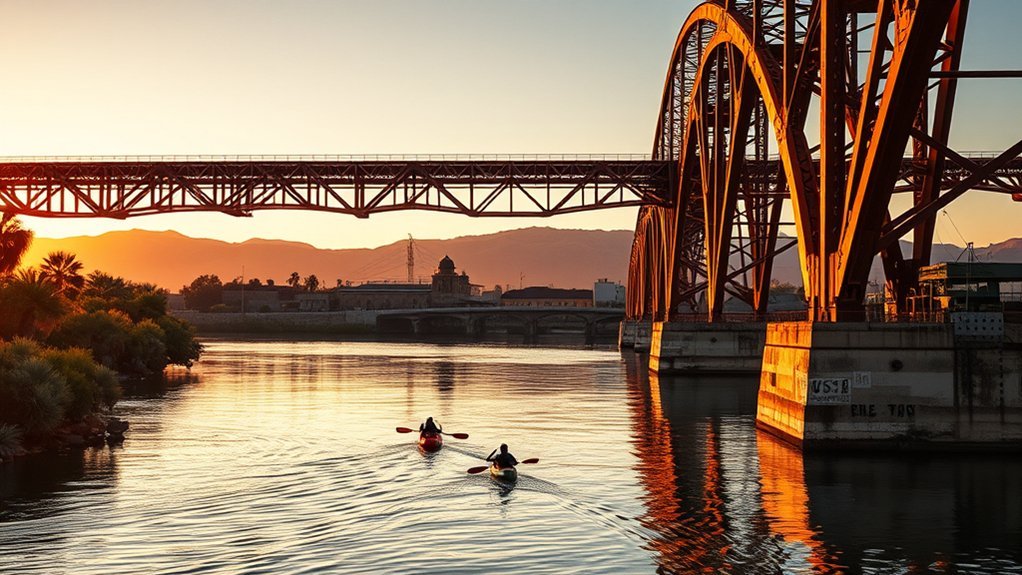
The Ocean-to-Ocean Bridge opened in 1915 and became an important early automobile crossing of the Colorado River, connecting Arizona and California. Its steel structure remains one of the most recognizable elements of the Yuma Crossing landscape.
Good public views are available from the riverfront and nearby heritage areas. Pair the bridge with Gateway Park, East Wetlands, the Territorial Prison or Pivot Point rather than treating it as a long standalone attraction.
Traffic and pedestrian access arrangements can change, so obey current signs rather than assuming every part of the bridge is open for walking or cycling.
Yuma East Wetlands
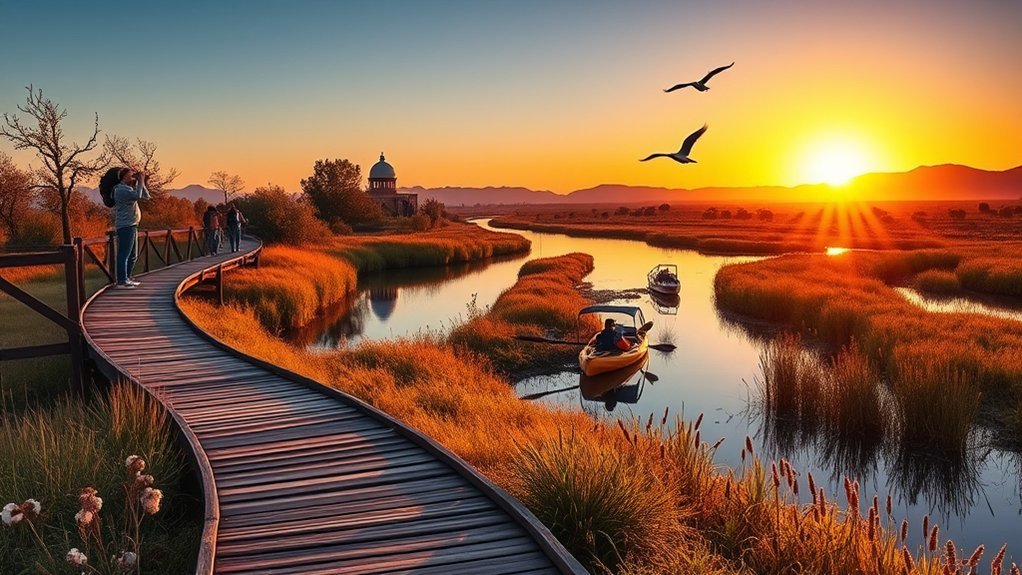
The Yuma East Wetlands restore riparian habitat beside the Colorado River close to downtown. The area provides an easy contrast between Yuma’s desert surroundings and a greener river environment.
Wetland Wildlife Viewing
Walk quietly and watch the water, reeds, cottonwoods and open areas for birds and other wildlife. Species vary by season, and mornings usually provide cooler temperatures and better bird activity.
- Bring binoculars if birding is a priority.
- Stay on established paths.
- Do not disturb nesting areas or wildlife.
- Carry water even though the wetlands are close to town.
Sunset and Night-Sky Viewing
There is no need to rely on an assumed onsite “Yuma East Observatory.” Instead, enjoy sunset along the riverfront or plan dedicated stargazing in a legal, safe desert location away from city lights. Remote areas such as Kofa can offer darker skies, but require substantially more preparation.
Birdwatching and Trails
The wetlands are one of several Yuma County birding options. Combine them with West Wetlands, Mittry Lake or Fortuna Pond if birding is a major reason for your trip.
- Best time: early morning
- Bring: binoculars, water, hat and camera
- Expect: riparian habitat, waterbirds and seasonal migrants
- Remember: conditions and wildlife sightings are never guaranteed
Kofa National Wildlife Refuge
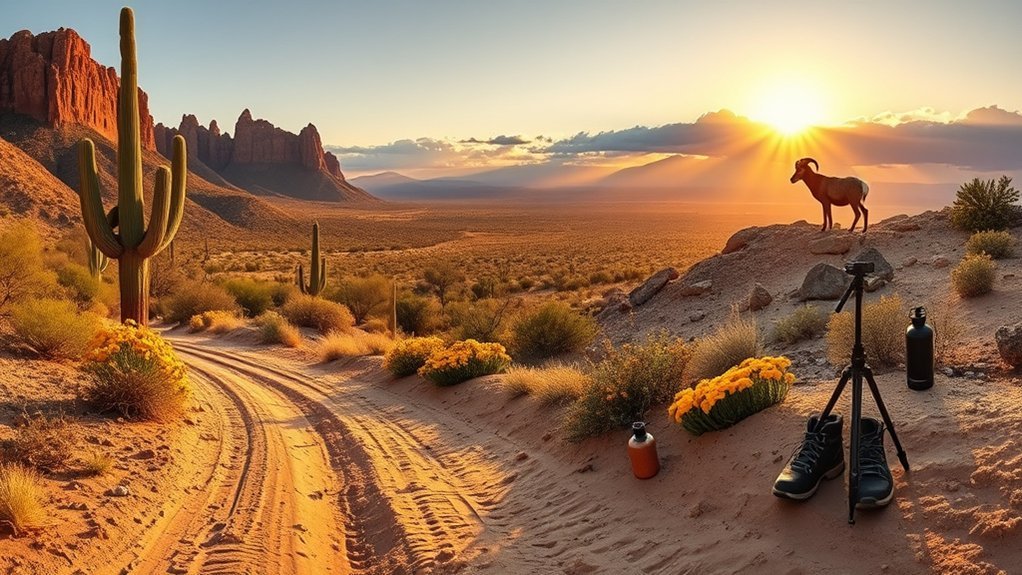
Kofa National Wildlife Refuge protects an enormous area of Sonoran Desert north of Yuma. It was established in 1939 for desert bighorn sheep, and more than 80% of the refuge is designated wilderness.
The appeal is remoteness: rugged mountains, open desert, wildlife watching, photography, hiking and primitive camping. Desert bighorn sheep live here, but seeing one is never guaranteed.
Road conditions range widely. Some destinations may require higher-clearance vehicles and careful navigation. Download maps before leaving town, carry extra water, keep your fuel level conservative and tell someone your route.
More than 80% of Kofa National Wildlife Refuge is wilderness, so treat a trip here as backcountry travel rather than a normal city attraction.
Mittry Lake Wildlife Area
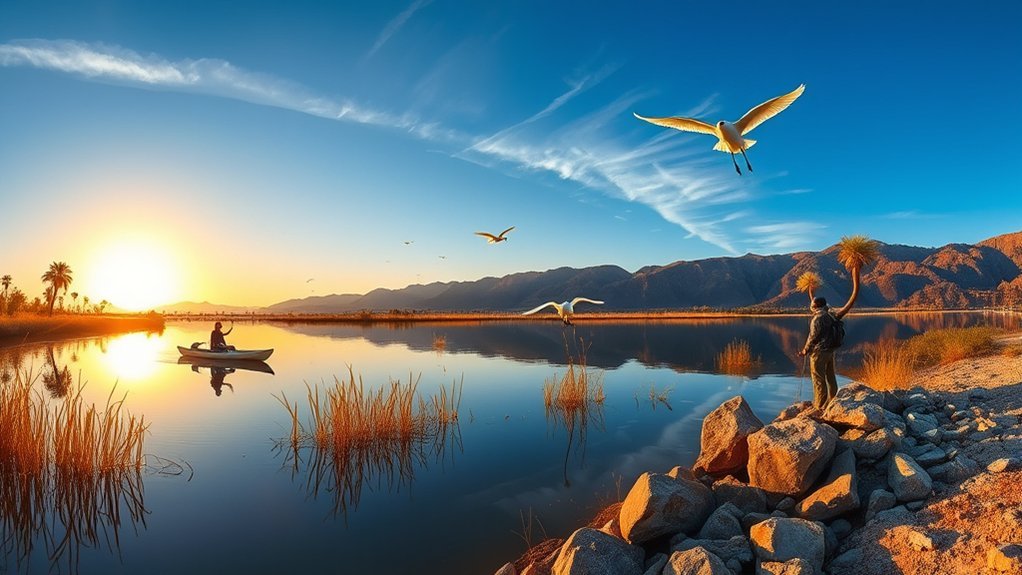
Mittry Lake Wildlife Area combines open water, marshes and desert habitat north of Yuma. Arizona Game and Fish manages the area in cooperation with partner agencies.
- Watch waterfowl and other wetland wildlife.
- Fish from suitable shoreline areas or a boat while following Arizona licensing rules.
- Launch a kayak or other appropriate craft where permitted.
- Use the area for a quieter nature outing than the city’s main attractions.
Facilities are more limited than at an urban park, so carry water, food, sun protection and anything else you will need for the outing.
Fortuna Pond and Other Yuma Birding Sites
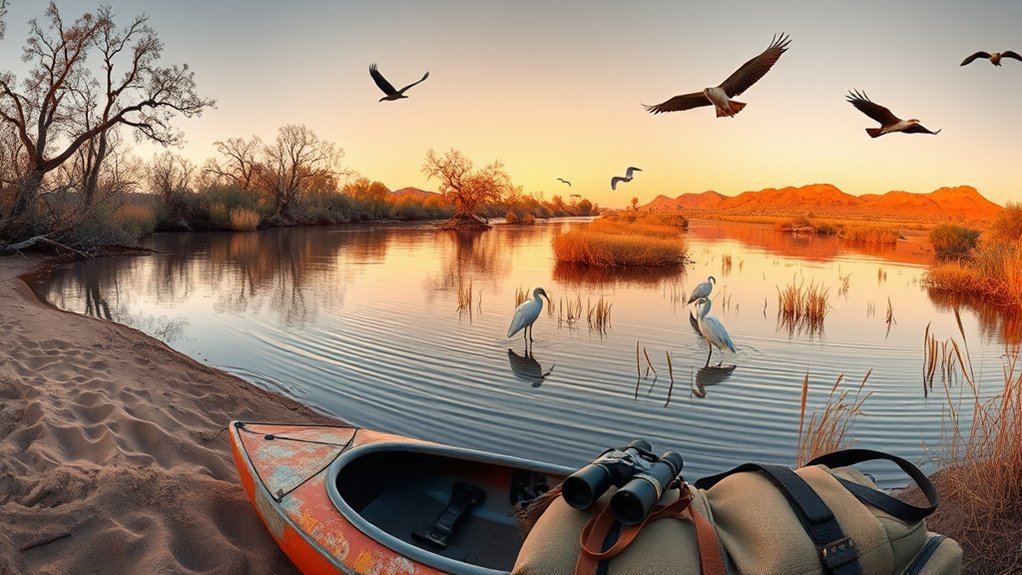
Instead of looking for an unverified “Gila River Outpost,” birders can use established Yuma County locations such as Fortuna Pond, East Wetlands, Mittry Lake and other lower Colorado River habitats.
Fortuna Pond is surrounded by cottonwoods, willows, mesquite and other vegetation that can attract birds, especially during migration and the cooler season. Visit quietly, bring binoculars and avoid blocking roads or entering private land around agricultural areas.
- Go near sunrise for cooler temperatures and active birds.
- Download a field-guide or birding app before leaving town.
- Respect closures and private property.
- Do not use playback or approach nests in ways that disturb wildlife.
Painted Rock Petroglyph Site Day Trip
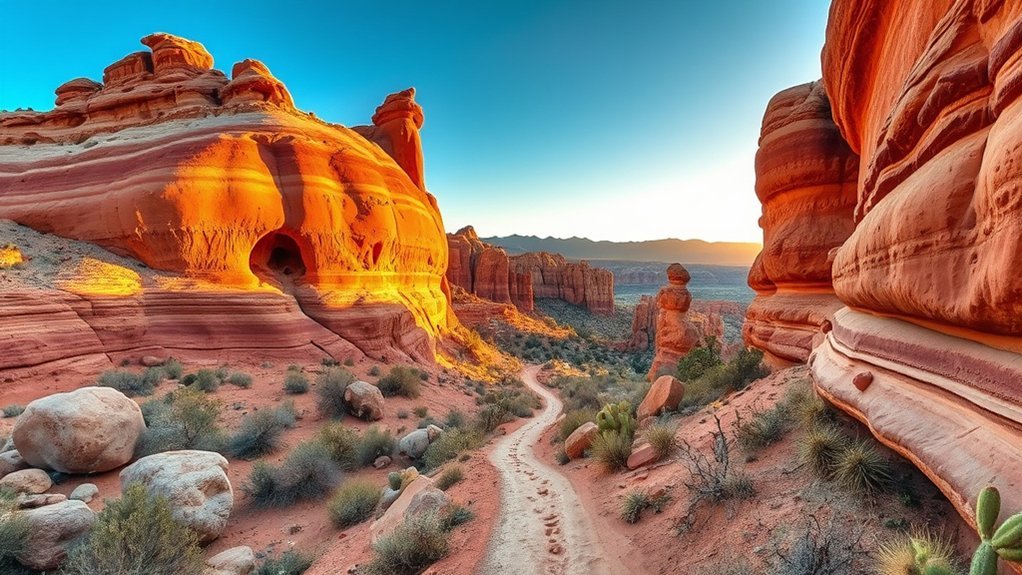
Travelers interested in rock art should distinguish Yuma from the Painted Rock Petroglyph Site near Gila Bend. It is a farther day trip east of Yuma rather than a short local scramble to a “Painted Cave.”
The site contains a large concentration of petroglyphs on basalt boulders. Rock art is culturally and archaeologically sensitive, so view it without touching, tracing, chalking or climbing on marked surfaces.
- Allow substantial driving time from Yuma.
- Bring water and sun protection.
- Stay on established access routes.
- Never remove artifacts, stones or archaeological material.
If you want a closer desert outing, Telegraph Pass, Kofa, Mittry Lake and Castle Dome are more natural additions to a Yuma itinerary.
Yuma Proving Ground Heritage and Historic Exhibits
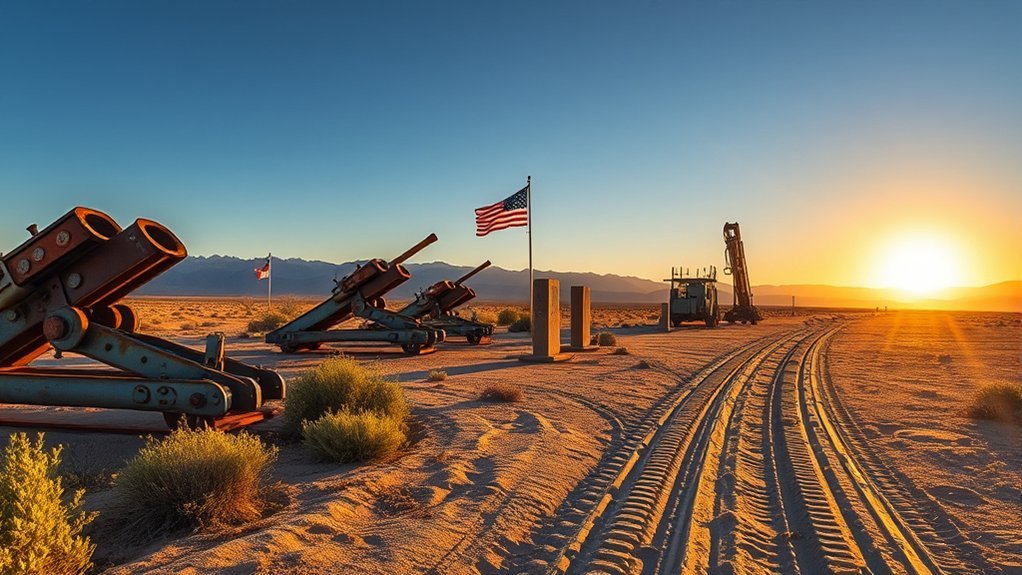
Yuma Proving Ground is an active U.S. Army installation with a long history of military testing in desert conditions. Historical exhibits preserve equipment and stories connected with that work, but this is not an open desert attraction where visitors can freely wander among test ranges.
Before planning a visit, read the official Yuma Proving Ground visitor information. Identification, credentialing, escort and security requirements can apply, and access rules may change.
Warning: Never enter restricted roads, ranges or closed military areas while sightseeing around Yuma Proving Ground. Use only authorized visitor areas and follow installation security instructions.
Prison Hill Brewing Company and Local Taprooms
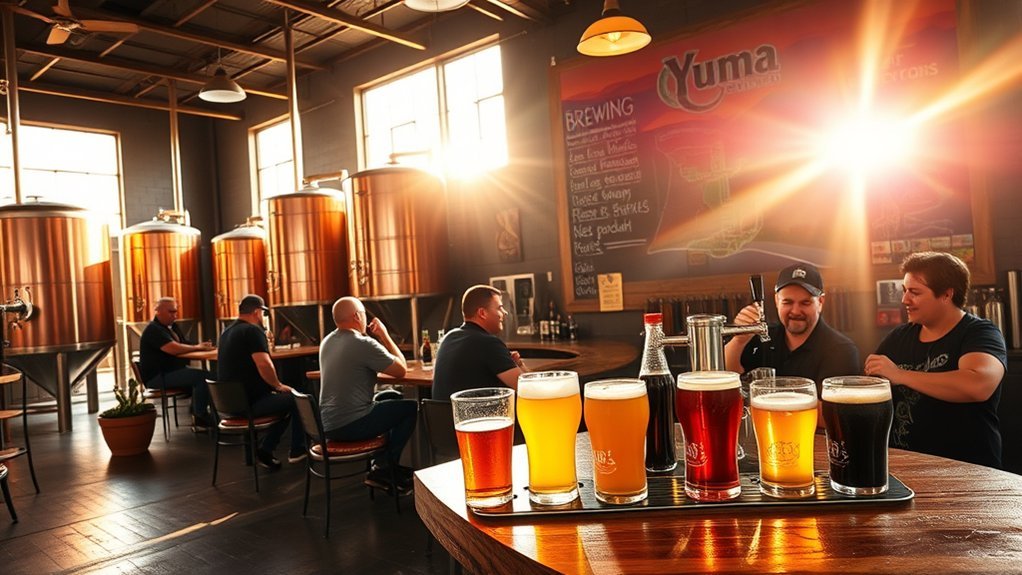
For locally brewed beer in downtown Yuma, Prison Hill Brewing Company is the established name to know. Visit Yuma identifies it as the city’s microbrewery, with house beer and guest selections.
- Check the current tap list rather than expecting a specific flavor.
- Pair a downtown brewery visit with the Art Center or Main Street.
- Use a designated driver or rideshare if you drink alcohol.
- Remember that brewery hours and menus can change.
Other bars and taprooms around Yuma serve regional craft beer, giving you options without needing to drive to a remote destination after dark.
Desert Sunsets at Martinez Lake
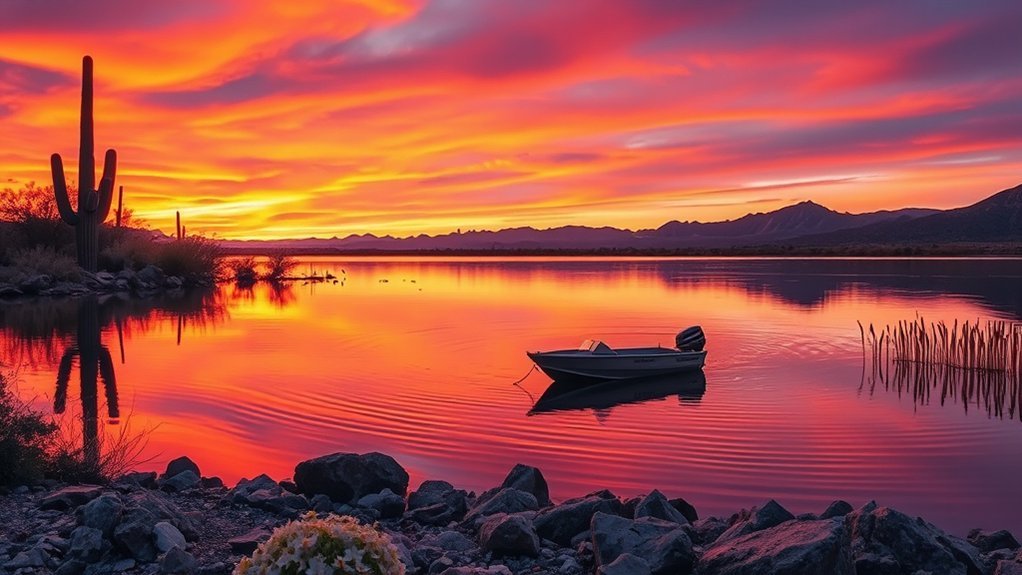
Martinez Lake is north of Yuma in the lower Colorado River recreation area and is popular for boating, fishing, paddling and waterfront scenery. The mix of open water, reeds and desert hills can make late afternoon especially attractive.
Public and private facilities vary around the lake, so identify your intended access point before leaving Yuma. Do not assume every shoreline is public.
If you plan to stay through sunset, bring a flashlight, insect protection when needed and enough supplies for the return drive. Avoid alcohol if you will be driving or operating a boat.
Off-Road Tours and ATV Excursions

Yuma is surrounded by desert terrain used for off-highway recreation, but the rules depend on who manages the land and which route you choose. Guided tours can be a practical option if you do not have desert-driving experience or the proper vehicle.
Choose an off-road route for your experience level, follow the land manager’s rules and treat desert recovery equipment as essential rather than optional.
- Use a reputable operator with appropriate safety equipment.
- Wear closed-toe footwear and the required protective gear.
- Carry water even on guided rides.
- Never leave designated routes where travel is restricted.
- Check permits, registration and safety requirements before using your own OHV.
Imperial Sand Dunes, the Fortuna Foothills area and other regional routes offer very different terrain, so do not assume one set of rules covers every destination.
Agricultural Events and Local Festivals
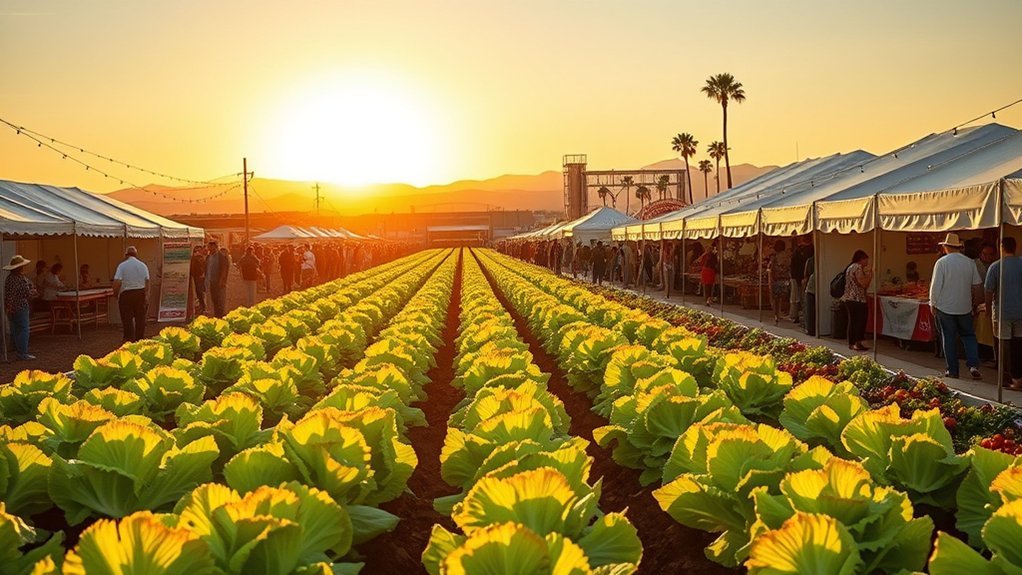
Yuma’s agricultural identity makes farm-themed events a natural part of the local calendar, but event names, formats and dates change from year to year. Older travel material frequently references Yuma Lettuce Days, while current calendars also feature agricultural celebrations and other seasonal events.
Rather than planning a trip around an assumed annual date, check Visit Yuma’s current events calendar. Depending on the season, you may find agricultural events, art festivals, car shows, cultural celebrations, live music, parades and community markets.
Yuma’s farms are especially important to winter vegetable production, so travelers interested in agriculture can also look for current farm tours and date-farm experiences.
How to Plan Your Yuma Visit
A first-time visitor can see much of central Yuma without rushing. Remote attractions deserve separate blocks of time because desert roads, security procedures and driving distances can turn a seemingly short side trip into a half-day outing.
One-Day Yuma Itinerary
- Morning: Yuma Territorial Prison State Historic Park.
- Late morning: Gateway Park and a short riverfront walk.
- Lunch: Historic downtown Yuma.
- Afternoon: Yuma Art Center, Pivot Point and Colorado River State Historic Park.
- Late afternoon: West Wetlands Park or East Wetlands.
If You Have Two or Three Days
Add one major out-of-town destination each day. Castle Dome and Kofa work well for travelers who want desert history or wilderness. Imperial Sand Dunes suits off-road enthusiasts and photographers. Mittry Lake and Martinez Lake are better choices if water, fishing or birding are your priorities.
Best Time for Outdoor Activities
Late fall through early spring is generally the easiest season for sightseeing because daytime temperatures are more comfortable than in summer. Even in winter, carry water and sun protection. During hot periods, plan outdoor activities around sunrise and use museums, restaurants and indoor attractions during the hottest hours.
Frequently Asked Questions
What is the best time of year to visit Yuma for mild weather?
November through early spring is generally the most comfortable period for outdoor sightseeing. Winter is also Yuma’s busiest visitor season, so reserve lodging early for major events. Summer visits are possible, but outdoor plans should be shifted to early morning because extreme heat can make exposed hiking unsafe.
Can I take a day trip from Yuma to Mexico?
Yes. Los Algodones, Baja California, is commonly reached through the Andrade Port of Entry west of Yuma. Many visitors park on the U.S. side and walk across. Carry the documents required for your return to the United States and check current U.S. Customs and Border Protection crossing hours and travel information before leaving.
Where can I stay near the Colorado River in Yuma?
Look around downtown, Pivot Point and the north end of central Yuma if being close to the riverfront is important. Not every nearby hotel has a direct river view, so verify the room description and map rather than assuming that a downtown address guarantees waterfront scenery.
Is Yuma good for families with young children?
Yes. Gateway Park, West Wetlands Park, the Territorial Prison’s Junior Ranger activities, riverfront walks and indoor cultural attractions provide manageable family options. Choose activities around the weather, supervise children closely near water and avoid long exposed desert outings in high heat.
How accessible are Yuma attractions for visitors with mobility limitations?
Many major city attractions provide paved routes or accessible facilities, but historic structures, natural trails and remote desert sites can be more difficult. Check the official attraction’s accessibility information before visiting when wheelchair access, accessible restrooms, parking or limited walking distance is essential.
What are the best free things to do in Yuma?
Good free or generally free-access options include Gateway Park, West Wetlands Park, East Wetlands, downtown murals, Pivot Point Interpretive Plaza and riverfront walking routes. Parking, special events or specific activities may still carry fees, so check current information.
Do I need a four-wheel-drive vehicle for attractions around Yuma?
Not for central Yuma. Major city attractions are accessible by normal paved roads. Remote areas such as parts of Kofa, off-road routes and some desert destinations can involve rough or unpaved roads. Check current land-manager guidance and never take a rental car onto roads prohibited by your rental agreement.
Conclusion
Yuma works best when you mix its compact historic core with one or two outdoor experiences. Start with the Yuma Territorial Prison, the Quartermaster Depot at Colorado River State Historic Park and the riverfront, then choose from wetlands, art, local food or a sunset park visit. If you have more time, the dunes, Kofa, Castle Dome, Mittry Lake and Martinez Lake open up a much bigger desert landscape beyond the city.
The key is to plan for the environment. Check current hours and access rules, carry water, keep remote drives conservative and give yourself more time than the map suggests. With that preparation, Yuma offers an unusually varied combination of frontier history, Colorado River habitat and Sonoran Desert scenery.
Sources
- Arizona State Parks — Yuma Territorial Prison State Historic Park — official park history, visitor information and operating details.
- Yuma Crossing National Heritage Area — Colorado River State Historic Park, East Wetlands and Yuma riverfront heritage information.
- Bureau of Land Management — Imperial Sand Dunes Recreation Area — location, recreation guidance, permits and OHV rules.
- U.S. Fish & Wildlife Service — Kofa National Wildlife Refuge — wilderness, wildlife and visitor information.
- Arizona Game and Fish Department — Mittry Lake Wildlife Area — wildlife-area management and recreation information.
- U.S. Army Yuma Proving Ground — Visitor Information — current installation access and identification requirements.