Yuma, Arizona combines frontier history, Colorado River recreation, restored wetlands, downtown arts, desert hiking, local agriculture, and easy day trips. Many of the best things to do are clustered around downtown and the riverfront, while places such as Castle Dome, Telegraph Pass, and Martinez Lake require more driving. Winter is the easiest season for outdoor exploring, but careful planning makes a Yuma trip rewarding at other times of year too.
Quick Answer
The best things to do in Yuma include touring Yuma Territorial Prison, exploring Colorado River State Historic Park, walking the Yuma Crossing riverfront, visiting the East and West Wetlands, paddling the Colorado River, hiking Telegraph Pass, exploring downtown, and taking day trips to Castle Dome and Martinez Lake.
Key Takeaways
- History lovers can easily combine Yuma Territorial Prison, Colorado River State Historic Park, downtown, Pivot Point, and the riverfront in one day.
- The East and West Wetlands, Gateway Park, and the Colorado River offer Yuma’s easiest in-town outdoor experiences.
- Telegraph Pass, Castle Dome, and Martinez Lake deserve separate time because they are outside the downtown core.
- November through March is generally the most comfortable period for hiking, walking, cycling, and other outdoor activities.
- Always check current hours, event dates, trail conditions, river conditions, and seasonal closures before setting out.
Warning: Yuma’s desert heat can become dangerous quickly. In warm weather, move strenuous hikes and bike rides to early morning, carry more water than you expect to need, use sun protection, and turn around if anyone develops dizziness, headache, confusion, nausea, or unusual weakness.
Pro Tip: If you have only one day, concentrate on downtown and the Colorado River corridor. With two or more days, add Telegraph Pass, Castle Dome, Martinez Lake, or another desert excursion instead of trying to fit every attraction into one schedule.
Visit the Yuma Territorial Prison State Historic Park
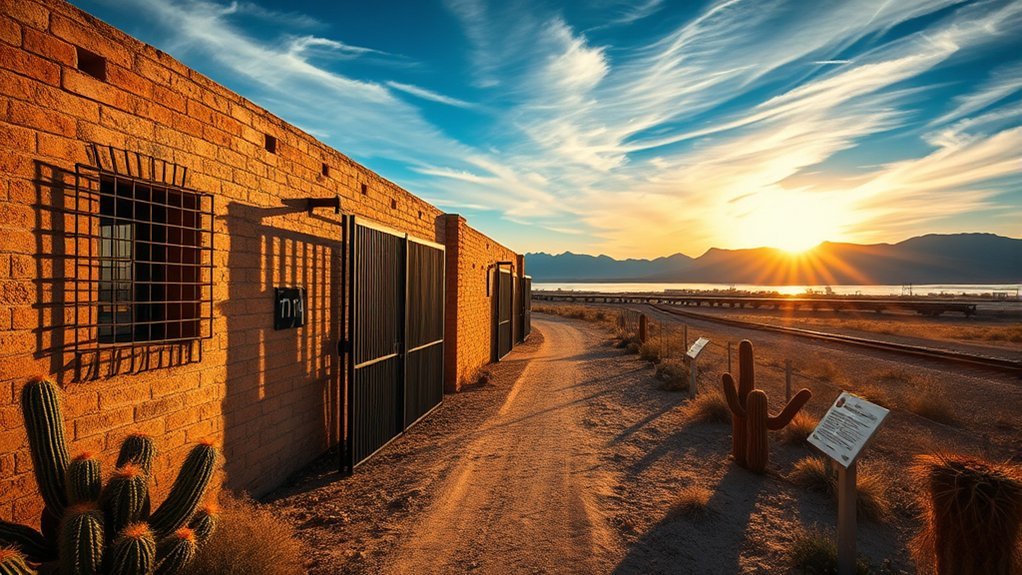
Yuma Territorial Prison State Historic Park is one of the city’s signature attractions. Construction began in 1876, and the first seven prisoners entered on July 1 of that year. The prison operated until 1909, when inmates were transferred to Florence.
Today you can walk through surviving cell areas, see the Dark Cell, examine photographs and artifacts, and learn about the people incarcerated here. The museum does a much better job of explaining the site than simply wandering around the ruins, so allow time for the exhibits as well as the outdoor areas.
The prison sits on a bluff above the Colorado River, making it easy to combine with Gateway Park, the East Wetlands, and other Yuma Crossing attractions. Check current admission, hours, and seasonal information through Arizona State Parks.
Explore Colorado River State Historic Park
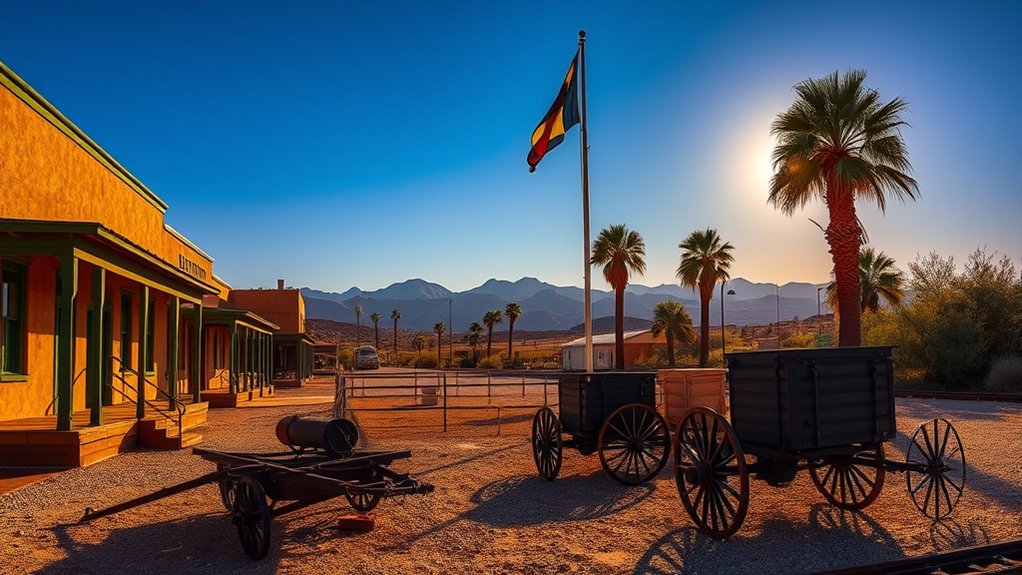
The former Yuma Quartermaster Depot is now interpreted as Colorado River State Historic Park. The U.S. Army established the depot in 1864 to store and distribute supplies for military posts across the Southwest.
Several historic buildings survive, and exhibits cover Army logistics, wagon transportation, Colorado River steamboats, irrigation, transportation, and the broader importance of the river to Yuma. An Army escort wagon, historic vehicles, and a model of the depot help explain how goods once moved through this remote desert supply hub.
Because the site is close to downtown and the West Wetlands, it pairs naturally with other riverfront attractions. Current hours vary seasonally, so check Arizona State Parks before visiting.
Stroll Through Downtown Yuma and Main Street Shops
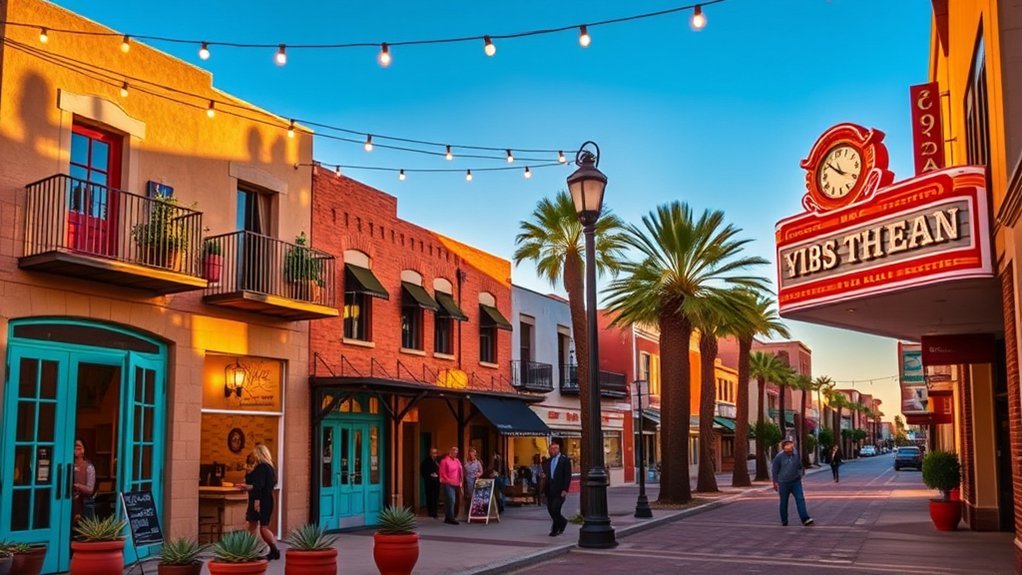
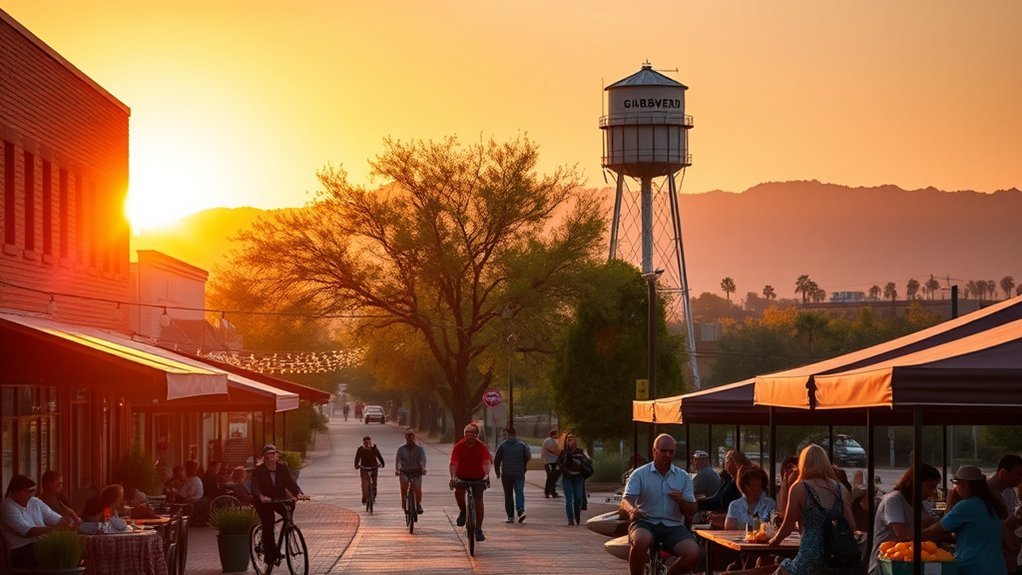
Downtown Yuma is compact enough to explore on foot and works especially well between museum visits. Main Street and nearby blocks mix historic buildings, restaurants, independent shops, public art, and cultural venues.
Historic Buildings & Murals
Look beyond the storefronts as you walk. Decorative brickwork, older commercial buildings, railroad-era details, public murals, and nearby interpretive sites help connect modern downtown with Yuma’s transportation and borderland history.
For another worthwhile historical stop, walk toward Pivot Point Interpretive Plaza at the river end of Madison Avenue. The plaza occupies the area where the first railroad entered Arizona in 1877 and includes a historic locomotive and interpretive features.
Local Boutiques & Cafés
Main Street also gives you an easy break from outdoor sightseeing. Browse locally owned shops, stop for coffee or lunch, and check for art walks, markets, live music, or other downtown events during your visit. Because individual businesses change, use the current downtown listings from Visit Yuma rather than relying on an old list of store names.
Wander the Yuma Crossing National Heritage Area
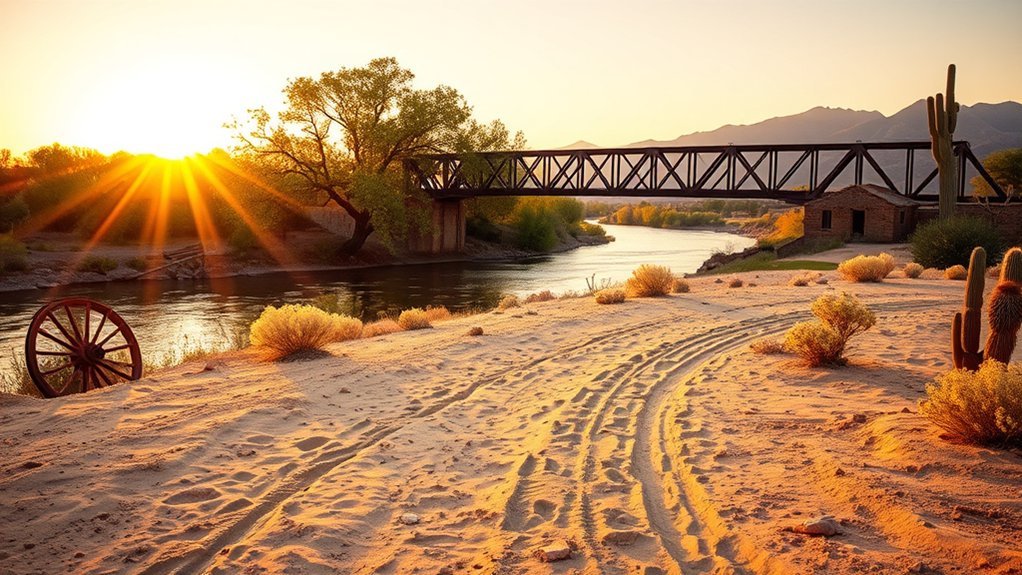
The Yuma Crossing National Heritage Area ties together much of the city’s riverfront history and outdoor recreation. The heritage area includes historic sites, restored wetlands, riverfront parks, trails, and landscapes associated with the Colorado River crossing.
Instead of treating it as a single museum, think of the heritage area as a connected district. Walk or cycle sections of the riverfront, visit the two state historic parks, continue into the East or West Wetlands, and stop at interpretive features that explain transportation, agriculture, Indigenous history, and the transformation of Yuma’s riverfront.
The Heritage Area reports more than three miles of contiguous riverfront parks and trails plus nearly 400 acres of restored wetlands. See current maps and information at the Yuma Crossing National Heritage Area.
Tour the Yuma Art Center and Galleries
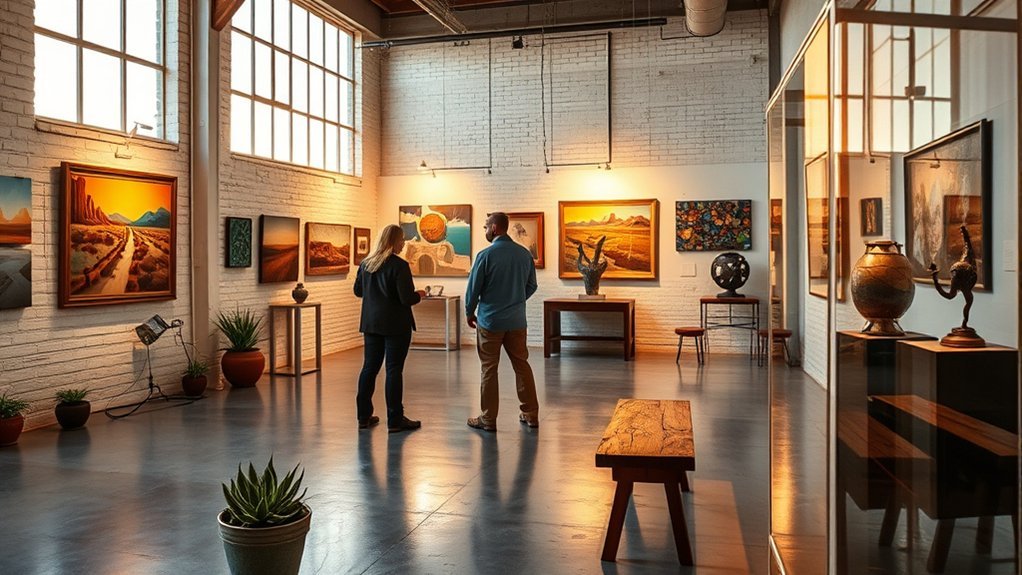
The Yuma Art Center and Historic Yuma Theatre bring visual art and performing arts into the heart of downtown. The galleries host rotating exhibitions featuring local, regional, and nationally recognized artists, while the theater and surrounding spaces host performances and community programs.
An art-center visit can be short enough to fit between lunch and another downtown attraction, but checking the calendar may turn it into a longer stop. Exhibitions, theater productions, workshops, receptions, and special events change throughout the year.
Use the City of Yuma Art Center page for current exhibitions and events.
Relax at Gateway Park and Picnic by the Colorado River
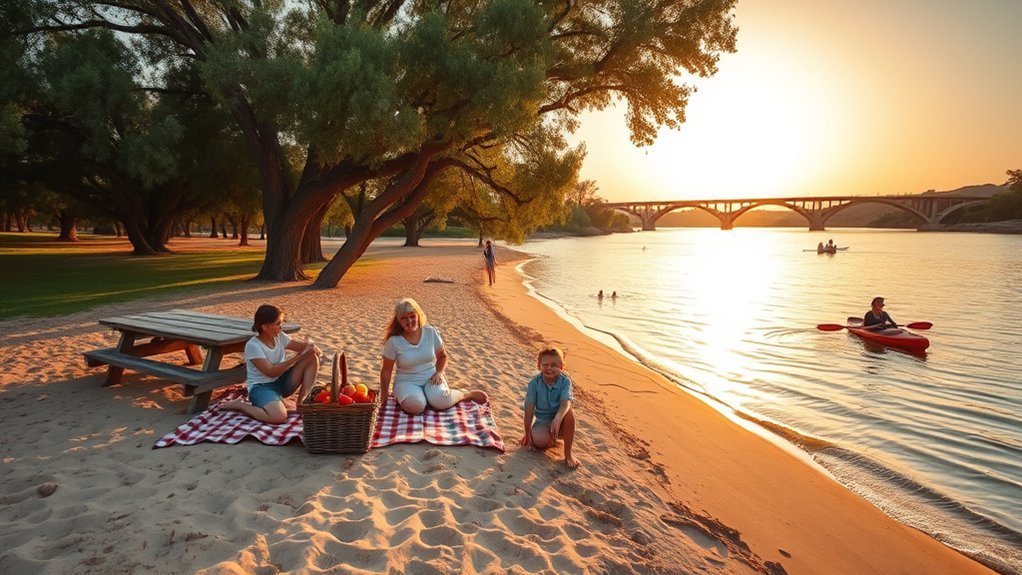
Gateway Park is one of the easiest places to reach the Colorado River from central Yuma. City-listed amenities include picnic tables, grills, ramadas, restrooms, a playground, fishing docks, and an outdoor shower.
Bring lunch, walk the riverfront, watch birds and recreational river traffic, or use the park as the starting point for a paddle downstream. Visit Yuma describes a short float from Gateway Park to Centennial Beach or Playa Linda in the West Wetlands, provided you arrange transportation back to your starting point.
| Feature | What to Expect | Best Time |
|---|---|---|
| River access | Beach and nearby paddling access | Morning or cooler afternoons |
| Picnics | Tables, grills and ramadas | Cool-season days |
| Families | Playground and open recreation space | Morning or late afternoon |
| Wildlife | River birds and wetland species nearby | Morning and dusk |
Paddle or Kayak the Colorado River
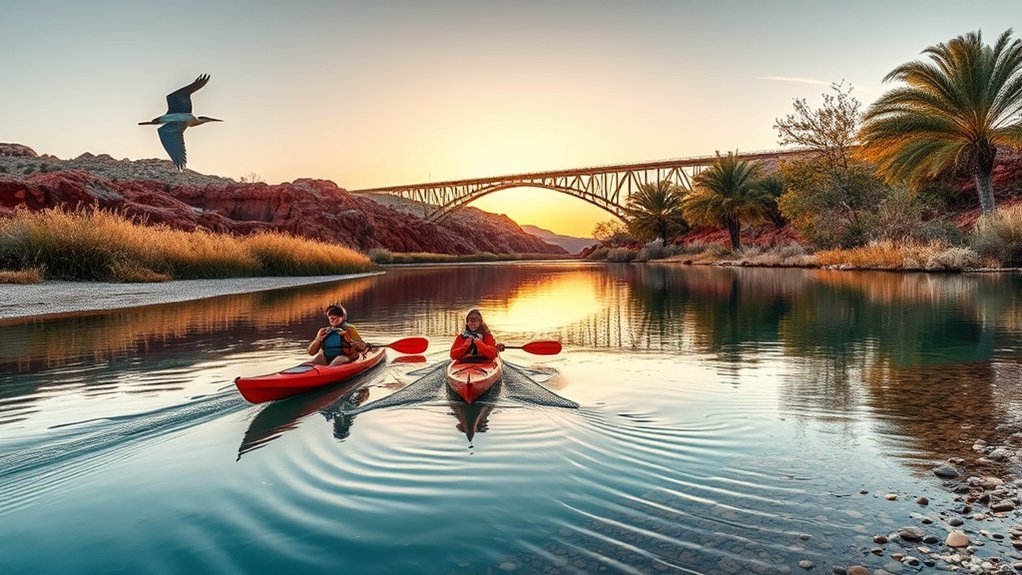
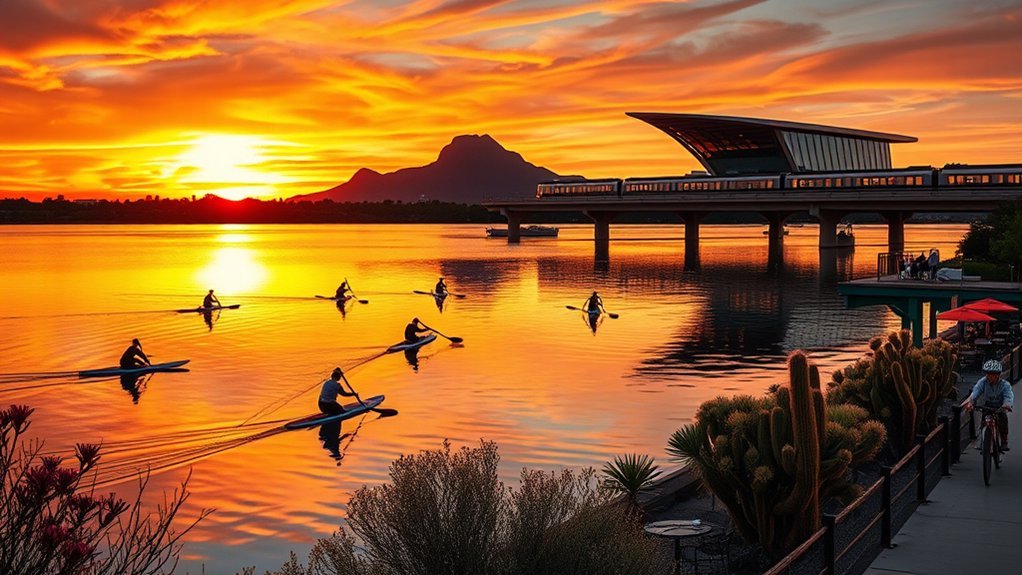
Kayaking, canoeing, and paddleboarding give you a completely different view of Yuma. One of the simplest in-town options is the stretch from Gateway Park toward West Wetlands beaches. Farther north, Martinez Lake, Xanyō Xamshré Lake, Senator Wash, and other river access points offer additional options.
Calm Water Routes
Choose your route based on water conditions, experience, transportation, and available launch points rather than assuming every channel is suitable for beginners.
- Gateway Park to West Wetlands: a convenient city float when conditions are suitable and a return shuttle is arranged.
- Martinez Lake: a larger recreation area north of Yuma with boating and fishing access.
- Mittry Lake area: another popular lower Colorado River recreation setting north of town.
- Other public river launches: check current access information before committing to a route.
Safety and Gear
Wear an appropriate personal flotation device, carry drinking water, protect yourself from intense sun, secure your phone and keys, and check weather and river conditions before launching. Wind can turn an easy paddle into a difficult return trip.
Tell someone your route and expected finish time, and do not approach dams, diversion structures, restricted areas, or unfamiliar side channels without current local information. Visit Yuma maintains a Colorado River access guide.
Birdwatch at the Yuma East Wetlands
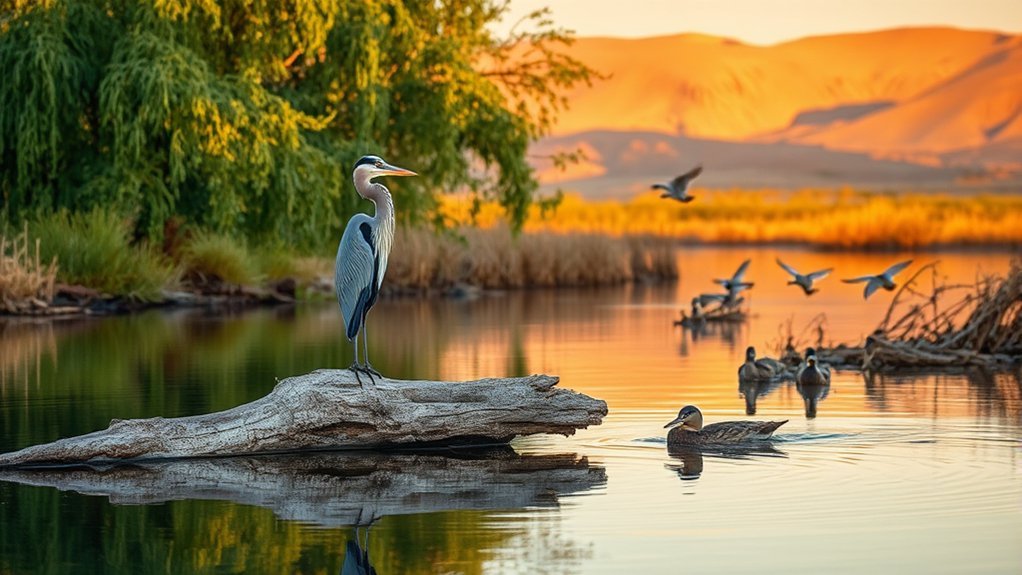
The Yuma East Wetlands are a major restoration success along the Colorado River. Restoration work began in 2004, and nearly 400 acres have been transformed into a mix of marsh, mesquite, cottonwood, willow, and other riparian habitat.
Established trails let you explore the area on foot while looking for waterfowl, woodpeckers, towhees, flycatchers, raptors, and seasonal migrants. Bird activity changes throughout the year, so repeat visits can feel very different.
- Visit early in the morning for cooler temperatures and active birds.
- Bring binoculars and use a zoom lens rather than approaching wildlife.
- Stay on established routes and avoid disturbing dense marsh or nesting habitat.
- Combine the wetlands with Gateway Park or Yuma Territorial Prison for an easy half-day riverfront outing.
Learn about the restoration project at the Yuma Crossing National Heritage Area.
Hike the Telegraph Pass Trail
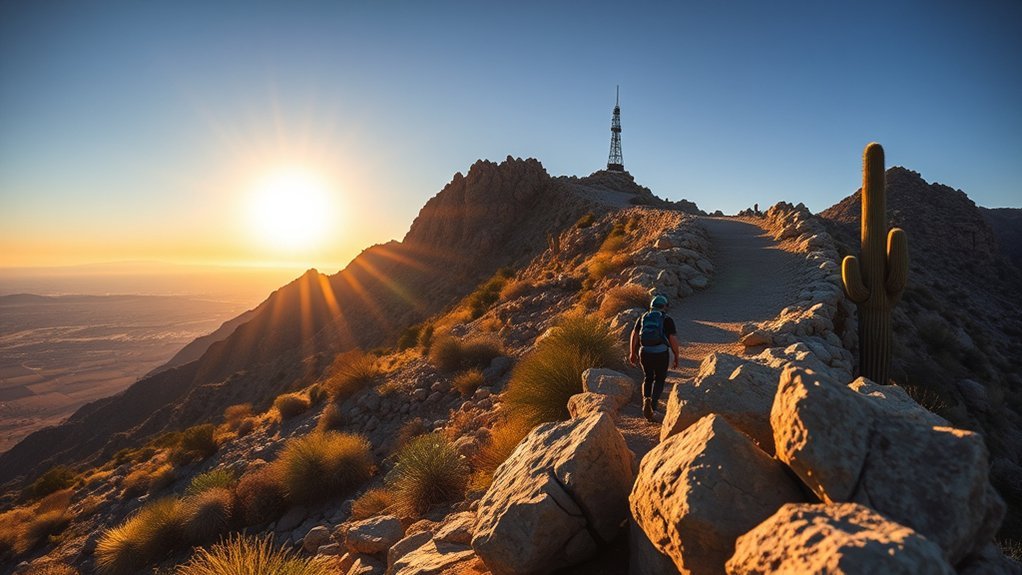
Telegraph Pass is one of the best-known hikes near Yuma, offering a steady desert climb and broad views from the mountains east of town. It is a real workout rather than a casual downtown walking trail.
Trail Overview
Exact distance depends on the trailhead and route you use, so check a current map before starting. Visit Yuma describes the trip as a couple of hours up and back. Expect exposed desert terrain, climbing, rocky footing, and little dependable shade.
- Trailhead: confirm your intended starting point before leaving Yuma.
- Terrain: desert road/trail surfaces with steeper, rockier sections higher up.
- Scenery: mountain ridges, desert basins, agricultural land, and long-distance views.
- Timing: start early, particularly outside the coolest months.
Difficulty & Safety
Wear shoes with dependable traction and carry enough water for the full hike. Do not rely on a single small bottle during warm weather. There is little protection from direct sun, and temperatures can become dangerous much earlier in the day than visitors from cooler climates expect.
Tell someone where you are going, keep enough energy and water for the return, and turn around before heat, fatigue, weather, or darkness becomes a problem.
Scenic Highlights
The appeal of Telegraph Pass is the changing perspective as you gain elevation. Desert slopes give way to larger views across the Yuma area and surrounding ranges. Sunrise can provide cooler temperatures, while late-day light can be beautiful, but sunset hikers need enough time and lighting for a safe descent.
Cycle the Trails Along the Riverfront

Yuma’s riverfront is one of the easiest places in the city for a recreational bike ride. Trails and paths connect parks, restored habitat, historic areas, and river viewpoints without requiring a remote desert excursion.
Start near downtown, Gateway Park, or the West Wetlands and build a route that fits your time. Some surfaces and trail segments differ, so do not assume every connection is a wide paved bike path. Yield to pedestrians, slow down near playgrounds and busy park areas, and carry water even on short rides.
The Yuma Crossing National Heritage Area provides useful background on the connected riverfront trail system.
Marvel at the Castle Dome Mine Museum
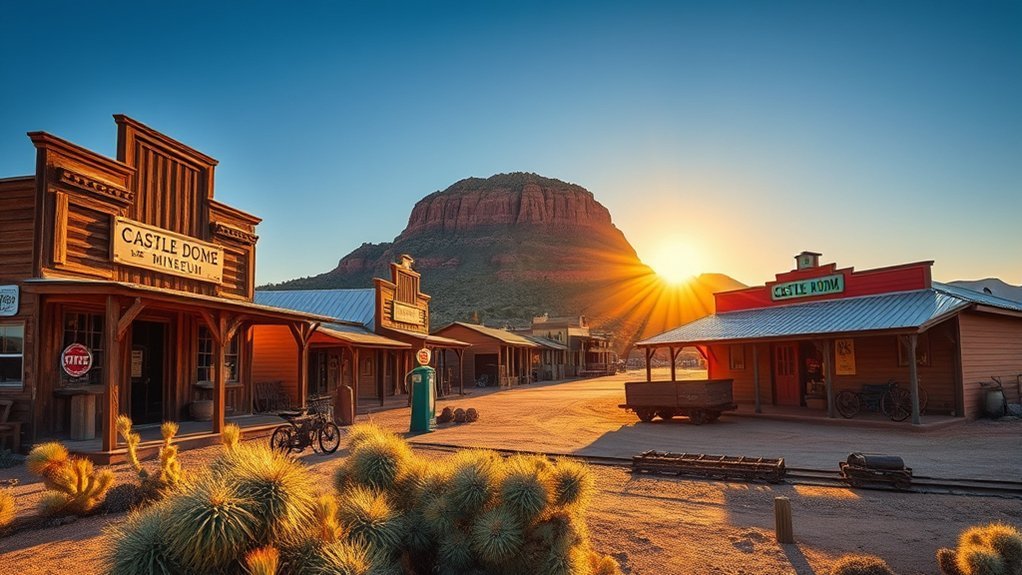
The Castle Dome Mine Museum is a worthwhile excursion for travelers interested in mining and ghost-town history. The preserved and reconstructed Castle Dome City area contains dozens of weathered structures and artifacts connected with the long-running Castle Dome mining district.
Walk among historic-style buildings, examine mining tools and machinery, and learn how miners and their families lived in this isolated desert environment. The museum’s collection includes material recovered from mines throughout the Castle Dome district.
- Allow substantially more time than you would for a downtown museum.
- Check seasonal opening information before making the drive.
- Carry water and fuel appropriately for a remote desert outing.
- Do not enter abandoned mine workings outside authorized museum areas.
Current visitor information is available from the Castle Dome Mine Museum.
Take a Scenic Drive Through the Gila River Valley
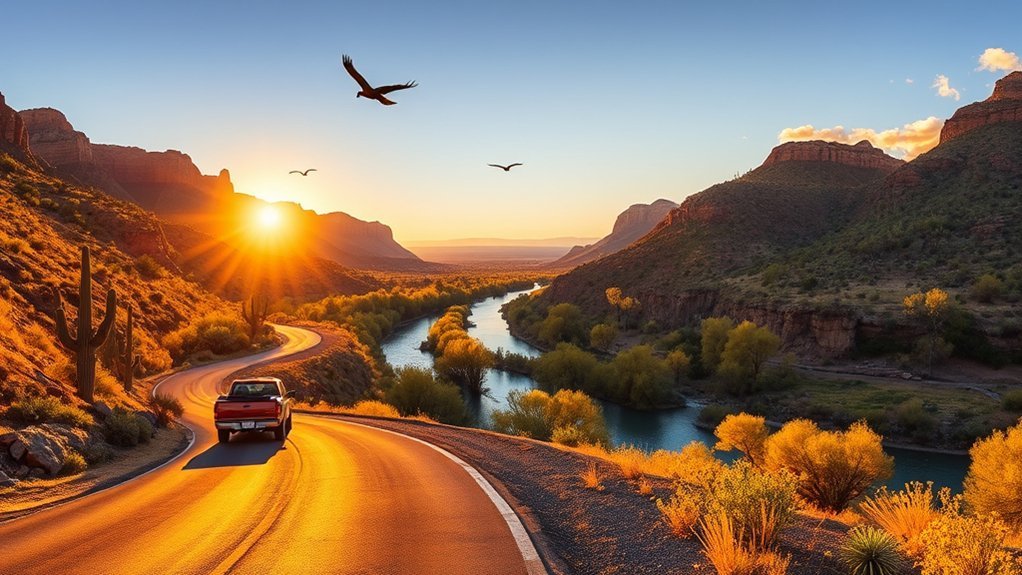
A drive east from Yuma shows another side of the region: irrigated fields, open desert, distant mountains, and communities shaped by the Gila and Colorado river systems. This is more of a landscape drive than a formal scenic-byway experience, so plan stops around legal public access rather than expecting developed overlooks every few miles.
Best Viewpoints En Route
Watch for broad views across agricultural areas, desert mesas, and mountain silhouettes as you travel through the Dome and Wellton area. Only stop where parking is legal and safely separated from traffic. Do not enter farm roads, canal service roads, tribal land, or private property without permission.
- Look for open desert-and-mountain views east of Yuma.
- Notice the contrast between irrigated farmland and surrounding Sonoran Desert.
- Time the drive for morning or late afternoon if photography is your priority.
- Keep fuel and drinking water in the vehicle when exploring beyond the city.
Picnic & Photo Stops
Use established public parks, recreation areas, or designated pullouts for longer stops. The combination of agriculture, desert light, and distant ridgelines can make an ordinary drive visually interesting, especially during the cooler part of the day.
Visit the West Wetlands Park and Playgrounds
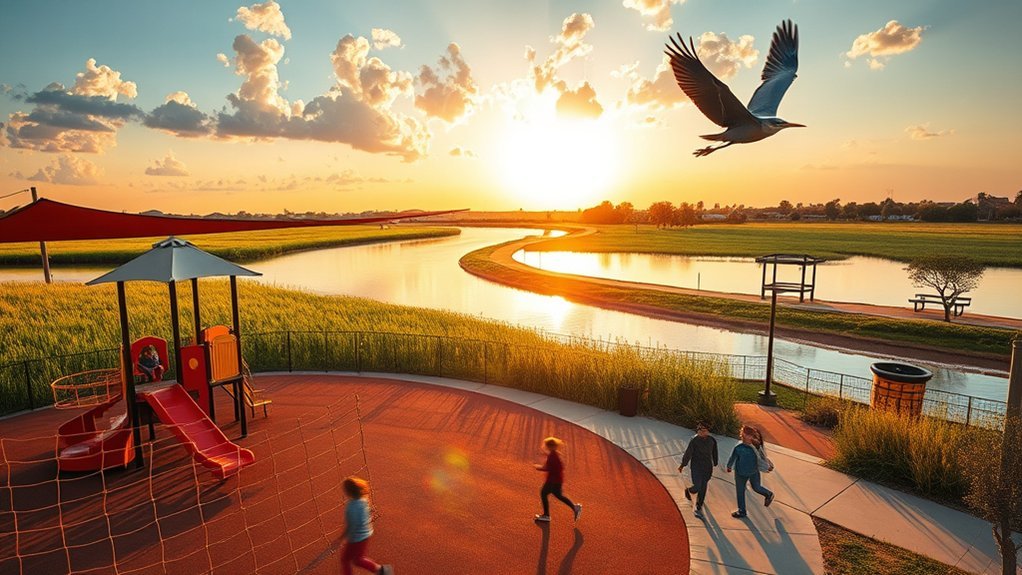
West Wetlands Park is one of Yuma’s best family-friendly outdoor areas. The 110-acre park includes walking areas, picnic ramadas, grills, playground facilities, gardens, a pond, river access, and other recreational features.
- Visit the Stewart Vincent Wolfe Creative Playground with children.
- Walk trails through restored native vegetation on the lower bench.
- Use the picnic areas for an easy lunch away from downtown traffic.
- Explore the butterfly and hummingbird garden areas.
- Use Centennial Beach and the boat-launch area when conditions and your activity make them appropriate.
The City of Yuma maintains a current West Wetlands Park facility page with official amenities.
Check Events at the Yuma Civic Center and City Venues
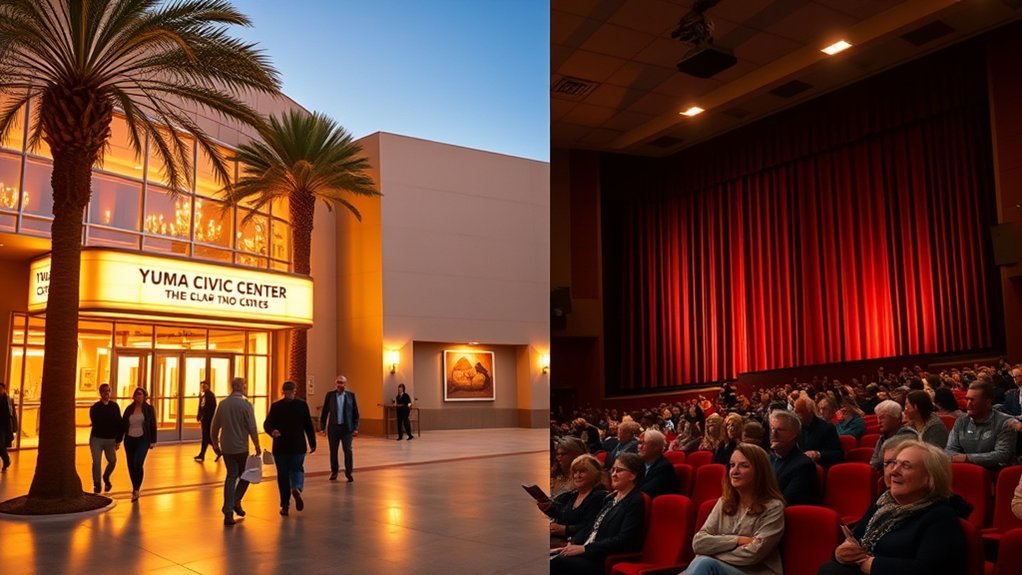
The Yuma Civic Center hosts community events, meetings, expos, celebrations, and other scheduled programs. For theater and many performing-arts productions, also check the Yuma Art Center and Historic Yuma Theatre downtown.
Upcoming Shows & Events
Programming changes throughout the year, so an evergreen travel guide should not promise a particular concert or performance. Instead, check the City of Yuma events calendar shortly before your trip.
- City festivals and community events
- Arts and theater productions
- Family programs
- Cultural celebrations
- Special exhibitions and public gatherings
Venue Amenities & Accessibility
Amenities depend on the specific venue and event. If you need wheelchair seating, mobility assistance, hearing accommodations, or another accessibility service, contact the venue before purchasing tickets rather than assuming every event uses the same room configuration.
Sample Yuma-Grown Produce and Date Products

Yuma’s agricultural landscape is one of the most important parts of the region’s identity. Depending on the season, local markets, farm shops, and specialty producers may sell citrus, vegetables, melons, dates, baked goods, preserves, and other products.
- Look for winter leafy vegetables and citrus.
- Try locally grown Medjool dates and date products.
- Ask vendors what was harvested locally rather than assuming every item on a market table came from Yuma County.
- Use cooler hours for outdoor markets and farm stops.
Visit Yuma’s agriculture guide is a useful starting point for learning what is grown in the region.
Enjoy Mexican and Southwestern Food in Local Restaurants
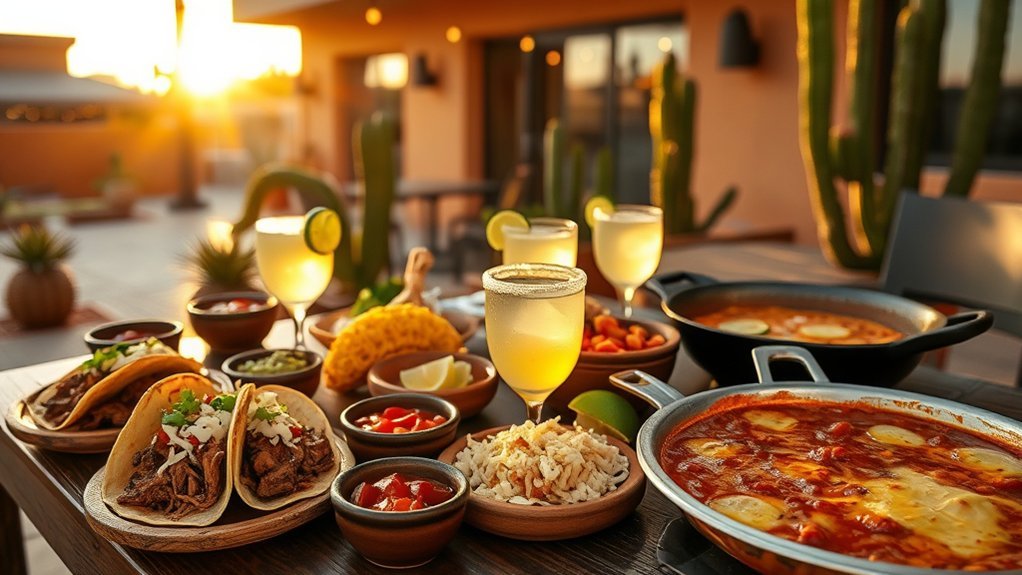
Yuma’s location near the Mexican border and its agricultural economy make food an important part of a visit. Mexican restaurants, taco shops, family-run dining rooms, food trucks, and Southwestern menus give you plenty of ways to explore regional flavors.
| Dish Type | What to Look For | Where to Try It |
|---|---|---|
| Tacos | Grilled or braised meats, fresh salsa | Taquerias and food trucks |
| Enchiladas | Red or green chile sauces | Mexican family restaurants |
| Produce-forward dishes | Seasonal vegetables, citrus and herbs | Local restaurants and cafés |
| Date treats | Shakes, sweets and Medjool-date products | Date farms and specialty shops |
Restaurant hours and ownership can change quickly, so check current listings shortly before visiting rather than relying on an old “best restaurants” list.
Experience Yuma’s Farmers Markets
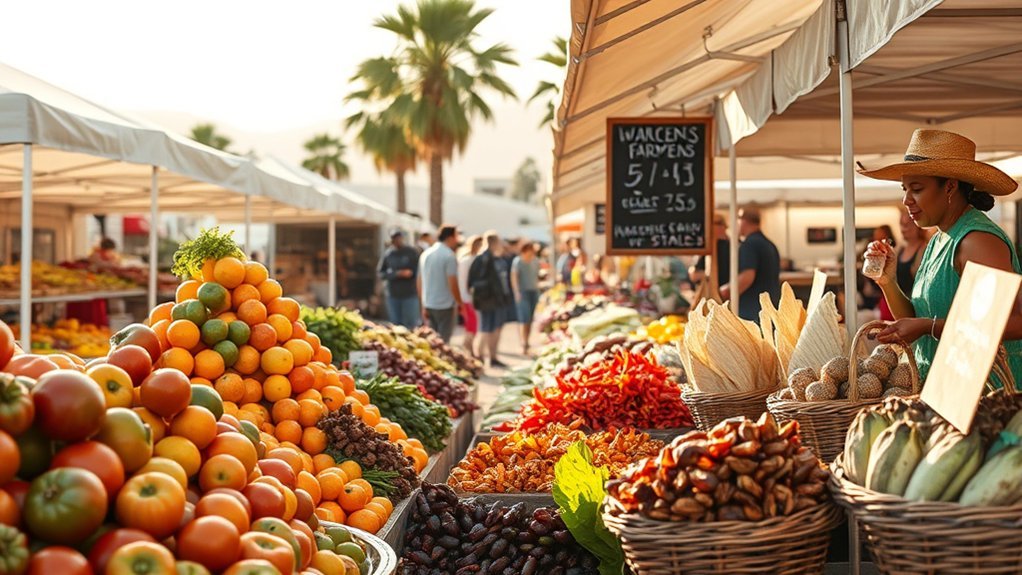
Yuma’s farmers markets and outdoor markets can combine produce shopping with baked goods, spices, dried fruit, crafts, clothing, and other local products. Market schedules are seasonal and can change, so check current listings rather than assuming there is one permanent event called the “Yuma Farmer’s Market.”
Seasonal Local Produce
What you find depends heavily on the season. Winter is especially important for leafy vegetables and citrus, while warmer seasons bring different field crops, melons, dates, and other produce.
- Winter greens and citrus
- Herbs and vegetables
- Melons during warmer growing periods
- Dates and date products
Artisan Food Stalls
Some markets also feature breads, sauces, jams, candies, dried fruit, snacks, and locally made products. Bring a reusable bag and a small amount of cash even when many vendors accept cards.
Live Music & Events
Large seasonal markets and special events may include entertainment, but this is not guaranteed at every farmers market. Visit Yuma maintains a current farmers-market guide.
Learn About Fort Yuma and Quechan History
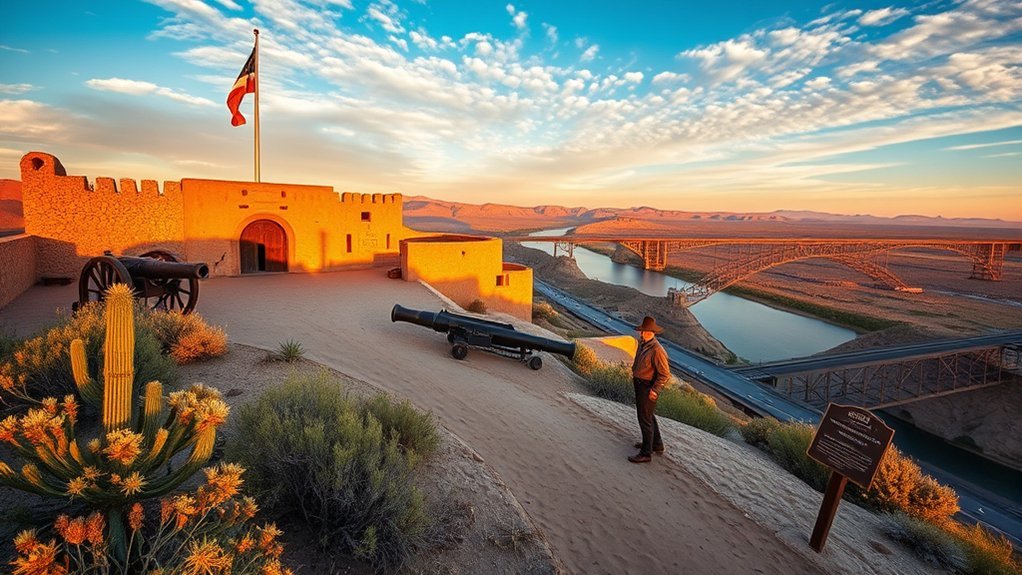
Fort Yuma stood on high ground across the Colorado River from present-day downtown Yuma, in what is now part of the Fort Yuma Quechan Reservation in California. The Army established a post here in the 19th century to protect and control the strategic river crossing.
The area’s history cannot be understood only as a U.S. military story. The crossing sits within the homeland of the Quechan people, whose relationship with the Colorado River reaches far deeper into the past than the fort itself.
| Feature | What to Know |
|---|---|
| Fort Yuma | Historic Army post on what is now Quechan tribal land |
| Quechan history | Essential context for understanding the Colorado River crossing |
| Visitor access | Check current tribal information before visiting specific sites |
Consult the Fort Yuma Quechan Indian Tribe for current information and respect all tribal-property rules, closures, and cultural restrictions.
Explore the Ocean-to-Ocean Bridge and Historic River Crossings
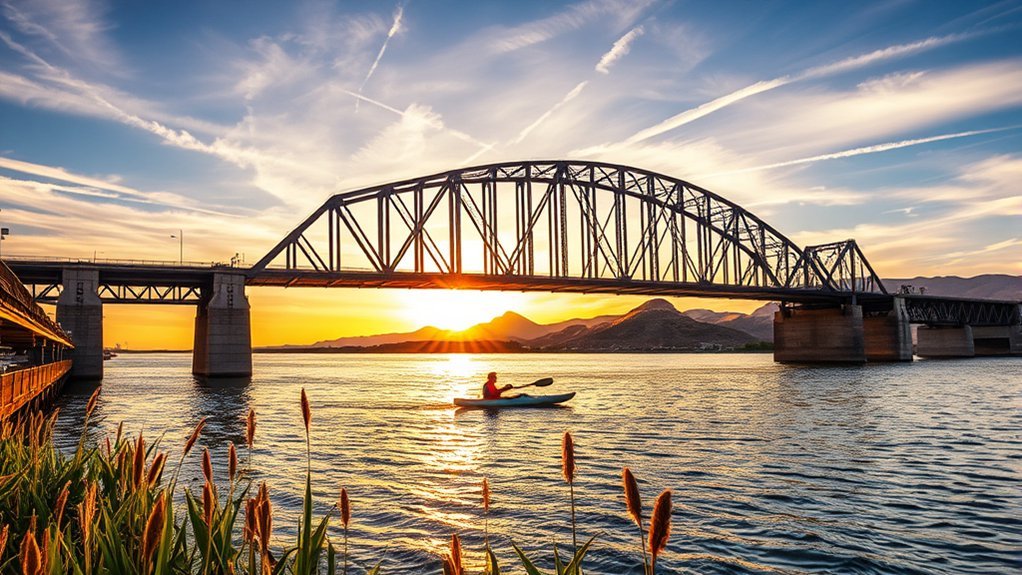
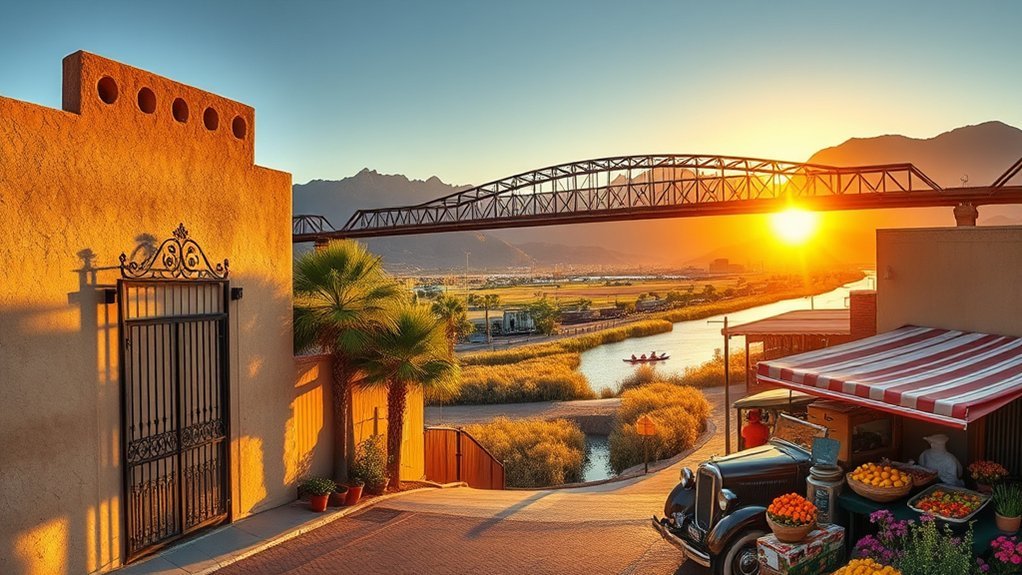
The Ocean-to-Ocean Bridge, completed in 1915, became the first highway bridge across the lower Colorado River and an important link in early transcontinental automobile travel.
Its steel-truss design is easy to appreciate from nearby riverfront areas, and the bridge connects Yuma with the Fort Yuma Quechan Reservation side of the river. It later carried U.S. Route 80 before newer crossings diverted through traffic.
- View the bridge from riverfront paths for the easiest photographs.
- Combine it with Yuma Territorial Prison and the East Wetlands.
- Notice how close the bridge sits to the historic river crossing that made Yuma strategically important.
- Use caution around vehicle traffic and follow posted pedestrian rules.
The Arizona Department of Transportation provides additional bridge history.
Stop at Prison Hill Brewing Company
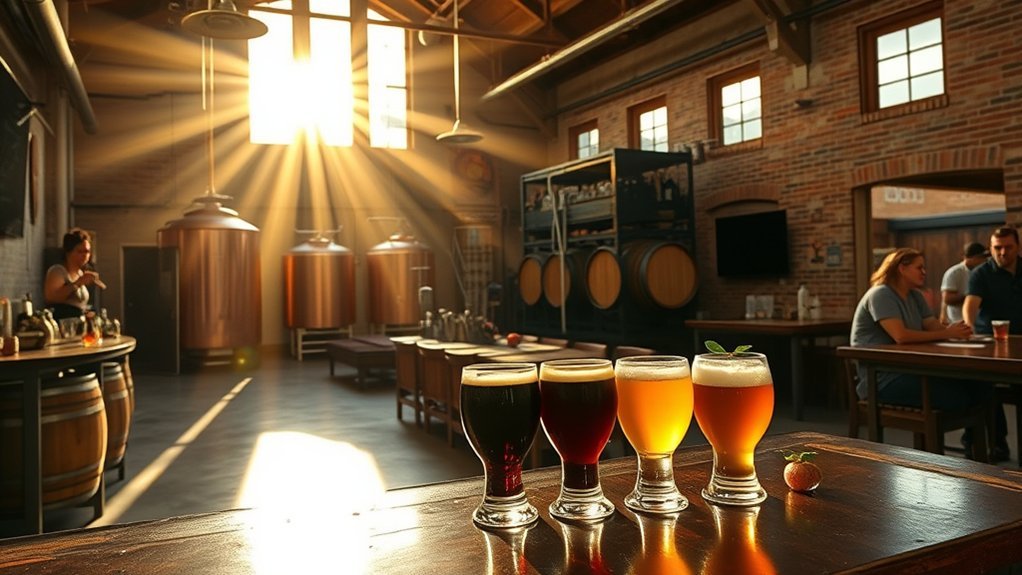
If you want a local beer after sightseeing, the verified downtown brewery is Prison Hill Brewing Company, whose name plays on nearby Yuma Territorial Prison. It operates as a restaurant and brewery on Main Street and serves locally brewed beer alongside rotating guest taps.
| Stop | Why Go | Planning Note |
|---|---|---|
| Prison Hill Brewing Company | Locally brewed beer and full restaurant | Check current hours before visiting |
| Downtown bars and restaurants | More drinks and food within the downtown area | Menus and hours change |
Current brewery hours and beer information are available at Prison Hill Brewing Company. If you drink alcohol, use a designated driver or rideshare rather than cycling or driving impaired.
Visit the Sanguinetti House Museum and Gardens
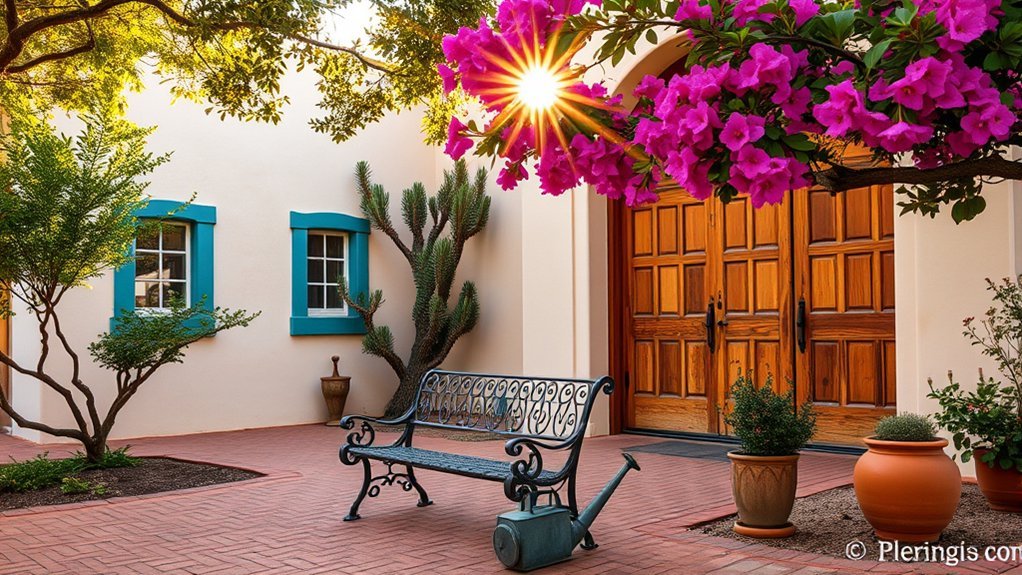
The Sanguinetti House Museum and Gardens preserves the story of E. F. Sanguinetti and Yuma’s commercial and community history. The historic property sits close to downtown attractions, making it easy to include in a walking day.
Inside, exhibits and furnishings help explain how Yuma developed as transportation, agriculture, irrigation, and commerce reshaped the region. Outside, the gardens provide a quieter contrast to Main Street.
- Explore the historic home and exhibits.
- Spend time in the garden rather than rushing directly to the next downtown stop.
- Look for scheduled walking tours or special programs.
- Confirm opening days because museum schedules can vary seasonally.
Check the Arizona Historical Society for current programming.
Discover Desert Flora at the Yuma Conservation Garden
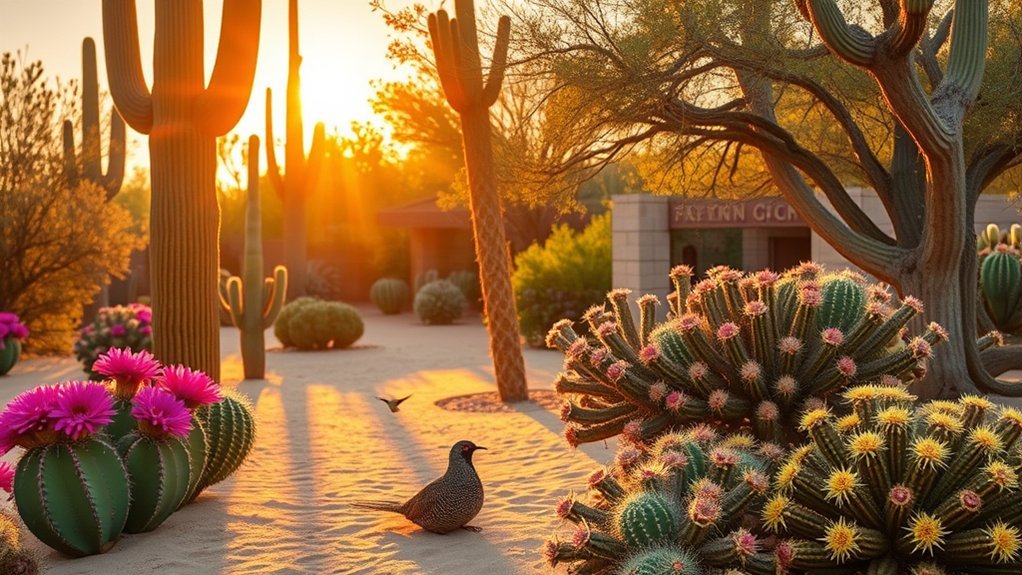
The correct local destination is the Yuma Conservation Garden, not the Desert Botanical Garden in Phoenix. The garden highlights plants adapted to the Sonoran Desert and offers an easy way to learn about desert landscaping without committing to a wilderness hike.
Walk the paths slowly and compare plant forms, leaf shapes, spines, shade strategies, and water-saving adaptations. Visit Yuma also recommends the Robert J. Moody Demonstration Garden for visitors interested in plants that perform well in Yuma’s climate.
The Yuma Conservation Garden is seasonal, with public access generally concentrated in the cooler months. Check current information before visiting. Visit Yuma’s Parks and Gardens guide covers both gardens.
Take a Day Trip to Martinez Lake for Fishing and Boating
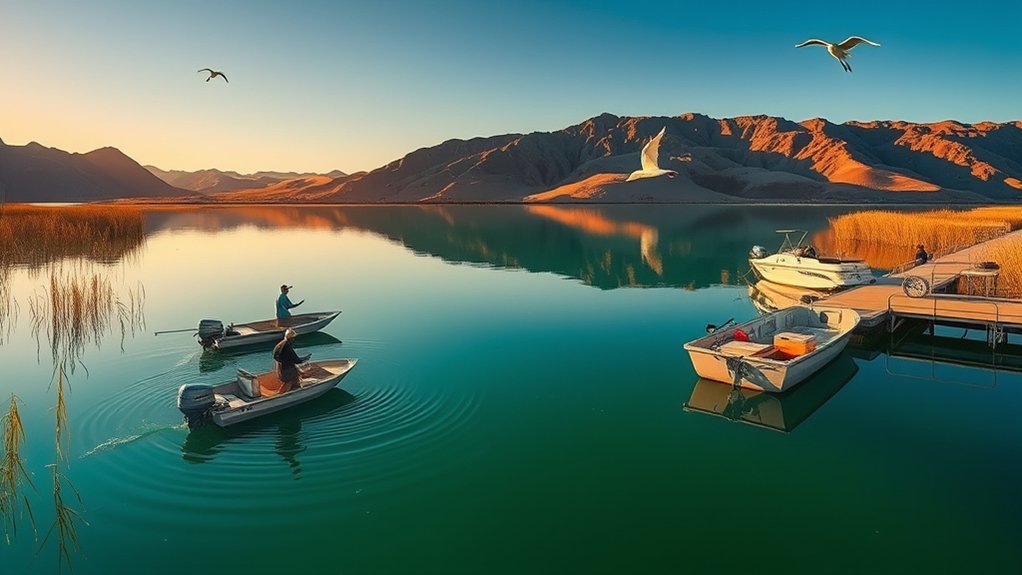
Martinez Lake, north of Yuma within the lower Colorado River recreation region, is a popular destination for fishing, boating, and wildlife viewing. The broader area includes waters associated with Imperial National Wildlife Refuge.
- Bring sun protection and substantially more drinking water than you would for an indoor attraction.
- Check current boat-launch and marina conditions before towing or renting a boat.
- Review current fishing regulations and license requirements before casting.
- Keep distance from wildlife and observe refuge closures.
Arizona generally requires anglers age 10 and older to hold a valid fishing or combination license when fishing public accessible waters. Refuge-specific rules can also apply at Martinez Lake, including seasonal restrictions in parts of the refuge. Check Arizona Game and Fish Department regulations and Imperial National Wildlife Refuge fishing information before your trip.
Browse Antiques, Thrift Stores, and Vintage Shops
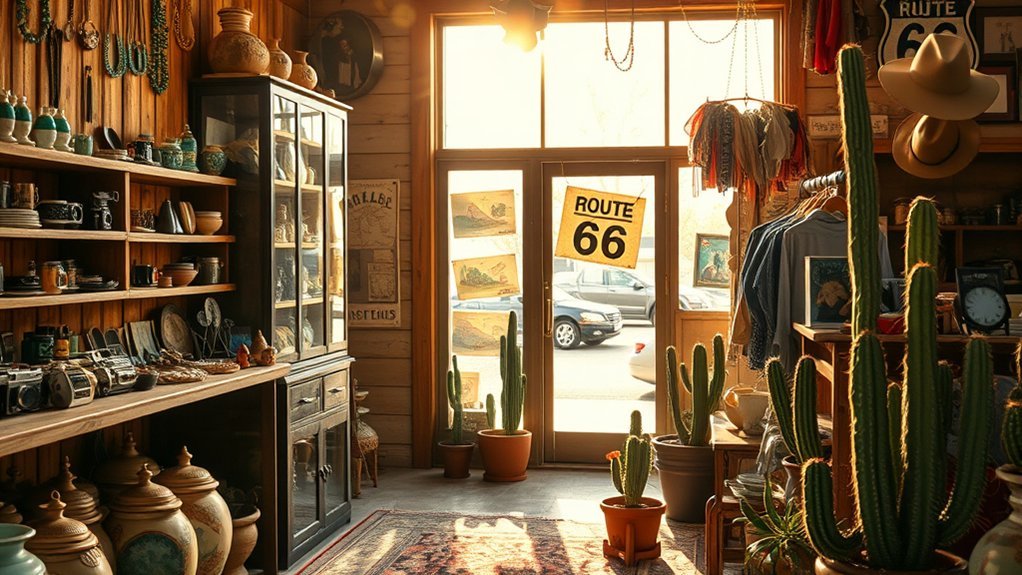
If you enjoy secondhand shopping, leave room between museums for Yuma’s thrift, antique, and vintage stores. Inventory changes constantly, which is part of the appeal.
Look for Southwestern décor, tools, household goods, records, jewelry, collectibles, furniture, and occasional pieces connected with the area’s military or agricultural past. Ask before assuming a seller’s story establishes an item’s provenance, particularly for expensive collectibles.
| Item Type | What to Check | Why It Appeals |
|---|---|---|
| Furniture | Repairs, joints, veneer and dimensions | One-of-a-kind character |
| Memorabilia | Authenticity and condition | Potential local connection |
| Décor | Damage and restoration | Distinctive home accents |
| Collectibles | Maker marks and comparable prices | Easy-to-pack souvenirs |
Attend Seasonal Events and Festivals in Yuma
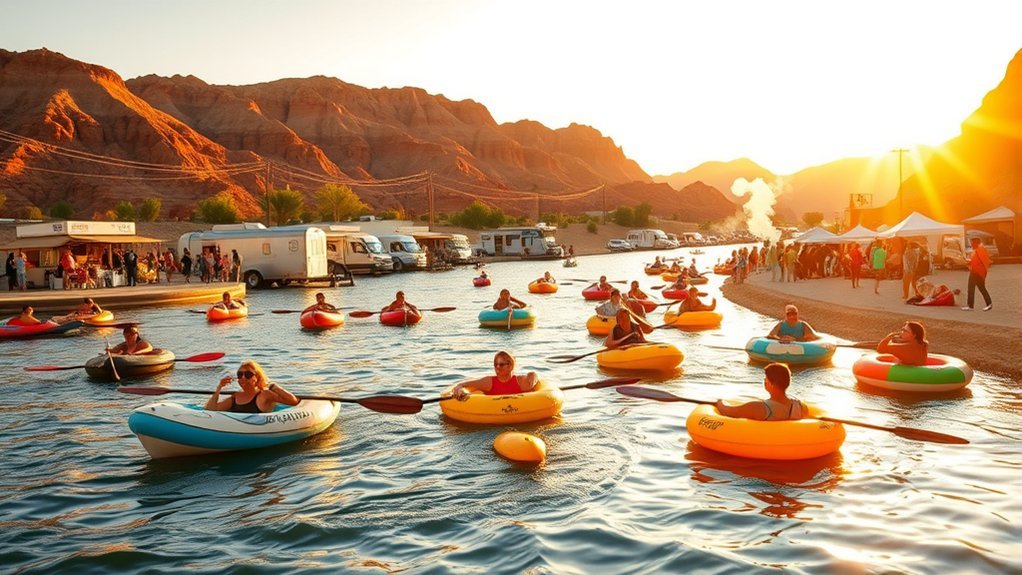
Yuma’s event calendar is especially active during the cooler months, when outdoor festivals are more comfortable. Rather than relying on generic seasonal descriptions, look for established events and current city programming.
- Colorado River Crossing Balloon Festival: a long-running November event centered on hot-air balloons.
- Midnight at the Oasis: a major classic-car festival held in early March.
- Agricultural and date-related events: celebrations that connect visitors with Yuma’s farming economy.
- Downtown arts, food, music, and holiday events: schedules change each year.
Always confirm exact dates before booking a trip. Use the Visit Yuma event calendar and City of Yuma calendar for current listings.
Frequently Asked Questions
Is Yuma safe for solo travelers during the day and at night?
Most visitors can explore Yuma using the same precautions they would use in another small U.S. city. Stay aware of your surroundings, park in well-used areas, secure valuables, avoid isolated places after dark, and use extra caution when hiking or recreating alone in remote desert areas.
What is the best time of year to visit Yuma and avoid extreme heat?
November through March is generally the easiest period for outdoor sightseeing because temperatures are much milder than in late spring and summer. Winter days can still feel warm in direct sun, so carry water and sun protection even in the cooler season.
Are there public transportation options around Yuma?
Yes. Yuma County Area Transit, or YCAT, operates fixed-route and other transit services in Yuma County, with selected service extending to places such as Winterhaven and El Centro. A car is still much more practical for remote attractions such as Castle Dome, Martinez Lake, and many desert trailheads.
Do Yuma attractions accept credit cards or should I carry cash?
Major attractions, restaurants, and many shops generally accept cards, but carrying a modest amount of cash is useful for small vendors, market stalls, tips, and situations where a card reader is unavailable.
Are pets allowed at Yuma parks and trails?
Pets are allowed in many outdoor areas, but rules vary by park, historic site, refuge, and trail. Keep dogs leashed where required, pick up waste, carry extra water for your pet, and never leave an animal in a parked vehicle in Yuma’s warm climate.
Can I see Yuma’s main attractions in one day?
You can cover several highlights in one day by staying near downtown and the Colorado River. A practical combination is Yuma Territorial Prison, Colorado River State Historic Park, downtown, Gateway Park, and one of the wetlands. Save remote attractions for another day.
Do I need a car to visit Yuma?
Not for every downtown attraction, but a car makes a Yuma trip much easier. Castle Dome, Martinez Lake, Telegraph Pass, wildlife refuges, and many desert recreation sites are outside the walkable downtown core.
Can I visit Yuma in summer?
Yes, but plan differently. Favor indoor museums and early-morning or evening activities, minimize strenuous midday hiking, carry plenty of water, and check operating hours because some outdoor attractions and seasonal businesses reduce summer schedules.
Conclusion
Yuma rewards travelers who look beyond its desert setting. In a compact area you can explore one of Arizona’s most famous historic prisons, follow the story of the Colorado River, walk restored wetlands, browse downtown galleries and shops, and spend time beside the water. With extra days, Telegraph Pass, Castle Dome, and Martinez Lake open up an entirely different side of the region. Build your itinerary around the season, keep desert heat in mind, and leave enough time to enjoy each area instead of rushing from stop to stop.
Sources
- Arizona State Parks: Yuma Territorial Prison State Historic Park — official prison history and visitor information.
- Arizona State Parks: Colorado River State Historic Park — official Quartermaster Depot history and park information.
- Yuma Crossing National Heritage Area — riverfront trails, wetlands restoration, and heritage-area history.
- City of Yuma Parks and Recreation — official city parks, arts, Civic Center, and recreation information.
- Visit Yuma — current visitor information for attractions, river recreation, hiking, events, markets, agriculture, and trip planning.
- Yuma County Area Transit — official YCAT routes and transportation services.