The best time to visit Alabama is generally spring or fall, when much of the state has comfortable weather for sightseeing, hiking, road trips, festivals, and outdoor activities. April and October are especially versatile choices. However, the ideal month depends on whether you want Gulf Coast beaches, North Alabama fall foliage, bird migration, festivals, or a quieter winter getaway.
Quick Answer
For most travelers, the best time to visit Alabama is from March through May or from late September through November. Choose April or October for a balanced mix of comfortable weather and outdoor activities, late October to early November for North Alabama foliage, and late spring through early fall for a Gulf Coast beach trip.
Key Takeaways
- Best overall: April and October offer a strong balance of comfortable temperatures, outdoor activities, and seasonal scenery.
- Best for beaches: Late spring through early fall brings the warmest beach weather, while fall can offer warm Gulf conditions with fewer summer crowds.
- Best for fall color: North Alabama commonly reaches its strongest foliage from late October into early November.
- Best for birding: Spring and fall migration are especially rewarding along the Alabama coast.
- Weather awareness: Alabama’s primary severe-weather season is March through May, and Atlantic hurricane season runs from June 1 through November 30.
Best Months to Visit Alabama at a Glance
Alabama stretches from the Tennessee Valley and Appalachian foothills in the north to the Gulf Coast in the south, so conditions can differ significantly within the state. Use this seasonal guide as a starting point rather than assuming one month feels the same everywhere.
| Time | Best For | What to Expect |
|---|---|---|
| March | Spring blooms, birding, city trips | Mild to warm afternoons with cooler mornings. Severe thunderstorms are possible. |
| April | Best all-around spring month | Comfortable outdoor weather, active spring migration, gardens, and longer daylight. |
| May | Beaches, paddling, warm-weather trips | Warmer and more humid, especially later in the month. |
| June–August | Beach vacations and water activities | Hot, humid weather and frequent opportunities for afternoon thunderstorms. |
| September–October | Gulf Coast trips, festivals, hiking | September can still feel summery. October is usually more comfortable, but tropical-weather risk continues. |
| Late October–Early November | North Alabama foliage | One of the strongest windows for scenic drives, hiking, and autumn photography. |
| December–February | Cities, museums, Gulf Coast walks, seasonal events | Coolest period of the year, with colder conditions in North Alabama and milder days near the coast. |
Spring in Alabama: Mild Weather, Blooms, and Birding
Spring is one of Alabama’s most rewarding travel seasons. Flowers and trees return to life, gardens become colorful, and comfortable days make it easier to explore cities, trails, waterfalls, historic sites, and the coast before the strongest summer heat arrives.
Conditions vary from north to south. For example, National Weather Service 1991–2020 climate normals for Huntsville show a normal March high of 65.5°F and low of 43.0°F. By May, normal temperatures rise to a high of 82.5°F and low of 60.2°F. This makes layers useful, especially during early spring.
Spring is also an excellent time for birdwatching along the Gulf Coast. The U.S. Fish and Wildlife Service identifies Bon Secour National Wildlife Refuge as important stopover and staging habitat for neotropical migratory songbirds during both spring and fall migration.
Weather Warning: Alabama’s primary severe-weather season runs from March through May. Tornadoes and severe thunderstorms do not occur every day, but travelers should check the National Weather Service forecast and know where to shelter if a warning is issued.
Summer in Alabama: Beaches, Lakes, and Hot Weather
Summer is the classic season for Gulf Shores, Orange Beach, lakes, pools, paddling, boating, and other water-centered trips. Long daylight hours give families plenty of time for swimming, beach days, picnics, and evening activities.
The tradeoff is heat and humidity. In Huntsville, normal highs based on 1991–2020 data are 89.1°F in June, 91.5°F in July, and 91.3°F in August. Coastal Alabama also experiences hot, humid summer conditions, although sea breezes can make beach areas feel different from inland cities.
Plan strenuous outdoor activities for the morning when possible. Carry water, use sun protection, and be prepared for thunderstorms that can interrupt an otherwise sunny day.
Summer also brings farmers’ markets, fresh produce, outdoor dining, barbecues, and plenty of opportunities for a cold dessert or ice cream after a hot afternoon.
Note: The official Atlantic hurricane season runs from June 1 through November 30. A named storm does not need to make a direct Alabama landfall to affect Gulf Coast surf, rain, wind, or travel plans, so check forecasts before and during coastal trips.
Fall in Alabama: Colorful Foliage, Festivals, and Comfortable Days
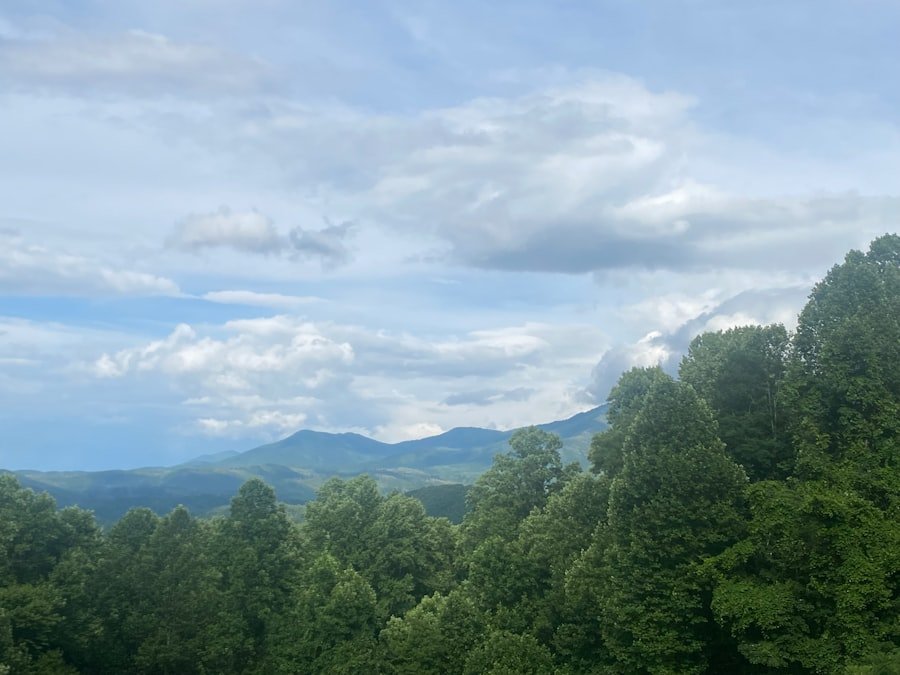
Fall is another top choice for an Alabama trip. September can remain hot, especially near the Gulf, but conditions generally become more comfortable as October arrives. Cooler air makes hiking, scenic drives, outdoor dining, college football weekends, and festivals more appealing.
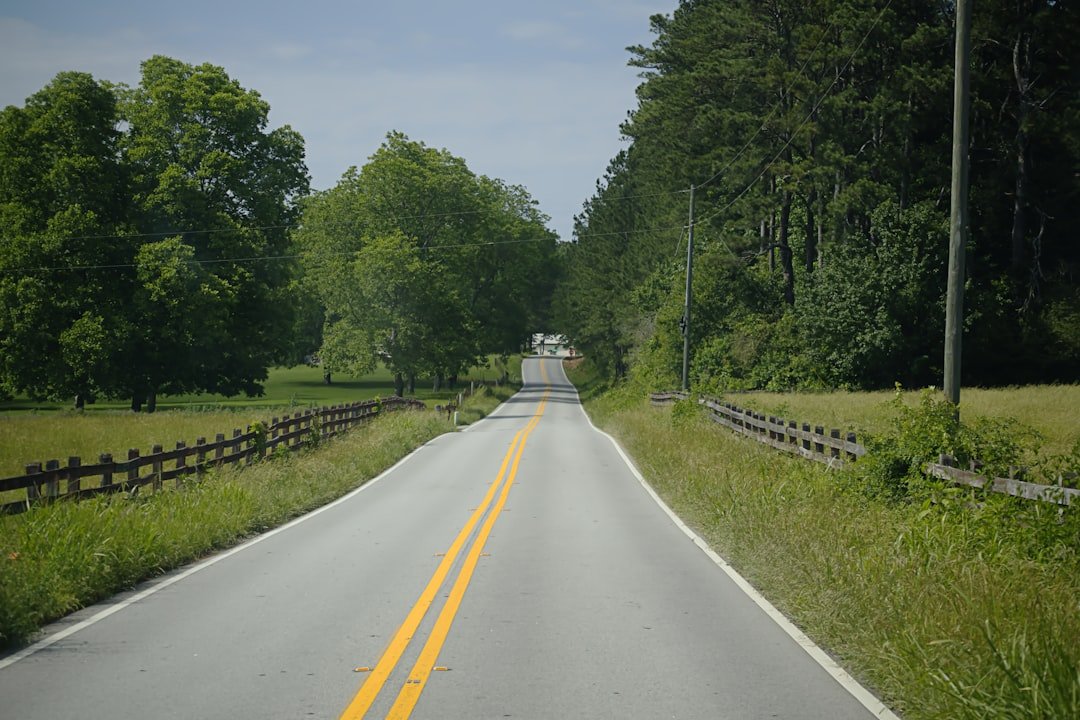
For fall color, start in North Alabama. Alabama Tourism notes that fall colors begin appearing in North Alabama in early October, with the strongest color generally from late October into early November. Timing varies each year with temperature, rainfall, elevation, and location.
Places in the Appalachian foothills and northeast Alabama can turn colorful before areas farther south. If foliage is your main reason for visiting, keep your itinerary flexible and check current local foliage reports close to departure.
Fall is also attractive on Alabama’s Gulf Coast. Gulf Shores and Orange Beach tourism promotes the season for more spacious shorelines, warm Gulf conditions, outdoor recreation, and major events after the busiest part of summer.
Pro Tip: For a trip combining foliage and comfortable hiking, target late October or the first part of November in North Alabama. For a beach-focused fall trip, September and October generally offer warmer coastal conditions.
Winter in Alabama: Mild Coastal Escapes and Cooler Inland Trips
Winter in Alabama is much more useful for sightseeing than the original idea of a ski vacation. Snow can occur in northern parts of the state, but it is limited compared with major winter-sports destinations. Huntsville’s 1991–2020 normal snowfall is only 2.4 inches for the entire year.
Winter can instead be a good time for museums, civil rights sites, historic districts, food-focused weekends, hiking on clear days, and quieter Gulf Coast walks. Temperatures become colder as you travel north, while coastal communities usually have the mildest winter conditions.
| Alabama Region | Typical Winter Character | Good For |
|---|---|---|
| North Alabama | Coolest part of the state, with freezes and occasional winter weather possible. | Museums, space attractions, city weekends, cool-weather hikes. |
| Central Alabama | Cool and variable, with mild spells between colder fronts. | Birmingham and Montgomery attractions, history, food, indoor sightseeing. |
| Gulf Coast | Generally the mildest winter region, although cold fronts still occur. | Beach walks, birding, seafood, nature trails, Mobile-area events. |
Best Time to Visit Alabama by Trip Type
Best Time for Alabama Beaches
Late spring through early fall is the easiest period to choose if warm beach weather and water activities are your priorities. Summer is the busiest traditional beach season, while fall can provide a more relaxed atmosphere after peak summer travel. September and October remain part of Atlantic hurricane season, so flexible reservations and travel insurance terms are worth reviewing for expensive coastal trips.
Best Time for Hiking and State Parks
March through April and October through early November are strong choices for hiking because temperatures are generally more comfortable than midsummer. Spring brings flowers, greenery, and flowing waterfalls, while autumn adds colorful hardwood forests in northern and northeastern Alabama.
Best Time for Fall Foliage
Late October into early November is the strongest general window for North Alabama. Peak color does not arrive everywhere at the same time, so travelers following foliage southward may find useful color beyond the earliest northern peak.
Best Time for Birdwatching
Spring and fall are especially important migration periods. Coastal sites such as Bon Secour National Wildlife Refuge, Fort Morgan, and Dauphin Island can be rewarding when migrating birds move across the Gulf region.
Best Time for Smaller Crowds
Crowd levels depend heavily on destination and events. Gulf Coast beaches are busiest during major vacation periods, while fall and winter can feel more relaxed outside festival weekends. Inland cities may become busy around major sports, convention, festival, or university dates. Check hotel rates across several nearby dates rather than assuming an entire season is inexpensive.
Regional Differences: North Alabama vs. Central Alabama vs. the Gulf Coast
One reason there is no single perfect month for every Alabama vacation is the state’s north-to-south climate difference.
- North Alabama: Huntsville, Florence, the Tennessee Valley, and the Appalachian foothills experience cooler winters and some of Alabama’s strongest fall color. Spring and fall are excellent for hiking and scenic drives.
- Central Alabama: Birmingham, Montgomery, Tuscaloosa, and surrounding areas work well for culture, history, food, college sports, parks, and road trips. Spring and fall reduce exposure to the strongest summer heat.
- Gulf Coast: Mobile, Gulf Shores, Orange Beach, Fort Morgan, Dauphin Island, and nearby communities have the mildest winter influence and the state’s main beach season. Tropical-weather planning becomes important from June through November.
There is no single Alabama climate. A March morning in Huntsville, an October beach day in Gulf Shores, and a November afternoon in Birmingham can feel very different, so choose your dates around the part of Alabama you actually plan to visit.
Events and Festivals: Check the Current Calendar
Alabama hosts festivals throughout the year, but dates and even event schedules can change. Always verify the official event calendar before booking a flight or nonrefundable hotel solely for a festival.
For a current example, the 2026 Annual National Shrimp Festival is scheduled for October 8–11, 2026 in Gulf Shores.
The 2026 Alabama Coastal BirdFest took place April 23–26, reflecting the festival’s current spring timing and the importance of spring migration on the coast.
Mobile’s Mardi Gras celebrations provide another major winter event. Because Carnival dates move each year, use the official Visit Mobile Mardi Gras calendar for the current parade schedule.
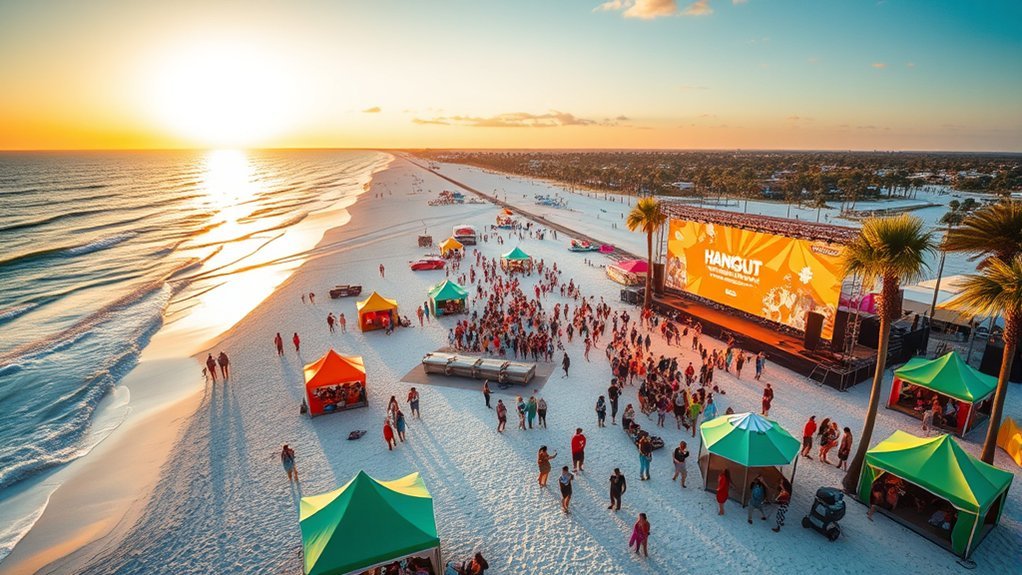
2026 Festival Update: Do not plan a May 2026 Alabama trip around Hangout Music Festival. Gulf Shores & Orange Beach Tourism states that producers elected not to proceed with a 2026 event. A future return is expected, so verify the latest schedule before planning around it.
Outdoor Activities: Seasonal Adventures
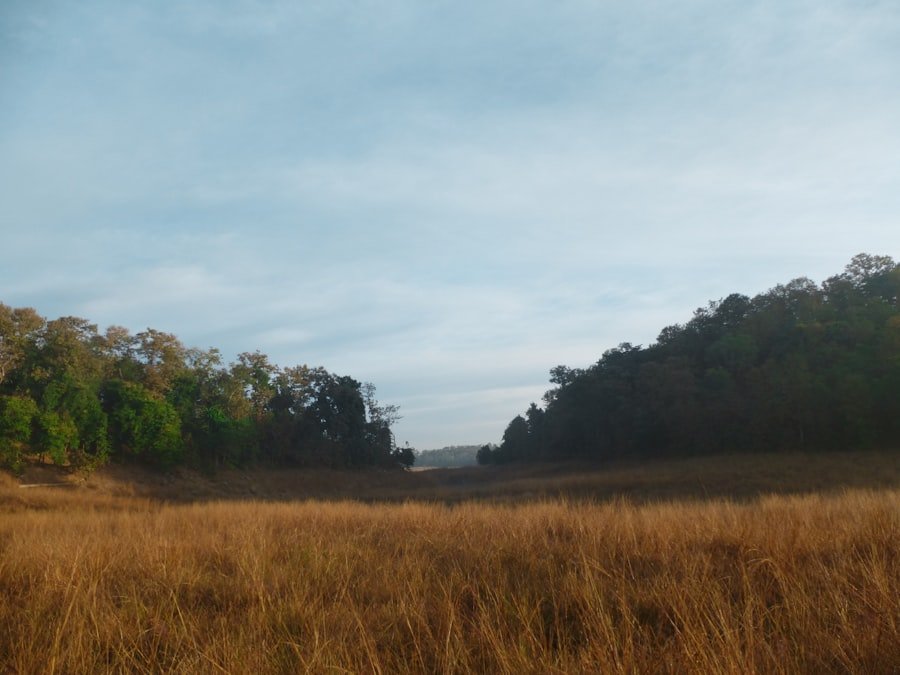
Spring and fall provide some of the easiest conditions for exploring Alabama on foot. Hiking trails become colorful with spring growth, while autumn brings cooler temperatures and foliage to northern forests and mountain areas.
Summer shifts the focus toward water. Alabama’s Gulf beaches, lakes, rivers, and reservoirs support swimming, kayaking, paddleboarding, boating, and fishing. Morning activities are often more comfortable than strenuous midday outings during the hottest months.
Fall is excellent for scenic drives, photography, hiking, cycling, camping, and exploring orchards or agricultural areas. Winter can still provide good hiking days, especially in central and southern Alabama, but visitors should check forecasts because cold fronts can produce large temperature changes.
Wildlife Viewing: Seasonal Highlights
Alabama’s strongest seasonal wildlife story for travelers is bird migration. Bon Secour National Wildlife Refuge protects habitat used by neotropical migratory songbirds during spring and fall migration. Dauphin Island and Fort Morgan are also well-known stops along the coastal migration route.
Summer remains active for many resident birds and coastal species. On the water, dolphin cruises are a far more established Alabama Gulf Coast wildlife activity than the generic whale-watching recommendation that often appears in broad travel articles.
Fall migration creates another strong birding window, including opportunities to see migrating raptors and songbirds. Winter brings different resident and wintering species, making wildlife viewing possible throughout the year even when the mix of animals changes.
When viewing wildlife, keep a respectful distance, stay on established trails where required, and never feed wild animals.
Local Cuisine: Seasonal Delights
Food can be part of an Alabama trip in any season. Spring farmers’ markets begin filling with fresh produce and herbs, while warmer months support outdoor dining, barbecues, cold desserts, and meals built around fresh vegetables and fruit.
Along the Gulf Coast, seafood is a major part of the local dining experience. Gulf shrimp, fish, crab, and other coastal dishes pair naturally with a beach-focused itinerary. The Annual National Shrimp Festival is one of the clearest examples of Alabama combining food with fall travel.
Cooler fall and winter weather suits barbecue, soups, stews, casseroles, baked dishes, and other comforting Southern meals. Holiday celebrations and family gatherings also bring traditional recipes to the table during winter.
If you enjoy exploring unusual produce while planning road-trip meals, the site also has a separate guide to the delightful world of Asian melon.
Weather and Safety Planning
Good Alabama travel planning requires more than checking the average temperature. Severe thunderstorms, tornadoes, tropical systems, heat, lightning, and beach hazards can affect trips even during otherwise attractive seasons.
Warning: The National Weather Service in Birmingham identifies March through May as Alabama’s primary severe-weather season and early November through mid-December as a secondary season. Severe weather can occur outside those periods, so keep wireless emergency alerts enabled and check the forecast during your trip.
For the coast, the National Hurricane Center defines Atlantic hurricane season as June 1 through November 30. Tropical systems can alter surf, rainfall, road conditions, flights, and lodging plans even when the center of a storm is not headed directly toward your destination.
During summer, schedule demanding outdoor activities earlier in the day, stay hydrated, and move indoors when thunderstorms approach. At Gulf beaches, follow posted beach flags, local safety instructions, and current weather guidance.
What to Pack for Alabama by Season
- Spring: Light layers, comfortable walking shoes, rain protection, sunscreen, and a way to receive weather alerts.
- Summer: Breathable clothing, sun protection, reusable water bottle, swimwear, and lightweight rain protection.
- Fall: T-shirts or light clothing for warm afternoons plus a sweater or light jacket for cooler mornings and evenings.
- Winter: Layers and a jacket. Pack warmer clothing for North Alabama than you would normally need for a Gulf Coast stay.
Frequently Asked Questions
What is the best time to visit Alabama?
For most travelers, spring from March through May and fall from late September through November offer the best balance of weather and outdoor opportunities. April and October are especially useful all-around choices, although beach, foliage, and festival trips may have different ideal dates.
What is the weather like in Alabama during spring and fall?
Conditions vary by region and month. In Huntsville, 1991–2020 normals range from a March high of 65.5°F and low of 43.0°F to a May high of 82.5°F and low of 60.2°F. October’s normal high is 76.0°F and November’s is 63.9°F. Coastal Alabama is generally warmer than North Alabama.
When is the best time to visit Alabama’s beaches?
Late spring through early fall is best if warm beach weather and water activities are your priorities. Summer is the traditional peak season, while fall can provide warm Gulf conditions with fewer summer crowds. Remember that Atlantic hurricane season runs from June 1 through November 30.
When does fall foliage peak in Alabama?
North Alabama usually develops color first. Alabama Tourism advises that fall color begins appearing there in early October, with peak conditions generally from late October into early November. Weather can move the exact timing earlier or later each year.
Is summer a bad time to visit Alabama?
No. Summer is excellent for beaches, swimming, boating, lakes, and family vacations. The tradeoff is greater heat and humidity, so hiking and strenuous sightseeing are more comfortable in the morning or during spring and fall.
What festivals can I plan an Alabama trip around?
Festival calendars change each year. For 2026, the Alabama Coastal BirdFest was held April 23–26, while the Annual National Shrimp Festival is scheduled for October 8–11 in Gulf Shores. Hangout Music Festival is not taking place in 2026. Verify future dates with each event’s official website before booking.
Should I worry about severe weather when visiting Alabama?
You should be aware rather than avoid the state entirely. Alabama’s primary severe-weather season is March through May, with another peak from early November into mid-December. Tornadoes and severe thunderstorms can occur outside those periods, so check forecasts and keep emergency alerts enabled.
What are the most important Alabama travel tips for spring and fall?
Pack layers, check the forecast daily, and reserve lodging early for popular beach, football, festival, and foliage weekends. Build some flexibility into outdoor plans because thunderstorms or changing temperatures can affect hiking, beach days, and road trips.
Sources
- Alabama Tourism Department: Trip Tips — general Alabama trip and seasonal planning guidance.
- National Weather Service Huntsville: Climate Normals and Extremes — 1991–2020 temperature, precipitation, and snowfall normals for North Alabama.
- National Weather Service Birmingham: Severe Weather Awareness — Alabama’s primary and secondary severe-weather seasons and preparedness guidance.
- National Hurricane Center: Tropical Cyclone Climatology — official June 1 through November 30 Atlantic hurricane-season dates.
- Alabama Tourism: Alabama Trails and Fall Color — North Alabama foliage timing and travel ideas.
- U.S. Fish and Wildlife Service: Bon Secour National Wildlife Refuge — spring and fall migratory-bird habitat on the Alabama Gulf Coast.