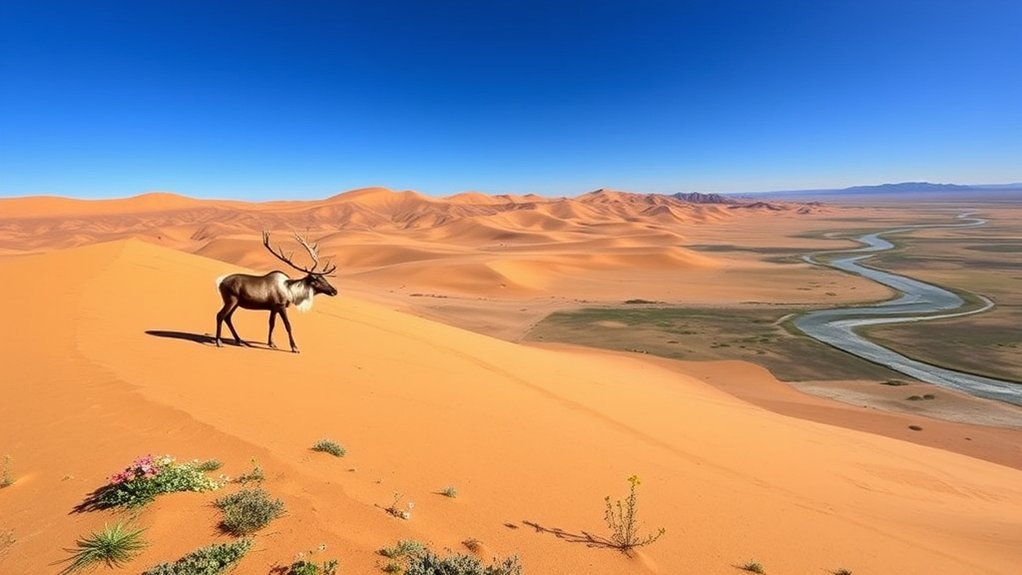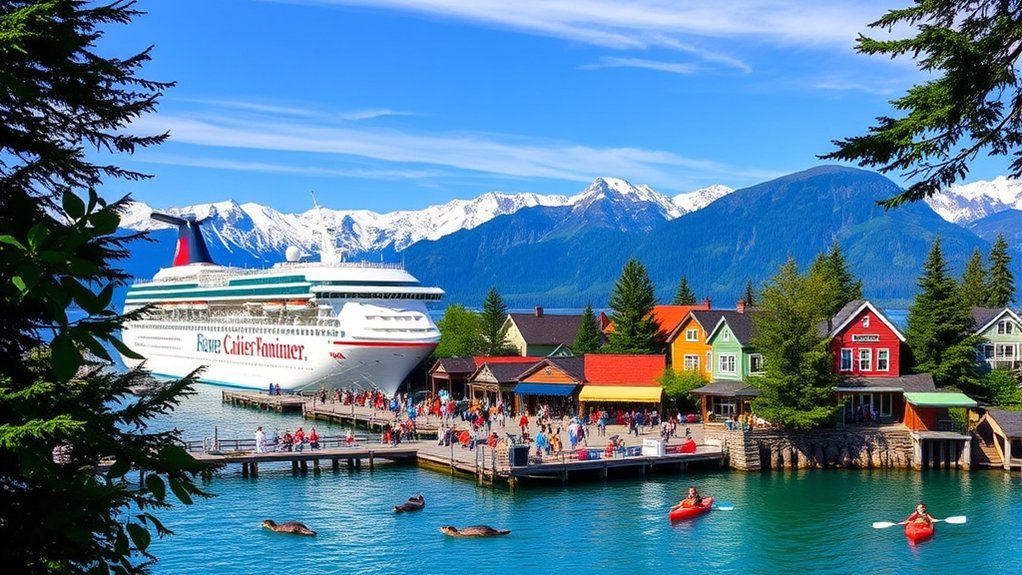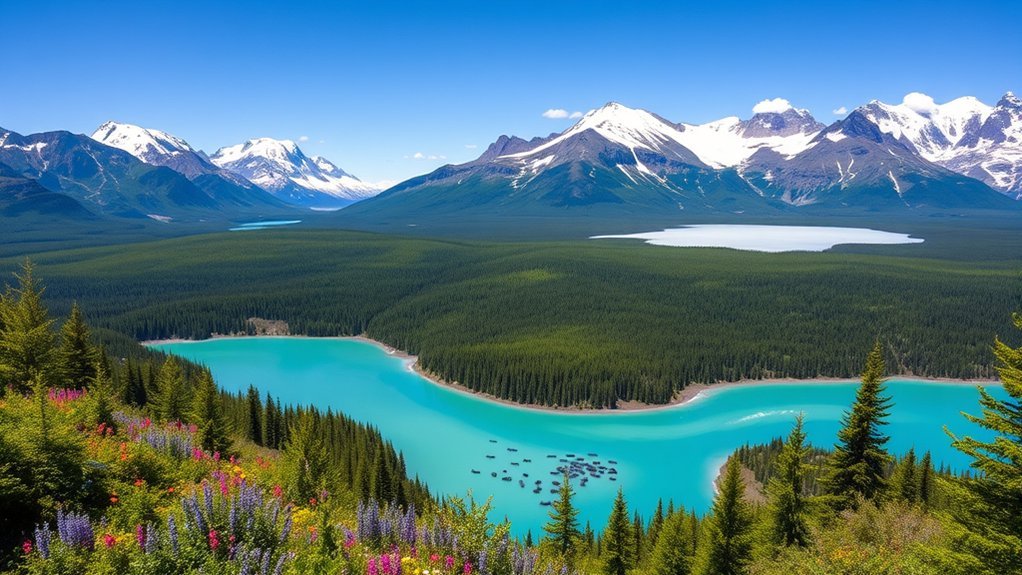
Choosing the best time to visit Alaska depends on whether you care most about long daylight, wildlife, northern lights, lower prices, or snow. Alaska is so large that weather and daylight vary sharply by region, so no single month delivers every experience. Use the seasonal comparison below to match your trip to what you most want to see and do.
Quick Answer
For the broadest mix of tours, road access, wildlife viewing, and long daylight, June through August is the easiest window for most first-time visitors. Choose May or September for fewer crowds and often lower prices, late August through late April for northern lights, and winter for snow sports and festivals.
Last checked: September 30, 2026. Dates and figures were verified against official sources.
Key Takeaways
- June through August has the warmest weather, longest usable daylight, widest tour selection, and largest crowds.
- May and September can offer lower lodging and tour prices, but some seasonal services may not be operating.
- Northern-lights season generally runs from late August through late April, when skies become dark enough for aurora viewing.
- Wildlife timing varies by species: spring migration, summer whales, salmon-feeding bears, and fall movements create different viewing opportunities.
Best Time to Visit Alaska by Season
June through August is the most practical period for a first Alaska trip, while the shoulder and winter seasons serve different goals. Travel Alaska identifies June through August as the most popular months, with more tours, cruises, accommodations, warm weather, and long daylight.
For a consistent comparison, this guide uses March–May for spring, June–August for summer, September–November for fall, and December–February for winter. The temperature column uses NOAA’s 1991–2020 climate normals for Anchorage International Airport as one Southcentral reference point; Interior, Arctic, and Southeast Alaska can be very different.
| Season | Best For | Anchorage Normal High / Low Range | Crowds | Upcoming Seasonal Event |
|---|---|---|---|---|
| Spring March–May |
Migrating wildlife, changing landscapes, lower crowds | Highs 33–56°F Lows 19–40°F |
Low to moderate | Iditarod ceremonial start: March 6, 2027 |
| Summer June–August |
Tours, hiking, cruises, whales, long daylight | Highs 63–66°F Lows 48–53°F |
Highest | Midnight Sun Festival: June 19, 2027; admission is free |
| Fall September–November |
Fall color, aurora, fewer visitors | Highs 29–56°F Lows 18–43°F |
Moderate early, then low | Alaska Day Festival: October 18, 2026 in Sitka |
| Winter December–February |
Northern lights, dog sledding, skiing, snow | Highs 23–27°F Lows 11–15°F |
Generally low | Fur Rondy: February 25–March 7, 2027 in Anchorage |
Spring: Awakening Nature and Wildlife
Spring is a strong choice if you want wildlife migration and fewer visitors, but March can still feel like winter. April and May bring rapidly increasing daylight, thawing low-elevation landscapes, returning birds, and more seasonal services.
The Alaska Department of Fish and Game describes March through May as an excellent wildlife-viewing period. Waterfowl and shorebirds return in April, bears emerge from dens, caribou move toward calving areas, and migratory songbirds arrive during May.
Spring access is less predictable than summer access. Lower-elevation trails may open while mountain routes still hold snow or mud, so hiking conditions depend heavily on location and elevation. March also brings major sled-dog activity: the 2027 Iditarod ceremonial start is March 6 in downtown Anchorage, followed by the official restart in Willow on March 7.
Summer: The Season of Midnight Sun
Summer is the best time to visit Alaska if your priority is maximum access and the widest choice of outdoor activities. June through August combines the year’s warmest typical weather with very long daylight, active wildlife, cruise schedules, and the broadest selection of tours.
Daylight is extremely long near the June solstice, although the “midnight sun” differs by latitude. Far-northern communities can experience the sun staying above the horizon all day, while Anchorage and Fairbanks still have a daily sunset but remain light for much of the night.
| Activity | Description |
|---|---|
| Hiking | Summer gives you the broadest access to snow-free low- and mid-elevation trails, though conditions vary by region. |
| Fishing | Fishing opportunities expand across rivers, lakes, and coastal waters as different runs and species become active. |
| Wildlife Watching | Look for bears, moose, marine mammals, seabirds, and other wildlife while keeping a safe distance. |
Marine wildlife is a major summer draw. According to Travel Alaska’s whale-watching guidance, humpback whales are most numerous in Alaska waters from May through September, with destinations including Juneau, Sitka, Seward, Prince William Sound, Kodiak, and other coastal areas.
Denali is also set for an important change. The National Park Service says full bus service along the length of Denali Park Road is scheduled to resume in summer 2027 after completion of the Pretty Rocks bridge. Bus and campground reservations for that season are scheduled to open December 1, 2026.
Fall: Spectacular Foliage and Wildlife Migration
Fall suits travelers who want autumn color, darker evenings, and fewer people after the summer peak. The transition happens early by Lower 48 standards: tundra color can begin in late August in northern areas, while southern areas often color later in September.
September can still support hiking, road trips, and some tours, but seasonal businesses begin reducing schedules as the month progresses. Temperatures drop quickly, especially inland and at higher elevations, so your itinerary needs more flexibility than a midsummer trip.
Fall also marks the return of useful darkness for aurora watching. Travel Alaska places the main northern-lights viewing season from late August through late April. Mid-August through early October can be especially appealing if you want daytime activities plus a chance of aurora after dark.
Winter: A Wonderland of Snow and Northern Lights
Winter is best for travelers whose priorities are northern lights, snow sports, dog sledding, and a quieter landscape. It also brings the shortest daylight and the greatest chance that roads, trails, tours, or visitor services will operate on limited schedules.
Snowshoeing, cross-country skiing, downhill skiing, snowmachining, and dog sledding become central activities where conditions allow. Interior destinations such as Fairbanks are particularly popular for aurora-focused trips because long, dark nights provide more viewing opportunities.
Clear skies matter as much as the season itself. Aurora activity can occur at any time, but you need sufficient darkness and breaks in cloud cover to see it. Anchorage’s Fur Rondy runs February 25 through March 7 in 2027, giving late-winter visitors a major festival alongside snow-season activities.
Crowds: When to Go for Solitude or Socializing
Summer has the largest visitor numbers, while late fall and winter are generally quieter outside major festivals. May and September provide a useful middle ground if you want fewer people without giving up all seasonal services.
| Season | Crowds |
|---|---|
| Winter | Generally low, with local spikes around major festivals |
| Early Spring | Low |
| Summer | Highest |
| Early Autumn | Moderate and declining |
| Late Autumn | Low |
Price patterns generally follow demand. Summer is the peak season for flights, lodging, tours, and cruises, while shoulder-season trips can cost less. Travel Alaska also notes that popular summer destinations can sell out well in advance, making early reservations especially valuable for fixed-date trips.
The simplest crowd strategy is to reserve limited-capacity lodging and tours early, then visit busy viewpoints and trailheads early in the day. In summer, “before sunrise” is rarely practical because sunrise may occur extremely early; an early-morning start is usually enough to get ahead of day-trip traffic.
Tips for Planning Your Alaskan Adventure
Plan around your highest-priority experience first, then choose the region and dates that support it. Weather, daylight, wildlife, road access, and operating seasons can differ enough that an Anchorage-based itinerary and an Arctic itinerary should not use the same assumptions.
Research Seasonal Weather Patterns
Alaska does not have one statewide climate. Coastal Southeast Alaska is different from Anchorage, the Interior, and the Arctic, so use local forecasts and climate data for the places on your actual route.
- Spring (March–May): Expect a transition from snow and freeze-thaw conditions toward milder weather, with large differences by elevation and latitude.
- Summer (June–August): This is the warmest period and provides the widest outdoor access, but rain, wind, and cool coastal conditions remain possible.
- Fall (September–November): Temperatures fall quickly, daylight shrinks, and early snow becomes increasingly possible inland and at elevation.
- Winter (December–February): Snow, cold, limited daylight, and major regional temperature differences shape travel plans.
- Rainfall: Precipitation varies sharply across Alaska, with coastal areas generally wetter than many Interior locations.
Pack layers rather than planning around one expected temperature. A waterproof outer layer, insulating layers, and footwear suited to your activities give you more flexibility when conditions change during the day.
Wildlife Viewing Opportunities
The best wildlife season depends on the animal you want to see. Spring is strong for migration and emerging wildlife, while summer concentrates many marine-mammal, bear, bird, and salmon-related viewing opportunities.
Humpback viewing is strongest from May through September in many coastal destinations. Bears also follow seasonal food sources rather than a single statewide calendar; for example, Brooks Camp in Katmai is especially well known for concentrated bear viewing during July and September.
Use established viewing areas or guided trips when appropriate, and give wildlife plenty of space. Binoculars or a telephoto lens let you watch natural behavior without approaching animals for a closer photograph.
Crowd Management Strategies
You can reduce both crowd pressure and trip costs by adjusting dates, timing, and geography. The biggest gains usually come from avoiding the June-through-August peak or spending more time in one region instead of rushing through several famous stops.
- Use the shoulder seasons: May and September can combine lower demand with many of the experiences travelers want.
- Start popular days early: Reach trailheads, viewpoints, and visitor areas before the main daytime flow.
- Mix famous and quieter stops: Build your itinerary around a few priorities rather than trying to visit every headline attraction.
- Reserve limited-capacity experiences: Popular lodging, rental cars, cruises, and small-group tours can fill well ahead of summer travel.
- Keep one flexible period: Leaving room in your schedule makes it easier to respond to rain, clouds, road conditions, or wildlife activity.
Frequently Asked Questions
What Are the Best Activities for Families Visiting Alaska?
Families can choose wildlife centers, short nature walks, boat tours, museums, ranger programs, and scenic drives based on children’s ages and interests. The Alaska Wildlife Conservation Center and Alaska SeaLife Center are useful options, while national parks offer outdoor activities that can be adjusted for different ability levels.
How Do Travel Costs Vary by Season in Alaska?
Travel costs are generally highest during the June-through-August peak, when demand for flights, lodging, cruises, rental vehicles, and tours is strongest. May, September, and winter can offer lower prices, although reduced seasonal service may limit your choices in some destinations.
What Types of Accommodations Are Available Year-Round in Alaska?
Year-round accommodation is easiest to find in larger communities, where hotels, motels, vacation rentals, and some cabins operate through winter. Many remote lodges, park-area properties, campgrounds, and tourism-focused accommodations are seasonal, so winter and shoulder-season travelers have fewer choices outside population centers.
Are There Specific Festivals or Events in Alaska Throughout the Year?
Yes. Upcoming examples include Fur Rondy from February 25 to March 7, 2027, the Iditarod ceremonial start on March 6, 2027, Fairbanks’ free Midnight Sun Festival on June 19, 2027, and Sitka’s Alaska Day Festival on October 18, 2026.
How Does the Daylight Duration Change Across Seasons in Alaska?
Daylight grows rapidly through spring, reaches its maximum around the June solstice, then falls sharply through autumn toward the December minimum. The effect becomes more extreme as you travel north, with far-northern Alaska experiencing continuous summer daylight and periods without sunrise in winter.
What Is the Best Month to Visit Alaska?
There is no single best month for every traveler, but June and July offer long daylight, broad tour access, and strong wildlife opportunities. May or September can be better if you value fewer crowds and lower prices, while September also adds dark enough nights for possible aurora viewing.
Can You See the Northern Lights in Alaska During Summer?
You generally cannot see the northern lights during Alaska’s brightest early-summer weeks because the sky does not become dark enough. Useful darkness begins returning in late August, which is why late August through early October can combine daytime summer-style activities with a chance of seeing aurora at night.
Sources
- NOAA National Centers for Environmental Information: Anchorage International Airport 1991–2020 monthly climate normals used for the seasonal temperature ranges.
- Travel Alaska — Alaska Travel Tips: Peak travel months, seasonal conditions, fall-color timing, shoulder-season savings, and general trip planning.
- Alaska Department of Fish and Game: Seasonal wildlife activity and spring migration timing.
- National Park Service — Denali Current Conditions: Summer 2027 park-road bus service and reservation timing.
- Travel Alaska — Whale Watching: Humpback-whale season and regional viewing information.
- Travel Alaska — Northern Lights: Aurora-viewing season and late-summer-to-fall crossover period.
- Iditarod Calendar of Events: March 2027 ceremonial start and official restart dates.
- Downtown Association of Fairbanks: June 19, 2027 Midnight Sun Festival date, hours, and free admission.
- Visit Sitka: October 18, 2026 Alaska Day Festival date.
- Fur Rondy: February 25–March 7, 2027 festival dates.