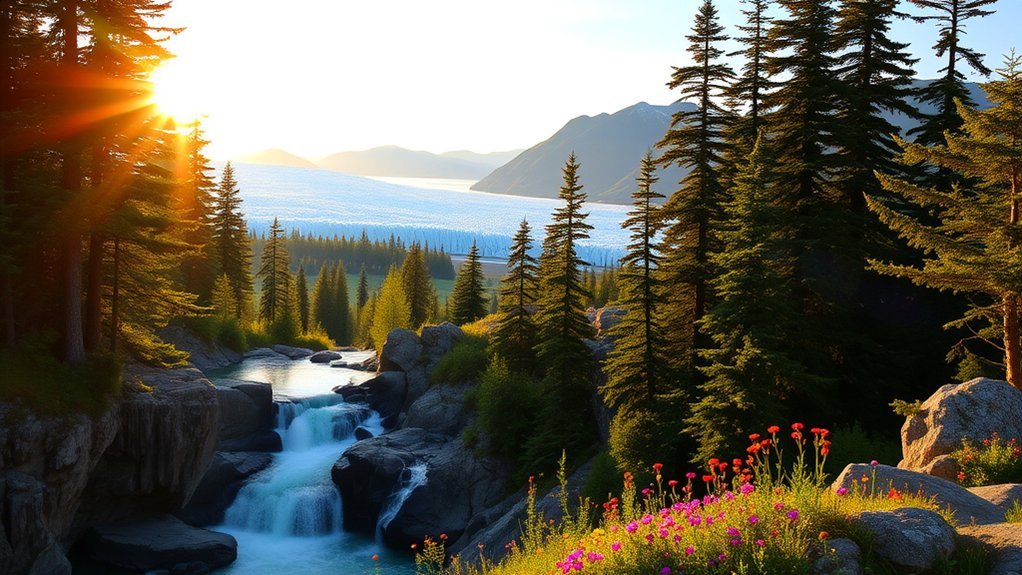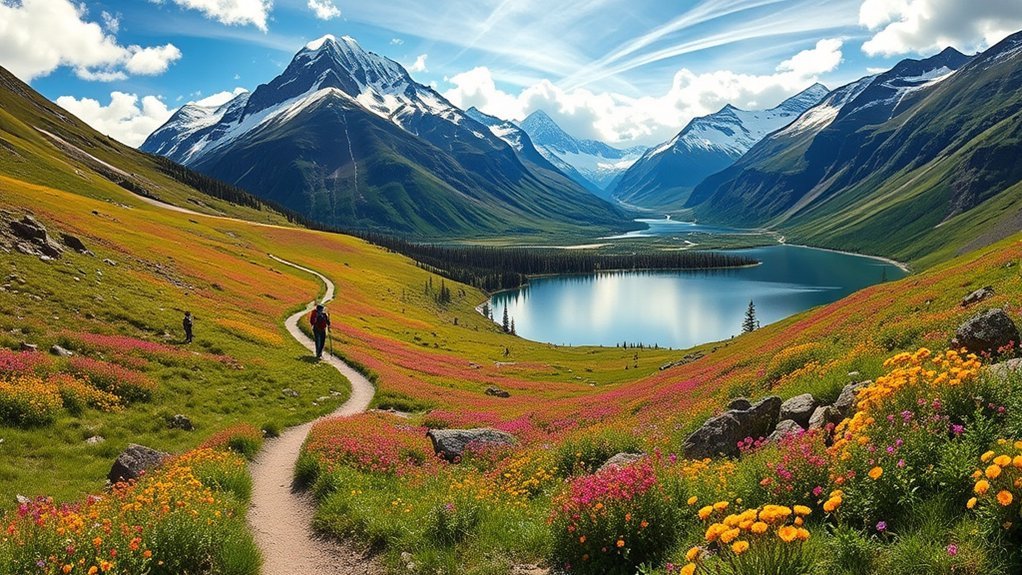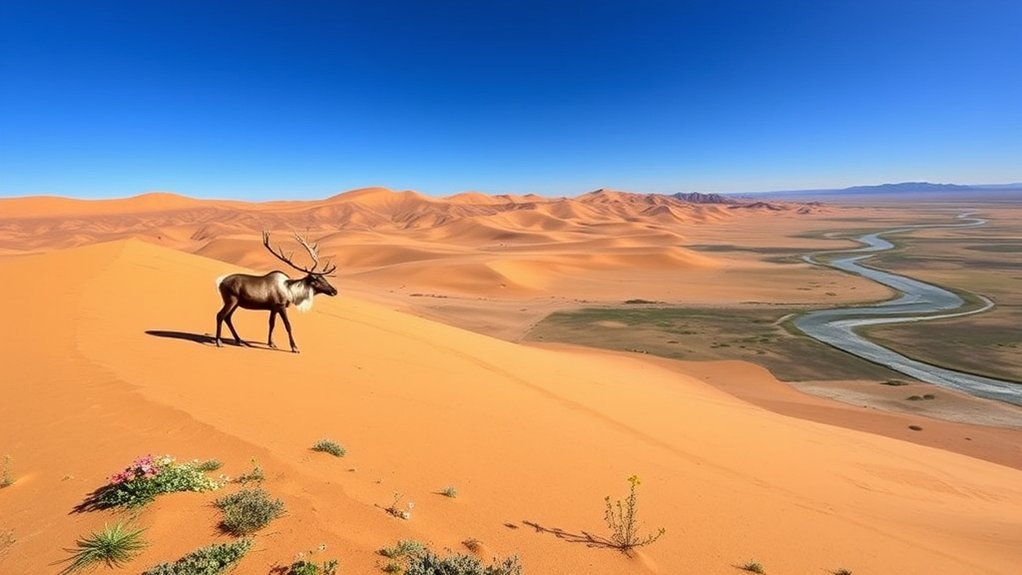
Wildlife viewing in Kobuk Valley National Park is a true backcountry experience. You may see migrating caribou, moose, bears, wolves, foxes, beavers, or summer birds, but no sighting is guaranteed. The park has no roads, maintained trails, campgrounds, or services, so transportation, navigation, weather, and emergency planning must come before photography.
Quick Answer
The best wildlife viewing in Kobuk Valley National Park usually comes during spring and fall caribou migration or the summer bird season, especially near the Kobuk River, Onion Portage, and the Great Kobuk Sand Dunes. Sightings are never guaranteed. Because the park has no roads, trails, campgrounds, or cell service, careful access and safety planning are essential.
Key Takeaways
- Caribou move through the valley during spring and fall, but their exact route and timing change from year to year.
- The Kobuk River, Onion Portage, and Great Kobuk Sand Dunes provide useful habitat-based viewing opportunities.
- There are no maintained trails or designated campsites. Most visitors arrive by air taxi or as part of a river trip.
- Use binoculars or a zoom lens, keep your distance, and move away whenever an animal reacts to your presence.
- Carry navigation tools, emergency communication, weatherproof clothing, bear spray, treated water, and enough supplies for flight delays.
Overview of Kobuk Valley National Park
Kobuk Valley National Park lies in northwestern Alaska, about 35 miles north of the Arctic Circle. Its landscape includes the Kobuk River, wetlands, boreal forest, tundra, the Baird Mountains, and the Great Kobuk Sand Dunes.
The active dunes rise more than 100 feet in places and form a sharp contrast with the surrounding forest and river valley. The park supports caribou, moose, brown and black bears, wolves, wolverines, foxes, beavers, river otters, fish, and many migratory birds.
Kobuk Valley protects a major spring and fall caribou migration route, but seeing the herd requires flexible timing, favorable weather, and luck.
Understand the Access Before Planning Wildlife Viewing
Kobuk Valley is not a roadside wildlife park. According to the National Park Service’s planning guidance, there are no roads, maintained trails, campgrounds, or developed visitor facilities inside the park.
Most visitors first travel to Kotzebue or Bettles and then arrange an authorized air taxi. Summer travelers may also enter by boat, begin a float trip from a nearby village, or combine a river journey with an aircraft drop-off. Weather can delay flights and pickups for hours or days.
Warning: Do not enter the park expecting marked trails, reliable phone service, immediate rescue, food, drinking water, shelters, or equipment rentals. You must be able to navigate, camp, store food, treat water, and handle unexpected delays without outside help.
Best Times for Wildlife Viewing
Wildlife can appear during any season, but the most practical viewing windows are summer for birds and river wildlife and spring or fall for migrating caribou. Exact dates vary with snow, insects, weather, river conditions, and herd movement.
| Season | What You May See | Planning Notes |
|---|---|---|
| Spring | Northbound caribou, returning waterfowl, cranes, and other migratory birds | Snow, ice, high water, and difficult landing conditions may limit access. |
| Summer | Nesting birds, moose, bears, beavers, foxes, fish, and other river wildlife | Long daylight helps visibility, but mosquitoes, rain, wind, and heat on the dunes can be intense. |
| Late summer and fall | Southbound caribou, migrating birds, salmon activity, bears, wolves, and moose | Onion Portage may offer caribou crossings around Labor Day, but timing is never guaranteed. |
| Winter | Tracks and occasional sightings of wolves, foxes, ptarmigan, moose, or other winter-active animals | Suitable only for travelers with advanced Arctic winter survival skills and equipment. |
Seasonal Migration Patterns
The Western Arctic Caribou Herd travels through the valley during spring and fall. Caribou may cross the dunes, move along open tundra, or swim the Kobuk River. However, the herd does not follow a visitor schedule, and an aircraft drop-off timed for a specific day can still miss the migration.
In late summer and early fall, Onion Portage is one of the better-known areas for possible river crossings. The National Park Service notes that caribou can often be seen there around Labor Day, but visitors should treat this as a possibility rather than a promise.
Summer also brings a wide range of birds to the park. The official Kobuk Valley bird information describes northwestern Alaska as an important destination for migratory species. Depending on habitat and timing, you may encounter cranes, terns, loons, geese, ducks, swans, shorebirds, raptors, or songbirds.
Early Morning Opportunities
Early morning can provide calm wind, softer light, and better conditions for scanning riverbanks, wetlands, or open tundra. Moose, beavers, foxes, birds, and other animals may be active, but the pattern varies with season and daylight.
During midsummer, the sun remains above or near the horizon for much of the day, so conventional dawn and dusk patterns are less pronounced than they are farther south. Choose your observation period around weather, visibility, aircraft plans, and safe travel conditions rather than relying only on the clock.
Late Evening Sightings
Late-evening light can make wildlife easier to notice against the river, gravel bars, tundra, or dunes. Listen for wingbeats, bird calls, splashing, moving brush, or alarm calls, then scan the area with binoculars before moving closer.
Do not continue cross-country travel in poor visibility merely to extend a viewing session. The park has no marked routes, and uneven tundra, wet ground, river channels, thick willows, and unstable sand can become more hazardous when light or weather deteriorates.
Key Wildlife Species to Look For
Kobuk Valley contains several distinct habitats, so the species you may encounter depend on whether you are near the river, wetlands, forest, mountains, tundra, or dunes.
| Wildlife | Where or When to Look | Important Expectation |
|---|---|---|
| Caribou | Open tundra, dunes, Kobuk River crossings, and Onion Portage during spring and fall migration | Migration routes and timing vary. Tracks may be easier to find than the herd itself. |
| Moose | Willow thickets, wetlands, ponds, sloughs, and river margins | Moose can charge when threatened, especially cows with calves. |
| Brown and black bears | River corridors, tundra, forest, berry areas, fish-bearing waters, and near caribou activity | Carry accessible bear spray, store food correctly, and never approach a bear. |
| Wolves, wolverines, and foxes | Open country, river corridors, migration routes, and tracks on sand or snow | These predators can be difficult to see. Distant sightings and tracks are more likely than close encounters. |
| Beavers and river otters | Sloughs, ponds, tributaries, and quiet river margins | Look for lodges, cut branches, slides, ripples, and tracks rather than expecting a direct sighting. |
| Migratory birds | Wetlands, riverbanks, lakes, tundra ponds, and open sky from spring through early fall | Binoculars and patient scanning usually produce better results than walking toward birds. |
| Owls | Forested and open habitats, depending on species and season | Snowy owls are a rare possibility, not a dependable sighting. |
The park’s official mammal information lists a wider range of animals, including Dall sheep in upland terrain, muskox, porcupines, hares, martens, and smaller mammals.
Top Wildlife Viewing Locations
There are no wildlife-viewing platforms or roadside pullouts in Kobuk Valley. These locations are remote habitat areas that require transportation, wilderness navigation, and flexible expectations.
Great Kobuk Sand Dunes
The Great Kobuk Sand Dunes are the park’s best-known destination. Caribou tracks may cross the sand during spring and fall migration, and visitors may occasionally see caribou, foxes, birds, or other animals.
However, the National Park Service’s dune guidance states that wildlife sightings there are uncommon. Visit for the landscape first and treat any animal encounter as a bonus.
Aircraft with wheels may land on suitable sand when conditions allow. Another option is to land on the Kobuk River and navigate roughly two to three miles across tundra to the dunes. There is no established trail, and the round trip from the river can require about four hours of route-finding before time spent exploring the dunes.
Note: Sand near creeks, springs, and other water sources can become saturated and unstable. Test questionable ground before stepping onto it and avoid wet areas that appear soft or fluid.
Kobuk River Banks
The Kobuk River connects many of the park’s habitats. From a boat, gravel bar, or carefully selected camp, you may scan for moose in willows, waterfowl along quiet margins, beaver activity, bears near food sources, or caribou crossing the river during migration.
River travel also brings specific risks. Wind can slow or stop progress, cold water raises the consequences of a capsize, and private land occurs along portions of the river. Wear a suitable personal flotation device, protect equipment from water, and avoid buildings, cabins, camps, or other signs of private property unless you have permission.
Onion Portage and Paatitaaq
Onion Portage, also known as Paatitaaq, lies on the Kobuk River and has deep cultural, archaeological, and subsistence importance. Caribou have crossed the river in this area for thousands of years.
Around Labor Day, visitors may have a chance to see southbound caribou swimming across the river. The area can also support moose, bears, wolves, waterfowl, loons, owls, fish, and other river wildlife. Give local residents and subsistence hunters plenty of room, and do not disturb camps, equipment, archaeological features, or private allotments.
Flightseeing
A flightseeing trip can reveal broad habitat patterns, river channels, dunes, tundra, and occasional wildlife without requiring a multi-day backcountry camp. It is not a guaranteed wildlife tour, and animals may be difficult to spot from the air.
Never pressure a pilot to fly low, circle wildlife repeatedly, or operate in unsafe weather. The pilot’s decisions about visibility, landing conditions, wind, fuel, and aircraft safety must take priority over photographs.
Tips for Spotting Wildlife
- Scan before moving: Use binoculars to study river bends, gravel bars, willows, ridgelines, and open tundra before entering an area.
- Look for signs: Tracks, scat, hair, rubbed vegetation, trails, feeding remains, cut branches, splashes, and alarm calls can reveal nearby animals.
- Use the wind: Avoid allowing your scent to blow directly toward wildlife when you can change position safely.
- Stay quiet without sneaking: Quiet observation helps at a distance, but make human noise when moving through thick brush or poor visibility in bear country.
- Use natural cover responsibly: Observe from a stable position without crawling closer, blocking an animal’s route, or surrounding it.
- Watch behavior: If an animal stops feeding, changes direction, stares at you, raises its head repeatedly, vocalizes, or moves away, you are affecting it and should retreat.
- Do not feed or call wildlife: Never use food, bait, recorded calls, or repeated pursuit to create a photograph.
- Allow extra time: Wait quietly from a safe distance instead of trying to force an encounter.
Pro Tip: Pick a broad viewing area and let the landscape come to life. Ten minutes of slow scanning from one stable position often reveals more than walking continuously through brush or along a riverbank.
Essential Safety Precautions
Wildlife viewing is only one part of staying safe in Kobuk Valley. The park’s remoteness, weather, rivers, lack of trails, and limited communications create risks that do not exist at developed parks.
Maintain a Safe Wildlife Distance
The National Park Service advises visitors to check park-specific rules and generally remain at least 25 yards from most wildlife and 100 yards from predators such as bears and wolves. These are minimum guidelines, not targets. If an animal reacts to you, move farther away.
Never place yourself between a mother and her young, between a predator and its food, or between an animal and its escape route. Use binoculars or a zoom lens instead of approaching.
Prepare for Bears and Moose
Both brown bears and black bears live in Kobuk Valley. Travel in a group when practical, remain alert in thick willows, make noise where visibility is limited, keep a clean camp, and carry bear spray where you can reach it immediately.
Store food, garbage, toiletries, fish, and other scented items in an appropriate bear-resistant container. Do not keep food inside your sleeping tent. Review the park’s complete bear-safety instructions before departure.
Moose also require space. A moose that lays its ears back, raises the hair on its neck, licks its lips, lowers its head, or walks toward you may be preparing to charge. Back away and place a large tree, rock, or other solid object between you and the animal when possible.
Carry Navigation and Emergency Communication
Bring a detailed topographic map, compass, GPS device, spare batteries, and the knowledge to use them. Do not rely on a phone map as your only navigation method.
Cell phones do not work in the park’s backcountry. Carry a satellite communicator, satellite phone, or personal locator beacon, and leave a detailed itinerary with a trusted person and your pilot. Include your route, camp areas, aircraft operator, pickup location, pickup time, and the point at which an overdue report should be made.
Plan for Weather and Flight Delays
Rain, fog, wind, cold, and sudden weather changes can ground aircraft. Carry enough food, fuel, medication, and shelter to remain in the field beyond your planned pickup date.
Hypothermia can occur during summer when clothing becomes wet and wind removes body heat. Pack waterproof outer layers, warm non-cotton insulation, dry sleeping clothes, an emergency shelter, and reliable fire-starting supplies.
Treat Drinking Water
Do not assume clear river or lake water is safe. Carry a filter, purifier, chemical treatment, or a reliable method for boiling water. Protect treated water from recontamination and keep washing activity away from natural water sources.
Expect Insects
Mosquitoes and black flies can be intense during warmer months. Bring insect repellent, a head net, long sleeves, and clothing that limits exposed skin. Insects can affect concentration, sleep, navigation, and wildlife observation, not just comfort.
Recommended Gear for Wildlife Viewing
The right equipment should help you observe animals from a distance while remaining self-sufficient in remote Arctic conditions.
- Binoculars: An 8x or 10x pair works well for scanning open terrain without approaching animals.
- Camera with zoom or telephoto lens: Choose equipment you can protect from rain, sand, impact, and cold.
- Spare batteries and storage: Cold, long days, and limited charging options can drain batteries quickly.
- Topographic map, compass, and GPS: Carry all three and know how to navigate without a marked trail.
- Satellite communicator, satellite phone, or PLB: Cell service is not a dependable emergency system.
- Bear spray: Carry it in an accessible holster, not buried inside a backpack.
- Bear-resistant food container: Protect food and scented items from wildlife.
- Water treatment: Bring a filter, purifier, chemical treatment, or boiling setup.
- Weatherproof clothing: Pack rain gear, warm layers, gloves, a warm hat, sun protection, and dry backup clothing.
- Sturdy shelter and sleep system: Your equipment must withstand wind, rain, cold, and an extended pickup delay.
- Insect protection: Include repellent, a head net, and clothing that covers exposed skin.
- First aid and repair supplies: Carry medications, blister care, wound care, tape, patches, and equipment-specific repair tools.
- Field guide or offline species list: Download identification materials before leaving reliable internet service.
Leave No Trace Principles
Kobuk Valley has no established trail network or designated campsites. Your goal is therefore to prevent new paths, damaged vegetation, contaminated water, food-conditioned wildlife, and visible camps from developing.
- Plan ahead: Know the access method, weather risks, private-land concerns, wildlife precautions, and emergency procedures.
- Travel on durable surfaces: Use sand, gravel, rock, or other durable ground when available. Disperse travel in undisturbed areas instead of creating a new trail.
- Choose camps carefully: Camp on durable ground at least 200 feet from lakes and streams when conditions allow. Do not dig trenches or move vegetation to build a site.
- Pack everything out: Remove food scraps, packaging, fishing line, hygiene products, and all other trash.
- Dispose of human waste properly: Follow current park guidance. Where catholes are suitable, place them 200 feet from water, camp, and travel routes, dig six to eight inches deep, and pack out toilet paper and hygiene products.
- Keep soap out of water: Carry washing water at least 200 feet from lakes and streams, use only a small amount of biodegradable soap, and scatter strained wastewater.
- Protect wildlife: Store food properly, never feed animals, and move away when your presence changes their behavior.
- Leave cultural items in place: Do not collect artifacts, bones, antlers, rocks, plants, or objects from archaeological sites.
- Respect local use: Give private property, cabins, camps, fishing activity, and subsistence hunting a wide berth.
Review the National Park Service’s Leave No Trace principles before your trip.
Resources for Planning Your Visit
- Northwest Arctic Heritage Center: Contact or visit the center in Kotzebue before entering the park. Rangers can discuss current weather, wildlife alerts, navigation, bear safety, and trip logistics.
- Official park website: Review access, safety, current conditions, maps, permits, and emergency information.
- Authorized commercial-provider directory: Use the official NPS directory to locate air taxis and companies authorized to provide relevant services.
- Topographic maps: Carry printed maps rather than relying only on downloaded phone maps.
- Air-taxi operator: Discuss landing surfaces, luggage limits, weather procedures, pickup delays, emergency communication, and backup locations.
- Offline weather information: Obtain the latest forecast before departure, but pack for conditions outside the forecast range.
- Emergency contacts: Save park, pilot, family, and Alaska emergency numbers in your satellite device and on paper.
Frequently Asked Questions
Are guided wildlife tours available in Kobuk Valley National Park?
The National Park Service does not operate a routine wildlife-tour program inside the park. Authorized commercial providers may offer air taxis, guided boating, backpacking, hiking, or customized trips. Check the official NPS provider directory and confirm the operator’s current services before booking.
What photography equipment is best for wildlife viewing?
Bring binoculars and a camera with a zoom or telephoto lens that lets you photograph animals without approaching them. A weather cover, spare batteries, extra storage, and a stable monopod or lightweight tripod may also help. Equipment durability and safe distance matter more than a specific focal length.
Can I bring my pet while wildlife viewing in the park?
Pets are not categorically banned. Current NPS activity listings for the dunes and Kobuk River describe pets as allowed with restrictions. However, remote aircraft travel, bears, moose, cold water, insects, private land, and the need to control a pet at all times make this a difficult trip for most animals. Confirm current rules with the park and your air carrier before departure.
What are the park’s rules for drone photography?
Launching, landing, or operating a drone from or on National Park Service lands and waters in Kobuk Valley is prohibited unless the superintendent has provided written authorization. Review the park’s current filming and photography rules before bringing professional equipment.
Is there cell phone reception in Kobuk Valley National Park?
Do not expect cell service in the park’s backcountry. Carry a satellite communicator, satellite phone, or personal locator beacon, and leave a detailed itinerary with a trusted contact and your pilot. Rescue may be delayed by weather, distance, or aircraft availability.
Where is the best place to see migrating caribou?
Possible locations include Onion Portage, the Kobuk River, open tundra, and the Great Kobuk Sand Dunes. Southbound crossings may occur near Onion Portage around Labor Day, while other parts of the migration pass through during spring and fall. No location or date guarantees a sighting.
Conclusion
Kobuk Valley National Park can reward patient visitors with caribou migration, summer birds, river wildlife, tracks, and distant predator sightings. Its undeveloped wilderness also demands more preparation than a conventional wildlife-viewing destination.
Build your trip around safe transportation, navigation, weather, food storage, emergency communication, and respect for wildlife and local land use. Use binoculars, allow animals to control the encounter, and accept that the most meaningful experience may be observing the habitat itself rather than securing a close photograph.
Sources
- National Park Service: Plan Your Visit — park access, lack of roads, trails, campgrounds, and developed services
- National Park Service: Great Kobuk Sand Dunes — dune access, route-finding, wildlife expectations, and unstable wet sand
- National Park Service: Backpacking in Kobuk Valley — camping, Onion Portage, navigation, private property, and seasonal caribou possibilities
- National Park Service: Mammals of Kobuk Valley — caribou migration and other park mammals
- National Park Service: Kobuk Valley Safety — communication, weather, navigation, wildlife, insects, and emergency preparation
- National Park Service: Filming and Photography — photography permits and drone restrictions