Finding the best time to visit Geneva depends on what you want to do: swim in Lake Geneva, explore flower-filled parks, attend major cultural events, or combine the city with winter activities. Geneva has four distinct seasons, and each changes the weather, atmosphere, and outdoor options. This guide compares the seasons, 2026 events, crowds, and practical travel considerations.
Quick Answer
Late May through June and September offer the best balance for many Geneva visitors: mild-to-warm weather, an active lakefront, outdoor events, and less intense midsummer demand. Choose July or August for the warmest lake days, mid-December for Escalade and the Christmas market, or January and February for a quieter city break.
Last checked: October 1, 2026. Dates and figures were verified against official sources.
Key Takeaways
- Spring suits sightseeing, gardens, and watchmaking events without summer heat.
- Summer is best for lake swimming, outdoor concerts, long evenings, and the largest choice of open-air activities.
- September and October combine comfortable sightseeing weather with major cultural and sporting events.
- December stands out for Noël au Quai and the historic Fête de l’Escalade.
Best Time to Visit Geneva by Season
Geneva works as a year-round city destination, but the experience changes sharply by season. The temperature ranges below use 1991–2020 climate normals for the Genève-Cointrin area, based on data published through MeteoSwiss climate-normal datasets.
| Season | Average Daily High | Average Daily Low | Crowds | Best For |
|---|---|---|---|---|
| Spring: March–May | About 11.8–20.1°C | About 1.7–9.1°C | Low to moderate, with event peaks | Gardens, sightseeing, watchmaking |
| Summer: June–August | About 24.2–26.7°C | About 12.7–14.6°C | High | Swimming, boating, concerts, long days |
| Autumn: September–November | About 9.3–21.1°C | About 2.6–10.7°C | Moderate | Culture, foliage, comfortable sightseeing |
| Winter: December–February | About 5.1–7.0°C | About -1.1 to -0.2°C | Low to moderate, busier around December events | Christmas atmosphere, Escalade, museums |
For warm weather and maximum lake time, June through August is the strongest period. If sightseeing comfort matters more than swimming, late spring and September usually provide a better balance between pleasant temperatures and visitor demand.
Spring in Geneva: Gardens, Parks, and Watchmaking
Spring is one of the easiest seasons for exploring Geneva on foot. Temperatures rise steadily from March through May, while the city’s parks, waterfront paths, and gardens regain their color.
Parc des Bastions is a convenient green space beside the Old Town and the Reformation Wall. Jardin Anglais offers lakeside views and the famous Flower Clock, while Parc La Grange becomes especially attractive as its gardens develop through late spring and early summer. Its rose garden contains more than 200 rose varieties.
Spring also has a major event advantage. Watches and Wonders Geneva runs April 14–20, 2026. The related In the City program brings free watchmaking activities into boutiques, workshops, and central locations, so you can experience part of the event without entering the main trade show.
April weather can change quickly, so a light waterproof layer is useful. By May, longer daylight and warmer afternoons make lakeside walks, garden visits, and outdoor café stops more comfortable.
Summer in Geneva: Lake Swimming and Outdoor Events

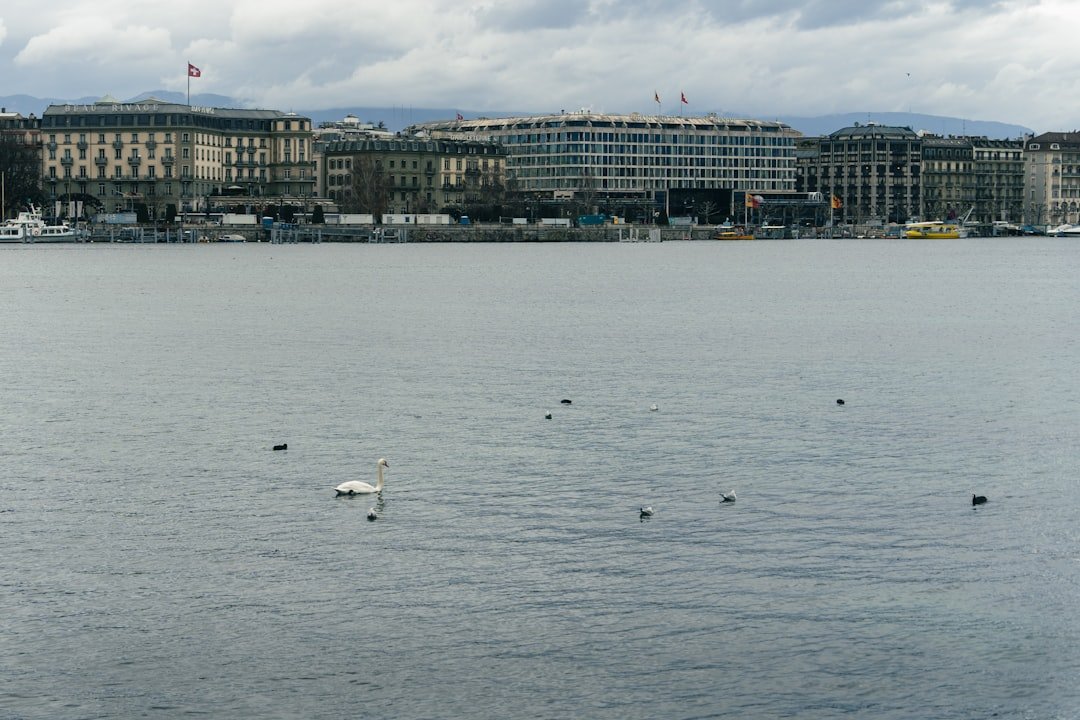
Summer is the best season if Lake Geneva is central to your trip. June, July, and August bring the highest average temperatures, long evenings, swimming, paddleboarding, sailing, picnics, and a busy program of open-air entertainment.
Bains des Pâquis is one of the most convenient places to experience the lake close to the city center. It combines swimming areas, sunbathing space, food, and views across the water toward the Jet d’Eau. On especially warm afternoons, arrive earlier if you want more choice of space.
The summer calendar is unusually strong in 2026. Geneva Tourism’s official summer events guide lists the Fête de la Musique for June 19–21, with free concerts around the city. The free Scène Ella Fitzgerald concert season in Parc La Grange runs from June 19 to August 21.
La Bâtie Festival begins on August 25 and continues into September, with theatre, dance, music, visual arts, and other performances. This makes late August attractive if you want summer weather but care more about culture than swimming alone.
Fall in Geneva: Foliage, Culture, and Major Events
| Activity | Location | Date |
|---|---|---|
| Rolex Sail Grand Prix | Lake Geneva | September 19–20, 2026 |
| Geneva International Film Festival | Geneva | October 30–November 8, 2026 |
| Autumn foliage walks | Parc des Bastions and Parc La Grange | September–November |
September is one of Geneva’s most versatile months. Average daytime temperatures remain comfortable, while summer heat becomes less persistent. The lakefront is still enjoyable, and parks gradually begin their shift toward autumn color.
The 2026 cultural and sporting calendar gives autumn extra appeal. The Rolex Sail Grand Prix takes place on Lake Geneva on September 19–20, while GIFF runs from October 30 through November 8 with films, series, and immersive media.
October and November are cooler and generally require more layers. They work well for combining outdoor sightseeing with museums, galleries, cafés, and Old Town attractions rather than planning the entire day around the lake.
Winter in Geneva: Christmas Markets, Escalade, and Alpine Day Trips
Winter is best for travelers who prefer festive streets, museums, traditional food, and easy access to mountain scenery over swimming or long days outdoors. Geneva itself is a city rather than a ski resort, but the surrounding region gives you options for winter day trips when conditions allow.
The city’s principal Christmas-market experience in 2026 is Noël au Quai, running from November 19 through December 24 by the lake at Quai du Mont-Blanc. Admission to the market is free, with stalls, food, drinks, gifts, and seasonal entertainment.
Another major reason to visit in December is the Fête de l’Escalade, December 11–13, 2026. The celebration recalls Geneva’s victory over the attempted Savoyard attack of 1602 and fills the Old Town with period costumes, historical demonstrations, music, processions, and traditional food.
Snow can fall in Geneva during winter, but city snow cover is not dependable enough to plan a snow-focused trip around it. If skiing or snowboarding is your priority, treat Geneva as a transport base and verify mountain conditions separately for the resort you plan to visit.
Best Time to Visit Geneva for Cultural Events and Festivals

Geneva has meaningful cultural events in every season, so your interests can be more important than the weather. April is strongest for watchmaking, June and summer favor open-air music, late August and September bring performing arts and major lake events, and late October into early November suits film and digital culture.
December has the clearest traditional identity. Noël au Quai creates the Christmas atmosphere, while Escalade turns parts of the Old Town into a large historical celebration. Travelers visiting specifically for a major event should reserve accommodation earlier than they would for an ordinary sightseeing weekend.
If free events matter to your budget, summer is particularly useful. The Fête de la Musique and the Ella Fitzgerald Stage include substantial free programming, while Watches and Wonders also extends into the city with free public activities.
Geneva Weather Throughout the Year: What to Expect
Geneva has a temperate climate with four clear seasons. July is normally the warmest part of the year, while January and February have the coldest average nighttime temperatures.
Spring starts cool and becomes mild by May. Summer days commonly feel warm enough for swimming and outdoor dining, although hot spells can push temperatures well above the long-term averages. Shade, water, and a slower midday schedule are useful during hotter periods.
September usually remains comfortable for sightseeing before temperatures fall more noticeably in October and November. Winter brings short days, cold mornings, occasional frost, rain, and possible snow. A waterproof outer layer is useful in every season because precipitation is possible year-round.
Tips for Traveling to Geneva During Busy Periods
Major events can affect hotel availability even outside the traditional summer vacation period. Watches and Wonders in April, large summer festivals, the September sailing event, and December’s Escalade weekend are all dates worth considering before you book accommodation.
For popular sights such as the Jet d’Eau area, Jardin Anglais, and St. Pierre Cathedral, mornings are usually easier for photography and unhurried walks. Museums and indoor attractions are useful later in the day or when the weather changes.
You may not need a car for a city-focused visit. Guests staying in approved accommodation receive the Geneva Transport Card, which gives unlimited use of buses, trains, and Mouettes shuttle boats within the covered Geneva public-transport network for the duration of the stay.
Off-Season Travel: Exploring Geneva During Quieter Months
January, February, and parts of November can suit travelers who care more about museums, food, and city walks than lake swimming or outdoor festivals. The streets generally feel less dominated by leisure tourism than during warm summer weekends, although Geneva’s business and conference calendar can still affect hotel demand.
Indoor attractions become more useful in colder weather. The Patek Philippe Museum, the Natural History Museum, the International Red Cross and Red Crescent Museum, galleries, and Old Town cafés can fill a day without depending on sunshine.
Off-season travel also makes it easier to build a flexible schedule. Instead of planning around swimming or fixed outdoor activities, you can choose between museums, neighborhood walks, lakefront views, restaurants, and a winter day trip according to the forecast.
Geneva’s Seasonal Cuisine: What to Eat and Drink Throughout the Year
Geneva’s food scene changes with the seasons, while Swiss staples remain available year-round. Spring menus often become lighter as fresh vegetables return, while summer favors salads, terrace dining, lakefront meals, and chilled local wines.
Autumn brings richer flavors and seasonal produce such as squash, apples, mushrooms, and game on some menus. This is also a natural season for exploring wines from the Geneva countryside and the wider Lake Geneva region.
Winter is the easiest time to appreciate warming dishes such as fondue and raclette. Hot chocolate, mulled wine at seasonal events, and long meals in traditional restaurants fit naturally after a cold afternoon in the Old Town or along the lake.
Choosing the Best Time to Visit Geneva for Your Preferences
If you want the widest range of outdoor activities, choose June through August. For a more balanced sightseeing trip, late May, June, and September combine comfortable weather with parks, lakeside time, and strong cultural calendars.
Choose October or November for autumn atmosphere and indoor culture, and choose December if the Christmas market or Escalade is the main reason for your visit. January and February make more sense for travelers who value a calmer city experience and do not mind cold weather.
The best choice ultimately depends on what would disappoint you most to miss. Lake swimming favors summer, blooming parks favor spring, comfortable city walking favors the shoulder seasons, and Geneva’s strongest traditional winter atmosphere arrives in December.
For another article on Tagline Today, the original internal link has been retained.
Frequently Asked Questions
What is the best time to visit Geneva?
Late May through June and September are strong choices for many travelers because they combine comfortable weather with outdoor sightseeing and active cultural calendars. July and August are better if warm lake weather is your main priority, while December is the standout period for Christmas events and the Fête de l’Escalade.
What is Geneva’s weather like in summer?
Geneva is warmest from June through August. Long-term Genève-Cointrin climate normals show average daily highs of roughly 24.2°C in June, 26.7°C in July, and 26.2°C in August. Hotter spells are possible, so plan shade, water, and lighter daytime activities during periods of strong heat.
What major events take place in Geneva in 2026?
Major 2026 dates include Watches and Wonders on April 14–20, Fête de la Musique on June 19–21, the Rolex Sail Grand Prix on September 19–20, GIFF from October 30 to November 8, Noël au Quai from November 19 to December 24, and Escalade on December 11–13.
What outdoor activities are best in Geneva during summer?
Summer is best for swimming, boating, paddleboarding, lakeside picnics, cycling, and evening walks beside Lake Geneva. Bains des Pâquis provides an easy city-center swimming option, while parks host open-air music and other events. Warm weather also makes day trips into the surrounding countryside and mountains easier to combine with city sightseeing.
Is Geneva crowded in summer?
Summer is one of Geneva’s busiest leisure-travel periods because the lakefront, outdoor attractions, festivals, and warm weather all draw visitors. Demand can also rise sharply around major events. Booking accommodation earlier is sensible for July and August or whenever your dates overlap a large festival, sporting event, or international conference.
Does it snow in Geneva in winter?
Yes, snow can fall in Geneva during winter, but lasting snow cover in the city is not guaranteed. Rain, frost, and cold cloudy days are also common winter possibilities. If reliable snow is essential to your trip, plan a mountain excursion separately rather than depending on snowy conditions in central Geneva.
Is September a good time to visit Geneva?
Yes, September is one of the most flexible months for a Geneva city break. Average temperatures are cooler than midsummer but remain comfortable for walking, parks, and lakefront sightseeing. The cultural calendar is active, and early autumn can suit travelers who want outdoor time without making swimming the main purpose of the trip.
Sources
- MeteoSwiss climate normals via opendata.swiss: 1991–2020 temperature-normal reference data.
- Geneva Tourism: Watches and Wonders: April 14–20, 2026 dates and free In the City programming.
- Geneva Tourism: Summer events: 2026 Fête de la Musique, Ella Fitzgerald Stage, and La Bâtie dates.
- Geneva Tourism: Rolex Sail Grand Prix: September 19–20, 2026 event dates.
- Geneva Tourism: Geneva International Film Festival: October 30–November 8, 2026 dates.
- Geneva Tourism: Geneva Christmas Market: Noël au Quai dates for November 19–December 24, 2026.
- Geneva Tourism: Fête de l’Escalade: December 11–13, 2026 festival dates and program context.
- Geneva Tourism: Geneva Transport Card: free public transport eligibility and covered services for approved accommodation guests.