

Kew Gardens, officially known as the Royal Botanic Gardens, Kew, is a UNESCO World Heritage Site located in southwest London. Spanning over 300 acres, it is one of the most important botanical gardens in the world, housing an extensive collection of plants, trees, and fungi from various climates and regions. Established in 1759, Kew Gardens has evolved into a center for botanical research and conservation, attracting millions of visitors each year.
The gardens are not only a sanctuary for plant species but also serve as a hub for education and scientific study, making them a vital resource for understanding biodiversity and the importance of plant conservation. The gardens feature a diverse array of landscapes, including manicured lawns, serene lakes, and exotic plant collections housed in historic glasshouses. Among its most notable structures is the Palm House, a Victorian glasshouse that showcases tropical plants from around the world.
The Temperate House, the largest Victorian glasshouse in existence, is home to a remarkable collection of temperate zone plants. Kew Gardens is also renowned for its extensive herbarium, which contains millions of preserved plant specimens, and its seed bank, which plays a crucial role in global conservation efforts. With its rich history and commitment to research and education, Kew Gardens stands as a testament to the beauty and importance of the plant kingdom.
Key Takeaways
- Kew Gardens is a UNESCO World Heritage site and a leading scientific research center, home to a diverse collection of plants from around the world.
- The weather at Kew Gardens is generally mild, with cool winters and warm summers, making it an ideal year-round destination for visitors.
- The peak season at Kew Gardens is during the spring and summer months, when the gardens are in full bloom and the weather is most favorable for outdoor activities.
- The off-peak season at Kew Gardens is during the fall and winter months, offering a quieter and more peaceful experience for visitors.
- Special events and festivals at Kew Gardens include seasonal flower shows, art installations, and music performances, providing unique experiences for visitors throughout the year.
Weather and Climate at Kew Gardens
The weather at Kew Gardens is characterized by a temperate maritime climate, typical of London. This means that visitors can expect mild winters and warm summers, with rainfall distributed fairly evenly throughout the year. The average temperature in winter hovers around 5°C (41°F), while summer temperatures can reach up to 25°C (77°F) or higher on particularly warm days.
The gardens experience a fair amount of precipitation, with an average annual rainfall of about 600 mm (23.6 inches), which contributes to the lush greenery that visitors enjoy. Seasonal variations significantly influence the experience at Kew Gardens. Spring brings a burst of color as flowers begin to bloom, while summer showcases the full splendor of the gardens in their prime.
Autumn offers a stunning display of foliage as leaves change color, creating a picturesque backdrop for visitors. Winter, although quieter, has its own charm with frost-kissed landscapes and the opportunity to explore indoor attractions like the glasshouses. Understanding the climate can help visitors plan their trips to make the most of their experience at this botanical haven.
Peak Season at Kew Gardens
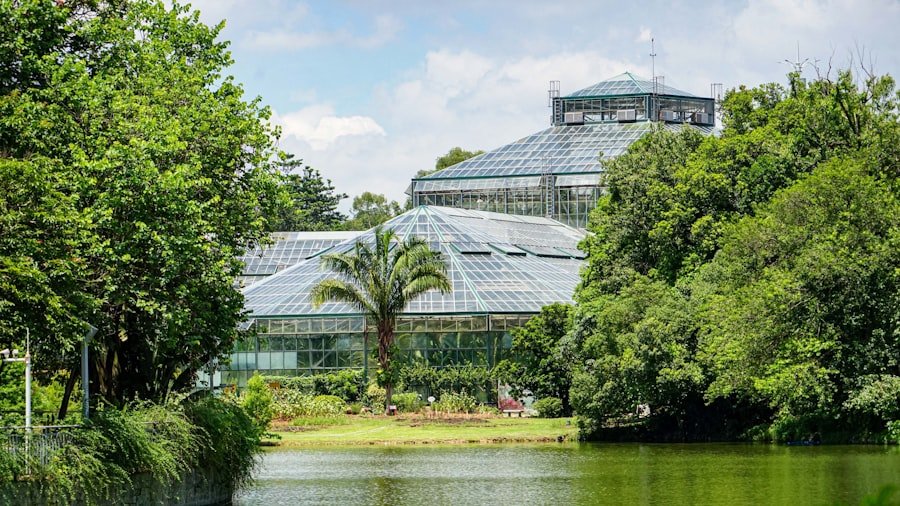
The peak season at Kew Gardens typically spans from late spring through summer, particularly from May to August. During this time, the gardens are in full bloom, showcasing vibrant flowers and lush greenery that attract both tourists and locals alike. The warm weather encourages outdoor activities, making it an ideal time for families to visit and enjoy picnics on the expansive lawns or stroll through the various themed gardens.
The increased foot traffic during these months can lead to a lively atmosphere filled with laughter and excitement. Visiting during peak season also means that Kew Gardens hosts a variety of special events and activities designed to engage visitors of all ages. Guided tours, educational workshops, and family-friendly activities are often scheduled throughout these months, providing opportunities for deeper engagement with the gardens’ rich offerings.
However, it is essential for visitors to be prepared for larger crowds and longer wait times at popular attractions within the gardens during this bustling period.
Off-Peak Season at Kew Gardens
In contrast to the vibrant peak season, off-peak times at Kew Gardens generally occur during the late autumn and winter months, particularly from November through March. During this period, visitor numbers tend to dwindle significantly, allowing for a more tranquil experience as guests can explore the gardens at their own pace without the hustle and bustle of larger crowds. The serene atmosphere can be particularly appealing for those seeking solitude or a peaceful retreat from the city’s fast pace.
While some outdoor attractions may be less visually striking during off-peak months due to reduced blooming activity, Kew Gardens still offers plenty to see and do. The glasshouses remain open year-round, providing an opportunity to explore tropical and subtropical plants regardless of external weather conditions. Additionally, winter events such as light displays or seasonal festivals can add a unique charm to the gardens during this quieter time.
Visitors who choose to come during off-peak season may find it easier to secure tickets and enjoy a more intimate experience with nature.
Special Events and Festivals at Kew Gardens
Kew Gardens hosts a variety of special events and festivals throughout the year that celebrate nature, culture, and community engagement. One of the most anticipated events is the annual Orchid Festival held in February, where thousands of orchids are displayed in stunning arrangements within the Princess of Wales Conservatory. This event not only showcases the beauty of these exotic flowers but also educates visitors about their ecological significance and conservation efforts.
Another notable event is the Kew Gardens Summer Festival, which typically features live music performances, food stalls offering international cuisine, and family-friendly activities such as storytelling sessions and craft workshops. These events create an inviting atmosphere that encourages visitors to connect with nature while enjoying cultural experiences. Seasonal celebrations like Christmas at Kew also draw crowds with enchanting light displays illuminating the gardens after dark, transforming them into a winter wonderland that captivates both young and old alike.
Best Time to See Blooming Flowers at Kew Gardens
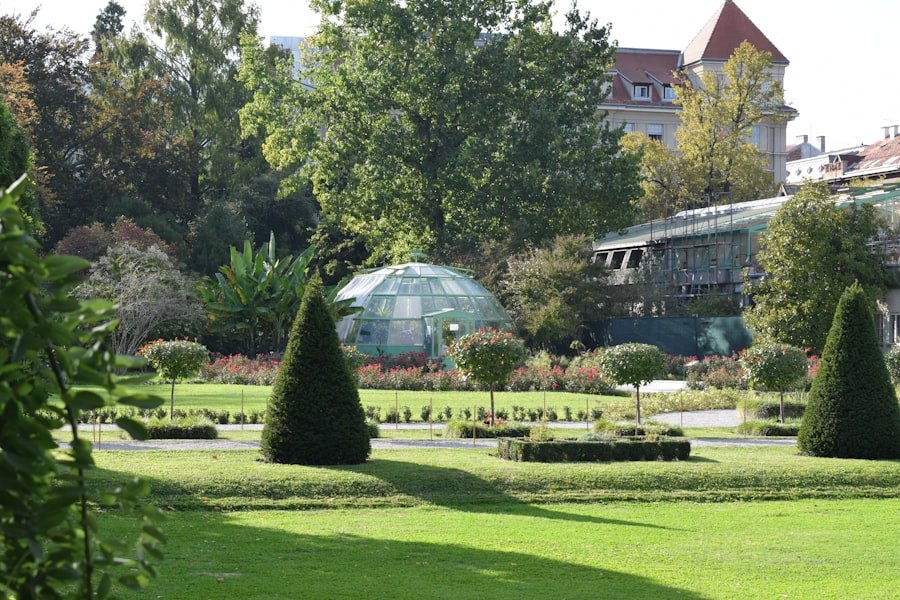
For those eager to witness the breathtaking display of blooming flowers at Kew Gardens, spring is undoubtedly the best time to visit. From late March through May, visitors can enjoy an explosion of color as various species come into bloom. The cherry blossoms in the Cherry Walk are particularly stunning during this time, creating a picturesque scene that attracts photographers and nature lovers alike.
Additionally, the Rhododendron Dell bursts into life with vibrant hues that captivate all who wander through its pathways. As spring transitions into summer, different flowers continue to bloom, ensuring that there is always something new to see throughout this period. The Rose Garden becomes a focal point in June when thousands of roses reach their peak bloom, filling the air with their delightful fragrance.
Visitors can also explore themed gardens such as the Mediterranean Garden or the Waterlily House during this time to appreciate diverse floral displays that reflect various climates around the world.
Best Time for Bird Watching at Kew Gardens
Kew Gardens is not only a paradise for plant enthusiasts but also an excellent location for bird watching enthusiasts. The best time for bird watching typically falls during spring and early autumn when migratory birds return or pass through on their journeys. From March through May, visitors can spot various species returning from their winter habitats.
This period is particularly exciting as many birds engage in courtship displays and nesting behaviors. The gardens’ diverse habitats provide ideal conditions for various bird species. The tranquil lakes attract waterfowl such as ducks and swans, while wooded areas are home to songbirds like robins and warblers.
Autumn also presents opportunities for bird watchers as migratory species prepare for their journey southward. Observing these birds against the backdrop of changing foliage adds an extra layer of beauty to the experience.
Best Time for Photography at Kew Gardens
Photography enthusiasts will find that Kew Gardens offers stunning backdrops throughout the year; however, certain seasons provide unique opportunities for capturing breathtaking images. Spring is particularly magical as flowers burst into bloom, creating vibrant colors that contrast beautifully against lush greenery. The early morning light casts a soft glow over dew-kissed petals, making it an ideal time for macro photography or capturing wide-angle shots of expansive floral displays.
Summer also presents excellent photography opportunities with longer daylight hours allowing for extended shooting sessions. The golden hour just before sunset bathes the gardens in warm light, enhancing textures and colors in photographs. Additionally, capturing candid moments during special events or festivals can add an element of storytelling to your portfolio.
Autumn’s rich hues provide another captivating backdrop; golden leaves create dramatic compositions that evoke feelings of nostalgia and warmth.
Tips for Visiting Kew Gardens During Peak Season
Visiting Kew Gardens during peak season requires some strategic planning to ensure an enjoyable experience amidst larger crowds. First and foremost, it is advisable to purchase tickets online in advance to avoid long queues at the entrance. Arriving early in the day can also help visitors beat some of the crowds while allowing ample time to explore before peak hours set in.
Once inside, consider prioritizing must-see attractions such as the Palm House or Temperate House early on before they become crowded later in the day. Utilizing guided tours can enhance your visit by providing insights into specific plants or historical aspects of the gardens that you might otherwise miss. Lastly, taking breaks in quieter areas or enjoying refreshments at one of the cafes can help recharge your energy while providing opportunities for people-watching amidst the vibrant atmosphere.
Tips for Visiting Kew Gardens During Off-Peak Season
When visiting Kew Gardens during off-peak season, guests can take advantage of fewer crowds while still enjoying all that this botanical paradise has to offer. One key tip is to dress appropriately for cooler weather; layering clothing will ensure comfort while exploring outdoor areas or transitioning between indoor attractions like glasshouses. Exploring lesser-known sections of the gardens can lead to delightful discoveries without feeling rushed or overwhelmed by other visitors.
Off-peak season also provides opportunities for spontaneous visits since ticket availability is generally more flexible; consider visiting on weekdays when crowds are typically lighter than weekends. Engaging with staff members or volunteers can enhance your experience as they often share valuable insights about seasonal highlights or hidden gems within the gardens.
Conclusion and Final Recommendations for Visiting Kew Gardens
Kew Gardens offers an unparalleled experience for nature lovers and those seeking tranquility amidst stunning landscapes. Whether visiting during peak season when vibrant blooms captivate or exploring off-peak months for a more serene atmosphere, there is always something unique to discover within its expansive grounds. Special events throughout the year further enrich visitors’ experiences by providing opportunities for cultural engagement alongside botanical exploration.
Ultimately, planning ahead based on personal interests—be it photography, bird watching, or simply enjoying nature—can enhance any visit to this remarkable destination. With its rich history and commitment to conservation education, Kew Gardens remains not only a beautiful escape but also an essential resource for understanding our planet’s biodiversity.
If you’re looking for a healthy and delicious snack to enjoy during your visit to Kew Gardens, check out this homemade cottage cheese recipe that is simple to make and packed with nutrients. Pair it with some fresh fruit like the Asian melon featured in this article to create a refreshing and satisfying treat. And while you’re enjoying the beauty of Kew Gardens, take a moment to remember the legendary rock icon, Ozzy Osbourne, who recently passed away as mentioned in this