Lucerne changes noticeably with the seasons, from warm lake days and mountain excursions to autumn festivals and winter markets. Choosing the right month matters because weather, visitor numbers, boat schedules, mountain transport, and major events all vary through the year.
Quick Answer
For most first-time visitors, the best time to visit Lucerne is late May through June or September. You get comfortable sightseeing weather, broad lake and mountain access, and fewer peak-summer crowds than July and August. Choose December for Christmas atmosphere, or winter if snow activities matter more.
Last checked: October 1, 2026. Dates and figures were verified against official sources.
Key Takeaways
- July and August are Lucerne’s warmest months, but they are also among the wettest by average precipitation and bring heavy sightseeing demand.
- September combines mild weather with major cultural events and generally easier sightseeing than the height of summer.
- The full Pilatus Golden Round Trip is seasonal, so spring and late-autumn visitors should check which transport sections are operating.
- Winter works best for Christmas markets, museums, winter hiking, skiing in the surrounding region, and Lucerne’s distinctive seasonal events.
Best Time to Visit Lucerne by Month: Weather, Events, and Crowds
The table below uses MeteoSwiss 1991–2020 climate normals for Lucerne. Temperatures are average daily highs and lows, while precipitation is the average monthly total rather than a forecast.
The listed 2026 dates come from the official Lucerne Tourism event calendar and related official event listings. Crowd descriptions are a practical relative guide; major festivals can make individual dates much busier.
| Month | Avg. High / Low | Avg. Precipitation | 2026 Highlight | Typical Crowds |
|---|---|---|---|---|
| January | 4.0°C / -1.6°C | 56 mm | Lilu Light Festival, January 15–25 | Low to moderate |
| February | 5.8°C / -1.7°C | 61 mm | Lucerne Carnival period, February 7–17 | Low except Carnival |
| March | 10.9°C / 1.5°C | 75 mm | Fumetto, March 7–15; Lucerne Festival Spring, March 27–29 | Low to moderate |
| April | 15.3°C / 4.8°C | 97 mm | Musegg Wall public season begins April 1 | Moderate |
| May | 19.4°C / 9.1°C | 149 mm | Lucerne Festival Pulse, May 8–17 | Moderate |
| June | 22.9°C / 12.8°C | 165 mm | Lucerne Fest, June 26–27 | Moderate to high |
| July | 24.9°C / 14.6°C | 166 mm | Luzern Live, July 16–25 | High |
| August | 24.3°C / 14.4°C | 170 mm | Lucerne Festival Summer begins August 13 | High |
| September | 19.6°C / 10.8°C | 109 mm | World Band Festival, September 19–27 | Moderate to high |
| October | 14.3°C / 6.9°C | 88 mm | Autumn Fair Määs, October 3–18 | Moderate |
| November | 8.2°C / 2.2°C | 78 mm | Blues Festival, November 7–15; Festival Forward, November 20–22 | Low to moderate |
| December | 4.5°C / -0.8°C | 78 mm | Rudolf’s Christmas continues through December 23 | Moderate, higher around Advent weekends |
Spring in Lucerne: March to May
Spring is best if you want milder city weather without peak-summer crowds, but mountain access changes quickly with elevation. March can still feel wintry, while late April and May bring greener landscapes, longer sightseeing days, and more seasonal attractions.
Lucerne itself is easy to explore throughout spring. Chapel Bridge, the Old Town, the lakeside promenades, museums, and city cruises can all form part of a weather-flexible itinerary.
Higher mountain trips require more planning. The Pilatus Golden Round Trip is not a hiking trail; it combines a boat or train connection with the cogwheel railway, aerial cableway, panorama gondolas, and a bus connection. In 2026, the Pilatus cogwheel railway operates from May 11 to November 29, while the complete boat-based circuit has a shorter season.
Culture also gives spring a strong reason to visit. In 2026, Fumetto International Comix Festival ran March 7–15, Lucerne Festival Spring ran March 27–29, and Lucerne Festival Pulse followed May 8–17.
Pro Tip: If a summit excursion is a priority, leave one day of your itinerary flexible. Cloud cover can hide the mountain panorama even when conditions in central Lucerne feel pleasant.
Summer in Lucerne: June to August
)
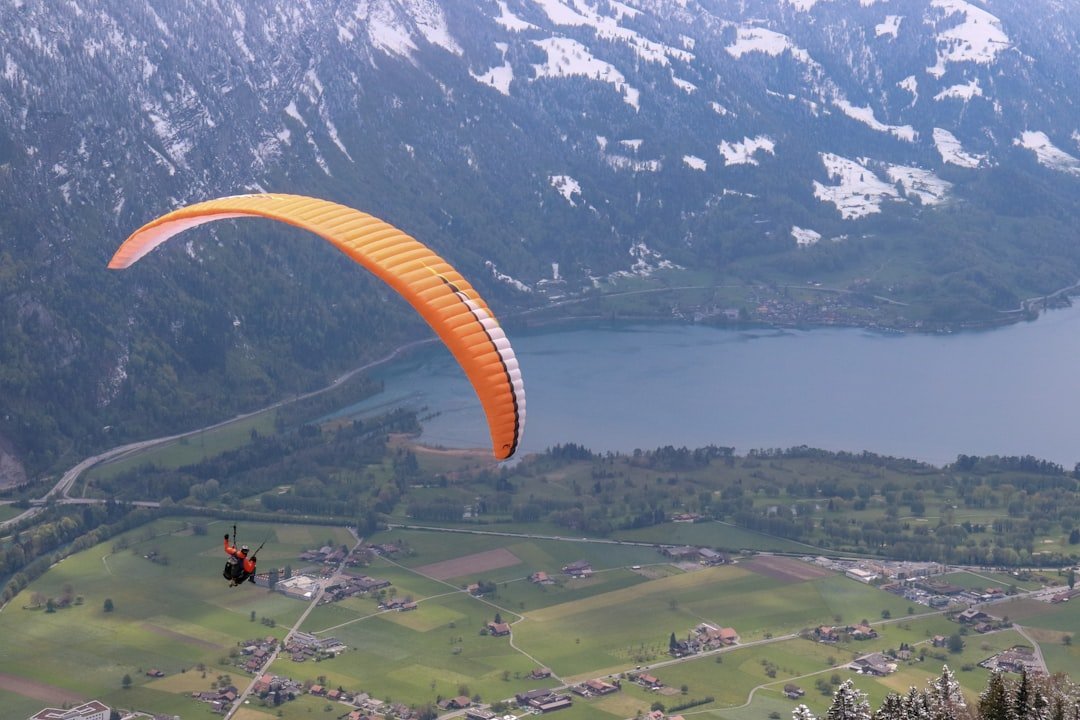
Summer gives you the widest choice of lake activities, mountain excursions, outdoor dining, and major festivals. June is often the easiest summer month for travelers who want long days without the heaviest July and August visitor pressure.
Do not mistake summer for Lucerne’s driest season. MeteoSwiss normals show average monthly precipitation of 165 mm in June, 166 mm in July, and 170 mm in August. Warm weather and showers can occur in the same trip, so a light waterproof layer is useful even when the forecast looks mostly favorable.
Summer Festivals and Busy Dates
Lucerne Fest takes place June 26–27 in 2026, followed by Luzern Live from July 16–25. The city’s large classical-music season then runs into late summer: Lucerne Festival Summer 2026 runs from August 13 to September 13, with more than 120 events planned across 32 days.
Swiss National Day is August 1, so travel around that weekend can also feel busier in popular Swiss destinations. If you want quieter photographs around Chapel Bridge and the Old Town during summer, early morning generally works better than the middle of the sightseeing day.
What to Do in Summer
- Take a scheduled cruise on Lake Lucerne or combine a boat trip with a mountain excursion.
- Visit Mount Pilatus when the full seasonal transport network is running.
- Explore Rigi for hiking and panoramic views.
- Walk the Musegg Wall during its public season.
- Swim at an established lakeside bathing area when conditions are suitable.
- Use museums and the KKL as wet-weather alternatives.
Summer suits families, first-time visitors, hikers, lake lovers, and travelers who want the largest event calendar. The trade-off is simple: more open attractions and longer days usually come with more people and stronger demand for accommodation.
Fall in Lucerne: Foliage, Events, and Cooler Weather
| Month | Average Temperature (°C) | Rainfall (mm) | 2026 Cultural Highlight |
|---|---|---|---|
| September | 14.8 | 109 | World Band Festival, September 19–27 |
| October | 10.3 | 88 | Autumn Fair Määs, October 3–18 |
| November | 5.1 | 78 | Lucerne Blues Festival, November 7–15 |
Fall is strongest in September and early October if you want mild sightseeing conditions with a more relaxed feel than midsummer. By November, temperatures fall sharply and daylight shortens, making indoor culture increasingly useful.
September still supports many lake and mountain activities. It also has two major music periods in 2026: Lucerne Festival Summer continues through September 13, followed by the World Band Festival from September 19–27.
October adds seasonal color and the Autumn Fair, or Lozärner Määs, from October 3–18. The SwissCityMarathon takes place October 25, creating another locally busy date.
November is colder but culturally active. Lucerne Blues Festival runs November 7–15, while Lucerne Festival Forward takes place November 20–22. That makes late autumn more appealing for music-focused visitors than the old idea of an undefined “Lucerne Festival in Autumn.”
Winter in Lucerne: Markets, Snow Trips, and Seasonal Events
Winter is best for festive city atmosphere and snow-based day trips rather than guaranteed snow on Lucerne’s streets. The surrounding mountains offer winter hiking, skiing, sledding, and snowshoeing, while the city itself provides museums, concerts, markets, and lake views.
Christmas activity begins before December. The official Christmas in Lucerne program lists Rudolf’s Christmas from November 20 to December 23, 2026, along with additional Advent markets and events.
Lucerne Ice Magic provides a more dependable skating option than the lake itself. The organized rink at Europaplatz operates during the winter program; you should not plan a trip around skating on Lake Lucerne itself.
Winter Activities Beyond the City
The Lucerne-Lake Lucerne region includes winter-sports destinations such as Rigi, Engelberg, Klewenalp-Stockhütte, Stoos, Sörenberg, and others. Snow conditions vary by elevation and date, so city weather does not tell you what conditions will be like on the mountains.
Rigi is especially useful for travelers who want a mountain outing outside the summer season because its rail network operates on seasonal timetables rather than simply closing for the entire winter. Snow-covered walking routes may also be prepared when conditions allow.
Winter Events
December is centered on Advent and Christmas markets. January brings Lilu Light Festival, while Lucerne Carnival creates one of the city’s liveliest winter periods before Lent.
If you prefer quiet sightseeing, avoid the main Carnival days. If Carnival is the reason for your trip, expect the opposite of Lucerne’s usual calm atmosphere: costumes, Guggenmusik bands, parades, and very busy Old Town streets.
Off-Season Travel: Pros and Cons
)
Advantages of Off-Season Travel
Late autumn and parts of winter can give you quieter conditions at outdoor city landmarks. Chapel Bridge, the Lion Monument, Old Town lanes, and the lakeside are easier to enjoy when large tour groups are less concentrated.
Lucerne also has strong bad-weather options. The Swiss Museum of Transport is open 365 days a year, with shorter museum hours during its winter schedule.
Disadvantages of Off-Season Travel
The main drawback is that transport and mountain attractions do not all follow the same calendar. A famous itinerary that works in July may not work in exactly the same form in November or March.
Lake Lucerne boats continue under seasonal schedules, but service frequency and routes change. The Lake Lucerne Navigation timetable shows a winter schedule from October 19, 2026, to April 16, 2027.
Mountain transport also differs by route. Rigi publishes separate seasonal schedules for its cogwheel railways and cable cars, so use the current Rigi timetables when your trip depends on a specific connection.
Who Should Choose the Off-Season?
Off-season Lucerne suits museum visitors, couples seeking a quieter city break, photographers who prefer less crowded streets, and travelers willing to adapt mountain plans to conditions. It is less suitable if your trip depends on completing every summer mountain-and-lake circuit exactly as advertised.
Note: Mountain weather can differ greatly from conditions beside the lake. Confirm the operating status of the exact railway, cable car, trail, or boat service you intend to use before setting out.
Tips for Choosing the Best Time to Visit Lucerne
Your best month depends more on your priorities than on one universal “perfect” season. Start with the activity you care about most, then choose the month that gives it the best combination of access, weather, and atmosphere.
- For first-time sightseeing: Late May, June, and September offer an especially useful balance of mild weather and broad attraction access.
- For warm lake days: July and August are the warmest months, with average highs near 25°C.
- For classical music: August into September centers on Lucerne Festival Summer.
- For fall atmosphere: September and October combine cooler weather with festivals and changing foliage.
- For Christmas travel: Late November through December brings markets, lights, and Advent events.
- For winter sports: Base your dates on the mountain area you plan to visit rather than assuming snow conditions in Lucerne city.
If Mount Pilatus is essential, pay close attention to the transport season. If Rigi is your priority, you have more year-round options, although individual connections and walking routes still follow seasonal schedules.
Making the Most of Your Visit to Lucerne
Lucerne works year-round, but the experience changes substantially by month. Late spring, early summer, and September are the strongest all-round choices; peak summer favors maximum activity choice, while winter is better for festive atmosphere and snow-focused excursions.
Build at least one flexible day into a mountain-focused visit. That gives you the option to use a clear day for Pilatus or Rigi and move Old Town walks, museums, churches, or indoor cultural attractions to less favorable weather.
For a separate food feature elsewhere on the site, see this Tagline Today article.
Frequently Asked Questions
What is the best time to visit Lucerne?
The best time to visit Lucerne for most first-time travelers is late May through June or September. These periods combine mild sightseeing weather with good access to lake and mountain activities while avoiding some of the heaviest July and August visitor pressure.
What is the weather like in Lucerne during summer?
Summer is warm rather than extremely hot, with average highs of 22.9°C in June, 24.9°C in July, and 24.3°C in August. It is not Lucerne’s driest period: average precipitation is 165–170 mm per month across those three months.
What are the main Lucerne festivals in 2026?
Major 2026 dates include Lucerne Festival Spring on March 27–29, Lucerne Festival Pulse on May 8–17, Luzern Live on July 16–25, Lucerne Festival Summer from August 13 to September 13, and Lucerne Festival Forward on November 20–22.
What outdoor activities are best in Lucerne in summer?
Summer is ideal for Lake Lucerne cruises, established swimming areas, Mount Pilatus excursions, Rigi hiking, lakeside walks, and the Musegg Wall. The broad seasonal transport network also makes it easier to combine a boat trip and mountain railway in one day.
Is Lucerne crowded during summer?
Yes, July and August are among the busiest periods for sightseeing in Lucerne. June can be easier while still offering long days and broad seasonal access. Major festivals can also produce short spikes in visitors, so central hotels and popular excursions are worth arranging early.
Does it snow in Lucerne in winter?
Snow can fall in Lucerne during winter, but continuous snow cover in the city is not guaranteed. The surrounding mountains are more reliable for winter scenery and snow sports, so travelers seeking skiing, sledding, or winter hiking should plan around higher-elevation destinations.
Sources
- MeteoSwiss climate normals: 1991–2020 monthly temperature and precipitation normals for Lucerne.
- Lucerne Tourism 2026 event calendar: official festival and event dates used throughout the seasonal guide.
- Pilatus timetable: 2026 cogwheel railway operating period and seasonal transport information.
- Lucerne Festival Summer 2026: official summer-festival dates and program period.
- Rigi timetables: seasonal railway and cable-car schedules.
- Lake Lucerne Navigation timetable: seasonal scheduled-boat periods.
- Christmas in Lucerne: 2026 Christmas markets, Advent events, and Lucerne Ice Magic information.
- Swiss Museum of Transport opening hours: year-round museum operation and seasonal hours.