Key takeaways
- Plan water first: in desert heat, many park safety guides suggest about a quart (≈1 liter) per hour of hiking.
- Facilities vary: some campgrounds have showers and hookups; others have restrooms but no drinking water.
- Storms can flood washes: avoid camping in drainages, especially during monsoon season.
Best Developed Campgrounds in the Superstition Mountains
Developed campgrounds near the Superstitions can make planning easier. You’ll usually find level sites, picnic tables, and maintained restrooms. Amenities vary by location, so verify what’s on site and bring extra water just in case.
- Lost Dutchman State Park (Apache Junction): Year-round camping and quick access to trails like Siphon Draw.
- Canyon Lake Marina & Campground area (Tonto National Forest): Convenient for the lake, with restrooms available. Plan to bring your own drinking water.
- Tortilla Campground (Tonto National Forest): A seasonal (winter) campground near the Apache Trail corridor. As of 2026-01-21, the Forest Service listed Tortilla Campground under a closure order running through March 31, 2026 (unless changed)—check for updates.
Book ahead for cool-season weekends, arrive early for the best selection, and follow posted quiet hours and site rules.
Products Worth Considering
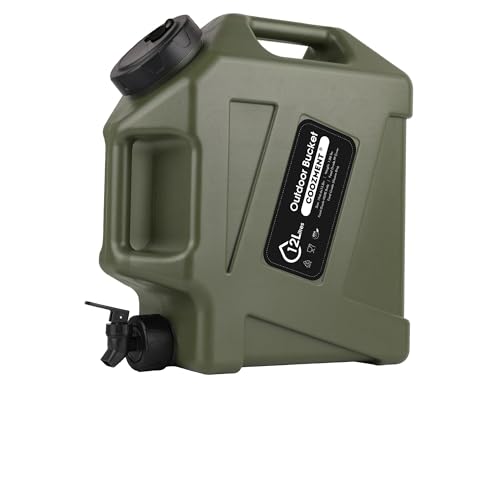
【High quality and Reusable】:Water jug is made of food-grade PE material. The lid of the jug is made of food-grade PP, and there is food-grade silicone seal protection. BPA PVC-free, the taste of water and drinks will not be affected at all.

Water Jugs: Meticulously crafted from food-grade polyethylene plastic that does not add taste, odor, or chemicals to the water; Water contained in each 5-gallon jug will stay clean

【 Portable Camping Water Jug 】 This collapsible water container is lightweight, foldable, and easy to store — perfect as a camping water container. Ideal for travel, outdoor activities, and emergency storage.
Top Backcountry Routes and Primitive Campsites
Backcountry camping in the Superstitions is quieter and more demanding. Popular routes include the Peralta Trail to Fremont Saddle, Siphon Draw toward Flatiron (steep and strenuous), and the Dutchman Trail system for long miles and wide-open views. Pick routes that fit your experience, daylight, and forecast.
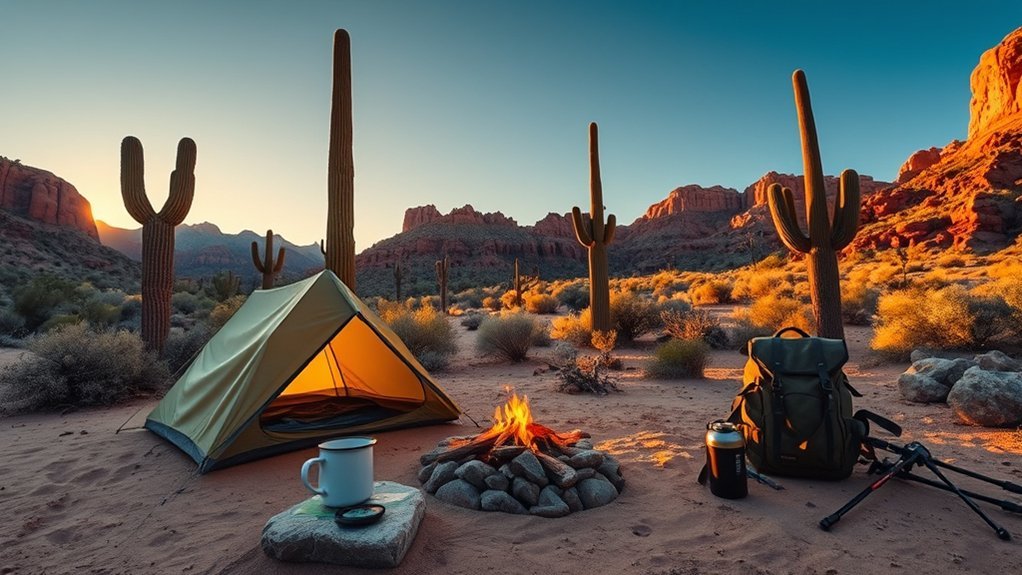
Bring navigation you trust (map, compass, GPS) and know how to use it. Cell service is unreliable. Choose campsites on level, durable ground above drainages, and avoid setting up in dry washes or tight canyons. Camp far from water sources and trails where possible, and keep your footprint small.
Night temperatures can drop fast. Storms can also cut visibility. Leave a trip plan with someone you trust and be ready to turn around early.
Products Worth Considering

Premium GPS Tracker — The LandAirSea 54 GPS tracker provides accurate global location, real-time alerts, and geofencing. Easily attaches to vehicles, ATVs, golf carts, or other critical assets.

Advanced Performance: BigBlue 28W portable solar charger provides 20% more power from every ray, thanks to shadow-free surface design (No metal lines on the front panel). Engineered heat resistance and advanced N-type solar cells offer superior Low-Light efficiency and extending operational longevity

All-purpose handheld 12-parallel-channel GPS+WAAS receiver with electronic compass and barometric altimeter
Essential Gear for Desert Camping and Overnight Treks
Put water first, then sun protection, shelter, and navigation. In hot, dry conditions, many desert hiking safety guides recommend drinking roughly about 1 quart (≈1 liter) per hour of hiking. Pack sun protection like a wide-brim hat, high-SPF sunscreen, UV-blocking sunglasses, and lightweight long sleeves.
Products Worth Considering

Ultra Breathability: With our padded mesh back panel, experience excellent breathability and comfort during your hikes.

PREMIUM QUALITY: All parts of the KUREIDA hydration bladder are made of premium material . KUREIDA water reservoir is taste free, BPA free. It won’t leave a bad taste in your drink. The water bladder passed pneumatic pressure test, it is pressure-tolerant. Double sealing side technique has greatly improved durability

Durable All‑Weather Build: Rugged plastic/polyethylene inner bottle combined with a protective outer shell stands up to rough handling, repeated use, and changing outdoor conditions without cracking, leaking, or warping
Water, Hydration & Storage
Desert air dries you out quickly. Pack more water than you think you’ll need, and carry a backup treatment option in case you find a reliable source.
- Carry: for a hot day hike, many people plan 3–4+ liters per person and adjust up for heat and time.
- Purify: carry a lightweight filter, chlorine dioxide tablets, or a UV purifier; treat any collected water before drinking.
- Manage: sip often, use electrolytes when you sweat a lot, and don’t wait until you feel thirsty.
Dehydration sneaks up fast.
Sun Protection & Clothing
Desert mornings can feel mild, but heat builds quickly. Wear a wide-brim hat, breathable long sleeves, UV-rated sunglasses, and high-SPF sunscreen. Choose light colors and skip cotton on long hikes. For overnight trips, bring a light insulated layer for cool nights.
| Item | Purpose | Tip |
|---|---|---|
| Sun hat | Shade face/neck | Wide brim, chin strap |
| Breathable layers | Cool, wick sweat | Lightweight nylon/poly |
| Sunscreen | UV protection | Reapply regularly |
| Buff / light layer | Shade & warmth | Multiuse, packable |
Water, Food, and Hydration Planning
Plan your water and food before you leave so you’re not improvising in desert heat. For a full day of hard hiking, many hikers carry at least 3–4 liters per person (often more in summer), plus salty snacks and quick calories. Choose foods that handle heat: nuts, tortillas, jerky, bars, and dehydrated meals.
- Use a hydration bladder for frequent sipping, plus a spare bottle as backup.
- Pick dehydrated or vacuum-sealed meals; freeze-dried pouches rehydrate fast and resist spoilage.
- Eat small amounts often and replace salt when you’re sweating heavily.
Weather, Heat Management, and Flash Flood Preparedness
Expect temperature swings. Check the forecast, start early, and pace yourself. Learn the signs of heat exhaustion and heat stroke. During monsoon season, afternoon storms can trigger flash floods in washes. Avoid camping in drainages and know your high-ground escape route.
If someone is confused, dizzy, or stops sweating in the heat, treat it as urgent: get them into shade, cool them fast, and get medical help.
Wildlife Encounters and Minimizing Impact
Heat and storms can change animal behavior. Store food and toiletries securely, keep a clean camp, and pack out all trash. Give rattlesnakes space, watch where you place hands and feet around rocks, and keep dogs close and leashed where required.
Store food securely, minimize scents, back away slowly, and never feed wildlife.
- Secure food and toiletries: use sealed containers or your vehicle where available; don’t leave scraps.
- Observe from a distance: avoid sudden moves and keep dogs from chasing wildlife.
- Respond safely: give rattlesnakes room; for larger mammals, make noise and back away.
Navigation, Fees, and Leave No Trace Practices
Trails can be faint and conditions change. Carry navigation tools (map, compass, GPS) and know how to use them. Download offline maps and set a turnaround time.
Fees and permits depend on who manages the land. Some Tonto National Forest recreation sites and trailheads require a pass. Arizona State Parks charge day-use and camping fees. Read signs at the trailhead or campground kiosk and carry proof of payment when required.
Follow Leave No Trace: camp on durable surfaces, pack out all waste, and keep campfires low-impact. Fire restrictions can change quickly, so verify current rules and closures before your trip.
For the latest closures and fire restrictions on the Tonto National Forest, check the Tonto National Forest alerts page.
Frequently Asked Questions
Are There Guided Tours or Guided Camping Trips Available in the Superstition Mountains?
Yes. Local guide services offer day hikes and multi-day trips in the region. Confirm that your guide is permitted for the area you’ll use, and ask about water planning and heat protocols.
Can I Bring My Dog to Backcountry Sites or Developed Campgrounds?
Often, yes—many campgrounds and trails allow dogs, typically with leash and waste rules. Desert heat can be dangerous for paws and hydration, so start early, carry extra water, and skip exposed routes on hot days.
Are There Cell Signal Boosters or Wi-Fi at Any Campgrounds?
Don’t count on it. Coverage can be patchy in the foothills and canyons. Some private campgrounds or marinas may offer Wi-Fi, but it’s best to plan as if you’ll be offline: download maps, share a trip plan, and consider a satellite communicator for remote trips.
What Are the Nearest Medical Facilities or Emergency Evacuation Options?
For life-threatening emergencies, call 911. One nearby 24/7 emergency room option is Banner Goldfield Medical Center in Apache Junction. Larger hospitals are available in the greater Mesa area. In the backcountry, evacuation can take time, so carry a first-aid kit and a way to signal for help.
Are Campfires Permitted Year-Round, and Where Are Firewood Rules Posted?
Restrictions vary by season and fire danger. In dry periods, campfires may be limited or prohibited on public lands. Check current restrictions and closure orders before you go, and use a stove as your default cooking plan.
Conclusion
You’ll leave the Superstitions with dust on your boots and stories you’ll want to tell. Camp smart, carry extra water, and watch the sky for storms. Follow rules and closures, and practice Leave No Trace so this wild place stays wild.
For official camping details at Lost Dutchman State Park, see RV and tent camping at Lost Dutchman State Park.