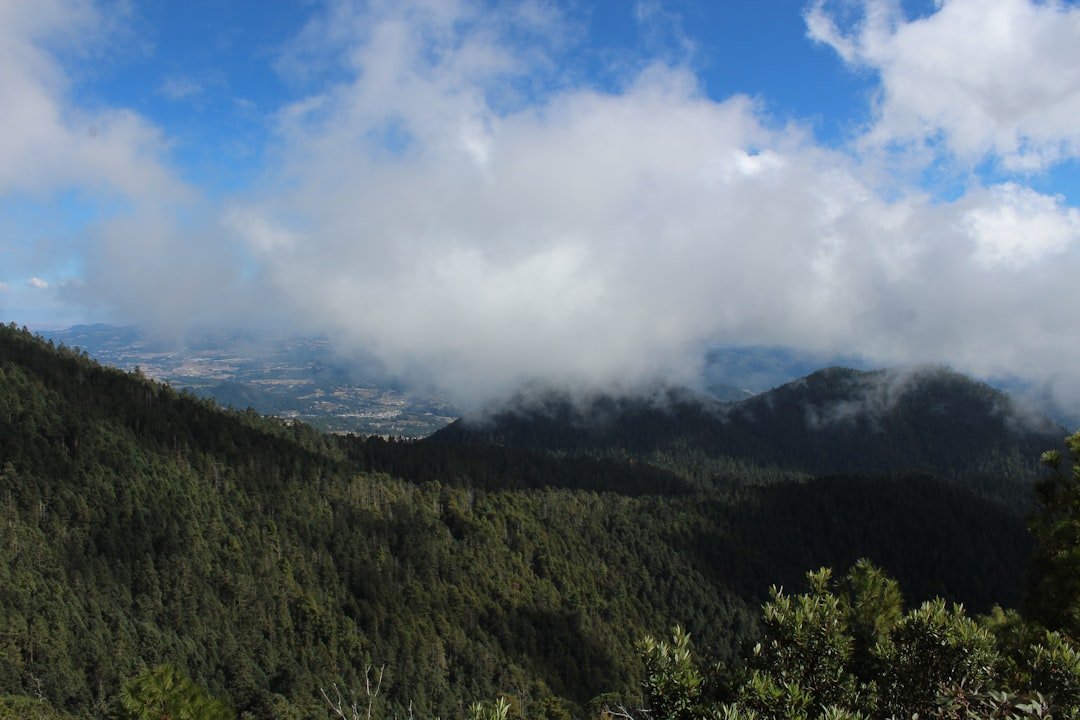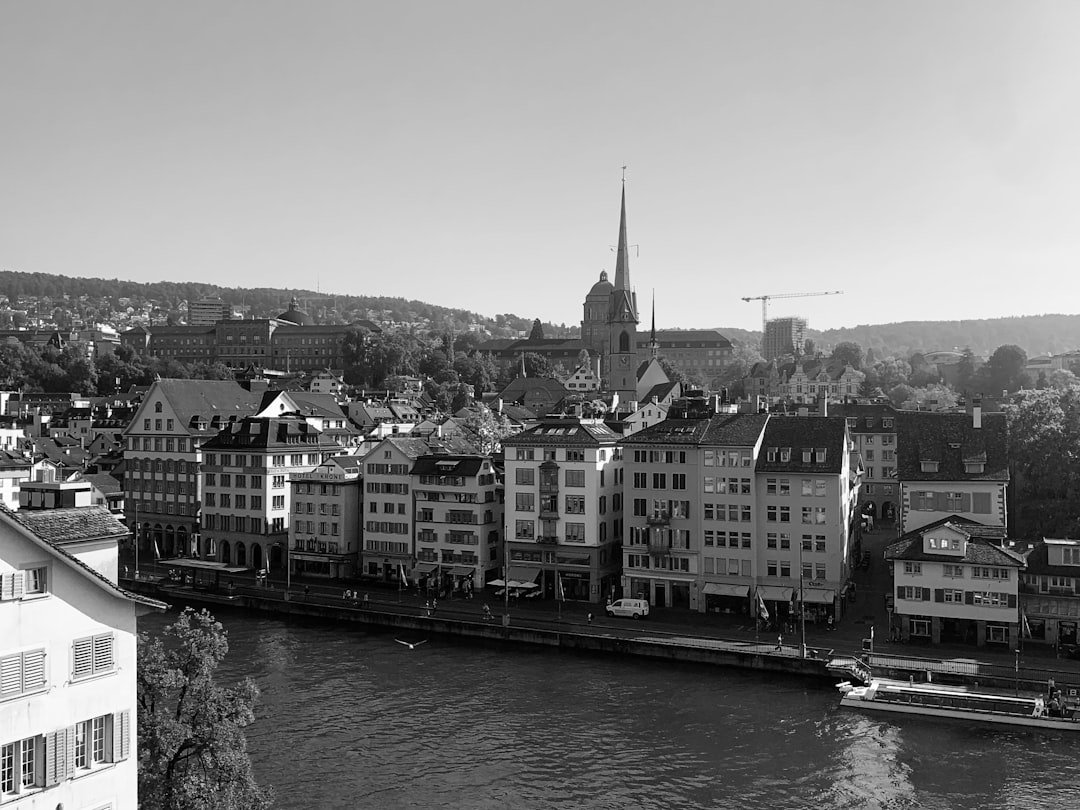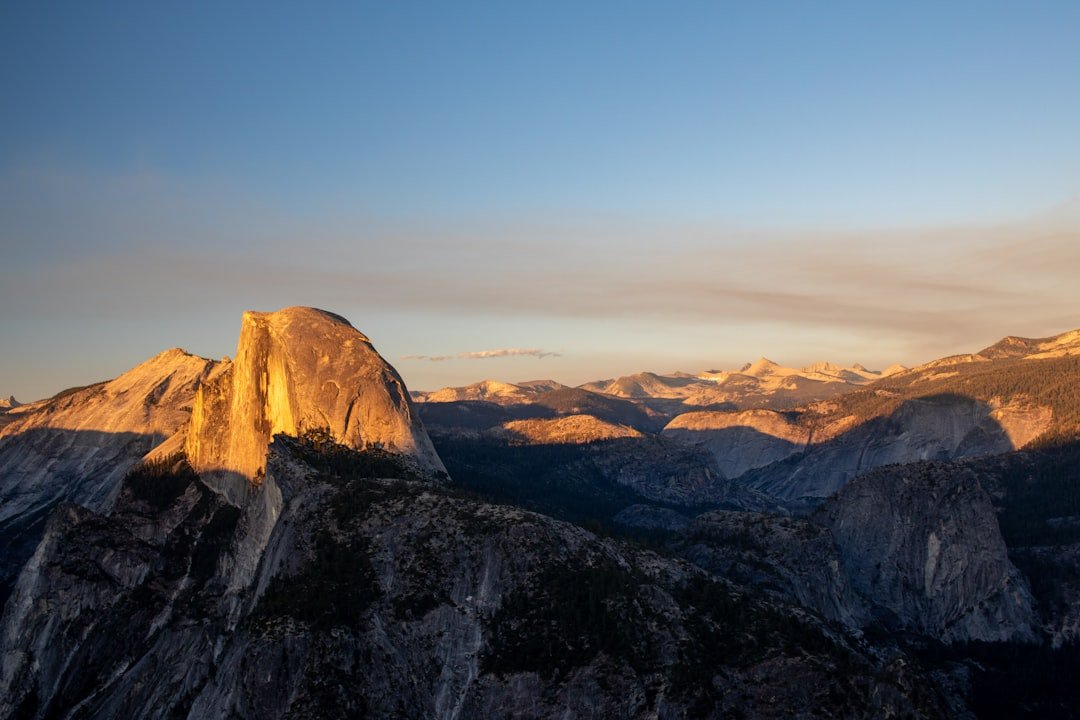
Lake Neuchâtel combines wide water views with Jura ridges, vineyards, historic towns, castles, and quieter natural shores. The strongest viewpoints range from the easily reached Chaumont panorama above Neuchâtel to the dramatic heights of Creux du Van, while Mont Vully, Chasseral, Grandson, Auvernier, Saint-Blaise, and Cudrefin offer very different perspectives. Lake Neuchâtel is also Switzerland’s largest lake lying entirely within the country, covering about 218 square kilometres and stretching roughly 38 kilometres from end to end.
Quick Answer
For the best Lake Neuchâtel views, start with Chaumont for an easy high panorama, Creux du Van for dramatic Jura scenery, Mont Vully or Chasseral for sweeping Three-Lakes views, and Neuchâtel Castle or Grandson Castle for historic overlooks. Quieter shoreline scenery is excellent around Saint-Blaise, La Tène, Cudrefin, and Auvernier.
Key Takeaways
- Chaumont is one of the easiest elevated viewpoints, with a funicular from La Coudre and a panorama tower overlooking the Three Lakes region and the Alps in clear weather.
- Creux du Van delivers the most dramatic natural panorama but requires more care, especially near cliffs, livestock, and during winter conditions.
- Mont Vully and Chasseral are excellent choices when you want a broad view across more than one of Switzerland’s Three Lakes.
- Neuchâtel Castle and Grandson Castle combine historic architecture with lake scenery; Grandson is especially well positioned above Lake Neuchâtel.
- Saint-Blaise, La Tène, Cudrefin, Auvernier, and the Neuchâtel waterfront work well when you prefer relaxed shoreline views rather than a demanding climb.
At about 218 km², Lake Neuchâtel is the largest lake located wholly within Switzerland.
Top Vantage Points for Panoramic Views
The best Lake Neuchâtel viewpoint depends on whether you want an easy observation tower, a mountain hike, a castle setting, or a quiet place at water level. Chaumont is the strongest all-around choice for visitors staying in Neuchâtel, while Creux du Van provides the most dramatic natural setting.
Chaumont Panorama Tower
Chaumont rises above the city of Neuchâtel and is one of the region’s most accessible high viewpoints. The La Coudre-Chaumont funicular climbs to about 1,171 metres, making this a practical choice even if you do not want a long mountain hike.
From the panorama tower, you can look across Neuchâtel, the Three Lakes region, and the Swiss Plateau. In clear conditions, the view can extend deep into the Alps, including prominent peaks such as the Eiger, Mönch, and Jungfrau. The combination of elevation and easy public-transport access makes Chaumont particularly useful for first-time visitors and photographers carrying heavier equipment.
Pro Tip: Check visibility before going up to Chaumont. On a hazy day the lake view can still be attractive, but clear air after a weather change usually gives a much better Alpine panorama.
Creux du Van
Creux du Van is a vast natural rock cirque in the Jura above the western side of Lake Neuchâtel. Instead of looking only at the lake, you get a combination of limestone cliffs, high pastures, Jura landscapes, and distant water views.
A classic approach starts from Noiraigue and climbs toward the rim. It is substantially more demanding than visiting Chaumont, so footwear, weather, daylight, and fitness matter. Road access also changes by season, and winter routes can involve snow, ice, or unploughed roads.
Warning: Creux du Van has exposed cliff edges without the kind of barriers you would expect at an urban observation deck. Keep well back from the edge, supervise children closely, and follow local livestock guidance. Official tourism information also warns that paths can become dangerous and slippery in winter.
Mont Vully
Mont Vully sits between Lakes Murten, Neuchâtel, and Biel. That position makes it a valuable viewpoint when you want to understand the wider Three-Lakes landscape rather than focus only on Lake Neuchâtel.
Walking routes around the hill pass vineyards, woodland, and open viewpoints. Depending on your exact position and visibility, the panorama can include the lakes, the Swiss Plateau, vineyards, and distant Alpine ridges. The experience is gentler than the full Creux du Van hike and is well suited to combining scenery with a leisurely regional excursion.
Chasseral
Chasseral rises to about 1,609 metres and offers another broad Three-Lakes panorama. From the high ridge, clear-weather views can stretch across the lakes toward the Alps. It is especially attractive for travelers who enjoy open mountain landscapes and wide-angle photography.
Access is seasonal. Car access to the summit area is not available in winter, so do not assume a summer driving plan will work during the snowy months.
Cudrefin and the Eastern Lake Shore
Cudrefin provides a very different experience. Instead of climbing to a major summit, you stay closer to the water and wetlands on the eastern side of Lake Neuchâtel. The low shoreline produces broad views toward the Jura and can be especially peaceful when conditions are calm.
This area works well for visitors interested in birds, nature, easy walks, picnics, or slower photography rather than a mountain ascent. It also connects naturally with the protected wetland landscapes around the southern and eastern shore.
Historical Landmarks with Scenic Overlooks
Neuchâtel Castle and Collegiate Church
On the hill above the old town, Neuchâtel Castle and the neighboring Collegiate Church form one of the city’s most recognizable historic ensembles. The castle is older than the original article suggested: official regional information dates the building to the late 10th century rather than the 12th century.
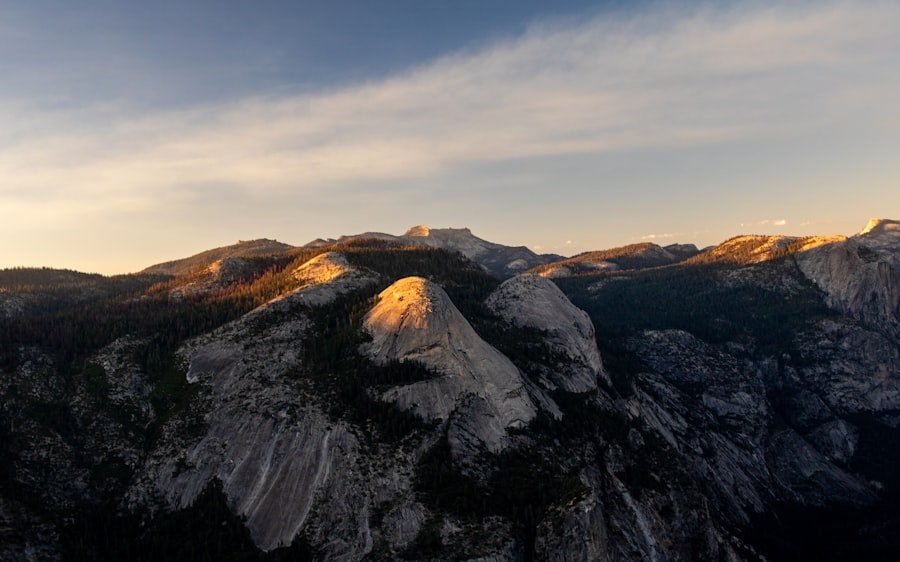
The castle occupies a rocky spur above Neuchâtel, allowing visitors around the ramparts to look across the city’s roofs toward Lake Neuchâtel and, in clear weather, the Alps.
The castle now serves as the seat of the cantonal government, so interior access is more controlled than at a conventional sightseeing castle. The surrounding historic area and sentry walk are still worthwhile even when you are mainly interested in the exterior and panorama.
Yverdon-les-Bains Castle
At the southwestern end of Lake Neuchâtel, Yverdon-les-Bains combines thermal-spa traditions with a historic town centre. Its 13th-century castle was built under Peter of Savoy and now houses cultural institutions including the Musée d’Yverdon et région.
The castle is an important historical stop, but it should not be treated as the lake’s strongest elevated panorama. It stands in the centre of Yverdon-les-Bains, and visitors seeking broad water views should also walk toward the lakeshore or continue north to Grandson.
Grandson Castle
Grandson Castle is a better choice when the goal is to combine a medieval fortress with a direct Lake Neuchâtel panorama. The castle overlooks the lake from the historic village of Grandson and has played a major role in regional history, including the Burgundian Wars.
After an extensive renovation project, the attraction reopened on April 1, 2026. Its setting above Lake Neuchâtel makes Grandson one of the most worthwhile historical viewpoints on this side of the lake.
Hidden Gems: Off-the-Beaten-Path Vantage Points
| Vantage Point | Location | Accessibility | Best For |
|---|---|---|---|
| Saint-Blaise lakeshore | Near the northeastern end of Lake Neuchâtel | Easy shoreline access and public transport | Quiet water views and relaxed walks |
| Laténium and Hauterive shoreline | Hauterive | Easy; museum and lakeside paths | Archaeology, shoreline scenery, families |
| La Tène shoreline | Marin-Epagnier area | Easy; lakeshore setting | History, sandy shoreline, calm lake scenes |
| Cudrefin and nearby wetlands | Eastern/southeastern lake area | Mostly easy, low-elevation walking | Birdlife, open horizons, quieter sunsets |
Saint-Blaise is a good choice when you want a quieter atmosphere without leaving the Neuchâtel side of the lake. Its streets, shoreline, nearby vineyards, and connections toward Chaumont give you several ways to combine village scenery with the wider landscape.
For a stronger historical element, continue toward Hauterive and the Laténium archaeology park, then toward La Tène. La Tène is important archaeologically and sits directly beside Lake Neuchâtel, but it is better described as a scenic lakeshore and cultural stop than an elevated viewpoint.
These places do not provide the same bird’s-eye panorama as Chaumont or Creux du Van. Their appeal comes from being closer to the water, quieter, and easier to explore at an unhurried pace.
Best Vantage Points for Sunset and Sunrise Views
Sunrise and sunset photography around Lake Neuchâtel changes significantly with the season because the sun’s rising and setting position moves along the horizon. For that reason, no single shore is guaranteed to put the sun directly over the water every month of the year.
Auvernier for Early and Late Light
Auvernier’s lakeside and vineyard setting makes it attractive during the softer light near sunrise and sunset. Calm mornings can produce clean reflections, while late-day light adds texture to vineyards, stone buildings, and the Jura slopes.
Neuchâtel Waterfront
The Neuchâtel lakeside promenade, including areas around Quai Ostervald and the wider waterfront, is one of the easiest places to photograph the lake without a hike. You can frame boats, promenades, trees, city architecture, and distant mountains in the same scene.
Depending on the season, the strongest color may occur to one side of your main lake view rather than directly over the water. Arrive early enough to walk along the shore and adjust your composition as the light changes.
Cudrefin and the Open Eastern Shore
Cudrefin and nearby low-lying shoreline areas can work particularly well for broad evening horizons. With fewer large urban structures in the foreground, compositions can emphasize water, reeds, changing clouds, and silhouettes of the Jura.
Chaumont and Chasseral for Elevated Golden-Hour Views
High viewpoints give you a wider sky and layered landscape, which can be especially effective shortly after sunrise or before sunset. Always allow enough time to descend safely, and confirm transport schedules or road access before relying on a mountain location for the final light of the day.
Note: “Golden hour” is a useful photography term, but it is not always exactly 60 minutes long. Its duration varies with latitude, season, terrain, and weather.
Outdoor Activities with Stunning Lake Views
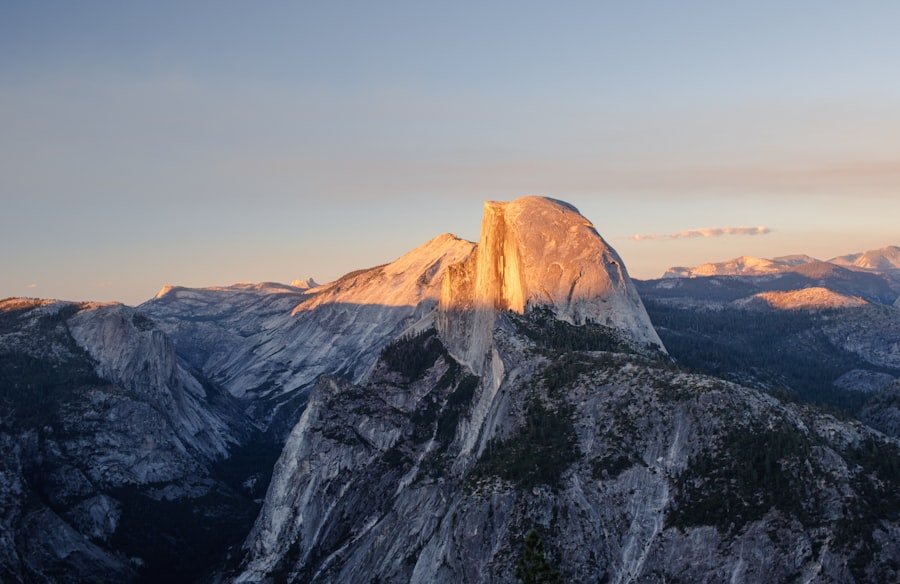
Lake Neuchâtel is not limited to static viewpoints. Walking, hiking, cycling, boating, stand-up paddleboarding, and other water activities can all reveal different sides of the landscape.
Walking and Hiking
The northern shore includes vineyard landscapes, towns, beaches, and lakeside paths, while the Jura rises quickly behind the water. Easier walks near Neuchâtel, Saint-Blaise, Hauterive, Auvernier, and Grandson can be combined with more demanding excursions such as Chaumont or Creux du Van.
Do not assume every scenic trail is easy simply because it overlooks the same lake. A flat lakeshore walk and a Jura summit route have very different footwear, weather, navigation, and fitness requirements.
Kayaking, Paddleboarding, and Pedal Boats
Being on Lake Neuchâtel changes the perspective completely. From a kayak, paddleboard, or pedal boat, the shore becomes the backdrop and the scale of the Jura becomes easier to appreciate.
Rental opportunities are available at several places around the lake during the warmer part of the year. Conditions can change, however, so check the weather and local operating status before setting out.
Warning: A calm-looking lake can become difficult when wind or storms develop. Use appropriate flotation equipment, stay within your ability, and follow local rental-provider and navigation instructions.
Dining and Relaxation with Lake Neuchâtel Views
After exploring the viewpoints, the lakefront in Neuchâtel and other shore towns offers cafés and restaurants where scenery becomes part of the experience. Outdoor terraces are particularly attractive in good weather, and regional menus may include Swiss classics, local wines, and freshwater fish depending on the restaurant and season.
Fondue can be an enjoyable way to finish a cooler evening, while summer visitors may prefer a lighter meal beside the water. Rather than choosing solely by cuisine, check where the terrace faces if the view is important to you; a restaurant located near the lake does not automatically have an unobstructed lake panorama.
Yverdon-les-Bains is also well known as a thermal-spa destination. It can be combined with a day around the southwestern end of the lake, although spa facilities should not be assumed to provide direct lake views unless the individual venue specifically advertises them.
Tips for Capturing the Best Photos of Lake Neuchâtel
Good Lake Neuchâtel photography depends as much on weather and position as on the camera. The softer light shortly after sunrise and before sunset can reduce harsh contrast and bring more depth to water, vineyards, towns, and mountain layers.
For the most dimensional landscape photographs, use changing light, foreground detail, and the lake’s reflections rather than relying only on a wide panorama.
- Use foreground elements: vineyards, reeds, stone walls, boats, flowers, or historic architecture can give a wide lake view more depth.
- Try an elevated and a shoreline angle: photograph the same area from Chaumont or another height, then compare it with images taken close to the water.
- Watch the wind: still conditions usually create stronger reflections, while wind adds texture and movement to the water.
- Protect highlights: bright sky and reflected sunlight can easily become overexposed, especially near sunrise or sunset.
- Be patient: passing clouds, boats, birds, and shifting light can change a composition within minutes.
- Stay safely positioned: never move close to an exposed cliff or unstable edge simply to improve a photograph.
Lake Neuchâtel is more than a single scenic stop. Its strongest appeal comes from the contrast between high Jura viewpoints, historic towns, vineyards, wetlands, beaches, and quiet stretches of water. Chaumont gives you the easiest classic panorama, Creux du Van brings more adventure, Mont Vully and Chasseral reveal the wider Three-Lakes region, and the lakeshore offers a slower way to experience the same landscape.
Whether you are hiking above the lake, photographing reflections from the shore, exploring a castle, paddling on calm water, or sitting down for a meal, changing your viewing height and location will show you a different side of Lake Neuchâtel.
If you are planning a picnic during your viewpoint tour, you can also prepare food before leaving for the day. One option already featured on the site is this guide to delicious homemade cottage cheese, which can be packed with bread, fruit, or other picnic foods for an easy lakeside stop.
Frequently Asked Questions
What are the best viewpoints at Lake Neuchâtel?
Chaumont is the best easy-access elevated panorama, while Creux du Van is the strongest choice for dramatic Jura scenery. Mont Vully and Chasseral offer wide Three-Lakes views, and Neuchâtel Castle and Grandson Castle combine historic settings with lake scenery.
What can I see from the Chaumont panoramic viewpoint?
Chaumont overlooks the city of Neuchâtel, Lake Neuchâtel, the Three Lakes region, and the Swiss Plateau. In clear weather, the panorama can extend to major Alpine peaks, including the Eiger, Mönch, and Jungfrau.
Do I have to pay to visit Lake Neuchâtel viewpoints?
Many outdoor viewpoints and lakeshore locations are free, but specific attractions, towers, museums, guided tours, parking, and transport may charge a fee. Chaumont’s panorama tower and guided visits inside Neuchâtel Castle are examples of attractions where a small charge may apply. Check current official information before traveling because prices can change.
Can I reach Lake Neuchâtel viewpoints by public transportation?
Yes. Neuchâtel and many lakeside towns have good rail or local transit connections. Chaumont is particularly convenient because the funicular runs from La Coudre to the heights above the city. Noiraigue railway station is a common starting point for hikers heading toward Creux du Van.
When is the best time to visit Lake Neuchâtel viewpoints?
Late spring through autumn gives the widest choice of hiking routes and generally easier high-elevation access. The lake and towns can still be beautiful in winter, but mountain roads and trails may be snowy, icy, closed, or inaccessible by car. Always check conditions for Creux du Van, Chasseral, and other high viewpoints before a winter trip.
Which Lake Neuchâtel viewpoint is easiest for families?
Chaumont is one of the easiest high viewpoints because the funicular removes most of the climbing. Neuchâtel’s waterfront, Saint-Blaise, Hauterive, and La Tène are also good options when you prefer flatter walking. Creux du Van requires much closer supervision because of exposed cliff edges and mountain conditions.
Where should photographers go around Lake Neuchâtel?
Chaumont works well for wide panoramas, Creux du Van for dramatic landscapes, Grandson for castle-and-lake compositions, and Auvernier or the Neuchâtel waterfront for reflections and shoreline scenes. Mont Vully and Chasseral are especially useful when you want multiple lakes and distant Alpine layers in a single panorama.
Sources
- Swiss Confederation: Lakes and Rivers — Lake Neuchâtel’s status as the largest lake wholly within Switzerland and its approximate surface area.
- Jura & Three-Lakes: Chaumont Panorama Tower — Chaumont panorama, tower, access, and visibility information.
- Jura & Three-Lakes: Creux du Van — natural-site information and visitor safety guidance.
- Jura & Three-Lakes: Neuchâtel Castle — castle history, location, and sentry-walk information.
- Jura & Three-Lakes: Panorama from Mont Vully — Mont Vully’s position and Three-Lakes panorama.
- Northern Vaud Tourism: Grandson Castle — castle history and its setting overlooking Lake Neuchâtel.