Lavertezzo Bridge, also known as Ponte dei Salti, gives you one of the most striking photo spots in Switzerland’s Verzasca Valley. The double-arched stone bridge, clear river water, smooth granite boulders, and steep green slopes all compete for attention in the same frame. This guide shows you how to choose the best light, viewpoint, gear, and composition so your photos feel sharp, balanced, and true to the place.
What’s in This Article
- Choosing the Best Time for Lavertezzo Bridge Photography
- Equipment and Gear for Capturing Lavertezzo Bridge
- Finding the Best Viewpoint for Lavertezzo Bridge
- Composition and Framing Techniques
- Dealing with Lighting Challenges
- Tips for Capturing the Water and Surrounding Landscape
- Post-Processing and Editing Tips for Lavertezzo Bridge Photography
- Frequently Asked Questions
Quick Answer
For the best Lavertezzo Bridge photos, visit soon after sunrise or before sunset when the light looks soft and warm. Bring a wide-angle lens, tripod, polarizing filter, and neutral density filter if you want smooth water shots. Use the river, rocks, and bridge arches to guide the viewer’s eye through the frame.
Key Takeaways
- Visit during early morning or late afternoon for softer light and fewer harsh shadows.
- Use a wide-angle lens to frame the bridge, river, rocks, and valley together.
- Bring a tripod and neutral density filter for long exposures of the Verzasca River.
- Use a polarizing filter to cut glare and bring out the river’s clear blue-green color.
- Try low, high, and riverbank viewpoints before you settle on your final composition.
Lavertezzo Bridge sits in the village of Lavertezzo in Ticino, Switzerland. The bridge crosses the Verzasca River, which draws visitors with its clear water and smooth stone riverbed. Its double-arch shape, rustic stonework, and natural setting make it a strong subject for landscape and travel photography.
The area combines human craft with mountain scenery. You can frame the bridge with granite cliffs, traditional stone houses, trees, waterfalls, and the river’s sculpted boulders. Understanding these features helps you plan stronger photos before you press the shutter.
Choosing the Best Time for Lavertezzo Bridge Photography
Timing shapes the mood of your Lavertezzo Bridge photos more than almost any camera setting. Aim for golden hour, shortly after sunrise or before sunset, when warm light brings out the texture of the stone and rocks. During these times, long shadows add depth without the harsh contrast of midday sun.
Season also changes the scene. Spring brings fresh green plants and wildflowers, while autumn adds warm color to the trees. Winter can give you a quieter scene with snow on nearby slopes, while summer adds swimmers and more movement around the river.
If you want calm photos, arrive early. Morning light often gives you softer reflections, fewer people, and more time to test different viewpoints.
Equipment and Gear for Capturing Lavertezzo Bridge
You can photograph Lavertezzo Bridge with many cameras, but the right gear gives you more creative control. A DSLR or mirrorless camera works well because you can change lenses and control exposure. A wide-angle lens, such as 16-35mm, helps you capture the full bridge and river in one frame.
A telephoto lens, such as 70-200mm, lets you isolate stone details, people on the bridge, or layers in the valley. Bring a sturdy tripod if you plan to shoot in low light or create long exposures. A tripod also helps you keep your framing precise while you wait for better light or fewer people.
A polarizing filter can reduce glare on the water and make the river color stand out. A neutral density (ND) filter lets you use slower shutter speeds in bright light, which helps you smooth the moving water. Pack extra batteries and memory cards so you don’t miss a good moment.
Finding the Best Viewpoint for Lavertezzo Bridge
| Viewpoint | Best For | Photo Tip |
|---|---|---|
| Riverbank below the bridge | Reflections, arches, and water movement | Use rocks as foreground elements. |
| Side path near the bridge | Classic travel photos and balanced framing | Place the bridge off-center. |
| Higher hillside trail | Wide valley views and scale | Include the river curve for depth. |
The best viewpoint depends on the story you want your photo to tell. From the riverbank below the bridge, you can frame the arches above the clear water and use reflections as part of the scene. This angle works well when the water runs calm enough to show detail.
You can also move to nearby paths and higher ground for a wider view. A short walk along marked paths can reveal angles that show the bridge, river, and valley together. Higher viewpoints work best when you want to show how the bridge fits into the landscape.
Pro tip: Take one safe scouting lap without your tripod before you choose a final shooting spot.
Composition and Framing Techniques
Strong composition helps your Lavertezzo Bridge photos feel clear and intentional. Use the rule of thirds by placing the bridge or a key arch away from the center. This simple choice often gives the river and rocks more room to lead the viewer through the image.
The Verzasca River can act as a natural leading line. Let the water guide the eye toward the bridge, then use rocks or trees to add depth. You can also frame the bridge with branches, stone walls, or boulders, as long as those elements don’t distract from the main subject.
Try both horizontal and vertical frames. A horizontal frame works well for the full bridge and valley, while a vertical frame can highlight the river’s path toward the arches.
Dealing with Lighting Challenges
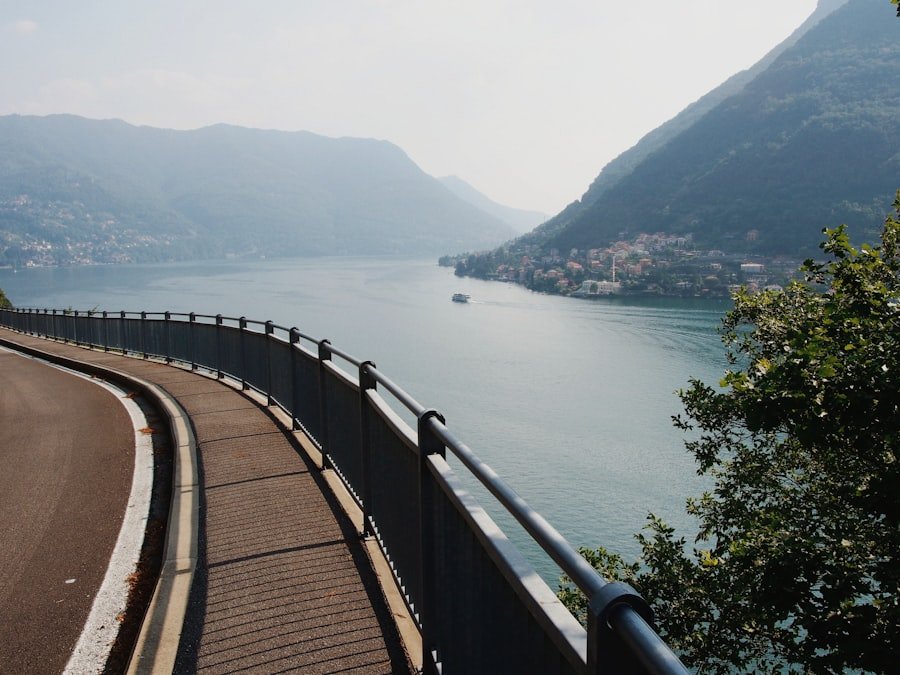
Lavertezzo Bridge can create tough lighting because stone, water, and bright sky all reflect light in different ways. Midday sun can create blown highlights on the water and deep shadows under the arches. For easier exposure, shoot early or late when the light looks softer.
If you visit during midday, look for shade and work with tighter compositions. A polarizing filter can cut glare and help you see more detail below the water’s surface. You can also change your angle until reflections look cleaner and less harsh.
Warning: Wet rocks near the Verzasca River can feel slick, so choose safe footing before you set up your shot.
Tips for Capturing the Water and Surrounding Landscape
The Verzasca River gives your photos color, motion, and texture. For silky water, mount your camera on a tripod and use a slower shutter speed. An ND filter helps you slow the shutter without overexposing the image.
You don’t always need smooth water, though. A faster shutter speed can freeze splashes, ripples, and small cascades over the rocks. This choice creates a sharper, more energetic image and works well when the river runs fast.
Watch how the water reflects the sky and surrounding trees. A small shift in camera position can change the color and brightness of the river. During golden hour, those reflections can add warmth and contrast to the cool water.
Post-Processing and Editing Tips for Lavertezzo Bridge Photography
Post-processing should make your photo look clean, not artificial. Start with exposure, contrast, white balance, and highlights. These basic edits help you recover detail in the stone bridge, bright water, and shaded rocks.
Use selective adjustments with care. You can add a small amount of saturation to the river to bring out its blue-green tone, but avoid making the color look fake. Sharpen the bridge and nearby rocks enough to show texture without creating harsh edges.
Cropping can improve a strong image fast. Remove distracting edges, straighten the bridge, and keep the river or arches placed with purpose. Small framing changes often make the final photo feel more polished.
Frequently Asked Questions
What is the Lavertezzo bridge viewpoint?
The Lavertezzo bridge viewpoint refers to the popular photo area around Ponte dei Salti in the Verzasca Valley. You can photograph the double-arched stone bridge, the clear Verzasca River, and the surrounding rocks from several nearby angles.
Where is the Lavertezzo bridge viewpoint located?
The Lavertezzo bridge viewpoint sits near the village of Lavertezzo in the canton of Ticino, Switzerland. It lies in the Verzasca Valley, a mountain valley known for clear river water and stone villages.
What are the best camera settings for Lavertezzo Bridge?
For sharp handheld photos, start around f/8, ISO 100 to 400, and a shutter speed fast enough to avoid blur. For smooth water, use a tripod, low ISO, small aperture, and a slower shutter speed with an ND filter.
Do you need a tripod at Lavertezzo Bridge?
You don’t need a tripod for every photo, but it helps a lot in low light and long exposures. It also lets you refine your composition while you wait for people to move out of the frame.
What lens works best for Lavertezzo Bridge photography?
A wide-angle lens works best for full bridge and river scenes. A telephoto lens also helps when you want to isolate the bridge arches, stone texture, or people crossing the bridge.
If you’re planning a visit to the picturesque Lavertezzo Bridge, prepare before you arrive. Choose soft light, scout several viewpoints, and match your camera settings to the look you want. Start with one wide scene, then move closer for details, reflections, and water movement. With patience and safe footing, you can leave with photos that show both the bridge’s structure and the valley’s quiet beauty.
For those interested in exploring more delightful experiences, you might enjoy reading about the “Exploring the Delightful World of Asian Melon” in this related article. This piece offers a refreshing look at the vibrant and flavorful world of Asian melons, which could be a practical travel snack as you explore Lavertezzo.