

Nestled in the heart of the Swiss Alps, Oeschinensee is a breathtaking glacial lake that captivates visitors with its stunning turquoise waters and dramatic mountain backdrop. Located near the town of Kandersteg in the Bernese Oberland region, this natural wonder is not only a popular destination for hikers and outdoor enthusiasts but also a haven for photographers seeking to capture the essence of alpine beauty. The viewpoint overlooking Oeschinensee offers a panoramic vista that showcases the lake’s vibrant colors, surrounded by towering peaks and lush forests, making it an ideal spot for both casual visitors and serious photographers alike.
The journey to Oeschinensee is as enchanting as the destination itself. Visitors can take a scenic gondola ride from Kandersteg, which provides an aerial perspective of the landscape, or opt for a more adventurous hike that winds through picturesque meadows and dense woodlands. Upon reaching the viewpoint, one is greeted with an awe-inspiring sight: the lake’s shimmering surface reflecting the sky and mountains, creating a mesmerizing tableau that changes with the light throughout the day.
This unique combination of natural elements makes Oeschinensee a must-visit location for anyone looking to experience the raw beauty of Switzerland.
Key Takeaways
- Oeschinensee Viewpoint offers stunning views of the Swiss Alps and a pristine mountain lake
- The best time to visit Oeschinensee is during the summer months for clear skies and vibrant greenery
- Use a polarizing filter to reduce glare and capture the vivid colors of Oeschinensee
- A wide-angle lens and tripod are recommended for photographing the expansive landscapes of Oeschinensee
- Incorporate leading lines and the rule of thirds to create dynamic compositions of Oeschinensee
The Best Time to Visit Oeschinensee
Timing plays a crucial role in experiencing Oeschinensee at its finest.
During this period, the weather is generally mild, with temperatures ranging from 15°C to 25°C (59°F to 77°F), making it ideal for hiking and outdoor activities.
The lush greenery surrounding the lake is at its peak, and wildflowers bloom in vibrant colors, adding to the picturesque scenery. Additionally, the longer daylight hours provide ample opportunities for exploration and photography. However, visiting during the shoulder seasons of late spring or early autumn can also yield stunning results.
In late spring, typically in May and early June, the snow-capped peaks contrast beautifully with the emerging greenery, creating a striking visual effect. Autumn, on the other hand, brings a different palette altogether; as the leaves change color, the landscape transforms into a canvas of warm hues. Each season offers its own unique charm, allowing photographers to capture Oeschinensee in various moods and atmospheres.
Photography Tips for Capturing the Beauty of Oeschinensee
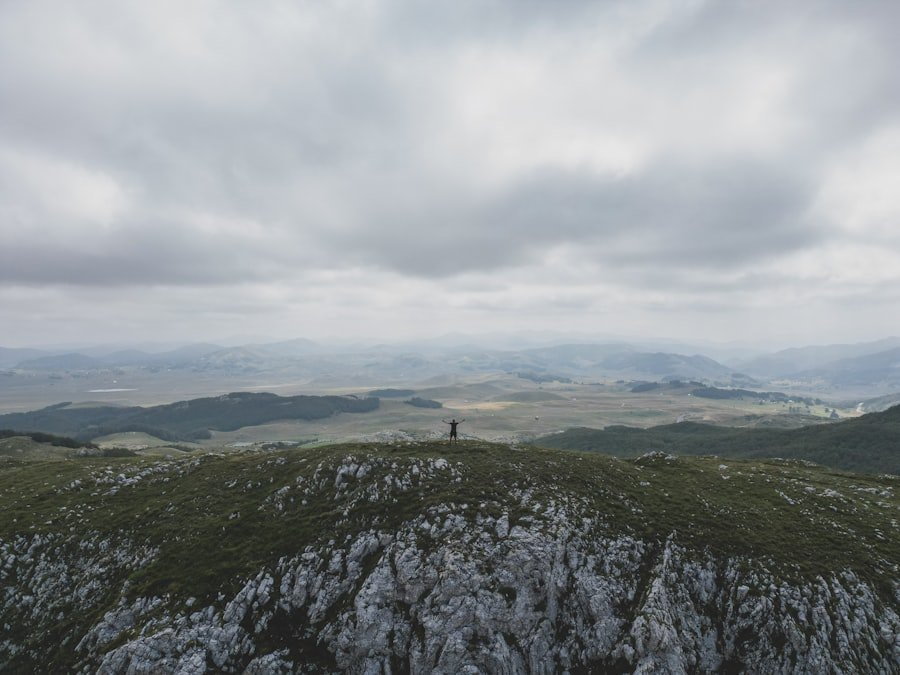
Capturing the beauty of Oeschinensee requires more than just pointing and shooting; it demands an understanding of light, composition, and timing. One of the most critical aspects of photography in this stunning location is to be mindful of the golden hours—early morning and late afternoon—when the sunlight casts a warm glow over the landscape. During these times, shadows are softer, and colors are more vibrant, enhancing the overall quality of photographs.
Arriving at the viewpoint before sunrise can reward photographers with ethereal mist rising from the lake, creating a mystical atmosphere that is hard to replicate at other times of day. Another essential tip is to explore different angles and perspectives. While the classic viewpoint offers a breathtaking view of Oeschinensee, venturing along the trails that surround the lake can reveal hidden gems and unique compositions.
For instance, capturing reflections of the mountains in the lake’s surface can create striking images that highlight the symmetry and tranquility of the scene. Additionally, incorporating foreground elements such as wildflowers or rocks can add depth to photographs, drawing viewers into the image and providing context to the grandeur of Oeschinensee.
Equipment Recommendations for Photographing Oeschinensee
| Equipment | Recommendation |
|---|---|
| Camera | DSLR or mirrorless camera with manual settings |
| Lens | Wide-angle lens for landscape shots |
| Tripod | Sturdy tripod for stability |
| Filters | Polarizing filter for reducing glare on water |
| Remote Shutter Release | For long exposure shots |
When it comes to photographing Oeschinensee, having the right equipment can significantly enhance your experience and results. A DSLR or mirrorless camera with manual settings is highly recommended for those looking to take full control over their photography. These cameras allow for adjustments in exposure, aperture, and shutter speed, enabling photographers to adapt to varying lighting conditions effectively.
A versatile zoom lens, such as a 24-70mm or 18-55mm lens, is ideal for capturing both wide landscapes and detailed shots of flora or fauna. In addition to a camera and lens, a sturdy tripod is essential for long exposure shots, especially during dawn or dusk when light levels are lower. A tripod stabilizes the camera, preventing blurriness caused by hand movement and allowing for sharper images.
For those interested in capturing dynamic scenes such as waterfalls or moving clouds, a neutral density (ND) filter can be beneficial. This filter reduces light entering the lens, enabling longer exposure times without overexposing images. Lastly, don’t forget extra batteries and memory cards; being in such a beautiful location often leads to taking more photos than anticipated.
Composition and Framing Techniques for Oeschinensee Photography
Effective composition is key to creating compelling photographs of Oeschinensee. One widely used technique is the rule of thirds, which involves dividing your frame into a grid of nine equal parts using two horizontal lines and two vertical lines. By positioning key elements along these lines or at their intersections, photographers can create more balanced and engaging images.
For instance, placing the horizon along one of the horizontal lines can enhance the sense of depth in landscape shots. Another technique to consider is leading lines, which guide viewers’ eyes through an image. The trails leading down to Oeschinensee or the contours of surrounding hills can serve as natural leading lines that draw attention toward the lake itself.
Additionally, framing your subject using natural elements such as trees or rock formations can create a sense of intimacy within your photographs while emphasizing the grandeur of the landscape beyond. Experimenting with different compositions will help you discover unique perspectives that showcase Oeschinensee’s beauty in fresh ways.
Weather Considerations for Oeschinensee Photography
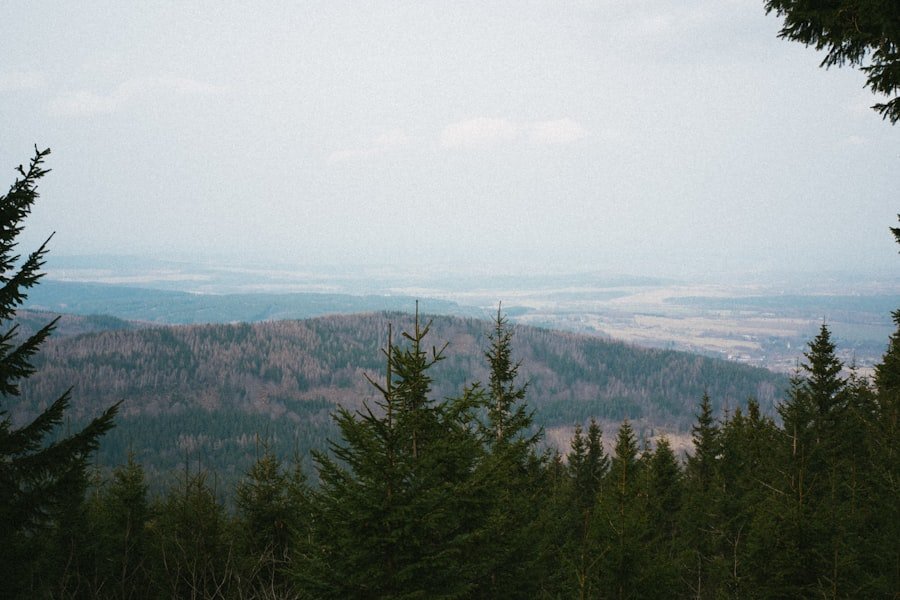
Weather conditions can dramatically influence both your experience at Oeschinensee and the quality of your photographs. Clear skies may seem ideal for capturing vibrant colors; however, overcast days can provide soft diffused light that reduces harsh shadows and highlights.
Additionally, misty or foggy conditions can add an element of mystery to your images, creating ethereal scenes that evoke emotion. It’s also important to be prepared for sudden weather changes in mountainous regions like Kandersteg. Carrying weather-resistant gear for both yourself and your camera can ensure you’re ready for unexpected rain or snow showers.
A rain cover for your camera or a simple plastic bag can protect your equipment while allowing you to continue shooting in less-than-ideal conditions. Monitoring weather forecasts before your visit can help you plan accordingly; however, being flexible with your schedule may lead to unexpected photographic opportunities when conditions shift.
Post-Processing Tips for Enhancing Oeschinensee Photos
Post-processing is an integral part of modern photography that allows you to refine your images after capturing them. Software like Adobe Lightroom or Photoshop provides powerful tools for enhancing photos taken at Oeschinensee. One common adjustment is correcting exposure; if your image appears too dark or too bright due to challenging lighting conditions, adjusting exposure levels can bring out details that may have been lost in shadows or highlights.
Color correction is another vital aspect of post-processing. The vibrant hues of Oeschinensee can sometimes appear muted due to camera settings or lighting conditions at the time of capture. Utilizing tools like vibrance and saturation sliders can help restore those vivid colors without making them look unnatural.
Additionally, sharpening your images can enhance details in textures such as rocky surfaces or foliage around the lake. However, it’s essential to apply sharpening judiciously; over-sharpening can lead to unwanted artifacts that detract from image quality.
Preserving the Beauty of Oeschinensee through Responsible Photography
As photographers flock to capture the stunning vistas of Oeschinensee, it becomes increasingly important to practice responsible photography to preserve this natural wonder for future generations. One fundamental principle is adhering to established trails and viewpoints rather than venturing off-path into sensitive ecosystems. Straying from designated areas can lead to soil erosion and damage delicate flora that contributes to the area’s biodiversity.
Additionally, respecting wildlife is crucial when photographing in natural settings like Oeschinensee. Maintaining a safe distance from animals ensures their well-being while allowing you to capture candid moments without disturbing their natural behavior. It’s also essential to follow local regulations regarding drone usage; while aerial photography can provide unique perspectives, it may disrupt wildlife and other visitors if not used responsibly.
By prioritizing conservation efforts and practicing ethical photography techniques, we can all contribute to preserving the breathtaking beauty of Oeschinensee for years to come.
If you’re planning a visit to the breathtaking Oeschinensee viewpoint, capturing the stunning vistas with your camera is a must. To make the most of your photography experience, consider visiting during the golden hours of sunrise or sunset when the light is soft and warm, enhancing the natural beauty of the landscape. Additionally, using a polarizing filter can help reduce glare and enhance the colors of the lake and surrounding mountains. For more tips on capturing the perfect shot, you might find inspiration in this related article that, while focusing on a different subject, offers insights into exploring and appreciating the beauty of nature through photography.
FAQs
What is the Oeschinensee viewpoint?
The Oeschinensee viewpoint is a popular spot in Switzerland that offers stunning panoramic views of the Oeschinen Lake and the surrounding mountains. It is a favorite destination for hikers and nature enthusiasts.
What are some photography tips for capturing the Oeschinensee viewpoint?
When photographing the Oeschinensee viewpoint, it’s important to consider the lighting conditions. Early morning or late afternoon light can create beautiful and dramatic effects on the landscape. Using a wide-angle lens can help capture the expansive views, and incorporating elements such as the lake, mountains, and surrounding vegetation can add depth to the composition.
Are there any specific photography techniques to consider at the Oeschinensee viewpoint?
Using a tripod can be beneficial for capturing sharp and detailed images, especially in low light conditions. Additionally, experimenting with different shutter speeds and apertures can help achieve the desired effect, whether it’s capturing the movement of the water or creating a shallow depth of field to focus on specific elements of the landscape.
What are some recommended camera settings for photographing the Oeschinensee viewpoint?
For landscape photography at the Oeschinensee viewpoint, using a smaller aperture (higher f-stop) can help ensure that both the foreground and background are in focus. Additionally, using a low ISO setting can minimize noise in the image, especially in well-lit conditions. Experimenting with different settings and bracketing exposures can help achieve the best results.
Are there any specific challenges to consider when photographing the Oeschinensee viewpoint?
Weather conditions can change rapidly in the mountains, so it’s important to be prepared for potential changes in light, temperature, and precipitation. Additionally, the terrain around the viewpoint can be rugged, so it’s important to take caution and ensure the safety of both yourself and your equipment while capturing the beauty of the Oeschinensee viewpoint.