

Nestled in the heart of the Swiss Alps, Titlis is a majestic mountain that rises to an elevation of 3,238 meters (10,623 feet) above sea level. It is renowned not only for its breathtaking views but also for its year-round snow and ice, making it a popular destination for tourists and photographers alike. The mountain is part of the Uri Alps and is located in the canton of Obwalden, near the picturesque village of Engelberg.
Titlis is accessible via a series of cable cars, which provide visitors with a unique opportunity to experience the stunning alpine landscape from various vantage points. The journey to the summit is as much a part of the experience as the destination itself, with panoramic views unfolding at every turn. The allure of Titlis extends beyond its physical beauty; it is steeped in cultural significance and history.
The mountain has been a site of exploration and adventure for centuries, attracting climbers, hikers, and nature enthusiasts. The iconic Titlis Rotair, the world’s first revolving cable car, offers an unparalleled perspective of the surrounding peaks and glaciers. As visitors ascend, they are treated to a visual feast of rugged terrain, glistening ice formations, and lush valleys below.
This combination of natural wonder and accessibility makes Titlis a prime location for photographers seeking to capture the essence of the Swiss Alps.
Key Takeaways
- Titlis is a stunning mountain in the Swiss Alps, known for its breathtaking views and diverse photography opportunities.
- When choosing a viewpoint, consider the angle of the sun, the position of the clouds, and the overall composition of the landscape to capture the best possible images.
- Tips for capturing the beauty of Titlis include using a tripod for stability, experimenting with different focal lengths, and taking advantage of the changing light throughout the day.
- Understanding lighting and weather conditions is crucial for capturing dynamic and impactful photos, so be prepared to adapt to changing conditions and make the most of natural light.
- When it comes to equipment and camera settings, consider using a wide-angle lens for expansive landscapes, adjusting the aperture for depth of field, and using a low ISO for optimal image quality.
Choosing the Right Viewpoint
Selecting the ideal viewpoint is crucial for capturing the essence of Titlis. The mountain offers a variety of locations from which to shoot, each providing a unique perspective on its grandeur. One of the most popular spots is the summit itself, where visitors can stand on the glacier and take in a 360-degree view of the surrounding peaks.
From this vantage point, photographers can capture the interplay of light and shadow on the snow-covered slopes, as well as the distant mountains that stretch into the horizon. Another noteworthy viewpoint is the Titlis Cliff Walk, which is Europe’s highest suspension bridge. This thrilling structure not only provides an adrenaline rush but also offers stunning views of the valley below and the rugged cliffs that define the landscape.
Photographers can experiment with different angles and compositions here, capturing both the bridge itself and the dramatic backdrop of Titlis. Additionally, lower elevations around Engelberg provide opportunities to photograph the mountain framed by charming Swiss chalets or lush green meadows during the warmer months, showcasing a different aspect of its beauty.
Tips for Capturing the Beauty of Titlis
To truly capture the beauty of Titlis, photographers should consider several key tips that can enhance their images. First and foremost, timing is essential. The golden hours—early morning and late afternoon—offer soft, diffused light that can dramatically enhance the textures and colors of the landscape.
During these times, shadows become elongated, adding depth to photographs and creating a more dynamic composition. Planning visits around these times can yield stunning results. Another important aspect is to embrace the changing weather conditions.
The Swiss Alps are known for their unpredictable weather, which can shift rapidly throughout the day. While clear skies provide excellent visibility, moody clouds can add drama to photographs. Capturing Titlis shrouded in mist or partially obscured by clouds can evoke a sense of mystery and grandeur.
Photographers should be prepared to adapt their plans based on weather changes, as these moments often lead to unique photographic opportunities.
Understanding Lighting and Weather Conditions
| Metrics | Lighting Conditions | Weather Conditions |
|---|---|---|
| Visibility | Good | Clear skies |
| Color Temperature | Warm or cool | Sunny or overcast |
| Shadows | Strong or soft | Partly cloudy or foggy |
| Glare | Low or high | Rainy or snowy |
Lighting plays a pivotal role in photography, especially in a mountainous environment like Titlis.
To mitigate this effect, photographers can use techniques such as bracketing exposures or employing graduated neutral density filters to balance the light between the sky and the land.
Understanding how light interacts with snow and ice is also crucial; it can reflect sunlight in ways that create dazzling highlights or stark contrasts. Weather conditions are equally important when planning a photography session at Titlis. The region experiences rapid changes in weather due to its elevation and geographical features.
Snowstorms can create a serene winter wonderland, while clear days reveal expansive vistas. Monitoring local weather forecasts and being flexible with shooting schedules can help photographers take advantage of optimal conditions. For instance, shooting after a fresh snowfall can result in pristine landscapes with untouched snow glistening under soft light.
Equipment and Camera Settings
When photographing Titlis, having the right equipment is essential for capturing high-quality images. A DSLR or mirrorless camera with manual settings allows for greater control over exposure, aperture, and shutter speed. A sturdy tripod is also recommended for stability, especially in low-light conditions or when using longer exposures to capture movement in clouds or flowing water.
A smaller aperture (f/8 to f/16) increases depth of field, ensuring that both foreground and background elements are sharp—a crucial factor when photographing expansive landscapes. Additionally, utilizing a polarizing filter can enhance colors and reduce glare from reflective surfaces like snow and ice, resulting in more vibrant images.
Composition and Framing
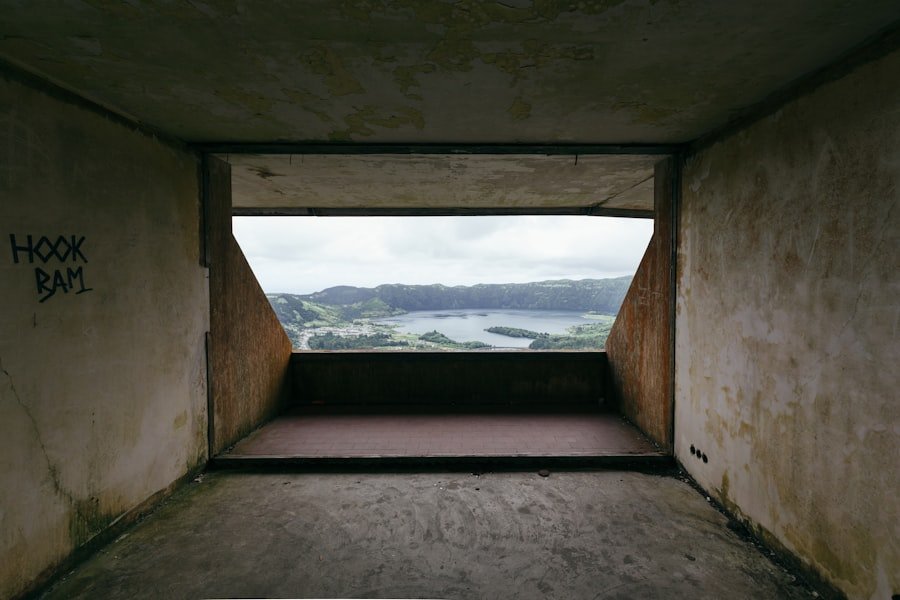
Composition is a fundamental aspect of photography that can significantly impact how an image is perceived. When photographing Titlis, employing techniques such as the rule of thirds can create more balanced and engaging images. By positioning key elements along imaginary lines that divide the frame into thirds, photographers can draw viewers’ eyes into the scene more effectively.
Incorporating leading lines is another powerful compositional technique. Natural features such as trails, rivers, or ridges can guide the viewer’s gaze toward focal points within the image—be it the summit of Titlis or a striking foreground element like a rock formation or wildflower. Additionally, framing elements such as trees or archways can add depth to photographs while providing context to the vastness of the alpine landscape.
Post-Processing Techniques
Post-processing is an integral part of modern photography that allows photographers to enhance their images further after capturing them. Software like Adobe Lightroom or Photoshop provides tools for adjusting exposure, contrast, saturation, and sharpness—elements that can elevate an image from good to exceptional. For instance, fine-tuning highlights and shadows can help recover details lost in bright snow or dark shadows.
Color correction is another vital aspect of post-processing. The unique lighting conditions at high altitudes can sometimes lead to color casts that may not accurately represent what was seen in person. Adjusting white balance ensures that snow appears crisp white rather than tinted blue or yellow.
Additionally, applying subtle sharpening techniques can enhance details in textures like ice formations or rocky surfaces without introducing unwanted noise.
Conclusion and Final Thoughts
Capturing the beauty of Titlis requires not only technical skill but also an appreciation for its unique environment. By understanding how to choose viewpoints effectively, adapt to lighting conditions, utilize appropriate equipment settings, compose images thoughtfully, and enhance photographs through post-processing techniques, photographers can create stunning representations of this iconic Swiss mountain. Each visit to Titlis offers new opportunities for exploration and creativity; thus, embracing spontaneity while remaining prepared will yield rewarding photographic experiences that reflect both personal vision and the awe-inspiring nature of this alpine wonderland.
If you’re planning a visit to the Titlis viewpoint, you’re in for a visual treat that offers breathtaking panoramic views perfect for photography enthusiasts. To make the most of your experience, consider timing your visit during the golden hour for the best lighting conditions. Additionally, using a polarizing filter can help reduce glare and enhance the colors of the stunning alpine scenery. For more tips on capturing the perfect shot, you might find inspiration in this article about exploring the delightful world of Asian melon, which offers insights into capturing vibrant and colorful subjects.
FAQs
What is the Titlis viewpoint?
The Titlis viewpoint is a popular tourist destination located in the Swiss Alps. It offers stunning panoramic views of the surrounding mountains and valleys.
Where is the Titlis viewpoint located?
The Titlis viewpoint is located in the canton of Obwalden in Switzerland, near the town of Engelberg.
What are some photography tips for capturing the Titlis viewpoint?
– Use a wide-angle lens to capture the expansive views.
– Consider the lighting conditions and time of day for the best shots.
– Experiment with different angles and perspectives to capture unique compositions.
– Be prepared for changing weather conditions and dress accordingly.
Are there any specific photography restrictions at the Titlis viewpoint?
Visitors are generally allowed to take photographs at the Titlis viewpoint for personal use. However, commercial photography or the use of drones may be subject to specific restrictions or permits.
What are the best times of year to visit the Titlis viewpoint for photography?
The Titlis viewpoint can be visited year-round, each season offering unique photographic opportunities. Spring and summer provide lush green landscapes, while autumn offers vibrant foliage. Winter brings snow-covered vistas and the possibility of capturing the Northern Lights.