

The Rigi Viewpoint, often referred to as the “Queen of the Mountains,” is a breathtaking destination located in the heart of Switzerland. This majestic peak rises to an elevation of 1,798 meters and offers panoramic views that stretch across the Swiss Alps, Lake Lucerne, and beyond. The viewpoint is accessible via cogwheel train, which adds to the allure of the journey, allowing visitors to experience the stunning landscapes as they ascend.
The Rigi is not just a geographical landmark; it is a cultural icon that has inspired artists, poets, and photographers alike. The interplay of light and shadow on the mountains, the shimmering surface of the lake, and the quaint villages nestled in the valleys create a visual feast that captivates anyone fortunate enough to visit. The unique geographical position of Rigi provides a variety of vantage points, each offering a different perspective of the surrounding landscape.
From the summit, one can witness the majestic peaks of the Bernese Alps to the south and the rolling hills of central Switzerland to the north. The changing weather conditions can dramatically alter the scenery, with mist rolling in to create an ethereal atmosphere or clear skies revealing a vibrant tapestry of colors at sunrise and sunset. Understanding these elements is crucial for photographers aiming to capture the essence of this remarkable location.
The Rigi Viewpoint is not merely a spot on a map; it is a dynamic environment that invites exploration and creativity.
Key Takeaways
- The Rigi viewpoint offers stunning panoramic views of the Swiss Alps and Lake Lucerne.
- Choosing the right equipment, such as a wide-angle lens and tripod, is essential for capturing the expansive landscape.
- Timing your visit during sunrise or sunset can provide the best lighting for dramatic and colorful photos.
- Framing your shots with foreground elements, such as trees or rocks, can add depth and interest to your photos.
- Utilizing the rule of thirds can help create balanced and visually appealing compositions in your photos.
Choosing the Right Equipment
When preparing for a photography expedition to the Rigi Viewpoint, selecting the appropriate equipment is paramount. A DSLR or mirrorless camera with interchangeable lenses is ideal for capturing high-quality images. A wide-angle lens, typically ranging from 16mm to 35mm, is particularly useful for encompassing the vast landscapes and dramatic skies that characterize this region.
Additionally, a telephoto lens can be beneficial for isolating specific features in the landscape, such as distant peaks or charming villages dotting the valleys below. For those who prefer compact gear, high-end point-and-shoot cameras or advanced smartphone cameras can also yield impressive results, especially when equipped with additional lenses or filters. In addition to the camera body and lenses, other accessories can enhance your photography experience.
A sturdy tripod is essential for long exposure shots, particularly during dawn or dusk when light levels are low. It allows for stability and precision, ensuring that images remain sharp even with slower shutter speeds. Filters, such as polarizers or neutral density filters, can help manage reflections and control exposure in bright conditions.
Furthermore, carrying extra batteries and memory cards is crucial; the last thing you want is to miss a stunning shot due to equipment failure. By carefully selecting your gear based on your photographic goals and style, you can maximize your chances of capturing breathtaking images at Rigi.
Timing Your Visit for the Best Light
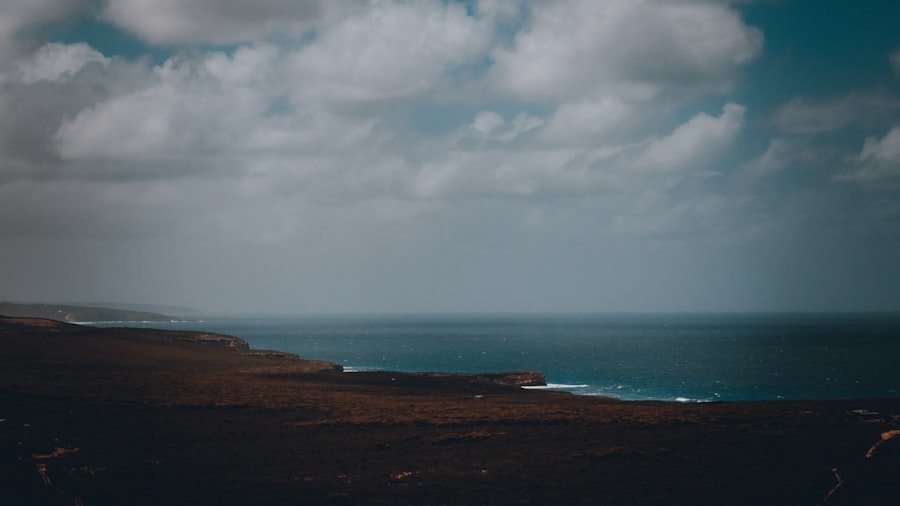
Timing is a critical factor in landscape photography, especially at a location as visually dynamic as Rigi. The golden hours—shortly after sunrise and just before sunset—are often considered the best times for photography due to the soft, warm light that bathes the landscape. During these times, shadows become elongated, adding depth and dimension to your images while enhancing textures in the foreground and background.
The early morning light can create a magical atmosphere as it filters through mist or clouds, illuminating the peaks in a soft glow. Conversely, sunset can produce vibrant hues of orange, pink, and purple that reflect off the lake’s surface, creating stunning compositions. However, it’s not just about capturing images during these golden hours; understanding seasonal variations can also influence your photographic outcomes.
In spring and summer, wildflowers bloom on the lower slopes of Rigi, adding splashes of color to your compositions.
Winter offers its own unique charm; snow-covered landscapes can create stark contrasts and dramatic scenes that are equally captivating.
By planning your visit according to these seasonal changes and light conditions, you can ensure that your photographs reflect the true beauty of Rigi throughout the year.
Framing Your Shots
| Aspect Ratio | Rule of Thirds | Leading Lines |
|---|---|---|
| 1:1, 4:3, 16:9 | Dividing the frame into 9 equal parts | Lines that lead the viewer’s eye to the main subject |
Framing is an essential aspect of photography that can significantly impact how viewers perceive an image. At Rigi Viewpoint, there are numerous natural elements that can be utilized to create compelling compositions. For instance, incorporating foreground elements such as rocks, trees, or wildflowers can add depth to your photographs and draw viewers’ eyes into the scene.
This technique helps establish a sense of scale and context while enhancing visual interest. Additionally, using natural frames—such as arching branches or rock formations—can guide the viewer’s gaze toward the main subject of your photograph. Another effective framing technique involves utilizing leading lines within your composition.
These lines can be found in various forms at Rigi: winding paths leading up the mountain, rivers flowing through valleys, or even clouds stretching across the sky. By positioning these lines strategically within your frame, you can create a sense of movement and direction that leads viewers deeper into your image. Experimenting with different framing techniques allows you to convey various emotions and narratives through your photographs while showcasing the stunning beauty of Rigi.
Utilizing the Rule of Thirds
The Rule of Thirds is a fundamental principle in photography that can help create balanced and engaging compositions. By dividing your frame into nine equal parts using two horizontal and two vertical lines, you can identify key points where elements can be placed for maximum impact. Positioning your main subject along these lines or at their intersections often results in more dynamic images compared to centering your subject directly in the middle of the frame.
At Rigi Viewpoint, this technique can be particularly effective when capturing expansive landscapes or dramatic skies. For example, if you are photographing a sunset over Lake Lucerne from Rigi’s summit, consider placing the horizon along one of the horizontal lines rather than directly in the center. This approach allows you to allocate more space for either the sky or foreground elements, depending on what you wish to emphasize.
Similarly, if there are interesting rock formations or trees in your foreground, positioning them at one of the intersections can create a more engaging composition that draws viewers into your photograph. While breaking this rule occasionally can lead to striking results, understanding its principles will enhance your ability to create visually appealing images.
Experimenting with Different Angles
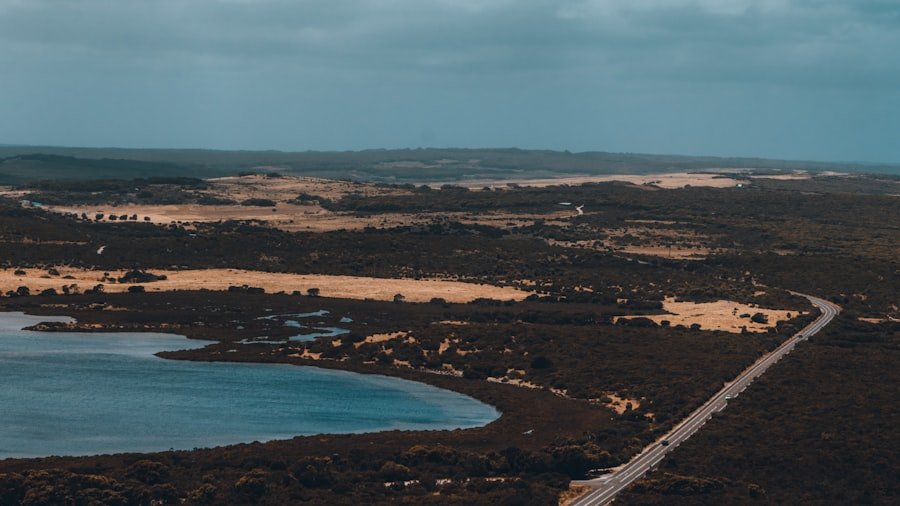
One of the most exciting aspects of photography is exploring various angles and perspectives to capture unique images. At Rigi Viewpoint, there are countless opportunities to experiment with different vantage points that can dramatically alter how a scene is perceived. Instead of always shooting from eye level, consider crouching down low to capture foreground elements more prominently or climbing higher to gain an aerial perspective of the landscape below.
Each angle offers its own narrative and emotional resonance; thus, taking time to explore these options can lead to unexpected and captivating results. Additionally, incorporating unconventional angles can add an element of intrigue to your photographs. For instance, shooting from an extreme low angle might emphasize towering mountains against a dramatic sky while creating a sense of grandeur.
Conversely, shooting from above—perhaps from a nearby lookout point—can provide a sweeping view that showcases both natural features and human elements like trails or buildings nestled in the landscape. By embracing experimentation with angles and perspectives at Rigi Viewpoint, you open yourself up to new creative possibilities that can elevate your photography.
Enhancing Your Photos with Editing
Post-processing is an integral part of modern photography that allows photographers to refine their images further after capturing them in-camera. While it’s essential to strive for great shots during your time at Rigi Viewpoint, utilizing editing software such as Adobe Lightroom or Photoshop can help enhance colors, contrast, and sharpness in your photographs. Adjusting exposure levels can bring out details hidden in shadows or highlights while fine-tuning color balance ensures that your images accurately reflect what you experienced during your visit.
Moreover, editing provides an opportunity to experiment with creative effects that may not have been achievable in-camera. Techniques such as HDR (High Dynamic Range) imaging allow photographers to blend multiple exposures together for greater detail in both bright and dark areas of an image—a particularly useful approach when dealing with high-contrast scenes like sunsets over Lake Lucerne. Additionally, cropping can help refine compositions by removing distracting elements or emphasizing specific subjects within your frame.
By embracing post-processing as part of your workflow, you can transform good photographs into stunning visual narratives that truly capture the essence of Rigi.
Respecting the Environment and Wildlife
As photographers venture into natural landscapes like Rigi Viewpoint, it is crucial to prioritize environmental stewardship and respect for wildlife. The delicate ecosystems surrounding this iconic mountain are home to various flora and fauna that contribute to its beauty and biodiversity.
Practicing Leave No Trace principles ensures that future visitors can enjoy this stunning location without compromising its integrity. Additionally, being mindful of wildlife interactions is vital for both photographers and animals alike. Many species inhabit the Rigi region; observing them from a distance allows for natural behavior without causing stress or disruption.
Using telephoto lenses enables photographers to capture intimate moments without encroaching on animals’ personal space. By fostering a respectful relationship with nature during your photographic pursuits at Rigi Viewpoint, you contribute positively to conservation efforts while enriching your own experience in this breathtaking environment.
If you’re planning a visit to the breathtaking Rigi viewpoint, known for its panoramic vistas and stunning natural beauty, you’ll want to capture the perfect shot to remember your experience. To enhance your photography skills, consider exploring various techniques such as using the rule of thirds, experimenting with different angles, and taking advantage of the golden hour for optimal lighting. For those interested in expanding their creative horizons beyond photography, you might find inspiration in the delightful world of culinary arts. Check out this related article on delicious homemade cottage cheese, which offers a simple and healthy recipe to try at home.
FAQs
What is the Rigi viewpoint?
The Rigi viewpoint is a popular vantage point located in the Swiss Alps, offering stunning panoramic views of the surrounding mountains, lakes, and valleys.
Where is the Rigi viewpoint located?
The Rigi viewpoint is situated in the canton of Schwyz in Switzerland, and can be accessed via the Rigi mountain range.
What are some photography tips for capturing the Rigi viewpoint?
– Use a wide-angle lens to capture the expansive views.
– Consider the lighting conditions and time of day for the best shots.
– Experiment with different angles and perspectives to create unique compositions.
– Utilize a tripod to ensure sharp and steady images, especially in low light conditions.
– Incorporate elements of the surrounding landscape to add depth and interest to your photos.
Are there any specific photography restrictions at the Rigi viewpoint?
While photography is generally allowed at the Rigi viewpoint, it’s important to be mindful of other visitors and to respect any designated areas or guidelines for photography. Additionally, commercial photography or the use of drones may be subject to specific regulations and permits.