

The Swiss National Park, established in 1914, is a remarkable testament to the preservation of natural beauty and biodiversity in the heart of the Swiss Alps. Spanning over 68,000 acres, it is the only national park in Switzerland and serves as a sanctuary for a wide variety of flora and fauna. The park’s diverse ecosystems range from lush valleys to rugged mountain peaks, providing a unique habitat for numerous species, including ibex, chamois, marmots, and golden eagles.
The park’s commitment to conservation is evident in its strict regulations that limit human interference, allowing nature to thrive in its most authentic form. Visitors to the Swiss National Park are often struck by its breathtaking landscapes, which change dramatically with the seasons. In spring, vibrant wildflowers blanket the meadows, while summer brings lush greenery and the sounds of rushing streams.
Autumn transforms the park into a canvas of warm hues, as leaves turn shades of gold and crimson. Winter, on the other hand, cloaks the park in a serene layer of snow, creating a tranquil atmosphere that attracts winter sports enthusiasts and photographers alike. Understanding these seasonal changes is crucial for anyone looking to capture the essence of the park through photography.
Key Takeaways
- The Swiss National Park is the oldest national park in the Alps and is home to a diverse range of flora and fauna.
- When choosing equipment for photographing in the Swiss National Park, consider lightweight and versatile options to accommodate the varying terrain and weather conditions.
- The best locations for photography in the Swiss National Park include the Val Trupchun, Macun Lakes, and the Fuorcla Val dal Botsch areas.
- Timing your shots in the Swiss National Park is crucial, with early morning and late afternoon providing the best lighting conditions for capturing stunning landscapes and wildlife.
- Embracing natural light is essential for capturing the true beauty of the Swiss National Park, so avoid using artificial lighting whenever possible.
Choosing the Right Equipment
Selecting the appropriate equipment is paramount for anyone aiming to photograph the stunning vistas and wildlife of the Swiss National Park. A sturdy camera body with a high-resolution sensor is essential for capturing the intricate details of the landscape and its inhabitants. DSLRs or mirrorless cameras are popular choices among photographers due to their versatility and superior image quality.
Additionally, investing in a range of lenses can significantly enhance your photographic capabilities. A wide-angle lens is ideal for capturing expansive landscapes, while a telephoto lens allows for close-up shots of wildlife without disturbing their natural behavior. Beyond the camera and lenses, other accessories can greatly improve your photography experience.
A sturdy tripod is indispensable for long exposure shots, especially in low-light conditions or when capturing the delicate movements of water in streams and waterfalls. Filters, such as polarizers and neutral density filters, can help manage reflections and control light exposure, allowing for more dynamic images. Furthermore, carrying extra batteries and memory cards ensures that you won’t miss any fleeting moments during your exploration of this pristine environment.
Finding the Best Locations
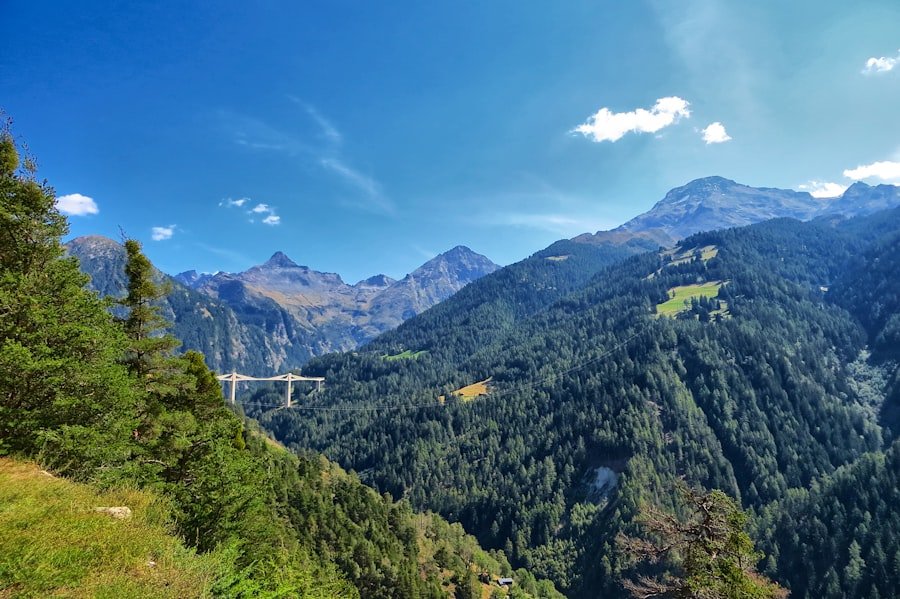
The Swiss National Park is replete with stunning locations that offer endless opportunities for photography. One of the most iconic spots is the Val Trupchun, known for its breathtaking views and rich wildlife. This valley is particularly famous for its ibex population, which can often be seen grazing on rocky outcrops.
The combination of dramatic mountain backdrops and vibrant meadows makes it an ideal location for capturing both wildlife and landscape photography. Another noteworthy area is the Fuorn Pass, which provides panoramic views of the surrounding peaks and valleys. The pass is accessible via well-marked hiking trails that lead you through diverse ecosystems, from dense forests to alpine meadows.
Additionally, the park’s many lakes, such as Lake Lai da Rims or Lake S-charl, offer tranquil settings that reflect the surrounding mountains, creating opportunities for captivating mirror-like images.
Timing Your Shots
| Player | Shot Timing | Accuracy |
|---|---|---|
| Player 1 | 0.5 seconds | 90% |
| Player 2 | 0.8 seconds | 85% |
| Player 3 | 0.6 seconds | 92% |
Timing is a critical element in photography, particularly when it comes to capturing the Swiss National Park’s ever-changing landscapes and wildlife activity. The golden hours—shortly after sunrise and just before sunset—are often regarded as the best times for photography due to the soft, warm light that enhances colors and textures. During these times, shadows become elongated, adding depth to your images while creating a magical atmosphere that can transform even the most ordinary scenes into extraordinary photographs.
Moreover, understanding animal behavior can significantly improve your chances of capturing wildlife in action. Many animals are most active during dawn and dusk when they venture out to feed. Observing these patterns can help you plan your outings effectively.
For instance, if you’re hoping to photograph chamois or ibex, early morning hikes to their known habitats can yield rewarding results as they graze in the soft morning light. Conversely, midday light can be harsh and unflattering; thus, it’s often better suited for exploring shaded areas or focusing on macro photography of plants and insects.
Embracing the Natural Light
Natural light plays a pivotal role in photography, especially in a setting as picturesque as the Swiss National Park. The quality of light can dramatically alter the mood and tone of your images. Overcast days can provide soft diffused light that minimizes harsh shadows and highlights, making it an excellent time for capturing details in both landscapes and wildlife without the risk of blown-out highlights.
This type of lighting is particularly beneficial when photographing animals since it allows for more even exposure across their fur or feathers. Conversely, bright sunny days can create striking contrasts and vibrant colors that bring landscapes to life. However, it’s essential to be mindful of how direct sunlight can create harsh shadows or overexposed areas in your images.
Utilizing techniques such as backlighting—where you position your subject between your camera and the sun—can create stunning silhouettes or highlight textures in leaves and fur. Additionally, scouting locations where natural elements like trees or rocks provide shade can help you manage light effectively while still capturing compelling images.
Composing Your Shots
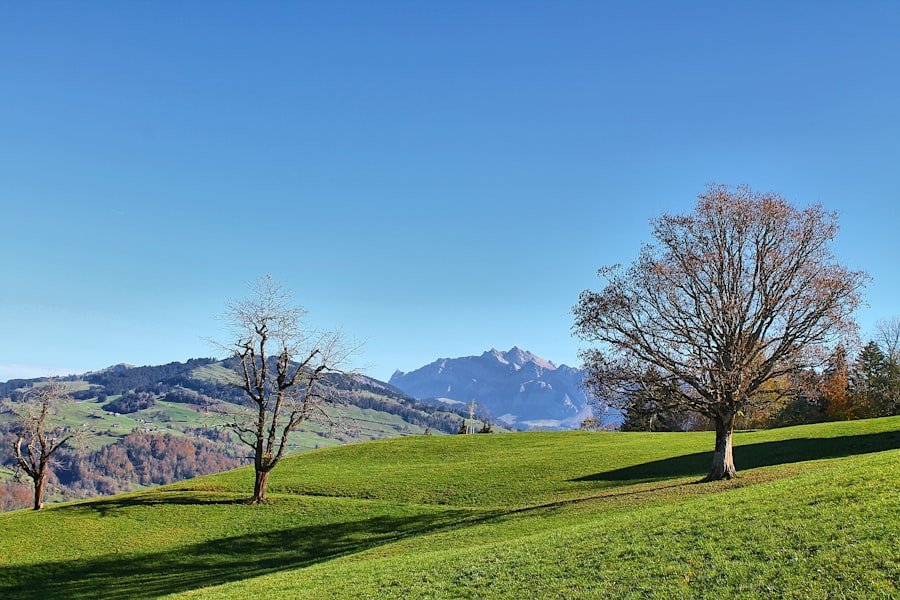
Composition is a fundamental aspect of photography that can elevate your images from ordinary to extraordinary. The Swiss National Park offers a plethora of compositional elements to work with, from sweeping mountain ranges to intricate details in flora and fauna. One effective technique is the rule of thirds, which involves dividing your frame into nine equal parts using two horizontal lines and two vertical lines.
Placing key elements along these lines or at their intersections can create a more balanced and engaging composition.
Natural features such as winding trails, rivers, or rows of trees can serve as effective leading lines that draw attention to your main subject or lead into the depth of the landscape.
Furthermore, incorporating foreground elements can add depth to your images; including rocks or wildflowers in the foreground can create layers that enhance the three-dimensional feel of your photographs.
Capturing Wildlife
Photographing wildlife in their natural habitat presents both challenges and rewards. The Swiss National Park is home to a diverse array of species that offer unique opportunities for wildlife photography. Patience is key; often, it requires waiting quietly for animals to appear or behave naturally without human interference.
Understanding animal behavior can significantly increase your chances of capturing compelling images; for instance, knowing when certain species are most active or where they typically feed can help you position yourself effectively. When photographing wildlife, it’s crucial to respect their space and avoid disturbing them. Using a telephoto lens allows you to capture close-up shots from a distance, minimizing stress on the animals while still achieving detailed images.
Additionally, being aware of your surroundings and moving quietly can prevent startling wildlife. Observing animals through binoculars before raising your camera can also help you anticipate their movements and behaviors, allowing you to be ready when they present an opportunity for a great shot.
Respecting the Environment
As photographers venturing into natural spaces like the Swiss National Park, it is imperative to practice environmental stewardship. The park’s regulations are designed to protect its delicate ecosystems; adhering to these guidelines not only preserves its beauty but also ensures that future generations can enjoy it as well. Staying on marked trails minimizes damage to vegetation and prevents soil erosion while allowing wildlife to thrive undisturbed.
Additionally, practicing Leave No Trace principles is essential when exploring natural areas. This includes packing out all trash, minimizing campfire impacts if camping overnight, and respecting wildlife by observing from a distance rather than attempting to approach or feed them. By being mindful of our impact on these pristine environments, photographers can contribute positively to conservation efforts while capturing stunning images that reflect the beauty and integrity of nature itself.
If you’re planning a visit to the Swiss National Park and are eager to capture its breathtaking vistas, it’s essential to equip yourself with some photography tips to make the most of your experience. The park offers a variety of viewpoints that provide stunning backdrops for your photos, from majestic mountain ranges to serene alpine meadows. To enhance your photography skills, consider experimenting with different angles and lighting conditions, and don’t forget to bring a tripod for those perfect long-exposure shots. For more inspiration on capturing the beauty of nature, you might find it interesting to explore the delightful world of Asian melon, which can offer unique textures and colors for your photography projects. Check out this related article for more insights: Exploring the Delightful World of Asian Melon.
FAQs
What is the Swiss National Park?
The Swiss National Park is a nature reserve located in the Engadin valley in the canton of Graubünden, Switzerland. It was established in 1914 and is the oldest national park in the Alps.
What are the viewpoints in the Swiss National Park?
Some popular viewpoints in the Swiss National Park include Muottas Muragl, Piz Nair, and Diavolezza. These locations offer stunning panoramic views of the park’s diverse landscapes.
What are some photography tips for capturing the Swiss National Park?
When photographing the Swiss National Park, it’s important to consider the lighting conditions, use a tripod for stability, and capture the park’s unique flora and fauna. Additionally, using a wide-angle lens can help capture the expansive landscapes.
Are there any restrictions on photography in the Swiss National Park?
While photography is allowed in the Swiss National Park, visitors are encouraged to respect the park’s regulations and guidelines, including not disturbing wildlife or damaging vegetation for the sake of a photograph.
What wildlife can be photographed in the Swiss National Park?
The Swiss National Park is home to a variety of wildlife, including ibex, chamois, marmots, and golden eagles. These animals can be photographed from a safe distance, and visitors are encouraged to respect their natural habitats.