Verzasca Valley in Switzerland’s canton of Ticino gives photographers a rare mix of clear emerald-green water, pale rock, stone villages, forest, mountain scenery, and historic architecture. The best-known photo stop is Ponte dei Salti in Lavertezzo, but it is only one of several worthwhile viewpoints throughout the valley.
Quick Answer
For classic Verzasca Valley photography, start at Ponte dei Salti in Lavertezzo, then photograph the river, village architecture, Verzasca Dam, Corippo, and Sonogno. Early morning and late afternoon usually give softer light. Bring a polarizing filter if you use a camera, watch the weather, and take river-safety signs seriously.
Key Takeaways
- Ponte dei Salti in Lavertezzo is the signature Verzasca Valley photo location, but the valley has many other worthwhile viewpoints.
- The 17th-century Ponte dei Salti was restored in 1960 after a partial collapse in 1868.
- A circular polarizing filter can reduce glare from water and wet rock, although rotating it too far can make reflections look unnatural.
- Early morning and late afternoon often provide softer light, while overcast weather can work especially well for river and forest details.
- Parking is limited during busy periods, so public transport can be easier in high season.
- The Verzasca River can be dangerous. Stay alert around currents, polished rocks, changing water conditions, and posted Safe Water guidance.
At a Glance
| Time Required | About 1–3 hours for Lavertezzo; allow a half or full day for several valley photo stops |
| Difficulty | Easy to moderate for roadside and village photography; river rocks and trails require more care |
| Tools Needed | Camera or phone; optional polarizer, tripod, ND filter, lens cloth, and rain cover |
| Cost | Transport and parking vary. As of August 2026, official short-stay parking at Lavertezzo Ponte and Lavertezzo Paese is listed at CHF 1 per 20 minutes, or CHF 3 per hour, with a 3-hour maximum |
The color of the Verzasca River changes with the light, water depth, reflections, and surrounding rock. Instead of relying on heavy editing, watch how the scene changes as clouds move or the sun reaches different parts of the narrow valley. Traditional stone buildings, old paths, bridges, and small settlements also give you subjects beyond the river itself.
Best Viewpoints in Verzasca Valley
There is no single officially named attraction called the “Verzasca Valley viewpoint.” The phrase is better understood as a search for the valley’s best scenic photo locations. The most famous is Ponte dei Salti, but a stronger photography itinerary includes several stops.
Ponte dei Salti in Lavertezzo
Ponte dei Salti is the valley’s signature photographic landmark. The two-arched stone bridge dates to the 17th century and was restored in 1960 after being partially destroyed in 1868. Official local tourism information describes it as the most photographed subject in the valley.
For the classic composition, step back far enough to show both arches, the river, and the pale rock around them. A lower viewpoint can emphasize the water and reflections, while a slightly higher position can reveal the shapes of the riverbed and surrounding landscape.
Avoid standing in the middle of a narrow path or blocking the bridge while composing a photograph. During busy periods, a few minutes of patience often produces a cleaner frame than trying to remove crowds later.
Lavertezzo Village and Riverbanks
Lavertezzo offers more than the bridge. Stone houses, narrow lanes, the church, woodland, smooth rock, and river details provide opportunities for wider environmental photographs and tighter architectural compositions.
Look for repeating stone textures and use doorways, paths, walls, or branches to frame a subject. Along the river, foreground rocks can lead the viewer toward the bridge or distant trees. Keep a safe distance from wet rock edges, especially when carrying a tripod or looking through a viewfinder.
Verzasca Dam
The Contra Dam, commonly called the Verzasca Dam, forms a dramatic entrance to the valley. The structure is about 220 metres high, according to the Swiss Committee on Dams.
Its scale works well with a wide-angle lens, but a standard zoom can be more effective when you want to isolate the curve, road, reservoir, or surrounding mountains. Including a person, vehicle, railing, or other familiar object can help communicate the enormous scale of the structure.
Corippo
Corippo adds a different visual character to a Verzasca Valley photo series. Its tightly grouped traditional buildings and steep setting give you opportunities to photograph architecture within the landscape rather than concentrating only on water.
Try both an establishing view that shows the settlement in its surroundings and closer details of stone roofs, walls, windows, and paths.
Sonogno
Sonogno, at the upper end of the valley, is known for traditional stone houses and village scenery. It works especially well if you want a broader photo story that combines the Verzasca River with local architecture and mountain life.
Details such as balconies, stone textures, flowers, lanes, and surrounding peaks can add variety after a morning spent photographing the river.
Verzasca Trail and Quieter River Sections
The Sentierone della Valle Verzasca follows the valley through woodland and past bridges, waterfalls, historic buildings, and sections of the river. Walking even a short portion can lead to quieter compositions away from the busiest bridge viewpoints.
Warning: The Verzasca River can look calm and inviting while still presenting hazards. Official Ticino tourism information warns that the river can conceal dangers. Wet, polished rocks may also be extremely slippery. Follow local Safe Water signs, keep children close, and do not enter or approach fast-moving water simply to get a photograph.
Getting There, Parking, and Crowd Planning
Verzasca Valley can be explored by car or public transport. Official regional tourism information recommends the bus during busy periods because parking is limited in high season.
For drivers, the current Ticino Verzasca Parking Card information lists the short-stay areas at Lavertezzo Ponte and Lavertezzo Paese at CHF 1 per 20 minutes, equivalent to CHF 3 per hour, with a maximum stay of three hours. Parking prices and rules can change, so check the official page before travelling.
If Ponte dei Salti is your main photography target, arriving earlier in the day can help with both parking and crowds. If you plan to photograph several villages, public transport can also remove the need to return to the same parking area after walking part of the valley trail.
Photography Tips for Capturing Verzasca Valley
The strongest Verzasca Valley photographs usually come from matching your technique to the subject instead of using the same settings everywhere. The river, bridge, forest, villages, and dam each respond differently to light and shutter speed.
Use a Polarizing Filter Carefully
A circular polarizing filter can reduce surface glare from water and wet stone, making it easier to see color and detail below the surface. Rotate the filter while watching the effect through the viewfinder or rear screen. Maximum polarization is not always best because removing every reflection can make water look flat or unnatural.
Pro Tip: Take one frame with stronger polarization and another with some reflection left on the water. The second image often feels more natural because reflections help show the shape and movement of the river.
Choose a Shutter Speed for the Look You Want
There is no single correct shutter speed for the Verzasca River. A faster exposure can freeze ripples and preserve texture. A slower exposure can soften moving water. If you want a long exposure in daylight, use a tripod and, when necessary, a neutral density filter.
- Freeze water detail: start around 1/250 second or faster and adjust for the actual speed of the water and available light.
- Show natural movement: experiment around 1/15 to 1/2 second with a stable camera.
- Create very smooth water: try exposures of one second or longer with a tripod and ND filter where conditions allow.
These are starting points rather than fixed rules. Review the image at high magnification and adjust until the amount of motion fits the scene.
Use Foreground Elements for Depth
Rocks, flowers, walls, tree trunks, and paths can give a wide-angle photograph a clear foreground and help lead the viewer toward the bridge, river, village, or mountains.
Do not step onto wet or exposed river rocks just to improve foreground placement. A slightly less dramatic composition from secure ground is a better choice than risking a fall near moving water.
Try More Than One Focal Length
A wide-angle lens is useful for showing Ponte dei Salti with the river and surrounding landscape. A standard zoom can isolate village scenes and rock patterns, while a telephoto lens can compress layers of forest, architecture, and mountains or pick out small details across the river.
Phone Photography Tips
A modern phone is enough for strong Verzasca Valley photographs if you use it carefully. Clean the lens before shooting, tap on the brightest important area to control exposure, and avoid excessive digital zoom. Use the standard or optical camera options whenever possible and photograph in your phone’s RAW format if you plan to edit more heavily later.
For moving water, try your phone’s long-exposure or motion mode if available, but keep the device stable on a railing, small tripod, or secure surface.
Best Times of Day for Photography
| Time | Typical Light | Good Subjects |
|---|---|---|
| Early morning | Often softer light and fewer visitors | Ponte dei Salti, calm river details, village streets |
| Late morning to midday | Stronger contrast where direct sun reaches the valley | Water color, architecture, graphic rock patterns |
| Late afternoon | Potentially warmer, directional light | Villages, wider landscapes, backlit foliage |
| Overcast conditions | Soft, low-contrast illumination | River, waterfalls, forest, stone details |
| Blue hour / night | Low ambient light | Long exposures where access and footing remain safe |
Early morning and late afternoon are useful starting points because the light can be softer than around midday. However, Verzasca is a mountain valley, so surrounding terrain can block direct sunlight. The exact time that light reaches Ponte dei Salti or a river section changes with season and location.
Midday is not automatically a bad time to photograph. Direct sunlight can make the water color vivid, and a polarizer can help manage reflections. Strong contrast can also suit graphic compositions of rock and architecture.
Cloudy weather may be even better for waterfalls, forest scenes, and long-exposure river photographs because the light is more even and shutter speeds are easier to lengthen.
Weather Considerations for Photography
Weather can change both the appearance and safety of a Verzasca Valley photo trip. Clear conditions offer strong color and mountain views, while clouds reduce contrast and can make forest and river scenes easier to expose.
Rain can create saturated stone, foliage, mist, and reflections, but it also makes rock surfaces more slippery. Protect your equipment and avoid moving closer to the water simply because a rainy scene looks dramatic.
Before hiking or spending a long period beside the river, check the latest forecast from MeteoSwiss. Thunderstorms are a normal warm-season weather hazard in Switzerland, and southern Ticino can experience significant precipitation.
Note: Golden-hour times alone do not tell you whether your chosen location will actually receive sunlight. Mountain ridges can shade parts of the valley well before the official sunset or after the official sunrise.
Equipment Recommendations for Photographing Verzasca Valley
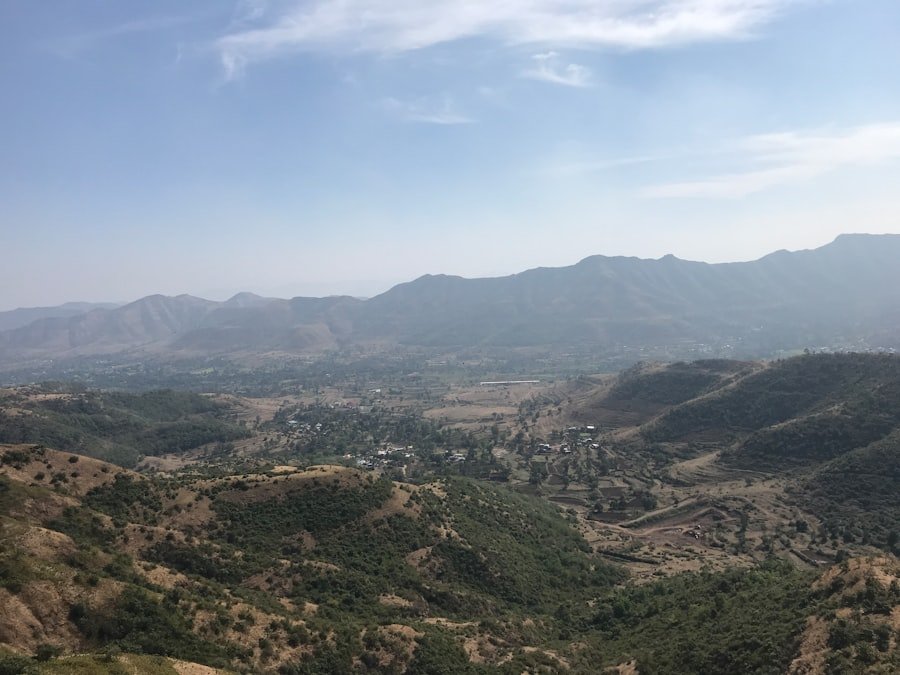
You do not need a large camera kit for Verzasca Valley. A phone, compact camera, DSLR, or mirrorless camera can all work. Choose equipment based on the photographs you want rather than carrying every lens you own.
- Wide-angle lens: useful for the bridge, dam, river foregrounds, and village-with-landscape compositions.
- Standard zoom: a flexible choice for most visitors because it handles landscapes, architecture, people, and tighter details.
- Telephoto lens: useful for isolating mountain layers, distant buildings, foliage, and patterns across the river.
- Circular polarizer: useful for controlling glare on water, foliage, and wet rock.
- Tripod: helpful for low-light and long-exposure photography.
- Neutral density filter: useful when you want a longer shutter speed in bright conditions.
- Lens cloth: valuable around spray, rain, and humid river conditions.
- Rain cover or dry bag: useful when showers are possible.
If you carry a tripod near other visitors, keep its legs out of narrow walking routes and avoid setting it where someone could trip.
Composition and Framing Tips
Use the Bridge as a Shape, Not Just a Subject
The two arches of Ponte dei Salti create strong curves. Try placing the bridge above a sweep of river, framing an arch around distant scenery, or using the curve of the river to lead toward the stonework.
Use Leading Lines
Paths, river edges, bridge railings, stone walls, and flowing water can pull the viewer’s eye through the frame. Decide where you want the viewer to look before placing a leading line.
Build the Image in Layers
A foreground rock or plant, the river or bridge in the middle distance, and mountains or forest in the background can create a stronger sense of depth than a flat scenic view.
Use the Rule of Thirds as a Starting Point
Placing the bridge, horizon, tree, or village away from the exact center often creates a balanced composition, but the rule of thirds is a guide rather than a requirement. Symmetry can work especially well with bridge arches and reflections.
Look for Small Details
After photographing the obvious wide view, search for water patterns, stone textures, leaves, windows, roofs, shadows, and reflections. These details can make a photo series feel more specific to the valley rather than like a collection of generic mountain landscapes.
The strongest Verzasca Valley photo story usually combines the famous Ponte dei Salti view with quieter river details, stone architecture, and one or two wider scenes that show how the villages fit into the mountain landscape.
Post-Processing Tips for Enhancing Verzasca Valley Photos
Post-processing can help match the photograph to what you saw, but the Verzasca River does not need extreme saturation to look distinctive. Start with exposure and white balance, then make smaller adjustments to contrast, highlights, shadows, and color.
Keep the Water Believable
Increasing vibrance can emphasize green and turquoise tones, but watch the rocks, foliage, and skin tones at the same time. If the river begins to glow unnaturally or surrounding stone takes on a strong color cast, reduce the adjustment.
Recover Bright Rock and Water Highlights
Pale rock and reflected sunlight can become very bright. Lowering highlights may restore detail, but badly clipped highlights cannot always be recovered. Checking the histogram while shooting is more reliable than trying to repair heavy overexposure later.
Use Local Adjustments
Graduated masks can help balance a bright sky against a darker valley, while smaller masks can guide attention toward the bridge, river, or village. Keep transitions soft enough that the edit is not obvious.
Crop for a Clearer Composition
Cropping can remove distracting edges and strengthen the position of the main subject. Avoid cropping so tightly that you lose the surrounding landscape that gives Ponte dei Salti or a village its sense of place.
If you enjoy photographing natural color and texture, you can also explore this site’s article on photographing and appreciating natural forms and color.
Drone Photography in Verzasca Valley
Do not assume that a scenic mountain location is automatically open for drone photography. Switzerland’s Federal Office of Civil Aviation states that open-category drones are generally limited to a maximum height of 120 metres above ground and may not be flown over assemblies of people.
Before taking off, use the official Swiss geographical flight-restriction guidance and drone map to check the exact location. Registration and training requirements depend on the aircraft and operation. Crowded conditions around Ponte dei Salti may also make a flight inappropriate even where airspace rules would otherwise allow it.
Frequently Asked Questions
What is the Verzasca Valley viewpoint?
There is not one officially named attraction called the Verzasca Valley viewpoint. Searchers usually mean one of the scenic locations in the valley, especially Ponte dei Salti in Lavertezzo. Other strong photography locations include the Verzasca Dam, Corippo, Sonogno, village streets, and viewpoints along the river trail.
Where is the best-known Verzasca Valley photo spot?
The best-known photo location is Ponte dei Salti in Lavertezzo, in Switzerland’s canton of Ticino. The two-arched stone bridge crosses the Verzasca River and is described by official regional tourism sources as the valley’s most photographed subject.
What are the best photography tips for Verzasca Valley?
Try early morning or late afternoon for softer light, use a polarizer to control glare, photograph both wide landscapes and small details, and experiment with shutter speed to show different amounts of water movement. Overcast weather can be excellent for river, waterfall, forest, and stone scenes.
Is the Verzasca River safe to photograph beside?
You can photograph the river from many accessible areas, but you should treat the water and river rocks cautiously. Official tourism information warns that the river can conceal hazards. Wet polished rocks can be slippery, and conditions can change. Follow all local Safe Water signs and avoid risky positions for a photograph.
Is parking available near Ponte dei Salti?
Yes, there are designated parking areas around Lavertezzo. As of August 2026, the official Ticino parking page lists Lavertezzo Ponte and Lavertezzo Paese short-stay parking at CHF 1 per 20 minutes, or CHF 3 per hour, with a maximum stay of three hours. Parking can be limited in high season, so public transport is worth considering.
Can I fly a drone in Verzasca Valley?
Possibly, but you must check the exact location before every flight. Swiss open-category rules generally limit drones to 120 metres above ground and prohibit flying over assemblies of people. Geographical restrictions can also apply, so consult the official FOCA drone map and current regulations before launching.
Sources
- Valle Verzasca Official Tourism — Ponte dei Salti history, valley attractions, villages, and trails.
- Ascona-Locarno Tourism: Valle Verzasca — official destination information and Ponte dei Salti’s importance as a photo subject.
- Ticino Tourism: Verzasca Parking Card — current valley parking areas and published parking rates.
- Ticino Tourism: Ponte dei Salti — bridge information and official river-safety warning.
- MeteoSwiss — official Swiss forecasts and weather information for planning outdoor photography.
- Swiss Federal Office of Civil Aviation — current drone flight rules and operating limits.