

Contactless payment technology has revolutionized the way consumers conduct transactions, offering a seamless and efficient alternative to traditional payment methods. At its core, contactless payment allows users to make purchases by simply tapping a card or mobile device near a point-of-sale terminal equipped with Near Field Communication (NFC) technology. This method eliminates the need for physical contact between the payment card and the terminal, streamlining the checkout process and reducing transaction times significantly.
The technology is not only limited to credit and debit cards; mobile wallets such as Apple Pay, Google Pay, and Samsung Pay have also embraced this innovation, allowing users to store their card information securely on their devices. The rise of contactless payment can be attributed to several factors, including the increasing demand for convenience in everyday transactions and the growing prevalence of smartphones. In urban environments like London, where speed and efficiency are paramount, contactless payment has become an integral part of the consumer experience.
The technology is designed to facilitate quick transactions, making it particularly appealing in fast-paced settings such as cafes, public transport systems, and retail stores. As consumers become more accustomed to this method of payment, the adoption rate continues to soar, leading to a significant shift in how financial transactions are conducted.
Key Takeaways
- Contactless payment allows for quick and convenient transactions by simply tapping a card or mobile device on a reader.
- The benefits of contactless payment in London include faster transactions, reduced need for cash, and increased convenience for commuters and tourists.
- Contactless payment can be used at various locations in London, including public transportation, retail stores, restaurants, and more.
- Setting up contactless payment in London involves linking a debit or credit card to a contactless-enabled device or card and following the instructions provided by the bank or payment provider.
- Contactless payment in London is secure and safe, with built-in security features such as encryption and tokenization to protect card information.
Benefits of Contactless Payment in London
One of the most significant benefits of contactless payment in London is the speed at which transactions can be completed. With just a simple tap, customers can finalize their purchases in mere seconds, which is particularly advantageous during peak hours when queues can become lengthy. This efficiency not only enhances the customer experience but also allows businesses to serve more customers in a shorter amount of time, ultimately boosting sales and improving operational efficiency.
For instance, during busy lunch hours in central London, cafes and food stalls that accept contactless payments can process orders much faster than those relying on cash or chip-and-pin methods. Another notable advantage is the convenience that contactless payments offer. Consumers no longer need to fumble for cash or search for their cards; instead, they can simply use their smartphones or smartwatches to complete transactions.
This ease of use is especially beneficial for tourists and visitors who may not be familiar with local currency or who prefer not to carry large amounts of cash. Additionally, many contactless payment systems allow users to track their spending through mobile apps, providing insights into their purchasing habits and helping them manage their finances more effectively.
Where to Use Contactless Payment in London

Contactless payment is widely accepted across various sectors in London, making it an incredibly versatile option for consumers. Public transportation is one of the most prominent areas where contactless payments are utilized. The Oyster card system, which has been a staple of London’s transport network for years, now allows users to tap their contactless debit or credit cards directly at ticket barriers on buses, trains, and the Underground.
This integration has simplified travel for millions of commuters and tourists alike, eliminating the need for physical tickets and reducing wait times at ticket machines. Beyond public transport, contactless payments are prevalent in retail environments throughout the city. From major department stores like Harrods and Selfridges to local markets such as Borough Market, shoppers can easily make purchases using their contactless cards or mobile wallets.
Restaurants and cafes have also embraced this technology; many establishments now feature contactless terminals at tables or counters, allowing patrons to settle their bills quickly without the hassle of cash or lengthy card processing times. This widespread acceptance across various sectors underscores the growing importance of contactless payment as a standard method of transaction in London.
How to Set Up Contactless Payment in London
Setting up contactless payment in London is a straightforward process that can be accomplished in just a few steps. For individuals looking to use a contactless debit or credit card, the first step is to ensure that their bank offers this feature. Most major banks in the UK provide contactless cards as part of their standard offerings.
Once a consumer has obtained a contactless card, they simply need to activate it by following the instructions provided by their bank, which typically involves making a small purchase using chip-and-pin technology. For those who prefer using mobile wallets, setting up contactless payment involves downloading an app such as Apple Pay or Google Pay on their smartphone. After installing the app, users can add their debit or credit card information by following the prompts within the application.
This process usually requires verification through a text message or email from the bank to ensure security. Once set up, users can make payments by holding their device near a contactless terminal, making it an incredibly convenient option for everyday transactions.
Security and Safety of Contactless Payment
Security is a paramount concern for consumers when it comes to financial transactions, and contactless payments are designed with multiple layers of protection to ensure safety. One of the key features that enhance security is tokenization; when a transaction is made using a contactless card or mobile wallet, sensitive card information is replaced with a unique token that cannot be used outside that specific transaction. This means that even if a hacker were to intercept the data during transmission, they would not have access to the actual card details.
Additionally, many banks implement fraud detection systems that monitor transactions for unusual activity. If a transaction appears suspicious—such as an unusually large purchase or activity from an unfamiliar location—the bank may temporarily freeze the account until they can verify that the transaction was authorized by the account holder. Furthermore, contactless payments typically have limits on transaction amounts; in the UK, this limit is set at £100 as of October 2023.
This cap minimizes potential losses in case of theft or fraud since larger purchases would require additional verification through chip-and-pin methods.
Contactless Payment Limits and Restrictions in London
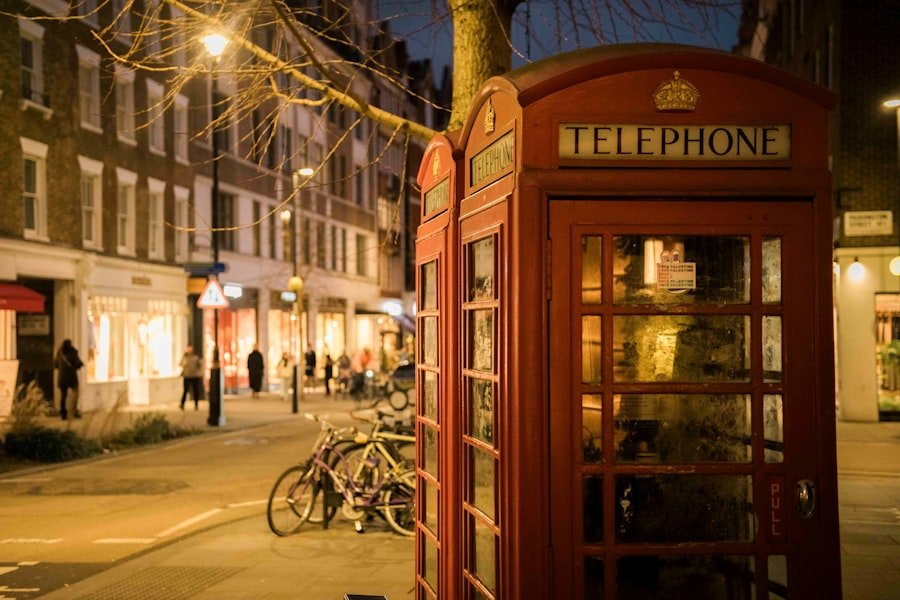
While contactless payments offer convenience and speed, there are certain limits and restrictions that users should be aware of when using this payment method in London. As mentioned earlier, there is a maximum limit for contactless transactions set at £100 per purchase. This limit is designed to enhance security by requiring additional verification for larger amounts, thus reducing the risk associated with unauthorized transactions.
If a consumer attempts to make a purchase exceeding this limit, they will need to use chip-and-pin authentication instead. In addition to transaction limits, there may also be restrictions based on individual bank policies or specific merchants. Some retailers may choose to impose lower limits on contactless payments due to their own security protocols or operational preferences.
It’s advisable for consumers to check with their banks regarding any specific limits associated with their cards and to be aware of merchant policies when making purchases. Understanding these limitations can help users navigate their spending more effectively while ensuring compliance with security measures.
Tips for Using Contactless Payment in London
To maximize the benefits of contactless payment while navigating London’s bustling environment, consumers can follow several practical tips. First and foremost, it’s essential to keep your contactless card or mobile device secure at all times. Avoid leaving your card unattended or exposing it unnecessarily in crowded areas where pickpockets may operate.
When using mobile wallets, ensure that your device is password-protected or secured with biometric authentication such as fingerprint recognition or facial recognition. Another useful tip is to familiarize yourself with the locations where contactless payments are accepted before heading out. Many establishments display signs indicating that they accept contactless payments; however, it’s always wise to confirm with staff if you’re unsure.
Additionally, keeping your card or device ready for quick access can help streamline transactions further—especially during busy periods when time is of the essence. Lastly, regularly monitoring your bank statements for any unauthorized transactions can provide peace of mind and help you catch any potential issues early on.
Future of Contactless Payment in London
The future of contactless payment in London appears bright as technological advancements continue to shape consumer behavior and preferences. With ongoing developments in mobile payment technologies and increased adoption rates among businesses and consumers alike, it’s likely that contactless payment will become even more integrated into daily life. Innovations such as biometric authentication—where payments can be authorized through fingerprint or facial recognition—are already being explored by various financial institutions and tech companies, promising enhanced security and convenience.
Moreover, as London moves towards becoming a smart city with interconnected systems and services, the potential for integrating contactless payment into various aspects of urban life is immense. For instance, future developments may include seamless payment options for parking meters, public restrooms, and even vending machines that utilize contactless technology. As consumer demand for convenience continues to grow alongside advancements in technology, it’s clear that contactless payment will play an increasingly vital role in shaping how transactions are conducted in London and beyond.
If you’re looking for a refreshing treat to enjoy while exploring London, you might want to check out this article on Exploring the Delightful World of Asian Melon. This guide to contactless payment in London will help you navigate the city’s cashless options while you indulge in delicious homemade cottage cheese, as featured in this simple and healthy recipe. And if you’re a fan of rock music, you may be saddened to hear about the passing of rock legend Ozzy Osbourne, as reported in this article.
FAQs
What is contactless payment?
Contactless payment is a secure method for consumers to purchase products or services using a debit, credit, or smartcard by simply tapping their card or mobile device on a contactless-enabled terminal.
How does contactless payment work?
Contactless payment uses radio-frequency identification (RFID) technology to enable secure transactions between a contactless card or mobile device and a contactless-enabled terminal. When the card or device is tapped on the terminal, the transaction is processed without the need for a PIN or signature for low-value purchases.
Where can I use contactless payment in London?
Contactless payment is widely accepted in London, including at retail stores, restaurants, public transportation, and other businesses. Most merchants that accept card payments will also accept contactless payments.
Is contactless payment safe?
Contactless payment is considered safe and secure. It uses encryption and tokenization to protect cardholder information, and there are limits on the value of transactions that can be made using contactless payment without a PIN.
What are the benefits of using contactless payment in London?
Using contactless payment in London offers several benefits, including convenience, speed, and security. It eliminates the need to carry cash, reduces transaction times, and provides a secure way to make purchases.
Are there any limitations to using contactless payment in London?
While contactless payment is widely accepted in London, there may still be some merchants or businesses that do not yet support this payment method. Additionally, there are limits on the value of transactions that can be made using contactless payment without a PIN.