A 9 inch cake is one of the most useful sizes for home baking because it works for everyday desserts, birthdays, anniversaries, and layered celebration cakes. The important detail is that diameter alone does not tell you how many people it will serve. Cake height, number of layers, and the way you cut each portion all affect the final yield.
Quick Answer
A 9-inch round cake can serve roughly 12 to 32 people depending on its height and slice size. A shorter cake gives fewer portions, while Wilton’s 4-inch-high two-layer serving guide allows 24 party portions or 32 smaller wedding portions.
Key Takeaways
- Cake height and cutting style matter just as much as the 9-inch diameter when estimating servings.
- Use the pan size and ingredient temperatures specified by your recipe rather than making automatic substitutions.
- A 9-inch round pan is substantially larger than an 8-inch round, so transferring the same batter can change bake time and overflow risk.
- Storage depends on the frosting and filling; cakes containing ingredients that require refrigeration should stay chilled.
Why the 9 Inch Cake Is a Common Baking Size
The 9-inch round became common because it offers enough surface area for substantial cakes without becoming awkward for a home oven or kitchen. Modern recipe collections frequently use 8- and 9-inch round pans, especially for layer cakes.
A Common Pan Size in Modern Home Baking
There is no single well-documented date when the 9-inch cake became a baking standard. Its popularity is better understood through the widespread use of standardized pans and recipes designed around them.
King Arthur Baking’s pan-size guidance treats 8- and 9-inch round pans as common sizes and shows why seemingly small diameter changes matter. A 9-inch round pan has about 26.6% more volume than an 8-inch round of the same depth.
A Practical Choice for Celebrations
A 9-inch round works well for both single-layer cakes and taller layer cakes. You can serve a simple cake directly from the pan or stack several layers with filling and frosting for a more formal presentation.
This flexibility also makes the size useful when you want one familiar pan to handle several styles of cake. Chocolate, vanilla, carrot, lemon, red velvet, sponge, and other recipes can all be developed for a 9-inch round pan.
Why the Size Still Works
The main advantage is predictability. Once you know your pan’s diameter and depth, you can choose recipes developed for that size and get more consistent layer thickness, baking time, and finished height.
That does not mean every 9-inch recipe behaves the same way. Butter cakes, oil cakes, sponge cakes, cheesecakes, and flourless cakes can require very different temperatures, batter depths, and baking times.
Different Varieties of 9 Inch Cakes

A 9-inch pan can handle many cake styles, from simple snack cakes to filled layer cakes. The best choice depends on the texture you want, how many layers you plan to make, and whether the cake must meet a dietary requirement.
Classic options include vanilla, chocolate, lemon, red velvet, and carrot cake. A chocolate cake can be paired with raspberry filling, while carrot cake commonly works with cream cheese frosting when the finished cake is refrigerated as required.
You can also experiment with flavors such as matcha, coffee, citrus, coconut, spices, berries, or nuts when the recipe has been developed for those ingredients. Flavor additions can change moisture and structure, so use a tested recipe instead of simply adding large amounts of liquid or dry ingredients to an existing formula.
Gluten-free and vegan cakes are also possible in a 9-inch format. However, different flours, fats, and egg replacements behave differently, so a recipe written specifically for the dietary requirement will usually give more reliable results than a direct one-for-one substitution.
When a 9 Inch Cake Is the Right Size
A 9-inch cake suits small and medium gatherings because you can change the serving count by changing the height and cutting pattern. It can be a modest single-layer dessert or a taller celebration cake with enough portions for a larger group.
| Occasion | Why a 9 Inch Cake Works |
|---|---|
| Birthday | A shorter cake can suit a smaller group, while a taller layer cake provides more cake per portion. |
| Anniversary | Two layers give enough height for a filling, decorative finish, and smaller event-style portions. |
| Celebration | The round shape is easy to customize with buttercream, ganache, fruit, sprinkles, or fondant decorations. |
| Family Gathering | It offers a useful middle ground between a small personal cake and a large sheet cake. |
Serving estimates need context. According to Wilton’s cake serving guide, a 4-inch-high 9-inch round cake can provide 24 party servings cut to about 1½ by 2 inches or 32 wedding servings cut to about 1 by 2 inches.
Wilton also states that cakes under 3 inches high yield about half the servings in that chart. That means a shorter 9-inch cake should not be expected to feed the same number of people as a tall two-layer cake.
How to Bake a 9 Inch Cake Evenly
Good results start with using a recipe designed for your pan size and following its mixing method closely. The ingredient temperature, pan preparation, oven temperature, and doneness test should come from the recipe rather than from a single rule applied to every cake.
Measure Ingredients Accurately
Flour is one of the easiest ingredients to overmeasure with a measuring cup. A kitchen scale gives the most repeatable result because you can use the exact gram weight specified by the recipe.
King Arthur Baking recommends weighing flour when possible. If you use cups, follow the measuring method used by the recipe developer rather than packing flour firmly into the cup.
Follow the Recipe’s Ingredient Temperatures
Do not assume every ingredient must always be at room temperature. If a butter cake tells you to use softened butter and room-temperature eggs or milk, those temperatures help the ingredients combine as intended.
Other cakes may be designed for cold ingredients, melted butter, oil, or a one-bowl mixing method. Follow the instructions for the specific recipe you are baking.
Preheat the Oven and Prepare the Pan
Allow the oven to reach the required temperature before baking. If your cakes often bake too quickly, too slowly, or unevenly, an oven thermometer can help you check whether the displayed temperature matches the actual oven temperature.
Prepare the 9-inch pan exactly as directed. Some recipes call for grease, some use parchment, and others require an ungreased surface so the batter can climb the sides correctly.
Do Not Substitute an 8-Inch Round Without Adjusting
An 8-inch and 9-inch round pan may look close in size, but the difference is meaningful. Putting all the batter from a recipe designed for a 9-inch round into a same-depth 8-inch pan makes the batter deeper and raises the risk of overflow, a wet center, or overbaked edges.
If you need to change pan sizes, scale the recipe appropriately or use a tested conversion. Do not rely on diameter alone.
Check for Doneness, Not Just the Clock
Start checking the cake around the earliest time given in the recipe. A finished cake often springs back lightly when touched, may begin pulling slightly from the edge, and should not have wet batter in the center.
For the center test, King Arthur Baking recommends checking with a toothpick or paring knife. The correct final appearance can vary by cake type, so use the recipe’s stated doneness cues when they differ.
After baking, cool the cake in the pan for the period specified by the recipe before turning it onto a rack. Removing a delicate cake too early can cause it to crack, while leaving some cakes in the pan too long can trap excess moisture.
Decorating Ideas for 9 Inch Cakes

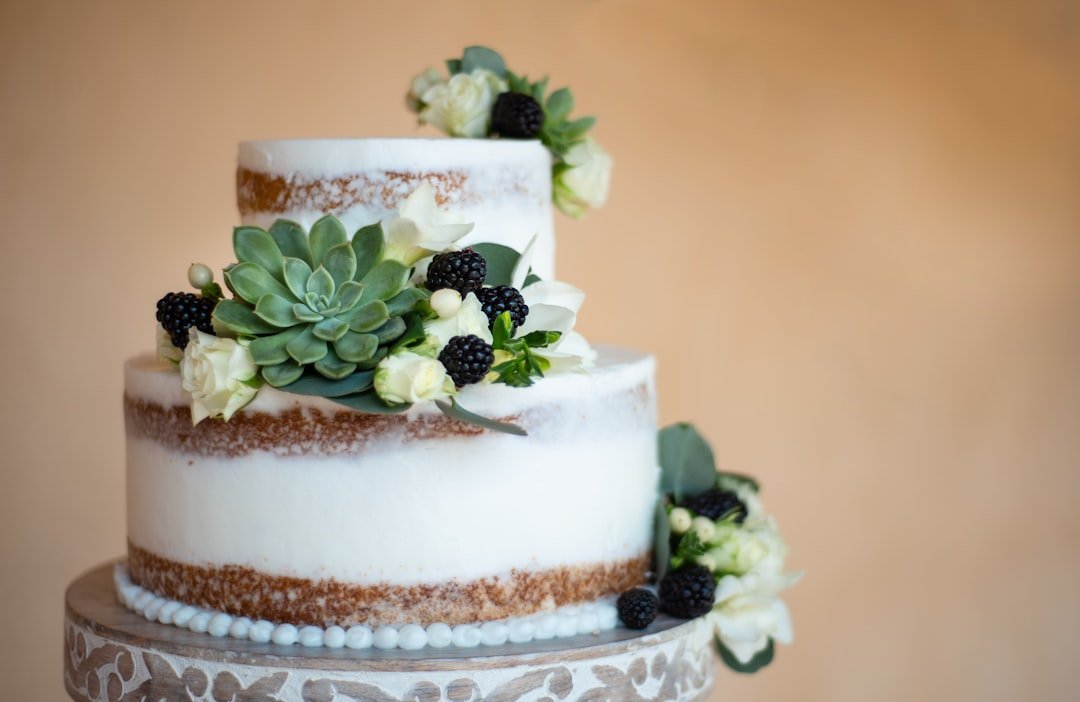
A 9-inch round gives you enough surface area for detailed decoration without requiring the quantity of frosting needed for a large sheet cake. You can keep the finish simple or turn the cake into a centerpiece with layers, piping, fruit, or fondant.
Buttercream is one of the most flexible choices. You can spread it with an offset spatula for a rustic finish, smooth it around the sides, or pipe rosettes, shells, borders, and other designs.
For a layer cake, a thin crumb coat can trap loose crumbs before the final layer of frosting. If you use jam or a soft filling, piping a buttercream border around the edge of the layer can help keep that filling from squeezing out.
Ganache can give a chocolate cake a smooth finish or drip effect. Fresh berries add color and flavor, while sprinkles and fondant decorations make it easy to match birthdays, holidays, or other themes.
If you decorate with flowers, use varieties intended for food presentation and keep non-food-safe stems, wires, and floral materials from direct contact with the cake.
How to Serve and Cut a 9 Inch Cake
The number of portions you get depends heavily on how you cut the cake. Large wedge-shaped home servings produce fewer pieces, while event-style rectangular cuts can create many more consistent portions from the same 9-inch round.
Decide how many servings you need before the first cut. If you are serving a taller layer cake, smaller slices can still provide a substantial amount of cake because each piece has more height.
For cleaner cuts, chill a soft frosted cake briefly if the recipe allows it. King Arthur Baking suggests warming a knife with hot water, drying it, and wiping the blade clean between slices.
Serve slices on plates large enough to support the frosting and filling. Ice cream, whipped cream, fruit, chocolate shavings, or a simple sauce can be added when they complement the flavor rather than covering it up.
Pairing a 9 Inch Cake With a Beverage
A good drink pairing should complement the cake’s sweetness and flavor instead of competing with it. Coffee, tea, milk, sparkling drinks, and fruit-based beverages give you plenty of options for both rich and light cakes.
Chocolate cake pairs naturally with coffee or espresso because their roasted flavors balance the sweetness. If you serve alcohol, a small pour of Port-style dessert wine can also work with a rich chocolate dessert.
Vanilla and lemon cakes pair well with tea, lemonade, or other bright fruit drinks. Sparkling wine or a light fruit cocktail can suit a celebration, while milk, decaffeinated coffee, or iced tea keeps the menu simple for mixed-age gatherings.
For carrot cake or spice cake, coffee and black tea are useful choices because they stand up to cinnamon and other warm spices. Matcha cake naturally pairs with green tea or a mild milk-based drink.
9 Inch Cake Options for Different Dietary Needs
A 9-inch cake can be made gluten-free, dairy-free, egg-free, or vegan, but dietary baking works best with a tested recipe designed for that requirement. Flour, eggs, milk, butter, and sugar affect structure as well as flavor, so direct substitutions do not always behave predictably.
Gluten-Free Cakes
Do not assume almond flour, coconut flour, or a gluten-free flour blend can replace wheat flour in equal amounts. These ingredients absorb liquid differently and build structure in different ways.
Choose a gluten-free recipe developed for a 9-inch pan or scale a tested recipe carefully. Also check baking powder, flavorings, decorations, and other packaged ingredients when avoiding gluten for medical reasons.
Dairy-Free Cakes
Many cakes can be made with plant-based milk and dairy-free fats when the recipe is written for them. The safest approach is to follow a tested formula instead of replacing butter or milk randomly, especially in cakes that rely on creamed butter for aeration.
Vegan and Egg-Free Cakes
Flax meal mixed with water can function as an egg replacement in some baked goods, but it is not suitable for every cake. King Arthur Baking’s egg-replacer guidance specifically notes that the method works better in some recipes than others.
If you need a fully vegan cake, choose a recipe formulated without eggs, dairy butter, or dairy milk. This avoids having to redesign several structural ingredients at once.
Alternative Sweeteners
Liquid sweeteners such as maple syrup or agave should not automatically replace granulated sugar one-for-one. Sugar affects moisture, browning, tenderness, and structure, so use a recipe designed for the sweetener you plan to use.
How to Store and Preserve a 9 Inch Cake
Storage depends more on the cake’s frosting and filling than on its diameter. A plain cake may tolerate covered room-temperature storage, while cakes containing cream cheese frosting, cream fillings, custards, or other perishable components generally need refrigeration.
The USDA lists cakes among baked goods that do not necessarily require refrigeration, but specifically excludes cakes with cream cheese frosting or cream fillings. Always follow the recipe and ingredient packaging when they give stricter storage instructions.
Short-Term Storage
Keep a shelf-stable cake well covered so the cut surface does not dry out. If the cake contains a frosting or filling that requires refrigeration, cover it and refrigerate it promptly rather than leaving it on the counter for extended periods.
For the best texture, bring a refrigerated butter-based cake toward serving temperature only as appropriate for its ingredients. Cold temperatures can make butter-rich cake and frosting feel firmer.
Freezing Cake
Freezing is useful when you want to bake ahead or save leftovers. Allow unfrosted layers to cool completely, then wrap them tightly so air cannot dry the cake or cause freezer odors.
According to King Arthur Baking’s cake-storage guidance, most unfrosted cakes remain at their best for roughly three to four months in the freezer. A fully frosted cake is generally better frozen for a shorter period, around one month.
Thaw wrapped cake in the refrigerator overnight. Keeping it covered during thawing helps condensation collect on the wrapping rather than directly on the cake surface.
The Versatility of 9 Inch Cakes
A 9-inch cake earns its place in the kitchen because the same diameter can produce a simple family dessert, a filled birthday cake, or a taller event cake. The key is matching the recipe, pan depth, cake height, and serving style instead of treating every 9-inch cake as identical.
For the most reliable result, choose a tested recipe written for your pan, measure accurately, follow its mixing and temperature instructions, and use doneness cues rather than relying only on the clock. Then decide your cutting plan before serving so the cake matches the number of guests you expect.
Frequently Asked Questions
What is a 9 inch cake?
A 9 inch cake is usually a round cake baked in a pan that measures 9 inches across the inside rim. The pan depth and number of layers determine the cake’s final height, while the recipe determines how much batter to use and how long it needs to bake.
How many servings does a 9 inch cake provide?
A 9 inch cake can provide about 12 to 32 servings, depending on height and how it is cut. Wilton’s chart lists 24 party servings or 32 wedding servings for a 4-inch-high two-layer round cake, while cakes under 3 inches high are counted at about half those amounts.
What flavors can a 9 inch cake be made in?
A 9 inch cake can be made in almost any flavor supported by a suitable recipe. Common choices include chocolate, vanilla, lemon, red velvet, carrot, coffee, spice, matcha, and fruit-flavored cakes, with fillings and frostings selected to complement the cake.
Can a 9 inch cake be customized for special dietary needs?
Yes, but use a tested recipe designed for the dietary need. Gluten-free flours, plant-based fats, egg replacers, and alternative sweeteners can change cake structure and moisture, so direct one-for-one substitutions are not always reliable.
What occasions are suitable for a 9 inch cake?
A 9 inch cake works for birthdays, anniversaries, family meals, office gatherings, showers, holidays, and other celebrations. A single layer suits smaller groups, while a taller two-layer cake provides more cake and can be cut into more event-style portions.
How much batter does a 9 inch cake pan need?
There is no single batter amount that fits every 9 inch pan and recipe. Wilton’s guide uses about 5 cups of batter for one 9-inch round layer baked in a 2-inch-deep pan, but you should follow the tested recipe and avoid filling the pan beyond its recommended level.
How long does a 9 inch cake take to bake?
There is no universal baking time for a 9 inch cake. Wilton gives 40 to 45 minutes at 350°F as a general guide for a 9-inch round layer, but batter depth, pan material, recipe, oven accuracy, and altitude can all change the timing.
How should a 9 inch cake be stored?
Store a plain cake covered according to the recipe, but refrigerate cakes with fillings or frostings that require refrigeration, such as many cream cheese or cream-based options. For longer storage, well-wrapped cake layers can be frozen and thawed in the refrigerator.
Sources
- Wilton Cake Serving Guide: Serving sizes, cake height guidance, batter amount, and general baking-time guidance for 9-inch round cakes.
- King Arthur Baking: Why Baking Pan Size Matters: Pan-volume differences and the effect of changing round pan sizes.
- King Arthur Baking: How to Measure Flour: Guidance on weighing flour for consistent baking.
- King Arthur Baking: How to Tell When Cake Is Done: Cake doneness tests and center-checking methods.
- King Arthur Baking: The Best Way to Cut Cake: Clean slicing with a warm, wiped knife.
- King Arthur Baking: Homemade Egg Replacer: Uses and limitations of flax-based egg replacement.
- King Arthur Baking: Cake Storage: Wrapping, freezing, and thawing cake.
- USDA Food Safety and Inspection Service: Refrigeration guidance for cakes with cream cheese frosting or cream fillings.