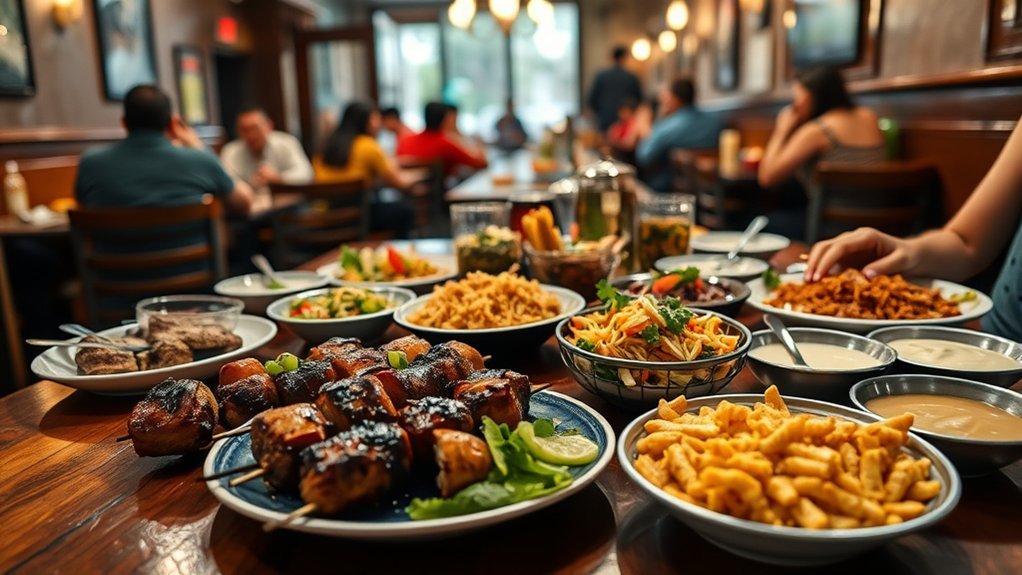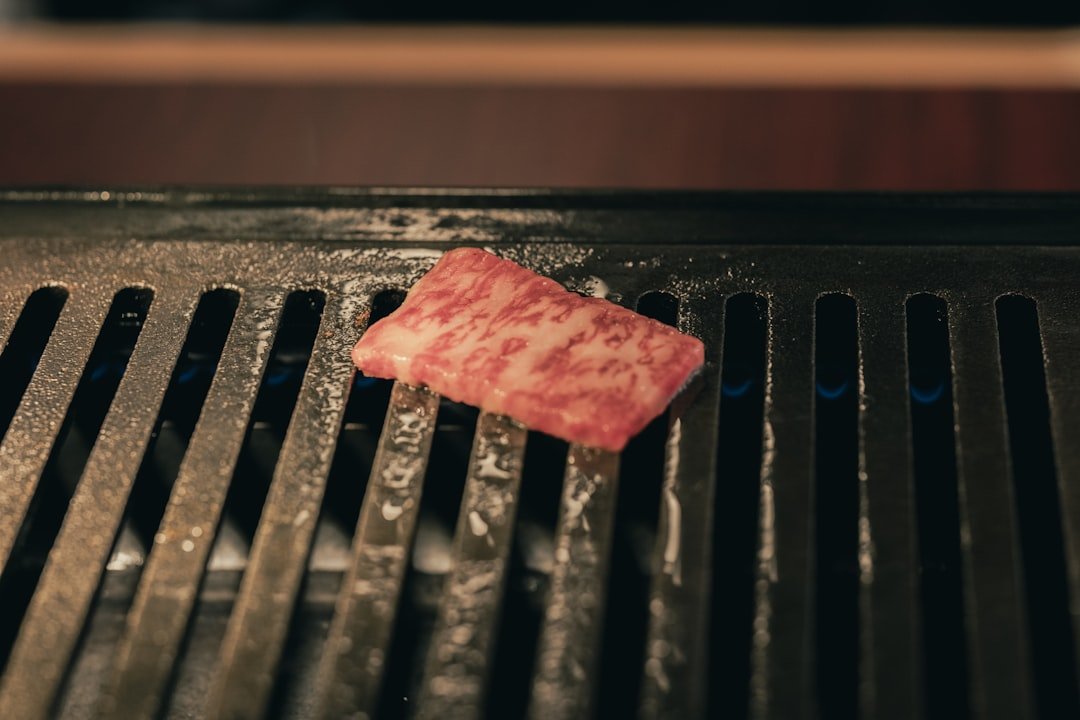
Bacon steak is bacon cut thick enough to eat more like a main-course piece of meat than a thin breakfast strip. In the United States, it usually means thick-cut cured pork belly, although the term can describe different bacon cuts in other countries. Its thicker shape gives you browned edges, rendered fat, and a meatier center when cooked carefully.
Quick Answer
Bacon steak is essentially an extra-thick portion of bacon. For a U.S.-style version, choose thick-cut or slab pork-belly bacon, cook it gradually so the fat can render, and brown the outside without burning it. Check whether the package is raw, partially cooked, or fully cooked before choosing your cooking method.
Key Takeaways
- In the United States, bacon without another cut name normally comes from cured pork belly.
- Thickness matters more than labels such as center-cut when you want a steak-like texture.
- Cook thick bacon over controlled heat so its fat renders before the exterior becomes too dark.
- Bacon is processed meat, so nutrition guidance favors treating it as an occasional food rather than a primary everyday protein.
- Raw bacon should be kept refrigerated at 40°F or below and generally used within seven days.
What Is Bacon Steak?
Bacon steak is a thick presentation of bacon rather than a standardized steak cut. In U.S. labeling, ordinary pork bacon is made from cured pork belly; bacon from another part of the animal normally needs a qualifying name.
The USDA Food Safety and Inspection Service explains that U.S. bacon is cured pork belly and that bacon can also be made from other cuts when the product name identifies them. The same USDA guide notes that British back bacon comes from the loin and is leaner than streaky belly bacon.
Bacon itself has a long history. USDA traces pig domestication for food back thousands of years and notes that forms of cured pork were eaten in ancient cultures. However, the exact origin of the modern term bacon steak is not well documented, so it is better understood as a thick-cut serving style than as a single historically defined cut.
The Best Cuts of Bacon for Making Bacon Steak
For a classic U.S.-style bacon steak, look for very thick-cut belly bacon or slab bacon. The extra thickness gives you enough meat and fat to brown the surface while keeping the center tender instead of cooking into a thin, brittle strip.
Center-cut bacon can also work if the slices are sufficiently thick. Center-cut describes how the bacon is trimmed rather than creating a completely different cooking category, so check the actual thickness and meat-to-fat balance instead of relying only on the front label.
If you are shopping outside the United States, read the cut description carefully. A product sold as a bacon steak or bacon chop may be made from loin or back bacon and will therefore be leaner than a belly-based version. Leaner bacon requires closer attention because it has less fat available to render during cooking.
Smoked, peppered, maple-flavored, and other seasoned bacons can all be used. Just remember that strongly flavored bacon may need very little additional seasoning.
How to Properly Season and Cook Bacon Steak
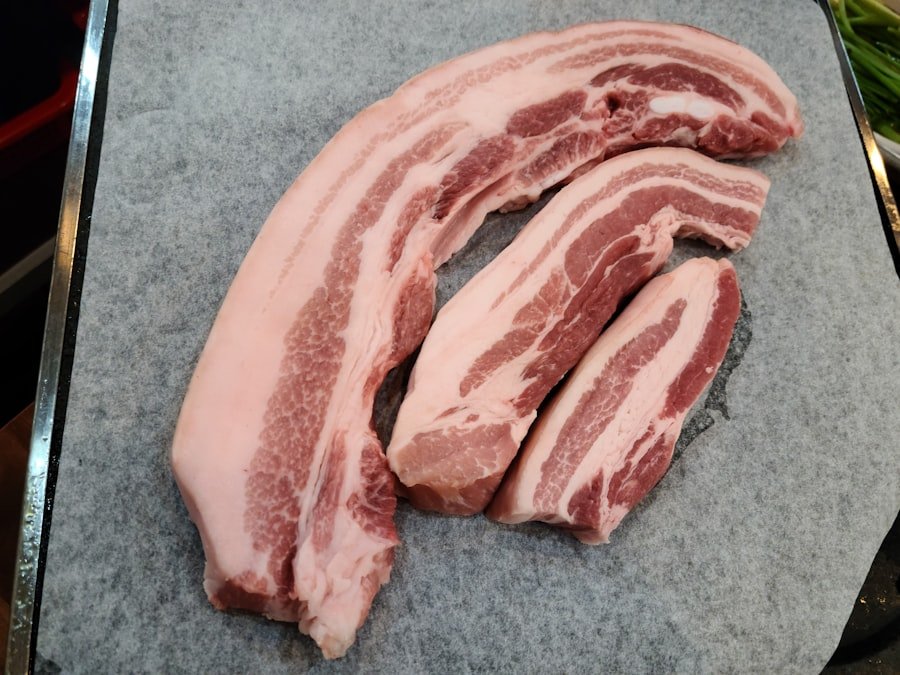
Bacon steak needs controlled heat more than it needs heavy seasoning. Bacon is already cured and usually salty, so black pepper, garlic powder, or smoked paprika can add flavor without making it excessively salty.
Sweet ingredients such as brown sugar or maple syrup also work, but add them cautiously. Sugar can darken and burn before a thick piece of bacon has finished rendering.
Warning: Bacon releases hot fat as it cooks, and dripping fat can cause grill flare-ups. Keep the heat controlled, use long utensils around a grill, and never judge the safety of a raw pork product by color alone.
Pan-Searing Bacon Steak
A skillet gives you the most control over rendering and browning. A cast-iron or other heavy skillet works especially well because it holds steady heat.
- Check the package first. Determine whether the bacon is raw, partially cooked, or fully cooked.
- Place the bacon steak in a cool or gently heated skillet. Gradual heating gives the fat time to render instead of scorching the outside immediately.
- Cook over moderate heat. Turn the bacon as needed so both broad surfaces brown evenly.
- Remove excess rendered fat when necessary. Leaving a shallow coating in the pan helps browning, but a deep pool can make the bacon fry unevenly and splatter heavily.
- Check doneness. The outside should be well browned and the fat should look rendered rather than rubbery. If you are cooking a raw pork steak or chop-style product, USDA guidance calls for an internal temperature of 145°F followed by at least a three-minute rest.
- Rest briefly before cutting. This also gives extremely hot rendered fat time to settle before serving.
The USDA safe minimum temperature chart lists 145°F with a three-minute rest for raw pork steaks, chops, and roasts. Always follow the package directions when a cured bacon product gives different preparation instructions for its specific processing method.
Grilling Bacon Steak
Grilling adds char, but bacon fat can drip onto the heat source and flare. Use moderate heat and keep a cooler area of the grill available so you can move the bacon away from flames if needed.
Turn it regularly rather than leaving one fatty side directly over the fire for an extended period. If the surface is darkening before the center is heated through, move it to the cooler part of the grill and continue cooking more gently.
How to Tell When It Is Cooking Correctly
A well-cooked belly-style bacon steak should have browned edges, visibly rendered fat, and a center that remains meaty rather than brittle. If the outside turns very dark while thick white fat remains firm, your heat is too high.
Pairing Bacon Steak with the Perfect Side Dishes
Bacon steak is salty, smoky, and rich, so its best sides either echo those savory flavors or provide acidity and freshness. Roasted vegetables, potatoes, eggs, and crisp salads are all practical choices.
| Side Dish | Flavor Profile | Suggested Wine |
|---|---|---|
| Grilled Asparagus | Earthy, Smoky | Chardonnay |
| Roasted Brussels Sprouts | Crispy, Nutty | Pinot Noir |
| Garlic Mashed Potatoes | Creamy, Savory | Merlot |
| Green Salad with Vinaigrette | Light, Refreshing | Sauvignon Blanc |
Roasted Brussels sprouts with a small amount of balsamic dressing offer bitterness and acidity against the rich pork. Garlic mashed potatoes take the opposite approach, leaning into the meal’s savory, comforting character.
For a lighter plate, serve the bacon with arugula, mixed greens, tomatoes, or another crisp salad dressed with a tart vinaigrette. Grilled corn also works well when you want a more substantial barbecue-style meal.
Nutrition and Health Considerations for Bacon Steak
Bacon steak supplies protein and nutrients found in pork, including several B vitamins. However, its overall nutrition depends heavily on the cut, serving size, curing recipe, sodium level, and how much rendered fat remains in the finished portion.
Bacon is also a processed meat because it is cured, salted, smoked, or otherwise preserved. The World Health Organization’s processed-meat guidance states that processed meat is classified as carcinogenic to humans based on sufficient evidence linking consumption with colorectal cancer. WHO also stresses that this classification describes the strength of the evidence for a hazard, not the size of an individual’s risk.
The American Cancer Society recommends limiting processed meat as part of a healthy eating pattern. That makes bacon steak better treated as an occasional rich food rather than something to choose mainly for its protein content.
Do not assume that bacon labeled natural, organic, or uncured is automatically lower in sodium or free of nitrate- or nitrite-related curing ingredients. USDA notes that some products labeled uncured use ingredients such as celery juice powder that can contain naturally occurring nitrates or nitrites. Check the ingredient list and Nutrition Facts panel if those details matter to you.
Note: If a doctor or dietitian has advised you to limit sodium, saturated fat, or processed meat, follow that personalized guidance when deciding how often and how much bacon steak to eat.
Different Variations of Bacon Steak Around the World
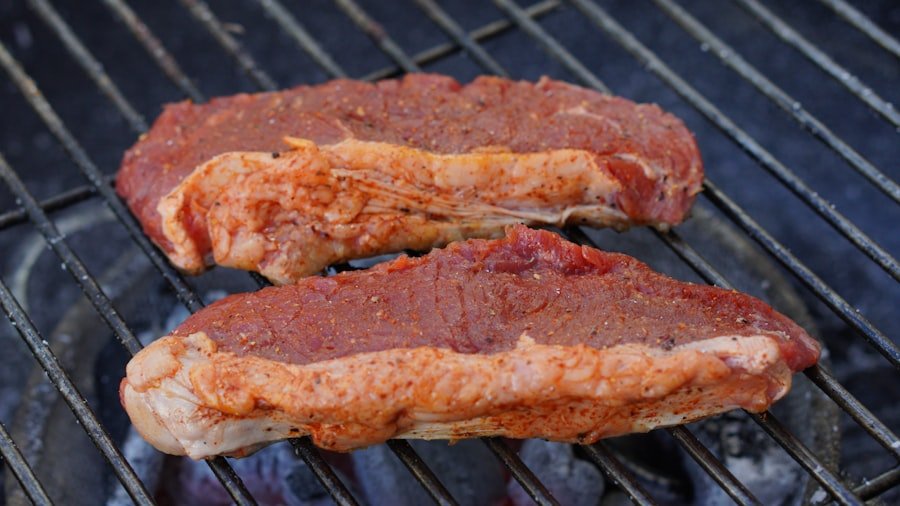
Many cuisines prepare thick pieces of pork belly, but they are not automatically the same thing as bacon steak. Bacon is cured, while fresh pork-belly dishes may use the same anatomical cut without the curing process that creates bacon’s characteristic flavor.
Japanese Pork Belly: Butabara
In Japanese cooking, butabara refers to pork belly. It can appear in grilled, skewered, simmered, or other preparations. Because fresh pork belly is not necessarily cured, butabara should be considered a related cut rather than simply another name for bacon steak.
Korean Samgyeopsal
In South Korea, samgyeopsal is grilled pork belly. The official VISITKOREA guide to samgyeopsal describes fatty pork belly cooked on a hot grill and commonly eaten with lettuce, garlic, and sauces or seasonings.
Like Japanese fresh pork belly, samgyeopsal is useful for understanding how thick pork belly behaves over heat, but it is not identical to cured American bacon.
Why the Name Changes by Region
Bacon traditions use different parts of the pig. U.S. streaky bacon centers on pork belly, while British back bacon is loin-based and leaner. That is why a bacon steak purchased from one butcher may look noticeably different from one bought in another country.
Bacon Steak as an Ingredient in Other Recipes
Bacon steak works both as a main dish and as an ingredient. Its main advantage over ordinary thin bacon is that you can cut the cooked piece into substantial cubes, strips, or slices that retain more chew.
For breakfast, chop cooked bacon steak into omelets, scrambled eggs, breakfast potatoes, or frittatas. Because the bacon already contributes salt and fat, taste the dish before adding extra salt or cooking oil.
For lunch and dinner, diced bacon steak can be added to macaroni and cheese, baked beans, pasta, burgers, sandwiches, or salads. A few thicker pieces can provide more texture than finely crumbled thin bacon.
If you use bacon steak in another recipe, cook or render it to the stage that recipe needs. Bacon that will continue cooking inside beans or a casserole does not need to become as crisp in the skillet as bacon that will be served immediately.
Tips for Buying and Storing Bacon for Making Bacon Steak
Buy bacon steak based on the cut, thickness, ingredient list, and package handling instructions. Look for a package in good condition and buy it before any printed expiration or use-by date that applies.
For a belly-style bacon steak, choose a piece with enough lean meat to give you a substantial bite but enough fat to render during cooking. If you prefer a leaner result, a thick back-bacon or loin-style product may suit you better where those cuts are sold.
Labels such as natural and organic describe particular production or processing standards, but they do not tell you everything about sodium, curing ingredients, fat, or flavor. Read the complete label rather than treating one marketing term as a shortcut for overall nutrition.
USDA advises keeping raw bacon refrigerated at 40°F or below and using it within seven days. For longer storage, bacon can be frozen. The USDA’s bacon-specific storage guidance lists four months in the freezer for best quality while explaining that continuously frozen food remains safe indefinitely from a food-safety standpoint.
Store opened bacon tightly wrapped or in a sealed container so it does not dry out or drip onto other foods. Thaw frozen bacon in the refrigerator, in cold water using a leak-proof package, or in the microwave rather than leaving it on the counter.
Bacon Steak as a Crowd-Pleasing Dish for Any Occasion
Bacon steak can work at breakfast gatherings, brunches, barbecues, potlucks, or dinners because you can serve it whole or cut it into smaller portions. Its strong flavor also means it does not need a complicated sauce or a long list of seasonings.
For a casual meal, pair it with eggs, potatoes, cornbread, coleslaw, grilled vegetables, or salad. For a plated dinner, slice the cooked bacon steak into smaller pieces and balance it with vegetables, greens, or an acidic side rather than adding several other rich foods.
When cooking several pieces for guests, avoid crowding the skillet. Too many cold pieces can slow browning and leave the bacon sitting in a deep pool of rendered fat. Cook in batches if necessary and keep cooked pieces warm until serving.
The Cultural Significance of Bacon Steak in American Cuisine
Bacon has long been associated with American breakfast food, sandwiches, salads, beans, burgers, and comfort dishes. Bacon steak takes that familiar cured-pork flavor and presents it in a thicker format that can function as the main item on a plate.
The broader history of bacon stretches much further back than modern American breakfast culture. What is less certain is when cooks first began widely using the specific term bacon steak for an extra-thick piece. Because there is no single well-documented origin for the modern name, claims that one decade or chef invented it should be treated cautiously.
Its appeal is easy to understand: a thicker cut lets cooks use bacon’s smoky, salty character while creating a different texture from ordinary crisp strips. That has helped it move naturally between breakfast menus, barbecue cooking, sandwiches, and dinner plates.
Bacon Steak for Breakfast, Lunch, or Dinner
Bacon steak fits any meal, but the way you serve it can change with the time of day. The simplest approach is to use smaller portions at breakfast and larger sliced portions with vegetables or salads for lunch and dinner.
Breakfast
Serve bacon steak with eggs, toast, potatoes, pancakes, or fresh fruit. Because the bacon is thicker and richer than an ordinary strip, one substantial piece may provide all the bacon flavor the plate needs.
Lunch
Slice cooked bacon steak for sandwiches, burgers, grain bowls, or salads. Crisp greens, tomatoes, pickles, mustard, vinaigrette, and other acidic ingredients help balance the fattiness.
Dinner
For dinner, treat it as a rich pork centerpiece with roasted vegetables, mashed potatoes, grilled asparagus, Brussels sprouts, corn, or a sharp salad. Slice it before serving if the piece is especially thick so diners can easily control portion size.
Frequently Asked Questions
What is bacon steak?
Bacon steak is a thick, steak-like portion of bacon rather than a separate standardized steak cut. In the United States, it usually refers to thick cured pork belly. In other regions, a bacon steak or bacon chop may come from a different cured pork cut, including the loin.
How is bacon steak prepared?
Bacon steak can be pan-seared, grilled, or baked, depending on its thickness and how the product was processed. Moderate heat works well because it gives the fat time to render while the exterior browns. Always check whether the package identifies the bacon as raw, partially cooked, or fully cooked.
Is bacon steak the same as regular bacon?
Bacon steak and regular bacon can come from the same cured pork belly, but bacon steak is cut much thicker. That extra thickness changes the texture and cooking technique. Instead of becoming crisp throughout like a thin rasher, bacon steak can develop a browned exterior while retaining a meatier center.
What dishes can bacon steak be used in?
Bacon steak works as a main dish or as an ingredient in eggs, sandwiches, burgers, salads, baked beans, pasta, breakfast potatoes, and casseroles. Because the cooked pieces are thicker than ordinary bacon crumbles, they add a noticeable chewy texture as well as smoky and salty flavor.
Is bacon steak healthier than regular bacon?
Bacon steak is not automatically healthier than regular bacon. If both come from similar cured pork belly, their basic nutritional characteristics are similar, although serving size and individual products vary. Bacon is processed meat, so health organizations generally recommend limiting it rather than treating it as an everyday protein source.
How long does bacon steak last in the refrigerator?
Raw bacon should generally be kept at 40°F or below and used within seven days according to USDA guidance. If you will not use it in that period, freeze it for longer storage. Always follow a shorter use-by period if the manufacturer gives one on the package.
What temperature should raw bacon steak reach?
If the product is a raw pork steak or chop-style cut, USDA guidance calls for 145°F followed by at least a three-minute rest. Bacon products can be processed in different ways, however, so read the package instructions and determine whether your particular bacon steak is raw, partially cooked, or fully cooked.
Sources
- USDA Food Safety and Inspection Service: Bacon and Food Safety: Bacon definitions, curing, labeling, refrigeration, freezing, and bacon history.
- USDA Food Safety and Inspection Service: Safe Minimum Internal Temperature Chart: Safe cooking temperature and rest time for raw pork steaks and chops.
- World Health Organization: Carcinogenicity of Red and Processed Meat: Definition of processed meat and evidence concerning colorectal cancer.
- American Cancer Society: Diet and Physical Activity Guideline: Guidance on limiting processed meat as part of a healthy eating pattern.
- VISITKOREA: Grilled Pork Belly (Samgyeopsal): Description and traditional serving style of Korean grilled pork belly.