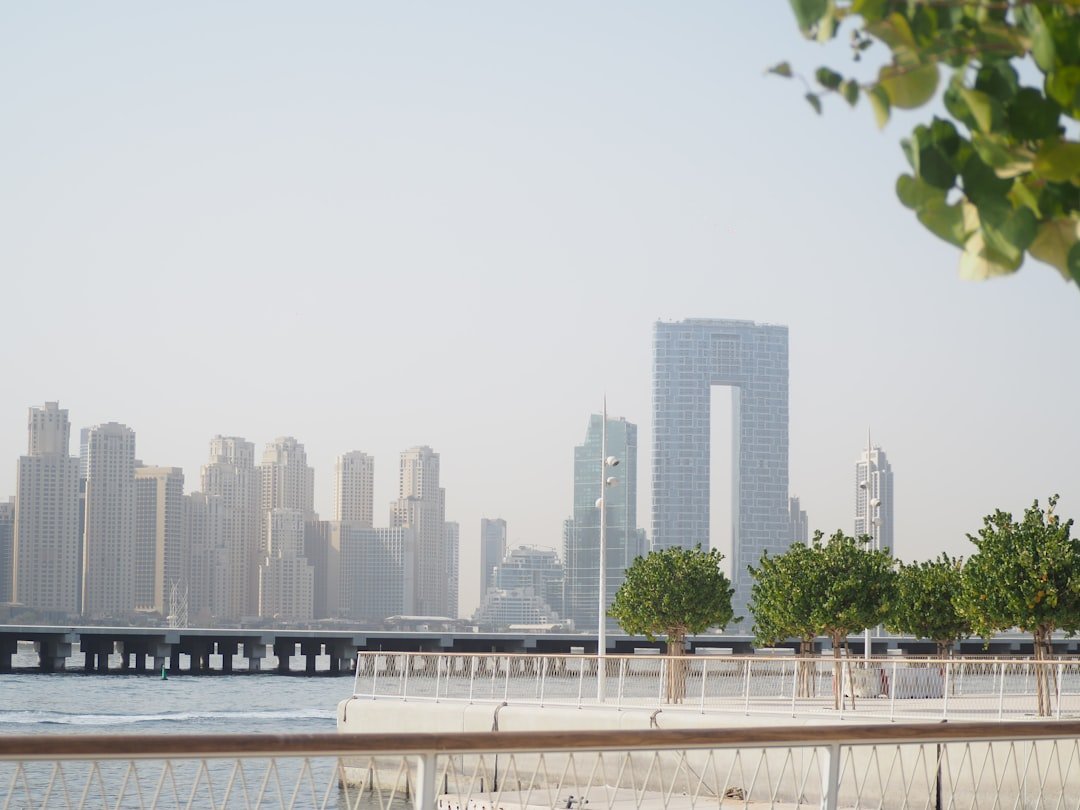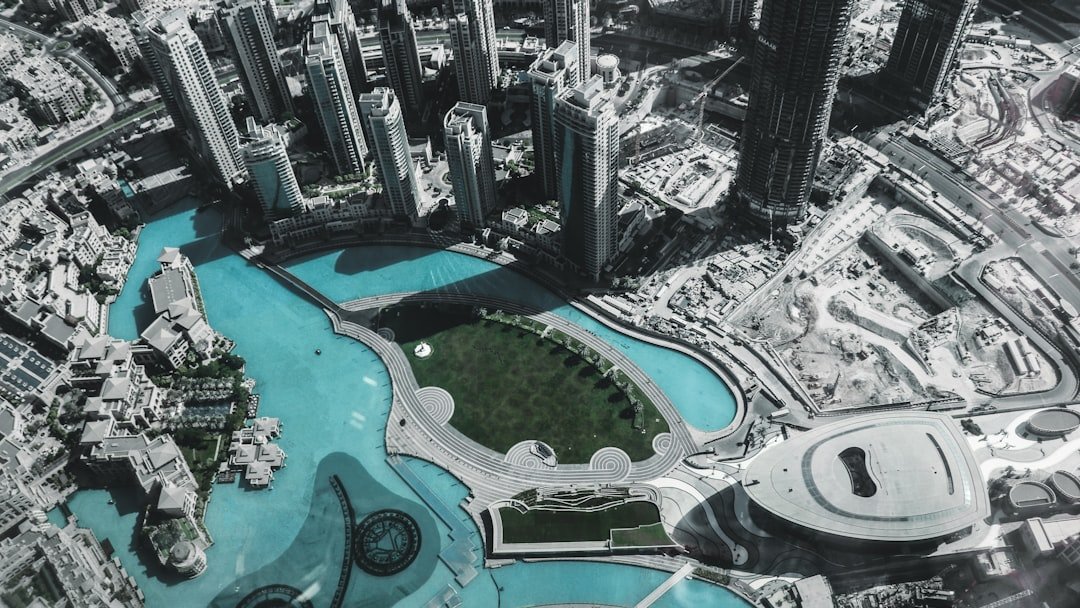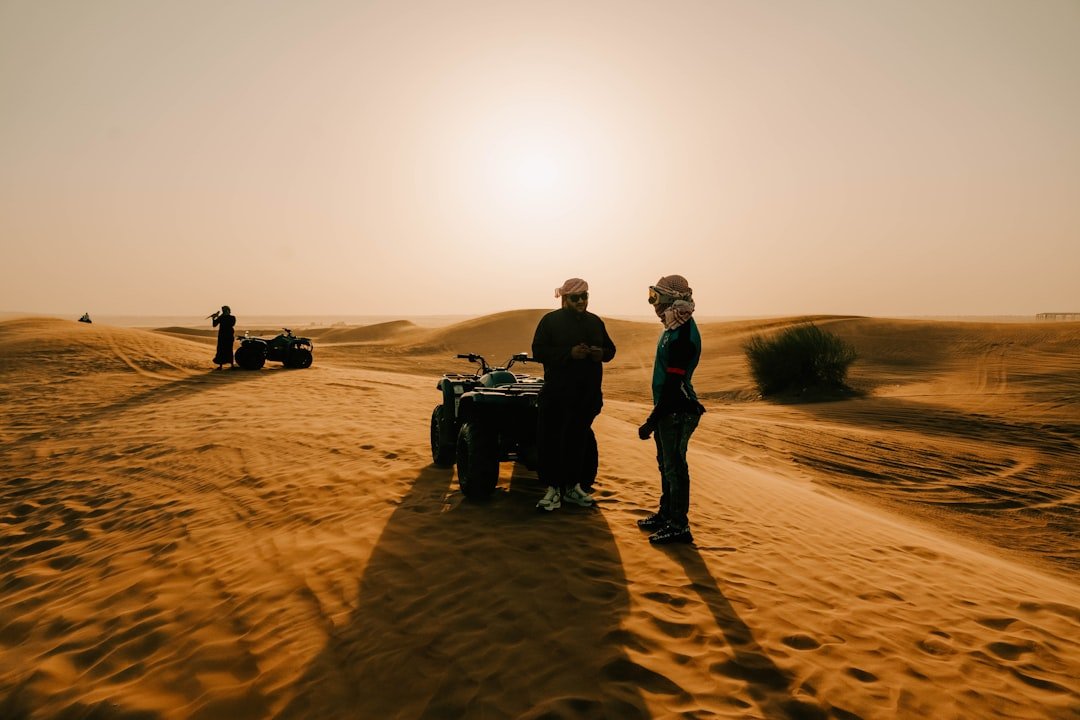
A desert safari in Dubai takes you beyond the city and into a landscape of rolling dunes, open skies and protected desert habitats. Depending on the package you choose, the trip can include dune driving in a 4×4, camel riding, sandboarding, wildlife viewing, a sunset stop, dinner and traditional-style entertainment at a desert camp.
The experience can be high-energy or relaxed. Some tours focus on dune bashing and adventure activities, while others emphasize conservation, Bedouin heritage, wildlife or private dining. Knowing the differences before you book helps you choose a safari that matches your budget, comfort level and travel group.
Quick Answer
For most visitors, the best Dubai desert safari is an evening trip during the cooler part of the year, especially November through March. Expect hotel transfers, a 4×4 dune drive, photo stops, camel riding or sandboarding and, on many evening packages, dinner and entertainment. Always check age, health and activity restrictions before booking.
Key Takeaways
- A typical Dubai desert safari can combine dune driving, camel riding, sandboarding, photo stops and a desert-camp experience.
- October through April is generally cooler than summer, with November through March usually offering the most comfortable conditions for longer outdoor activities.
- Choose a clearly identified operator with transparent inclusions, pickup details, cancellation terms and activity restrictions.
- Pack lightweight clothing, sunglasses, sunscreen, a hat, comfortable footwear and an extra layer for cooler winter evenings.
- Optional activities may include quad biking, dune buggies, falcon experiences, henna and additional camel rides.
- Dune driving and off-road activities may not be appropriate for some pregnant travelers or people with back, heart or mobility problems.
- Respect UAE customs, ask before photographing people and avoid disturbing desert wildlife.
- Dubai Desert Conservation Reserve and Al Marmoom Desert Conservation Reserve offer opportunities to experience Dubai’s protected desert environment.
What to Expect on a Desert Safari in Dubai
The journey usually begins with pickup from a hotel or another specified location in Dubai. Shared tours may collect guests from several hotels, so the total time away from your accommodation can be longer than the activity time shown in the booking.
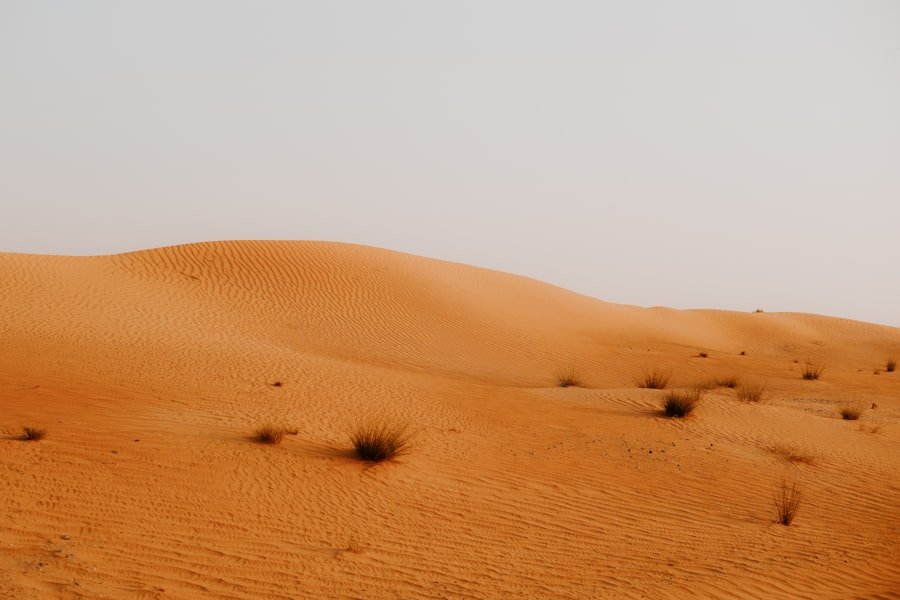
As the city gives way to the desert, the landscape changes to broad stretches of sand, gravel plains and dunes shaped by the wind. In protected areas you may see native wildlife such as Arabian oryx or gazelles, but wildlife sightings are never guaranteed.
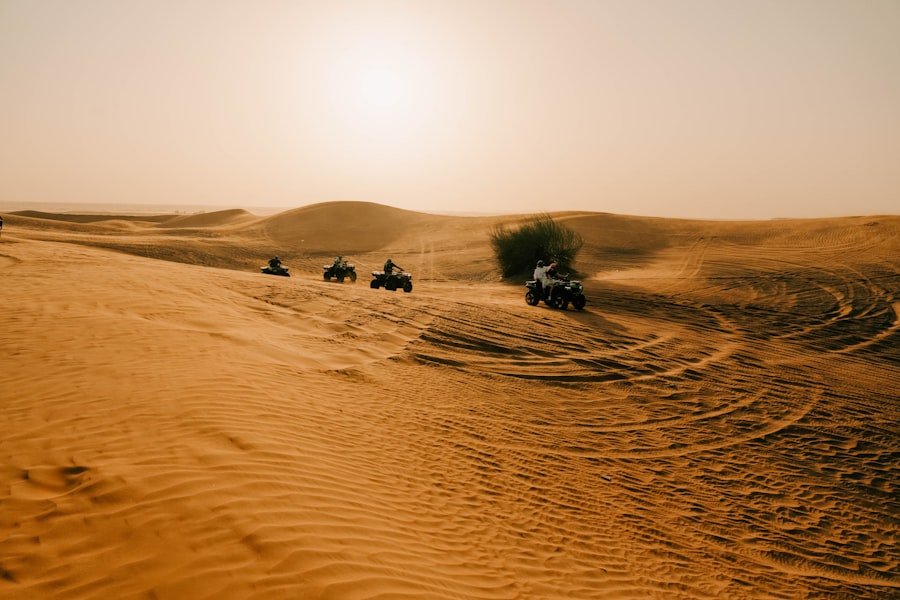
Many adventure-focused tours include dune driving in a 4×4. A trained driver lowers the vehicle’s tire pressure before entering the dunes and then drives over a series of climbs, descents and turns. This is the activity commonly called dune bashing or a dune drive.
After the drive, many tours stop at a campsite or designated desert area. Depending on the package, you may have refreshments, a short camel ride, sandboarding, henna, a falcon-related experience, dinner and entertainment such as Tanoura, fire performances, belly dancing or music. Not every safari includes every activity, so check the booking page instead of assuming an advertised activity is standard.
Pro Tip: Read the full “What’s included” and “Know before you go” sections before paying. A low headline price may exclude quad biking, private transfers, premium seating, longer camel rides or other upgrades.
Types of Dubai Desert Safari
| Safari Type | Typical Experience | Best For |
| Morning safari | Dune driving, sandboarding, camel ride and refreshments; often about 4–5 hours including transfers. | Travelers who want desert activities without an evening camp dinner. |
| Evening safari | Afternoon departure, dune drive, sunset stop, camp activities, dinner and package-dependent entertainment. | First-time visitors wanting the broadest range of classic safari experiences. |
| Heritage or conservation safari | Greater emphasis on wildlife, traditional culture, conservation areas and slower-paced desert exploration. | Families, photographers and travelers less interested in aggressive dune driving. |
| Private safari | Private vehicle or private dining with a more flexible and exclusive experience. | Couples, families and groups prioritizing privacy and comfort. |
| Buggy or quad-bike experience | Dedicated off-road driving or riding, often sold separately from a traditional dinner safari. | Adventure travelers who want more active driving time. |
How Much Does a Dubai Desert Safari Cost?
Prices vary widely because a short shared safari and a private conservation experience are very different products. On the official Visit Dubai desert experiences marketplace, verified examples in September 2026 included a shared afternoon safari from about AED 190, a morning safari from AED 208 and a shared safari with BBQ dinner from AED 258. Premium, private and specialty experiences can cost substantially more.
Note: These are examples of live listed prices checked in September 2026, not fixed Dubai-wide rates. Prices, promotions, child fares and inclusions can change by date and supplier.
Before comparing two prices, check whether each option includes hotel pickup, dune driving, camel riding, sandboarding, dinner, soft drinks, entertainment and taxes. Quad bikes, dune buggies, alcoholic beverages, photography services, premium camp seating and private transportation may cost extra.
Best Time to Go on a Desert Safari in Dubai
Cooler Months Are Usually More Comfortable
October through April is generally a better period for long outdoor desert activities than peak summer. However, it is misleading to assume every day in this seven-month period stays between 24°C and 30°C. October and April can still feel quite hot.
Dubai’s official tourism guidance describes the city as sunny year-round, with average temperatures around 23°C in winter and around 41°C in summer. For many travelers, November through March provides the most comfortable combination of daytime warmth and cooler evenings. See the current Visit Dubai weather guide before your trip.
Evening Safaris
Evening trips are popular because they combine daylight desert scenery, sunset photography and cooler temperatures after the sun drops. Many also include dinner and camp activities, making them a good choice for first-time visitors who want a broad experience in one tour.
Summer Desert Safaris
From roughly May through September, daytime desert heat can be severe and temperatures in Dubai can reach or exceed 40°C. Some operators adjust pickup times toward early morning or later afternoon during hotter months.
If you visit in summer, pay close attention to heat exposure, hydration and the amount of time you will spend outdoors. People who are sensitive to heat may prefer a shorter early-morning experience.
Choosing the Right Desert Safari Tour Operator
Selecting the right operator is one of the most important parts of planning a desert safari. Start by comparing established providers with clearly stated pickup information, activity descriptions, age restrictions, health warnings and cancellation policies.
You can use the official Visit Dubai desert safari guide and its experience marketplace as a reference point when comparing the types of tours available.
Reviews on platforms such as Google can still be useful for identifying recurring service problems, but do not rely only on star ratings. Read the newest detailed reviews and compare them with the supplier’s written terms.
Check Exactly What Is Included
- Hotel or residence pickup and drop-off
- Shared or private 4×4 vehicle
- Length of the dune-driving session
- Camel ride duration
- Sandboarding
- Meals and drinks
- Henna or falcon experience
- Entertainment
- Quad-bike or buggy access
- Child pricing and minimum age
- Cancellation and late-arrival rules
Some all-inclusive packages combine transportation, activities and dinner, while cheaper options may charge separately for upgrades. Smaller or private groups can provide a more personalized experience, but they usually cost more.
What to Pack for a Desert Safari in Dubai
Pack for sun exposure, sand and changing temperatures rather than dressing for the city. Lightweight, breathable clothing such as cotton or other comfortable fabrics works well in warm conditions. Loose clothing can also help protect your skin from direct sun.
- Sunglasses: Useful against glare from bright sand.
- Hat: A wide-brimmed hat provides extra sun protection.
- Sunscreen: Apply before leaving and reapply as needed.
- Water: Most organized tours provide drinking water, but confirm this before departure.
- Light jacket or shawl: Winter evenings in the desert can feel noticeably cooler.
- Comfortable footwear: Closed shoes are a good choice for many active experiences, and some buggy operators specifically require them.
- Phone or camera: Protect electronics from blowing sand.
A reusable water bottle can be useful if your operator allows it. Avoid carrying unnecessary valuables because sand can easily enter bags, phone cases and camera equipment.
Activities and Experiences Available on a Desert Safari in Dubai
Dune Bashing or Dune Driving
Dune driving is one of the best-known desert safari activities. A trained driver takes passengers across uneven dunes in a 4×4 vehicle, creating repeated climbs, descents and turns.
The experience can be intense. If you dislike roller-coaster-style movement or are prone to motion sickness, ask whether the operator offers a gentler drive or a conservation-style alternative.
Camel Riding
Camel rides are common at desert camps and heritage experiences. On standard packages, the ride may be quite short, so check the listed duration if camel trekking is one of your main reasons for booking.
Sandboarding
Sandboarding involves sliding down a dune while standing or sitting on a board. It is generally less intense than motorized activities and is included in many shared safaris.
Quad Biking and Dune Buggies
Quad biking and dune buggy driving are separate from passenger dune bashing. You may be controlling the vehicle yourself, so age, footwear, licensing and safety requirements can be stricter. Many standard safari packages treat these as optional paid upgrades.
Warning: Do not assume dune bashing, quad bikes or dune buggies are appropriate for everyone. Official Visit Dubai activity listings include restrictions or warnings for young children, pregnant guests and people with certain back or heart conditions. Check the exact experience before booking.
Falcon Experiences
Some desert packages include falcon displays or opportunities to learn about falconry. Others do not, and activities can change for operational or safety reasons. Confirm the current program with the operator if this is important to you.
Dinner and Cultural Entertainment
Many evening safaris finish at a desert camp with Arabic coffee, dates, a buffet or BBQ-style dinner and entertainment. Depending on the supplier and date, performances may include Tanoura dancing, belly dancing, fire shows or music.
These camp experiences are inspired by regional hospitality and heritage, but the level of authenticity varies between operators. Heritage-focused safaris generally provide more cultural explanation than large entertainment-oriented camps.
Safety Tips for Desert Safari in Dubai
Safety should be a priority when you choose a desert safari. Follow the driver’s instructions, remain seated when required and wear the seatbelt during dune driving.
Tell the Operator About Relevant Health Concerns
Dune driving can involve sudden drops, lateral movement and repeated bumps. Some official Dubai experience listings state that particular off-road activities are not recommended for expectant mothers or guests with back problems or heart conditions.
If you have a condition that could be affected by vigorous movement, contact the operator before booking rather than waiting until pickup. A gentler wildlife, heritage or dining-focused desert experience may be more appropriate.
Check Child Restrictions
There is no single minimum age for every Dubai desert safari. Rules depend on the operator and activity. For example, one official Visit Dubai morning-safari listing does not accept children below five years old, while other experiences publish different limits.
Parents should check the exact minimum age, child-seat policy and dune-drive restrictions for the product they plan to book.
Stay Hydrated
Dubai’s desert environment is hot and dry for much of the year. Drink water regularly and avoid waiting until you feel extremely thirsty. Heat exposure becomes especially important during the warmer months.
Follow Activity-Specific Instructions
Listen to the safety briefing before sandboarding, camel riding, quad biking or buggy driving. Wear any helmet, goggles or other protective equipment supplied for motorized activities.
Etiquette and Cultural Considerations for a Desert Safari in Dubai
The UAE welcomes visitors from around the world, but respecting local customs makes interactions with guides, performers and other guests more comfortable.
Dress Respectfully
Casual clothes are normal during desert activities. UAE Government visitor guidance recommends modest clothing, particularly in conservative and public settings. Loose clothing that covers more of the body is also practical for protection from the sun and sand.
Ask Before Taking Photos of People
Do not assume that a guide, performer, camel handler or local resident wants to be photographed. The UAE Government’s visitor etiquette guidance specifically advises against photographing people without permission.
Dining Etiquette
If you are participating in a more traditional shared meal, UAE Government guidance notes that accepting food and drink with the right hand is customary. If you have allergies, religious dietary requirements or other food restrictions, notify the operator before the tour.
A friendly greeting and polite language go a long way. Avoid littering or leaving food, plastic or other waste in the desert.
Must-See Attractions and Landmarks on a Desert Safari in Dubai
Dubai Desert Conservation Reserve
The Dubai Desert Conservation Reserve is one of the emirate’s most important protected desert areas. A 2025 DDCR conservation report describes the reserve as approximately 225 square kilometers, or about 4.7% of Dubai’s land area, and records Arabian oryx, Arabian gazelles and sand gazelles among its native ungulates.
Access within a protected reserve is different from simply driving into open desert. DDCR promotes approved excursions designed to let visitors experience the environment while supporting conservation management.
Al Marmoom Desert Conservation Reserve
Al Marmoom Desert Conservation Reserve is promoted by Visit Dubai as the UAE’s largest unfenced nature reserve. Dubai tourism information states that it extends across more than 10% of Dubai’s total land area.
Al Marmoom spans more than 10% of Dubai’s land area, making it a major destination for travelers interested in desert landscapes, wildlife and conservation.
Bedouin-Style and Heritage Camps
Some tours visit camps designed around Bedouin heritage, with traditional-style tents, Arabic coffee, regional food, crafts and cultural demonstrations. Experiences range from large commercial camps to smaller heritage programs, so read the itinerary carefully if cultural depth matters to you.
Sunset and Stargazing
The changing light across the dunes is one of the most memorable parts of an evening safari. Sunset stops are common, although the exact location and timing depend on the operator, season and weather.
Once the sky becomes dark, desert areas away from strong city lighting can also provide good stargazing conditions. Visibility depends on cloud, dust, humidity, moonlight and the location of the camp.
How to Book a Desert Safari Without Surprises
Before you complete payment, compare the entire package instead of selecting the cheapest headline price.
- Confirm the total duration including transfers.
- Check whether pickup is available from your exact hotel or residence.
- Check whether the vehicle is shared or private.
- Confirm whether dune driving is included and approximately how long it lasts.
- Check minimum ages and health restrictions.
- Confirm dinner, drinks and entertainment if booking an evening safari.
- Look for paid extras such as quad bikes, dune buggies or premium seating.
- Review cancellation, late-arrival and no-show policies.
- Ask about accessibility before booking if anyone in your group has limited mobility.
- Check the weather shortly before departure.
Pro Tip: If dune bashing is not suitable for someone in your group, do not assume you must skip the desert entirely. Look for a heritage, wildlife, camel, conservation or dining-focused experience with gentler transportation.
A well-chosen desert safari can combine adventure, scenery and cultural experiences in one outing. The best option is not necessarily the package with the longest activity list; it is the one that matches your preferred pace, health needs, group size and budget.
If you’re looking for a unique and thrilling experience in Dubai, a desert safari can provide the dune landscapes, activities and desert-camp atmosphere described throughout this guide. Tagline Today also covers unrelated general-interest subjects such as Asian melon and homemade cottage cheese, although those topics are not supporting sources for planning a Dubai desert safari.
Frequently Asked Questions
What is a desert safari in Dubai?
A Dubai desert safari is an organized excursion from the city into the surrounding desert. Depending on the package, it may include a 4×4 dune drive, camel riding, sandboarding, wildlife viewing, sunset photography, dinner and camp entertainment.
What can I expect during a desert safari in Dubai?
Most experiences begin with pickup in Dubai and a drive to the desert. Adventure packages may include dune bashing, camel riding and sandboarding. Evening tours often add a sunset stop, dinner, henna and package-dependent entertainment such as Tanoura, belly dancing or a fire show.
What should I wear and bring for a desert safari in Dubai?
Wear lightweight, comfortable clothing and suitable footwear. Bring sunglasses, sunscreen and a hat. A light jacket or shawl can be useful on cooler winter evenings. Closed shoes may be required for some buggy or other motorized experiences.
Is a desert safari in Dubai suitable for children and elderly people?
It depends on the specific tour and activities. Operators use different minimum ages, and vigorous dune driving may not suit some older travelers or people with certain medical or mobility concerns. Check the product’s age, health and accessibility restrictions before booking.
What is the best time to go on a desert safari in Dubai?
October through April is generally more comfortable than peak summer, with November through March usually offering the mildest conditions. October and April can still be hot, so check the forecast shortly before your tour.
How much does a Dubai desert safari cost?
Prices vary by supplier and inclusions. Official Visit Dubai listings checked in September 2026 included shared options beginning around AED 190–258, while premium and private experiences were much more expensive. Always check the live price and what is included before paying.
Is a morning or evening desert safari better?
Choose morning if you want a shorter activity-focused trip and the rest of your day free. Choose evening if you want sunset views, dinner and camp entertainment. Evening trips generally provide the more complete first-time safari experience.
Can pregnant travelers go on a Dubai desert safari?
Some desert experiences may still be possible, but vigorous dune driving and certain buggy activities are specifically not recommended for expectant mothers by some operators. Contact the supplier before booking and ask about a gentler heritage, wildlife or dining-focused option.
Sources
- Visit Dubai — Desert Safaris in Dubai — official overview of desert safari experiences.
- Visit Dubai — Weather in Dubai — climate and trip-planning guidance.
- Visit Dubai — Desert Experiences — current safari products, durations and live pricing examples.
- Visit Dubai — Al Marmoom Desert Conservation Reserve — reserve information and conservation context.
- Dubai Desert Conservation Reserve — protected-area activities, wildlife and conservation research.
- UAE Government — Social Responsibility and Visitor Etiquette — guidance on dress, photography, food and respectful behavior.