Two days in Amalfi gives you enough time to explore the historic center, taste local specialties, see the town from the water, and visit one nearby highlight such as Ravello or Positano. Amalfi sits within the UNESCO-listed Costiera Amalfitana, a cultural landscape shaped by steep mountains, terraced citrus groves, historic towns, and centuries of maritime trade.
Amalfi itself is compact and easy to explore on foot, but the surrounding coast requires more planning. Ferries, buses, steep roads, summer crowds, and hiking time can quickly fill a day. The itinerary below keeps the first day focused on Amalfi and gives you realistic choices for your second day.
Quick Answer
With two days in Amalfi, spend Day 1 exploring Amalfi town, the cathedral complex, Paper Museum, local food, and waterfront. On Day 2, visit Ravello early and then take a boat trip toward Positano, or replace those activities with the Path of the Gods if hiking is your priority.
Key Takeaways
- Keep Day 1 mostly in Amalfi so you can see the Cathedral of Sant’Andrea, Paper Museum, Arsenale, old streets, waterfront, and local restaurants without rushing.
- Use Day 2 for Ravello plus a coastal boat or ferry trip if you want a balanced sightseeing day.
- Treat the Path of the Gods as a major half-day activity, not a quick stop between Ravello and a boat tour.
- Ferry schedules, attraction hours, sea conditions, and road restrictions can change, so check official information shortly before your visit.
- Staying in or close to Amalfi’s historic center makes a short trip much easier because restaurants, the waterfront, buses, and ferry connections are nearby.
At a Glance
| Time Required | 2 full days; 2 nights is ideal |
| Difficulty | Easy to moderate for sightseeing; strenuous if you choose the Path of the Gods |
| Tools Needed | Comfortable walking shoes, water, sun protection, phone, ferry/bus information, and attraction confirmations |
| Cost | Variable; budget separately for accommodation, meals, attraction admission, ferries or buses, beach services, and optional boat tours |
The UNESCO Costiera Amalfitana property was inscribed in 1997 and covers 11,231 hectares of coastal settlements, cultivated terraces, mountains, and natural landscape.
Before You Start Your 2-Day Amalfi Itinerary
This plan works best if you sleep in Amalfi or nearby and have two full sightseeing days. Amalfi has no railway station. If you arrive from Naples, one practical public-transport option is to travel toward Salerno by rail and continue by ferry or bus when services are operating. Private transfers are another option.
During the main visitor season, ferries can be a pleasant way to move between coastal towns because they avoid much of the road traffic. However, schedules are seasonal and sailings can change because of sea or weather conditions. Check the current Amalfi Coast ferry timetable for your actual travel date.
Pro Tip: For a short stay, avoid building your schedule around too many road transfers. Base yourself near central Amalfi, walk within town, use buses for hilltop Ravello, and use ferries for coastal towns when services and weather allow.
Day 1: Exploring Amalfi
Begin your first morning in Piazza del Duomo, the center of historic Amalfi. Starting early gives you time to enjoy the square and surrounding streets before the busiest part of the day.
Visit the Cathedral of Sant’Andrea
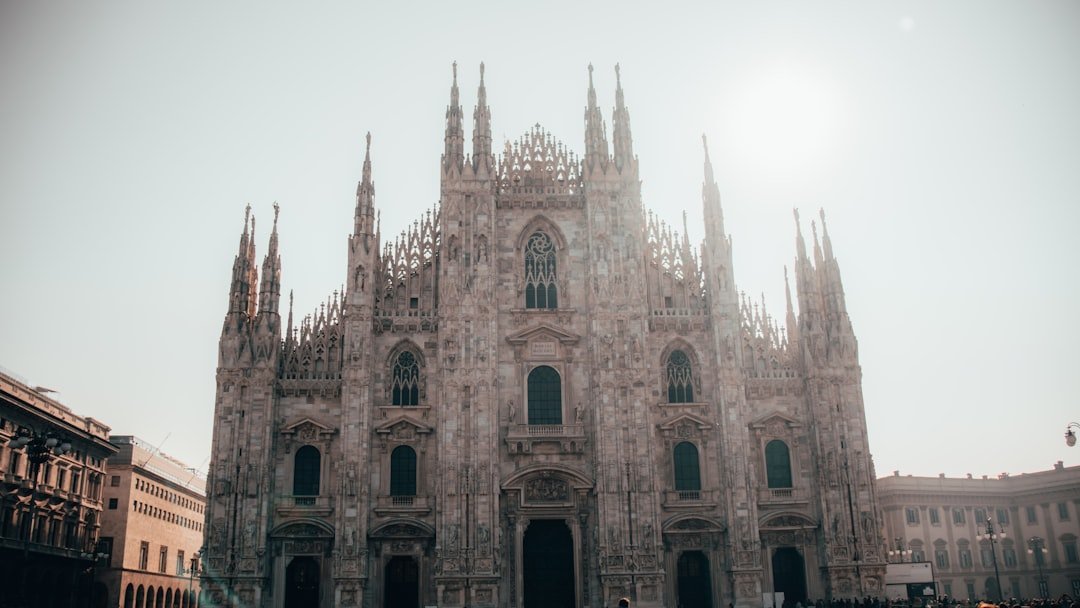
The staircase rising above Piazza del Duomo leads to the Cathedral of Sant’Andrea. The cathedral founded in 987 is part of a larger monumental complex that includes the Cathedral, the Cloister of Paradise, the Crypt of St. Andrew, and the Diocesan Museum. You can read the official background at Amalfi Destination.
Allow roughly an hour if you want more than a quick look at the façade. Because this is an active religious site, access can change during Masses, feast days, ceremonies, and other religious events.
Walk the Historic Center
After the cathedral, continue through Amalfi’s narrow lanes and stairways. Small shops sell ceramics, paper products, lemon-based foods, and other regional goods. The historic center is compact, so you can explore it without needing transportation.
The Amalfi maritime republic became an important economic power between the 9th and 11th centuries. That history helps explain why the town contains such significant religious and maritime architecture despite its small size.
Visit the Paper Museum
Continue uphill to the Museo della Carta, or Paper Museum, on Via delle Cartiere. Amalfi has a long connection with handmade paper, and the museum preserves historic equipment and demonstrates traditional production methods using water power.
According to the museum’s current information, from March 1 through November 2 it is normally open daily from 10:00 a.m. to 7:00 p.m., with last admission at 6:20 p.m. Seasonal hours differ at other times of year, so confirm them on the official Paper Museum information page before visiting.
Day 1: Enjoying the Local Cuisine

Lunch is a good point to slow down rather than treating food as another sightseeing stop. Amalfi’s position on the coast makes seafood an obvious choice. One classic dish is spaghetti alle vongole, which combines pasta with clams, olive oil, garlic, and parsley.
Another local flavor you will encounter repeatedly is lemon. The Amalfi Coast is known for its large Sfusato Amalfitano lemons, which appear in desserts, drinks, sauces, and limoncello. If you want something sweet after lunch, look for delizia al limone, a soft lemon dessert commonly associated with the region.
You can also pair lunch or dinner with local Campania wine. Limoncello, Aperol spritzes, and other alcoholic drinks are widely available, but they are optional rather than essential to experiencing Amalfi’s food culture.
Day 1: Visiting Historical Sites
After lunch, use the afternoon for Amalfi’s smaller historic attractions rather than traveling to another town. This keeps your first day relaxed and gives you time for the waterfront later.
| Historical Site | Why Visit | Planning Note |
|---|---|---|
| Cathedral of Sant’Andrea & Cloister of Paradise | Religious art, architecture, crypt, cloister, and Amalfi history | Visit earlier in the day when possible; services can affect tourist access |
| Museo della Carta | Historic paper-making equipment and demonstrations | Check seasonal hours before visiting |
| Arsenale di Amalfi | Medieval maritime architecture and the history of Amalfi’s seafaring republic | Check current access because the building also hosts cultural events |
Cloister of Paradise
The Chiostro del Paradiso stands beside the cathedral and was built in the 13th century as a burial place for members of Amalfi’s nobility. Its slender columns, interlaced arches, chapels, sarcophagi, and small Mediterranean garden make it one of the most distinctive parts of the cathedral complex.
Arsenale di Amalfi
Near the waterfront, visit the ancient Arsenale if it is open during your stay. The official Arsenale di Amalfi site describes it as a surviving medieval shipyard linked to the former Maritime Republic. It now houses the Museum of the Compass and the Maritime Duchy of Amalfi and is also used for cultural events.
Finish Day 1 at the Waterfront
End the afternoon around Amalfi’s waterfront or Marina Grande Beach. If the weather is warm, you can swim or spend an hour by the sea. During busy months, paid beach clubs occupy parts of the shoreline, while access and availability can vary with season and demand.
For dinner, stay in Amalfi rather than adding another transfer. This gives you time to walk through the center again after day-trippers have begun leaving.
Day 2: Exploring the Surrounding Area
Your second day should focus on the scenery beyond Amalfi. For most first-time visitors, Ravello in the morning followed by a coastal boat or ferry trip provides a good balance of gardens, views, villages, and time on the water.
Morning: Amalfi to Ravello
Ravello sits high above the coast rather than beside the sea, so you cannot reach its center by ferry. Take a bus, taxi, or private transfer from Amalfi and aim to arrive early.
Begin at Villa Rufolo. The historic villa and gardens are closely associated with composer Richard Wagner, who visited Ravello in 1880 and found inspiration there for the setting of the magical garden in Parsifal.
For 2026, Villa Rufolo publishes regular opening hours of 9:00 a.m. to 8:00 p.m., with last admission at 7:30 p.m., although events can affect access. Confirm current information on the official Villa Rufolo hours page.
Continue to Villa Cimbrone
If time allows, walk through Ravello to Villa Cimbrone’s gardens. The famous Terrace of Infinity overlooks the coast from high above the sea. The gardens are normally open to day visitors even though the villa itself operates as a hotel.
The official garden information currently lists regular opening from 9:00 a.m. to 8:30 p.m., with last entrance at 8:00 p.m., while noting that extraordinary closures can occur. Check shortly before your trip rather than relying on saved opening hours.
Allow roughly two to three hours in Ravello if you want to see both major gardens without rushing, then return to Amalfi for lunch or continue directly with your afternoon plans.
Day 2: Relaxing on the Amalfi Coast

Beach Life in Amalfi
If you return from Ravello around midday and want a slower afternoon, Marina Grande Beach in Amalfi is the easiest option. Depending on the season and availability, you can rent a sunbed and umbrella from a beach club or use an available public section.
Restaurants and cafés around the waterfront make this an easy choice when you do not want another major excursion. Even one or two hours by the sea can balance a morning spent walking through Ravello.
Seeking Seclusion: Choose the Path of the Gods Instead
If hiking matters more to you than Ravello or a boat trip, make the Path of the Gods your main Day 2 activity instead of trying to squeeze it between other excursions.
The popular route starts around Bomerano in Agerola and continues toward Nocelle above Positano. Italia.it describes the easier Agerola-to-Nocelle version as roughly 8 kilometers and about 4.5 hours. You also need to allow time to reach the trailhead and travel onward from Nocelle.
Warning: The Path of the Gods includes exposed terrain and high viewpoints and is not recommended for people who suffer from vertigo. Wear proper walking shoes, carry water and sun protection, avoid the hottest part of very warm days, and do not continue in unsafe weather.
Rejuvenation on the Amalfi Coast
The best version of a two-day trip is not the one with the largest number of stops. If you choose the hike, let it be the centerpiece of Day 2 and enjoy Positano or Amalfi afterward. If you choose Ravello, use the remaining hours for the beach or a coastal boat trip instead.
Day 2: Taking a Boat Tour
If you choose the Ravello plan rather than the long hike, spend part of your second afternoon on the water. You can book a sightseeing boat tour or use a scheduled ferry to experience the coast from the sea.
Positano is a natural destination from Amalfi. Approaching by water gives you a clear view of the steep hillside covered with houses before you arrive at the waterfront. Once ashore, spend time around the beach and lower streets rather than trying to climb through every part of town during a short visit.
A private or small-group boat tour may also include swimming stops or coastal coves when sea conditions allow. Snorkeling opportunities depend on the operator, route, weather, and water conditions, so check exactly what is included before booking.
Note: Boat and ferry services are weather-dependent. Check the day’s operating schedule and your return connection before leaving Amalfi, especially if your accommodation is not in Positano.
Getting Around Amalfi Without Wasting Time
Ferries
Ferries are useful for coastal trips such as Amalfi to Positano when they are operating. They avoid much of the road congestion and give you excellent views, but schedules vary by season and weather.
Buses
Buses are important for inland and hilltop destinations such as Ravello and Agerola. Allow extra time because the coastal roads are narrow and traffic can delay journeys during busy periods.
Driving
A car gives you flexibility but is not always the easiest choice on a two-day visit. Parking can be limited, traffic can be heavy, and driving restrictions may apply on parts of SS163 during busy periods.
For 2026, the City of Amalfi published alternate-license-plate restrictions for specified peak holiday periods, along with exemptions and time windows. If you intend to drive, check the latest City of Amalfi traffic information before your travel date rather than relying on an old rule.
Where to Stay for Two Days in Amalfi
For such a short trip, convenience usually matters more than having a large hotel far from town. Staying in or near Amalfi’s historic center puts you within walking distance of the cathedral, restaurants, waterfront, ferry pier, and main bus connections.
Accommodation higher on the hillside can offer wider views but may involve steep stairs or more reliance on local transport. Check the exact access route before booking if you have heavy luggage, limited mobility, a stroller, or young children.
Book well ahead for popular spring, summer, and early-autumn dates. Accommodation choices become more limited as busy weekends and holiday periods approach.
Making the Most of Your 2 Days in Amalfi
Two full days are enough for a rewarding introduction to Amalfi if you resist the urge to see the entire coast. A strong plan is to give the first day to Amalfi’s Cathedral, Paper Museum, maritime history, food, streets, and waterfront. Then use Day 2 for one major excursion.
Choose Ravello plus a boat or ferry trip if you want architecture, gardens, villages, and coastal views. Choose the Path of the Gods instead if hiking is the experience you care about most. Trying to combine Ravello, the full hike, beach time, Positano, and a long boat tour in the same day will leave more time in transit than enjoying the coast.
The Amalfi Coast rewards a slower pace. Leave enough room for lunch, a missed bus, a changed ferry schedule, or an extra hour at a viewpoint you do not want to leave.
Frequently Asked Questions
What is the best time to visit Amalfi?
April through June and September through October are popular choices for milder sightseeing weather than the hottest part of summer. July and August can be hotter and busier. Ferry frequency, attraction hours, and weather conditions vary by season, so check transportation and opening times before traveling.
How do I get to Amalfi?
Amalfi does not have a railway station. From Naples, travelers commonly use a private transfer or combine rail travel with a bus or seasonal ferry connection through places such as Salerno. The best route depends on the season, arrival time, luggage, and current ferry and bus schedules.
What are the must-see attractions in Amalfi?
For a first visit, prioritize the Cathedral of Sant’Andrea and its monumental complex, the Museo della Carta, the Arsenale di Amalfi, the historic center, and the waterfront. With extra time, add Ravello’s Villa Rufolo and Villa Cimbrone.
What are the best activities for a 2-day Amalfi itinerary?
Spend the first day exploring Amalfi town, its historical attractions, food, and waterfront. On the second day, either combine Ravello with a boat or ferry trip toward Positano, or make the Path of the Gods your main activity if you prefer hiking.
Where should I stay in Amalfi?
For a two-day visit, staying in or close to the historic center is convenient because you can walk to restaurants, major attractions, buses, and the ferry pier. Hillside accommodation may have better views but can require steep stairs or additional transport.
Do I need a car in Amalfi?
No. For a short stay, many visitors find it easier to walk within Amalfi and use buses, ferries, taxis, or transfers for nearby destinations. Parking is limited and traffic or temporary road restrictions can make driving inconvenient during busy periods.
Can I hike the Path of the Gods and take a boat tour on the same day?
It is possible only with a tightly planned schedule, but it is usually not the best use of a two-day trip. The popular Agerola-to-Nocelle route takes roughly 4.5 hours before transfers. Give the hike most of the day and enjoy Positano or Amalfi afterward instead of adding a long boat excursion.
Is two days enough for Amalfi?
Two days are enough for Amalfi town plus one major surrounding-area experience. They are not enough to explore the entire Amalfi Coast in depth. If you also want Capri, several coastal towns, long hikes, and substantial beach time, plan additional days.
Sources
- UNESCO World Heritage Centre — Costiera Amalfitana — UNESCO status, history, boundaries, and cultural landscape information.
- Amalfi Destination — Monumental Complex of the Cathedral of Sant’Andrea — Cathedral, Cloister of Paradise, crypt, and museum history.
- Museo della Carta — Visitor Information — Paper Museum opening schedule and visitor information.
- Villa Rufolo — Official Opening Hours — current 2026 opening hours and visitor notices.
- Italia.it — Path of the Gods — route, approximate distance, hiking time, and vertigo guidance.
- Travelmar — Amalfi Coast Ferry Timetable — current ferry schedules and coastal connections.