
Dauphin Island is a long, narrow barrier island off Alabama’s Gulf Coast, known for public beaches, bird migration, fishing, Fort Gaines, the Alabama Aquarium, and a quieter atmosphere than many larger beach destinations. The 2020 U.S. Census counted 1,778 residents, and much of the island remains focused on beaches, coastal habitats, recreation, and small-town life.
Quick Answer
Dauphin Island is best for travelers who want beaches, birding, fishing, coastal nature, and history without a large resort-city feel. You can drive to the island on AL-193 or use the Mobile Bay Ferry from Fort Morgan. Plan time for Fort Gaines, the Alabama Aquarium, Audubon Bird Sanctuary, and the public beaches.
Key Takeaways
- Dauphin Island combines Gulf beaches, bird habitat, fishing, kayaking, historic Fort Gaines, and the Alabama Aquarium.
- You can reach the island by car on AL-193 or by the Mobile Bay Ferry from Fort Morgan, weather and operating conditions permitting.
- Public beach parking and rules vary by location and season, so check the Town of Dauphin Island before your visit.
- West End Beach has no lifeguards. Check the National Weather Service rip-current forecast before entering the Gulf.
- Vacation homes and condos make up a large share of island lodging, while the official campground and a limited number of smaller lodging properties provide alternatives.
- Spring and fall are especially appealing for mild-weather activities and bird migration, while summer is popular for beach trips.
Getting to Dauphin Island
The main road route to Dauphin Island is AL-193, which crosses the Gordon Persons Bridge from the Alabama mainland. Travelers approaching from the Mobile area can connect from Interstate 10 and follow AL-193 south toward the island. Having a car is useful because attractions, beaches, restaurants, and lodging are spread along the island.
If you are flying, Mobile Regional Airport (MOB) currently handles commercial passenger service for Mobile. Mobile Airport Authority is also developing the new Mobile International Airport terminal at BFM, so confirm the airport shown on your ticket when planning a future trip.
Another option is the Mobile Bay Ferry between Fort Morgan and Dauphin Island. The ferry carries passengers and vehicles across Mobile Bay and operates year-round with seasonal schedules, weather permitting. Service can change because of weather or maintenance, so check the official schedule on the day you travel.
Pro Tip: If the ferry is part of a fixed travel day, build extra time into your schedule. Vehicle lines can be longer during busy periods, and ferry operations can change with Gulf weather or maintenance.
Things to Do on Dauphin Island
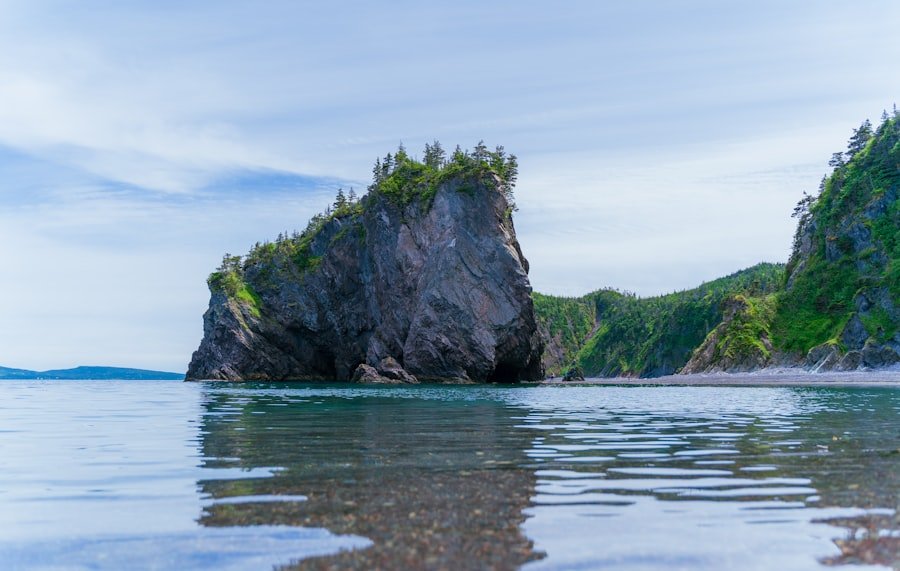
Dauphin Island offers a mix of beach time, historic sites, marine education, birding, fishing, paddling, biking, and quiet outdoor spaces. The island’s main attractions are spread from the historic east end to the beaches on the west side.
Visit the Public Beaches
The Town of Dauphin Island identifies several public beach access areas, including East End Beach, Middle Beach, Bienville Beach, and West End Beach. Current parking information is published on the town’s Beach Access & Visitor Parking page.
West End Beach sits at the western tip of the island and offers restrooms plus seasonal food and chair-rental vendors. The town prohibits pets, glass, grills, fires, and overnight camping at West End Beach. Other beach areas have their own rules, including leash requirements for dogs.
Warning: West End Beach has no lifeguards, and dangerous rip currents can occur along the Gulf Coast. Check the National Weather Service beach and rip-current forecast before swimming. Stay out of the water when conditions are unsafe.
Explore Fort Gaines
Historic Fort Gaines stands on the eastern end of Dauphin Island at the entrance to Mobile Bay. Fort construction developed over several decades during the first half of the 1800s, and the site later played an important role in the 1864 Battle of Mobile Bay during the Civil War.
Visitors can explore fortifications, tunnels, historic cannons, exhibits, and views across Mobile Bay. Special demonstrations and group tours may depend on the operating schedule, so check current visitor information before going.
Visit the Alabama Aquarium
The public aquarium at the Dauphin Island Sea Lab is now called the Alabama Aquarium, formerly the Estuarium. Its exhibits explain four major coastal Alabama habitats: the Mobile-Tensaw River Delta, Mobile Bay, barrier islands, and the northern Gulf.
The aquarium is a strong option for families, marine-life enthusiasts, and rainy or very hot days. The official site currently lists daily operating hours, ticket prices, animal feedings, and educational excursions, but visitors should confirm details before arrival because schedules and prices can change.
Go Kayaking, Paddleboarding, or Fishing
Kayaking and paddleboarding are popular ways to explore the island’s bays, marshes, and protected waters. Town parks such as Aloe Bay and Bayou Heron provide access points for paddlers, while several public boat launches serve anglers and boaters.
Fishing opportunities include shoreline fishing, piers, boat launches, and charter trips. Common Gulf and bay catches can include species such as redfish, speckled trout, and flounder, but seasons, size limits, harvest rules, and license requirements can change. Check current Alabama fishing regulations before fishing.
Walk the Audubon Bird Sanctuary
The Dauphin Island Audubon Bird Sanctuary protects about 164 acres of woodlands, wetlands, dunes, lake habitat, and Gulf shoreline. Trails pass through pines, live oaks, magnolias, marshes, and other coastal habitats.
The sanctuary is particularly important during spring and fall migration, when birds use Dauphin Island as a resting and feeding area. Herons, egrets, shorebirds, songbirds, and many other species may be seen depending on the season.
The Audubon Bird Sanctuary protects roughly 164 acres of coastal habitat and includes miles of walking trails through maritime forest, wetlands, dunes, and Gulf shoreline.
Where to Stay on Dauphin Island
Dauphin Island lodging is dominated by vacation homes, cottages, condos, and other rental properties rather than large resort hotels. There are also smaller traditional lodging choices and a public campground. Prices can vary substantially by season, property size, location, minimum-stay rules, taxes, cleaning fees, and special events, so live booking rates are more useful than a single island-wide nightly average.
| Accommodation Type | What to Expect | Best For |
| Vacation Rental | Homes, cottages and condos ranging from bayside to direct beach locations | Families, groups and longer stays |
| Motel, Inn or Condo-Style Lodging | More limited inventory than a large resort destination; location and amenities vary | Short stays and travelers who do not need a full rental home |
| Campground | Tent and RV facilities at the east end near nature trails and major attractions | Campers, RV travelers and outdoor-focused trips |
The official Dauphin Island Campground has more than 150 sites and is close to the Audubon Bird Sanctuary, Alabama Aquarium, Fort Gaines, ferry landing, and east-end recreation. Many vacation rentals elsewhere on the island include kitchens, decks, grills where permitted, or beach access, but amenities vary by property.
Before booking, check whether your rental is on the Gulf side or bayside, how far it is from public beach access, whether linens and cleaning are included, the cancellation policy, pet rules, parking limits, and any minimum-stay requirement.
Dining and Nightlife on Dauphin Island
Dauphin Island’s dining scene is casual and strongly influenced by Gulf seafood. The Town of Dauphin Island’s restaurant directory lists seafood restaurants, grills, cafés, bakeries, pizza, barbecue, and other informal choices.
Islander’s Restaurant & Bar is a verified island restaurant offering Gulf seafood, indoor and outdoor seating, and waterfront views. Pelican Pub is another established local gathering place on Aloe Bay with drinks, sunset views, and a relaxed pub atmosphere.
Nightlife on Dauphin Island is much quieter than in larger Gulf Coast resort areas. A typical evening may involve dinner, drinks at a local pub, a walk near the water, or watching sunset from a rental property rather than clubs and late-night entertainment.
For separate food reading that is not specific to Dauphin Island, the original article also linked to this guide on exploring the delightful world of Asian melon. Treat it as optional general food content rather than local island dining information.
Wildlife and Nature on Dauphin Island

Dauphin Island is an important stopover for migratory birds moving across the Gulf region. Birdwatchers visit during migration periods to look for songbirds, shorebirds, herons, egrets, and other species using the island’s forests, marshes, dunes, beaches, and freshwater habitat.
The waters around the island also support fish, dolphins, sea turtles, rays, and many other coastal species. The Alabama Aquarium provides a useful introduction to these ecosystems, while outdoor visitors can experience them through trails, beaches, paddling, fishing, and guided excursions.
Note: Protect the island’s dunes and wildlife habitat. Stay on established access routes, do not drive or walk through protected dunes and sea oats, keep pets leashed where they are allowed, and remember that pets are prohibited at West End Beach.
History and Culture of Dauphin Island
Dauphin Island has a long human history. Spanish explorers mapped the area in the early 1500s, and French explorers arrived near the end of the 1600s. Early French accounts referred to the island as Massacre Island after human remains were discovered there. The island was later renamed in connection with French royalty, and it became an important part of the early French colonial presence along the Gulf Coast.
Control of the island later passed among European powers before the area became part of the United States. British forces occupied Dauphin Island for a period in early 1815. U.S. fortification work followed in the nineteenth century, eventually producing Fort Gaines on the island’s eastern tip.
Fort Gaines is especially significant for its role in the Civil War’s Battle of Mobile Bay in 1864. Today its fortifications, museum areas, cannons, tunnels, and views help visitors understand the military history of Mobile Bay.
Modern island culture remains closely connected to fishing, boating, coastal conservation, birding, beaches, community events, and the working waterfront.
Tips for Visiting Dauphin Island
Spring and fall are excellent times to visit if you want comfortable outdoor conditions, bird migration, and a quieter feel than peak beach season. Summer remains popular with families and beachgoers, but expect hotter weather and higher demand for popular rentals.
Check Beach Conditions Before Swimming
Never assume calm-looking water is automatically safe. Check the National Weather Service beach forecast before entering the Gulf, especially when a moderate or high rip-current risk is posted. West End Beach does not have lifeguards.
Check Parking and Beach Rules
The Town of Dauphin Island uses paid parking for town-owned public beach areas and publishes current seasonal fees and hours online. Rules vary by location. West End Beach prohibits pets, glass, personal grills, fires, and overnight camping.
Pack for Sun, Heat, Bugs, and Walking
Bring sunscreen, drinking water, a hat, comfortable walking shoes, and insect repellent if you plan to explore trails or marshy areas. Beach shoes or sandals are useful around the coast, while closed-toe shoes are more comfortable for longer walks and historic sites.
Allow Two or Three Days for a Relaxed First Visit
You can see several highlights in one day, but two or three days gives you time to combine the beach with Fort Gaines, the Alabama Aquarium, Audubon Bird Sanctuary, local dining, sunset, and a fishing or paddling activity without rushing.
Keep a Bad-Weather Backup Plan
Coastal weather can change quickly. The Alabama Aquarium is one of the best indoor or partly indoor alternatives when storms interrupt beach plans. Fort Gaines and local shops can also fit into a flexible itinerary when conditions permit.
Use Local Information Before You Arrive
Operating hours, beach access, ferry service, parking fees, restaurant schedules, and attraction prices can change. Check official sources shortly before your trip instead of relying only on older travel guides.
Frequently Asked Questions
What is Dauphin Island?
Dauphin Island is a barrier island town in Mobile County, Alabama. It is known for Gulf beaches, bird migration, fishing, Fort Gaines, the Alabama Aquarium, and a quieter coastal atmosphere. The 2020 U.S. Census counted 1,778 residents.
How do I get to Dauphin Island?
Most visitors drive to Dauphin Island on AL-193 across the bridge from the mainland. You can also take the Mobile Bay Ferry between Fort Morgan and Dauphin Island. Ferry schedules change seasonally and service is weather permitting.
What are the main attractions on Dauphin Island?
Major attractions include the public beaches, Historic Fort Gaines, the Alabama Aquarium at the Dauphin Island Sea Lab, the Audubon Bird Sanctuary, boating and kayak access, fishing areas, parks, and the island’s coastal wildlife habitat.
What is the best time to visit Dauphin Island?
Spring and fall are strong choices for comfortable outdoor activities and seasonal bird migration. Summer is popular for beach trips but is hotter and can bring greater demand for rentals and beach parking.
Are there accommodations on Dauphin Island?
Yes. Options include vacation homes, cottages, condos, smaller lodging properties, and the Dauphin Island Campground. Vacation rentals make up a large share of the island’s visitor accommodations.
Does the Dauphin Island ferry run every day?
The Mobile Bay Ferry normally provides year-round service seven days a week except certain holidays, but operations are weather permitting and schedules can change because of maintenance or seasonal demand. Check the official ferry schedule before leaving.
Do you have to pay to park at Dauphin Island beaches?
The Town of Dauphin Island charges seasonal parking fees at its town-owned public beach areas. Fees, hours, payment methods, and permit rules can change, so check the town’s Beach Access & Visitor Parking page for current information.
Are dogs allowed on Dauphin Island beaches?
Dogs are allowed at some Dauphin Island beach areas when properly leashed, but they are prohibited at West End Beach. Always check posted rules and clean up after your pet.
Is it safe to swim at Dauphin Island?
Swimming conditions vary with weather, waves, currents, and location. Rip currents can be dangerous even when the beach looks calm, and West End Beach has no lifeguards. Check the National Weather Service rip-current forecast before swimming and stay out of the water when hazardous conditions are reported.
Sources
- Town of Dauphin Island – Beach Access & Visitor Parking – public beaches, parking, seasonal access, and visitor rules.
- Mobile Bay Ferry – current ferry operations, seasonal schedules, and weather or maintenance notices.
- Dauphin Island Sea Lab – Alabama Aquarium – current aquarium name, exhibits, hours, tickets, location, and visitor information.
- Town of Dauphin Island – Audubon Bird Sanctuary – sanctuary size, habitats, trails, and bird migration information.
- Mobile Airport Authority – Mobile Regional Airport – current Mobile commercial passenger airport information.
- National Weather Service Mobile/Pensacola – Beach Forecast – rip-current risk and Gulf beach safety information.