

Istanbul, a city that straddles two continents, is a vibrant tapestry woven from the threads of history, culture, and modernity. This unique metropolis, once the capital of empires, serves as a bridge between East and West, offering visitors a rich blend of experiences that reflect its diverse heritage. With its stunning architecture, bustling bazaars, and mouthwatering cuisine, Istanbul captivates the hearts of travelers from around the globe.
The city’s historical significance is palpable in its ancient structures, while its contemporary art scene and lively neighborhoods showcase its dynamic spirit. The Bosphorus Strait, which divides Europe and Asia, is a defining feature of Istanbul, providing breathtaking views and a sense of connection to both sides of the city. The skyline is punctuated by the minarets of mosques, the domes of churches, and the silhouettes of modern skyscrapers.
As one wanders through its streets, the sounds of honking cars, street vendors calling out their wares, and the distant call to prayer create an atmosphere that is both exhilarating and enchanting. For anyone planning a visit, Istanbul promises an unforgettable journey through time and culture.
Key Takeaways
- Istanbul is a vibrant city that straddles two continents, offering a rich blend of history, culture, and modernity.
- Day 1 in Istanbul should be spent exploring the Old City, home to iconic landmarks such as the Blue Mosque and Hagia Sophia.
- On Day 2, take a Bosphorus cruise to experience the unique charm of both the European and Asian sides of Istanbul.
- Day 3 is perfect for exploring the modern side of Istanbul, with visits to Taksim Square and Istiklal Avenue.
- Must-see attractions in Istanbul include the Topkapi Palace, Grand Bazaar, and the stunning views from Galata Tower.
Day 1: Exploring the Old City
Exploring Sultanahmet: A Treasure Trove of History
The first day in Istanbul should be dedicated to exploring the Old City, known as Sultanahmet, where many of the city’s most iconic landmarks are located. Starting at the Hagia Sophia, visitors are greeted by a masterpiece of Byzantine architecture that has stood for nearly 1,500 years. Originally built as a cathedral, it was later converted into a mosque and now serves as a museum. The grandeur of its massive dome and intricate mosaics leaves an indelible impression on all who enter. The interplay of light filtering through the windows creates an ethereal atmosphere that invites contemplation.
Marveling at Architectural Wonders
Just a short walk from Hagia Sophia lies the Blue Mosque, or Sultan Ahmed Mosque, renowned for its stunning blue tiles and six towering minarets. Visitors can marvel at the intricate calligraphy and floral patterns that adorn its interior while experiencing the serene ambiance that envelops this sacred space. As one steps outside, the expansive Sultanahmet Square offers a perfect vantage point to appreciate both architectural wonders side by side. The square is also home to the ancient Hippodrome, where chariot races once entertained thousands, and remnants of its past can still be seen in the form of obelisks and monuments.
A World of Shopping and Delights
After immersing oneself in history, a leisurely stroll through the Grand Bazaar is a must. This sprawling market, one of the oldest and largest covered markets in the world, boasts over 4,000 shops selling everything from spices to jewelry. The vibrant colors and enticing aromas create an intoxicating atmosphere as visitors haggle for unique souvenirs. Sampling local delicacies such as baklava or Turkish delight while navigating through the labyrinthine alleys adds to the experience.
Unwinding with a Cup of Turkish Delight
As day one comes to a close, finding a cozy café to sip on traditional Turkish tea or coffee provides a perfect opportunity to reflect on the day’s adventures.
Day 2: Crossing the Bosphorus
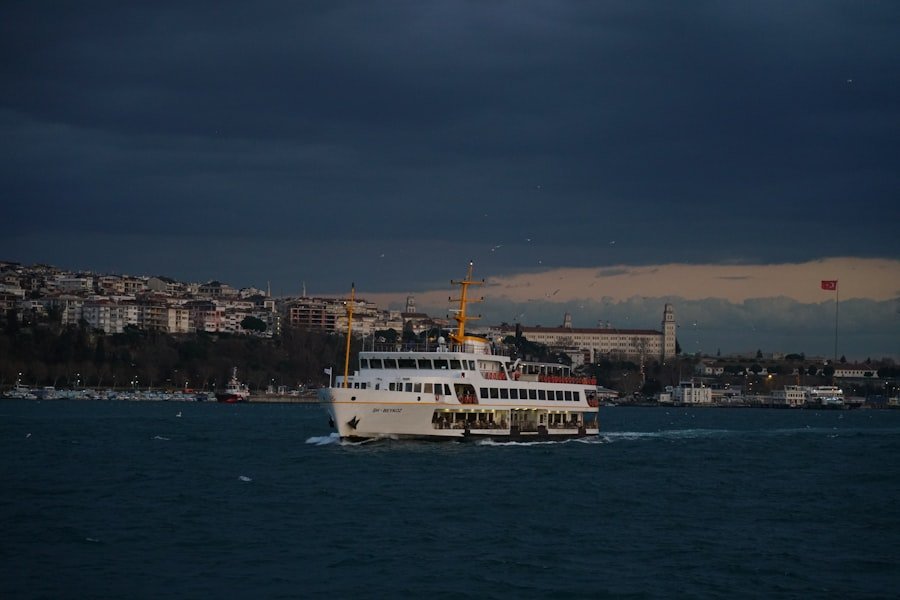
On the second day, crossing the Bosphorus is an essential experience that offers a different perspective on Istanbul’s beauty. A ferry ride across this iconic strait not only provides stunning views of both the European and Asian sides but also allows travelers to witness the daily life of locals who rely on this vital waterway for transportation. As the ferry glides over the shimmering waters, passengers can take in sights such as the Dolmabahçe Palace with its opulent architecture and lush gardens on one side and the charming waterfront homes of Ortaköy on the other.
Once on the Asian side, specifically in Kadıköy, visitors can explore a vibrant neighborhood known for its lively markets and street art. The Kadıköy Market is a feast for the senses, filled with fresh produce, fish stalls, and local delicacies. Sampling street food such as simit (a sesame-covered bread) or döner kebab while wandering through this bustling area provides an authentic taste of Istanbul’s culinary scene.
The atmosphere is lively and welcoming, with cafes spilling onto sidewalks where locals gather to enjoy their coffee or tea. After exploring Kadıköy, taking a leisurely walk along the waterfront promenade offers stunning views of the city skyline. The contrast between modern buildings and historical landmarks creates a captivating panorama.
For those seeking a more tranquil experience, visiting Çamlıca Hill provides an elevated perspective of Istanbul. The hill features parks and gardens where visitors can relax while enjoying breathtaking views of both continents. As day two concludes, returning to the European side via ferry allows for a picturesque sunset over the Bosphorus—a perfect way to end an enriching day.
Day 3: Modern Istanbul
| Metrics | Day 3: Modern Istanbul |
|---|---|
| Population | 15 million |
| Landmarks | Galata Tower, Istiklal Avenue, Taksim Square |
| Transportation | Metro, Tram, Bus, Ferry |
| Shopping | Grand Bazaar, Spice Bazaar, modern malls |
| Restaurants | Local eateries, international cuisine |
The final day in Istanbul should focus on experiencing its modern side, which is just as captivating as its historical roots. Starting in Taksim Square, often considered the heart of modern Istanbul, visitors can immerse themselves in the vibrant atmosphere filled with shops, restaurants, and cultural venues. A stroll down İstiklal Avenue reveals an eclectic mix of boutiques, art galleries, and cafes housed in historic buildings that have been repurposed for contemporary use.
The street bustles with life as locals and tourists alike enjoy street performances and pop-up art installations. A visit to the Pera Museum offers insight into Turkey’s rich artistic heritage while showcasing contemporary works that reflect current societal themes. The museum’s collection includes Orientalist paintings and modern art exhibitions that challenge traditional narratives.
After soaking in some culture, heading towards Karaköy provides an opportunity to explore Istanbul’s burgeoning food scene. This neighborhood has transformed into a culinary hotspot with trendy eateries serving innovative dishes that blend traditional flavors with modern techniques. As evening approaches, taking a trip to Galata Tower is highly recommended for panoramic views of Istanbul at sunset.
This medieval stone tower offers an observation deck where visitors can marvel at the sprawling cityscape below. The sight of minarets silhouetted against a colorful sky is nothing short of magical. After descending from the tower, dining at one of the rooftop restaurants nearby allows for a memorable meal accompanied by stunning views of the Golden Horn and beyond.
Day three encapsulates Istanbul’s ability to seamlessly blend its rich history with contemporary life.
Must-see attractions in Istanbul
Istanbul is replete with must-see attractions that cater to diverse interests. Beyond Hagia Sophia and the Blue Mosque, other significant sites include Topkapi Palace, which served as the residence of Ottoman sultans for centuries. This sprawling complex houses exquisite collections of artifacts, including imperial treasures and religious relics.
Visitors can wander through lush gardens while absorbing stories of royal life within its opulent rooms. Another noteworthy attraction is Basilica Cistern, an underground marvel that dates back to Byzantine times. This vast subterranean chamber features hundreds of columns rising from the water’s surface, creating an otherworldly atmosphere illuminated by soft lighting.
The cistern’s historical significance as a water reservoir adds depth to its allure. For those interested in art and culture, visiting Istanbul Modern provides insight into contemporary Turkish art through rotating exhibitions that showcase both established and emerging artists. The Spice Bazaar is another essential stop for those looking to experience Istanbul’s culinary heritage.
This vibrant market is filled with stalls selling aromatic spices, dried fruits, nuts, and sweets that tantalize the senses. Engaging with local vendors while sampling their offerings creates an immersive experience that highlights Istanbul’s rich gastronomic traditions.
Where to eat in Istanbul
Traditional Turkish Cuisine
For traditional Turkish cuisine, restaurants like Çiya Sofrası in Kadıköy serve authentic dishes made from recipes passed down through generations. Here, diners can indulge in regional specialties such as lamb stews or stuffed grape leaves while enjoying a warm atmosphere filled with local charm.
Modern Twists on Turkish Flavors
For those seeking a more modern twist on Turkish flavors, Mikla Restaurant offers an innovative menu that combines traditional ingredients with contemporary techniques. Located atop a hotel in Beyoğlu, it provides stunning views alongside expertly crafted dishes that highlight seasonal produce. The tasting menu is particularly popular among food enthusiasts looking for a unique dining experience.
Street Food and Local Delights
Street food is another integral part of Istanbul’s culinary scene; sampling local fare from vendors is highly recommended. From simit sellers offering freshly baked bread rings to fish sandwiches served at Eminönü’s waterfront stalls, these quick bites provide an authentic taste of everyday life in Istanbul. Additionally, indulging in desserts like künefe (a sweet cheese pastry) or dondurma (Turkish ice cream) from local shops adds sweetness to any culinary adventure.
Getting around Istanbul
Navigating Istanbul can be both exciting and challenging due to its size and bustling nature; however, various transportation options make it manageable for visitors. The city’s public transport system includes buses, trams, ferries, and metro lines that connect different neighborhoods efficiently. The tram system is particularly useful for reaching key attractions in Sultanahmet and Beyoğlu areas.
Purchasing an Istanbulkart—a rechargeable transit card—simplifies travel across all modes of public transport while offering discounted fares compared to single tickets. Taxis are also readily available but may be subject to traffic delays during peak hours; using ride-hailing apps can provide more convenience for those unfamiliar with local routes. Walking is another excellent way to explore Istanbul’s neighborhoods; many attractions are within walking distance of each other in areas like Sultanahmet or Galata.
Strolling through narrow streets allows visitors to discover hidden gems such as local shops or quaint cafes that might otherwise go unnoticed.
Tips for a successful 3-day itinerary in Istanbul
To maximize your three-day itinerary in Istanbul, planning ahead is crucial. Start each day early to avoid crowds at popular attractions like Hagia Sophia or Topkapi Palace; booking tickets online can save time spent waiting in line. Additionally, consider visiting during weekdays rather than weekends when tourist traffic tends to be heavier.
Dressing modestly when visiting religious sites is essential; women should carry scarves to cover their heads when entering mosques while men should wear long pants and shirts with sleeves. Staying hydrated throughout your explorations is important—especially during warmer months—so carrying a reusable water bottle can be beneficial. Engaging with locals can enhance your experience; don’t hesitate to ask for recommendations on hidden gems or lesser-known eateries off the beaten path.
Learning a few basic Turkish phrases can also go a long way in fostering connections with residents who appreciate visitors making an effort to communicate in their language. Lastly, allow flexibility within your itinerary; while having planned activities is helpful, leaving room for spontaneous discoveries often leads to memorable experiences that define your time in this enchanting city.
If you’re looking to explore the culinary delights of Istanbul during your 3-day itinerary, you might want to check out this article on delicious homemade cottage cheese. This simple and healthy recipe could be a great addition to your travel experience as you sample the local cuisine in this vibrant city.
FAQs
What are the highlights of a 3-day itinerary in Istanbul?
Some highlights of a 3-day itinerary in Istanbul include visiting the Hagia Sophia, Blue Mosque, Topkapi Palace, Grand Bazaar, and taking a Bosphorus cruise.
What is the best time to visit Istanbul?
The best time to visit Istanbul is during the spring (April to May) and fall (September to November) when the weather is mild and the tourist crowds are smaller.
What is the currency used in Istanbul?
The currency used in Istanbul is the Turkish Lira (TRY).
What is the transportation system like in Istanbul?
Istanbul has a comprehensive public transportation system including trams, buses, ferries, and a metro. Taxis and ridesharing services are also available.
What are some traditional Turkish dishes to try in Istanbul?
Some traditional Turkish dishes to try in Istanbul include kebabs, mezes, baklava, Turkish delight, and Turkish tea or coffee.
Is it safe to visit Istanbul as a tourist?
Istanbul is generally safe for tourists, but it’s always important to be aware of your surroundings and take necessary precautions against petty theft and scams. It’s also advisable to check for any travel advisories before visiting.